In the north of Iraq, in the heart of Kurdistan, rises one of the most extraordinary human places on earth, the Citadel of Erbil, a great oval mound of mud-brick houses and lanes raised thirty meters above the surrounding plain, the citadel claimed to be the oldest continuously inhabited settlement in the world. The mound of Erbil, built up over thousands of years of human occupation, crowned by its ring of mansions and its gates, is a monument of the deep history of Mesopotamia, the Citadel of Erbil the living mound of the ages, the oldest city on earth.
The Citadel of Erbil is a city raised upon its own past. The great tell, the artificial mound formed by layer upon layer of settlement over six thousand years or more, rises above the modern city of Erbil, crowned by the Ottoman and Kurdish houses of its last inhabitants, the citadel a monument of continuous human life from the ancient Assyrians to the present, the mound of Erbil the record of the ages, the Citadel of Erbil the living history of Mesopotamia raised above the plain of Kurdistan.
This article continues the Iraqi series, turning from the Abbasid palaces to the Citadel of Erbil, the great mound of the oldest city on earth, the living monument of six thousand years of human life, the citadel of mansions and lanes raised above the plain of Kurdistan, the Citadel of Erbil the jewel of the deep history of Mesopotamia, the mound of the ages, the oldest continuously inhabited settlement in the world.
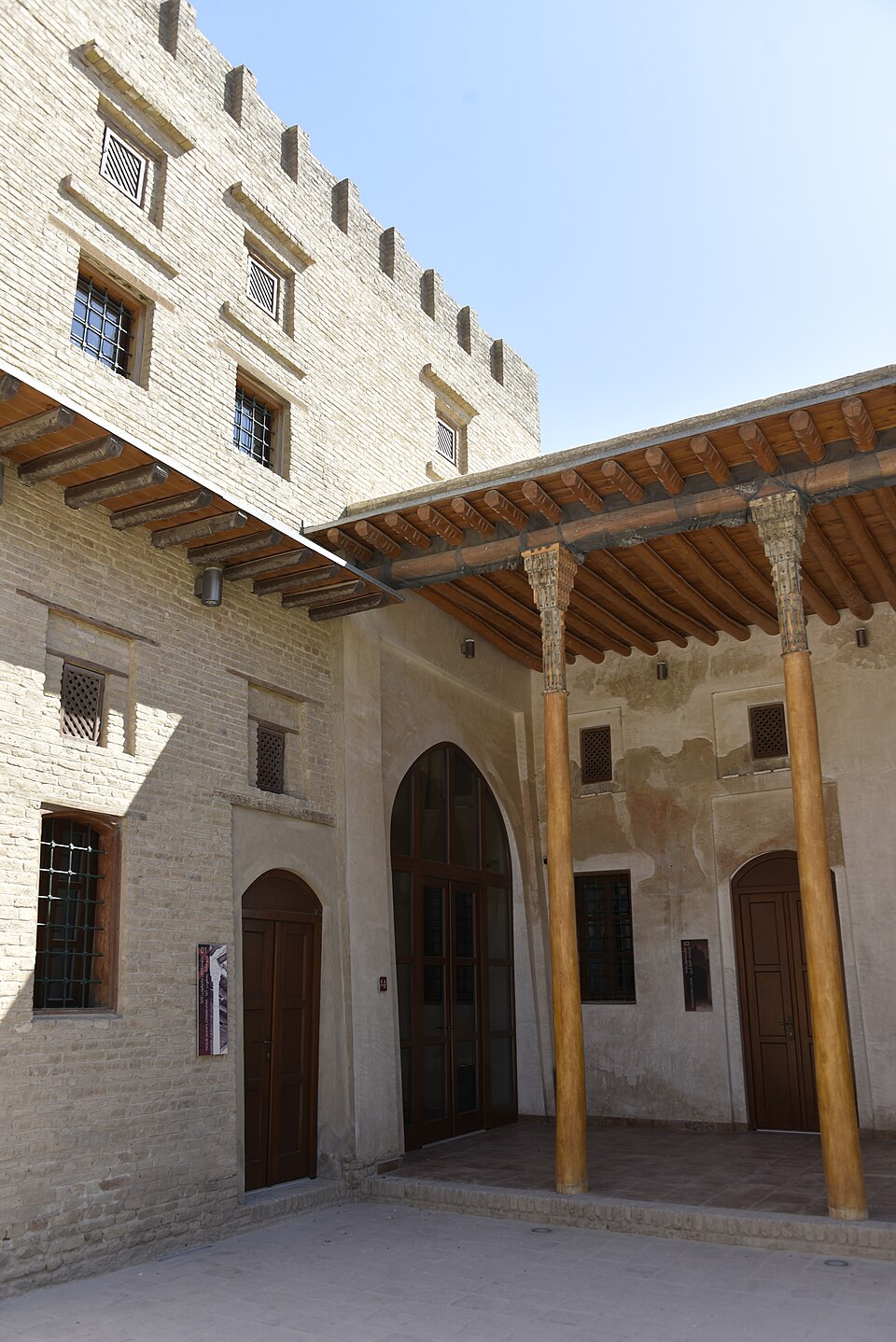
- The Oldest City on Earth
- The Tell of Erbil
- Ancient Arbela
- The Battle of Gaugamela Nearby
- The Citadel Mound
- The Ottoman and Kurdish Age
- The Mansions of the Citadel
- The Gates and the Walls
- The Hammam and the Mosque
- The Textile Museum and the Houses
- The Restoration of the Citadel
- A World Heritage Site
- The Citadel of Erbil Today
- Watch on Film
- Visiting Today
- Palaces Nearby
The Oldest City on Earth
Erbil claims to be the oldest city on earth. The Citadel of Erbil is widely held to be the oldest continuously inhabited settlement in the world, a place where people have lived without interruption for at least six thousand years, perhaps far longer, the mound built up by the successive settlements of millennia, the citadel the living record of the deep human past, Erbil the oldest city on earth, the mound the monument of the unbroken human occupation of Mesopotamia.
The continuity of life is extraordinary: the Citadel of Erbil inhabited through the ages of the Sumerians, the Assyrians, the Persians, the Greeks, the Romans, the Arabs, the Mongols, and the Ottomans, the mound never abandoned, the life of the place unbroken from the deep antiquity to the present, Erbil the city of the unbroken continuity, the citadel the living monument of six thousand years, the mound the record of the longest human occupation on earth.
The claim makes Erbil a place of wonder: the Citadel of Erbil, as the oldest continuously inhabited settlement, a place of wonder and of deep significance, the mound the living witness of the whole span of civilization in its homeland of Mesopotamia, Erbil the city of the deepest roots, the citadel the monument of the human endurance, the mound the oldest city on earth, the living jewel of the history of Kurdistan and of the world.
The Tell of Erbil
The citadel is a great tell. The mound of Erbil is a tell, an artificial hill formed by the accumulation of the debris of settlement over thousands of years, each generation building upon the ruins of the last, the mound rising ever higher above the plain, the tell of Erbil one of the greatest of the ancient Near East, the mound the record of the ages of building, the tell the physical embodiment of the deep history of the city.
The mound rises high above the plain: the tell of Erbil rising some thirty meters above the surrounding land, the great oval mound a commanding presence over the modern city, the tell the raised platform of the ancient settlement, the mound the height formed by the ages, the tell of Erbil the commanding mound above the plain of Kurdistan, the great hill the record of the millennia of human life, the tell the monument of the deep past.
The layers hold the history of civilization: the tell of Erbil containing within its depths the layers of six thousand years of settlement, the strata the record of the Assyrian, the Persian, the Greek, the Islamic, and the Ottoman ages, the mound a vast archive of the human past, the tell the archaeological treasure of the deep history, the layers the record of the ages, the mound of Erbil the physical archive of the civilization of Mesopotamia.
Ancient Arbela
Erbil was the ancient Arbela. In antiquity the city was known as Arbela, a great city of the Assyrian empire, a center of the worship of the goddess Ishtar, the city of Arbela one of the important cities of the ancient Near East, the settlement the ancestor of the modern Erbil, Arbela the ancient city on the mound, the citadel the living continuation of the Assyrian Arbela, the mound the record of the deep antiquity of the city.
Arbela was a holy city of Ishtar: the ancient Arbela a great center of the worship of Ishtar, the goddess of love and war, the city a place of pilgrimage and of a famous temple, Arbela the holy city of the Assyrian religion, the sanctuary of Ishtar the heart of the ancient settlement, the city the religious center of the region, Arbela the sacred city on the mound that would become Erbil, the holy place of the Assyrian goddess.
The Assyrian kings favored Arbela: the great kings of Assyria, including Ashurbanipal, honoring Arbela and its temple of Ishtar, the city a favored seat of the Assyrian power and religion, Arbela the city of the kings and the goddess, the settlement the important center of the Assyrian empire, Arbela the royal and the sacred city, the ancient Arbela the ancestor of the Citadel of Erbil, the mound the continuation of the Assyrian holy city.
The Battle of Gaugamela Nearby
Near Arbela was fought the Battle of Gaugamela. In 331 BC, on the plain near Arbela, Alexander the Great defeated the Persian king Darius III in the decisive Battle of Gaugamela, the battle that gave Alexander the empire of Persia, the engagement often called the Battle of Arbela after the nearby city, Gaugamela one of the most decisive battles in history, the plain near Erbil the setting of the fall of the Persian empire to Alexander.
The battle changed the course of history: the victory of Alexander at Gaugamela destroying the power of the Persian empire and opening the whole of the Near East to the Greek conquest, the battle near Arbela a turning point of world history, Gaugamela the engagement that remade the ancient world, the plain near Erbil the setting of the decisive clash, the battle the turning point that the city of Arbela witnessed, Gaugamela the battle that changed the course of history near the mound of Erbil.
Arbela gave its name to the battle: the engagement, though fought at Gaugamela some distance away, often known to history as the Battle of Arbela after the nearest great city, the city of Arbela linked forever to the decisive battle, Erbil the city whose name was given to one of history’s great engagements, the mound the witness of the age of Alexander, Arbela the city remembered in the name of the battle that ended the Persian empire near Erbil.
The Citadel Mound
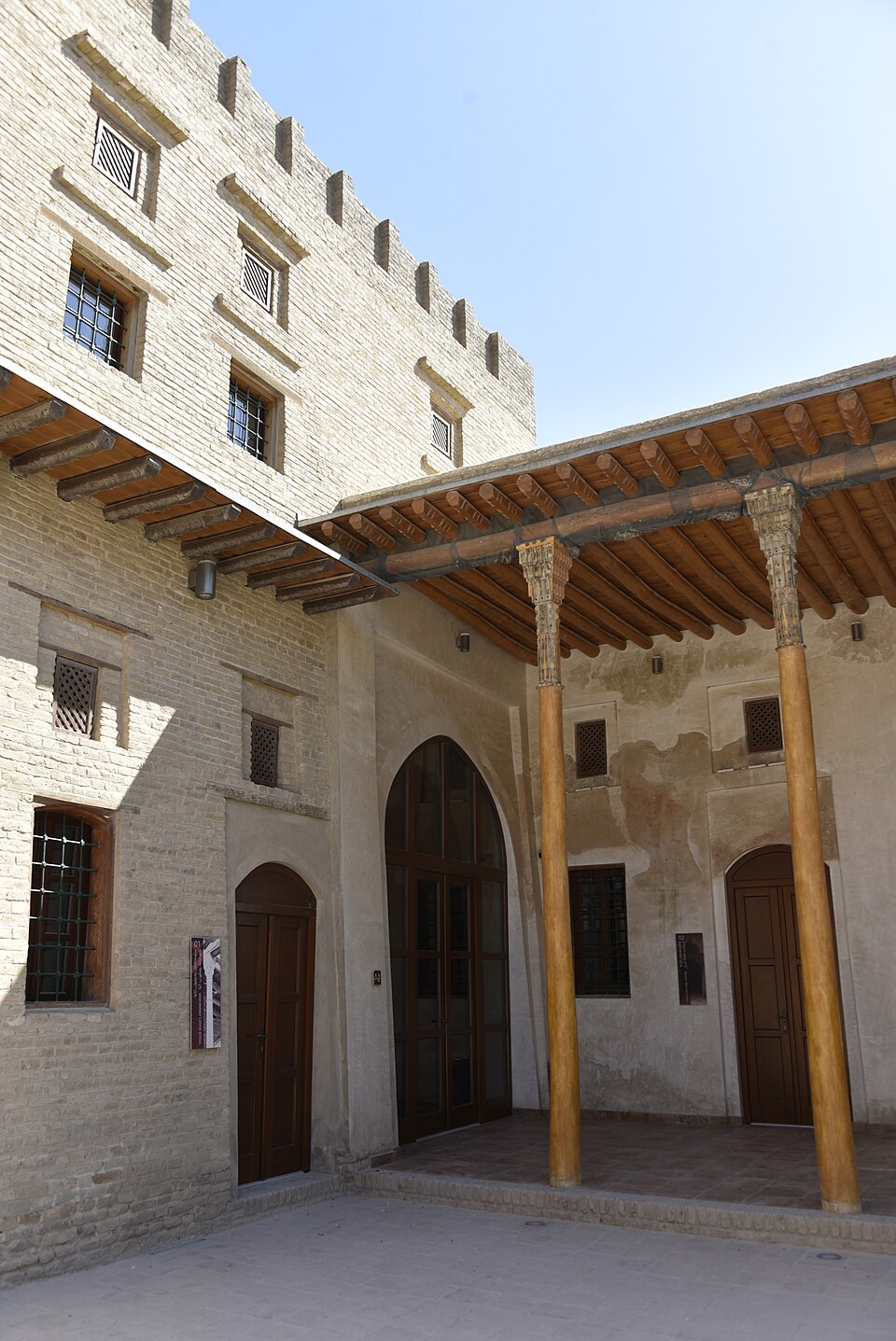
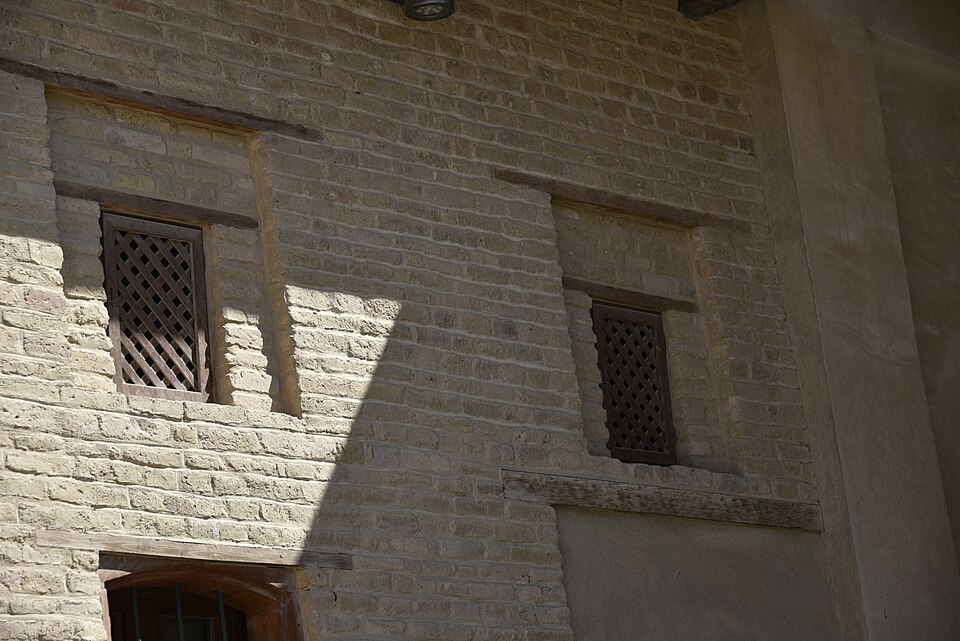
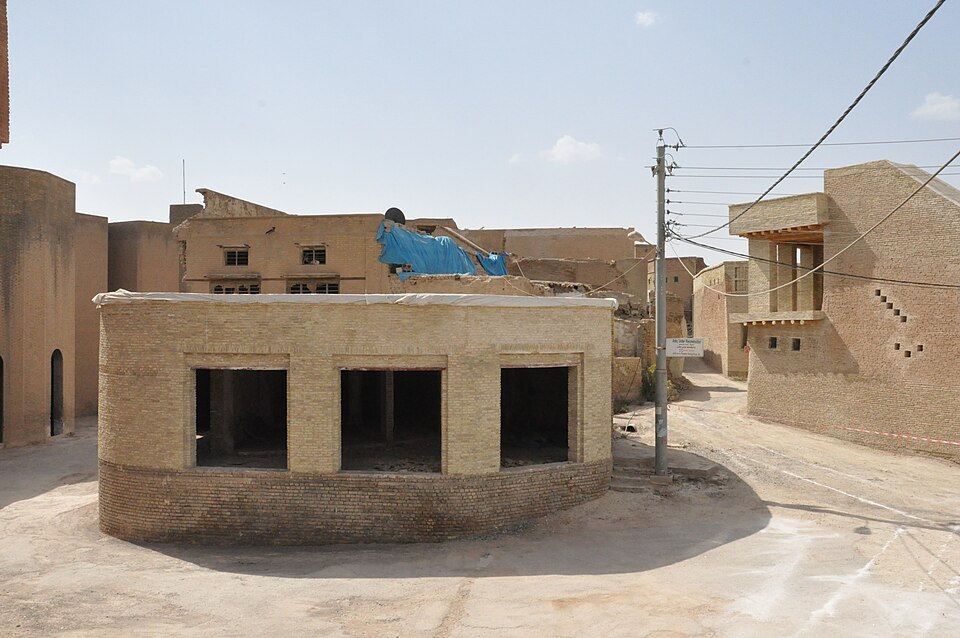
The citadel crowns the mound today. The modern Citadel of Erbil is the ring of houses, lanes, and monuments that crowns the great mound, the settlement of the last centuries built upon the ancient tell, the citadel a continuous fabric of buildings around the edge of the mound, the Citadel of Erbil the living crown of the tell, the mound topped by its ring of mansions and its gates, the citadel the inhabited summit of the oldest city on earth.
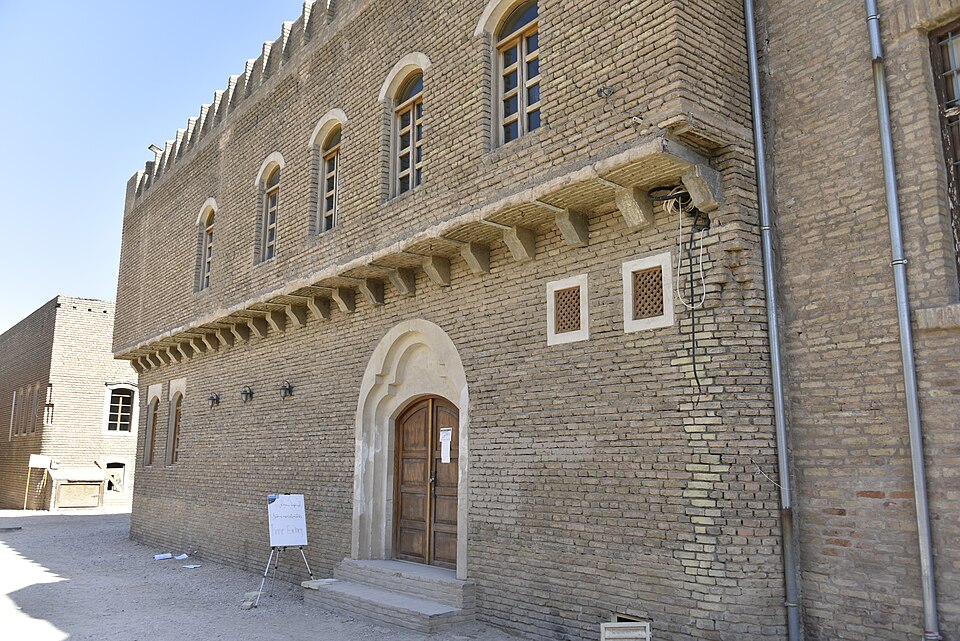
The houses ring the edge of the mound: the buildings of the citadel arranged around the perimeter of the oval tell, their outer walls forming a continuous defensive face, the houses presenting a solid ring to the outside and opening onto the lanes within, the citadel a fortified ring of mansions around the mound, the buildings the crown of the tell, the houses the inhabited rim of the Citadel of Erbil above the plain.
The lanes wind through the citadel: within the ring of houses, a maze of narrow lanes and alleys winding among the mansions and the monuments, the lanes the circulation of the citadel, the alleys the intimate world of the mound-top settlement, the winding ways the fabric of the Citadel of Erbil, the lanes the streets of the oldest city, the alleys the heart of the inhabited mound, the lanes the living fabric of the citadel of Kurdistan.
The Ottoman and Kurdish Age
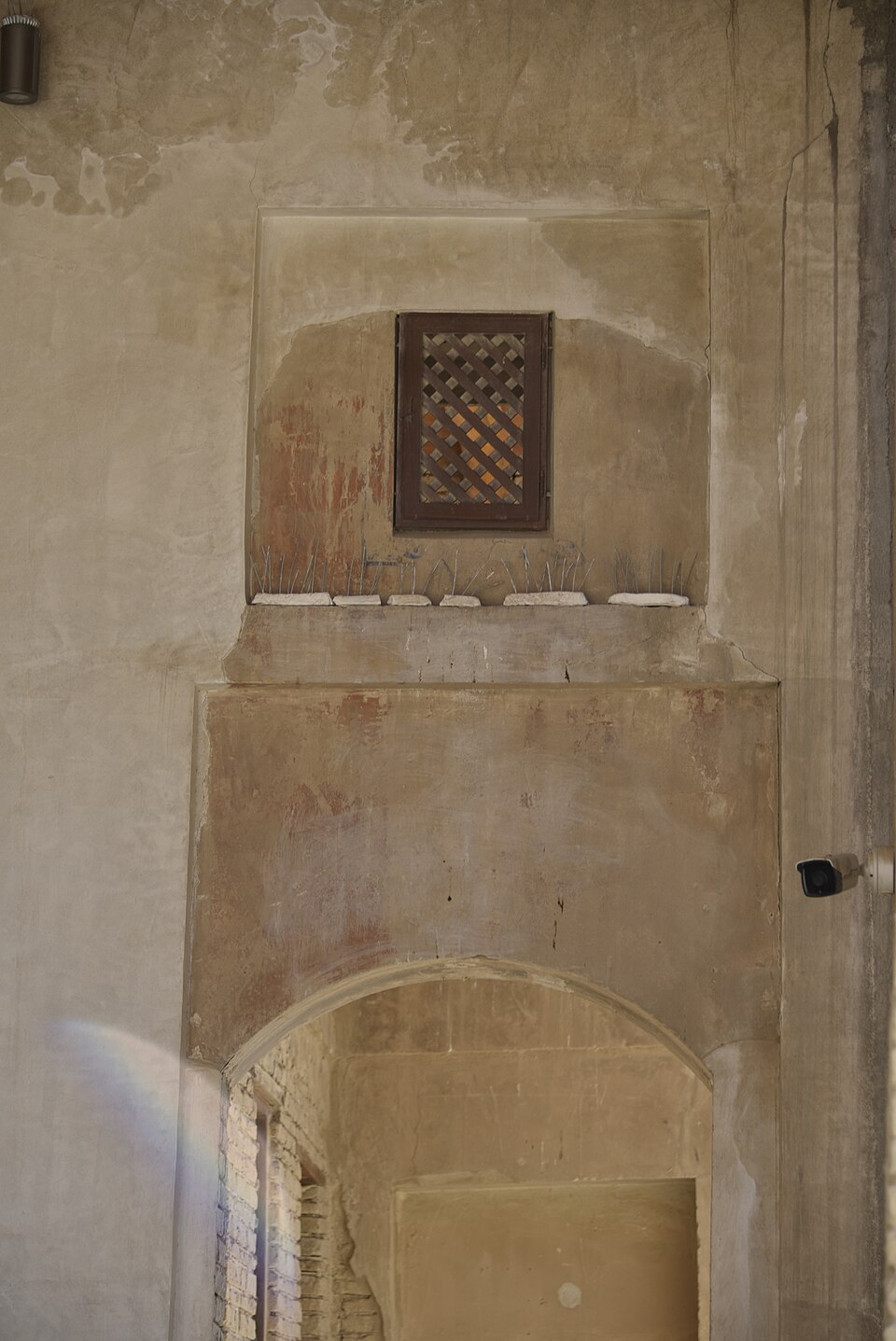
The present citadel is largely of the Ottoman and Kurdish age. The houses and mansions that crown the mound today date mostly from the Ottoman centuries and the age of the Kurdish notables, the citadel a settlement of the last few hundred years built upon the ancient tell, the mansions the homes of the Kurdish families and the Ottoman officials, the Citadel of Erbil in its present form the creation of the Ottoman and Kurdish age upon the mound of the ages.
The citadel was the home of the notables: the mansions of the Citadel of Erbil the homes of the wealthy and the powerful families of the city, the Kurdish aghas, the religious figures, and the Ottoman officials, the citadel the seat of the elite of Erbil, the mansions the homes of the notables, the citadel the quarter of the powerful, the mound-top settlement the seat of the leading families of the city of Kurdistan.
The citadel was a world of its own: the Citadel of Erbil, raised above the plain and ringed by its houses, a distinct and self-contained world, the mound-top settlement with its own lanes, mosque, hammam, and life, the citadel a city upon a hill, the mound the self-contained quarter of the elite, the Citadel of Erbil the world apart above the plain, the inhabited mound the distinct heart of the city of Kurdistan.
The Mansions of the Citadel
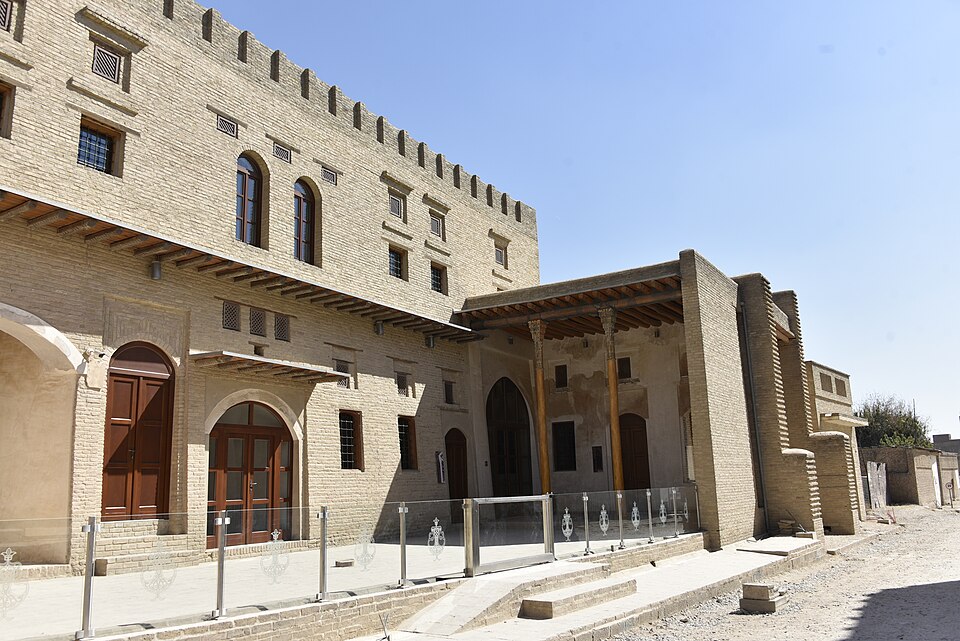
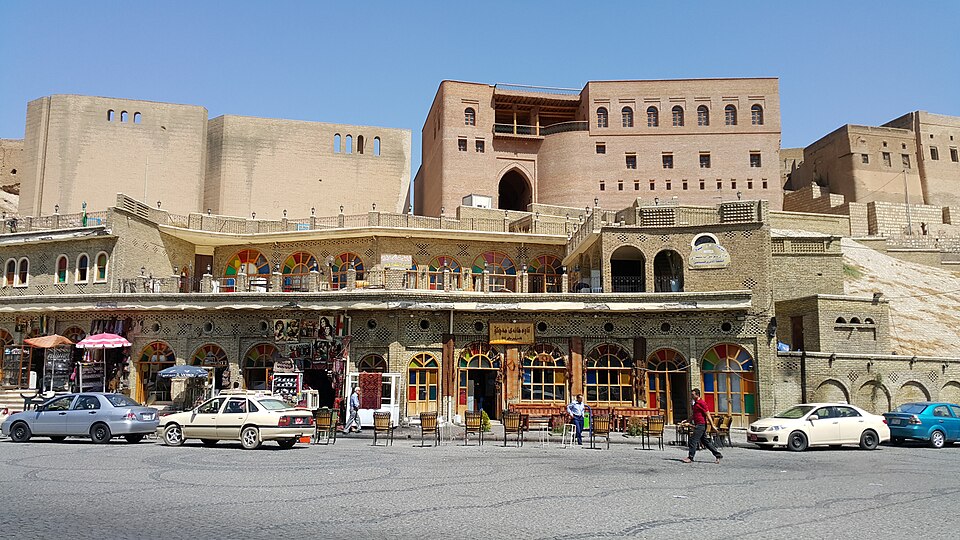
The citadel is a quarter of fine mansions. The buildings of the Citadel of Erbil include many fine courtyard mansions, the homes of the notable families, built in the traditional style with their courts, their halls, and their decorated rooms, the mansions the jewels of the citadel, the houses the homes of the Kurdish and Ottoman elite, the mansions of the mound the showcase of the domestic architecture of Erbil, the houses the treasures of the citadel.
The mansions are built around courtyards: the fine houses of the citadel arranged around their courts, the mansions turned inward around the private courtyards, the rooms and halls opening onto the courts, the mansions the courtyard houses of the mound, the courts the private hearts of the residences, the mansions the courtyard homes of the Erbil notables, the houses the jewels of the domestic architecture of the citadel of Kurdistan.
The finest mansions survive as monuments: the grandest of the citadel’s houses preserved and restored as monuments of the domestic architecture, the mansions the showcase of the traditional building of Erbil, the finest houses the jewels of the citadel, the mansions the treasures of the mound-top settlement, the grand houses the record of the life of the notables, the mansions the surviving jewels of the Citadel of Erbil above the plain of Kurdistan.
The Gates and the Walls
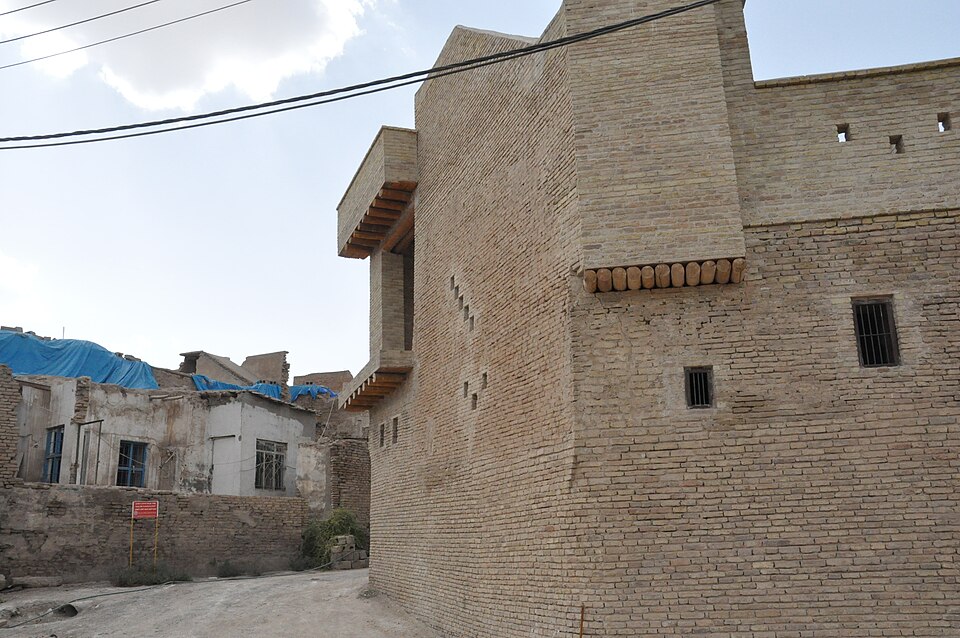
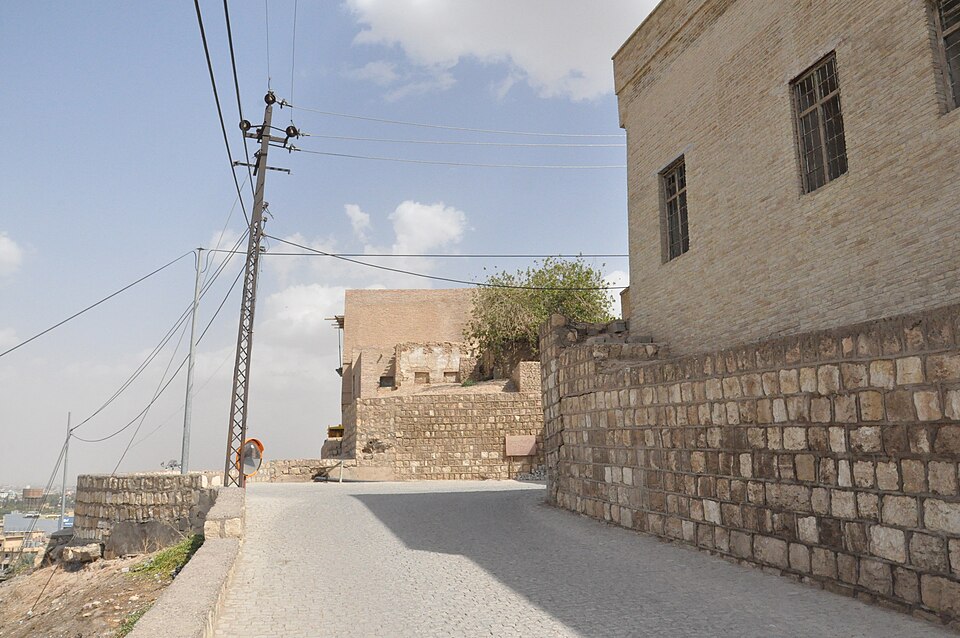
The citadel is entered through its gates. The Citadel of Erbil is reached through gates in the ring of houses, the chief of them the Great Gate on the southern side, the gates the entrances to the mound-top settlement, the continuous outer walls of the houses forming the defensive face of the citadel, the gates the thresholds of the citadel, the outer ring the wall of the mound, the gates the entrances to the oldest city on earth above the plain.
The Great Gate is the chief entrance: the main gate of the Citadel of Erbil, on the southern side, the monumental entrance through which the ramp ascends to the mound, the Great Gate the chief threshold of the citadel, the entrance the ceremonial face of the mound-top settlement, the Great Gate the monumental way into the Citadel of Erbil, the entrance the threshold between the modern city and the ancient mound of Kurdistan.
The outer walls of the houses form the defense: the continuous outer walls of the ring of mansions forming a defensive face around the mound, the citadel defended by the solid backs of its own houses, the outer ring the wall of the settlement, the houses the defensive face of the citadel, the outer walls the fortification of the mound, the ring of mansions the defensive crown of the Citadel of Erbil above the plain.
The Hammam and the Mosque
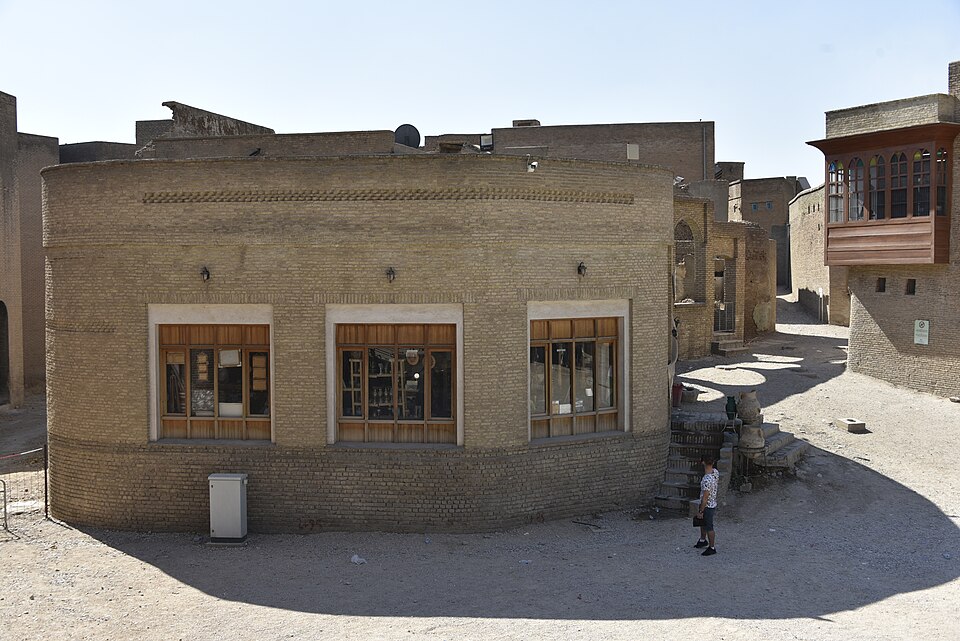
The citadel has its hammam and its mosque. The Citadel of Erbil contains, among its monuments, a traditional hammam or bath house and a mosque, the amenities of the self-contained mound-top settlement, the hammam the bath of the citadel, the mosque the place of worship of the inhabitants, the hammam and the mosque the communal monuments of the citadel, the buildings the heart of the life of the mound-top city of Kurdistan.
The hammam served the life of the citadel: the bath house of the Citadel of Erbil, a fine traditional hammam, serving the inhabitants of the mound, the bath the communal amenity of the settlement, the hammam the social heart of the citadel, the bath house the monument of the daily life, the hammam the jewel of the communal architecture, the bath the record of the life of the Citadel of Erbil.
The mosque was the religious heart: the mosque of the Citadel of Erbil the place of worship of the inhabitants of the mound, the mosque with its minaret the religious center of the settlement, the place of worship the spiritual heart of the citadel, the mosque the sacred building of the mound-top city, the mosque the religious jewel of the citadel, the place of worship the heart of the faith of the Citadel of Erbil above the plain.
The Textile Museum and the Houses
The citadel holds a textile museum in a fine mansion. One of the grand houses of the Citadel of Erbil has become the Kurdish Textile Museum, displaying the carpets, kilims, and textiles of the Kurdish tradition in a restored courtyard mansion, the museum a showcase of the heritage of Kurdistan within the citadel, the textile museum the jewel of the mound’s cultural life, the mansion the home of the heritage, the museum the treasure of the Kurdish tradition within the Citadel of Erbil.
The museum preserves the Kurdish heritage: the Kurdish Textile Museum displaying the weaving, the carpets, and the craft of the Kurdish people, the collection a showcase of the living tradition, the museum the keeper of the heritage of Kurdistan, the textiles the jewels of the collection, the museum the home of the Kurdish craft, the collection the treasure of the tradition, the museum the cultural heart of the Citadel of Erbil.
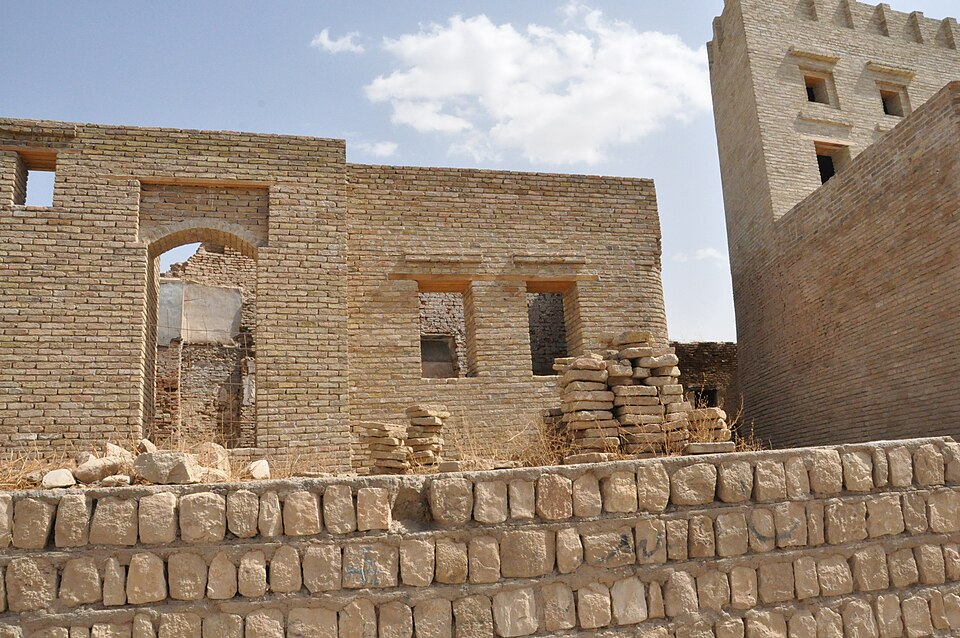
The mansions have found new life: the fine houses of the citadel, as they are restored, finding new uses as museums, workshops, galleries, and cultural centers, the mansions given new life in the restoration, the houses the settings of the cultural revival, the mansions the jewels brought back to use, the restored houses the new life of the citadel, the mansions the treasures of the mound given fresh purpose in the Citadel of Erbil.
The Restoration of the Citadel
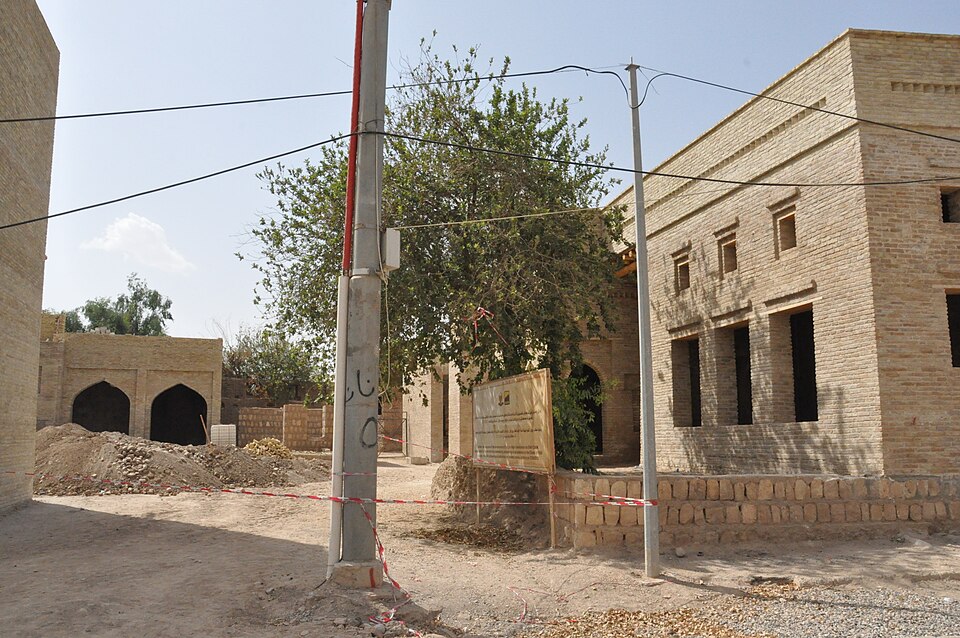
The Citadel of Erbil has undergone a great restoration. In recent decades, the citadel has been the subject of a major program of restoration and conservation, the mansions, lanes, gates, and monuments repaired and preserved, the mound-top settlement saved from decay, the restoration the recovery of the oldest city on earth, the Citadel of Erbil restored as a treasure of the heritage, the mound the subject of the great conservation of the ages-old settlement.
The restoration balanced preservation and life: the conservation of the Citadel of Erbil aiming both to preserve the historic fabric and to keep the mound a living place, the restoration the careful recovery of the settlement, the program the balance of the preservation and the life, the restoration the saving of the citadel, the conservation the recovery of the mound, the restoration the care of the oldest city on earth, the program the salvation of the Citadel of Erbil.
A symbolic family kept the continuity: through the restoration, it was arranged that at least one family should remain living on the mound, so that the record of continuous habitation, unbroken for six thousand years, should not be interrupted even for the works, the symbolic family the keeper of the continuity, the inhabitant the guardian of the unbroken record, the family the living thread of the Citadel of Erbil, the keeper of the title of the oldest city on earth.
A World Heritage Site
The Citadel of Erbil is a World Heritage Site. In 2014, the citadel was inscribed on the UNESCO World Heritage List, recognized as a monument of outstanding universal value, the oldest continuously inhabited settlement and a masterpiece of the layered human history, the inscription the recognition of the citadel’s significance, the Citadel of Erbil the World Heritage treasure of Kurdistan, the mound the monument honored by the world.
The inscription recognized the deep history: the UNESCO listing of the Citadel of Erbil honoring the extraordinary continuity of the settlement, the layered tell of six thousand years, the mound the record of the human past, the inscription the recognition of the deep history, the World Heritage status the honor of the oldest city on earth, the listing the acknowledgment of the significance of the Citadel of Erbil to the heritage of humanity.
The status crowns the citadel’s fame: the World Heritage inscription making the Citadel of Erbil known to the world as the oldest continuously inhabited settlement, the mound the celebrated monument of the deep history, the citadel the World Heritage jewel of Iraq and Kurdistan, the status the crown of the fame of Erbil, the inscription the recognition of the mound, the Citadel of Erbil the World Heritage treasure of the oldest city on earth.
The Citadel of Erbil Today
The Citadel of Erbil today stands as the living monument of the oldest city on earth, the great mound of six thousand years of human life, the ring of mansions and lanes crowning the tell above the plain of Kurdistan, the citadel the record of the Assyrian Arbela, the Ottoman and Kurdish notables, and the unbroken occupation of the ages, the Citadel of Erbil the jewel of the deep history of Mesopotamia, the mound the enduring monument of the human endurance.
The citadel endures as the crown of Erbil: the mound rising above the modern city, the ring of restored mansions the historic heart of Erbil, the citadel the symbol and the crown of the city, the Citadel of Erbil the monument that defines the city, the mound the enduring heart of the Kurdish capital, the citadel the crown of Erbil, the oldest city on earth the enduring jewel above the plain of Kurdistan.
The Citadel of Erbil continues the Iraqi series with the deep history of Mesopotamia, the oldest continuously inhabited settlement on earth, the great mound of six thousand years, the ring of mansions and lanes above the plain of Kurdistan, the citadel of the ancient Arbela and the Ottoman and Kurdish age, the Citadel of Erbil the jewel of the human endurance, the mound the enduring monument of the longest human occupation in the world, a UNESCO World Heritage Site.
Watch the Citadel of Erbil on Film
Visiting the Citadel of Erbil Today
The Citadel of Erbil rises in the center of the city of Erbil, the capital of the Kurdistan Region of northern Iraq, the great oval mound crowned by its ring of mansions reached by the ramp through the Great Gate on the southern side; the citadel is visited for its historic houses, its lanes, its gates, the hammam and the mosque, and the Kurdish Textile Museum, with the view over the modern city from the mound. Travel to the Kurdistan Region of Iraq is generally more accessible than other parts of the country, but current conditions and access should still be checked before any visit; the Citadel of Erbil is a UNESCO World Heritage Site and among the supreme treasures of the human heritage. You can find the citadel on the map here: Citadel of Erbil on Google Maps.


