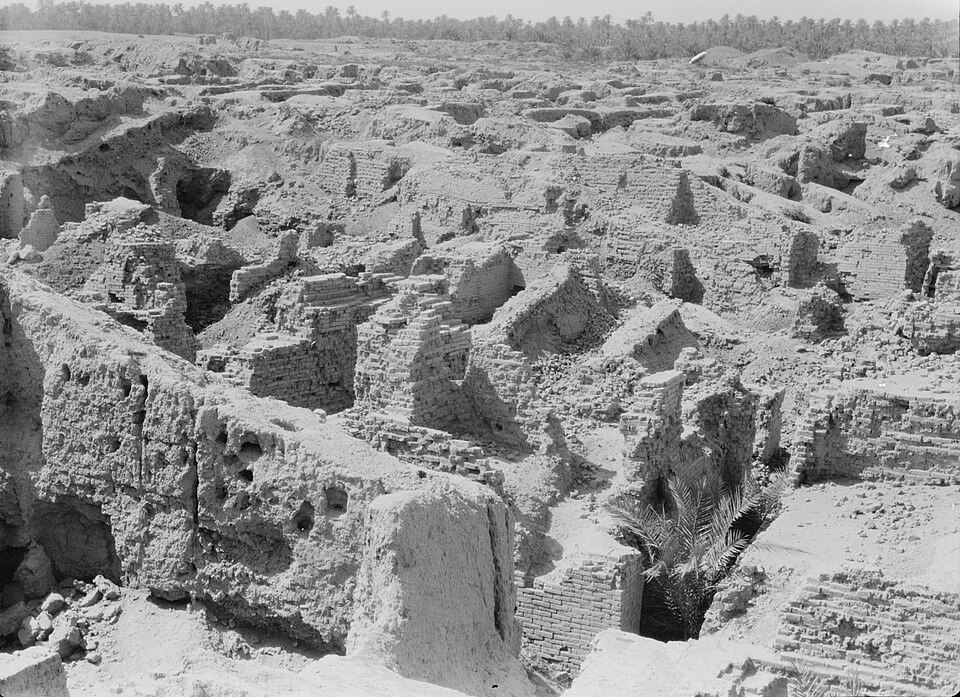
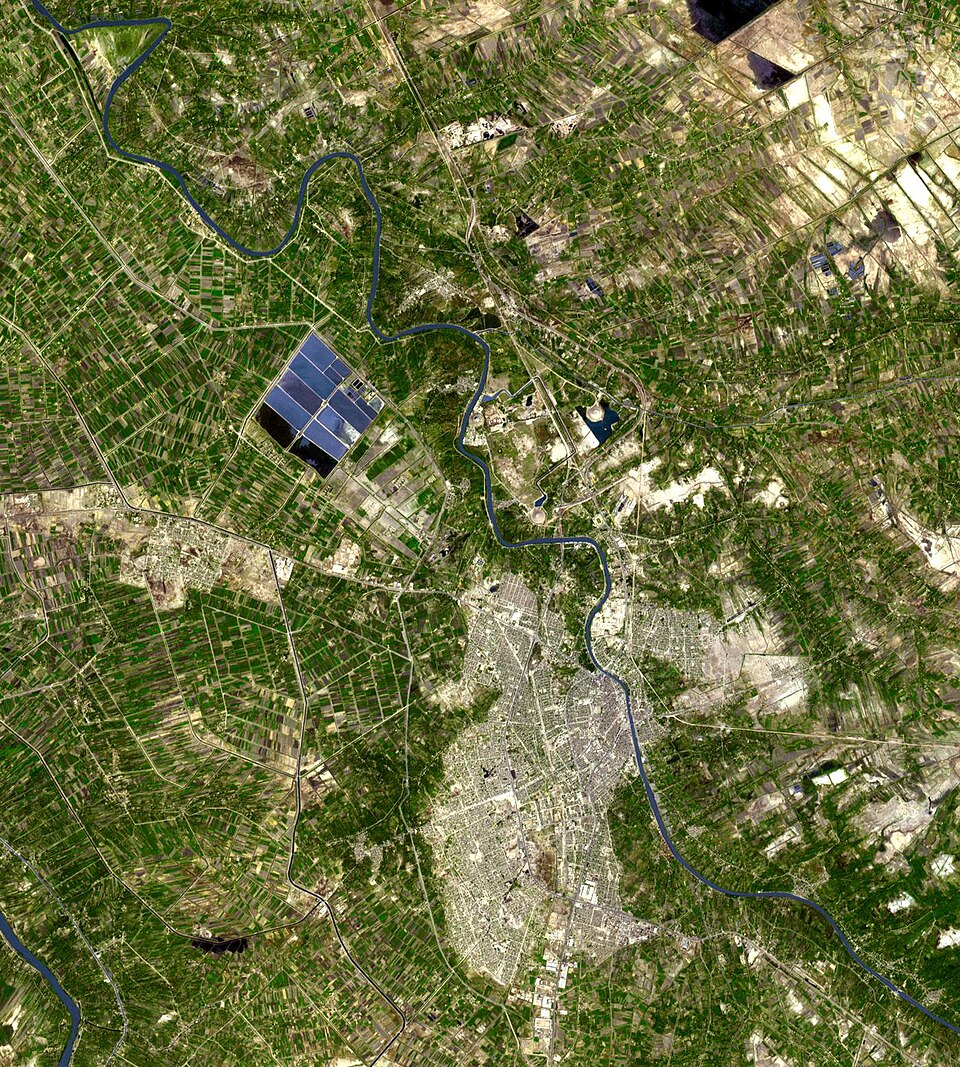
On the banks of the Euphrates south of Baghdad lie the ruins of Babylon, the greatest city of the ancient world, and at its heart the Southern Palace of Nebuchadnezzar II, the vast royal residence of the king who made Babylon the wonder of the earth. The palace, a great complex of courts, throne rooms, and halls built of the mud-brick and the glazed brick of Mesopotamia, was the seat of the Neo-Babylonian empire at its height, the Southern Palace the royal heart of Babylon, the residence of the king of the Hanging Gardens and the Tower of Babel.
Babylon was the greatest city of its age. Under Nebuchadnezzar II, in the sixth century BC, Babylon became the largest and most splendid city in the world, a metropolis of temples, palaces, walls, and gardens, the city of the Ishtar Gate and the ziggurat that inspired the legend of the Tower of Babel, the capital of an empire that stretched across the Near East, Babylon the wonder of the ancient world, the Southern Palace the royal seat at the heart of the great city on the Euphrates.
This article continues the Iraqi series, reaching back to the deepest antiquity, to the Southern Palace of Nebuchadnezzar at Babylon, the royal residence of the greatest king of the Neo-Babylonian empire, the seat of the city that was the wonder of the ancient world, the Southern Palace the royal heart of Babylon, the residence of the king of the Hanging Gardens, the palace the jewel of the ancient Mesopotamia on the banks of the Euphrates.
- The Great City of Babylon
- Nebuchadnezzar II
- The Southern Palace
- The Throne Room
- The Ishtar Gate Nearby
- The Processional Way
- The Hanging Gardens
- The Vaulted Building
- The Glazed Bricks
- The Fall of Babylon
- Rediscovery and Excavation
- Reconstruction and Controversy
- Babylon Today
- Watch on Film
- Visiting Today
- Palaces Nearby
The Great City of Babylon
Babylon was the greatest city of the ancient world. Under the Neo-Babylonian kings, and above all Nebuchadnezzar II, Babylon grew into the largest city on earth, a metropolis of temples, palaces, and mighty walls astride the Euphrates, the city of the great ziggurat Etemenanki, the temple of Marduk, and the famous Ishtar Gate, Babylon the wonder of the ancient world, the great city the seat of the empire, the metropolis the home of the Southern Palace of Nebuchadnezzar.
The city was a marvel of walls and gates: Babylon enclosed by mighty double walls so broad, it was said, that chariots could pass upon them, the city entered through great gates, the metropolis a marvel of fortification and splendor, the walls of Babylon counted among the wonders of the world, the gates the thresholds of the great city, Babylon the metropolis of the mighty walls, the city the marvel of the ancient Mesopotamia on the Euphrates.
Babylon was a city of legend and scripture: the great city remembered in the Bible as the seat of the exile of the Jews and the place of the Tower of Babel, Babylon the city of scripture and legend, the metropolis whose name became a byword for greatness and for pride, Babylon the city of the Hanging Gardens and the Tower, the great city the setting of the deepest memories of the ancient world, the metropolis the home of the Southern Palace of the great king.
Nebuchadnezzar II
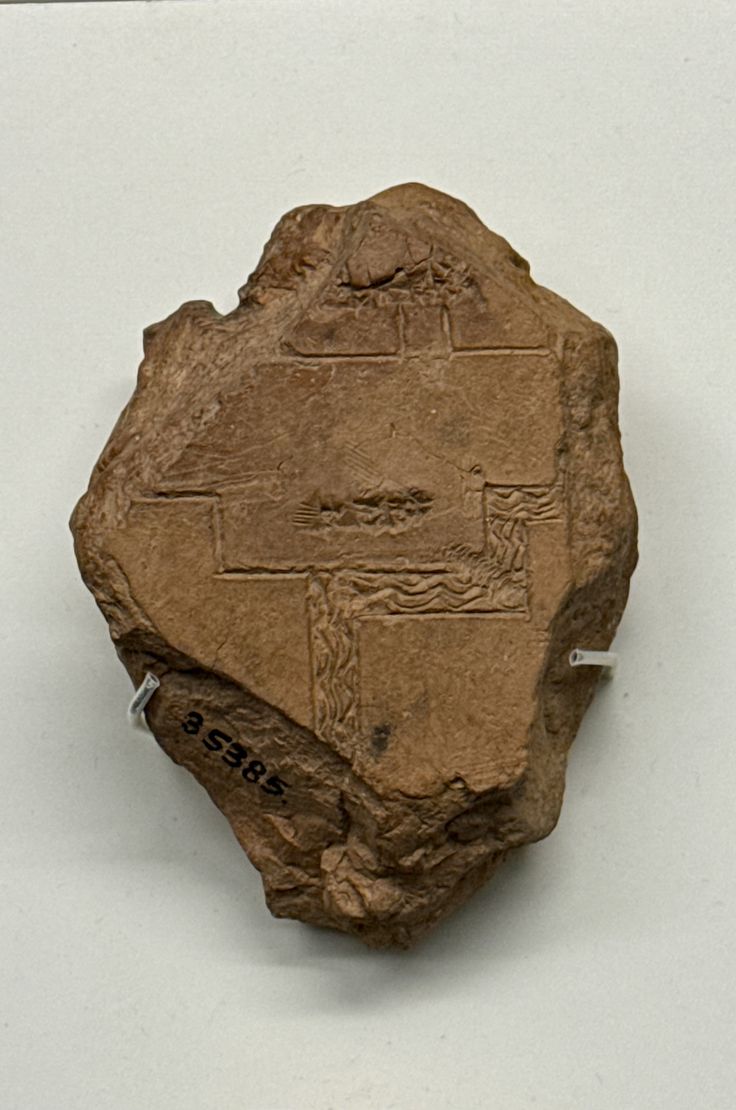
Nebuchadnezzar II made Babylon great. The king who reigned from 605 to 562 BC was the greatest ruler of the Neo-Babylonian empire, the conqueror who extended the power of Babylon across the Near East, the builder who raised the city to its greatest splendor, Nebuchadnezzar the king of the Hanging Gardens and the Ishtar Gate, the builder of the Southern Palace, the ruler who made Babylon the wonder of the world, the great king of the ancient Mesopotamia.
He was the conqueror of Jerusalem: Nebuchadnezzar the king who captured Jerusalem, destroyed the temple of Solomon, and carried the Jews into the Babylonian exile, the ruler whose conquests are recorded in the Bible, Nebuchadnezzar the conqueror of the Near East, the king whose power spread across the lands, the ruler of the empire of Babylon, Nebuchadnezzar the great conqueror whose name resounds through the scriptures and the history of the ancient world.
He was the greatest builder of Babylon: Nebuchadnezzar the king who rebuilt and adorned Babylon on a scale unmatched, raising the walls, the gates, the temples, the processional way, and the great Southern Palace, the ruler whose building made the city the wonder of the earth, Nebuchadnezzar the builder-king, the ruler whose constructions crowned Babylon, the great king whose Southern Palace was the royal heart of the greatest city of the ancient world.
The Southern Palace
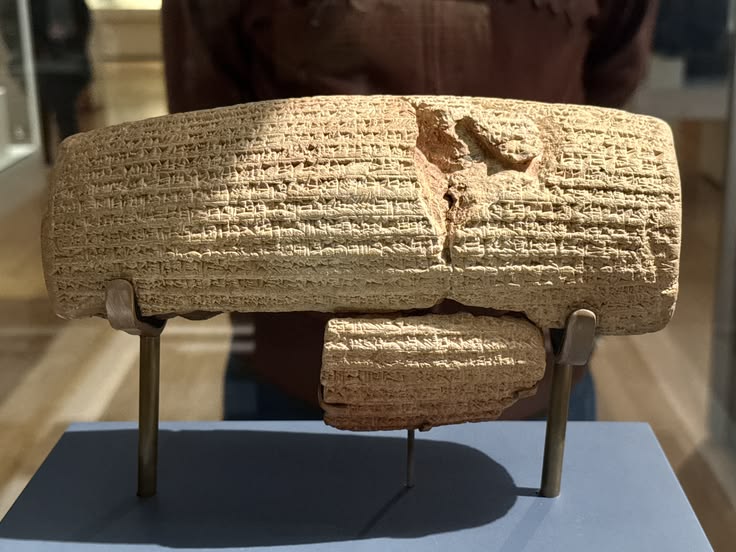
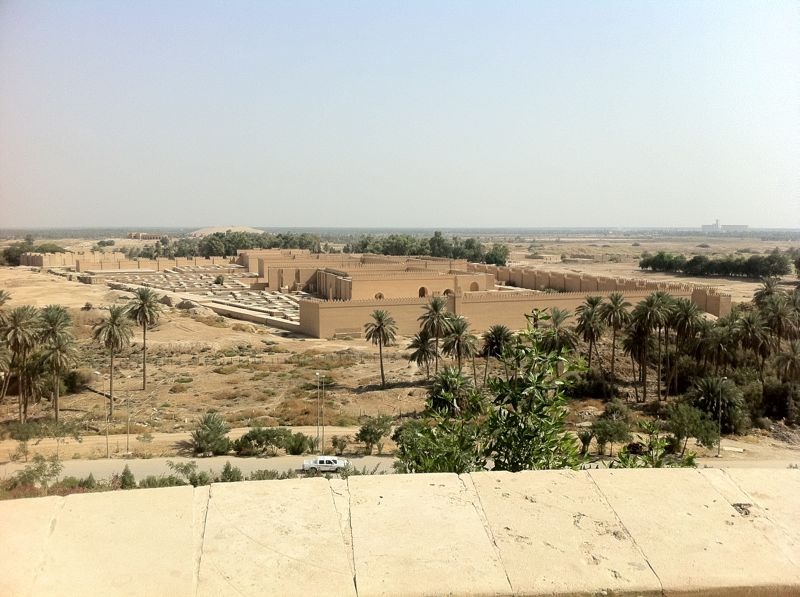
The Southern Palace was Nebuchadnezzar’s chief residence. The great palace at the heart of Babylon, near the Ishtar Gate and the processional way, was the principal royal residence of Nebuchadnezzar, a vast complex of five great courtyards surrounded by halls, offices, and apartments, the Southern Palace the royal seat of the Neo-Babylonian empire, the residence the heart of the king’s power, the palace the royal center of the greatest city of the ancient world.
The palace was arranged around five courts: the Southern Palace built around five great courtyards, each surrounded by its ranges of rooms, the courts the organizing centers of the vast complex, the palace a world of courts, halls, and apartments, the five courtyards the heart of the arrangement, the Southern Palace the great complex of the royal courts, the residence the vast seat of the king at the center of Babylon.
The palace was the seat of the empire: the Southern Palace the center of the government and the ceremony of the Neo-Babylonian empire, the residence the setting of the king’s court, the palace the heart of the imperial power, the Southern Palace the seat from which Nebuchadnezzar ruled his empire, the residence the center of the authority of Babylon, the palace the royal heart of the greatest city and the mightiest empire of the ancient Near East.
The Throne Room
The palace held a magnificent throne room. The great throne room of the Southern Palace, opening onto the main courtyard, was the ceremonial heart of the palace, the hall where Nebuchadnezzar received his court and his subjects, the throne room adorned with glazed brick, the hall the setting of the royal majesty, the throne room the ceremonial jewel of the Southern Palace, the chamber the heart of the king’s ceremony at Babylon.
The throne room was adorned with glazed brick: the facade of the throne room decorated with brilliant glazed bricks in blue and yellow, with palmettes, columns, and floral designs, the hall a masterpiece of the Babylonian decorative art, the throne room the showcase of the glazed brick craft, the hall the jewel of the palace decoration, the throne room the splendid ceremonial heart, the chamber the glory of the Southern Palace of Nebuchadnezzar.
It may be the hall of a famous scene: the throne room of the Southern Palace sometimes identified with the setting of the biblical feast of Belshazzar and the writing on the wall, the hall linked to the famous scene of the fall of Babylon, the throne room the chamber of the legend, the hall the setting associated with the scriptural story, the throne room the ceremonial jewel linked to the famous feast, the hall the heart of the Southern Palace of the great city.
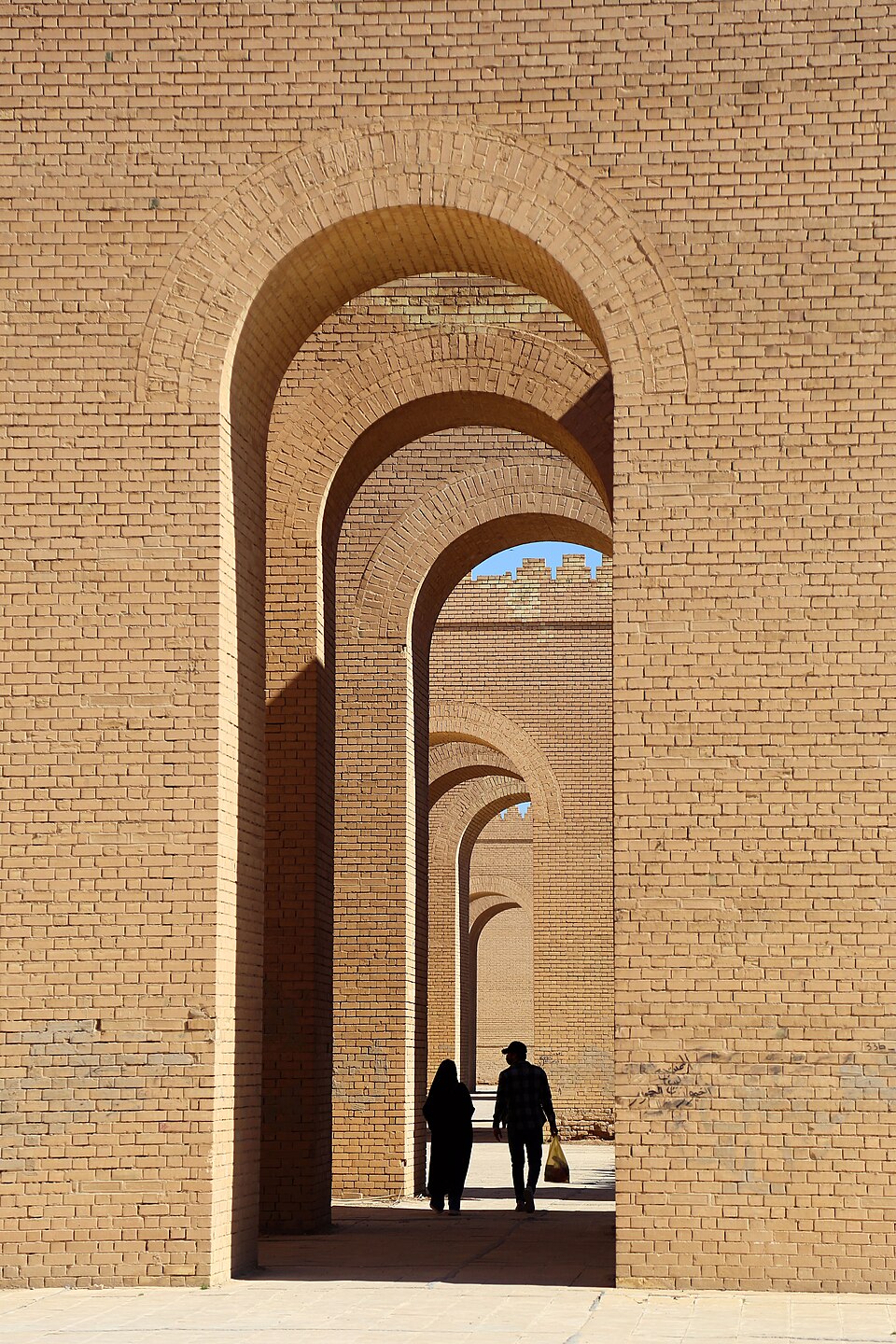
The Ishtar Gate Nearby
Near the palace stood the Ishtar Gate. The famous Ishtar Gate, the great ceremonial gate of Babylon, stood close by the Southern Palace, a monumental gateway faced with brilliant blue glazed brick adorned with the figures of bulls and dragons, the Ishtar Gate the most famous monument of Babylon, the gate the ceremonial threshold of the city near the palace, the Ishtar Gate the jewel of the Babylonian architecture beside the royal residence.
The gate was a marvel of glazed brick: the Ishtar Gate faced with the deep blue glazed brick of Babylon, adorned with rows of bulls and the mushhushshu dragons of the god Marduk in molded relief, the gate a masterpiece of the Babylonian decorative art, the Ishtar Gate the glory of the glazed brick, the gate the jewel of the city, the Ishtar Gate the marvel of the ancient architecture near the Southern Palace of Nebuchadnezzar at Babylon.
The gate stands today in Berlin: the Ishtar Gate, excavated by the German archaeologists, reconstructed from its glazed bricks in the Pergamon Museum in Berlin, where it stands as one of the great treasures of the ancient world, the gate the famous monument now in the museum, the Ishtar Gate the jewel of Babylon preserved abroad, the reconstructed gate the treasure that shows the splendor of the city of the Southern Palace.
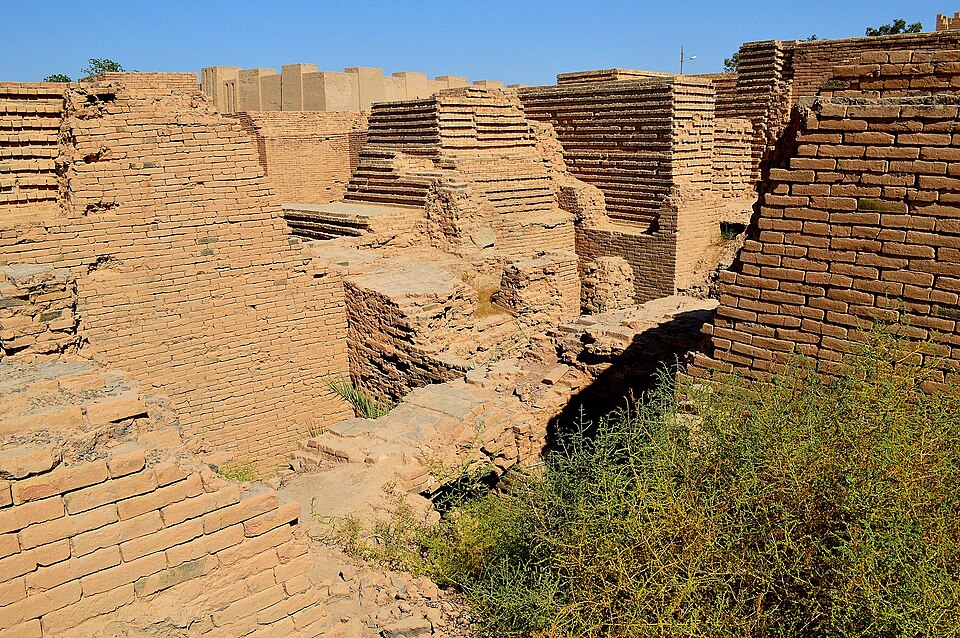
The Processional Way
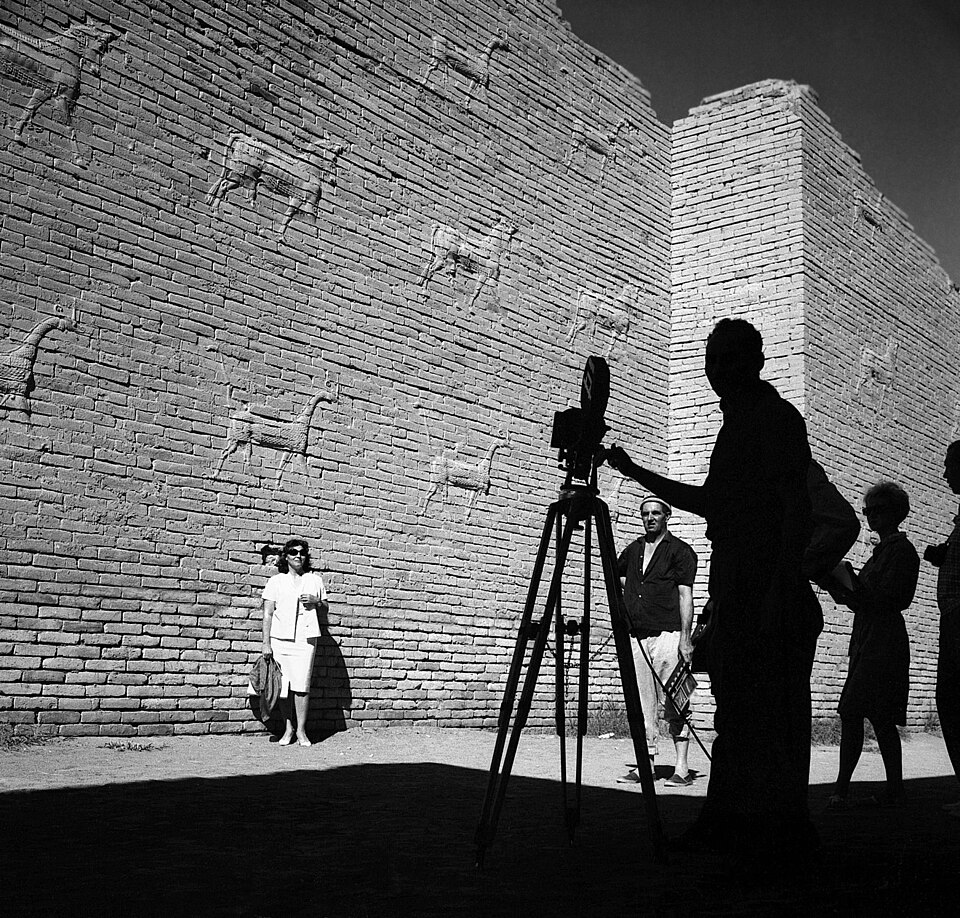
The Processional Way led past the palace. The great Processional Way of Babylon, the ceremonial avenue along which the statue of the god Marduk was carried in the new year festival, ran past the Southern Palace and through the Ishtar Gate, the avenue lined with walls of glazed brick adorned with striding lions, the Processional Way the ceremonial artery of Babylon, the avenue the sacred way past the royal palace of Nebuchadnezzar.
The way was lined with lions of glazed brick: the walls flanking the Processional Way adorned with rows of striding lions in brilliant glazed brick, the lions the symbols of the goddess Ishtar, the avenue a corridor of color and majesty, the Processional Way the glazed-brick artery of Babylon, the lions the jewels of the way, the avenue the ceremonial splendor past the Southern Palace, the Processional Way the glory of the sacred city.
The festival was the great rite of Babylon: the new year festival, the Akitu, in which the statue of Marduk was carried in procession along the way, the chief religious rite of Babylon, the festival the ceremonial heart of the city’s year, the Processional Way the setting of the great rite, the avenue the stage of the Akitu, the festival the sacred ceremony past the Southern Palace, the Processional Way the artery of the religion of Babylon.
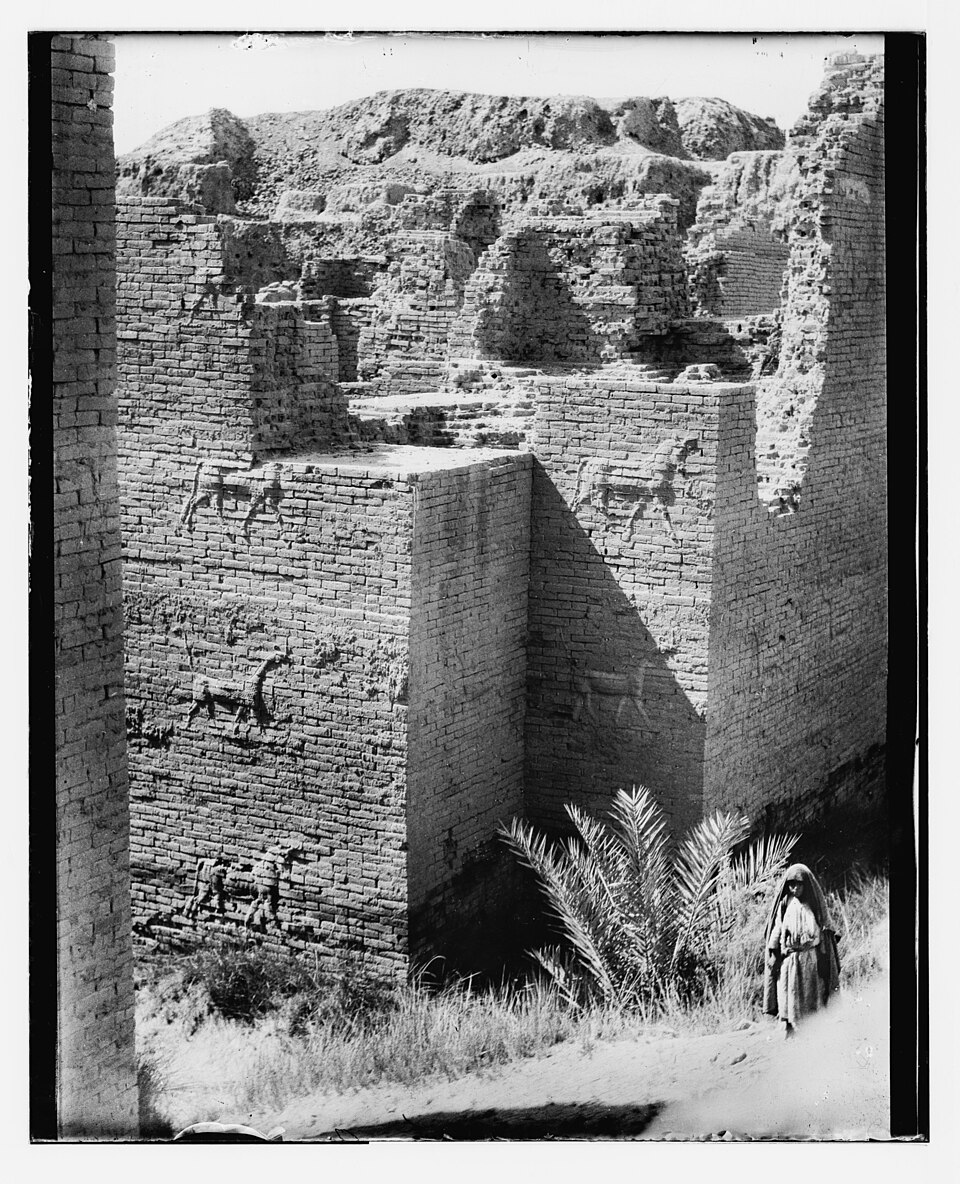
The Hanging Gardens
Babylon was famed for the Hanging Gardens. The Hanging Gardens of Babylon, one of the Seven Wonders of the ancient world, were by tradition built by Nebuchadnezzar for his queen, a marvel of terraced gardens rising in tiers, planted with trees and watered by an ingenious system, the Hanging Gardens the legendary wonder of Babylon, the gardens the marvel associated with the palace of the king, the Hanging Gardens the glory of the ancient city.
The gardens were a wonder of engineering and beauty: the Hanging Gardens, by the ancient accounts, a mountain of terraced greenery rising above the city, watered from the Euphrates by a system of pumps or screws, the gardens a marvel of the engineering and the horticulture, the Hanging Gardens the wonder of the ancient world, the gardens the jewel of Babylon, the marvel the glory associated with the palace of Nebuchadnezzar at the great city.
Their location is a famous mystery: the Hanging Gardens, though famed in legend, never certainly identified among the ruins of Babylon, their location a famous puzzle, some placing them near the Southern Palace, others doubting they stood at Babylon at all, the gardens the mystery of the ancient city, the Hanging Gardens the enigma of the wonder, the gardens the legendary marvel whose place near the Southern Palace remains the puzzle of the ancient Babylon.
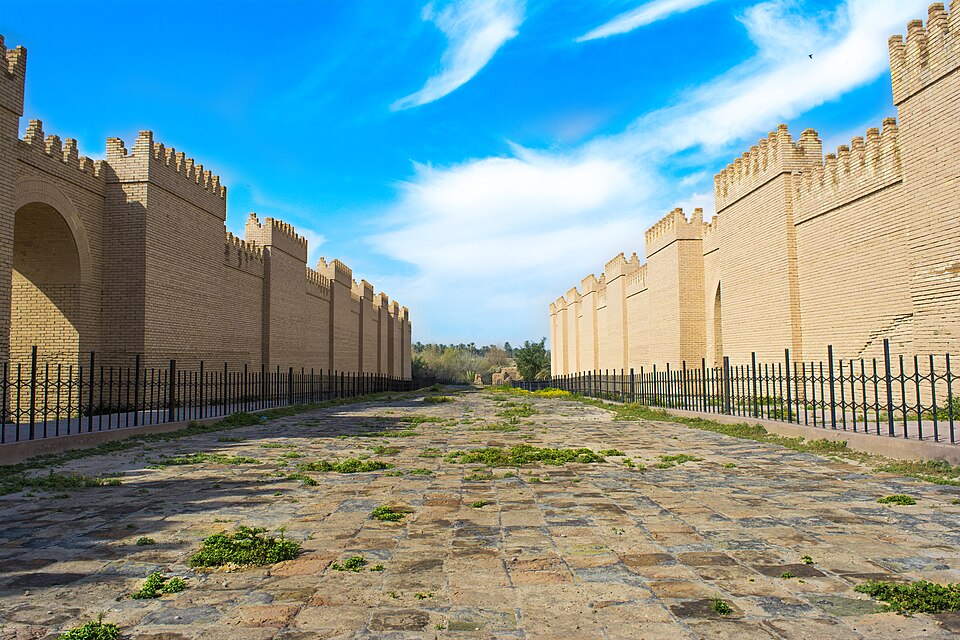
The Vaulted Building
A vaulted building in the palace is linked to the gardens. In the northeast of the Southern Palace, the excavators found a curious vaulted building with thick walls and a well, which some have identified as the substructure of the Hanging Gardens, the vaulted building the possible foundation of the legendary gardens, the structure the mysterious feature of the palace, the vaulted building the candidate for the Hanging Gardens within the Southern Palace of Nebuchadnezzar.
The building puzzled the excavators: the vaulted structure, with its unusual thick walls and its well, standing apart from the rest of the palace, the building a puzzle to the archaeologists, the structure the curious feature that invited the identification with the gardens, the vaulted building the mystery of the Southern Palace, the structure the enigma that drew the legend of the Hanging Gardens to the palace of Nebuchadnezzar.
The identification remains debated: the link between the vaulted building and the Hanging Gardens never proven, the identification one of the debated puzzles of Babylon, scholars divided on whether the gardens stood here or at all, the vaulted building the focus of the debate, the structure the center of the mystery, the vaulted building the debated candidate for the legendary gardens within the Southern Palace of Babylon.
The Glazed Bricks
Babylon was famed for its glazed bricks. The architecture of Babylon, and of the Southern Palace, was adorned with the brilliant glazed bricks, molded and colored in blue, yellow, and white, that are among the glories of the ancient Mesopotamian art, the glazed brick the signature of the Babylonian splendor, the bricks the jewels of the decoration, the glazed brick the glory of Babylon, the colored brick the treasure of the Southern Palace of Nebuchadnezzar.
The glazed brick was a masterful craft: the making of the glazed and molded bricks of Babylon, each brick formed, glazed, and fired to compose the great images of the lions, bulls, dragons, and floral designs, the craft a masterpiece of the ancient technology and art, the glazed brick the showcase of the Babylonian skill, the colored brick the jewel of the craft, the glazed brick the glory of the art of Babylon, the technique the treasure of the ancient Mesopotamia.
The glazed brick gave Babylon its color: the brilliant glazed brick clothing the gates, the walls, and the palaces of Babylon in color, the city a vision of blue, yellow, and white, the glazed brick the source of the famous splendor, the colored brick the glory of the Babylonian architecture, the glazed brick the jewel that gave the city its brilliance, the colored brick the treasure that adorned the Southern Palace and the great city of Nebuchadnezzar.
The Fall of Babylon
Babylon fell to the Persians in 539 BC. Not long after the death of Nebuchadnezzar, Babylon was taken by Cyrus the Great of Persia, the city falling to the Persian empire, the last Babylonian king Nabonidus overthrown, the fall of Babylon the end of the Neo-Babylonian empire, the city passing to the Persians, the Southern Palace becoming a residence of the Persian and later rulers, the fall the end of the independent glory of Babylon.
The fall was remembered in legend: the fall of Babylon remembered in the biblical story of Belshazzar’s feast, the writing on the wall, and the taking of the city in a single night, the fall the subject of the famous scene, Babylon the city whose fall became a legend of the pride brought low, the fall the story of the end of the great city, the Southern Palace the setting of the legend of the fall of Babylon to the Persians.
Babylon slowly declined: after the Persian conquest, Babylon, though still great, began a long decline, the city later taken by Alexander the Great, who died in the palace at Babylon in 323 BC, the city slowly fading through the following centuries, Babylon the great city in its long twilight, the metropolis declining from its height, the Southern Palace the witness of the fall and the long fading of the greatest city of the ancient world.
Rediscovery and Excavation
Babylon was rediscovered by the archaeologists. The ruins of Babylon, long reduced to mounds on the Euphrates, were excavated from 1899 by the German archaeologist Robert Koldewey, whose work over many years uncovered the walls, the gates, the processional way, and the Southern Palace, the excavation the recovery of the great city, Koldewey the archaeologist who brought Babylon to light, the excavation the revelation of the Southern Palace of Nebuchadnezzar.
Koldewey uncovered the great city: the German excavation revealing the plan of Babylon, the mighty walls, the Ishtar Gate, the processional way, the temples, and the Southern Palace, the archaeology the recovery of the Neo-Babylonian capital, Koldewey’s work the uncovering of the greatest city of the ancient world, the excavation the revelation of the palace of Nebuchadnezzar, the archaeology the recovery of the Southern Palace of Babylon.
The finds went to Berlin: the glazed bricks of the Ishtar Gate and the processional way, excavated by Koldewey, taken to Berlin and reconstructed in the Pergamon Museum, the finds the treasures of the excavation, the glazed brick the jewels taken to the museum, the Ishtar Gate the monument reconstructed abroad, the finds the treasures of Babylon preserved in Berlin, the excavation the recovery that brought the splendor of the Southern Palace and the great city to the world.
Reconstruction and Controversy
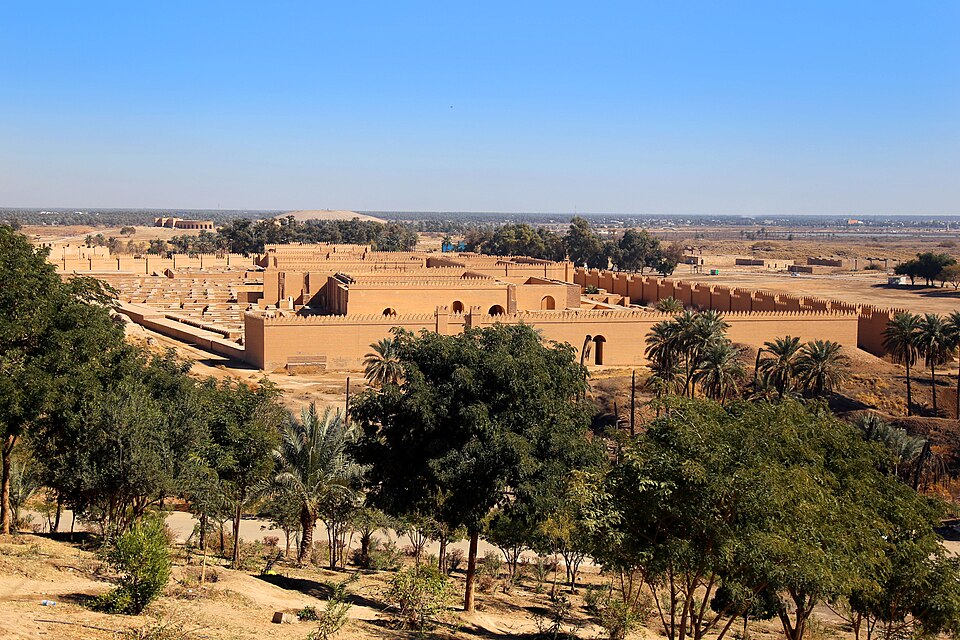
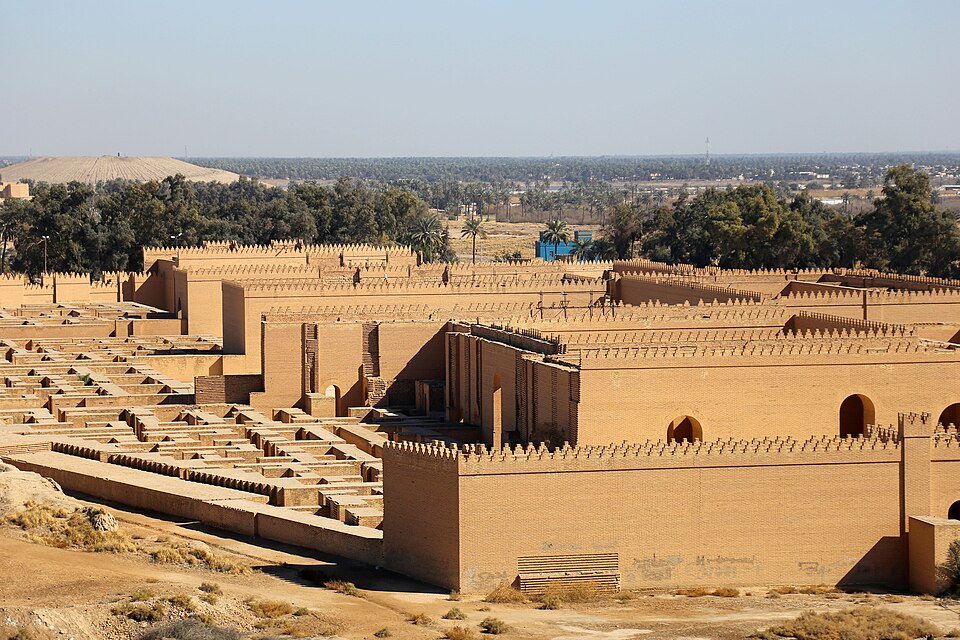
Babylon was partly reconstructed in modern times. In the twentieth century, parts of Babylon, including the Southern Palace, were reconstructed on their ancient foundations, new brick walls raised upon the old, the reconstruction aiming to revive the image of the ancient city, the rebuilding the controversial revival of Babylon, the reconstruction the raising of new walls on the ancient palace, the modern building the debated recreation of the Southern Palace.
The reconstruction was controversial: the rebuilding of Babylon, carried out notably under the government of Saddam Hussein, criticized by archaeologists for building new walls upon the ancient remains, some bricks stamped with the name of the modern ruler in echo of Nebuchadnezzar, the reconstruction the controversial revival, the rebuilding the debated recreation, the modern walls the disputed addition to the ancient Southern Palace of Babylon.
The site suffered further in recent wars: Babylon suffering damage in the recent conflicts, including the use of the site as a military camp, the ancient city harmed by the modern wars, the damage a wound in the heritage, the site the victim of the conflicts, Babylon the great city harmed in the recent age, the Southern Palace and the ancient city the sufferers of the wars, the damage the recent trial of the greatest city of the ancient world.
Babylon Today
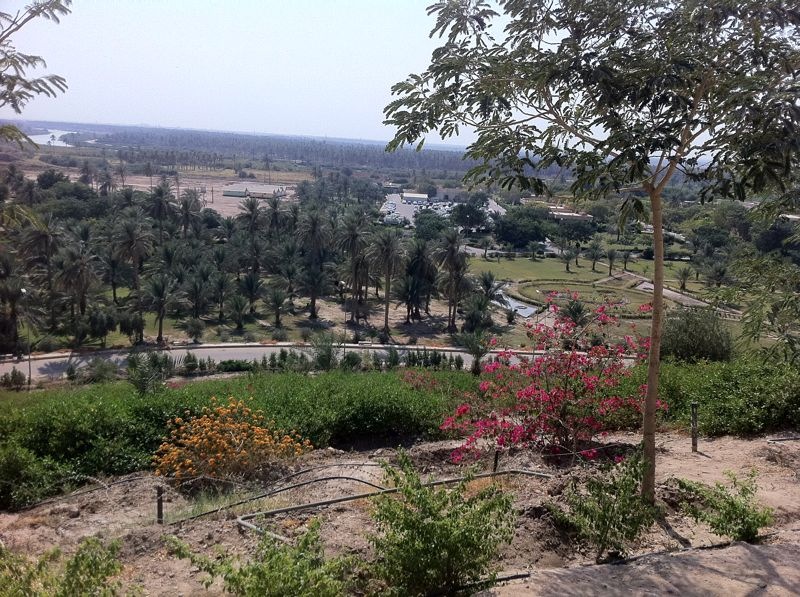
Babylon today stands as the ruins and the partial reconstruction of the greatest city of the ancient world, the Southern Palace of Nebuchadnezzar the royal heart of the metropolis, the residence of the king of the Hanging Gardens, the Ishtar Gate, and the processional way, the palace the seat of the Neo-Babylonian empire, Babylon the jewel of the ancient Mesopotamia, the Southern Palace the royal monument of the city that was the wonder of the ancient world, a UNESCO World Heritage Site.
The palace endures as the heart of the ancient city: the Southern Palace, in ruins and in part rebuilt, standing as the royal heart of Babylon, the residence the monument of Nebuchadnezzar, the palace the seat of the empire, the Southern Palace the enduring royal monument of the great city, the residence the heart of the ancient Babylon, the palace the jewel that carries the memory of the greatest king and the greatest city of the ancient Near East.
The Southern Palace of Babylon concludes the Iraqi series on the splendor of Mesopotamia, reaching to the deepest antiquity, the royal residence of Nebuchadnezzar at the greatest city of the ancient world, the seat of the Neo-Babylonian empire, the palace of the king of the Hanging Gardens and the Ishtar Gate, the Southern Palace the jewel of the ancient Mesopotamia, the royal heart of Babylon, the enduring monument of the wonder of the ancient world on the banks of the Euphrates.
Watch the Southern Palace of Babylon on Film
Visiting the Southern Palace of Babylon Today
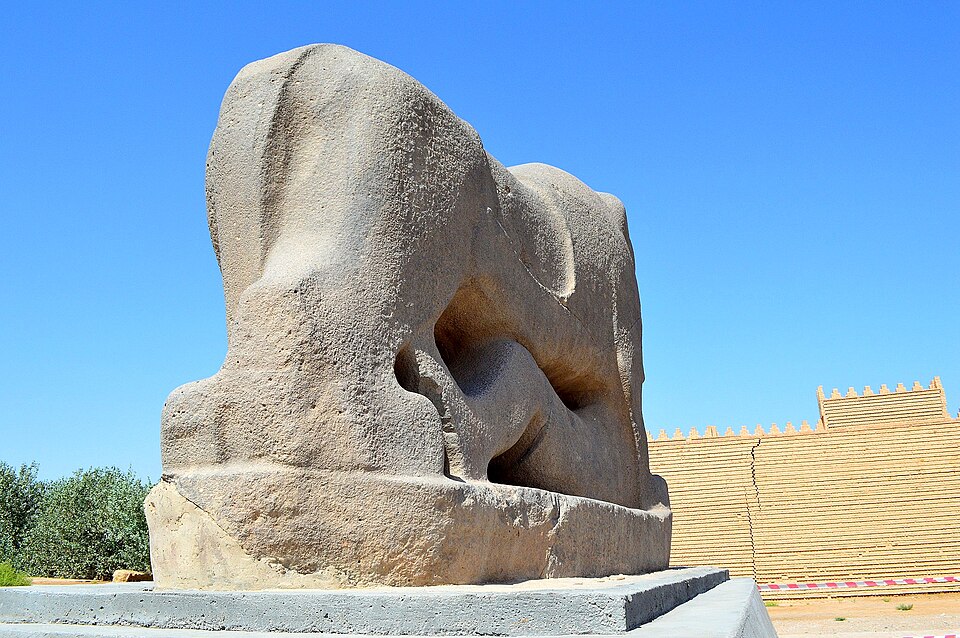
The Southern Palace of Nebuchadnezzar stands at the heart of the ruins of Babylon, on the Euphrates near the modern city of Hillah, south of Baghdad in Iraq; the palace, in ruins and in part reconstructed, is visited together with the reconstructed Ishtar Gate, the processional way, the lion of Babylon, and the other monuments of the ancient city. Travel to Iraq and access to the sites depend on the security and the political situation, which has varied greatly through the years, so current conditions and access should be carefully checked before any visit; Babylon is a UNESCO World Heritage Site and among the supreme treasures of the heritage of humanity. You can find the palace on the map here: Southern Palace of Babylon on Google Maps.


