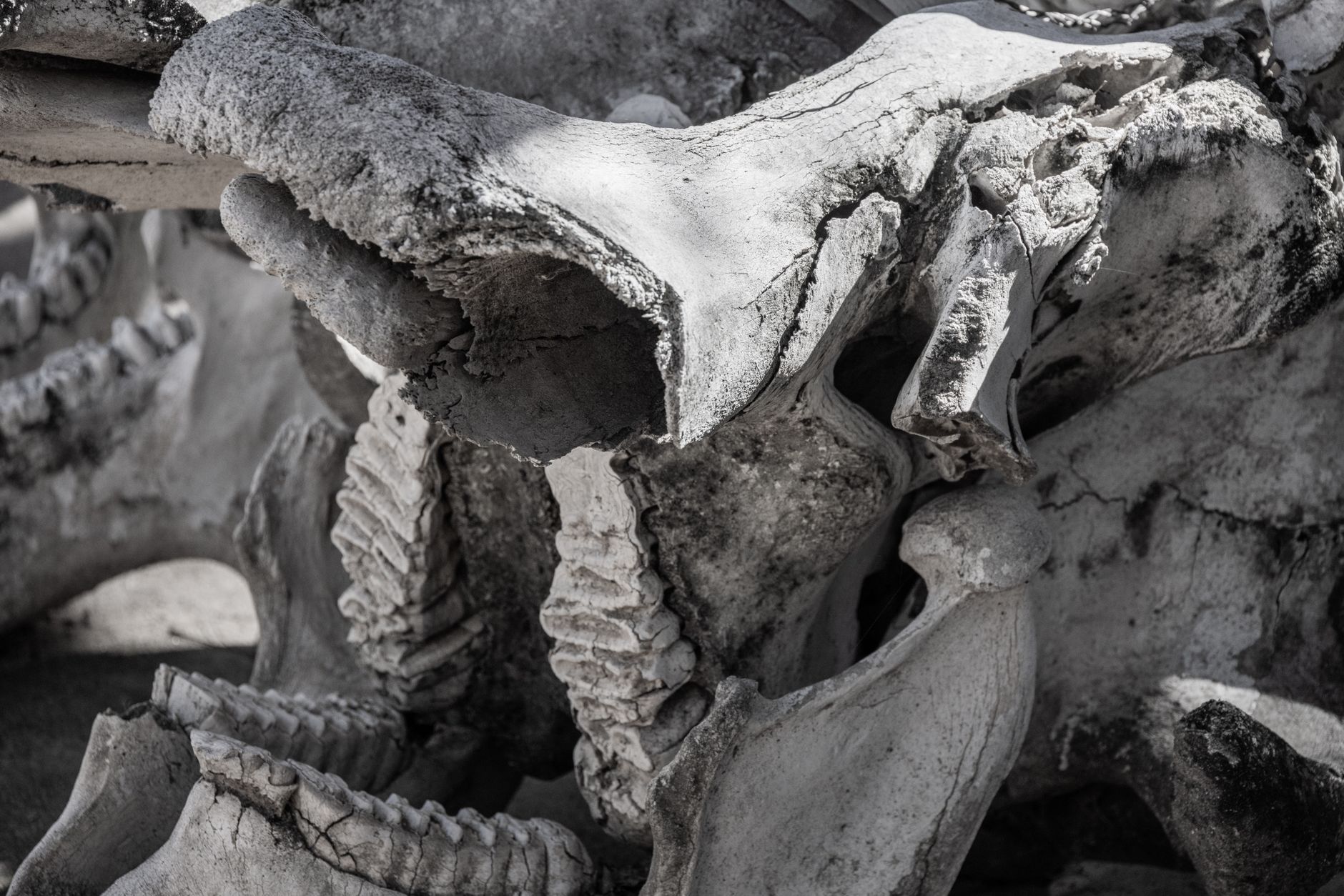
During the ongoing excavations in Karain Cave, one of the largest natural caves in Turkey, 1.5 tons of bones determined to belong to animals were found.
During the ongoing excavations in Karain Cave, one of the largest natural caves in Turkey, 1.5 tons of bones determined to belong to animals were found. Ankara University Faculty Member and Head of the Karain Excavation Committee Prof. Dr. In his statement, Harun Taşkıran said that Karain Cave is one of the oldest settlements in Turkey.
Stating that people settled here 500 thousand years ago and continued to live here until the 6th century AD, Taşkıran said, “There has been a continuous life in this cave. The fact that it has been a place of life for such a long time reveals the importance of this place. Due to this feature, it is one of the few caves not only in Turkey but also in the world.”
Taşkıran stated that they excavated in the section called “E eye” within the scope of this year’s excavations and noted that they worked in the middle layers dating back to approximately 320 thousand years ago.
Emphasizing that the most important feature of these layers is the use of a unique chipped stone technology, Taşkıran noted that during this period, the first people produced tools that they would use in their social lives and that they made these tools in this cave.
Taşkıran explained that they obtained information about the materials used in this period through the finds unearthed during the excavations, and said that they dug from the top of the cave to the ground, as if digging a well with a needle, and dated it to 500 thousand years old.
“Panther teeth were found”
Explaining that they encountered interesting fossil animal remains this year, Taşkıran said, “These findings are very important in terms of the ice age period, climate and life of Anatolia. Among the finds found this year are parts of rhinoceros, hippopotamus, weasel, marten, cave bear, jackal, panther, lynx, moose and skunk. Especially the panther tooth that we found for the first time this year is remarkable.”
“We are finding panther teeth for the first time in the Karain excavations,” he said. Taşkıran stated that they also came across parts of a living species found for the first time among the findings and said, “This is known as the rock hyrax, an animal species that has never been seen in Anatolia during the glacial period. The region where this creature lives is the Middle East and Africa. This is an animal between a rabbit and a mouse. We found a large amount of bones belonging to this animal species in eye E.
“There is no example of these rock seams from the Paleocene (geological time period that started 65 million years ago and ended 23 million years ago) anywhere else in Anatolia,” he said.
“The findings date back to the Paleolithic period.”
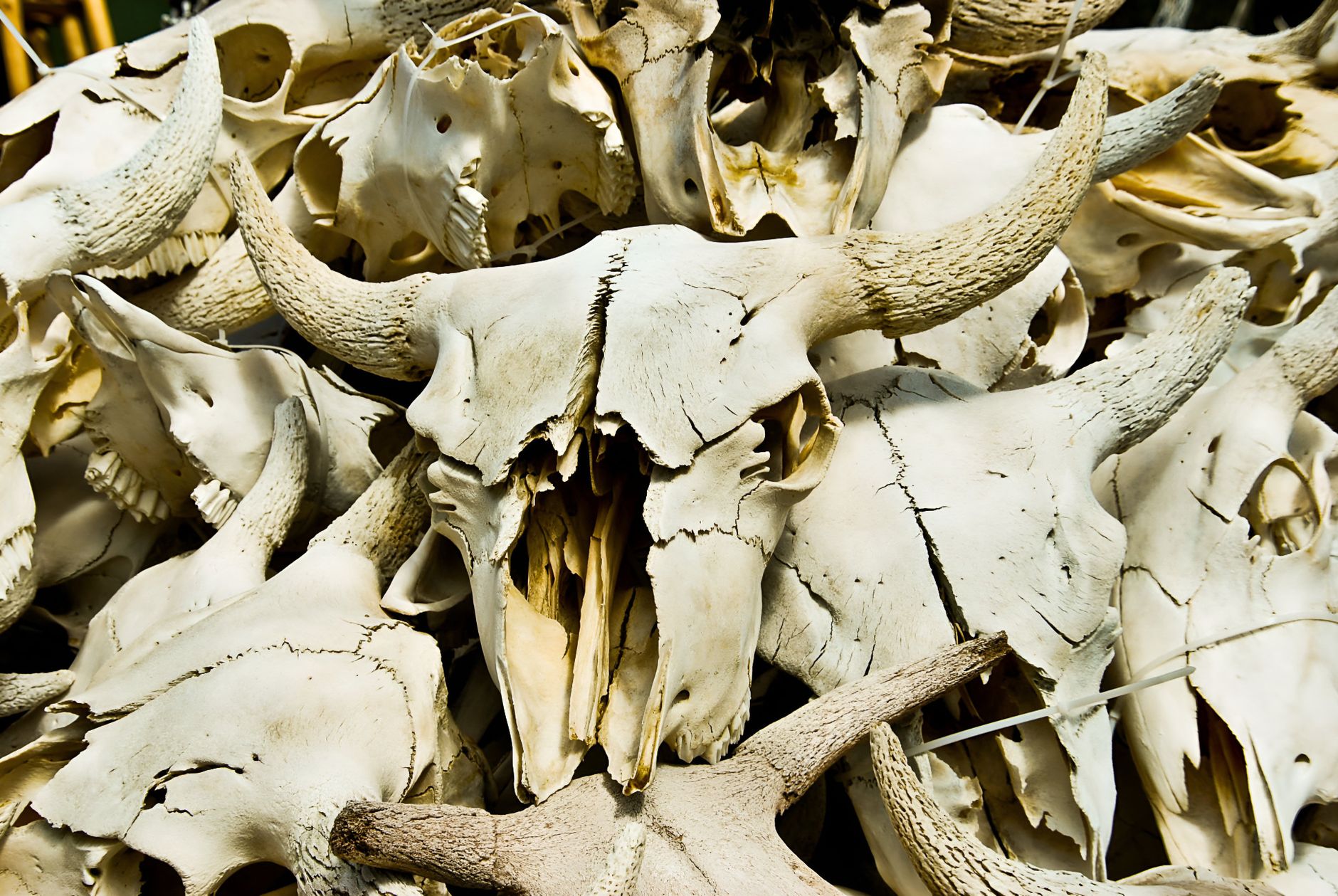
Taşkıran stated that during the excavations carried out in the “B eye” of the cave, dating back to the Middle Paleolithic period, they determined that the floor of the cave was completely covered with bones, and noted that materials belonging to the last hunter-gatherers of Anatolia were found here.
Taşkıran pointed out that there were remains of mountain goats, thought to have been sacrificed here, with their horns and vertebrae intact, and said that these findings belonged to a period when people had not yet settled down. Harun Taşkıran continued as follows:
“While it is thought that this place was used as a temple in the early Roman period, these findings date back to the Epipaleolithic period and the Paleolithic period.
In other words, it dates back to 17 thousand years ago. In this part of the cave where we researched, we saw that the 25 square meter floor was completely covered with bones. The soil was barely visible. The presence of so many bones shows that this place was an offering place. After people made their vows, they took their meat and threw their bones here. It is filled with large amounts of bones of mountain goats and other herbivorous animals.
“This cave shows that this place was used as a temple and a place of sacrifice before human beings settled.”
Reminding that there are votive inscriptions and votive niches on the walls of the cave, Taşkıran said, “These belong to the late Roman and Byzantine periods. According to the inscriptions, there is worship of a mountain goddess. “This shows us that this place was used as a place of worship for many centuries,” he said.
Stating that the cave surroundings were rearranged with the support of the Ministry of Culture and Tourism, Taşkıran added that the findings obtained from the excavations since 1946 will be exhibited in the museum being built here. Karain Cave
It is located at an altitude of approximately 450 meters above sea level, within the borders of Yağca village of Döşemealtı district, 30 kilometers northwest of Antalya.
A cultural fill of up to 11 meters has been formed in the cave, which was continuously inhabited starting from the Lower Paleolithic Age, in the Middle and Upper Paleolithic phases, in protohistoric ages such as Neolithic, Chalcolithic, Old Bronze Age, and in the Classical Age. Source : http://www.ntv.com
You May Like
Those who arrived to fly a vineyard from Adana