Mardin’s old town tumbles down a steep hillside like a staircase carved from honeycomb. Each rooftop becomes the terrace of the house above, and the winding alleys reveal hidden courtyards, carved facades and panoramic views of the Mesopotamian plains. These unique stone houses, crafted from the region’s signature yellow limestone, are central to Mardin’s identity and have earned the city the nickname “the open‑air museum”. This guide explores the history and design of Mardin’s homes, what to expect when visiting and how to make the most of your stay.
Inside, many houses feature courtyards with arched colonnades and water cisterns. Intricate reliefs and geometric patterns adorn doorways and window grilles. During recent restorations, archaeologists have discovered mosaic fragments and ancient coins beneath some floors, hinting at earlier settlements beneath modern structures.
History & design
The distinctive appearance of Mardin’s houses is not accidental. During the Artuqid dynasty (12th–14th centuries), local nobles built mansions with spacious courtyards, ornate balconies and sculpted window frames. A second construction boom in the 19th century saw wealthy merchants and landowners erect lavish homes that combined Assyrian, Persian, Arab and Ottoman influences. Builders used a soft yellow limestone quarried nearby; when freshly cut it is easy to carve, but over time it hardens and takes on a warm golden hue. Each dwelling is terraced so that its roof serves as an open courtyard for the house above, maximising space on the steep slope and providing unobstructed views over the Mesopotamian plains.
Inside, many houses feature courtyards with arched colonnades and water cisterns. Intricate reliefs and geometric patterns adorn doorways and window grilles. During recent restorations, archaeologists have discovered mosaic fragments and ancient coins beneath some floors, hinting at earlier settlements beneath modern structures.
Strolling the old town
The best way to appreciate Mardin’s architecture is on foot. Begin at Cumhuriyet Square and wander up the narrow lanes toward Şahidiye Mosque. Many houses are now open as museums or cafés; at Sakıp Sabancı City Museum, rooms are furnished as they would have been a century ago, while at Dara Artuklu House you can sip tea on a rooftop terrace. Several private mansions offer guided tours where you’ll see carved wooden ceilings, internal wells and panoramic verandas.
The labyrinthine layout can be confusing, but that’s part of the charm. Look for little details: grape vines draped over balconies, carved rosettes on lintels, and stone benches built into doorways where residents once gathered to chat on summer evenings. Because the houses are terraced, every turn reveals a new perspective of the city and the plains beyond.
When to visit
When to visit
Mardin’s continental climate means scorching summers and cool winters. Between June and September, daytime temperatures often exceed 30 °C. Locals retreat indoors at midday and come out again as the sun sets, so plan your explorations for early morning or late afternoon when the light is golden and the stone glows. Spring and autumn offer milder temperatures and are ideal for strolling. Winter brings rain and occasionally snow, making the streets slippery but adding an evocative atmosphere.
If possible, schedule your visit during April or October. In spring the air is perfumed with blooming jasmine, and in autumn the terraces are cool enough to sit outside. Avoid midday in summer; the heat radiating off the stone can be overwhelming. Early morning also provides the opportunity to watch residents watering their courtyards and sweeping doorsteps—daily rituals that have persisted for centuries.
What to eat
After wandering through the maze of houses, reward yourself with the flavours of Mardin’s kitchen. Local dishes highlight lamb, grains and spices:
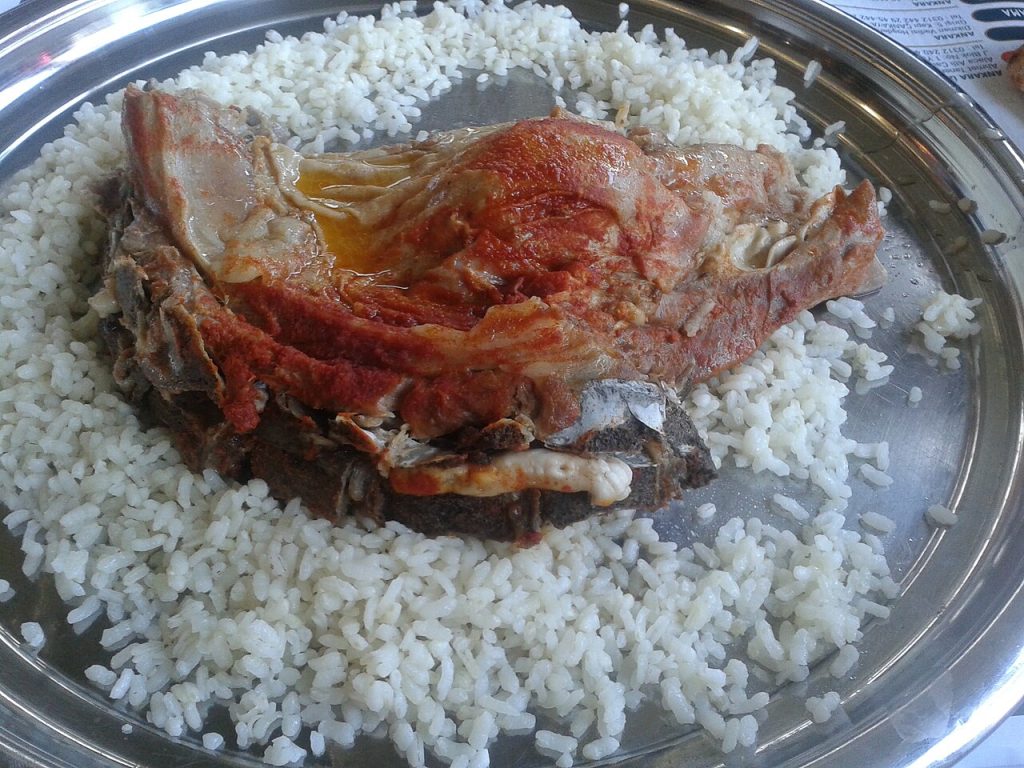
- Kaburga dolması – slow‑roasted lamb ribs stuffed with a pilaf of rice, almonds, currants and cinnamon. It’s rich and aromatic, perfect for sharing.
- Sembusek – half‑moon pastries filled with spiced minced meat and onions, known as Mardin’s take on pizza. Try them for breakfast at a neighbourhood bakery.
- Irok – bulgur shells stuffed with meat and walnuts, served boiled or fried.
- Harire dessert – a sweet made from grape molasses and starch, topped with walnuts.
- Mırra – bitter coffee served in tiny cups; locals consider it rude to leave without drinking at least one cup.
Mardin’s world‑record‑setting breakfast features dozens of cheeses, honey, olives and herb‑filled breads and holds the Guinness record for the largest breakfast gathering with more than 51,793 participants. Many hotels and restaurants emulate this spread every morning—make time to indulge.
Accommodation
Several restored mansions now operate as boutique hotels, combining historic architecture with modern comforts. Popular options include Erdoba Konakları and Reyhani Kasrı, both located in the heart of the old town. Budget travellers might consider the Teachers’ House (Oğretmenevi) or family‑run pensions. Many hotels offer terraces where you can watch the sunset over the plains while sipping çay (tea). Because tourism is increasing—Mardin hosted over 2.15 million visitors in 2023 and is expected to top 3 million in 2024—book accommodation in advance, especially during spring and autumn.
Getting there & around
Flights: Mardin Airport (MQM) is 10 km from the city; Turkish Airlines and Pegasus operate daily flights from Istanbul and Ankara. Buses: long‑distance buses connect Mardin with Diyarbakır (2 hours), Şanlıurfa (3 hours) and Van (6 hours). From the bus terminal, take a taxi or dolmuş to the old town. Once inside the historic district, motor vehicles are mostly banned; wear comfortable shoes and be prepared to climb stairs and slopes【760490601897531†L134-L154】.
Taxis and dolmuş: For excursions to neighbouring attractions such as Deyrulzafaran Monastery, Mor Gabriel Monastery or the ancient city of Dara, hire a taxi or join a small tour. Dolmuş vans run between Mardin and Midyat throughout the day.
People & etiquette
Residents of Mardin are famously hospitable. The city’s population includes Arabs, Kurds, Assyrians and Turks, and you’ll hear conversations in Arabic, Kurdish, Turkish and Syriac. Accept offers of tea, and remove your shoes when entering private homes or mosques. Photography is generally welcomed, but always ask before photographing people. In the evenings the streets come alive with families strolling and street musicians performing songs in multiple languages.
Sample itinerary
Day 1: Arrive in Mardin and spend the morning exploring the stone houses around Şehidiye and Cumhuriyet streets. Visit a house‑museum such as Kücük Ev (Small House) to see preserved interiors. Enjoy a long lunch of kaburga dolması and sembusek. In the afternoon, visit the Mardin Museum and climb up to Mardin Castle for sunset views.
Day 2: Take a morning trip to Deyrulzafaran Monastery (4 km east) to learn about its history and printing press. Return to Mardin for lunch and then explore the bazaar, picking up silver filigree jewellery. End your day at a rooftop café listening to street musicians.
Day 3: Travel to Midyat to visit Mor Gabriel Monastery and the historic Midyat houses. On the way back stop at the ancient city of Dara. If time allows, take a detour to Savur or Hasankeyf for additional architectural treasures.
Practical tips
- Footwear: Wear sturdy shoes; the streets are uneven and often steep.
- Sun protection: Bring a hat and water bottle—shade is scarce in summer.
- Respect locals: Ask before entering courtyards or photographing people. Many houses are still private residences.
- Cash: Small eateries and shops rarely accept credit cards.
Mardin’s stone houses are more than photogenic backdrops; they are living testaments to centuries of craftsmanship and cultural fusion. Wandering through their alleys offers an intimate glimpse into daily life on the edge of the Mesopotamian plains. With thoughtful planning and respect for local customs, you’ll come away with a deep appreciation for the architecture and people that make this ancient city so enchanting.
You May Like
Aspendos Ancient Theater Travel Guide