The Aegean Region is a fascinating geography, not only with its deep blue seas and bays, but also with its ancient cities that host thousands of years of history. These lands, which were the center of the Ionian, Carian and Lydian civilizations in ancient times, are like an open-air museum with their magnificent temples, ancient theaters and libraries. For history buffs, the Aegean is a treasure chest, every corner of which is waiting to be discovered.
In this guide, we introduce the must-see ancient cities of the Aegean one by one; We share the history, prominent structures and visiting tips of each. These ancient cities are not just piles of stone and marble; They were once vibrant centers where thousands of people lived and trade, art and philosophy flourished. While visiting them, you will feel that every stone you step on carries a story that is thousands of years old.
Ephesus: Capital of the Ancient World
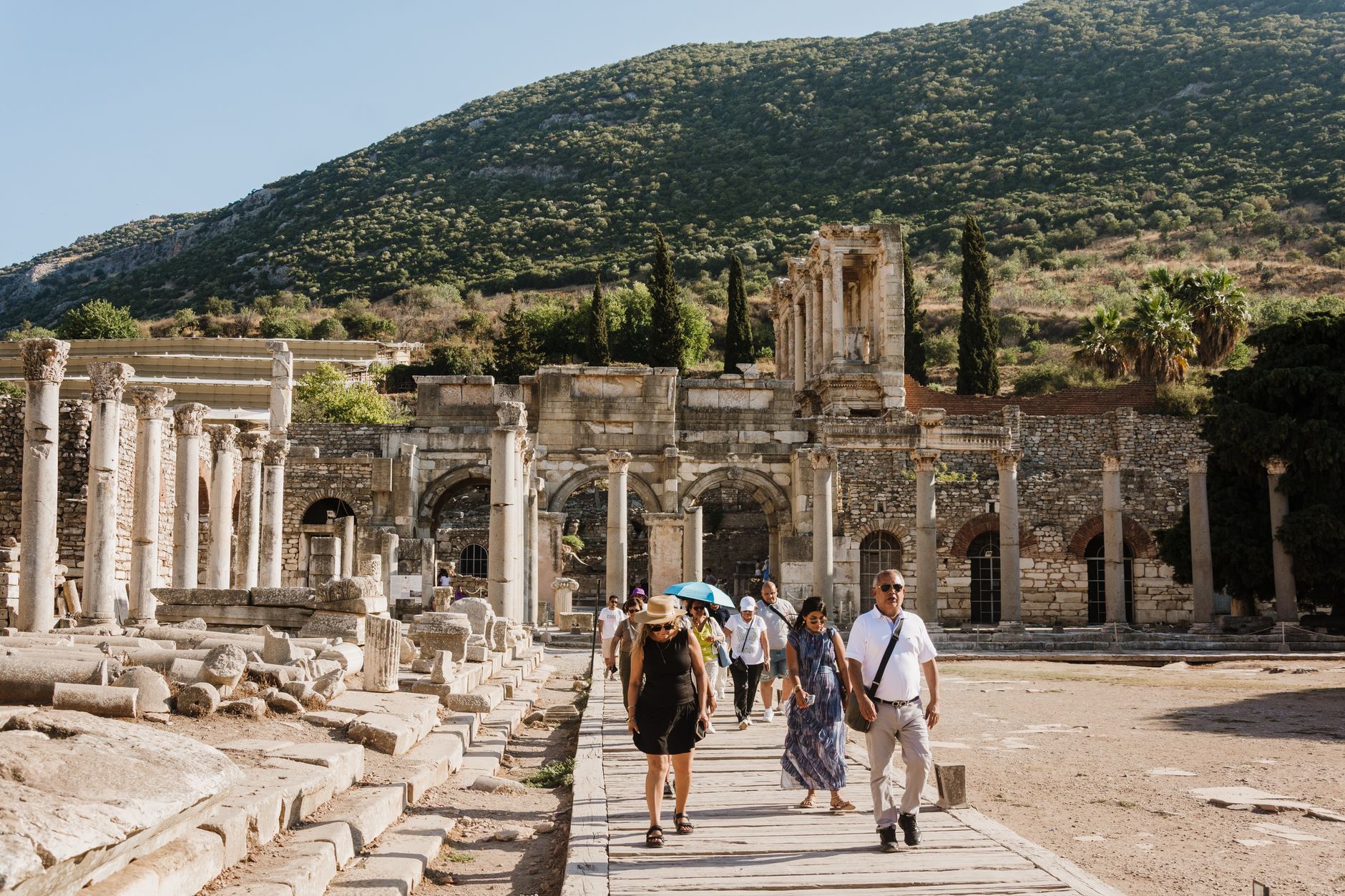
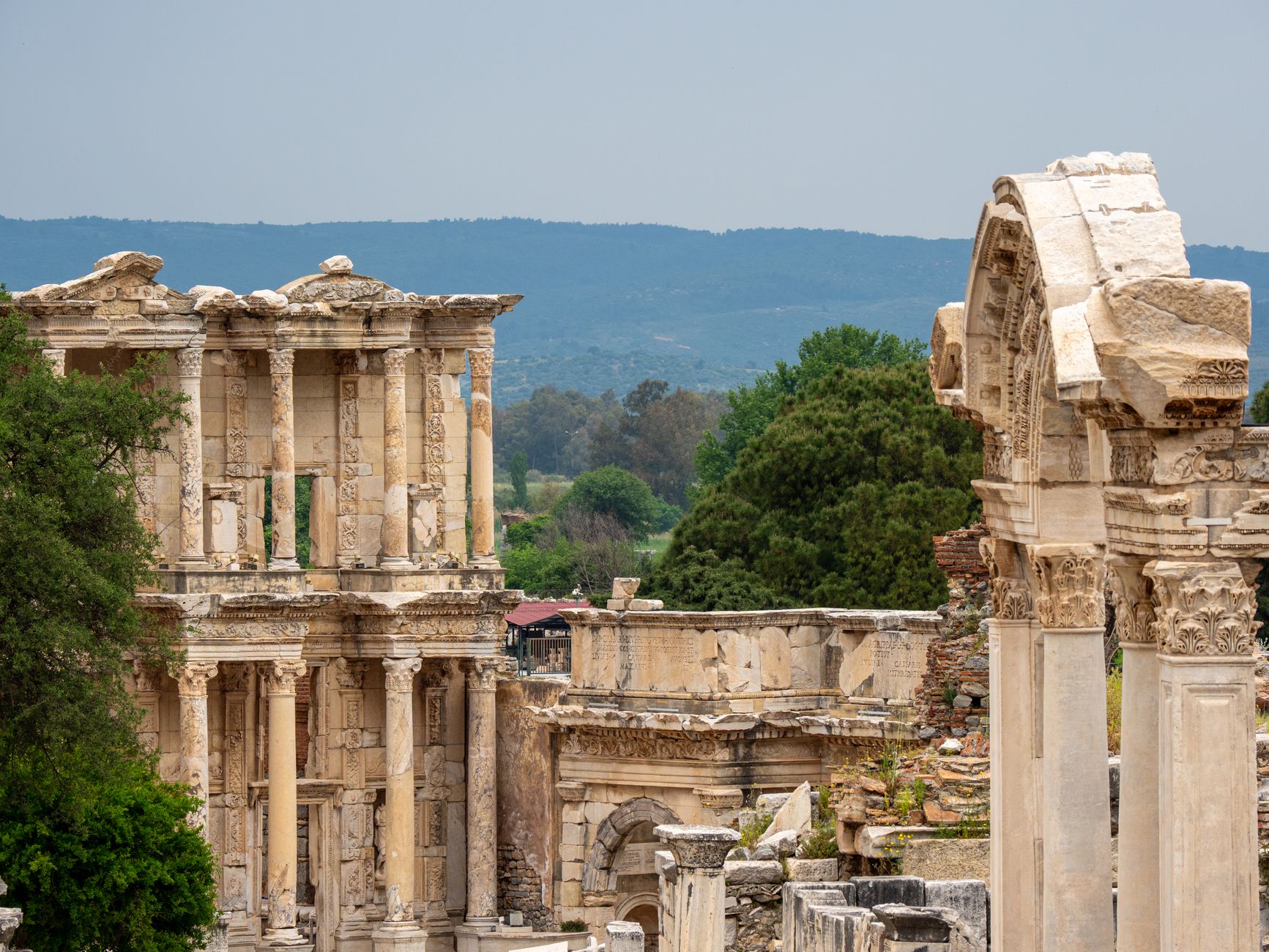
Ephesus, which is on the UNESCO World Heritage list, is one of the best preserved ancient cities in the Aegean and the world. This magnificent city near Selçuk fascinates its visitors with its magnificent Celsus Library, 24 thousand-seat Grand Theater and marble streets. Ephesus, which hosted the Temple of Artemis in ancient times, was also the location of one of the seven wonders of the world.
Ephesus, which was an important port city in ancient times, was left far from the coast as the sea receded over time; This explains why the city is located in the interior today. Sacred places in the immediate vicinity, such as the House of Virgin Mary and the Seven Sleepers, also add a spiritual depth to the visit to Ephesus. Hillside houses, Hadrian’s Temple and the ancient agora reveal the richness of the city. Visiting Ephesus is like traveling through a time tunnel to the Roman period.
While walking along the city’s marble-paved Kuretler Street, you can visualize the daily life of ancient people. Since Ephesus attracts great attention throughout the year, it is best to go in the early hours of the morning to avoid the crowds.
Bergama (Pergamon): The Magnificence of the Kingdom
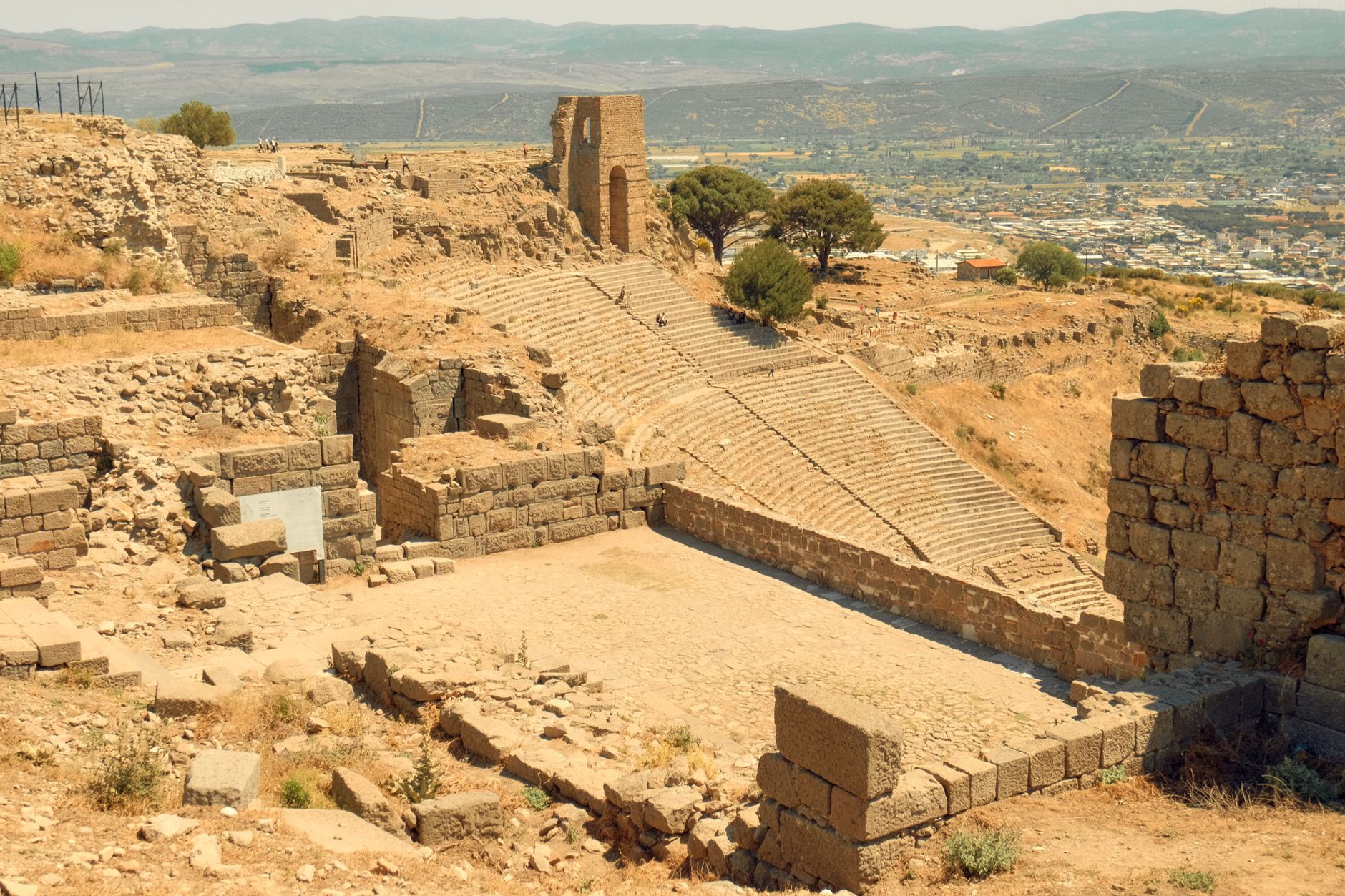
Pergamon Ancient City in the Bergama district of Izmir is a magnificent royal capital that hosts the world’s steepest ancient theater. The UNESCO-listed Acropolis fascinates with its location where the Zeus Altar is located and its breathtaking view. Asklepion, the most important health center of ancient times, contains the roots of the history of medicine. Pergamon’s famous library was once a center of knowledge competing with Alexandria.
It is known that parchment paper was invented in this city. Pergamum stood out in the field of medicine during the Roman period and the famous physician Galen was raised here. The treatment methods in Asklepion formed the basis of many practices that are considered the ancestors of modern medicine. Bergama is a stop not to be missed for history and architecture lovers.
Going up to the Acropolis by cable car both reduces fatigue and offers the opportunity to watch the magnificent view of the Bergama plain from above. Other ruins in the city center, such as the Red Courtyard (Temple of Serapis), are also worth visiting.
Aphrodisias: City of the Goddess of Love
Aphrodisias in Aydın’s Karacasu district is an ancient city famous for its marble sculpture, named after Aphrodite, the goddess of love and beauty. The city, which is on the UNESCO World Heritage list, fascinates with its extremely well-preserved stadium, the Temple of Aphrodite and the magnificent Tetrapylon monumental gate. Aphrodisias Museum has an important collection where the unique sculptures are exhibited.
Its stadium, with a capacity of 30 thousand people, is one of the best preserved examples of the ancient world. Aphrodisias is a fascinating discovery point where art and history meet. Sitting on the steps of the stadium and imagining the competitions and shows held here in ancient times gives visitors a unique experience. The rural scenery along the road to the city also makes the journey enjoyable.
Priene, Miletus and Didyma: Ionian Triad
Priene, Miletus and Didyma, located around Söke in Aydın, are three important centers of the ancient Ionian civilization. Priene stands out with its regular city plan built on a hillside and the Temple of Athena. Miletus was once an important port city with its magnificent ancient theater and large agora. Didyma is home to the Temple of Apollo, one of the largest temples in the world.
These three cities form a route that can usually be visited in the same day and reveal the elegance of Ionian architecture. Walking among the huge columns of the Temple of Apollo in Didyma is one of the moments that best makes you feel the magnificence of ancient architecture. This route offers an ideal program for history enthusiasts who want to see three different ancient cities in one day.
Other Must-See Ancient Cities
The ancient heritage of the Aegean is not limited to these magnificent cities. Knidos near Datça fascinates with its unique location where two seas meet. Agora and Smyrna ruins in Izmir offer the opportunity to touch history in the city center. Halicarnassus (ancient Mausoleum) in Bodrum hosted one of the seven wonders of the world. Less well-known ancient cities such as Teos, Klazomenai and Notion are waiting to be discovered with their tranquil atmosphere.
Each one tells a different part of the deep-rooted history of the Aegean. These quieter cities are ideal for those who want to spend peaceful moments alone with history, away from crowded tourist routes. Most of the time you feel like an explorer here. The Dionysus Temple of Teos and the olive oil workshops of Klazomenai offer interesting clues about ancient life; These small cities are gems of discovery, overshadowed by larger routes.
Practical Information While Visiting Ancient Cities
It is extremely important to wear comfortable shoes when visiting the ancient cities of the Aegean, because most cities are spread over large and rugged areas. Since the heat can be very effective at noon in the summer months, it is more comfortable to visit early in the morning or late in the afternoon. It will be useful to have a hat, sunscreen and plenty of water with you. Having a Museum Card provides advantages in entering many ancient cities.
Since most of the ancient cities are located in natural areas, you can also enjoy the vegetation and landscape of the region during your visit. For photography enthusiasts, the soft light of the morning and sunset are the ideal times to immortalize the ruins in the most impressive way. Guided tours or informative signs help you better understand the history of cities.
The Aegean geography offers a unique advantage for those who want to combine ancient cities with a sea holiday; It is possible to visit a historical city in the morning and cool off in a nearby bay in the afternoon. Thus, you can enjoy both culture and sea together in a single holiday. See you in a new beauty at the next stop of our Aegean Region guide series!
You May Like
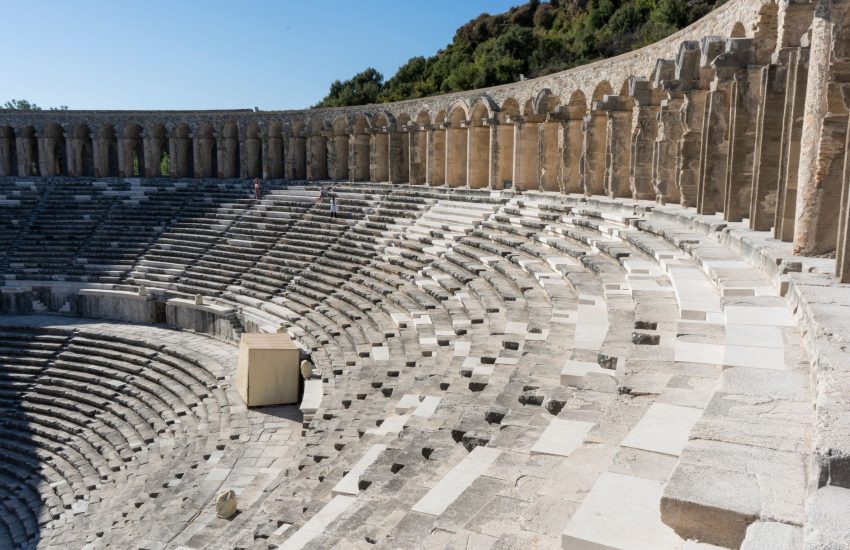
Aspendos Ancient Theater Travel Guide