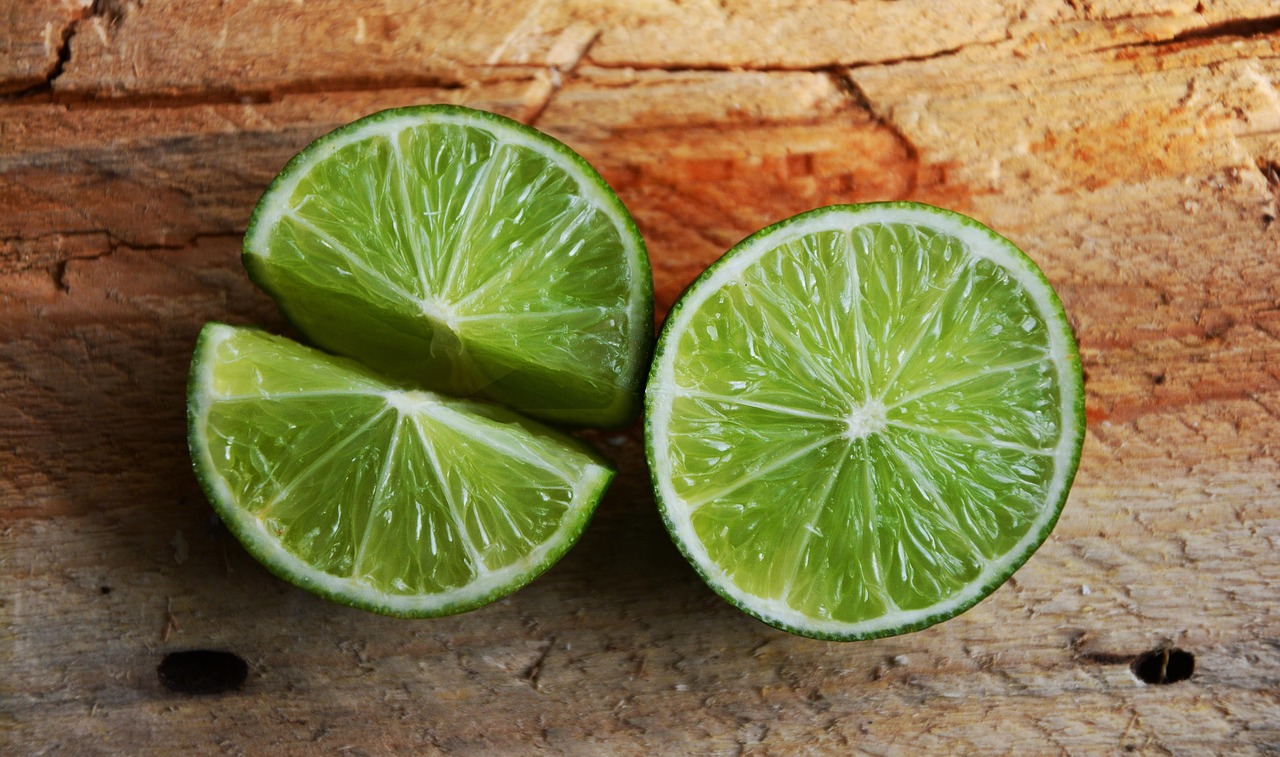
Having finished the B vitamins, we now meet the most famous vitamin of all: vitamin C, also known as ascorbic acid. Almost everyone reaches for it at the first sign of a cold, but vitamin C’s real importance goes far deeper than that — it helps build the very structure of your body, protects your cells, and once changed the course of history at sea.
What Vitamin C Does
Vitamin C is a water-soluble vitamin with several vital roles:
- Building collagen: vitamin C is essential for making collagen, the protein that holds together skin, blood vessels, gums, bones, and connective tissue. This is its single most important job.
- Antioxidant protection: it is a powerful antioxidant, helping defend cells against damage from unstable molecules called free radicals.
- Immune support: it supports several parts of the immune system, which is the source of its cold-fighting reputation.
- Iron absorption: vitamin C greatly improves the absorption of iron from plant foods, making it a valuable partner at meals.
- Wound healing: because of its role in collagen, it is crucial for repairing wounds and maintaining healthy tissue.

The Vitamin That Conquered Scurvy
Vitamin C’s history is dramatic. For centuries, sailors on long voyages suffered from scurvy — bleeding gums, loose teeth, slow-healing wounds, and extreme weakness — which we now know is caused by the collapse of collagen when vitamin C runs out. The discovery that citrus fruits could prevent it was one of the first proofs that a missing dietary factor could cause disease. Humans are unusual in this respect: unlike most animals, our bodies cannot make vitamin C, so we must get it from food every day.

Does It Really Fight Colds?
Here is the honest answer. For most people, taking large doses of vitamin C does not actually prevent colds. What the evidence suggests is that a steady, adequate intake supports normal immune function, and in some cases regular intake may slightly shorten how long a cold lasts. So vitamin C is genuinely important for immunity — but as a daily, food-based habit, not a megadose cure once you are already sick.

Where to Find Vitamin C
Vitamin C is found in a wide variety of fruits and vegetables, especially:
- Citrus fruits such as oranges, lemons, and grapefruit.
- Bell peppers, which are exceptionally rich in it.
- Berries, especially strawberries.
- Kiwi, broccoli, and tomatoes.
- Leafy greens and many other fresh vegetables.

One key point: vitamin C is fragile. It is easily destroyed by heat, light, and long storage, and it leaches into cooking water. Eating plenty of raw or lightly cooked fruits and vegetables is the best way to keep it intact — another preview of our upcoming look at how cooking affects vitamins. Next in the series, we move to the fat-soluble vitamins, beginning with the “sunshine vitamin,” vitamin D.
This article is intended as general nutritional information and is not a substitute for personalized advice from a doctor or registered dietitian.
You May Like


