To complete our close look at the B vitamins, we turn to biotin, vitamin B7 — perhaps best known today from the shelves of beauty and hair-care products. Sometimes called “vitamin H” in the past, biotin has a real and important role in the body, even if its reputation as a beauty cure is often overstated. Let’s separate the facts from the marketing.
What Biotin Does
Like its B-family relatives, biotin works as a coenzyme in metabolism. Its main jobs include:
- Energy metabolism: biotin helps the body break down and use carbohydrates, fats, and proteins from food.
- Fat and amino acid handling: it plays a part in building fats and processing the building blocks of protein.
- Skin, hair, and nails: biotin supports the health of these tissues, which is the source of its cosmetic reputation.
- Nervous system support: it contributes to normal functioning of the nerves.
The Truth About Biotin and Hair
Biotin supplements are heavily marketed for thicker hair and stronger nails. Here is the balanced picture: a genuine biotin deficiency really can cause hair thinning and brittle nails, and correcting that deficiency restores them. But for people who already get enough biotin — which is most people — there is little solid evidence that taking extra does anything special for hair or nails. In other words, biotin helps because it is essential, not because more is magic. It is a useful reminder that with vitamins, fixing a shortfall is powerful, but piling on extra beyond your needs usually is not.

Where to Find Biotin
Biotin is found in many everyday foods, and the body also gets a contribution from the friendly bacteria living in the gut, which make small amounts of it. Good dietary sources include:
- Eggs, especially the yolk — one of the best sources.
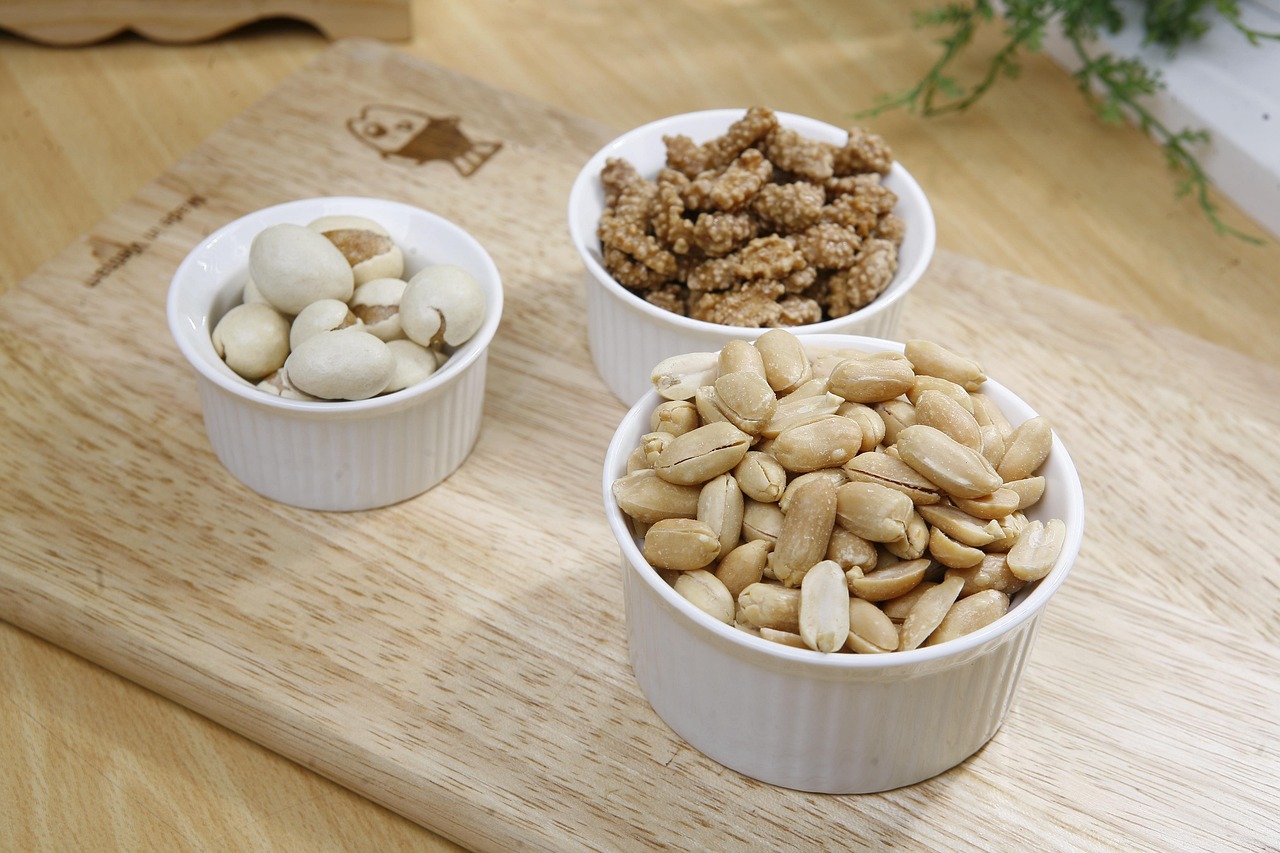
- Nuts and seeds such as almonds and sunflower seeds.
- Legumes like peanuts and soybeans.
- Whole grains.
- Certain vegetables such as sweet potatoes.
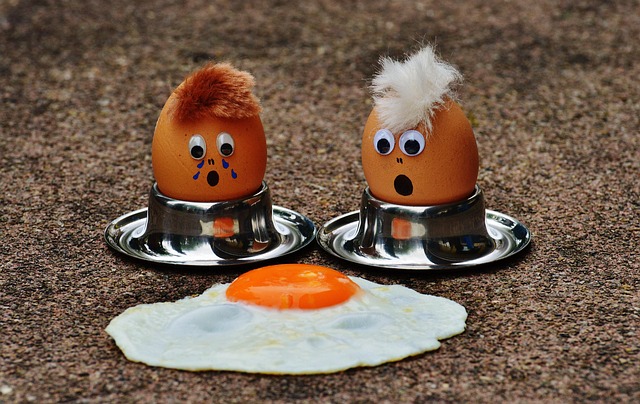
One interesting note: raw egg white contains a protein that binds biotin and blocks its absorption, but cooking the egg deactivates it — so cooked eggs are a biotin asset, not a problem. Because biotin is so widespread and partly supplied by gut bacteria, true deficiency is quite rare in people eating a normal diet.
That completes the B-complex in detail. Next, the series turns to one of the most famous vitamins of all — vitamin C.
This article is intended as general nutritional information and is not a substitute for personalized advice from a doctor or registered dietitian.
You May Like