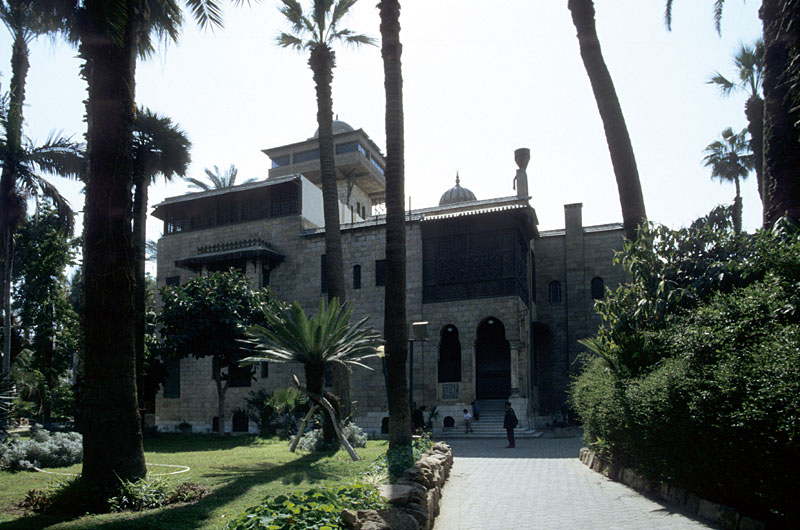
On Rhoda Island in the middle of the Nile, in the heart of Cairo, stands one of the most enchanting and eccentric palaces in all of Egypt. The Manial Palace, built by Prince Muhammad Ali Tewfik in the early twentieth century, is not the seat of a ruling monarch but the private fantasy of a cultivated royal prince, a dreamlike complex of pavilions, gardens, and halls that gathers together the entire architectural heritage of the Islamic world into a single extraordinary estate.
Set amid a lush botanical garden that the prince himself created, the palace is a riot of styles, drawing on Ottoman, Moorish, Persian, Mamluk, Syrian, and Andalusian traditions, sometimes within a single room. It is the work of a man of immense wealth, wide travels, and deep artistic passion, who set out to create a residence that would be a living museum of Islamic art and architecture, and who succeeded beyond all expectation.
Prince Muhammad Ali was a member of the dynasty that ruled Egypt for a century and a half, a man who came close to the throne more than once but never took it, and who poured his energies instead into this magnificent creation. The palace he built is at once a home, a museum, a garden, and a work of art, an intensely personal vision of beauty realized on the banks of the Nile.
Over the following pages you will explore the whole story of this remarkable place, from the prince who created it and the many pavilions that make up the complex, through its gardens and its astonishing collections, to its survival and its life today as one of Cairo’s most beloved museums. Come and discover the island palace of a royal dreamer.
In This Article
- Prince Muhammad Ali Tewfik
- The Dynasty of Muhammad Ali
- A Complex of Many Pavilions
- A Museum of Islamic Styles
- The Reception Palace
- The Private Mosque and the Tower
- The Hunting Museum
- The Botanical Garden
- Treasures and Collections
- From Royal Estate to Public Museum
- The Vision of a Royal Artist
- See the Manial Palace for Yourself
- Visiting the Manial Palace Today
Prince Muhammad Ali Tewfik
The palace is inseparable from the man who created it, Prince Muhammad Ali Tewfik, one of the most fascinating figures of the Egyptian royal family. A son of a khedive, the hereditary rulers of Egypt under nominal Ottoman suzerainty, the prince was born into the highest ranks of the dynasty and spent his life close to, but never quite upon, the throne of Egypt.

On several occasions the prince stood near the succession, serving as heir presumptive and as regent, but the crown always passed to others, and he never became the ruling monarch. This position, at the very summit of society yet apart from the ultimate power, seems to have shaped his character, freeing him to devote himself to his true passions of art, architecture, and horticulture.
The prince was a man of wide culture and extensive travel, deeply learned in the artistic traditions of the Islamic world and possessed of the means to indulge his interests on a grand scale. Rather than pursuing political power, he channeled his energy and wealth into the creation of a residence that would express his vision of beauty and his love of the Islamic artistic heritage.
The Manial Palace is thus, in a very direct sense, a self-portrait of its creator, a physical expression of the tastes, passions, and personality of a cultivated prince who found his true vocation not in ruling but in creating one of the great artistic treasures of modern Egypt.
There is something almost poignant in the figure of a man forever close to the throne yet never upon it, and it is tempting to see the palace as a kind of alternative kingdom, a realm of beauty over which the prince could reign absolutely even as political power eluded him. In his island estate he was sovereign of a domain of art, answerable to no one but his own exacting taste.
The Dynasty of Muhammad Ali
To understand the prince and his palace, it helps to understand the dynasty to which he belonged. The family took its name from Muhammad Ali, an Albanian commander who seized power in Egypt in the early nineteenth century and founded a dynasty that would rule the country until the middle of the twentieth, transforming Egypt into a modern state along the way.
Under Muhammad Ali and his successors, Egypt underwent dramatic changes, modernizing its army, economy, and institutions, and asserting a large degree of independence from the Ottoman Empire of which it remained nominally a part. The rulers took the title of khedive, and later of sultan and king, presiding over a period of ambitious reform and, at times, of grand cultural display.
The dynasty was cosmopolitan and outward-looking, connected to the wider world of the Ottoman elite and increasingly to Europe, and its members were often men and women of wide culture and refined tastes. The building of grand palaces was one of the ways in which the dynasty expressed its wealth and its aspirations, and Cairo came to be adorned with royal residences.
Prince Muhammad Ali Tewfik was a product of this dynastic world, heir to its wealth and its cultural ambitions, and his palace on Rhoda Island represents one of the most personal and artistically ambitious expressions of the dynasty’s love of beauty and display.
The palaces built by this dynasty ranged from grand official residences to intimate personal retreats, and together they transformed Cairo and its surroundings into a showcase of royal architecture. The Manial Palace occupies a special place among them precisely because it was so personal, the vision of one man rather than an expression of state power.
A Complex of Many Pavilions
The Manial Palace is not a single building but a complex of separate structures set within a walled garden, each serving a different function and each a work of art in its own right. This arrangement, of multiple pavilions within an enclosed estate, allowed the prince to explore a wide range of architectural styles and to create a series of distinct experiences within his domain.
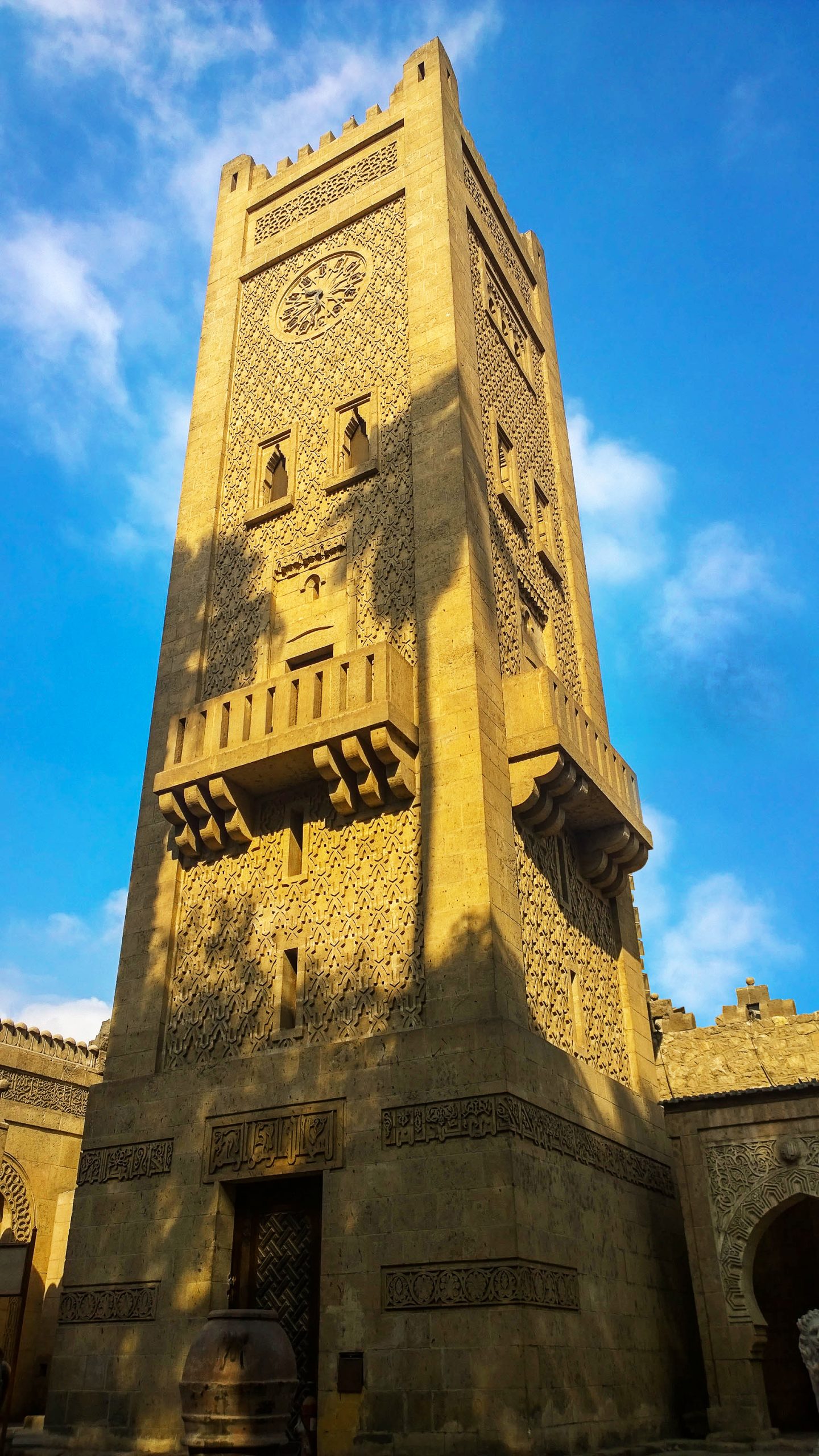
Among the principal structures are the reception palace, where guests were received, the residence palace, where the prince lived, a private mosque, a tower, a hunting museum, and a throne hall, along with other buildings. Each was designed and decorated according to its own theme, so that moving through the complex is a journey through the many worlds of Islamic art.
The buildings are linked by the gardens and by covered walkways, and the whole is enclosed by a wall designed in the manner of a medieval fortress, giving the estate a sense of being a world apart, a private realm of beauty sealed off from the city outside. Within this enclosure, the prince created a total environment expressing his artistic vision.
This structure, of a garden estate containing many themed pavilions, gives the Manial Palace its distinctive character, quite different from a single monumental palace. It is a place to be explored and discovered, its treasures revealed pavilion by pavilion, each a new surprise and a new delight for the visitor.
The decision to divide the estate into separate themed pavilions, rather than housing every function under one roof, was itself an artistic choice with deep roots in Islamic tradition, where the garden dotted with pavilions was a favored form. The prince took this tradition and elevated it, making each pavilion a fully realized world of its own.
A Museum of Islamic Styles
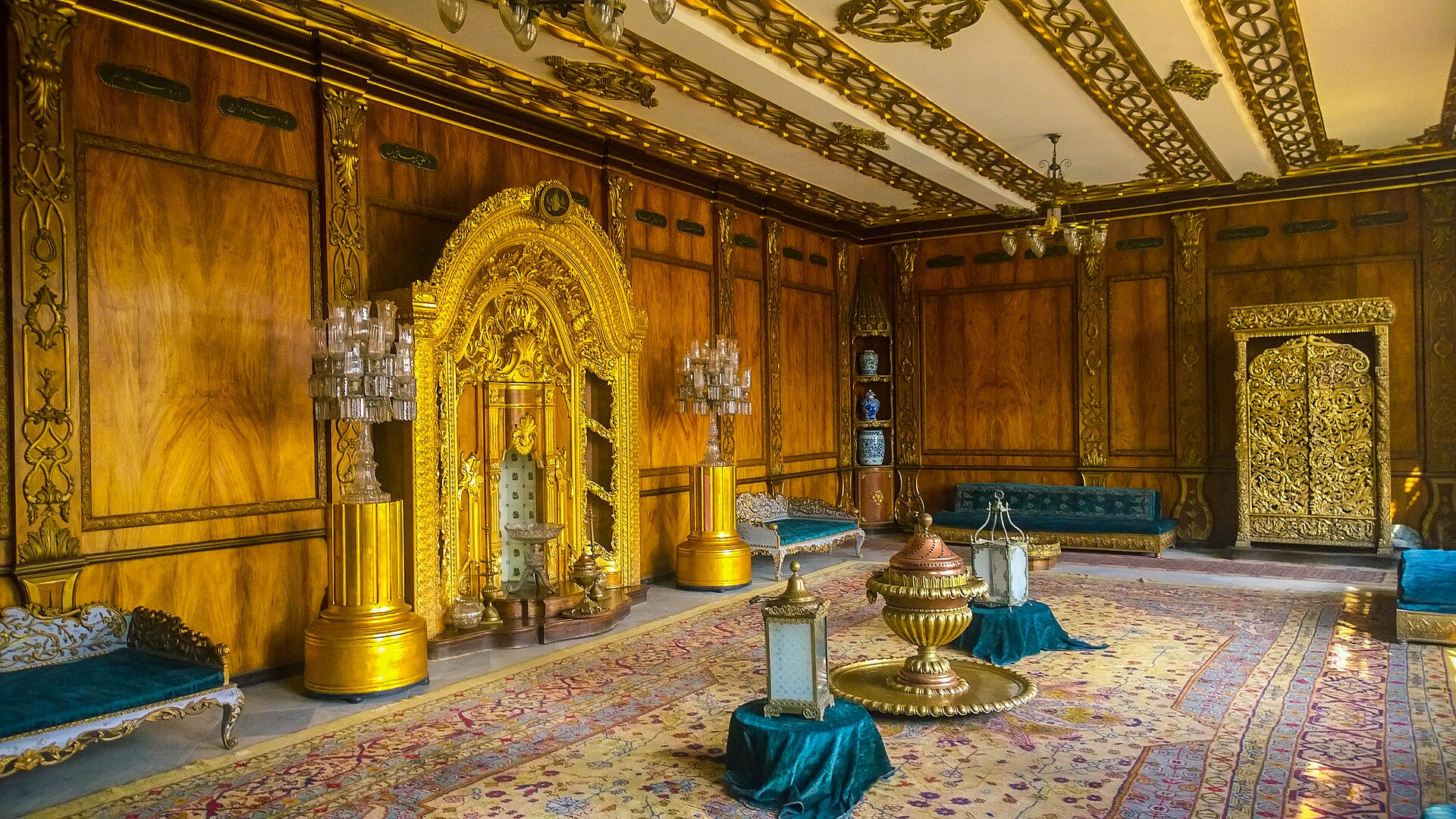
The most striking feature of the Manial Palace is its extraordinary eclecticism, its gathering together of virtually every style of Islamic architecture and decoration into a single estate. The prince, a connoisseur of Islamic art, set out to create a residence that would showcase the full richness of the Islamic artistic tradition, and he drew on sources from across the Muslim world.
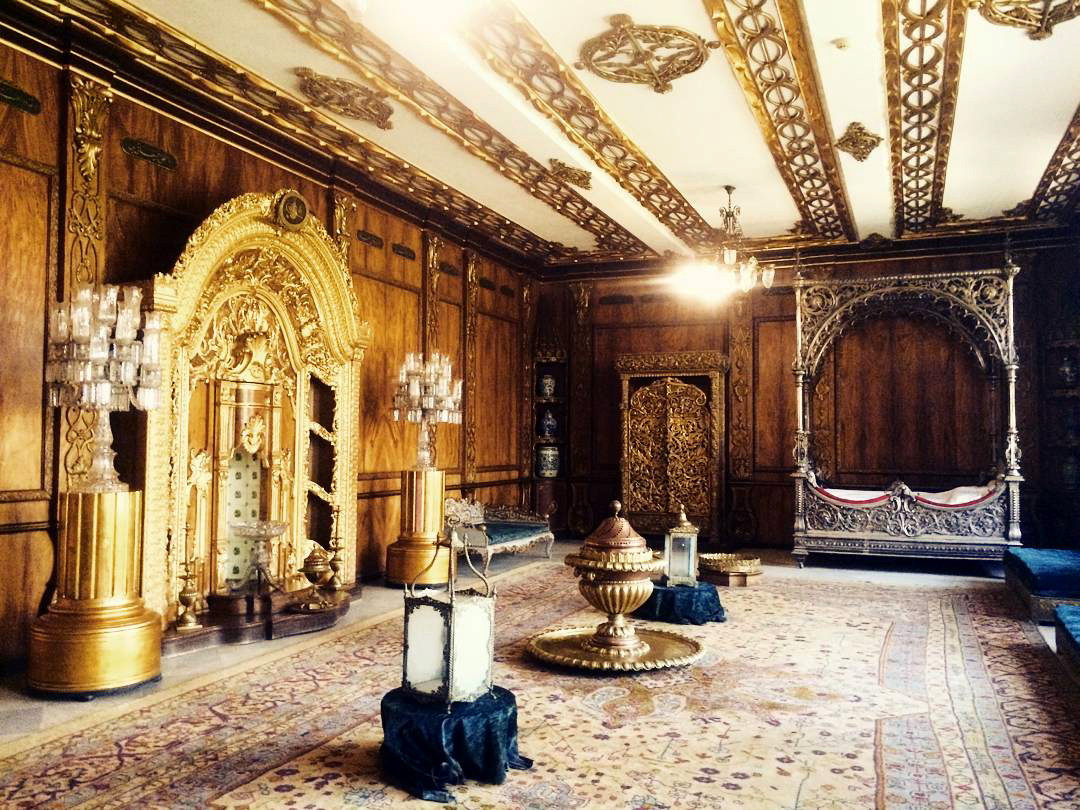
Within the complex one finds elements of Ottoman, Persian, Moorish, Mamluk, Syrian, Andalusian, and Rococo styles, sometimes juxtaposed within a single building or even a single room. Tiled walls in the Ottoman manner, ceilings in the Syrian style, Moorish arches, Persian carpets, and countless other elements combine to create interiors of overwhelming richness and variety.
This eclecticism was not mere showing off but a deliberate artistic and intellectual project, an attempt to celebrate and preserve the diversity of Islamic art at a time when many of these traditions were under threat. The prince employed skilled craftsmen and gathered authentic materials to ensure that each style was represented with accuracy and quality.
The result is a building that functions as a kind of encyclopedia of Islamic decorative art, a place where the visitor can encounter, within a single estate, the artistic achievements of many centuries and many lands, all brought together by the vision and the resources of one remarkable prince.
To walk from a room in the Ottoman manner into one evoking Moorish Spain, and then into a Persian or Syrian interior, is to travel across the whole geography of the Islamic world without leaving the island. This deliberate encyclopedic ambition sets the Manial Palace apart even from other eclectic buildings of its age, for here the eclecticism is the whole point, the very subject of the work.
For students of architecture, the palace offers a rare opportunity to compare so many traditions side by side, assembled with care and knowledge in a single place. It is at once a delight to the casual visitor and a resource for the scholar, a building that rewards both the wandering eye and the studious mind.
The Reception Palace
Among the most splendid of the pavilions is the reception palace, where the prince received his guests amid interiors of dazzling richness. This building was designed to impress, and its rooms display some of the finest decoration in the whole complex, drawing on the most sumptuous traditions of Islamic interior design.
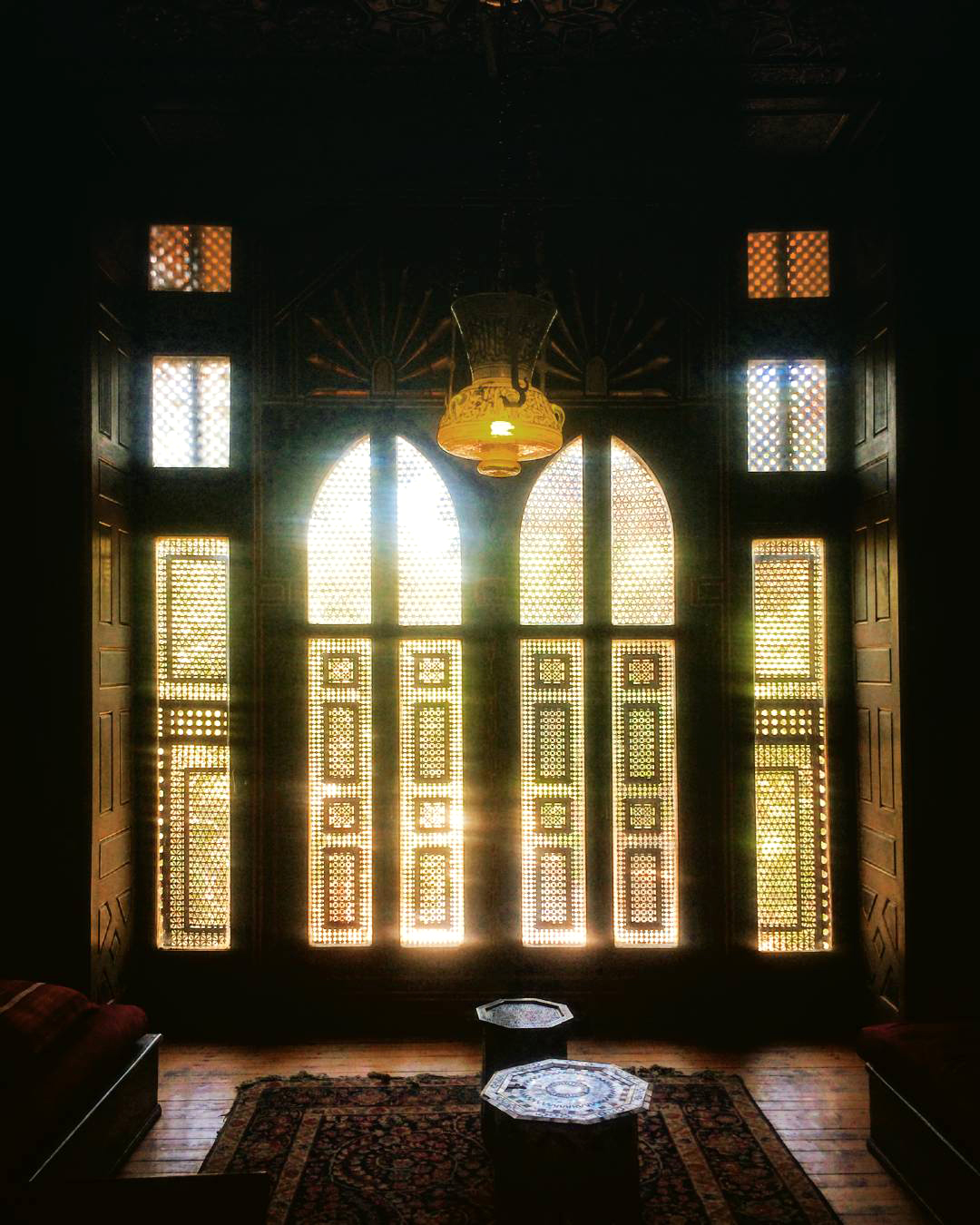
The reception rooms are adorned with intricate tilework, elaborate painted and gilded ceilings, colored glass, and rich furnishings, creating spaces of jewel-like intensity. Each room has its own character and theme, offering the visitor a succession of different moods and styles as they move through the building, from the Ottoman to the Moorish to the Syrian.
These were the spaces in which the prince presented himself and his taste to the world, and their magnificence reflects both his wealth and his artistic ambition. To be received here was to be immersed in a total work of art, surrounded on all sides by the accumulated beauty of the Islamic decorative tradition.
For the visitor today, the reception palace offers some of the most memorable interiors in all of Cairo, a sequence of rooms of such richness and variety that they must be seen slowly and repeatedly to be fully appreciated, each revealing new details and delights on closer inspection.
The craftsmanship on display in these rooms repays the closest attention. The tilework, the carved and painted woodwork, the inlay and the gilding were all executed by masters, many of them working in traditions that were already becoming rare, so that the reception palace preserves not only beautiful objects but the very skills that made them.
The Private Mosque and the Tower
Among the pavilions of the estate is a private mosque, built for the prince and his household, a jewel of religious architecture that reflects the same eclectic brilliance as the rest of the complex. Though small, the mosque is exquisitely decorated, its interior a concentrated display of the finest Islamic religious art.
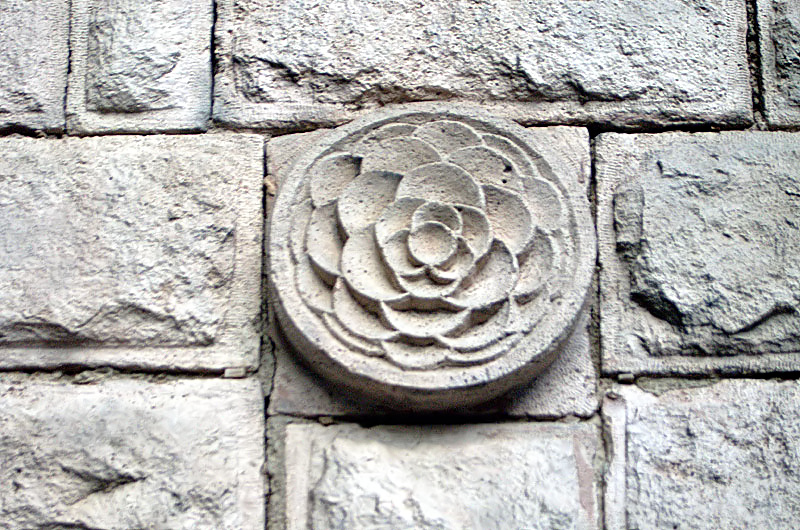
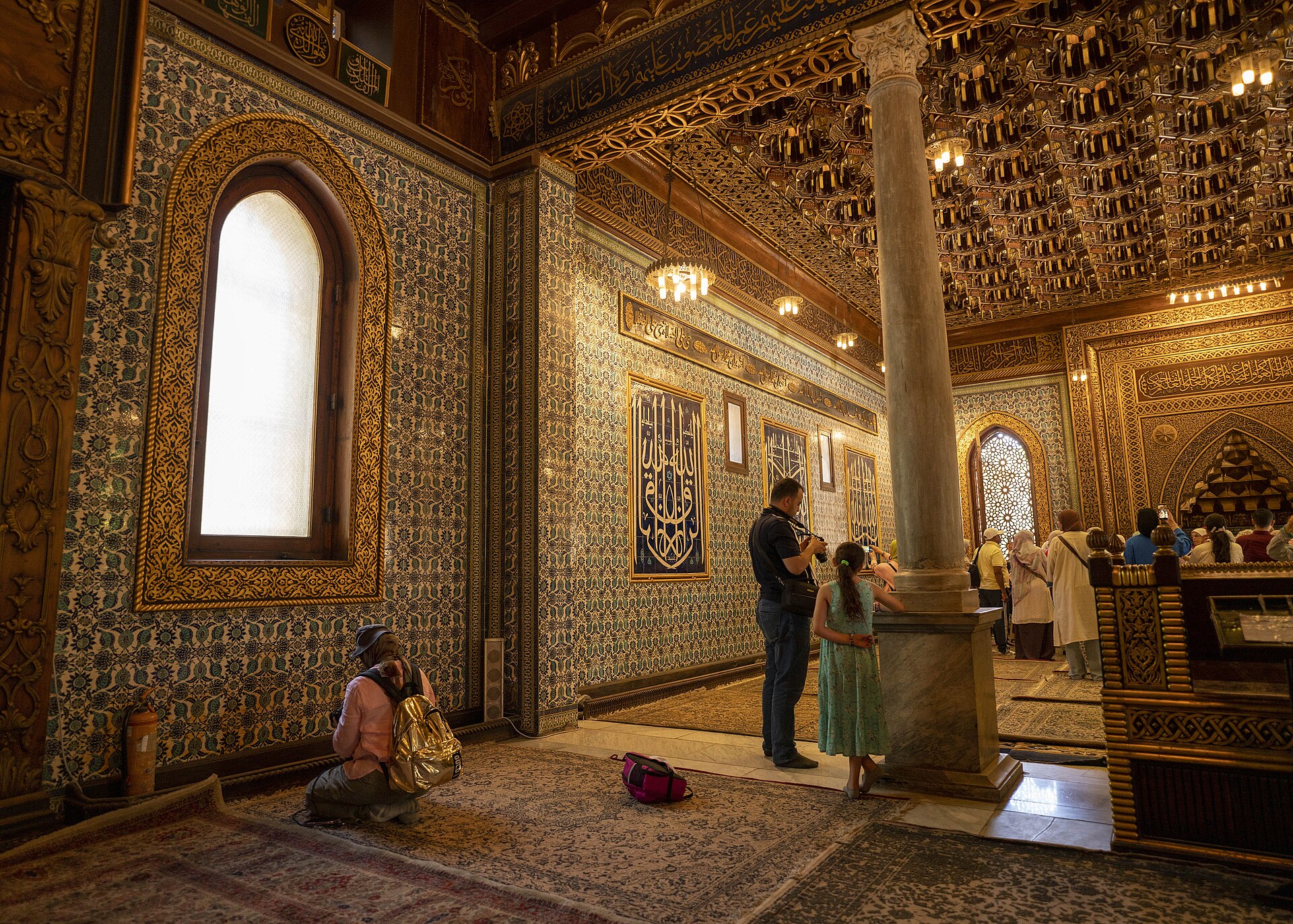
The mosque draws on the traditions of Ottoman and other Islamic architecture, with a richly decorated interior featuring fine tilework and ornament. As the place of worship for the prince and those around him, it expressed his piety as well as his taste, integrating the sacred into the artistic vision that governed the whole estate.
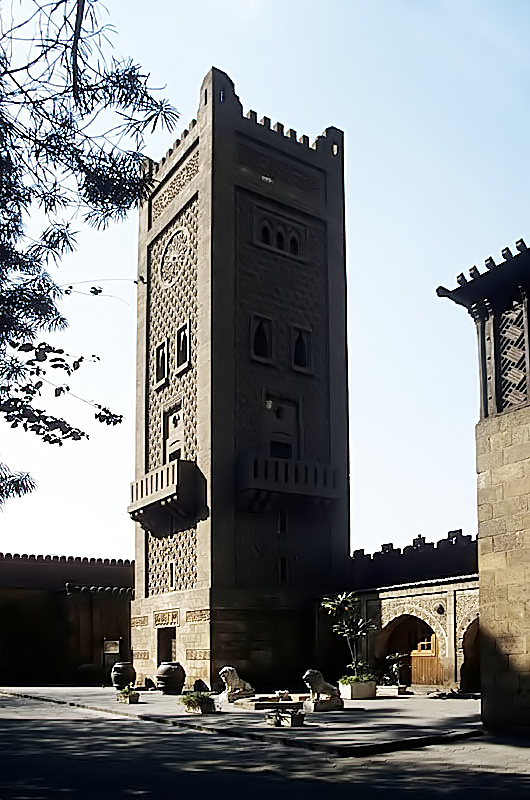
Nearby rises a distinctive tower, one of the landmarks of the complex, adding a vertical accent to the low, spreading masses of the pavilions and gardens. The tower contributes to the fortress-like, almost fantastical character of the estate, reinforcing the impression of a private world enclosed within its walls.
Together the mosque and the tower show how the prince integrated every element of a princely establishment, the sacred and the symbolic as well as the residential and the ceremonial, into his unified artistic conception, so that even the smallest and most functional structures became occasions for beauty.
The integration of a place of worship into the heart of the estate reflected a conception of life in which the sacred and the beautiful were not separate spheres but aspects of a single whole. For the prince, to create beauty was itself a kind of devotion, and the mosque at the center of his artistic realm expressed that unity of faith and art.
The Hunting Museum
One of the more unusual features of the Manial Palace is its hunting museum, a building dedicated to the display of hunting trophies and related objects, reflecting the sporting interests of the royal family. This collection, added to the estate, gives the complex yet another dimension, connecting it to the aristocratic pastime of the hunt.
The hunting museum contains a large collection of trophies, mounted animals, and hunting-related objects, assembled by members of the royal family who were keen sportsmen. For the modern visitor, the collection is a somewhat startling reminder of the tastes of an earlier age, when the hunt was a central pursuit of the aristocracy across the world.
The presence of the hunting museum within the artistic estate of the prince reflects the many facets of royal life, in which the pursuit of beauty coexisted with the pursuit of sport, and in which a great estate was expected to provide for every aspect of aristocratic existence. It adds to the variety and the curiosity value of the complex.
For visitors today, the hunting museum is one of the more unexpected parts of the estate, a change of mood from the artistic splendor of the other pavilions, and a window into a particular dimension of the life of the Egyptian royal family in the age of the prince.
Collections of this kind were common in the great houses of the era, reflecting a relationship between aristocracy and the natural world that has since changed profoundly. Viewed today, the hunting museum is as much a document of the attitudes of a vanished age as it is a display of trophies, adding a note of historical curiosity to the estate.
The Botanical Garden
Surrounding the pavilions and binding the whole estate together is one of the great glories of the Manial Palace, its botanical garden. Prince Muhammad Ali was a passionate horticulturist, and he created around his palace a garden of rare and exotic plants gathered from around the world, transforming the grounds into a living collection to complement the artistic treasures indoors.
The garden brought together species from many lands, including rare and unusual trees and plants that the prince collected with the same passion he brought to art and architecture. The subtropical climate of Cairo and the abundant water of the Nile allowed a remarkable variety of vegetation to flourish, creating a lush and verdant setting for the pavilions.
Among the garden’s treasures are magnificent old trees, including specimens of great rarity and beauty, and the grounds are laid out to provide both a beautiful setting for the buildings and a pleasant environment for strolling and repose. The garden is an integral part of the estate, not a mere backdrop but a collection and a creation in its own right.
For the visitor, the garden offers a green and tranquil oasis in the heart of bustling Cairo, a place to wander among exotic plants and mature trees, to enjoy the interplay of architecture and nature, and to sense the vision of a prince who loved living things as much as he loved art and beauty.
The prince’s devotion to his garden was such that he sought out specimens from around the world and tended the collection with a scholar’s care. In this he was very much a man of his age, when the collecting and cultivation of exotic plants was a passion shared by cultivated people across the globe, but few pursued it with such resources or such artistry.
Treasures and Collections
Beyond its architecture and gardens, the Manial Palace houses rich collections of art and artifacts, gathered by the prince and reflecting his wide-ranging interests and refined taste. These collections turn the palace into a true museum, filled with objects of beauty and historical significance.
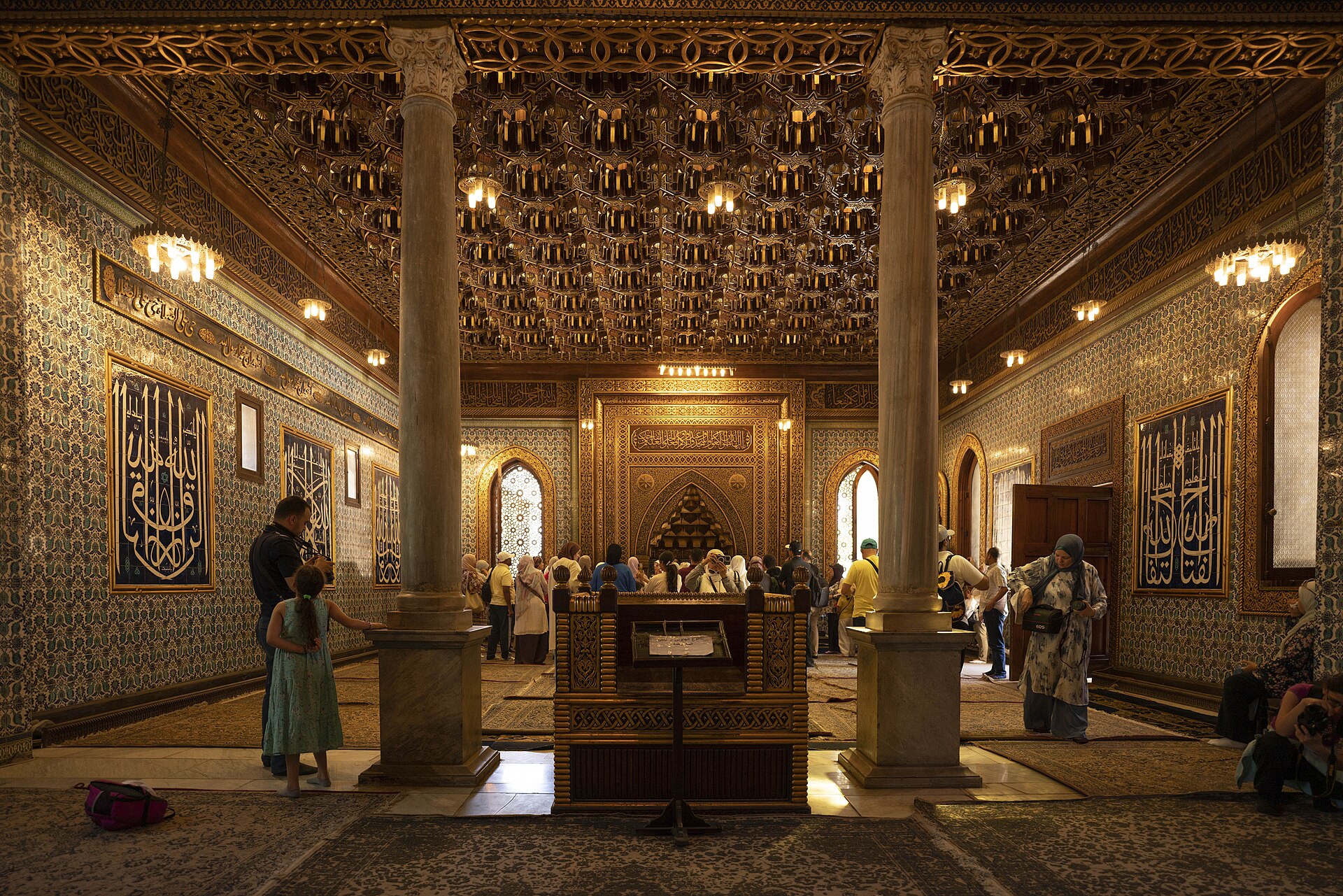
The collections include manuscripts, carpets, textiles, silver, glass, porcelain, and furniture, along with objects associated with the royal family and the history of the dynasty. Many of these items are of the highest quality, representing the finest achievements of Islamic and other decorative arts, and they enrich the experience of the palace immeasurably.
The prince was a serious collector, and the objects he gathered were chosen with knowledge and discernment, forming a collection that is coherent and significant rather than merely a random accumulation of valuables. The collections reflect his particular passions and his deep engagement with the artistic traditions he celebrated in his buildings.
For the visitor, these collections add yet another layer to the richness of the palace, filling its beautiful rooms with beautiful objects and allowing a fuller appreciation of the artistic world that the prince created and inhabited, a world in which every element, from the buildings to their contents, was chosen for its beauty and meaning.
The care with which the prince assembled his collections mirrored the care he brought to his buildings and his garden, so that the whole estate, from its architecture to its smallest objects, reflected a single guiding sensibility. It is this unity of vision, across so many different media and traditions, that gives the Manial Palace its remarkable coherence despite its dazzling variety.
From Royal Estate to Public Museum
The Egyptian revolution of the mid-twentieth century brought an end to the monarchy and transformed the position of the royal family and its property. The dynasty that Muhammad Ali the Great had founded was swept away, and the palaces and estates of the royal family passed into the hands of the state.

Prince Muhammad Ali Tewfik had, in fact, made arrangements for his beloved palace to pass eventually into public ownership as a museum, and after the revolution the estate was preserved and opened to the public. The prince’s wish that his creation should be shared and enjoyed by all was thus fulfilled, and the palace became a public treasure.
As a museum, the palace and its collections have been preserved and cared for, allowing generations of visitors to experience the extraordinary vision of the prince. The transition from private royal estate to public museum ensured the survival of the palace as a coherent whole, rather than its dispersal or decline.
In recent times, the palace has undergone restoration to repair the effects of time and to present its treasures to best advantage, ensuring that this unique creation continues to delight and inspire visitors, and that the artistic legacy of the prince is preserved for the future.
The prince’s foresight in arranging for his palace to become a public museum ensured that his life’s work would not be broken up or lost in the upheavals that followed the end of the monarchy. In this he showed a generosity of spirit, wishing that the beauty he had gathered should belong, in the end, to everyone rather than to a single family.
The Vision of a Royal Artist
The Manial Palace stands as a unique achievement in the history of Egyptian and Islamic art, the personal creation of a prince who chose beauty over power and who left behind a monument to his vision that has few equals anywhere in the world. It is a place that reflects, more directly than almost any palace, the personality and passions of its creator.

The palace is significant not only for its beauty but for its role as a celebration and preservation of the diversity of Islamic art at a moment of great change. By gathering together the styles and traditions of many lands and centuries, the prince created a record and a tribute that continues to educate and inspire all who visit.
For Egypt, the palace is a cherished part of the national heritage, a reminder of the cultural achievements of the royal era and of the deep engagement of the dynasty with the artistic traditions of the Islamic world. It stands alongside the country’s ancient monuments as a treasure of a different, more recent age.
In all these ways, the Manial Palace continues to tell its story, the story of a royal artist who found his true vocation in the creation of beauty, and who left behind, on an island in the Nile, one of the most enchanting and personal palaces ever built.
In an age when the great artistic traditions of the Islamic world were often overlooked or undervalued, the prince’s palace made a quiet but powerful argument for their beauty and importance. It stands, in this sense, not only as a personal creation but as an act of cultural affirmation, a celebration of a heritage that its creator believed deserved to be honored and preserved.
See the Manial Palace for Yourself
The richness and variety of the Manial Palace, with its many pavilions, its dazzling interiors, and its lush garden, are best appreciated by seeing the estate for yourself, moving from building to building and discovering the treasures within. A video tour conveys the atmosphere of the place in a way that words and still images cannot fully capture.
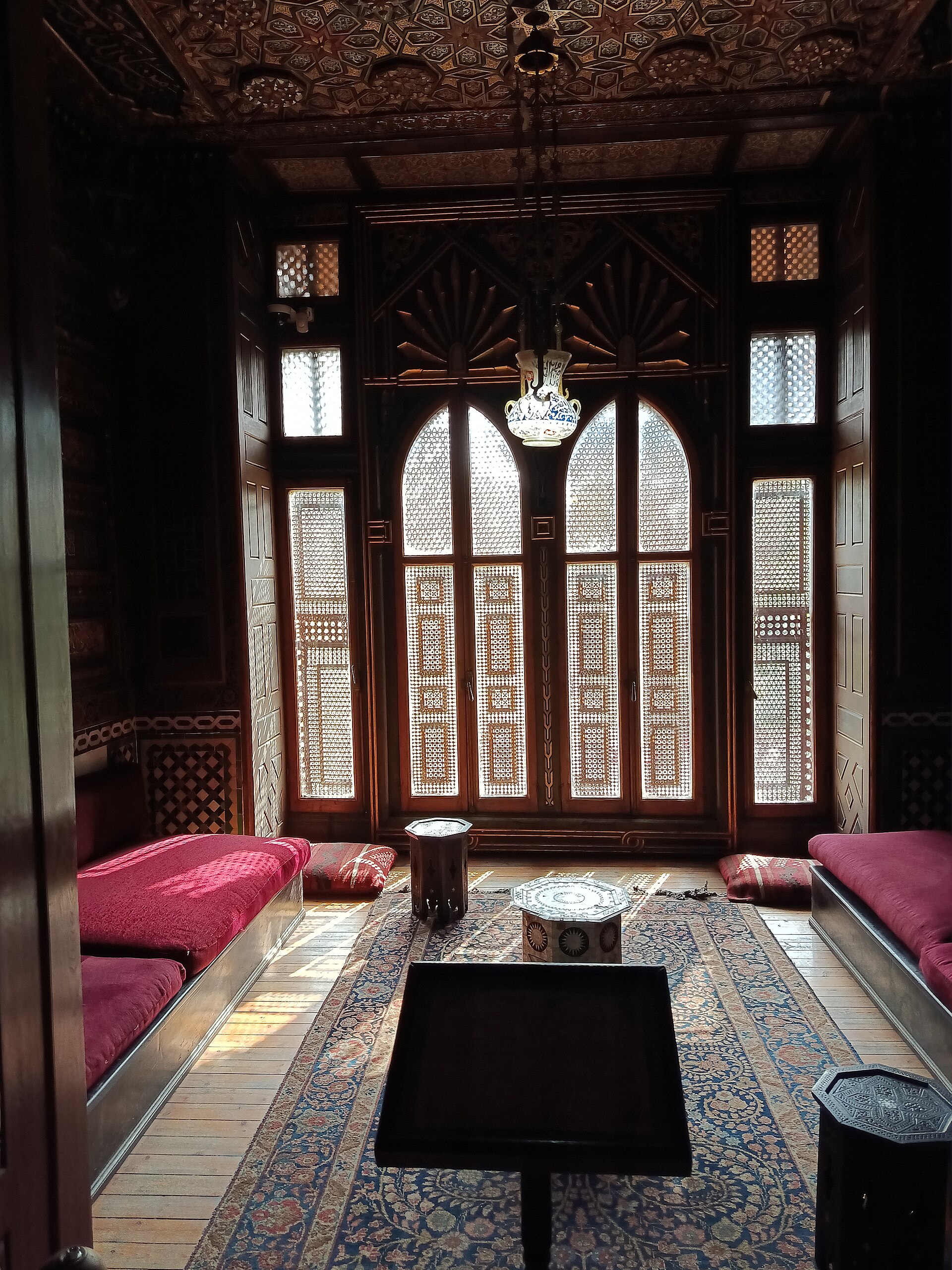
The short video below offers a tour of the palace, taking in its architecture, its interiors, and its garden, and introducing the prince who created it. It is an ideal companion to everything you have read here, giving you a feel for the atmosphere of this remarkable estate before you visit in person.
As you watch, notice the extraordinary variety of styles gathered within the estate, and imagine the vision of the prince who brought them all together in a single creation on the banks of the Nile. Then, when you visit Cairo, you will recognize the Manial Palace not just as a pretty museum but as the personal masterpiece of a royal artist.
Visiting the Manial Palace Today
A gentle word of advice before you go: the palace rewards slowness. Its beauty lies in accumulated detail, in ceilings and tiles and inlays that reveal themselves only to the patient eye, so resist the urge to rush from pavilion to pavilion and give each room the time it deserves.

For the modern traveler, the Manial Palace is one of the essential sights of Cairo, offering an experience quite different from the ancient wonders for which Egypt is most famous. Located on Rhoda Island in the Nile, in the heart of the city, the palace is easily reached and rewards a leisurely visit of several hours.
The palace and its grounds are open to visitors as a museum, and you can explore the various pavilions, including the reception palace, the residence, the mosque, the hunting museum, and the throne hall, as well as the beautiful botanical garden. The richness of the interiors and the variety of the buildings mean there is a great deal to see, so it is worth allowing plenty of time.
The palace lies in central Cairo, within reach of the city’s many other attractions, and a visit can easily be combined with exploration of the wider city. As always, it is worth checking current opening arrangements before you go, and taking your time to appreciate both the architecture and the collections at an unhurried pace.
However you approach it, the Manial Palace rewards the visitor who understands its story. This is not merely a beautiful old building but the personal creation of a royal artist, a living museum of Islamic art, and a monument that continues to embody the vision, taste, and passion of one of the most remarkable princes of modern Egypt.
Palaces Nearby
If the island palace of Prince Muhammad Ali has drawn you into the world of royal Egypt and North Africa, two more great residences of the region make natural companions to a visit here, each telling a different chapter of the story.
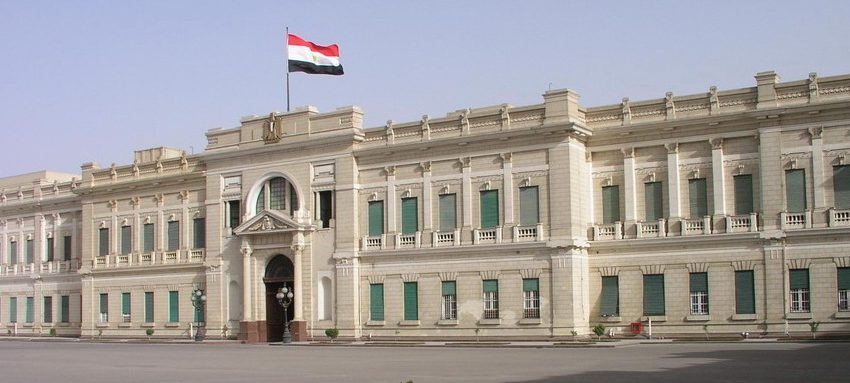
- Abdeen Palace in Cairo — the grand European-style seat of the modern Egyptian monarchy, at the heart of the nation’s history.
- The Bahia Palace in Marrakesh — the dazzling residence of a Moroccan grand vizier, a masterpiece of zellij, stucco, and carved cedar.
You May Like
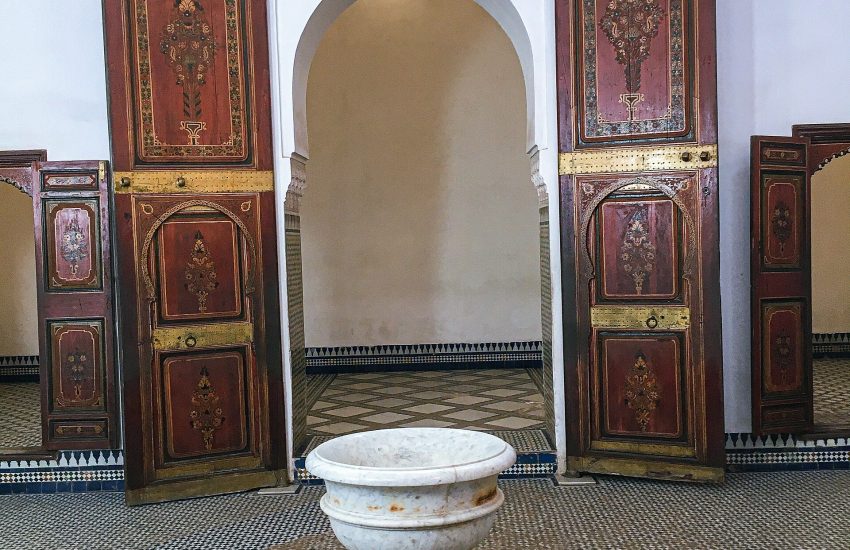
A Marrakesh Vizier and the Palace He Named Brilliance


2 thoughts on “The Cairo Prince Who Built a Museum of Islamic Art to Live In”