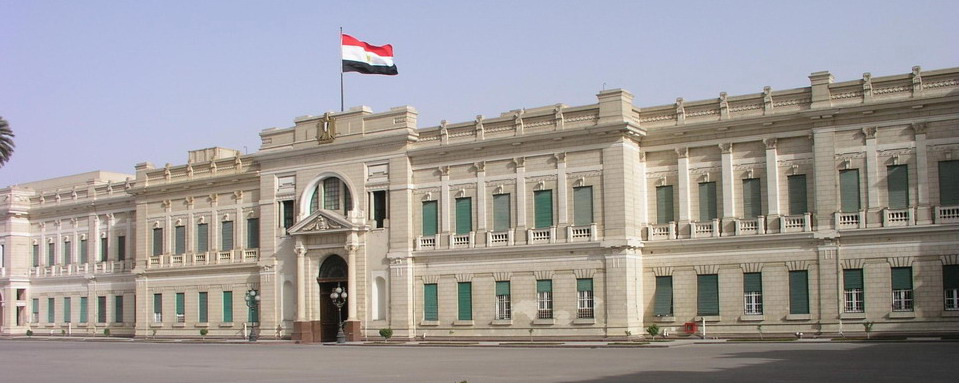
In the heart of modern Cairo, not far from the medieval quarters and the great mosques of the old city, stands a palace of a very different character, a grand European-style residence that served for generations as the principal seat of the rulers of Egypt. The Abdeen Palace, built in the nineteenth century, marked a decisive break with the past, moving the center of Egyptian royal power out of the ancient hilltop citadel and into a modern palace in the manner of the great courts of Europe.
For nearly a century, Abdeen was the official residence of the khedives, sultans, and kings of Egypt, the stage on which the drama of the modern Egyptian monarchy played out. Within its lavish halls, decorated in the finest European styles, the rulers of Egypt received foreign dignitaries, held glittering ceremonies, and conducted the affairs of state during one of the most eventful periods in the country’s history.
The palace is a monument to the ambitions of the dynasty of Muhammad Ali, who sought to transform Egypt into a modern power and to present themselves to the world as sovereigns the equal of any in Europe. In its architecture, its decoration, and its very location, Abdeen embodied this project of modernization and this claim to a place among the ruling houses of the world.
Over the following pages you will explore the whole story of this remarkable place, from the ruler who built it and the dynasty it served, through its magnificent halls and its rich collections, to the great historical events it witnessed and its life today as a museum. Come and discover the palace at the heart of modern Egypt.
In This Article
- Moving Power Down from the Citadel
- Building the Palace
- The Magnificent State Halls
- Museums Within the Palace
- A Stage for Modern Egyptian History
- Moments of Crisis
- The Fall of the Monarchy
- The Palace Under the Republic
- European Splendor on the Nile
- The Gardens and the Setting
- A Monument to Modern Egypt
- See Abdeen Palace for Yourself
- Visiting Abdeen Palace Today
Moving Power Down from the Citadel
For centuries, the rulers of Egypt had governed from the Citadel, the great medieval fortress that crowns a hill overlooking Cairo, a stronghold that had served as the seat of power since the days of the famous sultan Saladin. To rule from the Citadel was to rule in the manner of the medieval Islamic world, from a fortified height that spoke of military might and traditional authority.
In the second half of the nineteenth century, the ruler of Egypt made a momentous decision to abandon the Citadel as his principal residence and to build instead a new palace on level ground in the city below. This was far more than a change of address, it was a symbolic statement, a declaration that Egypt was entering a new age and that its rulers would present themselves in the manner of modern European monarchs.
The new palace, Abdeen, was built in the European style, with grand facades, formal halls, and lavish decoration drawn from the fashions of contemporary Europe. In place of the fortress on the hill, the ruler would now hold court in an elegant modern residence, accessible and outward-looking, a palace designed for ceremony and display rather than for defense.
This move from the Citadel to Abdeen encapsulated the whole ambition of the dynasty, to transform Egypt from a province of the old Ottoman world into a modern state that could take its place among the nations of Europe, and to fashion its rulers into modern sovereigns worthy of that new age.
The abandonment of the Citadel was, in its way, as revolutionary as any political reform. For centuries the fortress on the hill had been the unquestioned symbol of power in Egypt, and to leave it behind was to declare that the old ways of ruling were passing and that a new, modern conception of sovereignty was taking their place, one modeled on the courts of Europe rather than the strongholds of the medieval past.
Building the Palace
The construction of Abdeen Palace was a major undertaking, carried out over a number of years in the later nineteenth century under the ruler who conceived it. No expense was spared in creating a residence that would rival the great palaces of Europe, and the finest materials, craftsmen, and designers were employed to realize the ambitious vision.
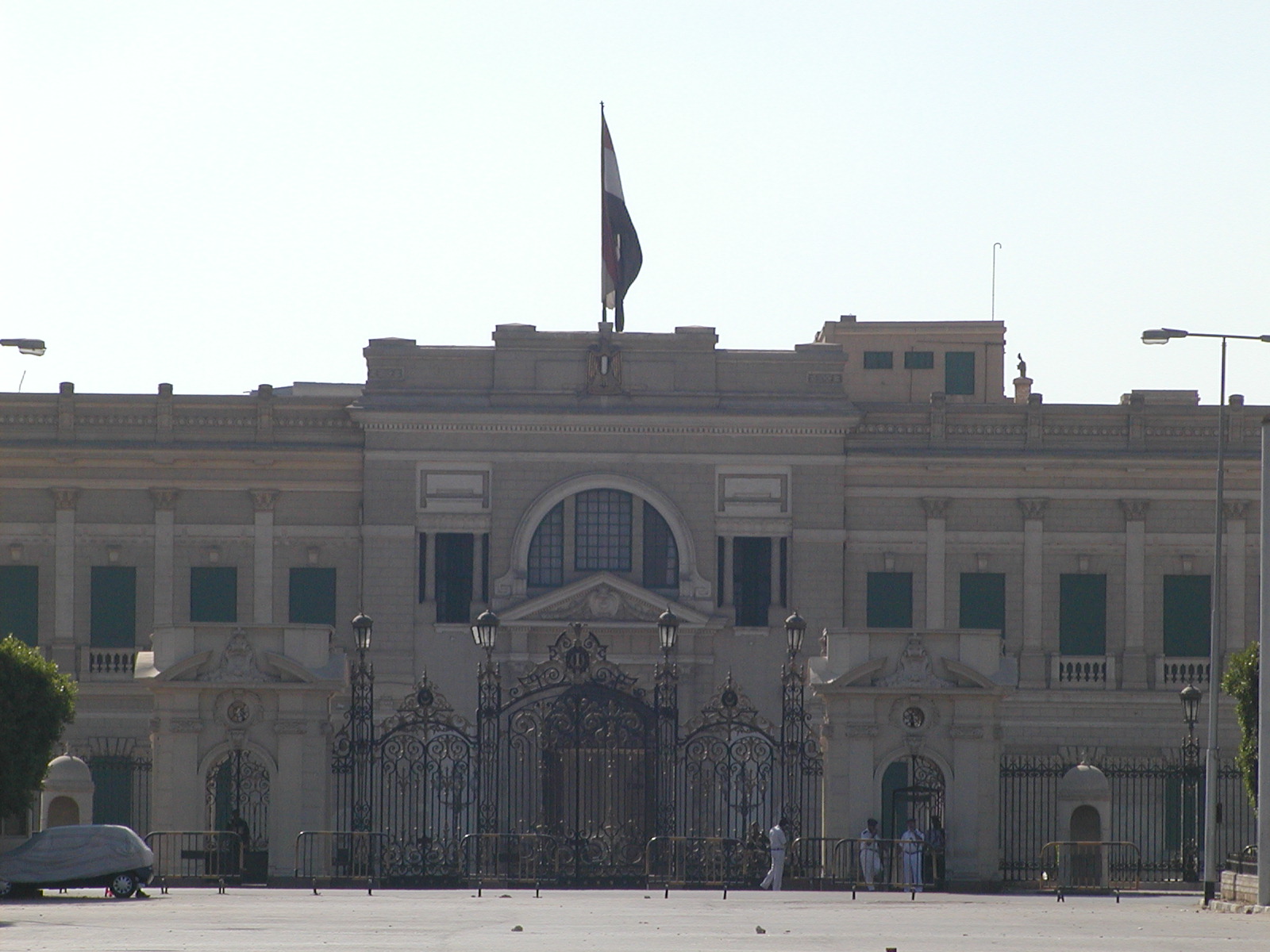
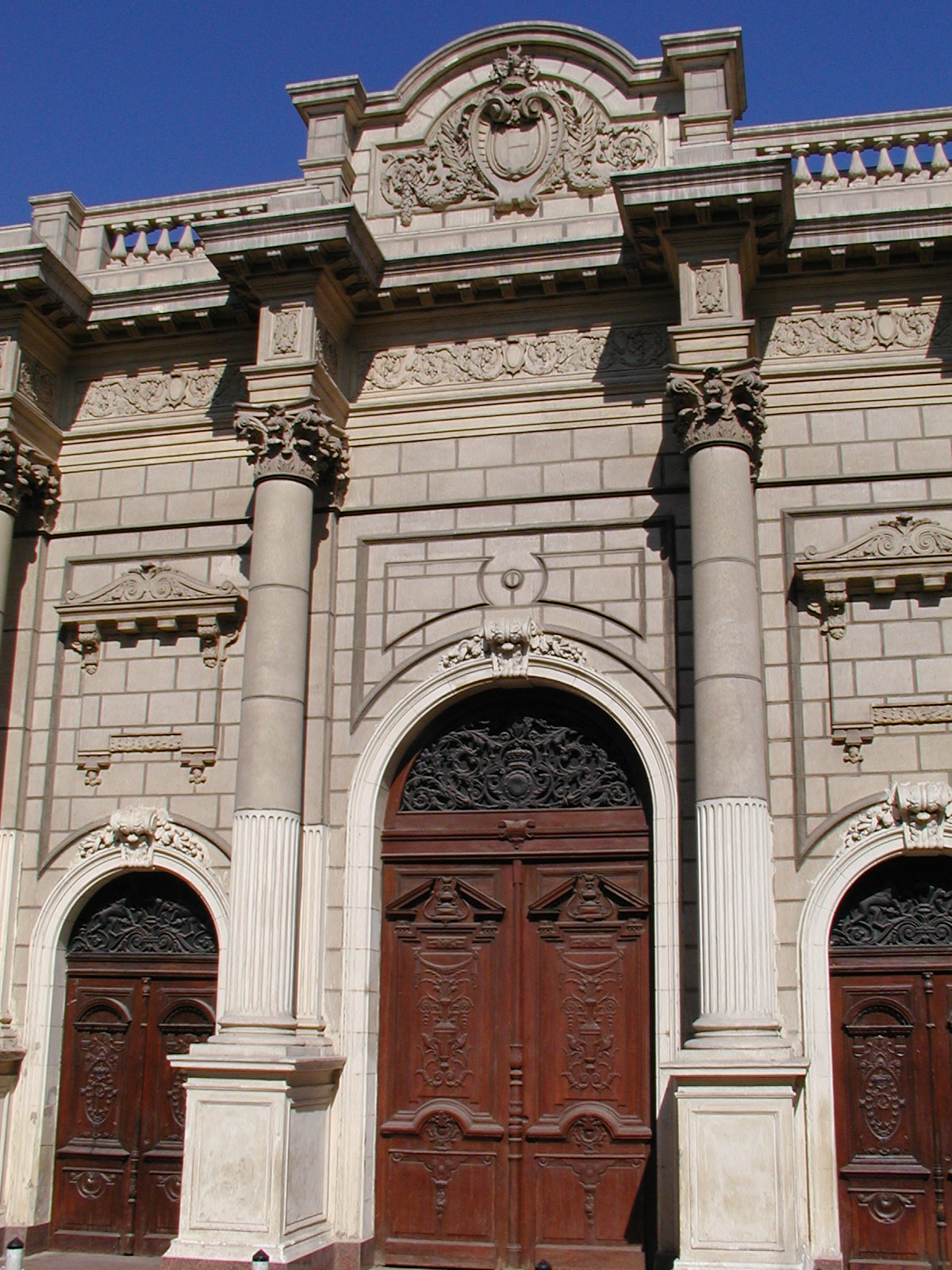
The palace was designed in a European manner, drawing on the architectural fashions of the age, and its interiors were decorated by European artists and craftsmen in styles ranging from the ornate to the sumptuous. The result was a residence that would not have looked out of place in the capitals of Europe, a deliberate expression of the dynasty’s cosmopolitan ambitions.
The site chosen for the palace was in the heart of the city, and the building of Abdeen was accompanied by the development of the surrounding district, with squares and avenues laid out in the modern manner. The palace thus became the centerpiece of a whole quarter of the modernizing city, a symbol of the new Cairo taking shape around it.
When it was completed, Abdeen Palace stood as one of the most magnificent royal residences in the region, a fitting seat for a dynasty that aspired to greatness, and a physical embodiment of the transformation that its rulers hoped to bring about in Egypt.
The employment of European designers and craftsmen was itself part of the message. By bringing the talents of Europe to Cairo to build his palace, the ruler proclaimed his engagement with the wider world and his determination that Egypt should share in the artistic and technical achievements of the age, a determination written into every gilded ceiling and every ornamented hall.
The Magnificent State Halls
The glory of Abdeen Palace lies in its state halls, a sequence of grand ceremonial rooms decorated with a lavishness that reflects the wealth and ambition of the Egyptian monarchy at its height. These halls were the setting for the most important functions of the court, and their splendor was designed to impress all who entered.
The rooms are decorated in a variety of European styles, with gilded ornament, painted ceilings, crystal chandeliers, fine furniture, and rich fabrics, creating interiors of dazzling opulence. Each hall has its own character, and moving through them the visitor experiences a succession of magnificent spaces, from grand reception rooms to intimate salons.
These state halls were where the rulers of Egypt received foreign heads of state and ambassadors, held audiences and banquets, and conducted the ceremonial life of the monarchy. The magnificence of the setting was itself a tool of statecraft, designed to convey the wealth, sophistication, and standing of the Egyptian crown to visitors from around the world.
For the visitor today, these halls are the highlight of a visit to Abdeen, a chance to experience the splendor of the Egyptian court at its zenith, and to imagine the glittering occasions of state that once filled these opulent rooms with the leaders and dignitaries of the age.
The sheer scale of the ceremonial apparatus tells us how seriously the dynasty took the business of display. In an age when a ruler’s standing was measured partly by the magnificence of his court, the halls of Abdeen were a form of diplomacy in themselves, silently arguing, to every visiting dignitary, for the wealth, taste, and importance of the Egyptian crown.
Each hall also tells us something about the tastes of the era, when the wealthy across the world looked to Paris and the other great European capitals for models of luxury and refinement. The rooms of Abdeen are, in this sense, a time capsule of nineteenth-century notions of magnificence, preserved with remarkable completeness.
Museums Within the Palace
Beyond its state halls, Abdeen Palace houses a series of museums that display the rich collections accumulated by the royal family and the state, turning the palace into a treasure house of history as well as a monument of architecture. These collections span a remarkable range of objects and reflect the many interests of the dynasty.
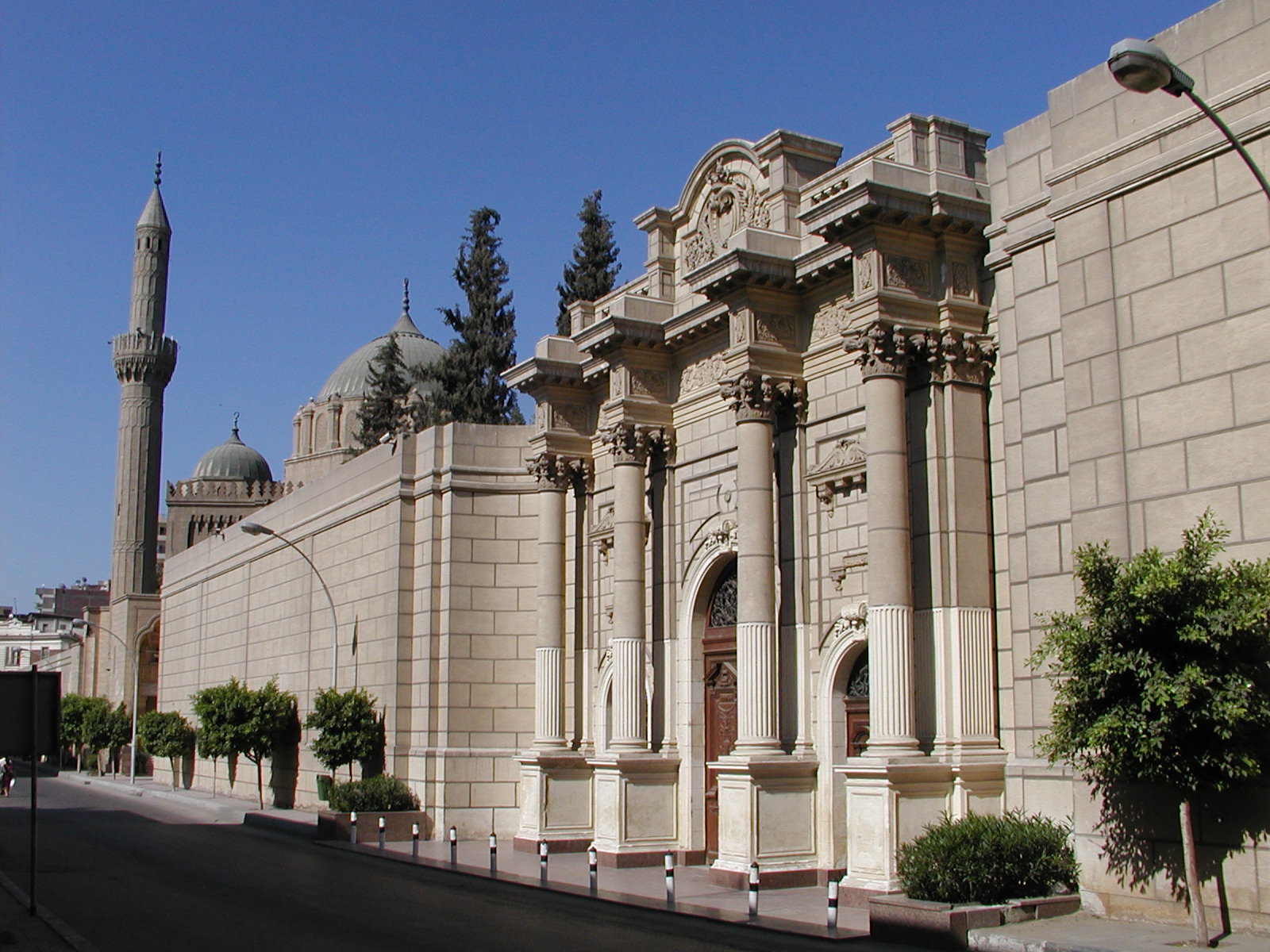
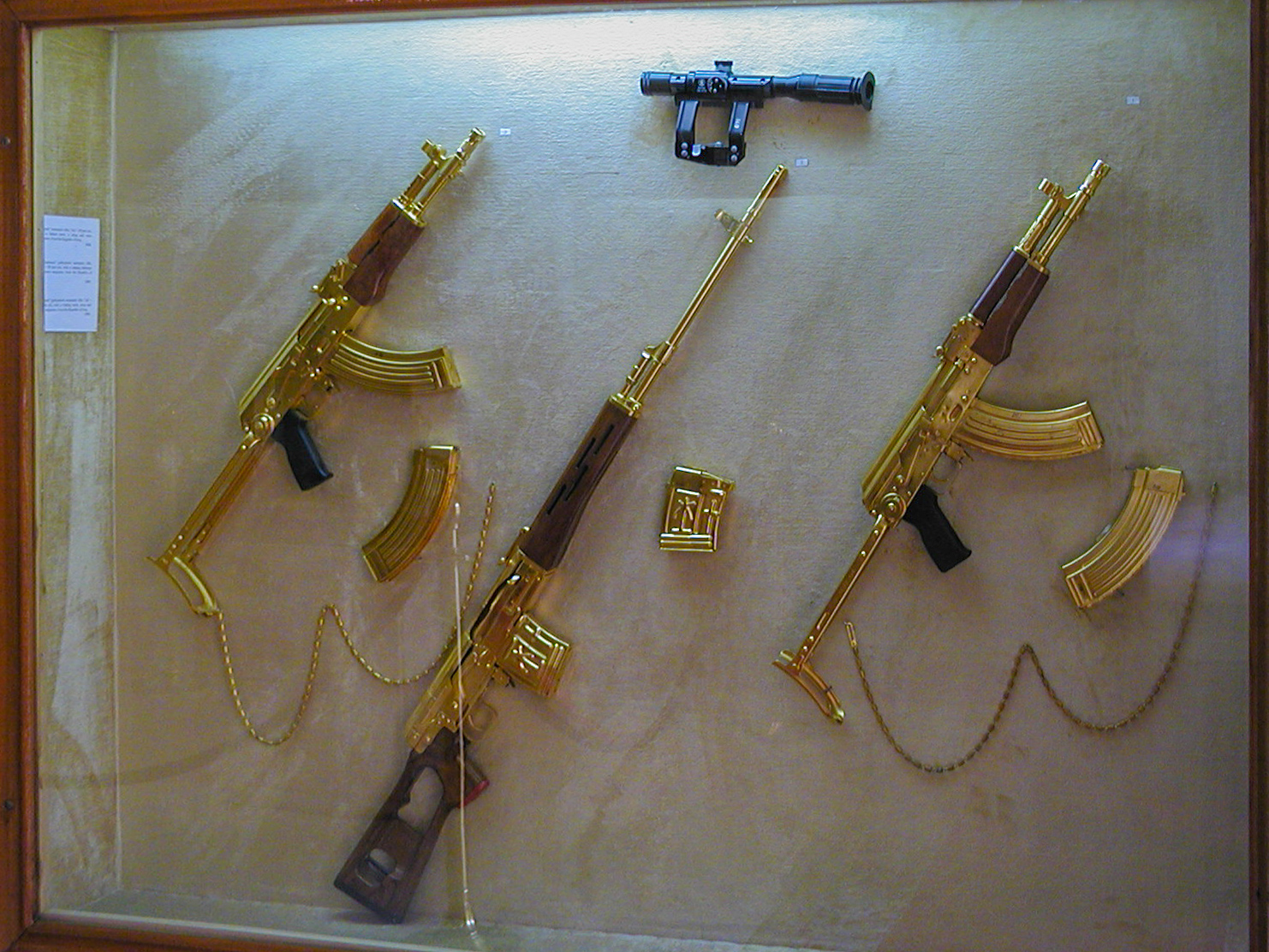
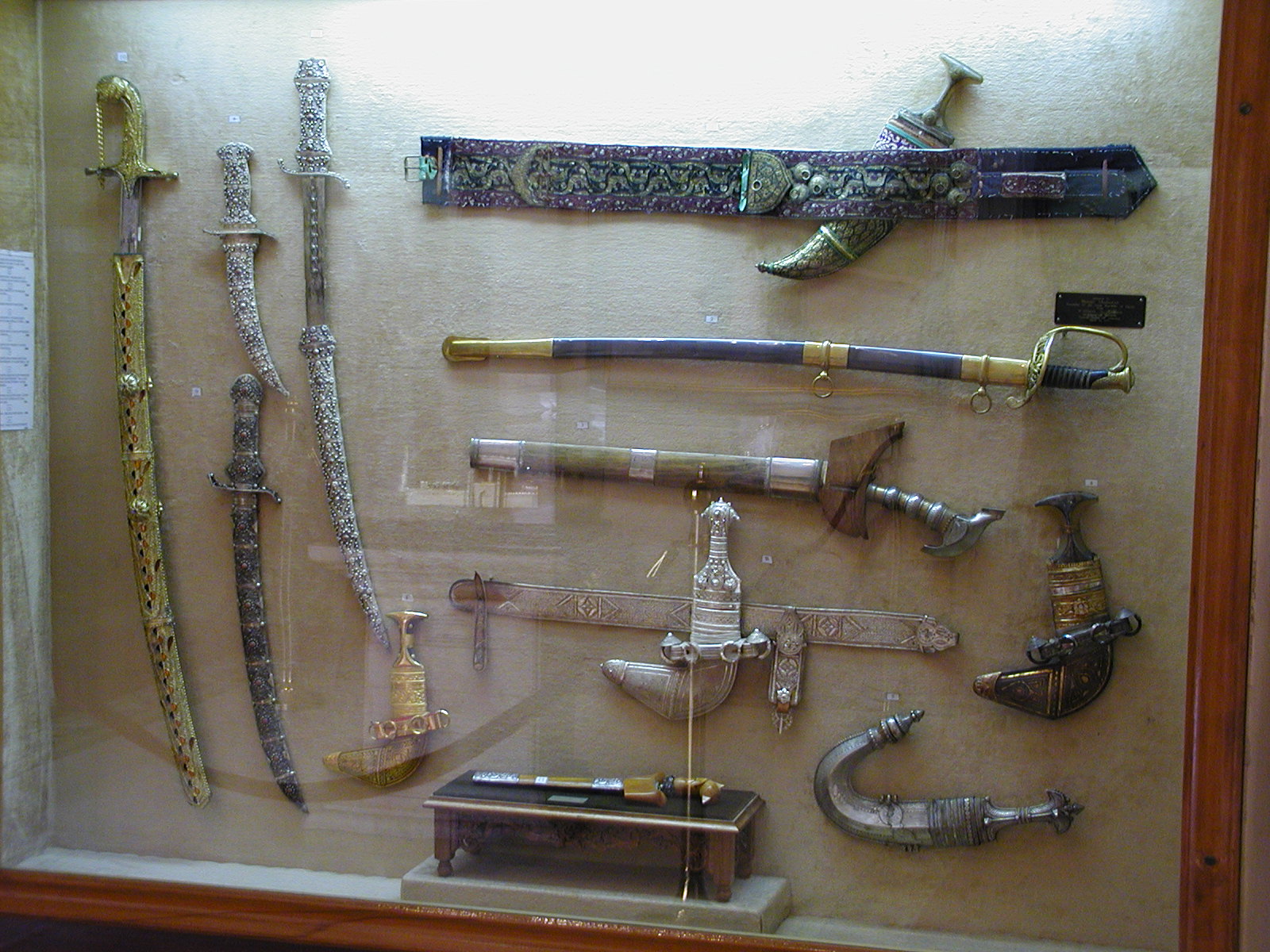
Among the most notable is the arms and weapons museum, which displays an extensive collection of historic weapons from Egypt and around the world, including richly decorated pieces of great craftsmanship and gifts presented to the rulers of Egypt. This collection is one of the most important of its kind and a major attraction for visitors.
Other collections within the palace include silver, medals and decorations, precious objects, and gifts of state, along with items associated with the royal family and the history of modern Egypt. Together they offer a vivid picture of the material world of the monarchy and of the diplomatic and personal relationships of its rulers.
These museums transform a visit to Abdeen into a journey through the history of modern Egypt, allowing the visitor to encounter not only the architecture of the palace but the objects and treasures that filled the life of the court, and to gain a deeper understanding of the age of the monarchy.
The gathering of such collections within a royal palace was itself an expression of the dynasty’s engagement with the wider world, for many of the objects were gifts exchanged with foreign courts, tangible traces of the diplomatic relationships that connected Egypt to the powers of the age. To walk among them is to trace a web of royal connections spanning continents.
A Stage for Modern Egyptian History
For nearly a century, Abdeen Palace was at the very center of Egyptian political life, and its halls witnessed many of the most important events in the history of the modern country. As the principal residence and workplace of the rulers of Egypt, it was the stage on which the drama of the monarchy unfolded, through triumph and crisis alike.
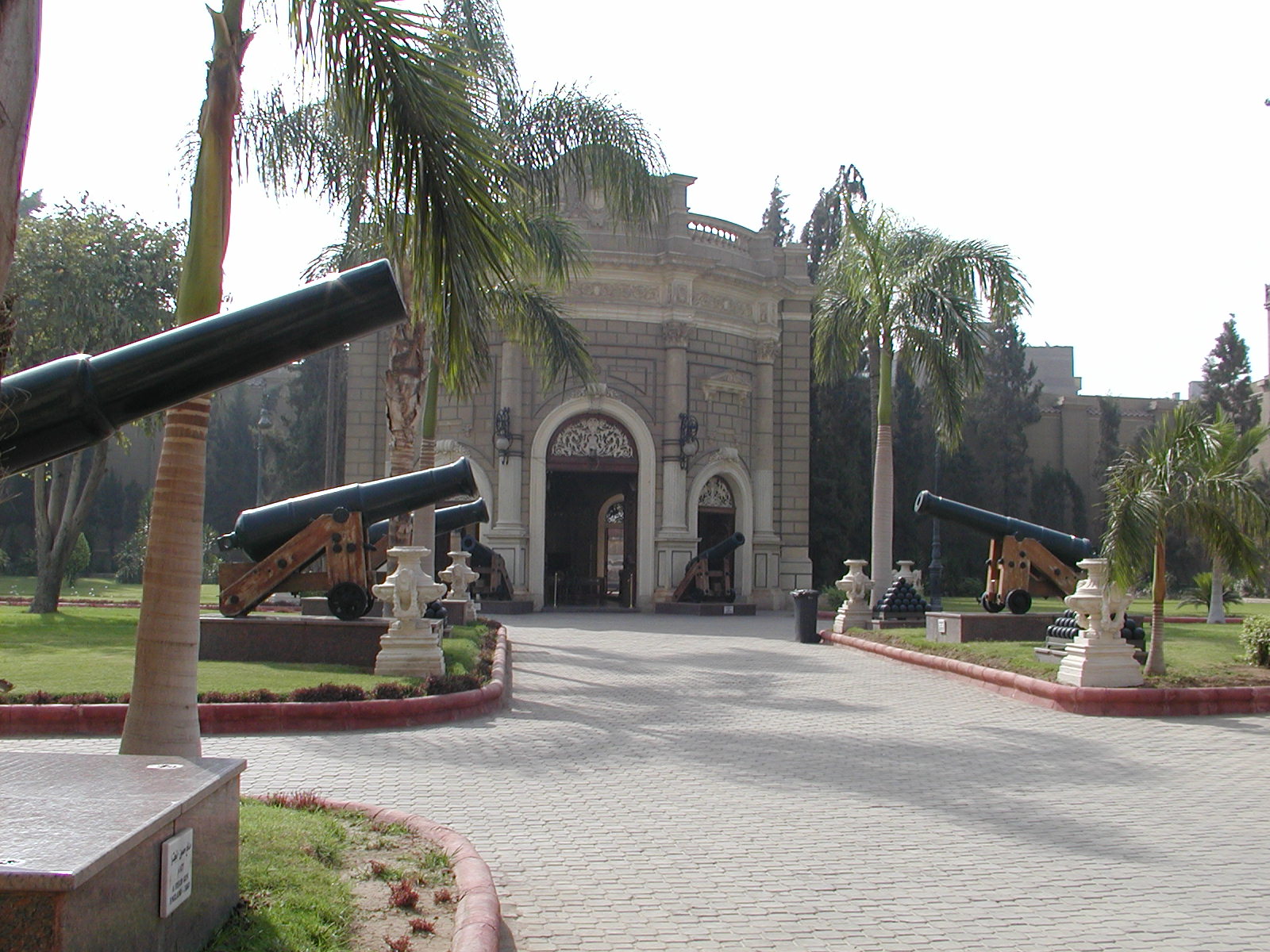
The palace saw the reigns of a succession of rulers, from khedives to sultans to kings, as Egypt navigated the turbulent currents of the late nineteenth and early twentieth centuries. Within its walls, decisions were made and events played out that shaped the destiny of the nation, from the assertion of Egyptian ambitions to the pressures of foreign influence and control.
Abdeen was also the setting for great ceremonial occasions, royal weddings, coronations, and the reception of foreign monarchs and statesmen, events that marked the high points of the monarchy and displayed its splendor to the world. The palace was the public face of the Egyptian crown, the place where the monarchy presented itself in all its glory.
The history of Abdeen is thus inseparable from the history of modern Egypt itself, and to walk its halls is to walk through the story of a nation, from the ambitious modernization of the nineteenth century through the dramatic upheavals of the twentieth.
To trace the history of Abdeen is to trace the whole arc of modern Egypt’s engagement with the world, from the confident modernizing ambitions of its founders through the mounting pressures of foreign involvement to the revolutionary transformation that ended the monarchy. The palace stood witness to it all, its halls absorbing the triumphs and the reverses alike.
Moments of Crisis
The palace witnessed not only the triumphs of the monarchy but also its moments of crisis, occasions when the pressures bearing upon the Egyptian crown were dramatically revealed. As a semi-independent state caught between the ambitions of its own rulers and the power of foreign nations, Egypt experienced repeated tensions, and Abdeen was often at their center.
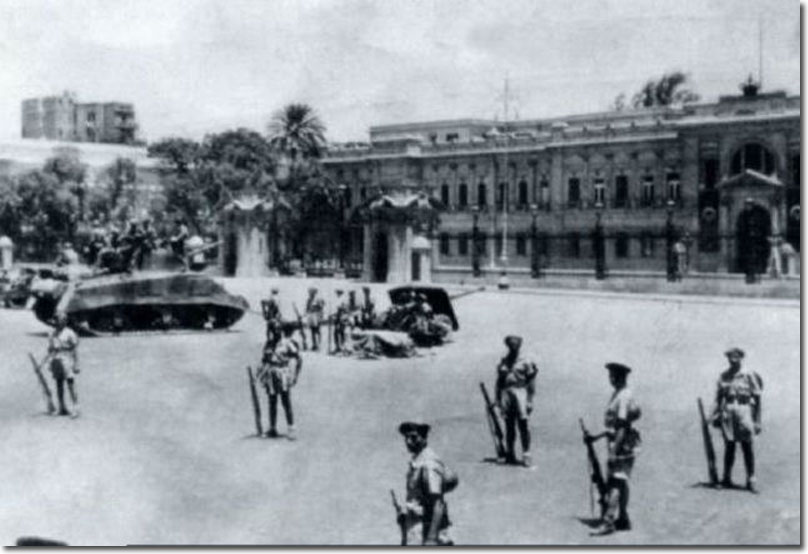
One of the most famous incidents associated with the palace occurred during the Second World War, when foreign forces surrounded Abdeen and confronted the king, in a dramatic demonstration of the limits of Egyptian sovereignty. The episode, in which the ruler was pressured under threat, became a symbol of the humiliations that the monarchy suffered at the hands of foreign power, and it left a lasting mark on the national memory.
Such moments revealed the precarious position of the Egyptian monarchy, outwardly magnificent yet constrained by forces beyond its control. The splendor of Abdeen’s halls could not disguise the political realities that increasingly hemmed in the rulers of Egypt as the twentieth century advanced.
These episodes form an important part of the palace’s story, reminding us that Abdeen was not merely a setting for ceremony and display but a place where the real and often painful dramas of Egyptian history were played out, with consequences that would ultimately prove fatal to the monarchy itself.
The wartime confrontation at Abdeen has been remembered ever after as a defining moment of national humiliation, one that laid bare the gap between the outward splendor of the monarchy and its real subordination to foreign power. For many Egyptians, the memory of that day hardened the conviction that true independence required a break with the old order altogether.
The Fall of the Monarchy
The Egyptian monarchy that Abdeen Palace so magnificently embodied came to an end in the middle of the twentieth century, swept away by a revolution that transformed the country. The accumulated grievances against the monarchy, its association with foreign influence, and the desire for a new national order brought about the fall of the dynasty of Muhammad Ali.
The revolution abolished the monarchy and established a republic, and the king was forced into exile, bringing to a close nearly a century and a half of rule by the dynasty. Abdeen Palace, so long the seat of the monarchy, passed into the hands of the new republican state, and its role was transformed along with the political order of the country.
Under the republic, the palace continued to serve certain official functions, used by the new government for state occasions and the reception of important guests, so that Abdeen retained a role at the heart of Egyptian public life even after the fall of the monarchy it had been built to serve.
The transition marked the end of an era, and the palace that had witnessed the rise and fall of the modern Egyptian monarchy became, in time, a place where that history could be remembered and studied, its halls preserved as a record of a vanished age.
The speed with which the monarchy fell, after all its magnificence, is a reminder of how brittle even the grandest institutions can prove when they lose the confidence of the people. The halls of Abdeen, built to proclaim the permanence and majesty of the crown, became within a generation the relics of a vanished order.
The Palace Under the Republic
After the revolution, Abdeen Palace took on a new life in the service of the Egyptian republic. Parts of the palace continued to be used for official state functions, including the reception of visiting heads of state and the conduct of important ceremonies, so that the building remained a working seat of state power even under the new order.
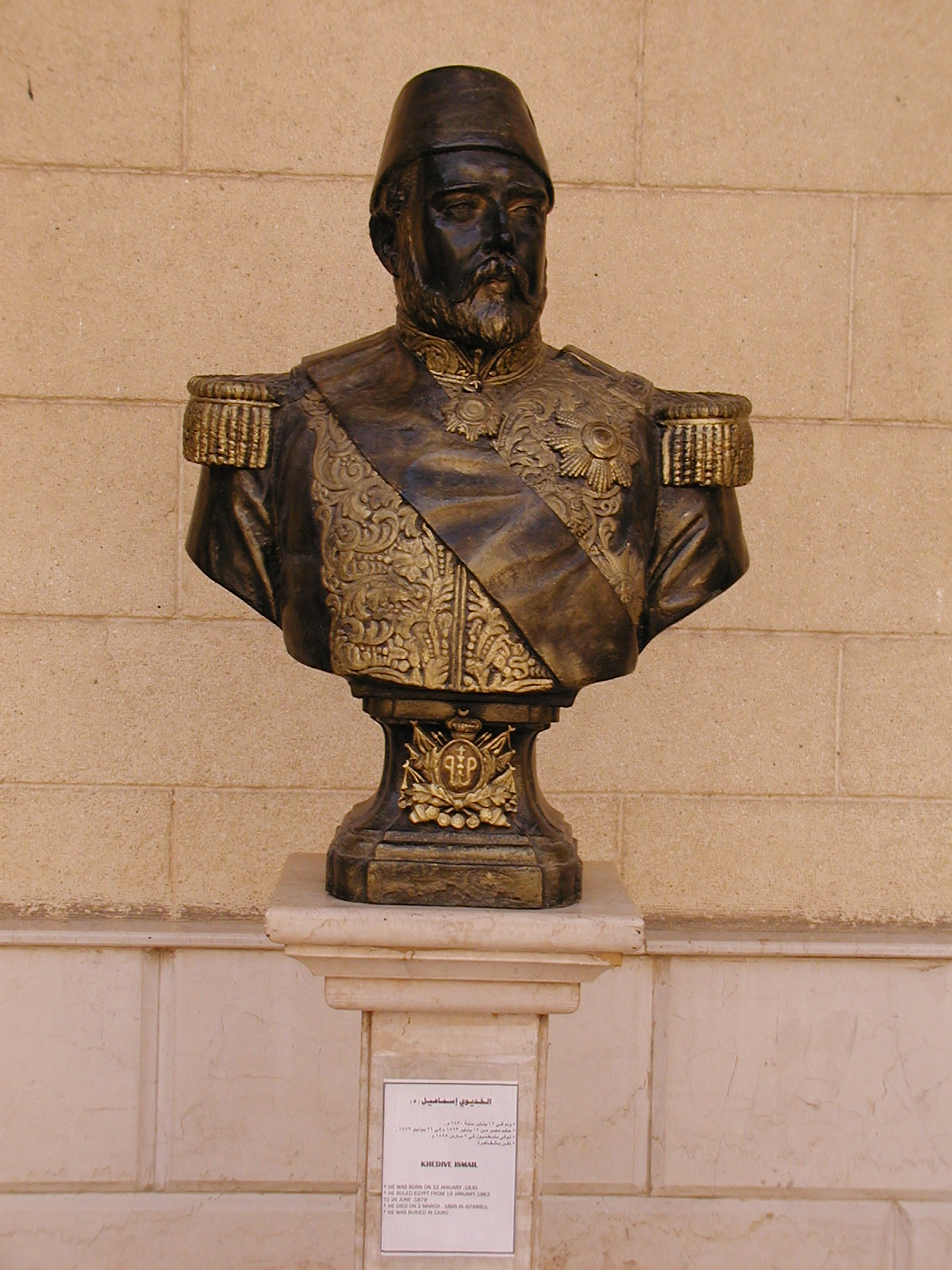
At the same time, the historical and cultural value of the palace and its collections came to be recognized, and steps were taken to preserve them and to open parts of the complex to the public. The museums within the palace, with their rich collections of arms, silver, and other treasures, were made accessible to visitors, turning Abdeen into a cultural destination.
This dual role, as both a functioning state building and a museum, reflects the palace’s continuing importance in Egyptian life. Even stripped of the monarchy it was built to serve, Abdeen remains a symbol of the state and a repository of the nation’s history, valued by the republic as part of the national heritage.
The preservation of the palace and its opening to the public ensured that the story of the Egyptian monarchy, and the splendor of its principal residence, would not be lost but would be available for future generations to explore and understand.
There is a certain fittingness in the republic’s continued use of the palace for affairs of state, for it preserved Abdeen’s essential character as a working seat of power even as the nature of that power changed utterly. The building outlived the monarchy it was built for, adapting to serve a new Egypt as it had served the old.
European Splendor on the Nile
Architecturally, Abdeen Palace represents the wholesale adoption of European models by the Egyptian monarchy, a deliberate turning away from the traditional Islamic architecture of the region in favor of the styles of contemporary Europe. This choice was itself a statement about the direction in which the dynasty wished to take the country.
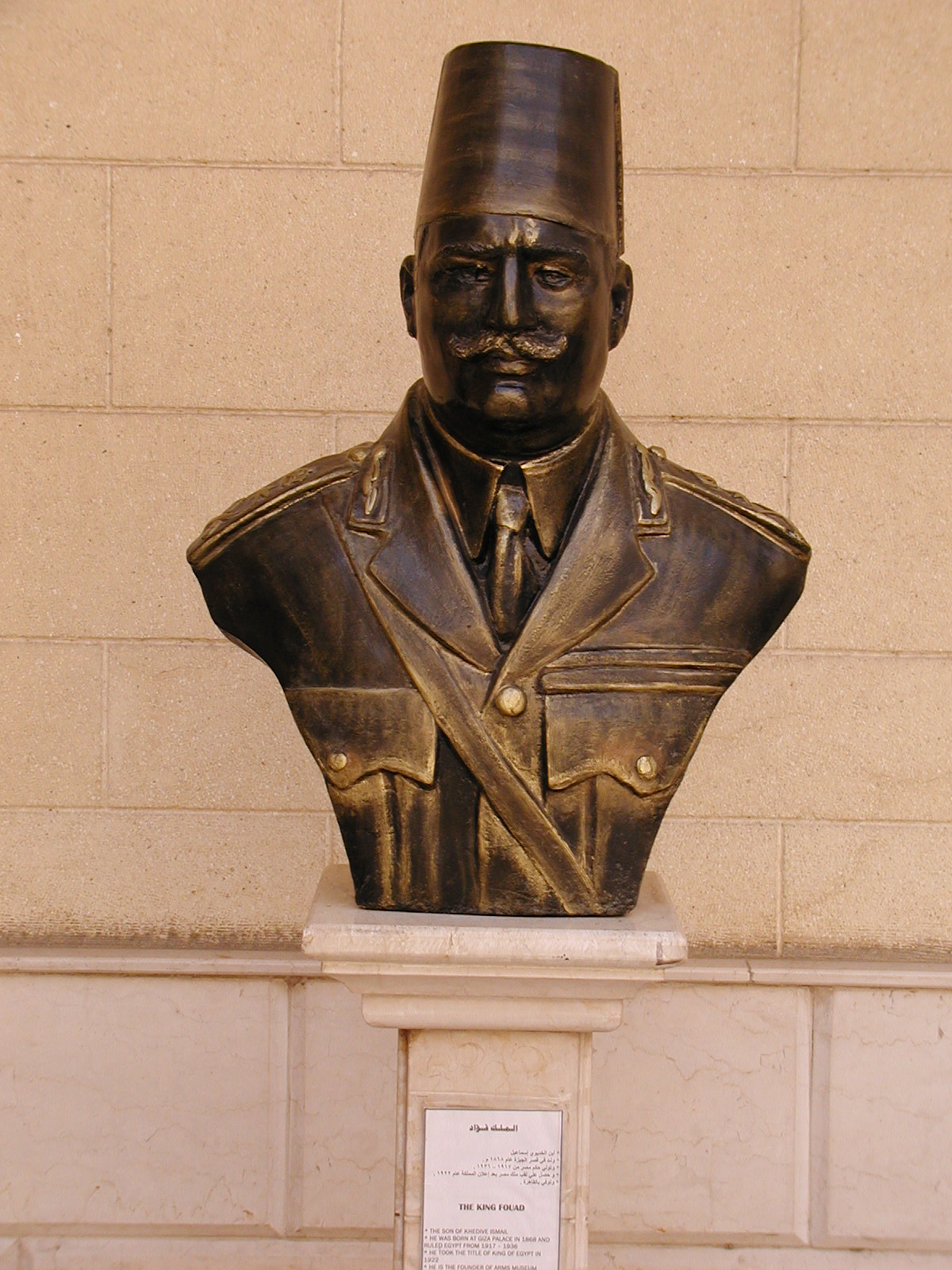
The palace’s grand facades, formal halls, and lavish interiors draw on the fashions of nineteenth-century European palace architecture, with elements of various historical styles combined in the eclectic manner favored by the age. The effect is one of cosmopolitan opulence, a palace that consciously sought to rival the great royal residences of Europe.
The decoration of the interiors was largely the work of European artists and craftsmen, who brought the latest techniques and styles to the adornment of the halls. Gilding, painting, fine plasterwork, and rich materials were employed throughout, creating spaces of great richness that reflected the wealth and ambition of the Egyptian crown.
This European character sets Abdeen apart from the more traditional palaces of the region, and it embodies the particular moment in Egyptian history when the rulers of the country sought to modernize and to align themselves with Europe, a moment whose ambitions and contradictions are written into the very fabric of the building.
The eclecticism of the palace, drawing freely on many European historical styles, was entirely characteristic of its age, when architects across the world combined elements from the past into rich and elaborate compositions. At Abdeen this approach served the dynasty’s purposes perfectly, producing a building that spoke the international language of nineteenth-century royal grandeur.
For the modern eye, there is a fascinating tension in a building that is at once so thoroughly European in style and so central to the history of an ancient non-European land. Abdeen embodies a particular moment of aspiration and encounter, and that very tension is part of what makes it so revealing a monument of its age.
The Gardens and the Setting
Abdeen Palace is set within grounds that include gardens laid out in the manner of the age, providing a green setting for the grand building and a space for the outdoor life of the court. The gardens, with their formal layouts and decorative features, complement the European character of the palace itself.
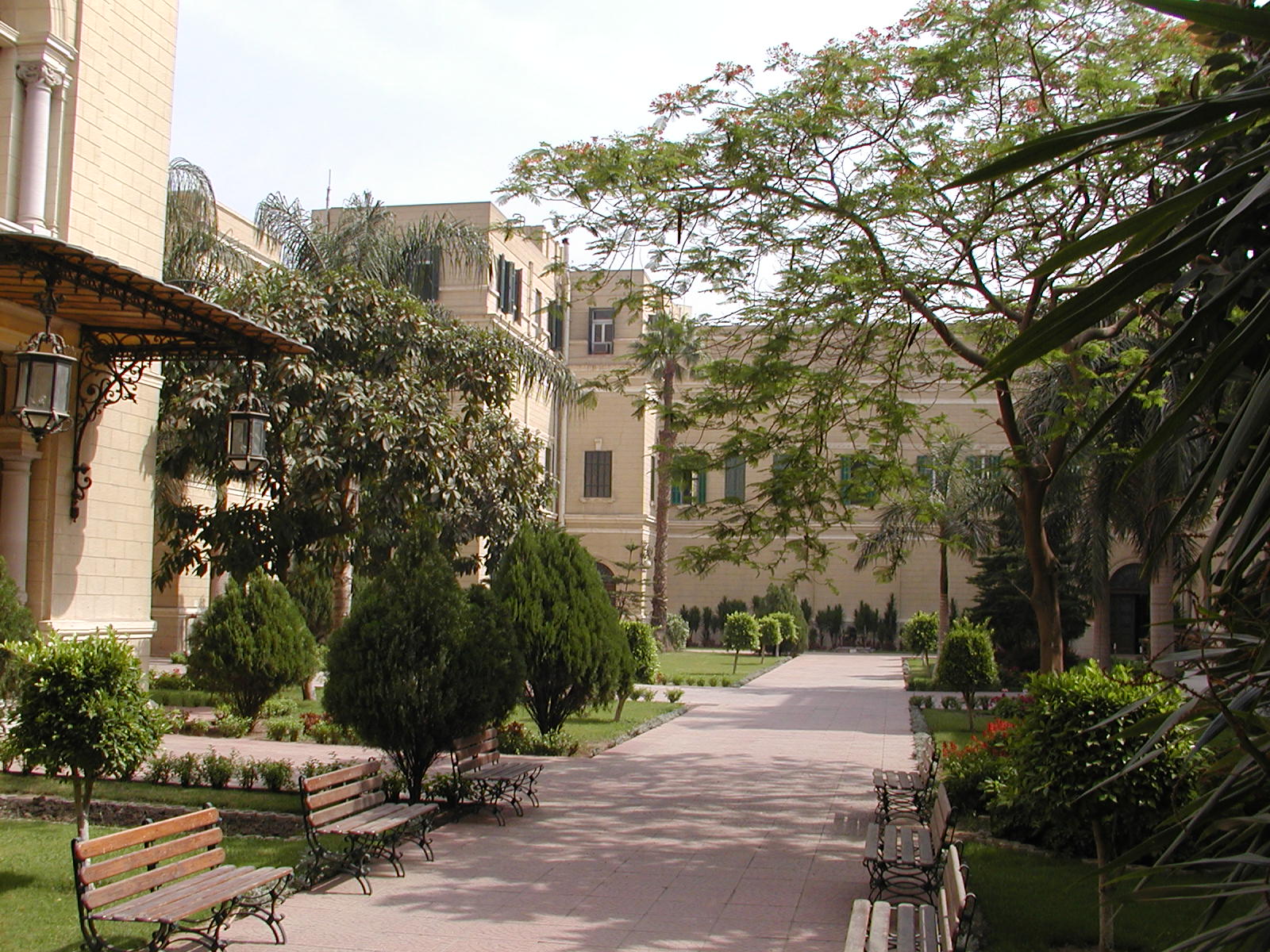
Among the features of the grounds are garden pavilions and kiosks, elegant structures that provided places for rest and enjoyment within the gardens, and that added to the pleasure and amenity of the royal residence. These features reflect the leisured life of the court and the desire to create beautiful outdoor spaces around the palace.
The setting of the palace in the heart of the city, surrounded by the squares and avenues developed along with it, made Abdeen the centerpiece of a whole district of modern Cairo. The palace and its grounds formed an island of royal splendor within the growing metropolis, a green and stately enclave amid the bustle of the city.
For the visitor, the gardens and setting of the palace add to the experience of a visit, providing a sense of the environment in which the court lived and a pleasant complement to the splendor of the halls and the richness of the collections within.
In a city as dense and dry as Cairo, the creation and maintenance of such gardens was itself a form of luxury, a demonstration that the crown could summon greenery and shade where nature offered little. The gardens were thus part of the same argument as the halls, a statement of the wealth and reach of the Egyptian monarchy.
A Monument to Modern Egypt
Abdeen Palace stands as one of the most important monuments of modern Egyptian history, a building that embodies the ambitions, achievements, and ultimately the fate of the dynasty that sought to modernize the country and to fashion it into a power the equal of the nations of Europe. It is a monument to a whole era of Egyptian history.
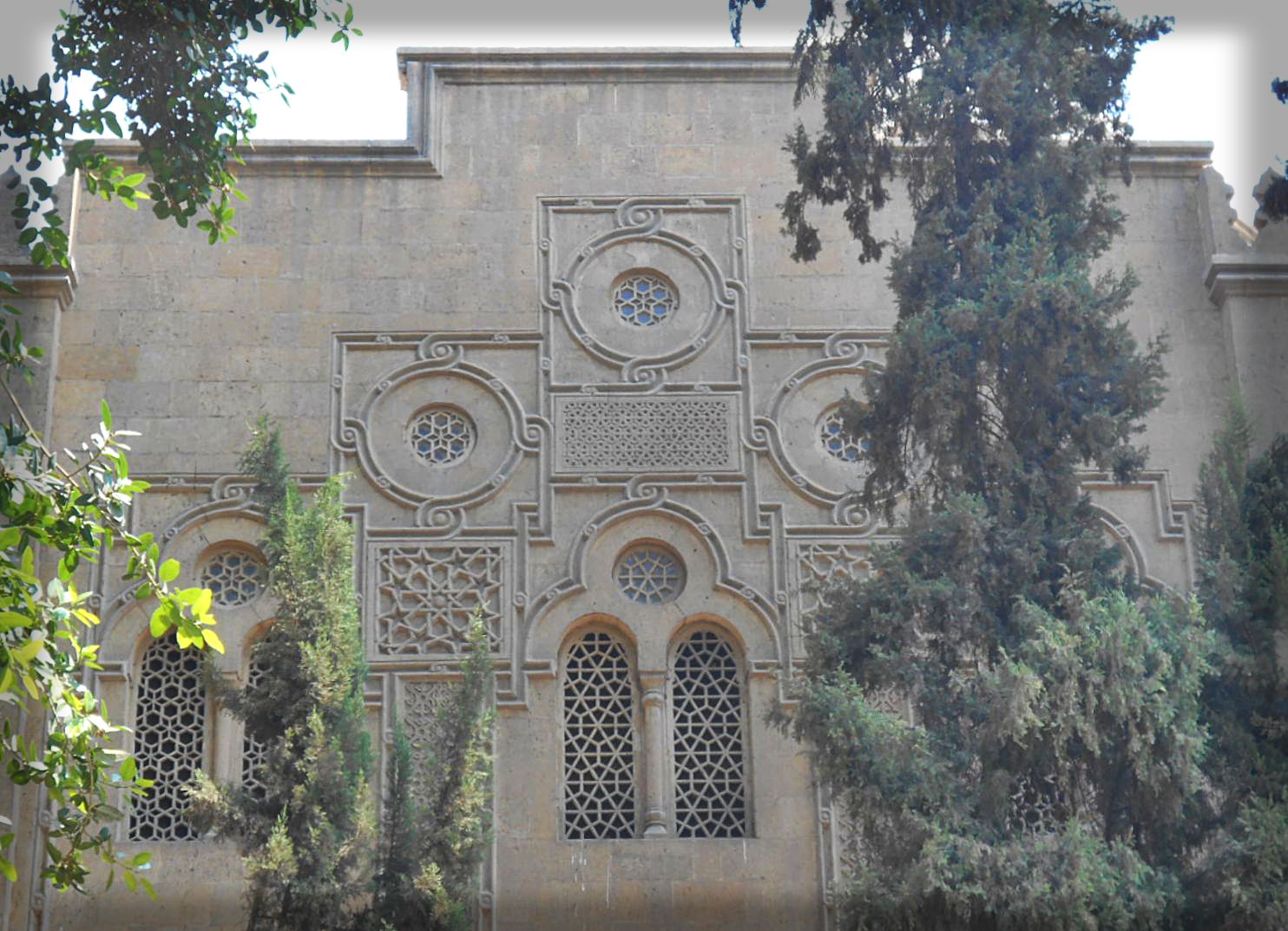
The palace is significant not only for its architecture and collections but for its role as the stage on which the story of the modern monarchy was played out. Its halls witnessed the triumphs and the crises, the splendor and the humiliations, of the dynasty, and they preserve the memory of that dramatic and consequential period.
For Egypt, the palace is a cherished part of the national heritage, a reminder of a formative era in the nation’s development and of the grand ambitions of its rulers. It stands alongside the country’s ancient monuments as a treasure of a more recent age, telling the story of modern rather than ancient Egypt.
In all these ways, Abdeen Palace continues to tell its story, the story of a dynasty’s dream of modernity, of a monarchy’s rise and fall, and of a nation’s passage through one of the most eventful periods in its long history, preserved within the magnificent halls of its principal royal residence.
There is a lesson in Abdeen for anyone interested in how nations remember their past. The republic could have swept away this symbol of the monarchy it replaced, but instead it chose to preserve the palace, recognizing that the story of the crown, with all its ambition and all its failure, was part of the story of Egypt itself, to be understood rather than erased.
See Abdeen Palace for Yourself
The splendor of Abdeen Palace, with its magnificent halls and rich collections, is best appreciated by seeing the building for yourself, moving through its opulent rooms and encountering its treasures. A video tour conveys the atmosphere of the palace in a way that words and still images cannot fully capture.
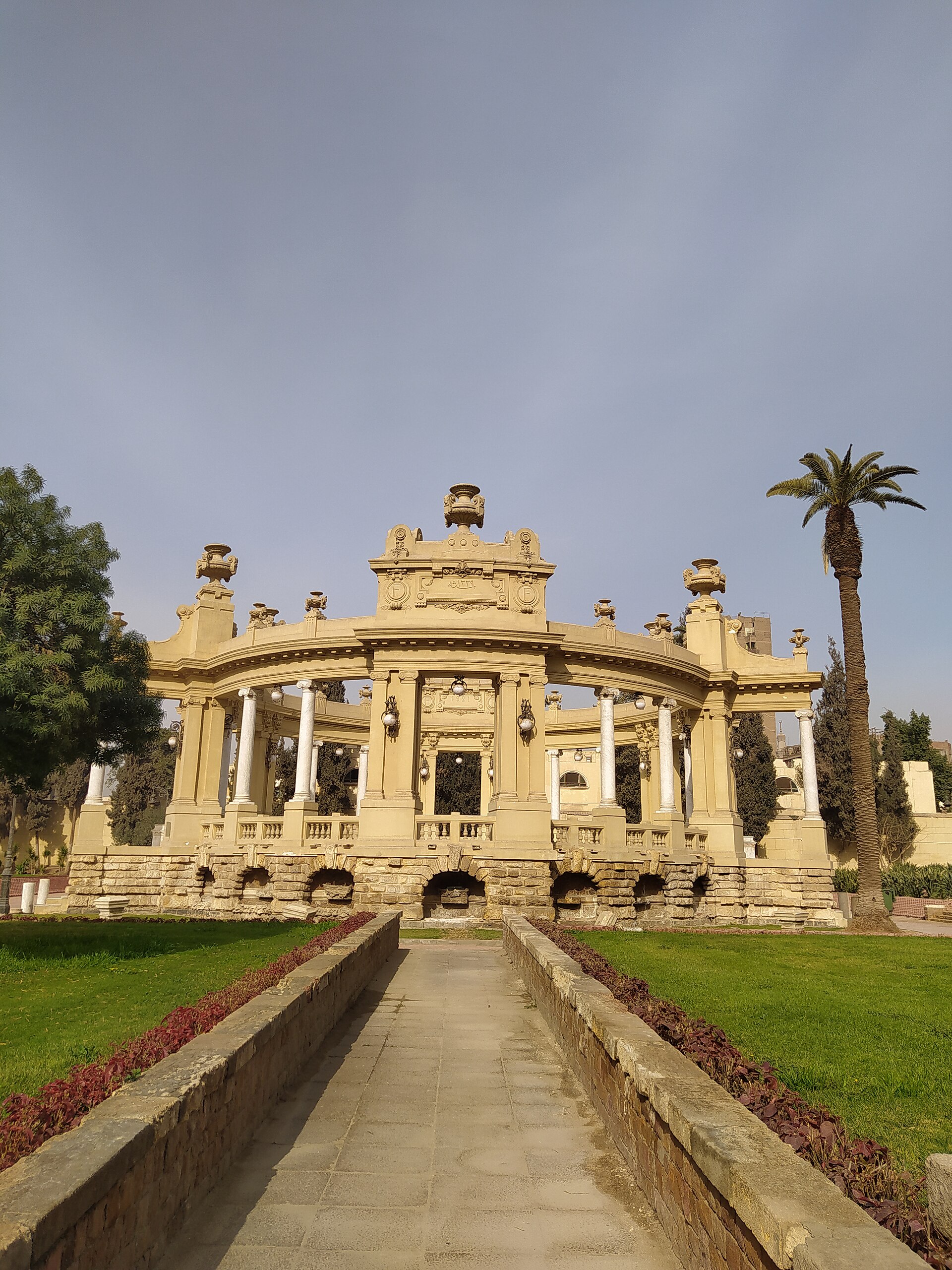
The short video below offers a walking tour of the palace and its museums, taking in the grand halls, the collections of arms and treasures, and the architecture that makes Abdeen so magnificent. It is an ideal companion to everything you have read here, giving you a feel for the atmosphere of this remarkable royal residence before you visit in person.
As you watch, consider the ambitions of the dynasty that built this European-style palace on the Nile, and imagine the great occasions of state, and the moments of crisis, that its halls have witnessed. Then, when you visit Cairo, you will recognize Abdeen not just as a grand old building but as the stage on which the story of modern Egypt was played out.
Visiting Abdeen Palace Today
For the modern traveler, Abdeen Palace is one of the essential sights of Cairo, offering an experience quite different from the ancient wonders for which Egypt is most famous. Located in the heart of the city, the palace and its museums are readily accessible and reward a visit of several hours.
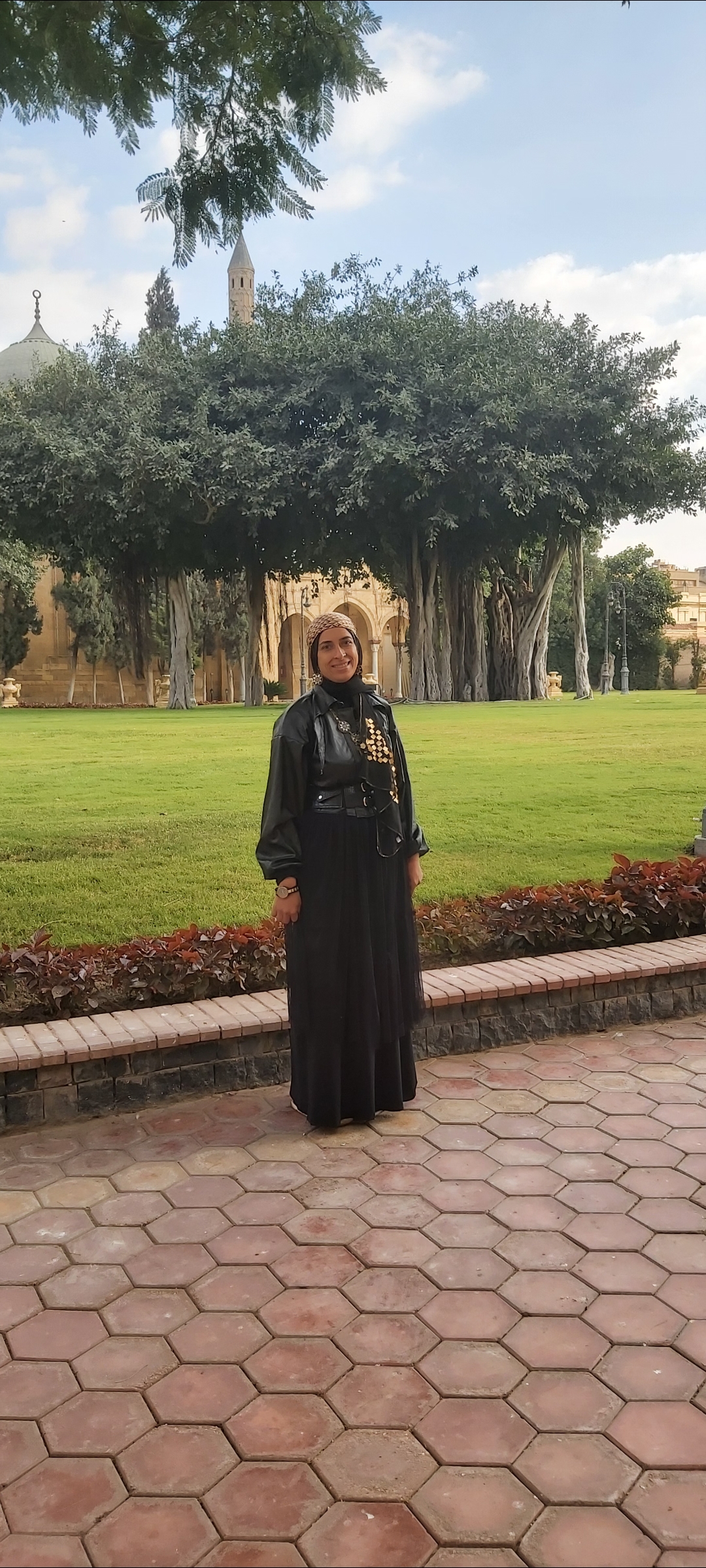
The palace museums are open to visitors, who can explore the collections of arms, silver, medals, and other treasures, and, depending on current arrangements, may be able to see something of the grand state halls for which the palace is famous. The arms and weapons collection in particular is a highlight, one of the finest of its kind.
Abdeen lies in central Cairo, within reach of the city’s many other attractions, and a visit can easily be combined with exploration of the wider city, from the medieval quarters to the great museums of antiquities. As always, it is worth checking current opening arrangements before you go, as access to different parts of the complex may vary.
However you approach it, Abdeen Palace rewards the visitor who understands its story. This is not merely a grand old building but the principal seat of the modern Egyptian monarchy, a monument to a dynasty’s ambitions, and a stage on which the history of modern Egypt was made, preserved for all who wish to understand the recent past of this ancient land.
Whether you come for the dazzling arms collection, the grandeur of the halls, or simply to stand where the modern history of Egypt was so often decided, Abdeen offers a rare chance to touch the recent past of a country more usually associated with pharaohs and pyramids, and to see how its rulers imagined their place in the modern world.
Palaces Nearby
If the grand seat of the Egyptian monarchy has drawn you into the world of royal Egypt and North Africa, two more great residences of the region make natural companions to a visit here, each telling a different chapter of the story.
- The Manial Palace of Prince Muhammad Ali — the enchanting island estate of a royal artist, a living museum of Islamic art on the Nile.
- The Bahia Palace in Marrakesh — the dazzling residence of a Moroccan grand vizier, a masterpiece of zellij, stucco, and carved cedar.
You May Like
A Marrakesh Vizier and the Palace He Named Brilliance


One thought on “When Egypt’s Rulers Came Down from the Citadel to Abdeen”