
We arrive now at the last of the eight B vitamins, and one of the most remarkable: vitamin B12, also called cobalamin. It stands apart from the rest of the family in several ways — it has the most complex structure of any vitamin, it is the only one that contains a metal (cobalt), and it comes almost entirely from animal foods. It is also the B vitamin people are most likely to fall short of, which makes it especially worth understanding.
What Vitamin B12 Does
Vitamin B12 works closely with folate and carries out jobs the body cannot do without. Its key roles include:
- Healthy red blood cells: B12 is needed to form normal red blood cells; without it, the body makes large, faulty cells, leading to a condition called pernicious anemia.
- Nervous system: it helps maintain the protective sheath around nerves, so a lasting shortage can cause numbness, tingling, balance problems, and memory issues.
- DNA production: like folate, B12 is essential for making the DNA in every new cell.
- Energy: it helps convert food into energy, which is why fatigue is a common early sign of low B12.

Why B12 Is Special — and Tricky to Absorb
Absorbing B12 is a surprisingly elaborate process. The stomach must release a substance called intrinsic factor, which binds to B12 and allows it to be taken up further down the gut. This means that even with enough B12 in the diet, some people cannot absorb it well — particularly older adults, whose stomachs produce less acid, and people with certain digestive conditions. It is one of the few vitamins where the problem is sometimes absorption rather than intake.

Where to Find Vitamin B12
Vitamin B12 is found naturally almost only in animal foods. Reliable sources include:
- Meat and poultry.
- Fish and shellfish, among the richest sources.
- Eggs.
- Milk, cheese, and other dairy products.
- Fortified foods such as some plant milks and breakfast cereals, which have B12 added.
Who Is Most at Risk
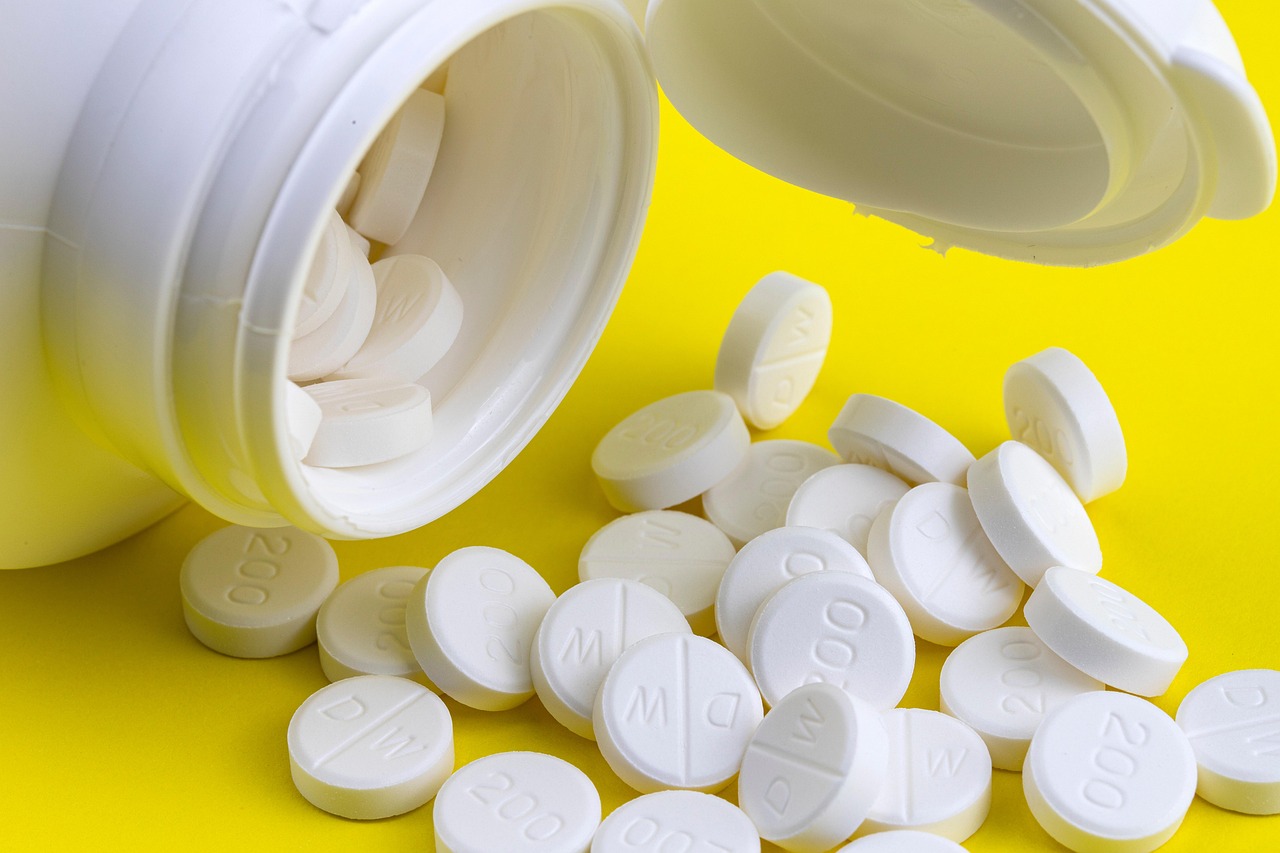
Because natural B12 comes from animal foods, vegans and strict vegetarians are at real risk of deficiency and should rely on fortified foods or a supplement — this is one situation where a supplement is genuinely recommended rather than optional. Older adults and people with digestive disorders are also more vulnerable due to absorption problems. For everyone else eating a mixed diet, B12 is usually well covered, and the body can store a reserve in the liver that lasts a long time.

With B12 we complete the B-complex. Next in the series we look more closely at folate (B9), its essential partner, and why it matters so much in early life.
This article is intended as general nutritional information and is not a substitute for personalized advice from a doctor or registered dietitian.