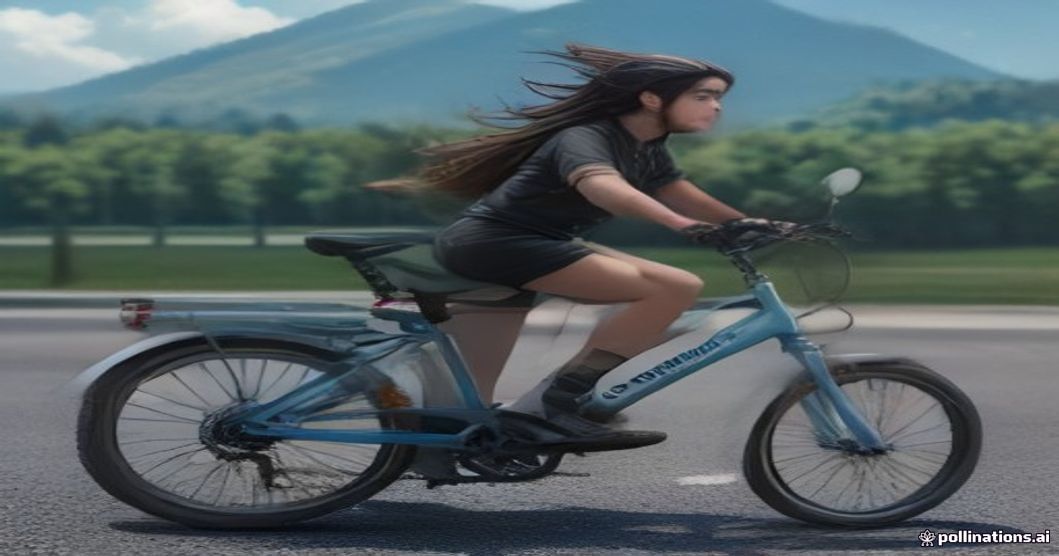
As speed increases, the biggest source of resistance becomes air resistance (aerodynamic drag). At speeds above roughly 25 km/h, most of the energy spent is used to cut through the air. On electric bikes, aerodynamic design extends range, reduces the load on the motor and provides a smoother ride. In this article we examine the effects of aerodynamics on bike performance.
Riding Position and Air Resistance
An aerodynamic riding position reduces drag by shrinking the rider’s frontal area. Most of the total air resistance comes from the rider’s body, even on motorized bikes. When the rider adopts a forward-leaning, compact position, the frontal area exposed to the wind shrinks and drag drops noticeably. The handlebar type (flat bar, drop bar or aero extension) directly affects this position.
As the back angle lowers, aerodynamic efficiency increases; however, striking a balance between comfort and aerodynamics is important for everyday use. Frame and Component Design
Narrow-profile frame tubes and thin wheels reduce turbulence. Aerodynamic frames use airfoil-section tubes to guide airflow smoothly. Slimmed profiles, rather than wide and flat surfaces, reduce turbulence and drag.
Wheels also play an important role: deep-section rims are more aerodynamic at high speed. Hiding the cable and brake lines inside the frame (internal routing) has become standard on modern bikes because it doesn’t disrupt airflow. Integrating the battery into the frame provides both an aesthetic and an aerodynamic advantage. The Effect of Aerodynamics on Range
On electric bikes, aerodynamic efficiency translates directly into range.
As air resistance drops, the motor spends less energy to maintain the same speed; this means the battery lasts longer. The contribution of aerodynamic design is especially noticeable on high-speed models (S-pedelec). Even clothing choice makes a difference: tight-fitting clothes create considerably less resistance than loose garments.
Practical Tips for Everyday Use
Although race-level aerodynamics aren’t necessary, a few simple measures improve efficiency: setting the saddle height correctly, reducing unnecessary loads (a swinging bag, an open basket) and, on windy days, choosing routes with wind protection where possible. Keeping the bike clean and well-maintained also lowers rolling resistance, complementing the aerodynamic gains.
In short, aerodynamics is one of the most effective factors for saving energy without sacrificing speed or range. Wind Tunnel and Real-World Tests
Manufacturers test their aerodynamic designs in wind tunnels, measuring the drag coefficient. However, because wind direction, road surface and rider movements constantly change in the real world, lab results don’t always carry over exactly.
Even so, these tests guide design decisions such as frame profile and component placement. Crosswind stability is also an important aerodynamic factor to consider, especially with deep-section wheels. The Effect of Accessories on Aerodynamics
Accessories added to the bike can negatively affect aerodynamics. Open baskets, large bags, fenders and equipment attached to the handlebars increase air resistance.
Instead, frame-integrated, streamlined solutions should be preferred. If you need to carry luggage, backpacks that sit close to the body with a narrow profile, or in-frame bags, create less resistance. Small details add up to noticeable energy savings at high speed. The Role of Wheel and Tire Choice
Aerodynamic efficiency isn’t limited to the frame alone; wheel and tire choice also make a big difference.
Deep-profile rims regulate airflow at high speed and reduce drag. Tire width affects both aerodynamics and rolling resistance: narrow tires create less resistance, while wide tires provide comfort and grip. Correct tire pressure is also critical; low pressure increases rolling resistance. Smooth-tread road tires are noticeably more efficient on asphalt than aggressive-tread off-road tires.
📚 This article is part of the Electric Bikes Series. You can reach all the guides from the main page.
Related Articles
Electric Bike Motors: Types and Features
Electric Bike Frame: Durability and Materials
Electric Bike Batteries: Lifespan and Features
Choosing an Electric Bike: Performance and Overall Evaluation
You May Like

House Plants That Will Beautify Your Home