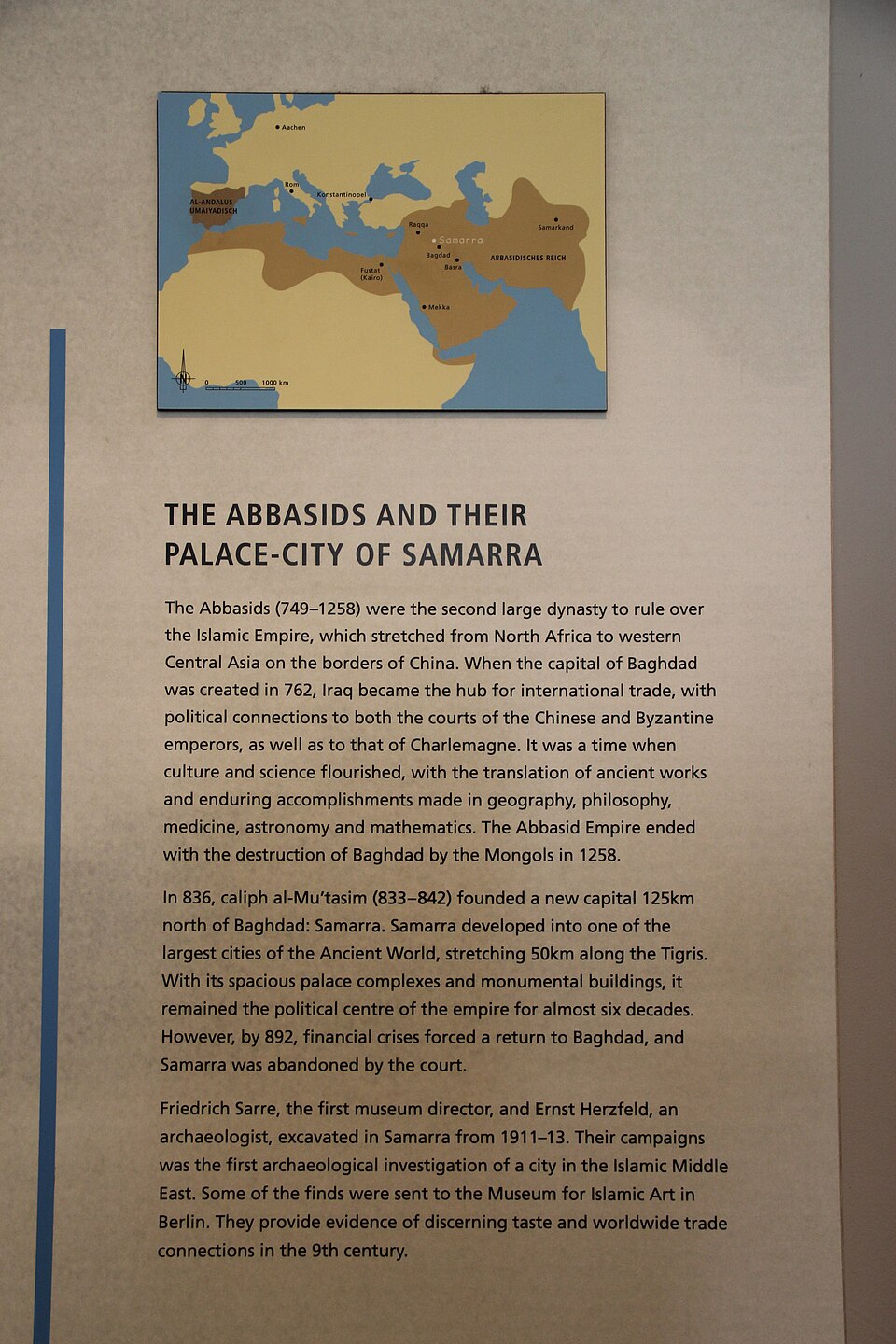
On the western bank of the Tigris at Samarra, raised on a great brick platform above the river plain, stands one of the most striking and best-preserved of all the Abbasid palaces, Qasr al-Ashiq, the Palace of the Lover. The palace, a compact and splendid brick building on a mighty substructure, with its facade of blind arcades and its halls around a court, is one of the jewels of the Abbasid architecture of Samarra, Qasr al-Ashiq the palace of the lover’s name, the brick masterpiece on its platform above the Tigris.
Qasr al-Ashiq is among the most complete of the Samarra palaces. Where the vast Dar al-Khilafa survives mostly as mounds and fragments, Qasr al-Ashiq, built on its raised platform, has survived and been restored to a remarkable degree, the palace standing almost complete with its walls, its facade, and its halls, Qasr al-Ashiq the best-preserved palace of Samarra, the brick jewel that shows the Abbasid palace as it stood, the Palace of the Lover on the western bank of the river.
This article continues the Iraqi series, turning to Qasr al-Ashiq, the Palace of the Lover at Samarra, the compact brick masterpiece on its mighty platform above the Tigris, one of the best-preserved and most splendid of the Abbasid palaces, Qasr al-Ashiq the jewel of the Samarra architecture, the palace of the romantic name, the brick splendor of the Abbasid age on the western bank of the river north of Baghdad.
- The Palaces Beyond the City
- Qasr al-Ashiq on the West Bank
- Al-Mutamid the Builder
- The Palace on the Platform
- The Great Substructure
- The Brick Facade
- The Blind Arcades
- The Halls and Courts
- The Name of the Lover
- The Abbasid Decorative Brick
- One of Samarra’s Palaces
- Excavation and Reconstruction
- Qasr al-Ashiq Today
- Watch on Film
- Visiting Today
- Palaces Nearby
The Palaces Beyond the City
The caliphs built palaces beyond the city of Samarra. Besides the great Dar al-Khilafa, the caliphs raised a series of pleasure palaces and residences on the outskirts and across the river, retreats and hunting lodges in the desert and along the Tigris, Qasr al-Ashiq one of these palaces beyond the city core, the residences the pleasure seats of the caliphs, the outlying palaces the retreats of the rulers, Qasr al-Ashiq the jewel of the palaces beyond the city of Samarra.
The outlying palaces were places of pleasure: the residences beyond the city the settings of the caliphs’ leisure, the hunt, and the retreat, the pleasure palaces the places of the rulers’ enjoyment away from the ceremonial core, Qasr al-Ashiq a palace of pleasure and retreat, the outlying residences the leisure seats of the caliphs, the palaces beyond the city the retreats of the Abbasid rulers, Qasr al-Ashiq the jewel of the pleasure palaces of Samarra.
The western bank held its own palaces: across the Tigris from the main city, on the western bank, stood a group of palaces including Qasr al-Ashiq, the residences on the far bank the retreats with their views over the river and the city, Qasr al-Ashiq the chief of the western-bank palaces, the residences the seats on the far side of the Tigris, the western palaces the retreats of the caliphs, Qasr al-Ashiq the jewel of the palaces of the western bank at Samarra.

Qasr al-Ashiq on the West Bank
Qasr al-Ashiq stands on the western bank. The palace rises on the western side of the Tigris, opposite the main city of Samarra, raised on its platform above the river plain with a commanding view, the palace the chief residence of the western bank, Qasr al-Ashiq the palace across the river, the residence on the far bank the seat with its prospect over the Tigris and the capital, the palace the jewel of the western shore at Samarra.
The site commanded the river and the city: Qasr al-Ashiq, raised on its platform on the western bank, commanding a view over the Tigris and the vast city of Samarra on the far side, the palace the seat with the finest prospect, the residence the vantage over the river and the capital, Qasr al-Ashiq the palace of the commanding view, the residence the seat that overlooked the Tigris and the city, the palace the jewel with the prospect over Samarra.
The position made it a landmark: Qasr al-Ashiq, on its platform on the western bank, a prominent landmark visible across the river, the palace a mark on the landscape of Samarra, the residence the landmark of the western shore, Qasr al-Ashiq the palace that stood out above the plain, the residence the prominent seat of the far bank, the palace the landmark jewel of the western side of the Tigris at Samarra.
Al-Mutamid the Builder
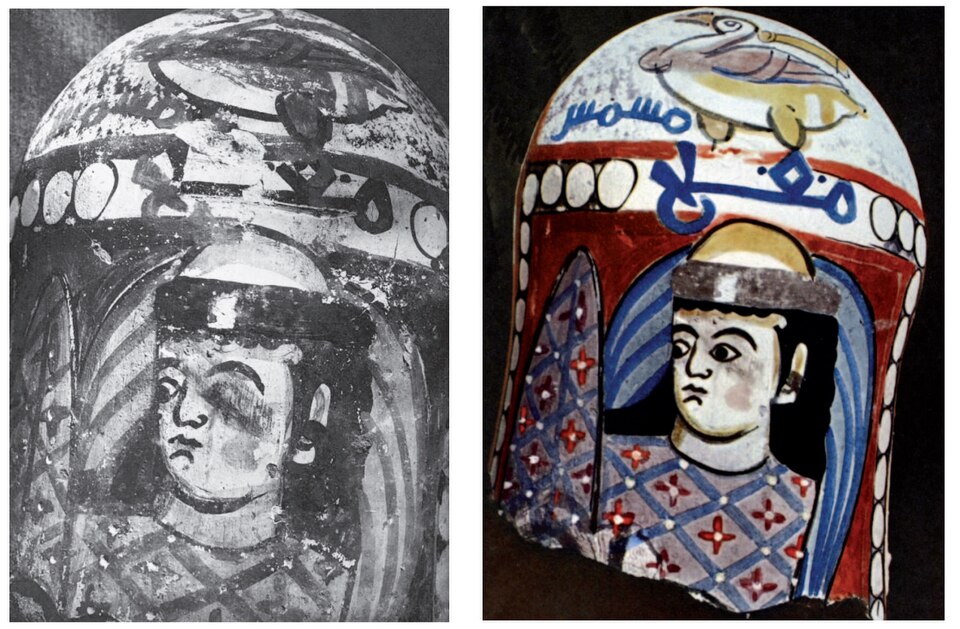
Qasr al-Ashiq is attributed to the caliph al-Mutamid. The palace is thought to have been built in the later ninth century, around 877 to 882, by the caliph al-Mutamid, one of the last of the Samarra caliphs, the residence the work of the late caliphal capital, Qasr al-Ashiq the palace of al-Mutamid, the building the jewel of the last age of the caliphal Samarra, the residence the work of one of the final rulers of the river capital.
Al-Mutamid ruled in the twilight of Samarra: the caliph al-Mutamid, reigning as the caliphs prepared to return to Baghdad, the ruler of the last years of the river capital, al-Mutamid the builder of Qasr al-Ashiq in the twilight of Samarra, the caliph whose palace was among the last great buildings of the capital, al-Mutamid the ruler of the final age of Samarra, the builder of the jewel of the western bank.
The palace was among the last of Samarra’s splendor: Qasr al-Ashiq, built in the last years of the caliphal capital, one of the final expressions of the Abbasid splendor of Samarra, the palace the jewel of the twilight of the river capital, the residence the last great building of the age, Qasr al-Ashiq the final splendor of Samarra, the palace the jewel of the last years of the caliphal city, the residence the closing glory of the Abbasid Samarra.
The Palace on the Platform
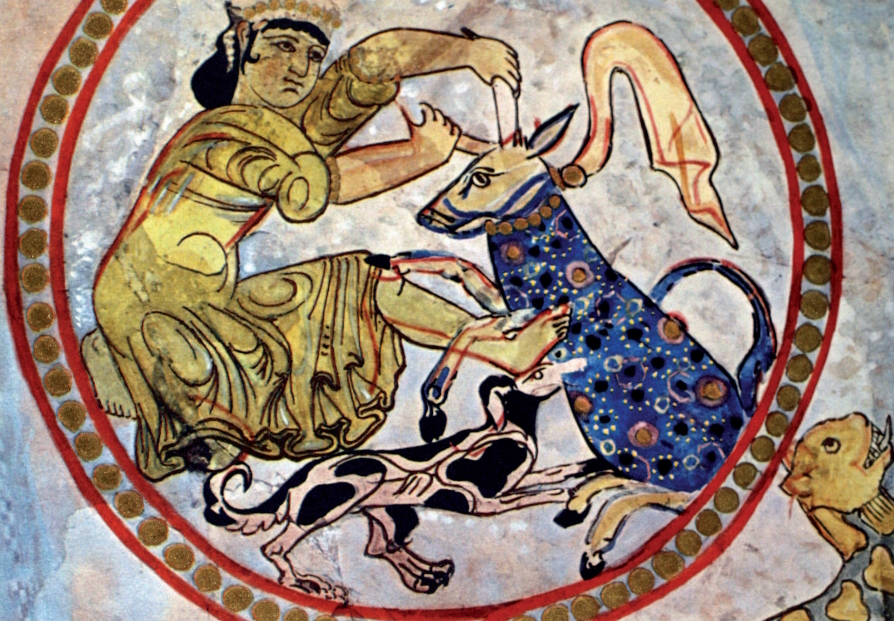
Qasr al-Ashiq stands on a great platform. The palace is raised on a mighty brick platform or substructure that lifts it above the river plain, the platform giving the building its commanding presence and protecting it from the floods of the Tigris, the raised terrace the foundation of the palace, Qasr al-Ashiq the palace on the platform, the residence lifted above the plain, the palace the jewel raised on its mighty brick terrace at Samarra.
The platform gave the palace its majesty: the mighty substructure raising Qasr al-Ashiq high above the surrounding land, the platform lending the palace a commanding and majestic presence, the raised terrace the foundation of the building’s grandeur, the platform the base of the palace’s majesty, Qasr al-Ashiq the palace lifted in splendor, the residence raised on its terrace, the palace the majestic jewel on its platform above the Tigris plain.
The substructure protected against the floods: the platform of Qasr al-Ashiq raising the palace above the reach of the Tigris floods, the mighty substructure both a foundation of grandeur and a practical defense against the water, the platform the protection of the palace, the terrace the base that kept the building above the floods, the platform the foundation of Qasr al-Ashiq, the substructure the practical and the majestic base of the palace at Samarra.
The Great Substructure
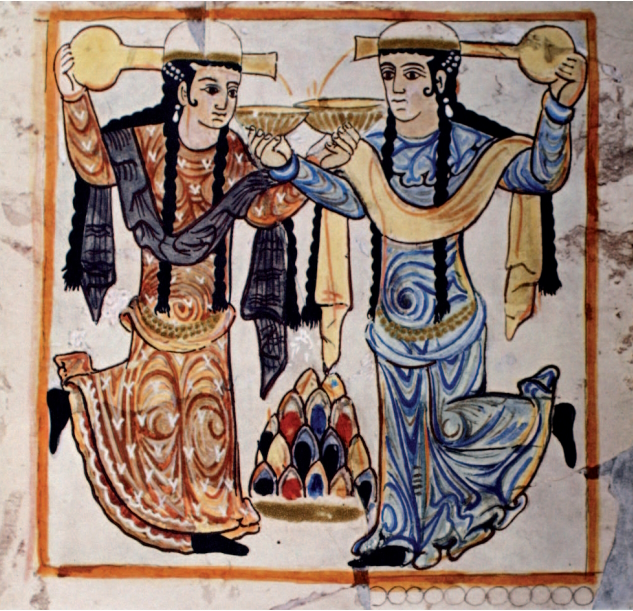
The substructure is a mighty work of brick. The platform of Qasr al-Ashiq is a vast construction of brick, a honeycomb of vaulted chambers and solid fill that raises the palace and provides its lower levels, the substructure a feat of the Abbasid engineering, the mighty base a work of brick as impressive as the palace above, the substructure the engineering jewel of Qasr al-Ashiq, the platform the feat of the Abbasid builders at Samarra.
The lower chambers served the palace: the vaulted chambers within the substructure of Qasr al-Ashiq serving as stores, cellars, and service spaces for the palace above, the lower levels the practical heart of the building, the substructure chambers the working world beneath the splendor, the vaulted rooms the service spaces of the palace, the substructure the practical base of Qasr al-Ashiq, the lower chambers the working heart beneath the palace at Samarra.
The engineering shows the Abbasid mastery: the great substructure of Qasr al-Ashiq a demonstration of the mastery of the Abbasid builders in brick, the platform a feat of the engineering of the age, the substructure the showcase of the Abbasid skill, the mighty base the record of the builders’ mastery, the substructure the engineering glory of Qasr al-Ashiq, the platform the jewel of the Abbasid building craft at Samarra on the Tigris.
The Brick Facade
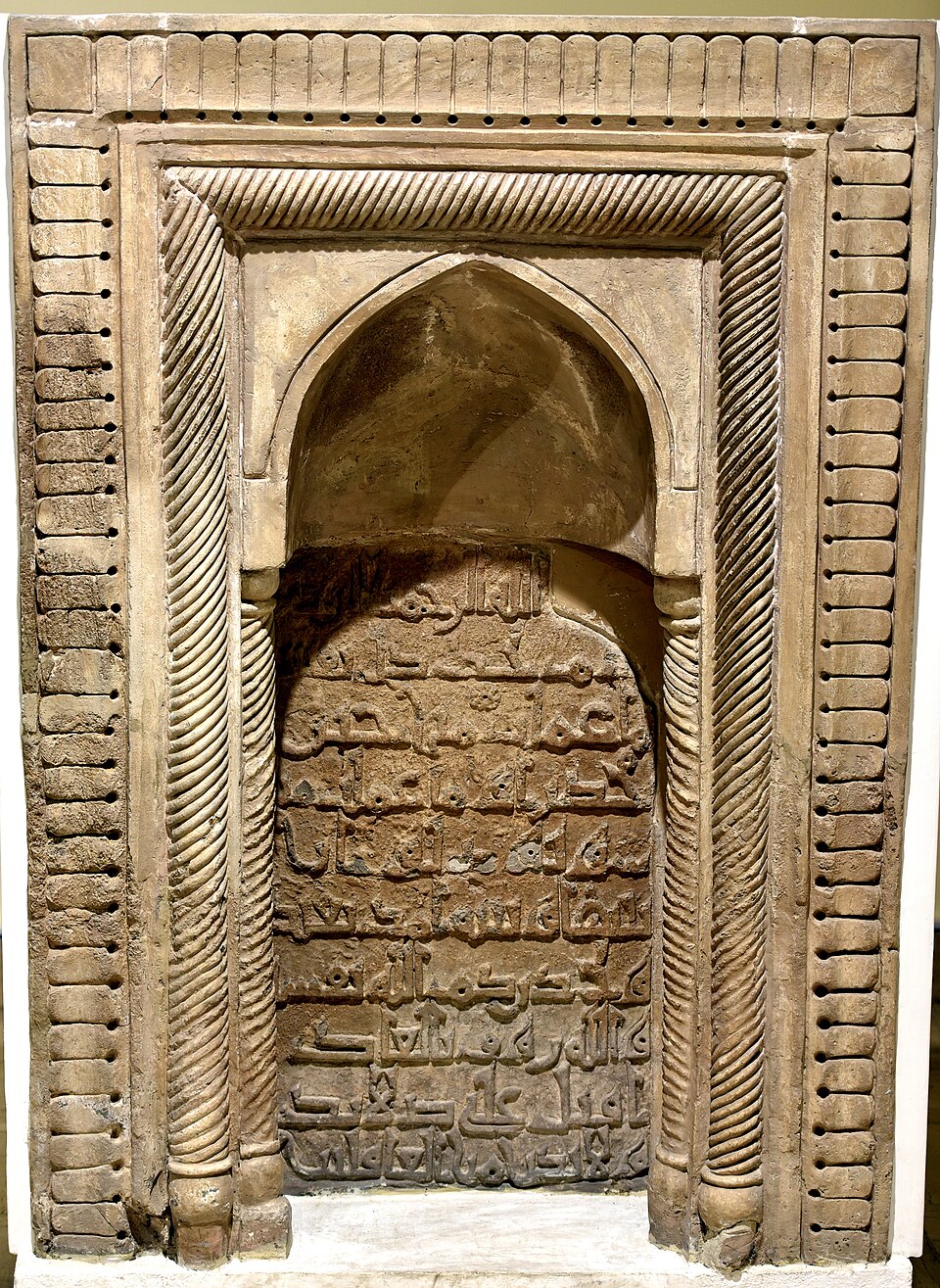
Qasr al-Ashiq is famous for its brick facade. The outer walls of the palace are faced with a splendid arrangement of brick, the facade articulated with niches, arches, and decorative brickwork, the brick front of Qasr al-Ashiq one of the glories of the Abbasid architecture, the facade a masterpiece of the brick craft, the brick front the famous feature of the palace, the facade the glory of Qasr al-Ashiq, the brickwork the jewel of the Abbasid Samarra.
The facade is a composition of light and shadow: the brick front of Qasr al-Ashiq, with its rhythm of niches and arches, creating a play of light and shadow across the walls, the facade a composition of the brick forms, the front the visual jewel of the palace, the brickwork the play of the arcades and the niches, the facade the glory of the composition, the brick front the masterpiece of light and shadow of Qasr al-Ashiq at Samarra.
The brick facade set a model for the Abbasid palace: the articulated brick front of Qasr al-Ashiq an example of the decorative treatment of the palace facade that the Abbasid architecture developed, the facade a model of the brick composition, the front the showcase of the Abbasid treatment of the wall, the facade the jewel of the palace architecture, the brick front the model of the Abbasid facade, the composition the glory of Qasr al-Ashiq at Samarra.
The Blind Arcades
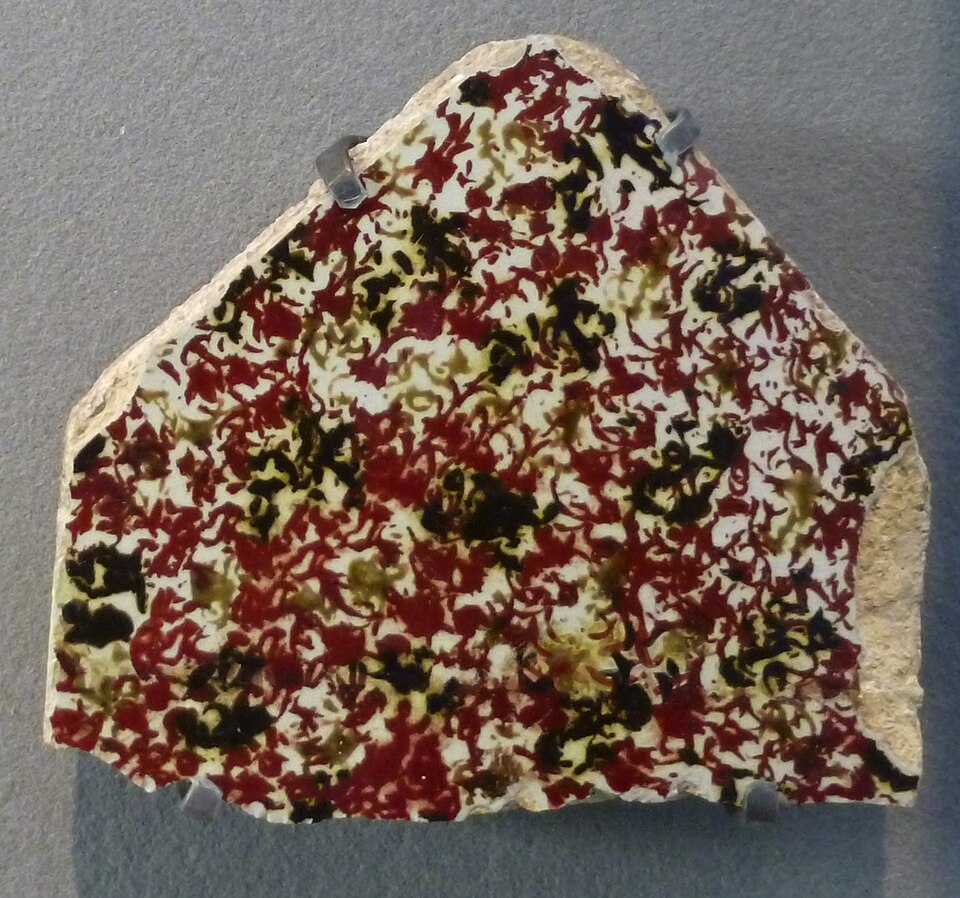
The facade is articulated with blind arcades. The walls of Qasr al-Ashiq are decorated with ranges of blind arcades, rows of arches that do not open but adorn and articulate the brick front, the blind arcades giving the facade its rhythm and its play of light, the arcades the decorative treatment of the walls, the blind arches the jewel of the facade, the arcades the glory of the brick front of Qasr al-Ashiq at Samarra.
The arcades give the palace its rhythm: the ranges of blind arches across the facade of Qasr al-Ashiq creating a regular rhythm of forms, the arcades the device that orders and adorns the brick front, the blind arches the rhythm of the walls, the arcades the decorative order of the facade, the blind arcades the visual rhythm of the palace, the arches the jewel of the composition, the arcades the glory of the facade of Qasr al-Ashiq.
The blind arcade was an Abbasid device: the use of the blind arcade to articulate the wall a characteristic device of the Abbasid architecture, Qasr al-Ashiq a fine example of the treatment, the blind arches the showcase of the Abbasid decorative method, the arcades the record of the Abbasid architecture, the blind arcade the device that Qasr al-Ashiq displays, the arches the jewel of the Abbasid treatment of the wall at Samarra.
The Halls and Courts
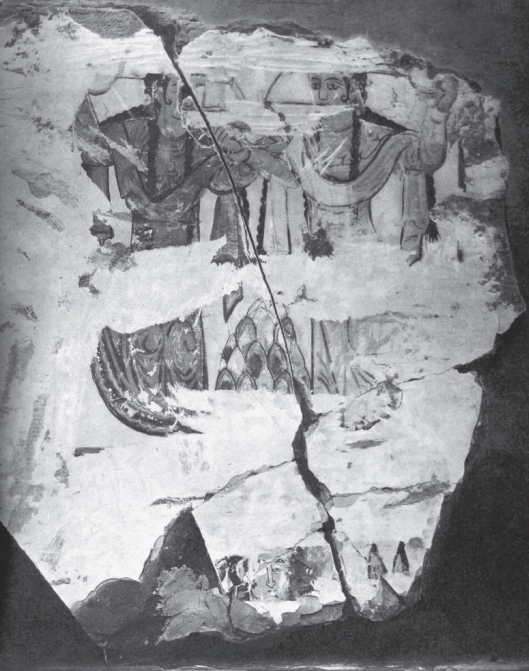
Within Qasr al-Ashiq lie halls and courts. The palace, on its platform, is arranged around a central court, with halls, iwans, and rooms opening onto it, the residence a compact and splendid arrangement of the ceremonial and the living spaces, the halls and courts the interior world of Qasr al-Ashiq, the rooms the private and the ceremonial spaces of the palace, the halls the jewels of the interior, the courts the heart of the Palace of the Lover.
The central court is the heart of the palace: the courtyard of Qasr al-Ashiq the center of the arrangement, the halls and iwans opening onto it, the court the private and the organizing heart of the palace, the courtyard the focus of the residence, the court the center of Qasr al-Ashiq, the courtyard the heart of the interior, the court the jewel of the palace, the courtyard the center of the Palace of the Lover at Samarra.
The halls served the pleasure of the caliph: the halls and iwans of Qasr al-Ashiq the settings of the leisure and the reception of the caliph in his pleasure palace, the rooms the splendid interiors of the residence, the halls the settings of the courtly enjoyment, the iwans the spaces of the pleasure palace, the halls the jewels of Qasr al-Ashiq, the rooms the splendid interiors of the Palace of the Lover on the western bank at Samarra.
The Name of the Lover
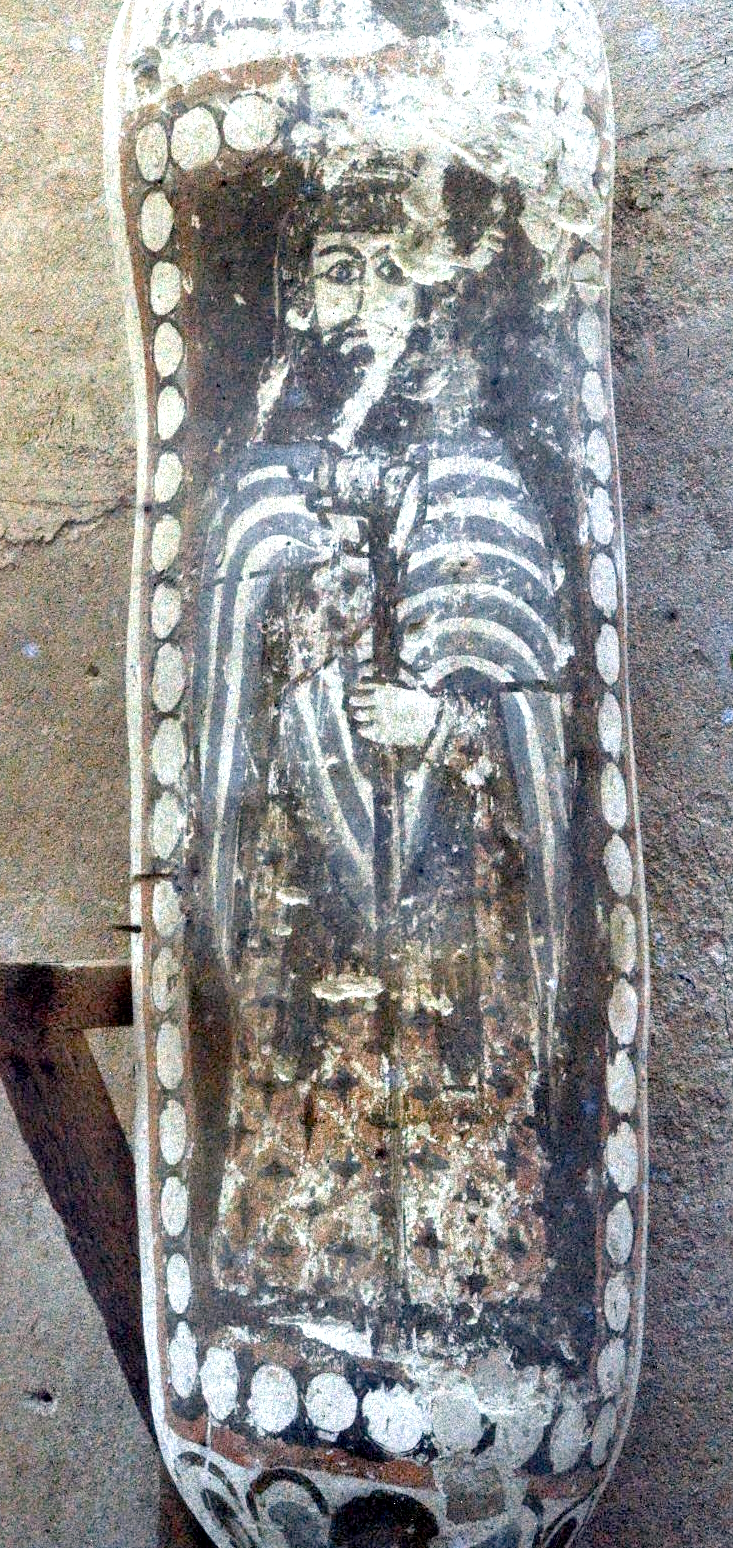
The palace bears the romantic name of the Lover. Qasr al-Ashiq, the Palace of the Lover, carries a name that evokes the romance of the caliphal pleasure palace, the name perhaps recalling a tale of love associated with the building, or simply celebrating the palace as a place of beauty and delight, Qasr al-Ashiq the palace of the romantic name, the Palace of the Lover the jewel whose very name carries the air of the caliphal pleasure and romance at Samarra.
The name evokes the world of the pleasure palace: Qasr al-Ashiq, the Palace of the Lover, its name conjuring the world of the caliphal leisure, the music, the poetry, and the romance of the Abbasid court, the name the echo of the pleasure palace, the Palace of the Lover the jewel of the romantic imagination, the name the evocation of the courtly delight, Qasr al-Ashiq the palace whose name carries the romance of the Abbasid Samarra.
The name has made the palace famous: Qasr al-Ashiq, the Palace of the Lover, remembered and celebrated for its romantic name as much as for its architecture, the name the feature that captures the imagination, the Palace of the Lover the jewel of the evocative name, the name the device that has kept the palace in memory, Qasr al-Ashiq the famous palace of the lover’s name, the Palace of the Lover the romantic jewel of the Abbasid Samarra.
The Abbasid Decorative Brick
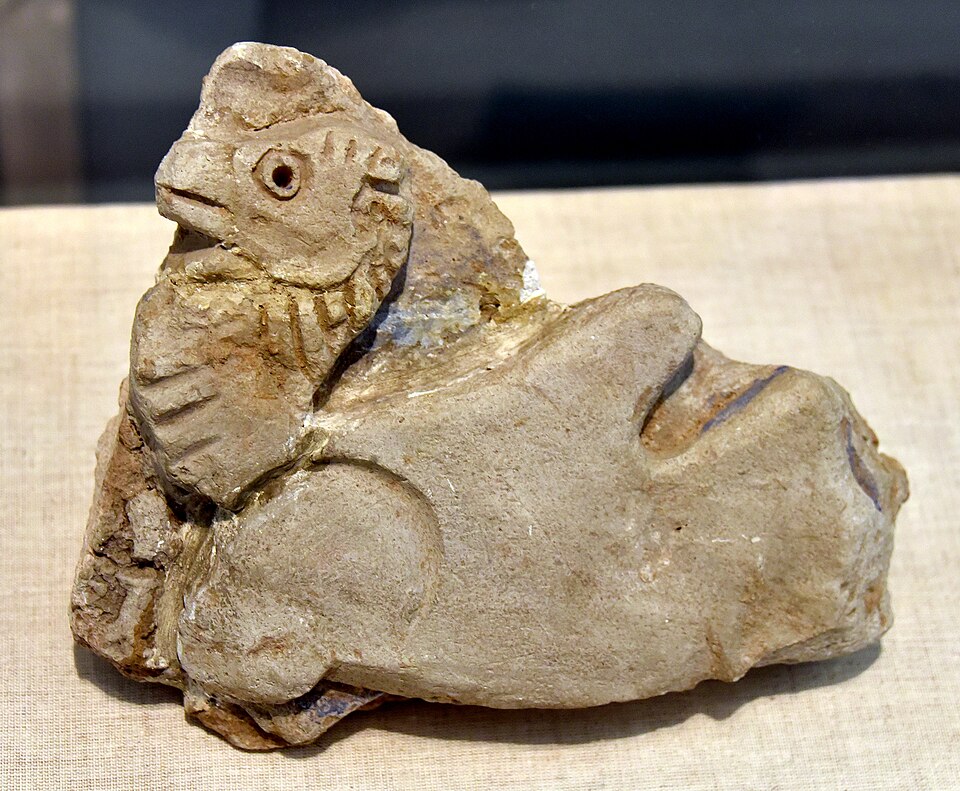
Qasr al-Ashiq showcases the Abbasid decorative brick. The palace is a fine example of the Abbasid mastery of brick not only as a structural material but as a medium of decoration, the brick laid in patterns, niches, and arcades to adorn the walls, the decorative brickwork of Qasr al-Ashiq a jewel of the Abbasid craft, the brick decoration the glory of the palace, the ornamental brickwork the treasure of the Abbasid Samarra, the decorative brick the showcase of the builders’ art.
The Abbasids made brick an art: the builders of Samarra treating brick as a medium of beauty as well as of structure, the walls of Qasr al-Ashiq composed and adorned in brick, the decorative brickwork the expression of the Abbasid aesthetic, the brick an art in the hands of the Samarra builders, the ornamental brick the jewel of the palace, the decorative brickwork the glory of the Abbasid craft, the brick art the treasure of Qasr al-Ashiq.
The brick tradition spread across the Islamic world: the decorative brickwork perfected at Samarra and in palaces like Qasr al-Ashiq influencing the architecture of the Islamic world, the Abbasid brick art spreading from Iraq to Persia and beyond, the decorative brick the legacy of Samarra, the ornamental brickwork the influence of the Abbasid architecture, the brick tradition the heritage of Qasr al-Ashiq, the decorative brick the gift of the Abbasid Samarra to the architecture of the Islamic world.
One of Samarra’s Palaces
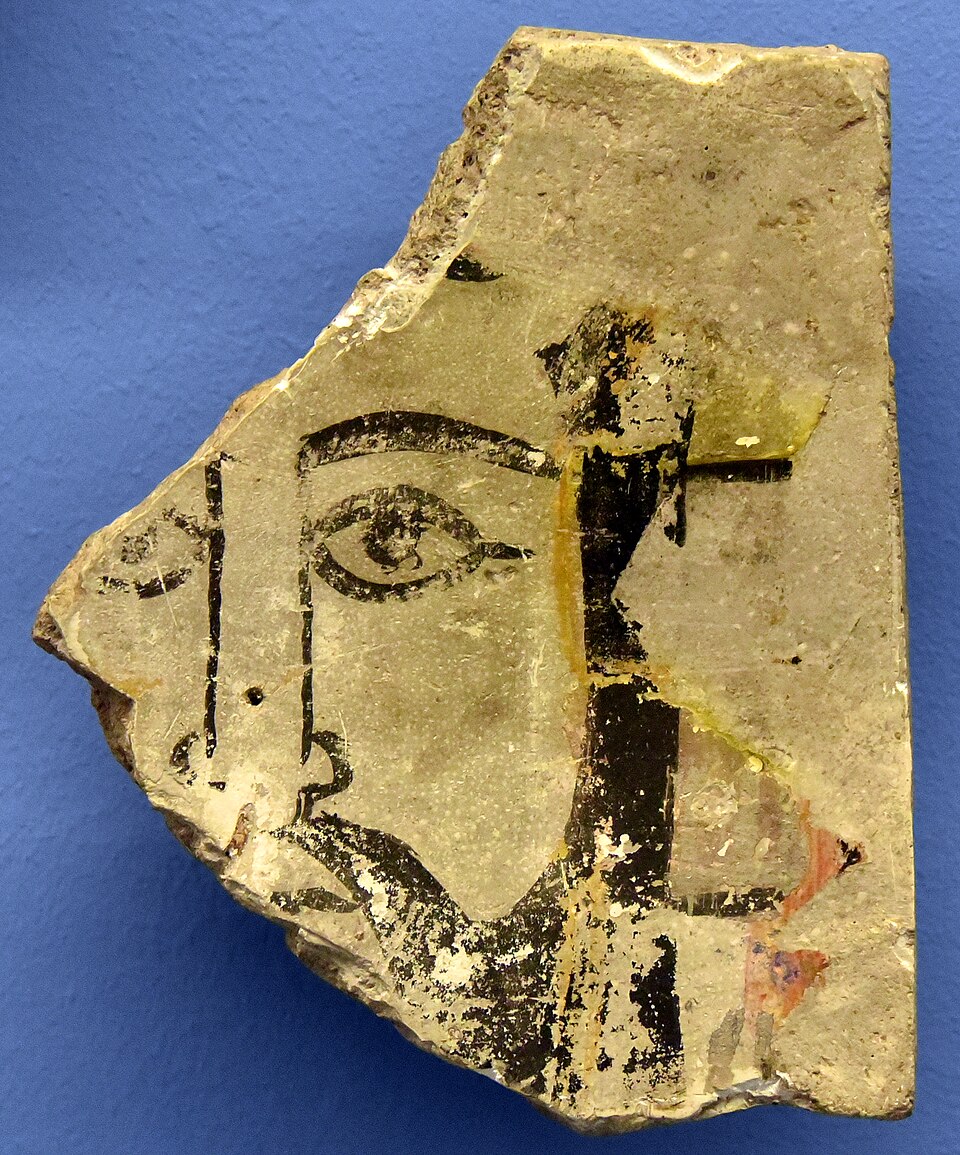
Qasr al-Ashiq is one of many palaces of Samarra. The Palace of the Lover is one of a great number of palaces that the caliphs built in and around Samarra, from the vast Dar al-Khilafa to the pleasure palaces of the outskirts, Qasr al-Ashiq one of the jewels of this great ensemble, the palace one among the many residences of the river capital, the Palace of the Lover a jewel of the vast palatial landscape of Abbasid Samarra.
The palaces of Samarra were a vast ensemble: the caliphs of the river capital building palace after palace, the city a landscape of royal residences, Qasr al-Ashiq one jewel in the vast crown of the Samarra palaces, the residences the expression of the Abbasid wealth and building, the palaces of Samarra the greatest ensemble of royal residences of the dynasty, Qasr al-Ashiq the jewel among the many palaces of the caliphal capital.
Qasr al-Ashiq is among the best-preserved of them: of all the many palaces of Samarra, Qasr al-Ashiq, on its platform, among the best-preserved and most complete, the palace the jewel that shows the Samarra residence as it stood, the Palace of the Lover the best-preserved of the ensemble, the residence the finest surviving example, Qasr al-Ashiq the jewel of preservation among the palaces of the caliphal Samarra.
Excavation and Reconstruction
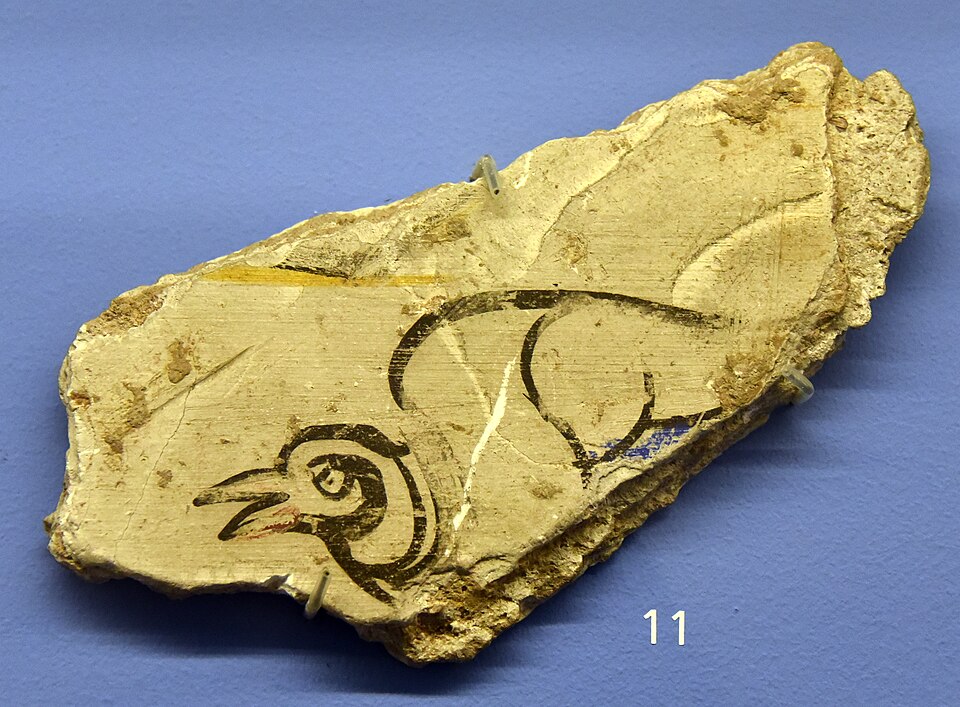
Qasr al-Ashiq has been excavated and reconstructed. The palace, excavated by the archaeologists, has been the subject of a notable reconstruction, its brick walls, facade, and arcades rebuilt to show the palace much as it stood, Qasr al-Ashiq the restored jewel of Samarra, the palace the reconstructed example of the Abbasid architecture, the residence the building brought back to its standing form, Qasr al-Ashiq the reconstructed treasure of the caliphal Samarra.
The reconstruction restored the palace’s form: the rebuilding of the brick walls, the facade, and the arcades of Qasr al-Ashiq restoring the palace to much of its original appearance, the reconstruction the recovery of the building’s form, the restored palace the showcase of the Abbasid architecture, Qasr al-Ashiq restored to its standing splendor, the reconstruction the recovery of the Palace of the Lover, the rebuilt palace the jewel of the restored Samarra.
The restored palace shows the Abbasid residence: Qasr al-Ashiq, reconstructed, giving the visitor and the scholar a vivid impression of the Abbasid palace as it stood, the restored building the showcase of the caliphal architecture, the reconstruction the window onto the Abbasid residence, Qasr al-Ashiq the restored jewel that shows the palace of the caliphs, the rebuilt palace the treasure that brings back the Abbasid Samarra, the residence the recovered splendor of the river capital.
Qasr al-Ashiq Today
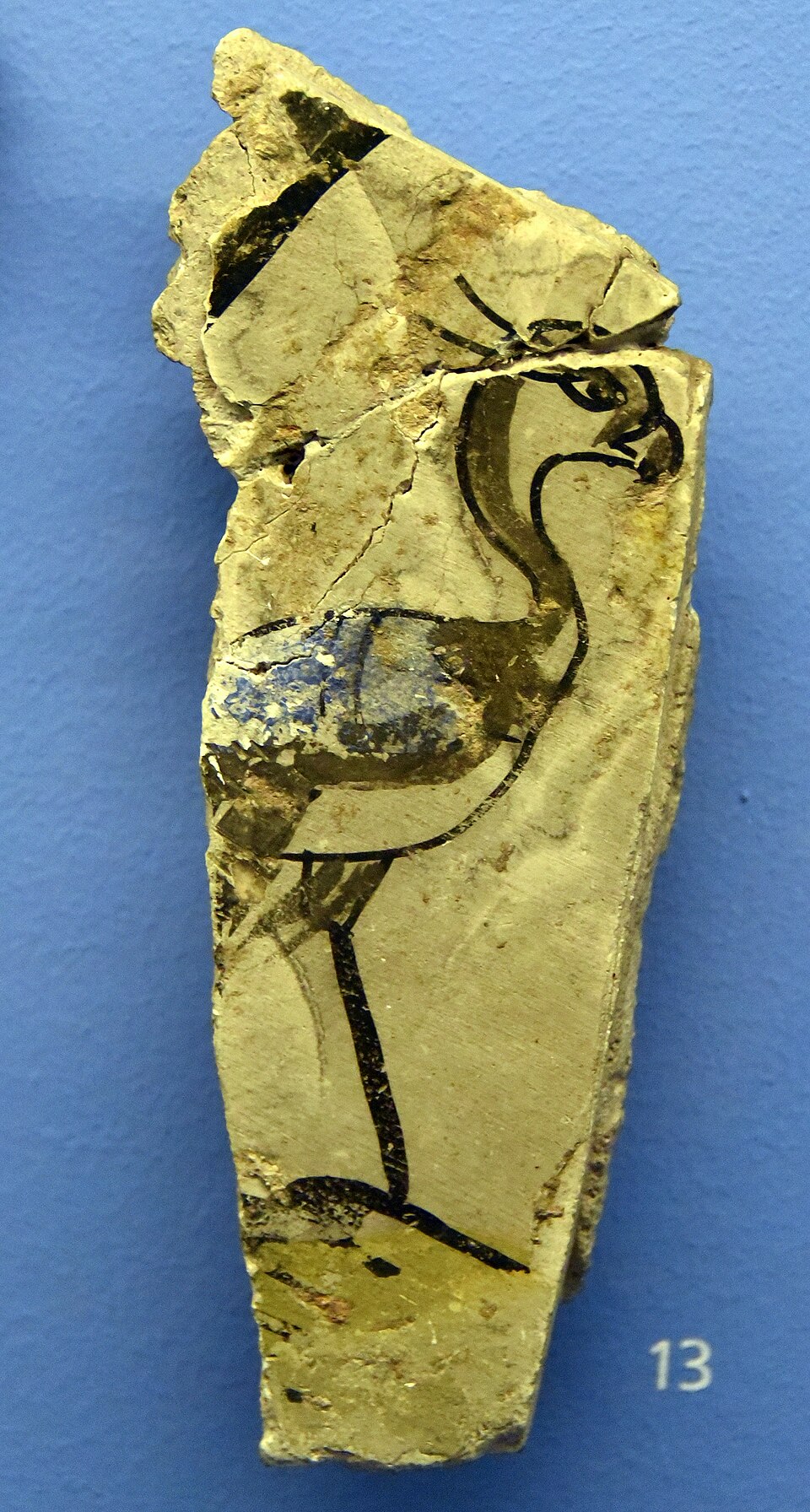
Qasr al-Ashiq today stands as the best-preserved jewel of the Abbasid palaces of Samarra, the Palace of the Lover on its platform above the Tigris, the brick masterpiece of the facade, the arcades, and the halls, the residence of the late caliphal capital, Qasr al-Ashiq the jewel of the Abbasid architecture, the palace that shows the Samarra residence as it stood, the Palace of the Lover the enduring treasure of the Abbasid Samarra on the western bank.
The palace endures as a vivid witness of Samarra: Qasr al-Ashiq, restored on its platform, the most complete and vivid of the surviving palaces of the caliphal capital, the Palace of the Lover the jewel that brings back the Abbasid Samarra, the palace the enduring witness of the river capital, Qasr al-Ashiq the treasure of the Abbasid architecture, the Palace of the Lover the enduring brick jewel on the western bank of the Tigris at Samarra.
Qasr al-Ashiq continues the Iraqi series on the splendor of Mesopotamia, the Palace of the Lover at Samarra, the best-preserved of the Abbasid palaces, the brick masterpiece on its platform above the Tigris, the jewel of the caliphal capital of the ninth century, Qasr al-Ashiq the treasure of the Abbasid architecture, the Palace of the Lover the enduring splendor of the Abbasid Samarra on the western bank of the river north of Baghdad.
Watch Qasr al-Ashiq on Film
Visiting Qasr al-Ashiq Today
Qasr al-Ashiq stands on the western bank of the Tigris at Samarra, north of Baghdad in Iraq, the restored brick palace raised on its great platform opposite the main archaeological city; the Palace of the Lover is visited for its articulated brick facade, its blind arcades, its halls and court, and its commanding view over the river and the vast site of Samarra. Travel to Iraq and access to the sites depend on the security and the political situation, which has varied greatly through the years, so current conditions and access should be carefully checked before any visit; Qasr al-Ashiq and Samarra are among the supreme treasures of the Abbasid heritage, a UNESCO World Heritage site. You can find the palace on the map here: Qasr al-Ashiq on Google Maps.


