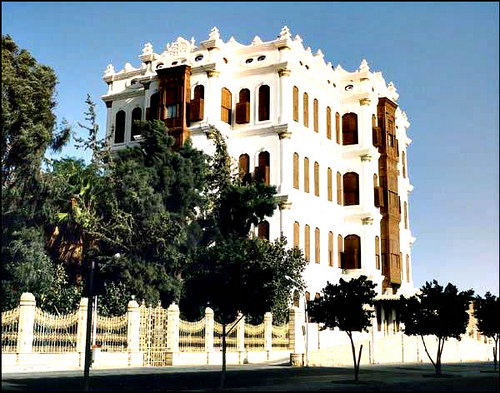
In the mountain city of Taif, the cool summer capital of the Hijaz, stands one of the most elegant palaces of Saudi Arabia, the Shubra Palace, a graceful mansion of white stone, Italian marble, and carved wooden balconies that was the summer residence of kings. The palace, with its four storeys, its mashrabiya windows, and its blend of the Roman, the Hijazi, and the Islamic styles, is the jewel of Taif, Shubra the summer palace of the kings, the elegant mansion of the mountain city of the Hijaz.
The Shubra Palace is the finest mansion of Taif. Built at the beginning of the twentieth century, the palace became the summer residence of King Abdulaziz and later of King Faisal, the kings retreating to the cool mountain air of Taif from the heat of the lowlands, the palace the royal summer seat, Shubra the jewel of the mountain city, the elegant mansion of the Hijazi architecture in the summer capital of Taif.
This article continues the Saudi Arabian palace series, turning to the Shubra Palace of Taif, the elegant summer mansion of the mountain city of the Hijaz, the residence of King Abdulaziz and King Faisal, the palace of the four storeys, the marble, and the carved balconies, Shubra the jewel of Taif, the summer palace of the kings in the cool mountains of the Hijaz.
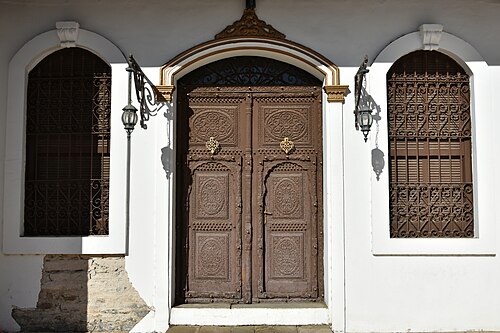
- The Mountain City of Taif
- The Summer Capital
- The Building of Shubra
- The Four Storeys
- The Italian Marble and the Wood
- The Roman and the Hijazi Style
- The Mashrabiya Windows
- King Abdulaziz at Taif
- King Faisal’s Residence
- The Interiors and the Rooms
- From Palace to Museum
- The Taif Museum
- The Shubra Palace Today
- Watch on Film
- Visiting Today
- Palaces Nearby
The Mountain City of Taif
Taif is the mountain city of the Hijaz. The city of Taif stands high in the mountains of the Hijaz, above the heat of Mecca and the lowlands, a city of cool air, gardens, orchards, and the famous roses, Taif the mountain city, the cool retreat of the Hijaz, the setting of the Shubra Palace, the elevated city that has long been the summer refuge of the people and the rulers of the region.
The city is famous for its cool air and roses: Taif, high in the mountains, famous for its cool climate, its gardens, its orchards, and its roses, the source of the famous Taif rose water, the city the garden of the Hijaz, Taif the city of the roses, the mountain town of the cool air, the setting of the Shubra Palace in the highlands of the Hijaz.
The city was a refuge from the heat: Taif, in its mountains, a refuge from the heat of Mecca and the coastal lowlands, the city the summer retreat of the region, the mountain town the cool escape, Taif the refuge from the heat, the elevated city the summer haven, the mountain city the setting of the summer palaces, including the Shubra Palace of the kings.
The Summer Capital
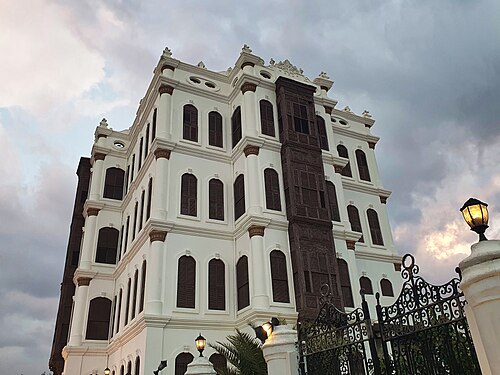
Taif was the summer capital of the kingdom. The kings of Saudi Arabia, following the long tradition of the rulers of the Hijaz, made Taif their summer capital, retreating to the cool mountain city during the hot months, the court and the government moving to Taif, the city the summer seat of the kingdom, Taif the summer capital, the mountain city the seasonal seat of the kings and the setting of the Shubra Palace.
The court moved to Taif in summer: the king and the government retreating to Taif during the heat of summer, the court moving to the mountain city, the business of the kingdom conducted from Taif in the hot months, the city the summer seat of the government, Taif the seasonal capital, the mountain city the summer home of the court and the Shubra Palace of the kings.
The tradition was ancient: the use of Taif as a summer retreat an ancient tradition of the Hijaz, the mountain city long the refuge of the rulers and the people from the heat, the summer capital a custom of the ages, Taif the traditional summer seat, the mountain city the ancient refuge, the summer capital whose tradition the Shubra Palace of the kings continued.
The Building of Shubra
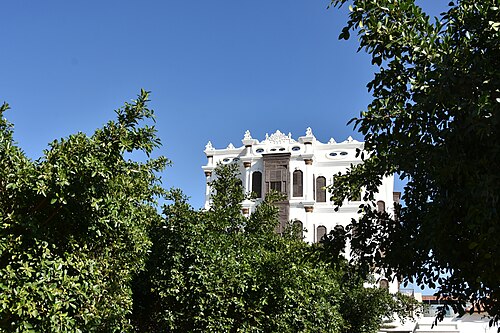
The Shubra Palace was built around 1905. The palace was built at the beginning of the twentieth century, around 1905, by a leading family of Taif, the mansion raised in the elegant style of the age, with its marble, its wood, and its fine building, the palace a work of the early twentieth century, Shubra the elegant mansion of Taif, the residence built in the age of the new century.
The palace was built by a leading family: the Shubra Palace built by a prominent family of Taif, the mansion the expression of their wealth and taste, the palace the fine residence of the notables, the building the showcase of the elegant style, Shubra the mansion of the leading family, the elegant residence that would become the summer palace of the kings in Taif.
The palace became a royal residence: the Shubra Palace, built as a grand private mansion, becoming the summer residence of the kings of Saudi Arabia, the palace passing to the royal use, the mansion the royal summer seat, Shubra the private palace turned royal residence, the elegant mansion the summer home of King Abdulaziz and King Faisal in the mountain city of Taif.
The Four Storeys
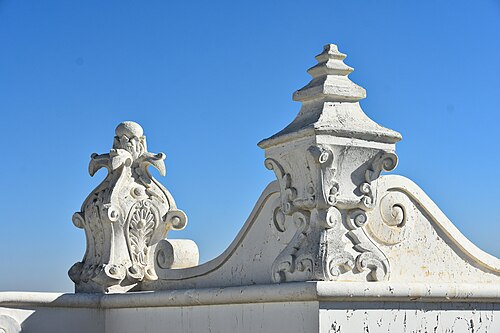
The Shubra Palace rises in four storeys. The elegant mansion is built in four floors, the storeys rising in graceful proportions, the rooms, the halls, and the balconies arranged on the four levels, the palace a tall and elegant building, Shubra the four-storey mansion of Taif, the graceful palace of the rising floors, the elegant residence of the summer capital of the Hijaz.
The storeys rise in graceful proportions: the four floors of the Shubra Palace rising in elegant and balanced proportions, the storeys the structure of the graceful mansion, the floors the levels of the rooms and the balconies, the four storeys the form of the palace, Shubra the elegant four-storey mansion, the graceful residence of the mountain city of Taif.
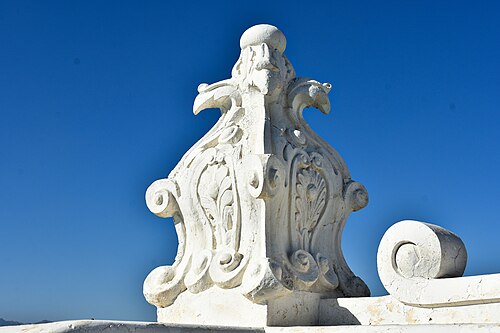
The balconies adorn the storeys: the balconies and the mashrabiya windows adorning the storeys of the Shubra Palace, the carved wooden balconies the ornament of the floors, the windows the grace of the facade, the balconies the jewels of the storeys, the carved wood the adornment of the palace, the balconies the elegant features of Shubra in the mountain city of Taif.
The Italian Marble and the Wood
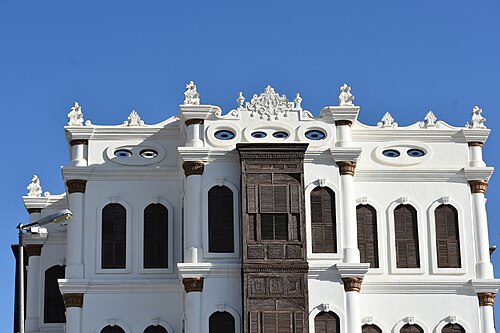
The Shubra Palace is built of fine marble and wood. The mansion is built of white stone and fine marble, some of it said to be brought from Italy, with carved wood for the balconies and the details, the materials the expression of the elegant taste, the marble the stone of the palace, the wood the material of the balconies, Shubra the mansion of the marble and the wood in the mountain city of Taif.
The marble came from afar: the fine marble of the Shubra Palace, some of it reportedly brought from Italy, the stone the expression of the wealth and the taste of the builders, the marble the material of the floors and the details, the fine stone the jewel of the palace, the marble the elegant material of Shubra, the stone brought to adorn the mansion of Taif.
The carved wood adorns the palace: the carved wood of the Shubra Palace, in the balconies, the mashrabiya windows, and the details, the woodwork the ornament of the mansion, the carved wood the grace of the facade, the wood the material of the balconies, the carved woodwork the jewel of Shubra, the wood the elegant adornment of the palace of the mountain city of Taif.
The Roman and the Hijazi Style
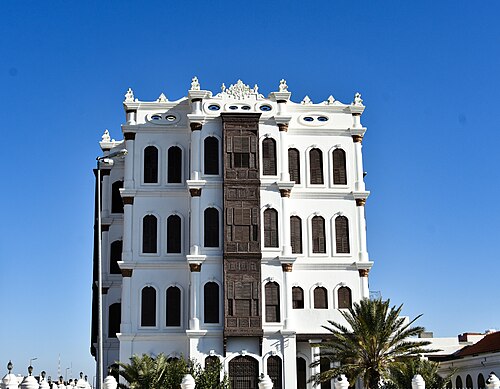
The Shubra Palace blends the Roman and the Hijazi styles. The mansion combines the elegance of the European and the classical architecture with the traditions of the Hijazi building, the marble and the proportions of the one, the wooden balconies and the mashrabiya of the other, the palace the meeting of the styles, Shubra the blend of the Roman and the Hijazi, the elegant mansion of the mixed traditions in Taif.
The palace shows the European influence: the Shubra Palace, with its marble, its proportions, and its elegance, showing the influence of the European and the classical architecture of the age, the mansion the expression of the cosmopolitan taste, the palace the showcase of the European influence, Shubra the elegant mansion of the Western touch in the mountain city of Taif.
The palace keeps the Hijazi tradition: the Shubra Palace, with its carved wooden balconies and its mashrabiya windows, keeping the traditions of the Hijazi building, the mansion the heir of the local architecture, the palace the continuation of the Hijazi craft, Shubra the elegant blend of the European and the Hijazi, the mansion of the mixed traditions in the summer capital of Taif.
The Mashrabiya Windows
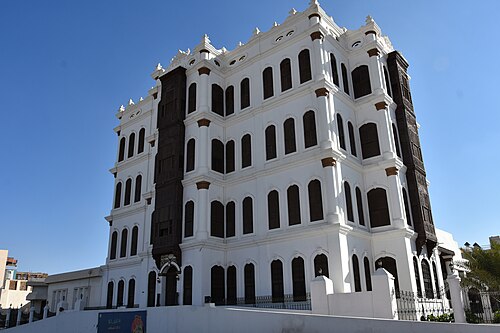
The Shubra Palace is famous for its mashrabiya windows. The facades of the mansion are adorned with the carved wooden mashrabiya, the projecting lattice windows of the Hijazi tradition that give shade, privacy, and beauty, the mashrabiya the jewel of the palace’s facade, the carved windows the ornament of Shubra, the mashrabiya the signature feature of the mansion of the mountain city of Taif.
The mashrabiya give shade and privacy: the mashrabiya windows of the Shubra Palace, the carved wooden lattices, giving shade, coolness, and privacy to the rooms while admitting the air and the light, the mashrabiya the wisdom of the Hijazi building, the lattice windows the response to the climate, the mashrabiya the elegant and the practical feature of Shubra in Taif.
The mashrabiya adorn the facade: the carved wooden mashrabiya of the Shubra Palace adorning the facades with their intricate lattices, the windows the ornament of the mansion, the mashrabiya the jewels of the facade, the carved wood the grace of the palace, the mashrabiya the signature feature of Shubra, the lattice windows the elegant adornment of the mansion of the mountain city of Taif.
King Abdulaziz at Taif
King Abdulaziz used the Shubra Palace. The founder of Saudi Arabia, King Abdulaziz, used the Shubra Palace as his residence during his stays in the summer capital of Taif, the palace the royal seat in the mountain city, the king the royal occupant of Shubra, the mansion the summer residence of the founder, the palace the seat of King Abdulaziz in the cool mountains of the Hijaz.
The king stayed at Taif in summer: King Abdulaziz retreating to Taif and the Shubra Palace during the hot months, the king the royal occupant of the mansion, the palace the summer seat of the founder, the mountain city the refuge of the king, Shubra the residence of King Abdulaziz at Taif, the summer palace of the founder in the mountains of the Hijaz.
The palace was the royal seat in the mountains: the Shubra Palace the residence from which King Abdulaziz conducted his affairs during his stays in Taif, the mansion the royal seat in the summer capital, the palace the seat of the king in the mountains, Shubra the royal residence of the founder at Taif, the summer palace of King Abdulaziz in the Hijaz.
King Faisal’s Residence
King Faisal used the Shubra Palace. King Faisal, the son of Abdulaziz and a later king of Saudi Arabia, also used the Shubra Palace as his residence in Taif, the palace associated with the king who played a great role in the modern history of the kingdom, Faisal the royal occupant of Shubra, the mansion the residence of the king in the mountain city of Taif.
Faisal was a great king of the kingdom: King Faisal, a ruler who played a major role in the modern development and the international standing of Saudi Arabia, using the Shubra Palace as his Taif residence, the king the royal occupant of the mansion, Faisal the great ruler associated with Shubra, the king whose residence was the summer palace of Taif.
The palace is linked with two kings: the Shubra Palace, used by King Abdulaziz and King Faisal, linked with two of the great kings of Saudi Arabia, the mansion the residence of the founder and his son, the palace the seat of two reigns, Shubra the royal residence of the kings, the summer palace associated with King Abdulaziz and King Faisal in the mountain city of Taif.
The Interiors and the Rooms
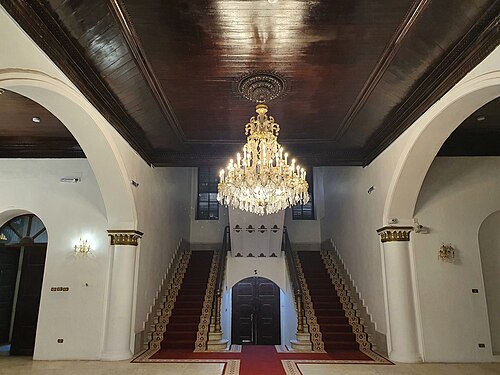
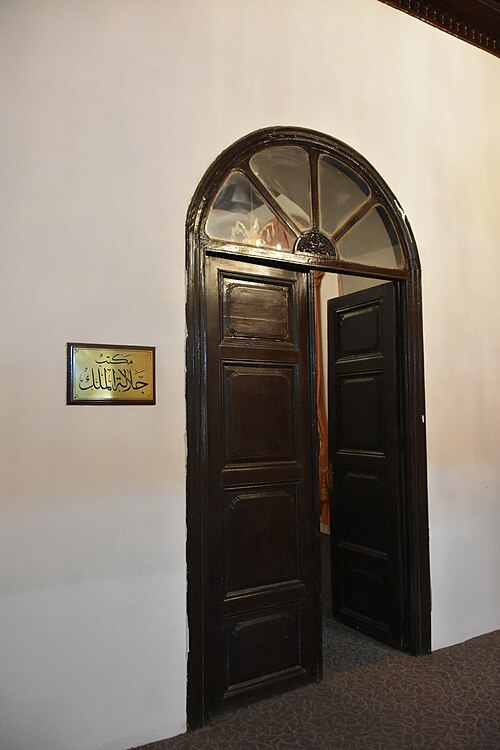
The Shubra Palace is elegant within. The interiors of the mansion are graced with fine rooms, halls, and the decoration of an elegant residence, the painted ceilings, the fine floors, and the furnishings of the royal seat, the interiors the showcase of the elegant taste, the rooms the jewels of Shubra, the halls the setting of the royal life in the summer palace of Taif.
The rooms were the setting of the royal life: the halls and rooms of the Shubra Palace the setting of the life of the kings during their stays in Taif, the interiors the stage of the royal summer, the rooms the setting of the court in the mountains, the halls the spaces of the royal life, the interiors the jewels of Shubra, the rooms the setting of the summer court of the kings at Taif.
The interiors show the elegant taste: the rooms and halls of the Shubra Palace, with their decoration and their furnishings, showing the elegant taste of the age, the interiors the showcase of the refinement, the rooms the expression of the style, the halls the jewels of the mansion, the interiors the elegant heart of Shubra, the rooms the splendor of the summer palace of Taif.
From Palace to Museum
The Shubra Palace has become a museum. The mansion, after its royal use, was restored and became the Taif Regional Museum, presenting the history and the heritage of Taif and the region, the palace the setting for the museum, the mansion the keeper of the regional history, Shubra the museum of Taif, the elegant palace the home of the heritage of the mountain city of the Hijaz.
The palace was preserved as a museum: the Shubra Palace, restored and converted into a museum, preserved as a jewel of the architecture and a keeper of the regional heritage, the restoration the recovery of the mansion, the museum the new life of the palace, Shubra the preserved jewel of Taif, the elegant mansion the museum of the history of the mountain city.
The museum presents the regional heritage: the Taif Regional Museum in the Shubra Palace presenting the history, the archaeology, and the heritage of Taif and the surrounding region, the museum the keeper of the regional story, the palace the setting of the exhibits, Shubra the museum of the heritage, the elegant mansion the home of the history of the mountain city of Taif.
The Taif Museum
The Taif Regional Museum fills the Shubra Palace. The museum in the mansion displays the archaeology, the history, the traditional life, and the heritage of Taif and the region, the collections filling the elegant rooms of the palace, the museum the showcase of the regional heritage, the Taif Museum the jewel of the Shubra Palace, the collection the record of the history of the mountain city of the Hijaz.
The museum displays the region’s history: the Taif Regional Museum presenting the long history of Taif and the surrounding region, from the ancient times through the Islamic and the modern ages, the collections the record of the heritage, the museum the keeper of the regional story, the Taif Museum the showcase of the history in the elegant rooms of the Shubra Palace.
The museum crowns the palace’s new life: the Taif Regional Museum giving the Shubra Palace a new life as a center of the regional heritage, the museum the new purpose of the mansion, the collections the content of the elegant rooms, the Taif Museum the crown of the palace’s new role, the museum the keeper of the heritage in the Shubra Palace of the mountain city of Taif.
The Shubra Palace Today
The Shubra Palace today stands as the jewel of Taif, the elegant summer mansion of the kings, the palace of the four storeys, the marble, the carved wood, and the mashrabiya windows, the residence of King Abdulaziz and King Faisal, the home of the Taif Regional Museum, Shubra the jewel of the mountain city, the elegant palace of the summer capital, the enduring treasure of the Hijazi architecture in Taif.
The palace endures as a treasure of Taif: the Shubra Palace, restored as a museum, standing as one of the finest mansions of Saudi Arabia and the jewel of Taif, the palace the elegant monument of the summer capital, the mansion the treasure of the Hijazi architecture, Shubra the enduring jewel of the mountain city, the summer palace of the kings in the cool mountains of the Hijaz.
The Shubra Palace continues the Saudi Arabian palace series, the elegant summer mansion of Taif, the residence of King Abdulaziz and King Faisal, the palace of the four storeys, the marble, and the mashrabiya windows, the home of the Taif Regional Museum, Shubra the jewel of the mountain city, the summer palace of the kings, the enduring treasure of the Hijazi architecture in the summer capital of Taif.
Watch the Shubra Palace on Film
Visiting the Shubra Palace Today
The Shubra Palace stands in the city of Taif, the mountain summer capital of the Hijaz region of Saudi Arabia, high in the mountains southeast of Mecca; the elegant four-storey mansion, now the Taif Regional Museum, is visited for its marble and carved wood, its mashrabiya windows, its royal rooms associated with King Abdulaziz and King Faisal, and the exhibits on the history and heritage of Taif. Travel in Saudi Arabia has become far more accessible to visitors in recent years, and Taif is a popular mountain destination; current conditions should still be checked before any visit. You can find the palace on the map here: Shubra Palace, Taif on Google Maps.


