Jordan is one of those countries that punches far above its size in the world’s imagination. It is not large, it has little oil, and it sits in one of the most turbulent neighborhoods on earth, surrounded by wars and crises that would have broken many states. Yet the Jordanians have built something rare in their corner of the world, a relatively stable and peaceful kingdom that has absorbed wave after wave of refugees, guarded some of humanity’s greatest treasures, and held together a society stitched from many origins. Theirs is a story less of ancient empire than of patient survival and quiet skill at the hardest art of all, simply keeping the peace.
In This Article
- A Young Kingdom on Ancient Ground
- Petra and the Genius of the Nabataeans
- The Roots of the Jordanian Tongue
- The Hashemite Monarchy
- A Nation of Refugees and Hosts
- The Bedouin Heart
- The Land From the Dead Sea to the Red
- The Table and the Feast
- Faith and Daily Life
- Amman, a Capital of Hills and Newcomers
- The Open Desert and Its Castles
- Crafts, Music, and a Living Heritage
- A Young Population Looking Ahead
- A Quiet Kind of Achievement
A Young Kingdom on Ancient Ground
Jordan as a state is a creation of the twentieth century, drawn up after the First World War when the British carved their mandate territories into new entities. The land east of the Jordan river, long a thinly populated region of desert and small towns, became the Emirate of Transjordan under a prince of the Hashemite family, descendants of the Prophet Muhammad who had led the Arab revolt against the Ottomans. From that beginning grew the modern kingdom, which won full independence in the years after the Second World War.
But while the state is young, the ground beneath it is among the oldest inhabited on earth. This land appears again and again in the ancient world and in scripture, crossed by armies and prophets, settled by Ammonites, Moabites, and Edomites, and later by Nabataeans, Greeks, and Romans. The Jordanians live among the ruins of all of them, so that the newness of their country sits on top of an immensely deep past.
Petra and the Genius of the Nabataeans
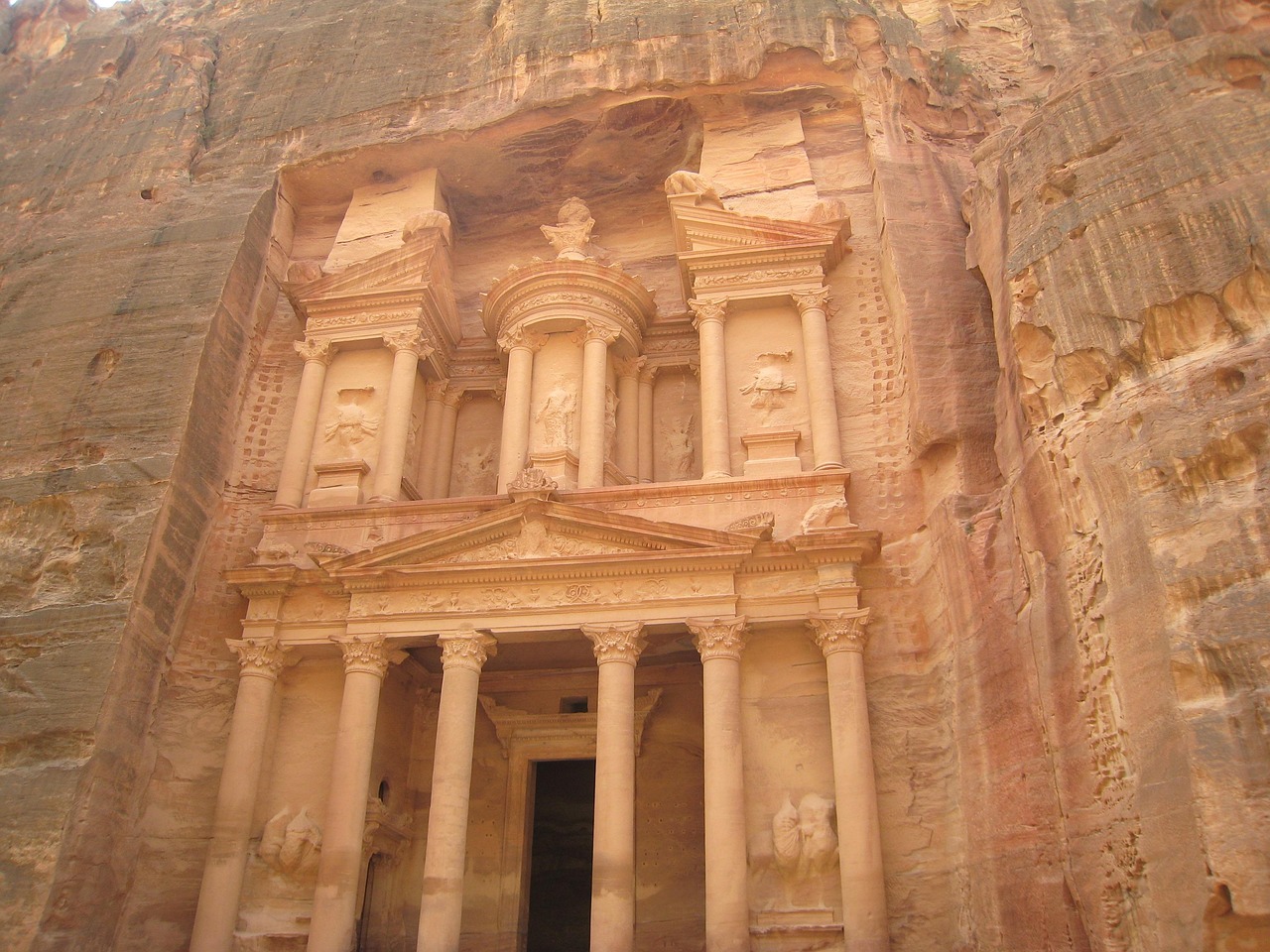
The jewel of Jordan, and one of the most breathtaking sights anywhere, is Petra. More than two thousand years ago a people called the Nabataeans, masters of the desert caravan trade, carved an entire city out of the rose colored sandstone of a hidden valley. Approached through a long narrow gorge, the great temple facade of the Treasury appears suddenly, glowing in the sun, a sight that has stunned travelers for centuries. The Nabataeans grew rich controlling the trade in incense and spices, and they used their wealth to build tombs, temples, and an ingenious system of channels and cisterns that brought water to a desert city.
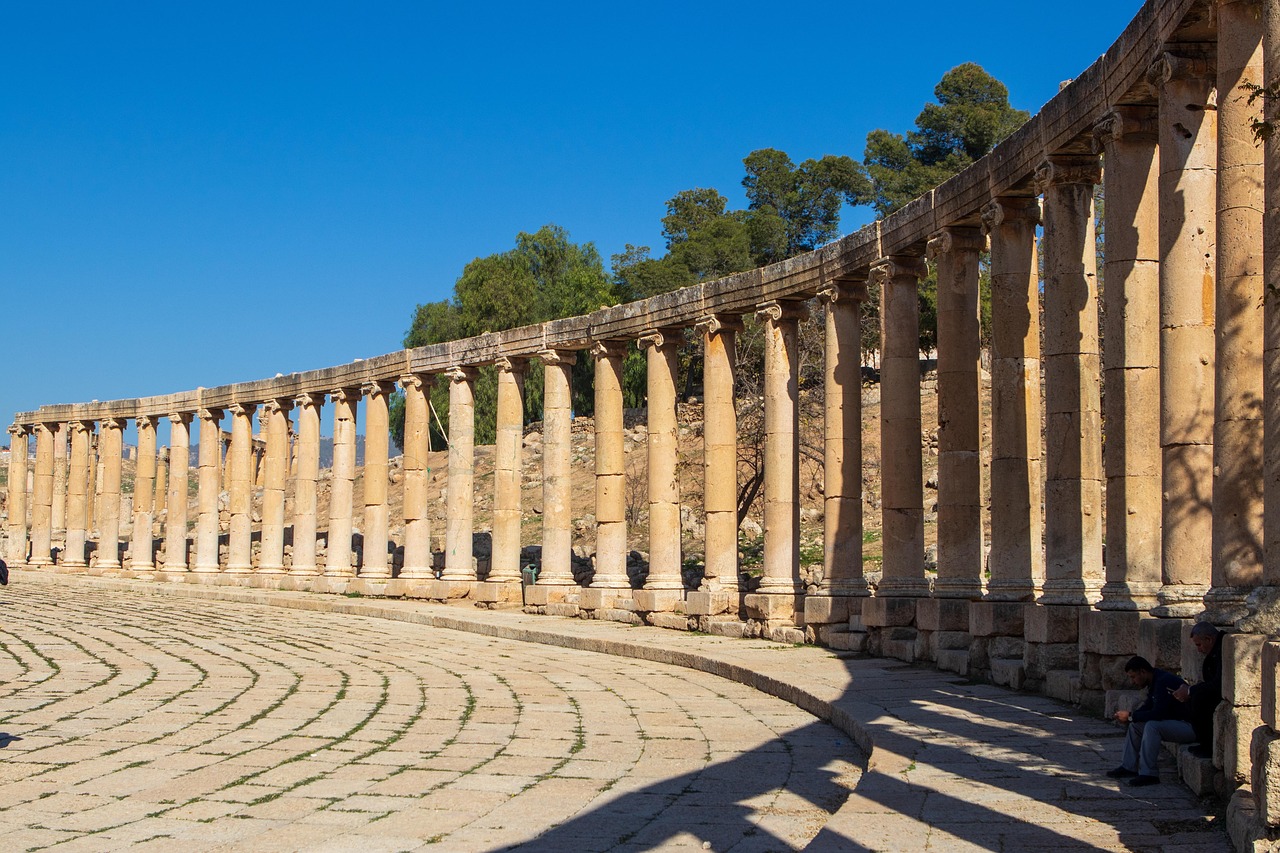
Petra is the most famous of Jordan’s ancient sites, but it is far from the only one. At Jerash stand the colonnaded streets, theaters, and temples of one of the best preserved Roman provincial cities in the world, where you can walk paved roads still rutted by chariot wheels. These ruins are a source of deep pride for Jordanians, who see themselves as the guardians of a heritage that belongs to all of humanity.
The Roots of the Jordanian Tongue
Jordanians speak Arabic, in a Levantine dialect closely related to that of neighboring Syria, Lebanon, and Palestine, though with its own Bedouin flavored varieties in the desert and south. Arabic belongs to the Semitic branch of the Afro Asiatic family, a sprawling group of languages that also includes Hebrew, the many forms of Aramaic, and the tongues of the Horn of Africa. The Arabic of Jordan blends the settled speech of the towns with the older Bedouin dialects of the tribes, and a sharp ear can place a speaker by the particular sounds they use.
This Semitic inheritance runs very deep in Jordanian soil. Long before Arabic arrived, the peoples of this land, the Ammonites, Moabites, Edomites, and Nabataeans, spoke their own Semitic tongues, all cousins of the Arabic and Hebrew of today. Aramaic, the great common language of the ancient Near East, was spoken here for many centuries. So when a Jordanian speaks Arabic, they are continuing an unbroken Semitic tradition of speech that has filled these valleys and deserts for thousands of years.
The Hashemite Monarchy
At the center of modern Jordanian life stands the monarchy. The Hashemite kings have ruled the country since its founding, and the long reign of King Hussein through the second half of the twentieth century shaped the nation profoundly. He steered Jordan through wars, assassination attempts, and the constant pressures of a dangerous region, surviving where other Arab monarchies fell. The royal family’s descent from the Prophet gives it a religious prestige, and the throne has served as a unifying symbol holding together a society of varied origins.
Jordan is not a full democracy, and power remains concentrated around the king, a fact an honest account should not gloss over. There is an elected parliament and a lively press by regional standards, but the monarchy retains the final word. What Jordanians have gained from this arrangement, by the calculation of many of them, is a degree of stability and safety that has been precious in a neighborhood where the alternatives have so often been war, dictatorship, or collapse.
A Nation of Refugees and Hosts
Perhaps no fact shapes modern Jordan more than its role as a refuge. Again and again, when catastrophe struck the surrounding region, the displaced poured into Jordan. Palestinians arrived in great numbers after the wars surrounding the creation of Israel, and today a large share of Jordanians are of Palestinian origin. Later came Iraqis fleeing the chaos of their country, and then enormous numbers of Syrians escaping the civil war. For a small country with few resources, absorbing so many people has been an extraordinary, costly act of endurance.
This has made Jordan a genuinely composite nation. The old distinction between the East Bank tribal families, often seen as the backbone of the state and army, and the Jordanians of Palestinian origin, prominent in business and the professions, is a real and sometimes delicate feature of society. Yet the country has largely managed to hold these communities together within a single national identity, an achievement that looks all the more remarkable against the fractures of its neighbors.
The Bedouin Heart
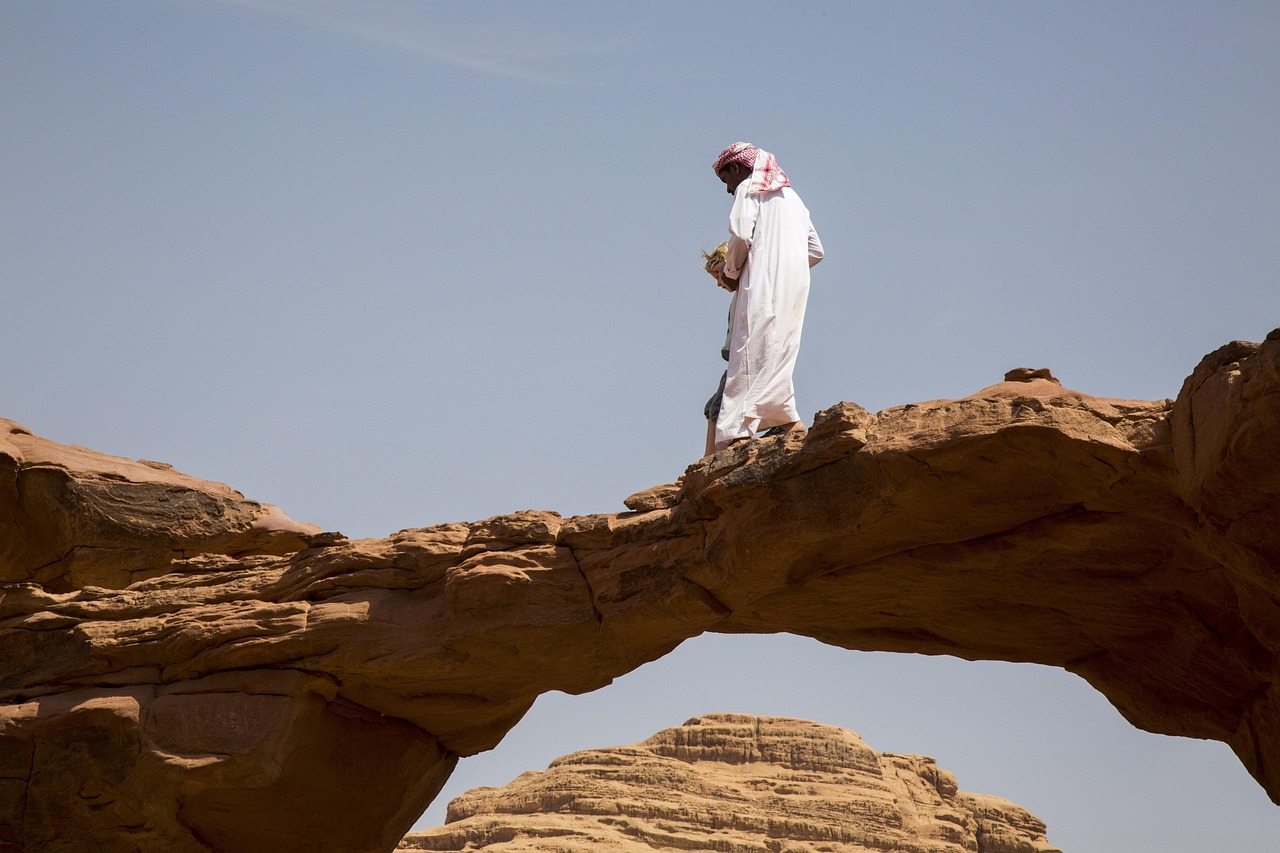
However modern Amman becomes, the Bedouin tradition remains close to the Jordanian soul. The desert tribes, with their codes of honor, hospitality, and loyalty, are widely seen as embodying the country’s truest character, and the monarchy has always drawn deep support from them. The values of the desert, generosity to the guest, courage, the keeping of one’s word, are held up as national ideals even by Jordanians who have never lived a nomadic day in their lives.
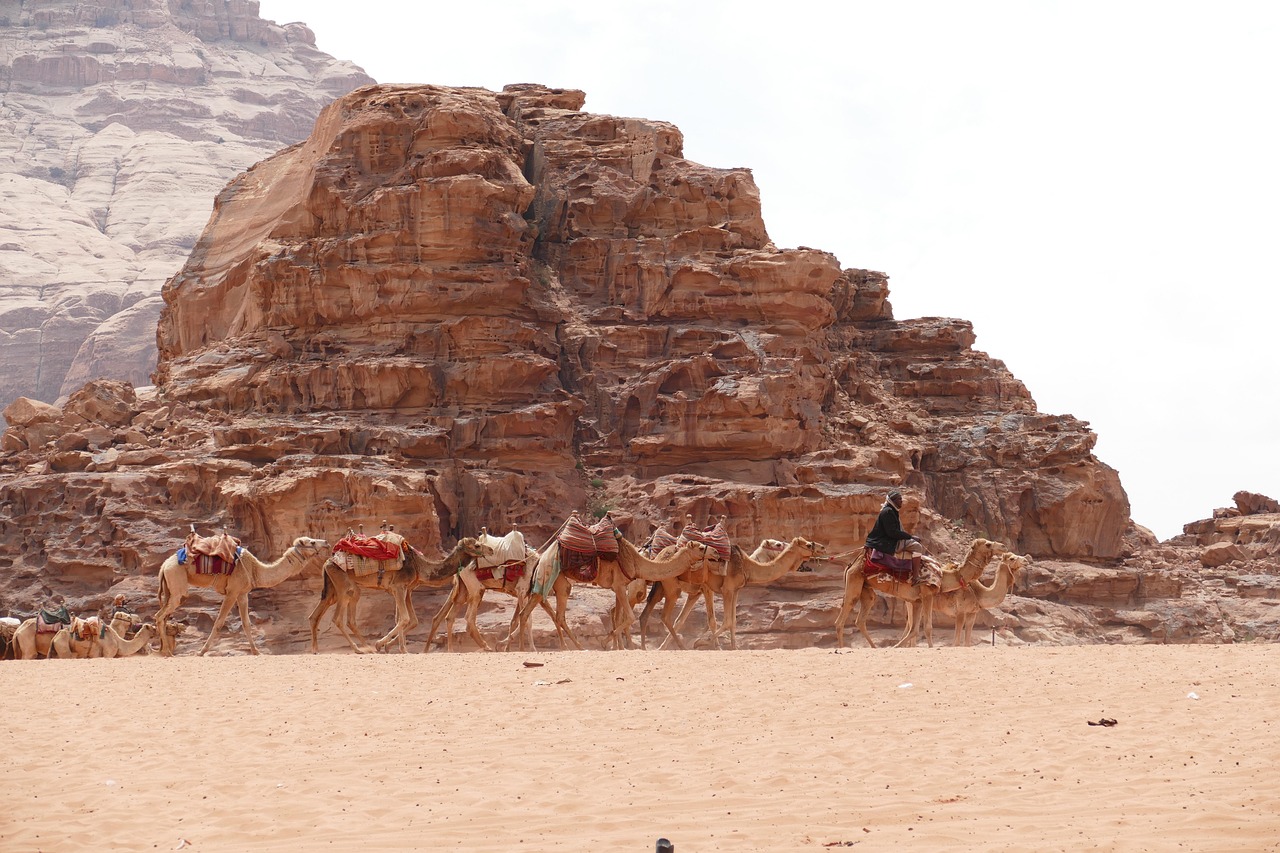
In the great desert of Wadi Rum, with its towering cliffs and red sand, the Bedouin still keep camps where travelers can taste that older way of life, sleeping under brilliant stars and eating meat and rice cooked slowly in a pit beneath the sand. This landscape is so otherworldly that filmmakers have used it to stand in for other planets, but for Jordanians it is the cradle of their national myth, the place where the spirit of the country feels most alive.
The Land From the Dead Sea to the Red
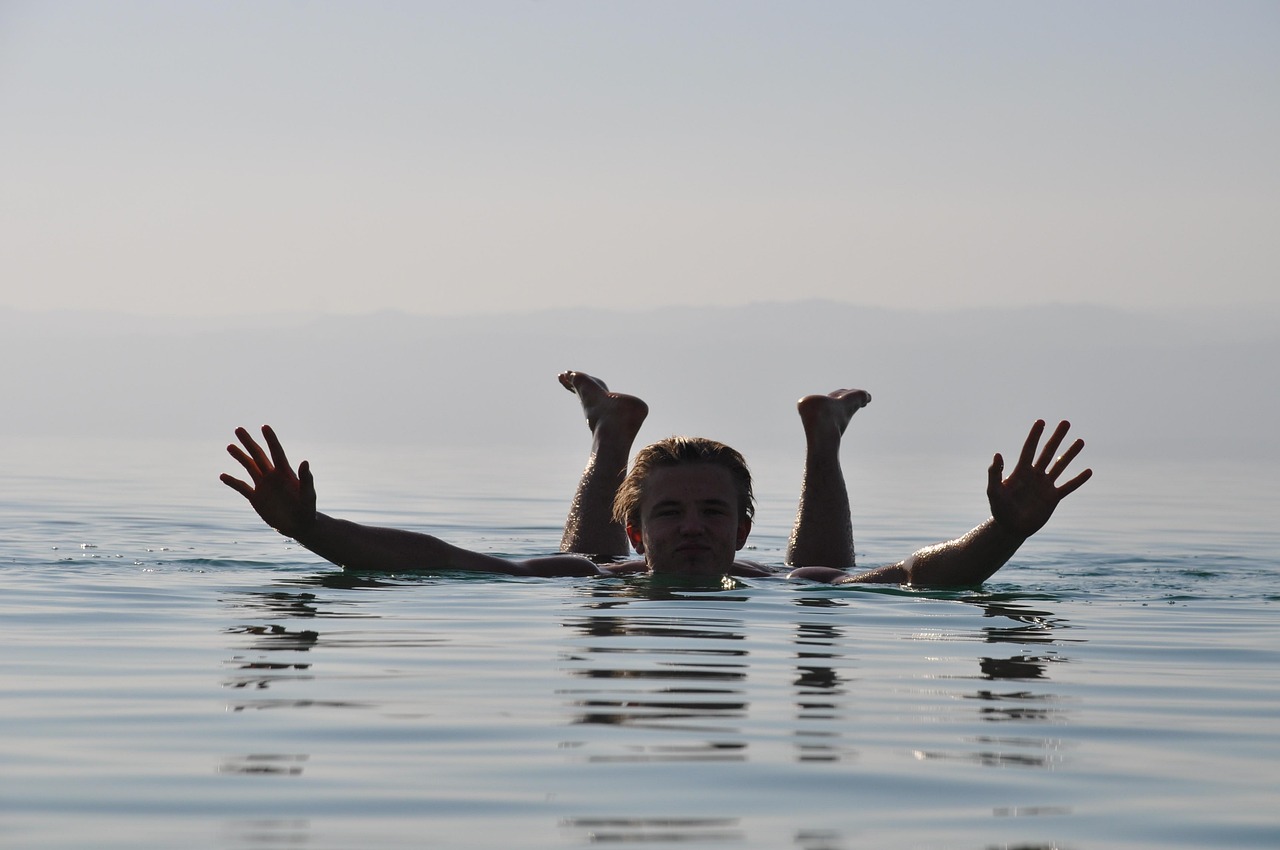
For a small country, Jordan packs in a remarkable range of landscapes. Along its western edge runs the great rift valley, dropping to the Dead Sea, the lowest point on the surface of the earth, where the water is so heavy with salt that swimmers float like corks and the surrounding mineral mud is prized for its supposed healing powers. From there the land rises to the rolling highlands where Amman and most of the population sit, green with olives and wheat in the north.
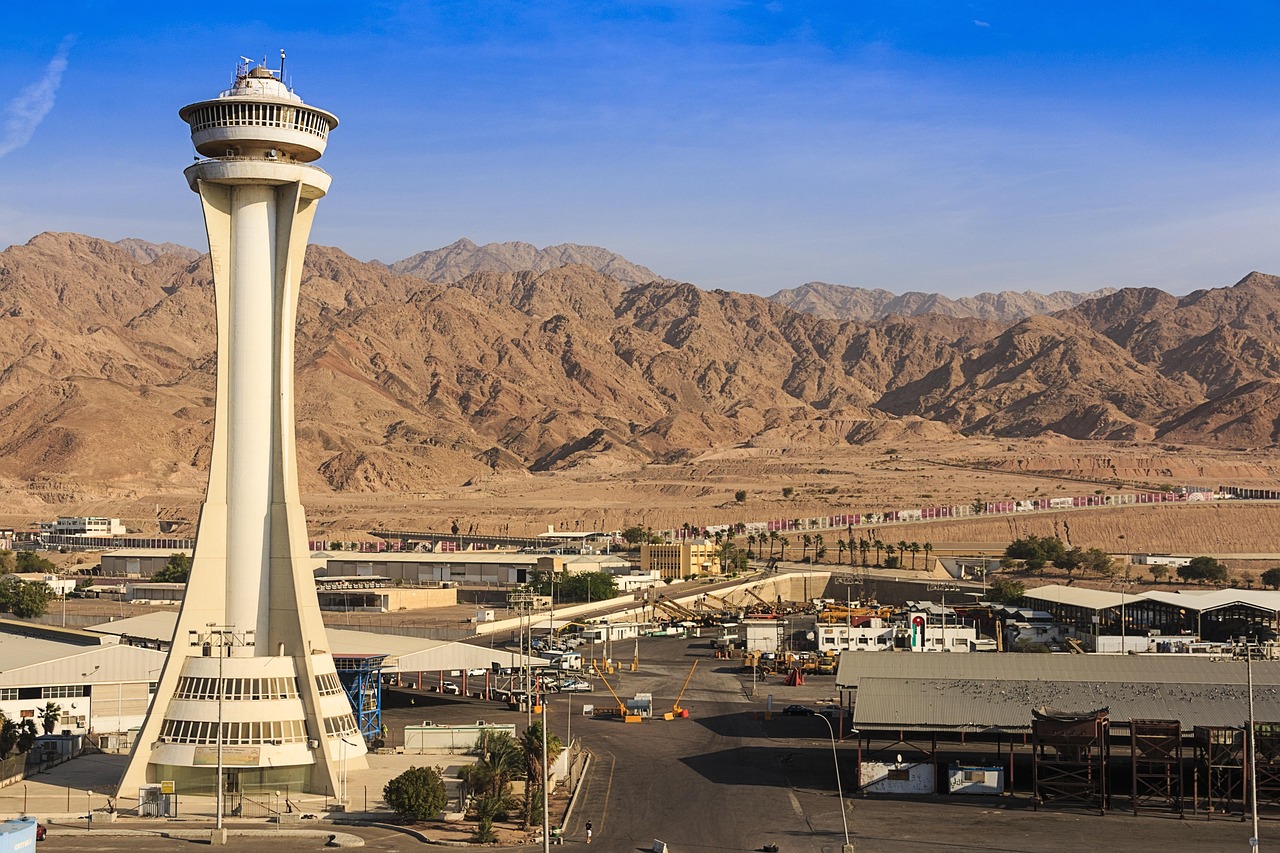
South and east the country dries into desert, the vast stony and sandy expanses that cover most of its territory. At its very southern tip Jordan touches the Red Sea at the port of Aqaba, its single small window onto the open ocean, where coral reefs draw divers and the warm sea offers a holiday escape. This compactness, the way you can move from the Dead Sea to desert castles to a coral coast in a single day, gives Jordan a concentrated beauty out of all proportion to its size.
The Table and the Feast
The pride of the Jordanian table is mansaf, the national dish, and it is far more than food. It is a great communal platter of lamb cooked in a sauce of fermented dried yogurt, served over rice and flatbread, traditionally eaten with the right hand from a shared dish. To serve mansaf is to honor guests, mark celebrations, and reaffirm the bonds of family and tribe, and the rituals around it, who serves whom, how it is shared, carry deep social meaning. No wedding, funeral, or important gathering is complete without it.
Beyond mansaf, Jordanian cooking shares the rich Levantine table of mezze, the small dishes of hummus, foul, falafel, grilled meats, and salads bright with herbs and lemon. Sweets like the cheese filled, syrup soaked knafeh are beloved, and small cups of cardamom scented coffee or sweet tea accompany every visit. Food is the language of Jordanian hospitality, which is famous even in a region known for it, and a guest is never allowed to leave hungry.
Faith and Daily Life
The great majority of Jordanians are Sunni Muslims, and Islam shapes the rhythm of daily life, from the call to prayer that drifts over the cities to the fasting month of Ramadan, when the streets empty by day and come alive at night with feasting and visiting. Yet Jordan also has a long established Christian minority, Arab Christians whose presence reaches back to the earliest days of the faith, and the kingdom has generally prided itself on a tradition of religious coexistence. The land holds sites sacred to Christians and Muslims alike, drawing pilgrims to places linked to prophets and to the life of Jesus.
This relative tolerance is part of how Jordan presents itself to the world and part of how many Jordanians understand their own society. In a region torn by sectarian violence, the kingdom has worked to keep faith a source of identity and comfort rather than a line of conflict, even as it navigates the pressures of more radical currents in the wider Muslim world.
Amman, a Capital of Hills and Newcomers
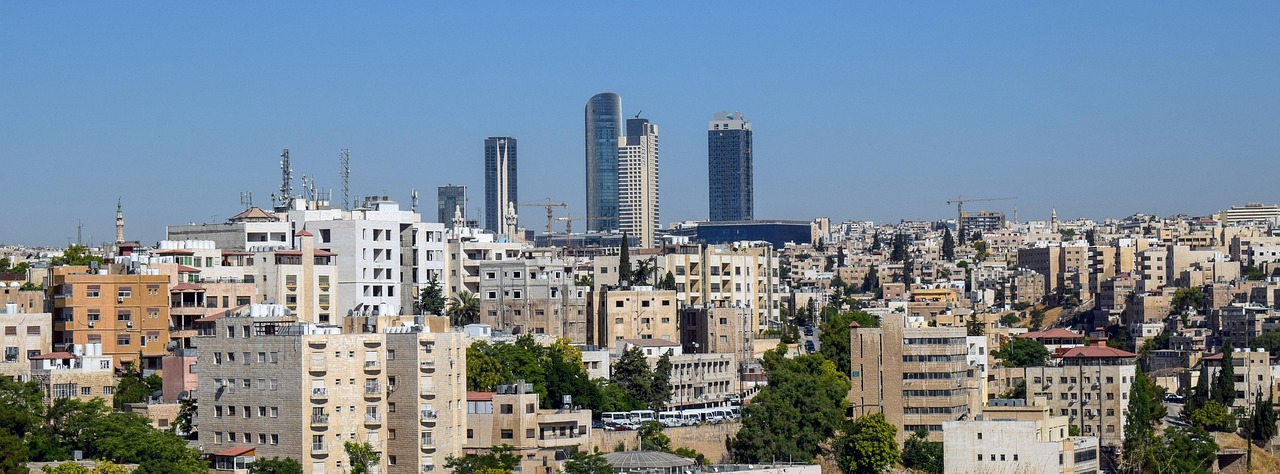
The capital, Amman, is in many ways the story of modern Jordan in miniature. A century ago it was a small town built among a handful of hills around ancient ruins. Today it is a sprawling city of millions, climbing up and down its many slopes in waves of pale stone buildings, swollen by every crisis that sent refugees its way. Its eastern districts are crowded, traditional, and working class, while the western hills hold leafy neighborhoods, cafes, galleries, and shopping malls that would not look out of place in any global city.
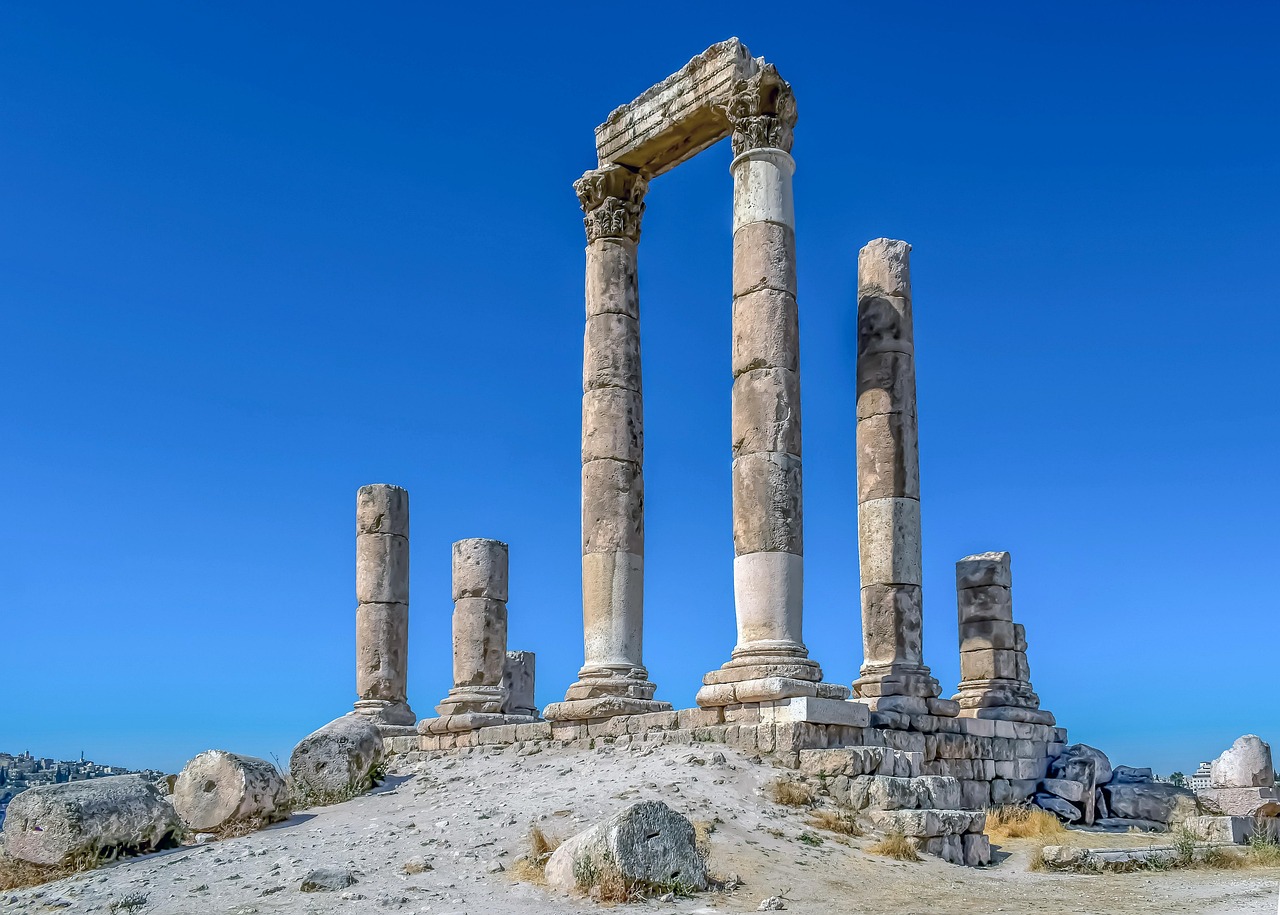
This makes Amman a city of layers and contrasts, where the muezzin’s call mixes with the hum of modern traffic, where families who arrived as destitute refugees a generation ago now run thriving businesses, and where the ancient citadel with its Roman temple looks down on a restless, growing metropolis. It is not a city of grand monuments so much as a city of human resilience, built and rebuilt by people determined to make a life in a hard region.
The Open Desert and Its Castles
Scattered across Jordan’s eastern desert stand a series of mysterious early Islamic structures often called the desert castles, built more than a thousand years ago by the Umayyad rulers. Some were hunting lodges, some bathhouses, some fortified retreats, decorated with frescoes and carvings that offer a rare glimpse of the pleasures and tastes of the early Arab elite. They sit alone in the emptiness, monuments to an age when the caliphs of Damascus came east to hunt and rest.
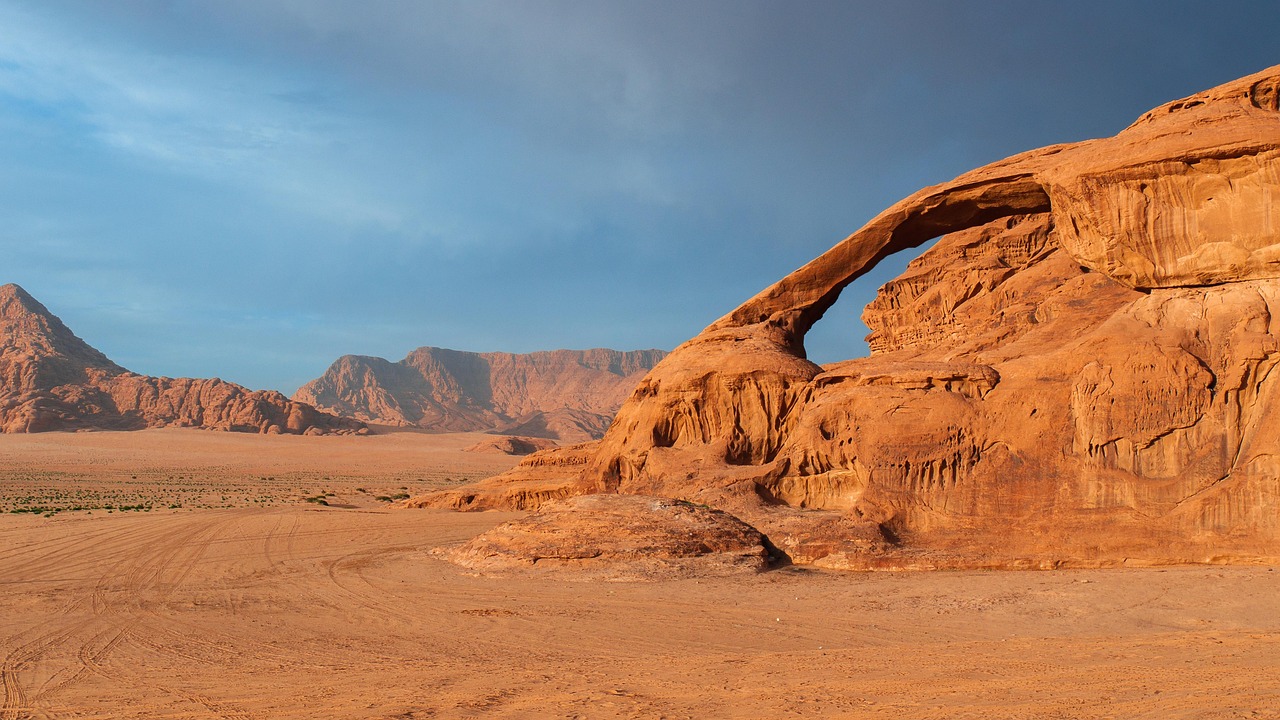
These desert reaches, which make up the great bulk of Jordan’s territory, are not empty in the eyes of the people who know them. They are crossed by ancient routes, dotted with the camps of herders, and rich in the silence and vast horizons that the Bedouin have always treasured. For Jordanians the desert is not a wasteland but a homeland of its own kind, the open space at the heart of the national imagination.
Crafts, Music, and a Living Heritage
Jordanian culture carries the imprint of both the settled towns and the desert tribes. Traditional crafts thrive around the tourist sites and beyond, the colored sand carefully layered into glass bottles, the hand woven rugs and cushions in bold Bedouin patterns, the silver jewelry and embroidered dresses that mark a woman’s region and family. In villages and women’s cooperatives, these old skills have found new life, giving rural families an income while keeping the patterns and techniques of their grandmothers alive.
Music and dance bind the community together at every celebration. The dabke, the stamping, shoulder to shoulder line dance of the Levant, fills weddings and festivals, the dancers moving as one to the beat of the drum and the wail of the reed pipe. Sung poetry in the old Bedouin style still moves listeners, its verses praising courage, lamenting loss, and celebrating love. This living heritage, neither frozen in a museum nor swept away by the modern world, is one of the ways Jordanians keep their sense of who they are amid constant change.
A Young Population Looking Ahead
Like much of the region, Jordan is a young country in the simplest sense, with a very large share of its people under the age of thirty. These young Jordanians are well educated, connected to the wider world through their phones and screens, and hungry for opportunity in an economy that struggles to provide enough good jobs. Their ambitions and frustrations are a powerful force, pushing against the limits of the old order and demanding a future with more room for talent and merit.
How Jordan answers that demand will shape its coming decades. The kingdom has bet heavily on education, on technology, and on its skilled, multilingual young people as its true resource in a land without oil. Whether it can turn that human wealth into prosperity, while preserving the stability that has been its greatest achievement, is the open question that the next generation of Jordanians will have to answer for themselves.
A Quiet Kind of Achievement
It is easy to overlook Jordan. It has no oil wealth to dazzle the world, no great army, no booming superpower economy. What it has achieved is quieter and in some ways harder. It has stayed at peace internally while war raged on almost every border. It has taken in millions of desperate people and not collapsed. It has guarded the treasures of Petra and Jerash and shared them with the world. It has held together a society of tribes, townsfolk, Palestinians, and refugees under a single flag.
The Jordanians themselves know how fragile this can feel, perched as they are between powerful and unstable neighbors, dependent on tourism and foreign aid, facing the strains of water shortage and a young population hungry for work. But they have made a habit of defying predictions of their collapse. The story of the Jordanians is the story of a people who learned that survival, stability, and the simple ability to welcome a stranger can be a form of greatness all their own.
You May Like
The Damara, an Ancient People of Namibia