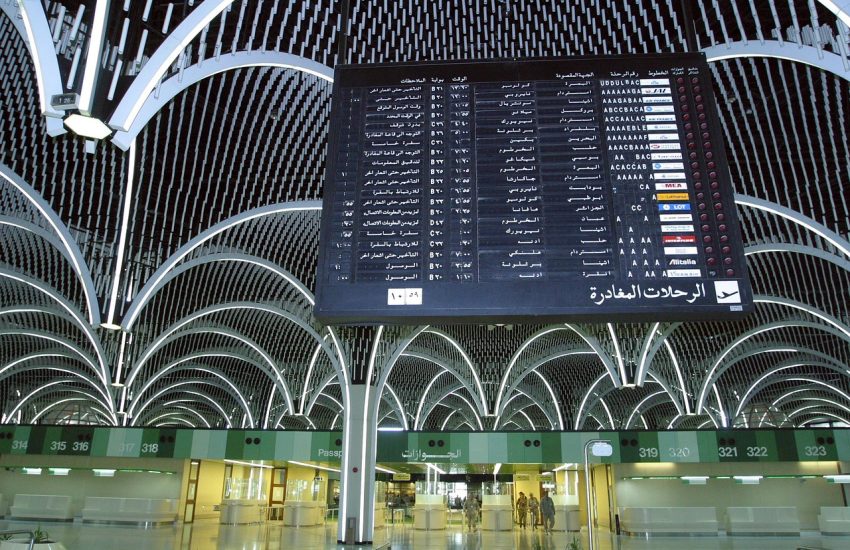
There are few places on earth where the very ancient and the dizzyingly modern sit so close together as in Saudi Arabia. This is the land where Islam was born, the home of the two holiest cities of one of the world’s great religions, a place toward which more than a billion people turn in prayer five times a day. It is also a country that within a single human lifetime went from a poor land of desert tribes and oasis towns to one of the wealthiest and most powerful states in the region, propelled by the discovery of the largest oil reserves ever found. To understand the Saudis is to understand how a people held this collision of the sacred, the traditional, and the ultramodern inside one national life.
In This Article
- The Cradle of Islam
- The Roots of the Saudi Tongue
- Tribes, Oases, and the Old Way of Life
- The Birth of a Kingdom
- The Black Gold That Changed Everything
- Riyadh and the Cities of the Future
- A Society in Rapid Change
- Faith in Daily Life
- The Saudi Table
- The Holy City of Medina
- A People Between Worlds
- Pearls, Trade, and the Sea
- Poetry, Falcons, and the Pleasures of the Desert
- The Question of What Comes Next
The Cradle of Islam
The deepest source of Saudi identity is religion. It was in the city of Mecca, more than fourteen centuries ago, that the Prophet Muhammad was born and first preached the message of Islam, and in Medina that the first Muslim community took root. These two cities remain the spiritual center of the entire Muslim world. Every year millions of pilgrims from every nation on earth converge on Mecca for the Hajj, the great pilgrimage that every able Muslim hopes to perform once in a lifetime, circling the ancient cube of the Kaaba in one of the largest gatherings of humanity anywhere.
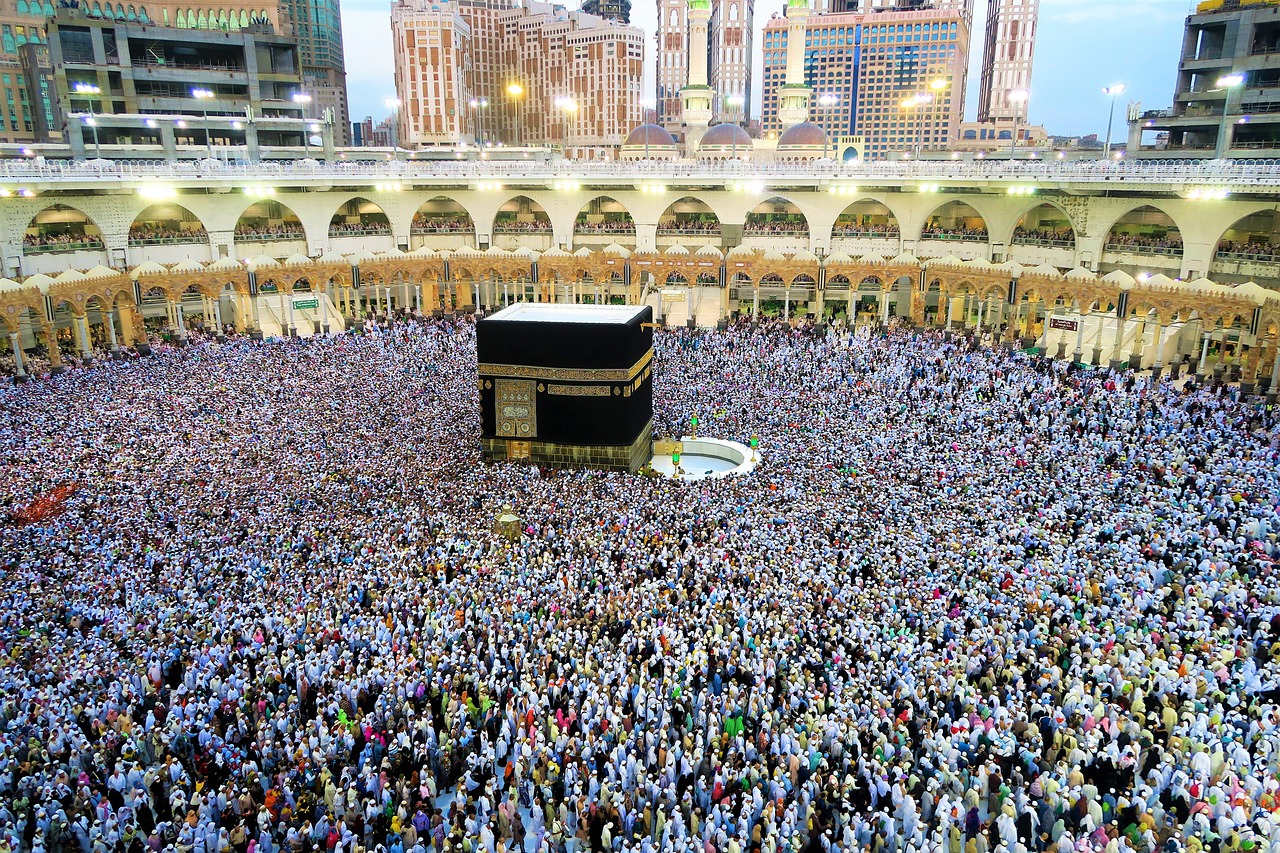
Guardianship of these holy places is the foundation of Saudi prestige and identity. The Saudi king holds the title of Custodian of the Two Holy Mosques, and the responsibility of hosting and protecting the millions of pilgrims is treated as the highest of duties. For Saudis, living in the land of revelation is not an abstract honor but a daily reality that shapes the rhythm and meaning of life.
The Roots of the Saudi Tongue
Saudis speak Arabic, and they speak it with a special pride, for this is the heartland where the language was born and the place whose dialects are closest to the classical Arabic of the Quran. Arabic belongs to the Semitic branch of the great Afro Asiatic language family, which also includes Hebrew, the Aramaic tongues, and the languages of Ethiopia. But among all the Arabic speaking peoples, the Arabs of the peninsula hold a particular place, because the deserts of Arabia were the cradle from which the language and its speakers spread across half the world.
The peninsula preserves a rich variety of Bedouin dialects, and the old oral poetry of the desert tribes, composed and recited from memory, is regarded as one of the purest expressions of the Arabic tongue. When the Quran was revealed in the elevated Arabic of this region, it fixed the language as a sacred vessel, and ever since, the speech of Arabia has carried a prestige that no later dialect could match. To speak Arabic here is to speak the original form of a language that more than four hundred million people now share.
Tribes, Oases, and the Old Way of Life
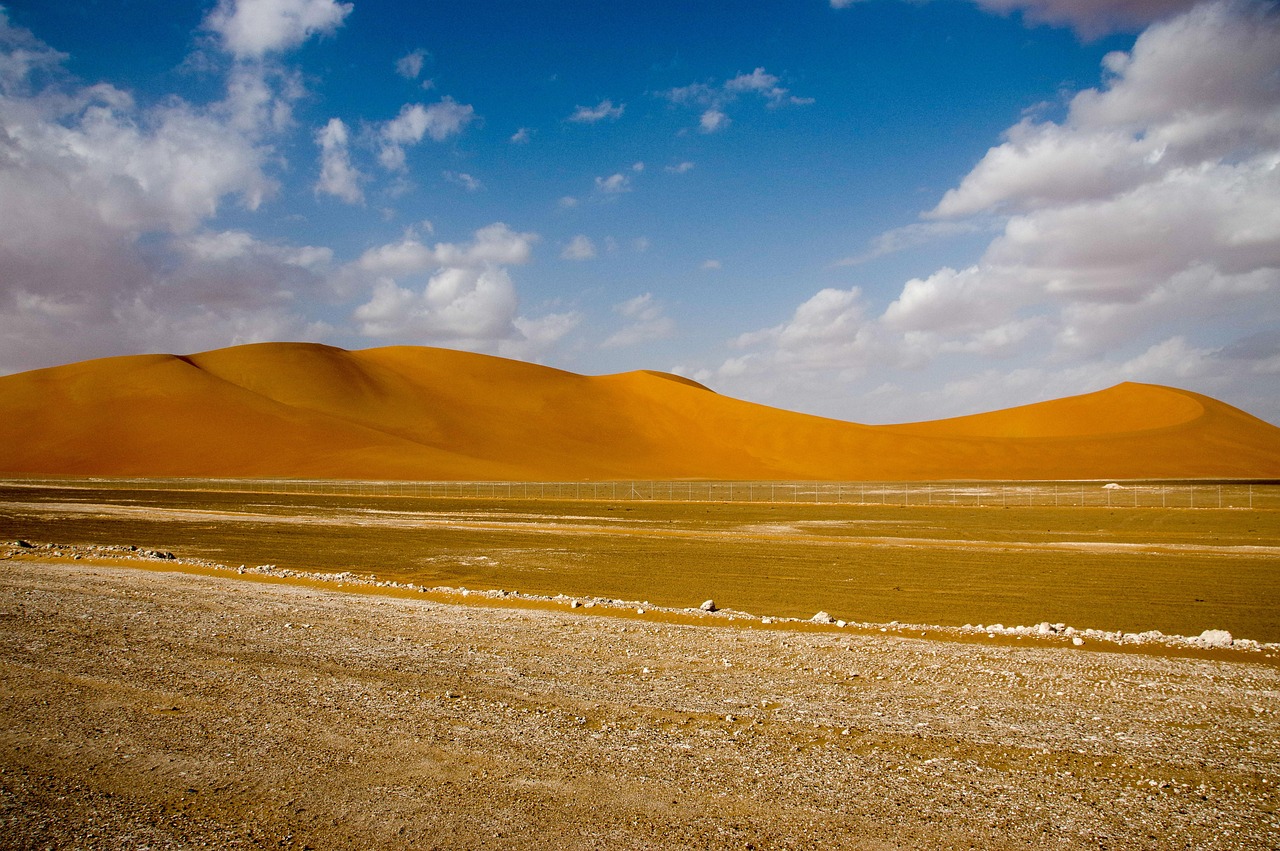
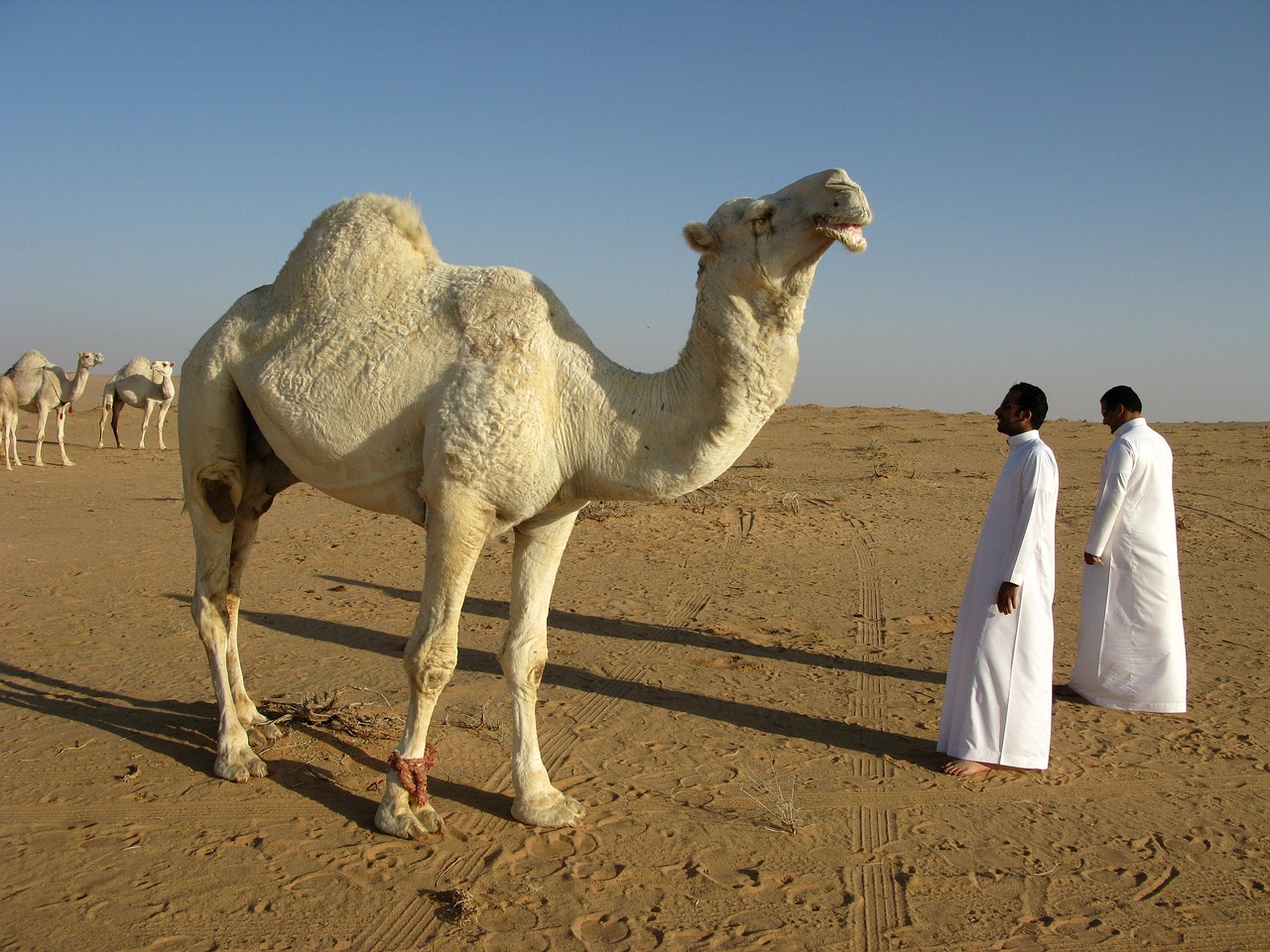
Before the modern state and before the oil, Arabia was a world of tribes. Across the vast deserts moved the Bedouin, herding camels and goats between wells and seasonal pastures, living by codes of honor, hospitality, and tribal loyalty that had endured for thousands of years. In the oases and along the coasts lay settled towns of farmers and traders, growing dates, harvesting pearls from the Gulf, and trading with passing caravans. Life was hard and often poor, governed by kinship and by the unforgiving rhythms of the desert.
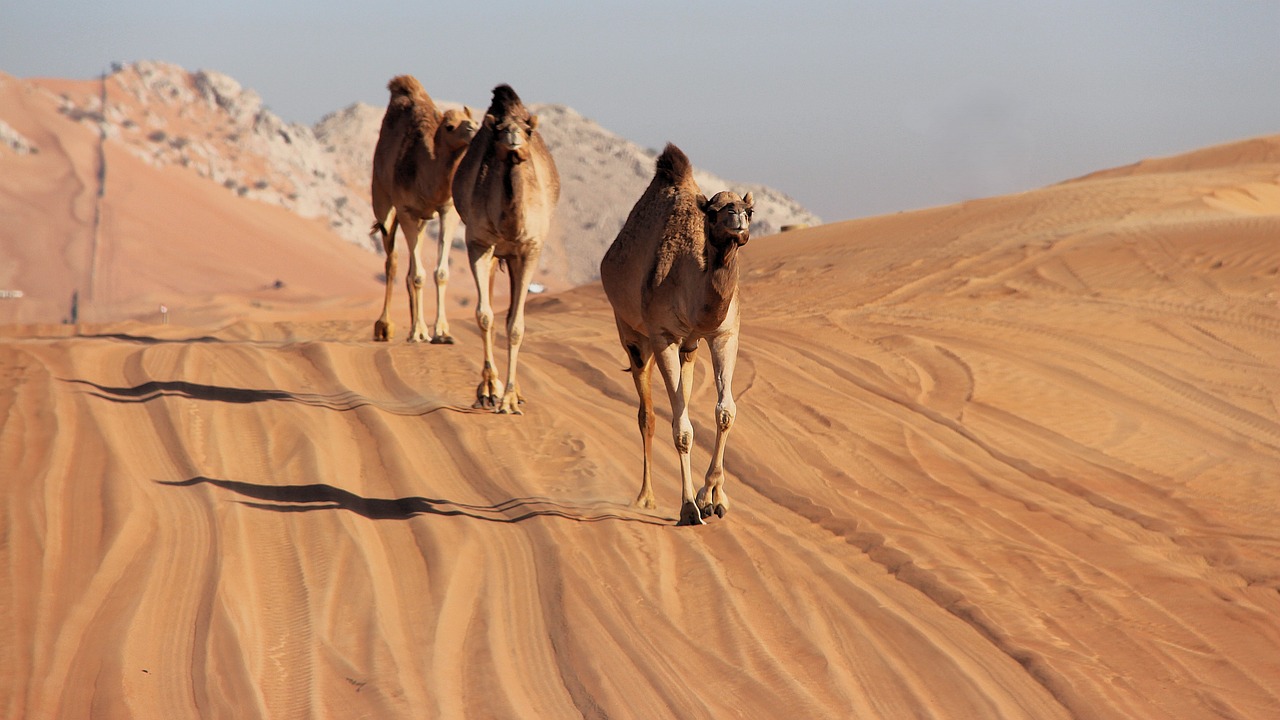
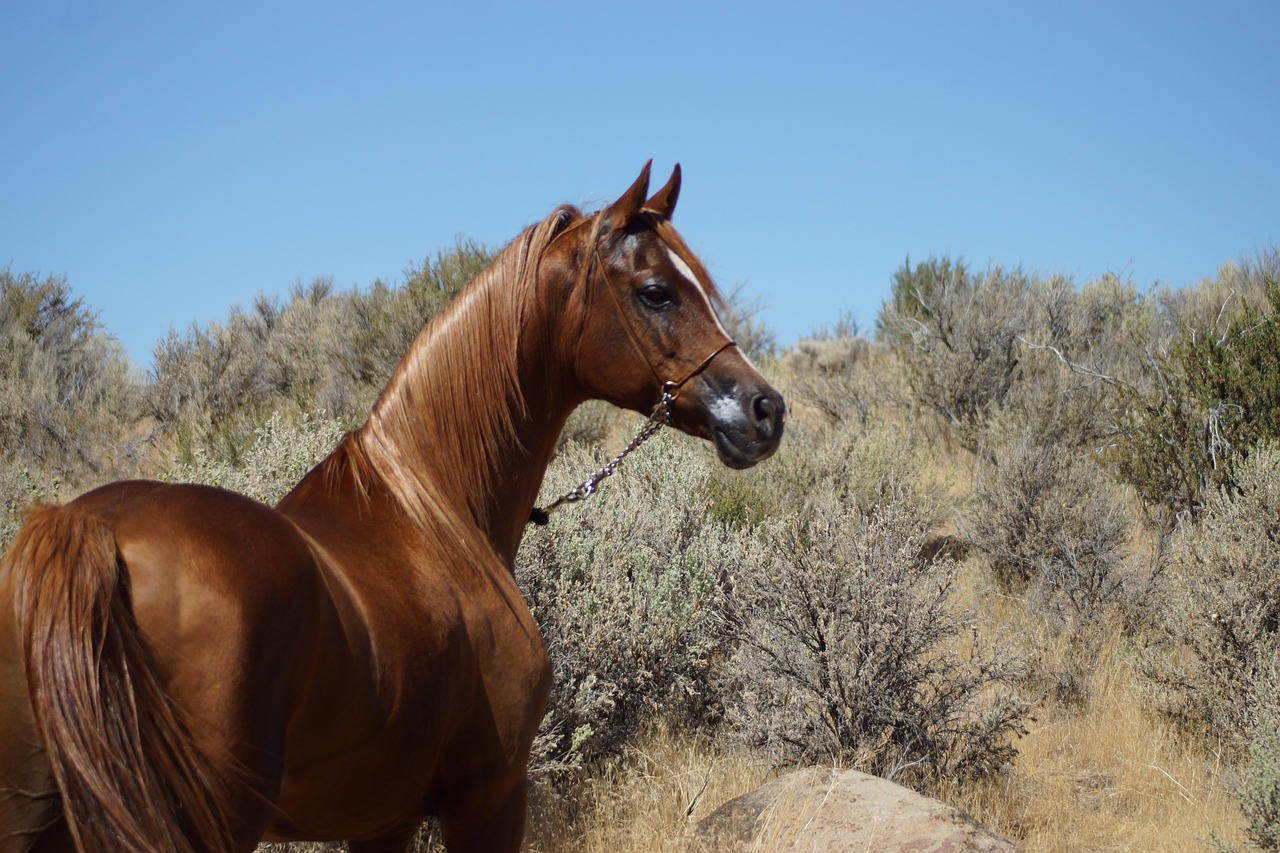
This tribal heritage did not vanish with modernization. It remains woven into the fabric of Saudi society, in the importance of family and clan, in the deep tradition of hospitality, in the prestige of camels and Arabian horses, and in a cultural memory that prizes the desert as the true and noble homeland. Even Saudis who have never left the city feel the pull of the desert, retreating to it on weekends to camp, to feast, and to reconnect with the way their grandparents lived.
The Birth of a Kingdom
The modern state was forged in the early twentieth century by a determined and gifted leader, Abdulaziz Al Saud, who over three decades united the warring regions and tribes of the peninsula under his family’s rule, founding the Kingdom of Saudi Arabia in 1932. The new country was bound together by two forces, the political authority of the Al Saud dynasty and the religious authority of a strict reformist movement within Sunni Islam, often called Wahhabism after its eighteenth century founder, with which the family had allied generations earlier.
This alliance between the throne and a puritanical religious establishment became the defining feature of the Saudi state. It gave the kingdom a powerful unifying ideology and a rigid social order, governing everything from law and education to the smallest details of public behavior. It also, in later decades, drew criticism and controversy, both within the kingdom and abroad, as the strictness of that religious order came under growing strain in a changing world.
The Black Gold That Changed Everything
In the 1930s, geologists struck oil in the eastern deserts of the kingdom, and the discovery transformed Saudi Arabia beyond recognition. Beneath its sands lay some of the largest petroleum reserves on the planet, and as the world’s thirst for oil grew through the twentieth century, a torrent of wealth poured into a country that had been one of the poorest on earth. Within a few decades, cities of glass towers rose from the desert, highways crossed the dunes, and a population that had largely lived in tents and mud brick houses gained schools, hospitals, air conditioning, and cars.
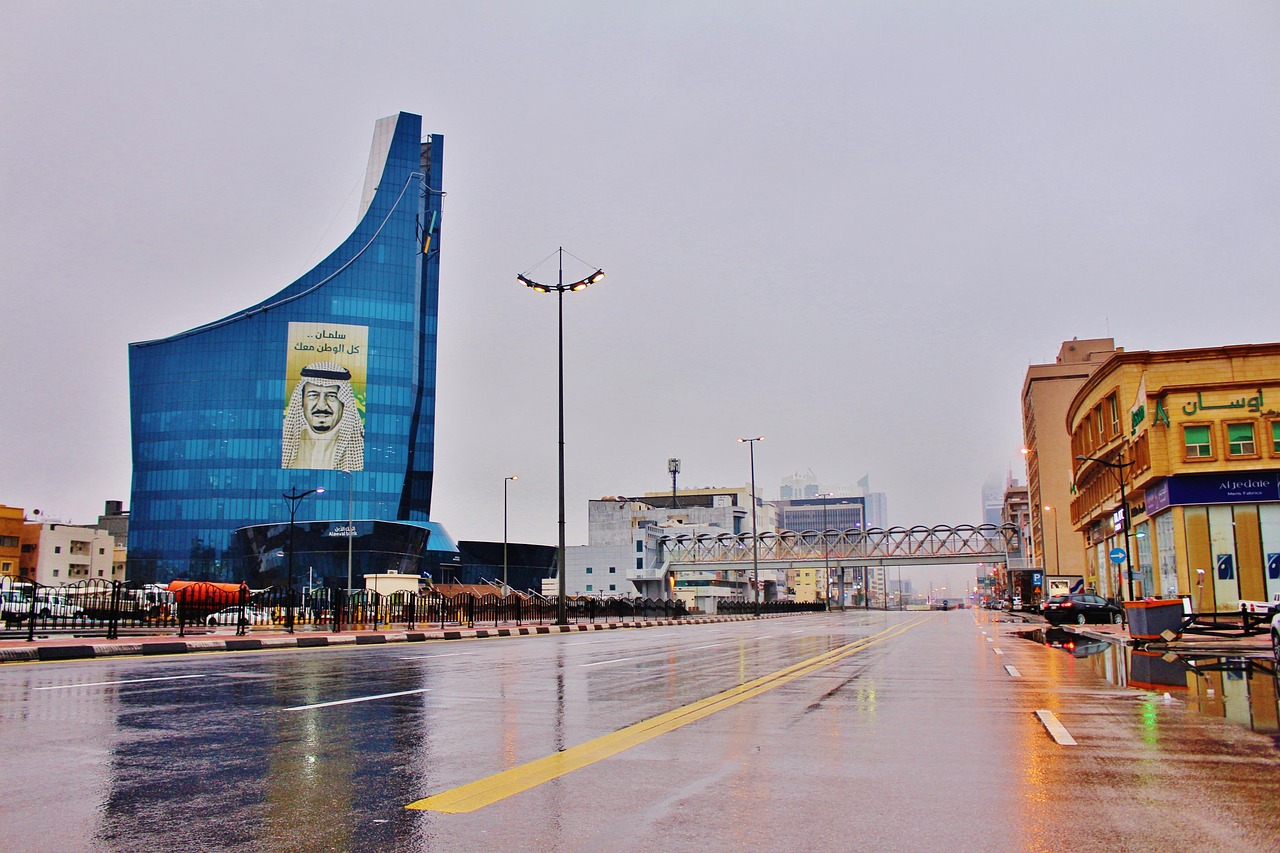
This sudden wealth made Saudi Arabia a global power. As the largest oil exporter and a leading voice in the organization of petroleum producing countries, the kingdom gained the ability to influence the world economy. Oil money funded a vast welfare state for citizens, built modern infrastructure, and gave the Al Saud the means to project influence across the Muslim world, even as smaller neighbors like Jordan charted very different paths. But it also tied the nation’s fortunes tightly to a single, finite resource, a dependence that would eventually drive the push to remake the economy.
Riyadh and the Cities of the Future
Nowhere is the transformation clearer than in the capital, Riyadh. A century ago it was a walled desert town of mud brick. Today it is a sprawling metropolis of towers, expressways, and shopping malls, home to millions, the political and financial heart of the kingdom. Along the Gulf and Red Sea coasts, cities like the commercial hub of Jeddah, gateway to Mecca for generations of pilgrims, and the oil cities of the Eastern Province pulse with modern life.
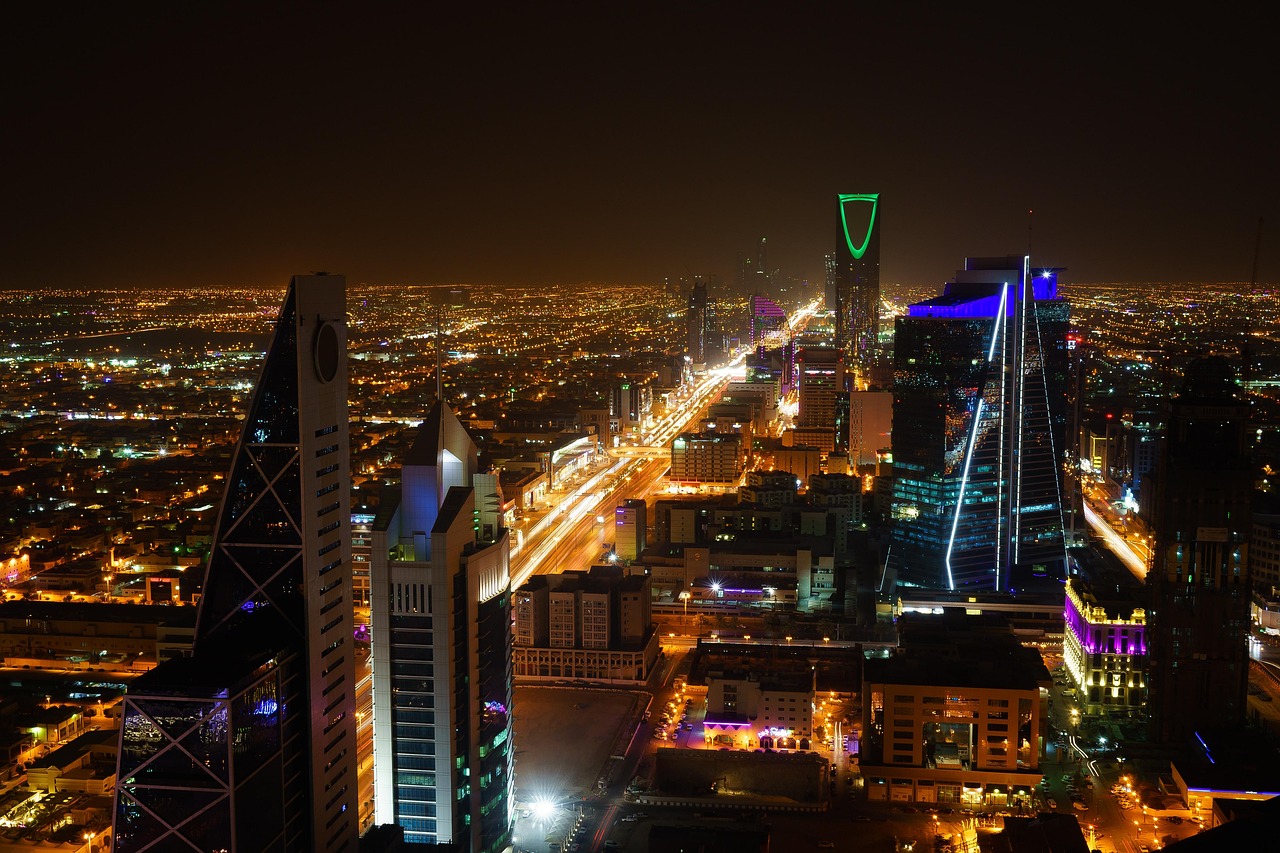
In recent years the kingdom has launched some of the most ambitious building projects on earth, including plans for entirely new cities designed around futuristic visions of technology and tourism. Whether these grand schemes fully succeed remains to be seen, but they capture the restless ambition of a country determined to be a center of the future and not merely a wellhead for the present. The skyline of Saudi Arabia today would be unrecognizable to the desert dwellers of only three generations ago.
A Society in Rapid Change
For most of its modern history, Saudi Arabia was known for one of the most conservative social orders in the world, shaped by its strict religious establishment. Public life was tightly regulated, the sexes were largely separated, cinemas were banned, and women faced sweeping restrictions, including a famous and much criticized ban on driving and rules requiring male guardianship for many basic decisions. An honest account must acknowledge that these restrictions drew sustained criticism on human rights grounds, both inside the kingdom and around the world.
In recent years the country has undergone striking and rapid social change from the top down. Women have gained the right to drive, cinemas and concerts have returned, and some of the old social restrictions have been loosened as part of a drive to modernize the economy and society. These reforms have been genuinely transformative for daily life, especially for the young and for women. At the same time, the period has also seen continued tight limits on political dissent and freedom of expression, and serious human rights concerns remain. The picture is one of a society opening socially while remaining firmly controlled politically, and both halves of that reality are true.
Faith in Daily Life
Religion structures the Saudi day in a way that visitors find immediately striking. The five daily prayers punctuate every schedule, shops close for them, and the calendar turns on the Islamic year. The fasting month of Ramadan reshapes the whole rhythm of life, with quiet days and lively nights of feasting and family visits, and the two great festivals of the Muslim year are the high points of the social calendar. For Saudis, this is not experienced as restriction so much as the natural order of a life lived in the land of the faith.
The vast majority of Saudis are Sunni Muslims, though there is a significant Shia minority concentrated in the Eastern Province, whose relationship with the state has at times been tense. The country contains no churches or temples, and its public identity is thoroughly Islamic. This deep religiosity, combined with the guardianship of Mecca and Medina, gives the Saudis a sense of special standing in the Muslim world, a responsibility they regard with great seriousness.
The Saudi Table
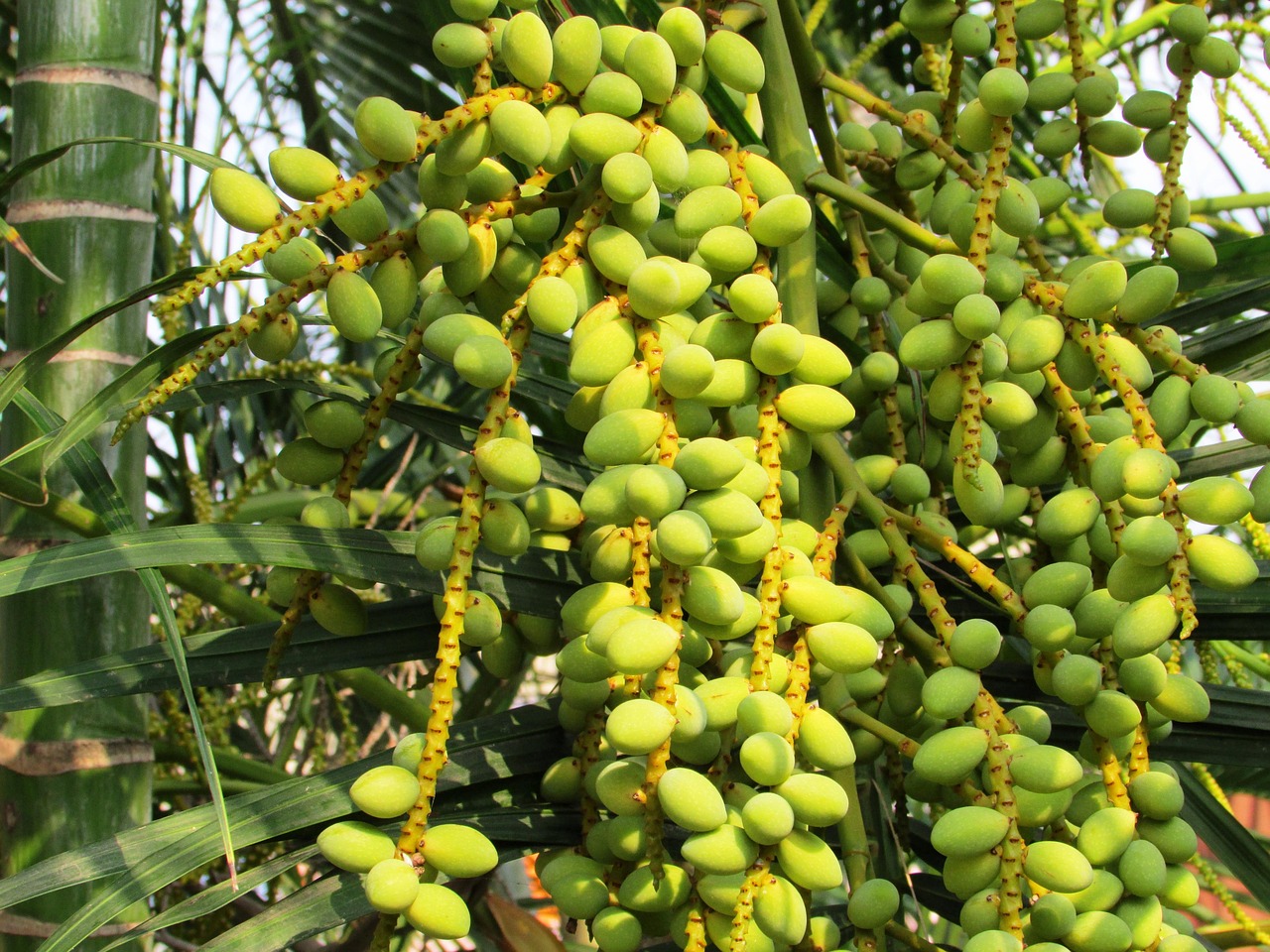
Saudi cuisine reflects both the desert and the trade routes that crossed it. The signature dish, kabsa, is a fragrant mound of spiced rice cooked with meat, often a whole lamb or chicken, flavored with cardamom, saffron, cloves, and dried lime, served on a great shared platter for the family or guests to gather around. Dates and Arabic coffee, lightly roasted and spiced with cardamom, are the universal symbols of welcome, offered to every visitor as the first gesture of hospitality.
Generosity at the table is a point of honor that reaches back to the harsh code of the desert, where to feed a traveler could mean the difference between their life and death. A Saudi host will press food on a guest far beyond what they can eat, and turning away a visitor unfed would be a deep shame. This tradition of lavish hospitality has survived the transition to wealth and city life intact, one of the clearest links between the modern Saudis and their Bedouin ancestors.
The Holy City of Medina
If Mecca is the city of pilgrimage, Medina is the city of the community, the place to which the Prophet migrated and where the first Muslim society was built. The great Prophet’s Mosque, with its soaring minarets and famous green dome, is the second holiest site in Islam, and pilgrims who come for the Hajj or the lesser pilgrimage almost always visit as well. The two cities are closed to non Muslims, reserved as sanctuaries for the faithful, which only deepens their aura in the imagination of the wider Muslim world.
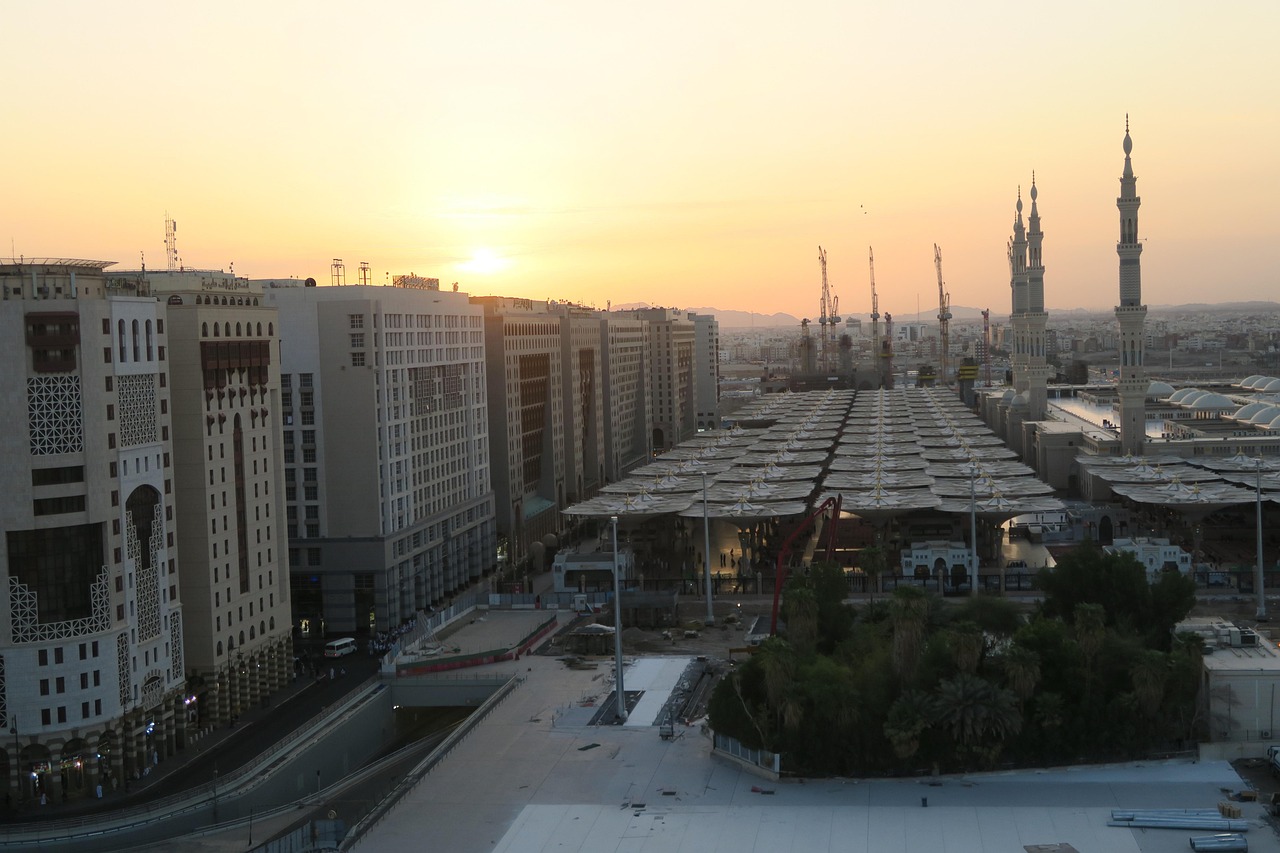
The management of the pilgrimage is an enormous undertaking, a logistical feat of housing, feeding, and moving millions of people safely through a few sacred sites in a matter of days. Over the decades the Saudi state has poured immense resources into expanding the holy mosques and the infrastructure around them. This role as host to the worldwide community of believers is, for Saudis, the very heart of what their country exists to do.
A People Between Worlds
The Saudis today live a remarkable balancing act. They are heirs to the austere desert traditions of the Bedouin and to the deep religiosity of the land where Islam began, yet they drive the newest cars, carry the latest phones, and increasingly travel and study abroad. A young Saudi might pray at dawn in the manner of their ancestors, work in a gleaming office tower by day, and spend the evening at a concert that would have been unthinkable a decade ago. Holding these worlds together inside a single identity is the central experience of modern Saudi life.
The kingdom is overwhelmingly young, with a large majority of its citizens under thirty, a generation that has grown up with the internet and global culture and that is reshaping the country from within. Their energy, ambition, and impatience are a powerful engine of change, and how the state channels them, toward opportunity or frustration, will shape the kingdom’s future as surely as any oil field.
Pearls, Trade, and the Sea
It is easy to think of Saudi Arabia as a land of pure desert, but the peninsula has two long coasts, on the Red Sea to the west and the Gulf to the east, and the sea has always been part of Saudi life. For centuries before oil, the towns of the Gulf coast lived largely from pearl diving, sending fleets of small boats out each season so that men could dive again and again into the warm water in search of oysters, a dangerous and exhausting trade that nonetheless brought the region into contact with India and the wider Indian Ocean world.
The Red Sea coast, meanwhile, was shaped by the endless flow of pilgrims arriving by ship at Jeddah on their way to Mecca, a traffic that made the port a cosmopolitan meeting place of peoples from across the Muslim world. These maritime links remind us that even the most desert bound of nations was never truly isolated, and today the Saudi coasts are being developed for tourism, with their coral reefs and warm seas marketed to a world the kingdom once kept at arm’s length.
Poetry, Falcons, and the Pleasures of the Desert
For all its modern wealth, Saudi culture keeps a strong romantic attachment to the old pursuits of the desert. Falconry, the training of hunting birds, remains a passion among Saudis of every class, a living link to the days when a good falcon helped feed a family. Camel racing and camel beauty contests draw huge interest and large prizes. And on cool weekends, Saudi families stream out of the cities to pitch tents in the desert, to sit by fires under the stars, and to recover something of the older rhythm of their people.
Above all there is poetry. The Arabs of the peninsula have always been a people of the spoken verse, and the tradition of composing and reciting poetry, especially in the Bedouin style, remains astonishingly alive. Popular televised poetry competitions draw enormous audiences, and a gifted poet can become a celebrity. In this love of the eloquent word, the Saudis stay closest to their deepest roots, for it was into the rich poetic language of this desert that the founding revelation of their faith was first spoken.
The Question of What Comes Next
Saudi Arabia stands at a genuine turning point. The oil that built the modern kingdom will not last forever, and even before it runs out, the world is slowly turning toward other sources of energy. The Saudi leadership knows this, and has staked the country’s future on a sweeping plan to diversify the economy, build new industries, develop tourism, and turn its young population into the engine of a post oil prosperity. It is one of the most ambitious national transformations ever attempted.
Whether it succeeds is one of the great open questions of the region. The obstacles are real, from the habits of a rentier economy to the tensions between social opening and political control. But the Saudis have already done the seemingly impossible once, transforming a poor desert society into a modern state in a single lifetime. Their story is still being written, by a people who carry the weight of Islam’s birthplace, the wealth of the world’s oil, and the restless ambition of a very young nation all at once.