Rising in tiers of pale granite and marble above the shining waters of Lake Pichola, the City Palace of Udaipur is one of the most romantic sights in all of India. From a distance it seems less a single building than a whole cliff of palace, its walls climbing the ridge above the lake, crowned by a skyline of balconies, cupolas, and towers that catch the light of the Rajasthani sun. It is the largest royal complex in the state of Rajasthan, and for many travelers it is the very image of the fabled land of the maharajas.
The palace is the seat of the Mewar dynasty, one of the oldest and proudest ruling houses in the world, whose rulers trace their line back across many centuries. Unlike so many palaces that stand empty as museums, the City Palace is still bound up with a living royal family, and parts of it remain their home. This continuity gives Udaipur a special atmosphere, a sense that the history it embodies has never entirely become the past.
What makes the City Palace so extraordinary is not one grand hall but an accumulation of courtyards, apartments, pavilions, and terraces, built and added to by generation after generation of rulers. The result is a labyrinth of interconnected spaces, some austere and fortress-like, others glittering with colored glass, mirror-work, and painting. To explore it is to wander through centuries of Mewar history, layer upon layer, room after room.
In this article you will discover the City Palace from the dynasty that built it to its dramatic setting above the lake, through its dazzling courtyards and mirrored chambers to its life as both a museum and a living royal home. Along the way you will meet the proud traditions of the Sisodia rulers, whose sun emblem shines throughout the palace, and understand why this shimmering complex above Lake Pichola has enchanted visitors for so long.
In This Article
- The Largest Palace in Rajasthan
- The Proud House of Mewar
- Udai Singh and the Founding of a City
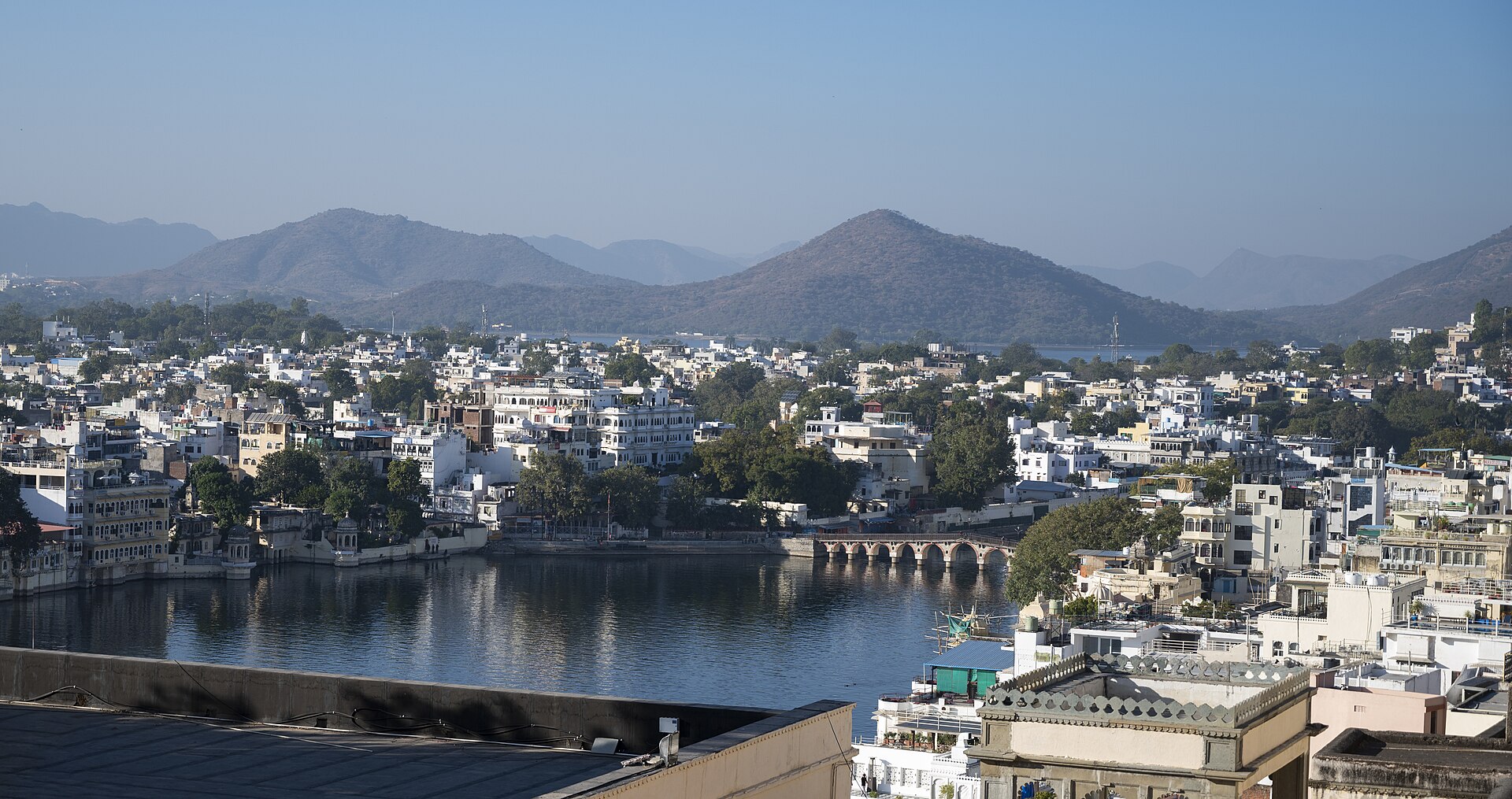
- Above the Waters of Lake Pichola
- A Fusion of Rajput and Mughal Styles
- A Labyrinth of Courtyards
- The Peacock Courtyard
- Mirrors and Colored Glass
- Balconies, Towers, and Hanging Gardens
- The Palace Museum and Royal Collection
- Children of the Sun
- A Living Royal Palace
- Visiting the City Palace Today
The Largest Palace in Rajasthan
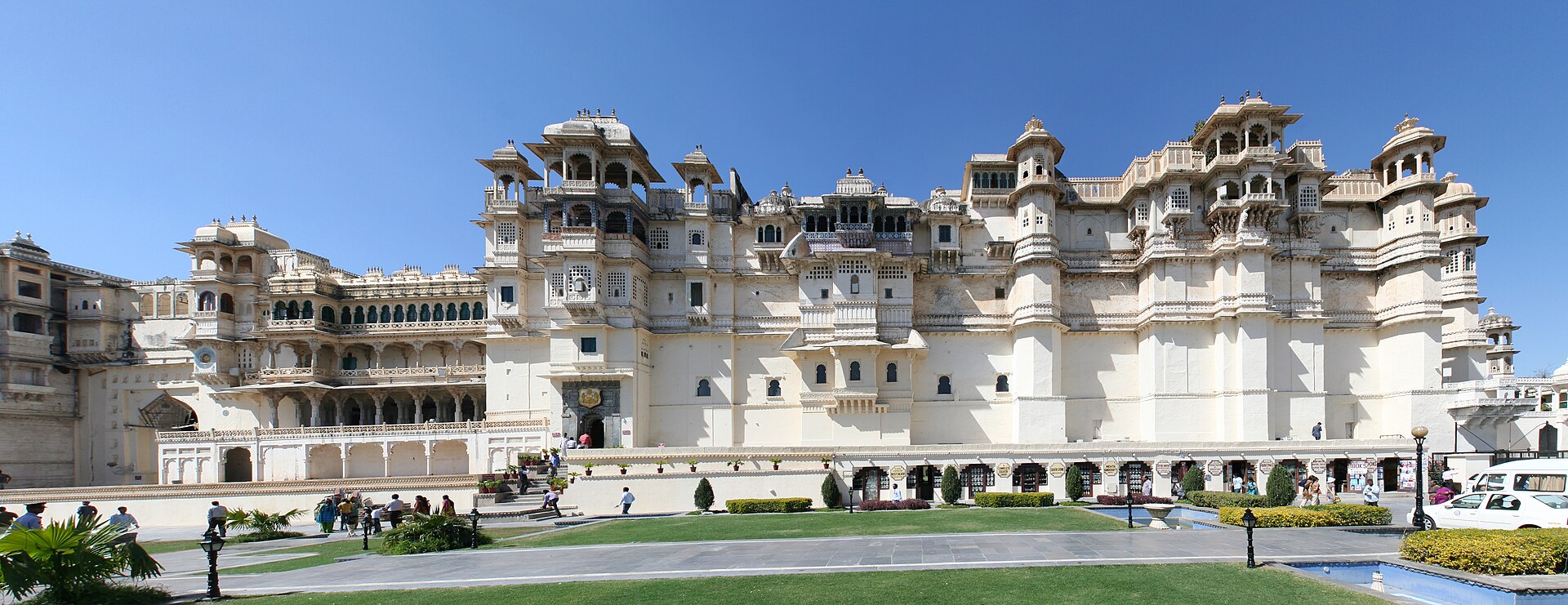
The City Palace of Udaipur is an enormous complex, the largest royal residence in the region, stretching along a ridge above the eastern shore of Lake Pichola. It is not a single palace but a cluster of palaces built close together over the centuries, their walls and courtyards linked into one vast and intricate whole that dominates the old city below.
Seen from the lake, the palace presents a long, majestic facade of pale stone, its upper levels broken by the delicate forms of balconies and domed pavilions. The lower walls are massive and plain, almost fortress-like, while the upper stories dissolve into a filigree of ornament, a contrast that captures the palace’s double nature as both stronghold and pleasure residence.
Inside, the scale is bewildering. Visitors move through a succession of courtyards and chambers, up staircases and along corridors, discovering hidden gardens and unexpected views at every turn. The complexity is deliberate, the product of many rulers each adding their own palaces and apartments while respecting what had come before, so that the whole grew organically over time.
For all its size, the palace never loses its sense of romance. The warm color of the stone, the beauty of the setting above the water, and the delicacy of the decoration combine to create an atmosphere of enchantment. This is a palace that seems to belong to legend as much as to history, and it has become the defining image of the city of Udaipur.
First-time visitors often underestimate how long the palace takes to explore, expecting a single building and finding instead a small city of interlocking residences. It is worth surrendering to that scale rather than fighting it, letting yourself get a little lost among the courtyards and stairways, for the palace reveals its secrets slowly, in glimpses and surprises rather than in one commanding view.
The warm honey color of the stone plays a large part in the palace’s charm, shifting through the day from pale gold in the morning to a deep amber at sunset. In a region famous for its light, the City Palace seems designed to be a canvas for it, and much of the emotion the building stirs comes simply from the way it holds and returns the changing colors of the Rajasthani sky.
The Proud House of Mewar
The City Palace is the seat of the Mewar dynasty, rulers of one of the most storied kingdoms of Rajasthan. The Sisodia clan of Rajputs who headed this house were famous for their fierce independence and their long resistance to outside domination, and their sense of honor and lineage runs through every part of the palace they built.

The rulers of Mewar took the title of Maharana, and they prided themselves on a heritage stretching back across many centuries, claiming descent from an ancient and noble line. This deep sense of history gave the dynasty an extraordinary pride, and the City Palace was in part an expression of that pride, a monument to the antiquity and dignity of the house of Mewar.
The history of the dynasty is filled with tales of heroism and sacrifice, of rulers who chose resistance over submission and who cherished their independence above all. These stories became central to the identity of Mewar, and the palace, with its emblems and its portraits, served to keep the memory of that proud tradition alive for each new generation.
Understanding the City Palace means understanding this dynastic pride. The building is not merely a residence but a statement about who the rulers of Mewar were and where they came from. Every courtyard and hall carries something of that identity, so that to walk through the palace is to move through the living memory of one of India’s greatest ruling houses.
The pride of Mewar was not empty boasting but rooted in a real and hard-won reputation. Among the many Rajput houses, the rulers of this kingdom were celebrated for having resisted domination longer and more stubbornly than most, and that reputation for defiance became a treasured part of their identity, one that the palace was designed to proclaim to allies and rivals alike.
Udai Singh and the Founding of a City
The City Palace, and the city of Udaipur itself, owe their existence to Maharana Udai Singh II, who founded the new capital in the sixteenth century. Seeking a more secure seat for his kingdom, he chose a site beside Lake Pichola, sheltered by hills, and there he began the palace and the city that would bear his name.
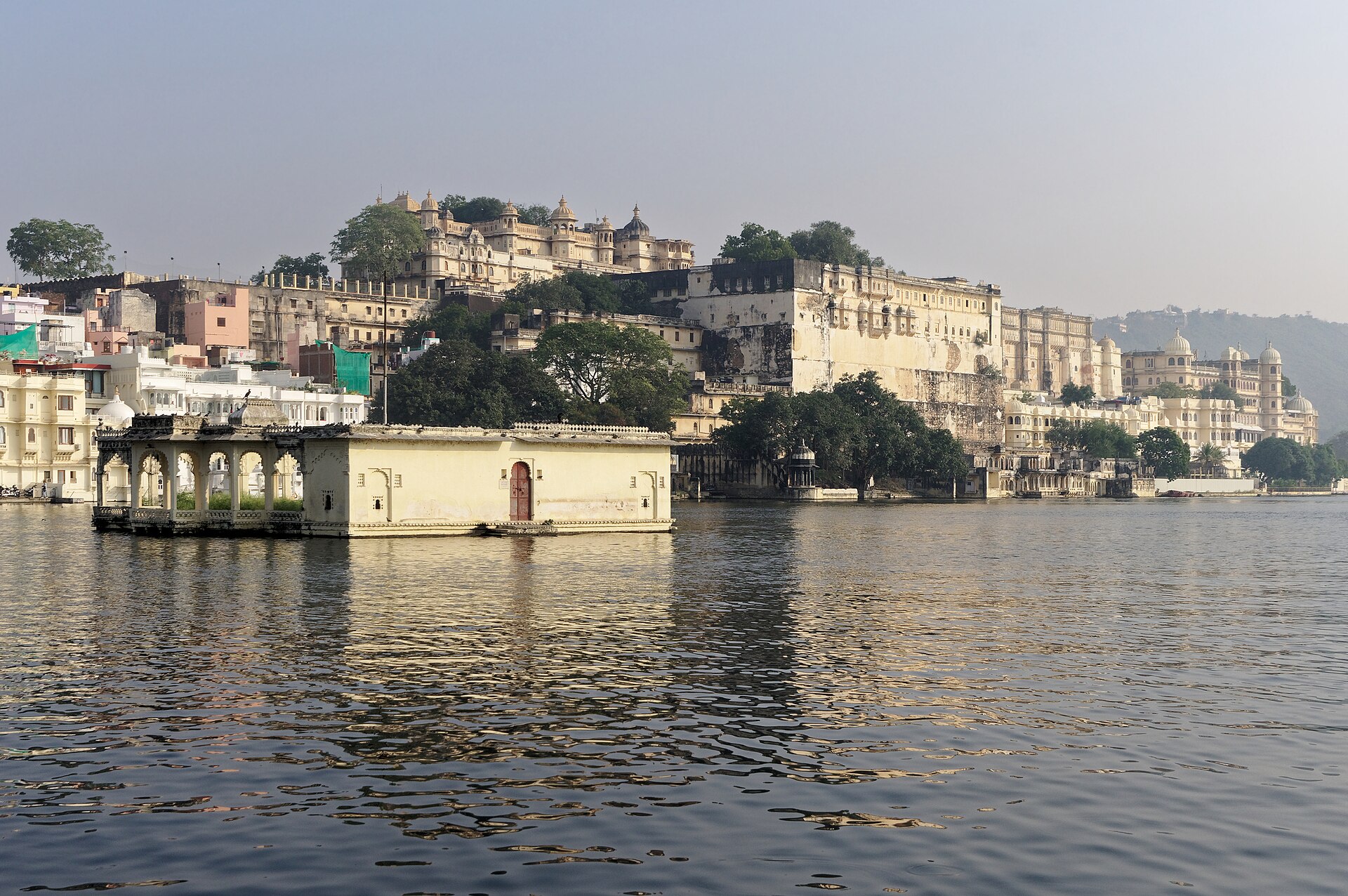
The choice of location was strategic as well as beautiful. The lake and the surrounding hills offered natural protection, and the new capital was intended to be more defensible than earlier seats of the dynasty. In time, Udaipur would become the enduring heart of Mewar, its lake-girt palace a symbol of the kingdom’s resilience.
From Udai Singh’s original foundation, the palace grew steadily as later rulers added their own contributions. Each Maharana who followed built new apartments, courtyards, and pavilions, expanding and embellishing the complex while preserving the work of their predecessors. The palace thus became a collective creation, the achievement of a whole dynasty rather than a single builder.
This organic growth over generations is part of what gives the City Palace its remarkable character. It is a building that records the history of Mewar in stone, each addition reflecting the taste and ambition of its age, all bound together into a single magnificent whole above the waters of the lake that Udai Singh chose so well.
There is a poignant symmetry in the founding of Udaipur. The dynasty had lost older strongholds to powerful enemies, and the new capital by the lake was in part a fresh start, a defiant assertion that the house of Mewar would endure. That the city and its palace not only survived but flourished for centuries afterward gives Udai Singh’s choice the air of a decision vindicated by history.
Above the Waters of Lake Pichola
The setting of the City Palace above Lake Pichola is inseparable from its beauty. The lake, itself partly created by the rulers of Mewar, spreads out below the palace, reflecting its walls and towers and setting the whole complex in a shimmering frame of water. It is one of the great marriages of architecture and landscape anywhere in India.
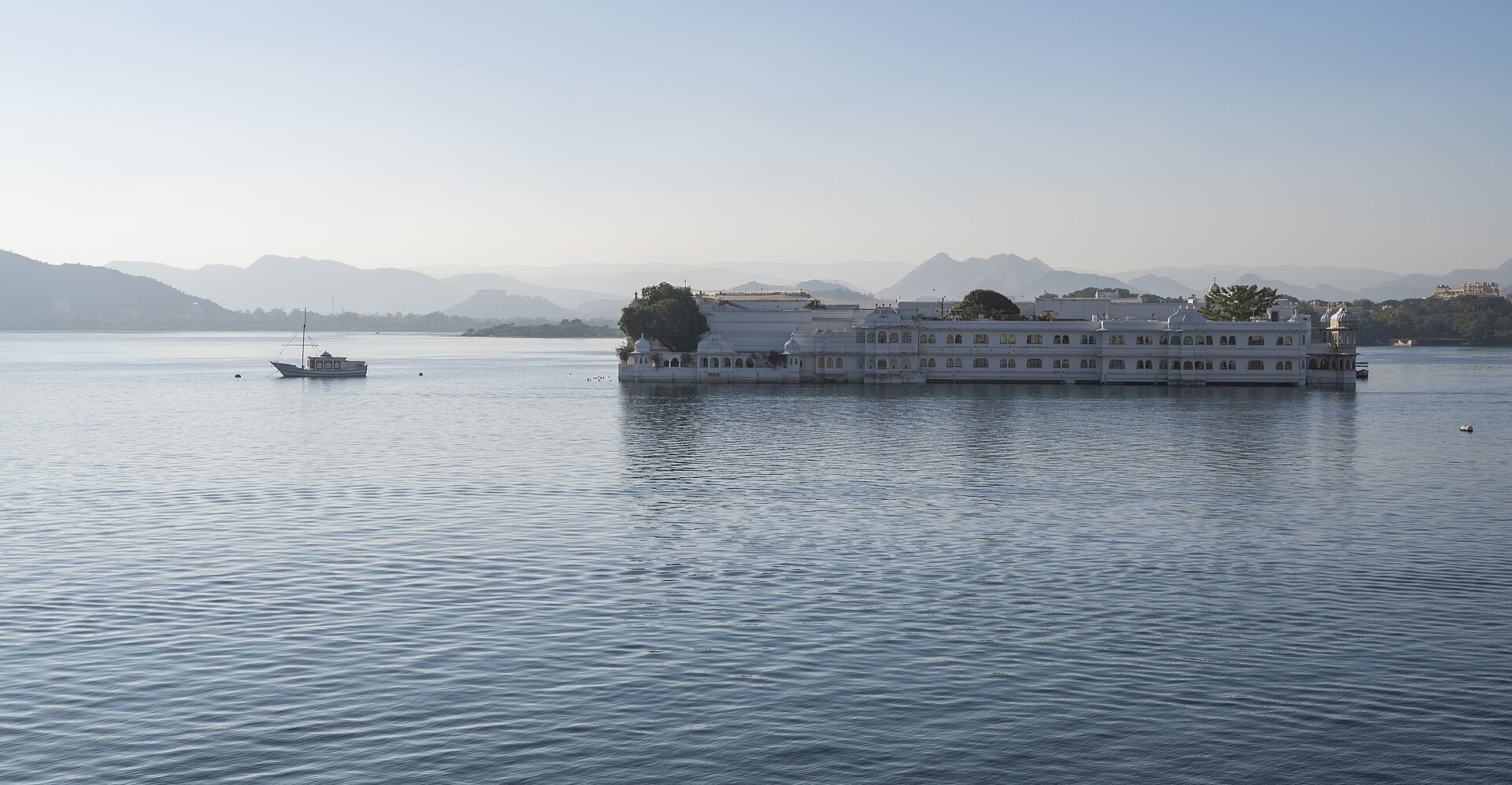
From the palace, views open across the lake to the hills beyond and to the island palaces that seem to float upon the water. These island palaces, built by later rulers as pleasure retreats, complete a scene of extraordinary romance, and they have made the lake and its palaces famous far beyond the borders of India.
The relationship between the palace and the lake was carefully cultivated. Terraces, balconies, and windows were arranged to take advantage of the views, and the water provided not only beauty but also a cooling presence in the hot climate of Rajasthan. The rulers of Mewar understood the value of their setting and made the most of it.
To see the City Palace reflected in Lake Pichola at dawn or dusk, its pale stone glowing in the changing light, is to understand why Udaipur is so often called one of the most romantic cities in the world. The palace and the lake together form a single, unforgettable image, the essence of the fabled Rajasthan of the imagination.
The lake is not entirely a work of nature. Generations of rulers shaped and maintained it, building embankments and controlling its waters, so that the shimmering expanse below the palace is itself partly a royal creation. Palace and lake were conceived together, each enhancing the other, in one of the most deliberate and successful acts of landscape-making in Indian history.
A Fusion of Rajput and Mughal Styles
The architecture of the City Palace is a rich blend of traditions, combining the robust forms of Rajput building with the refined ornament of Mughal design. Built largely of granite and marble, the palace unites strength and delicacy, its massive walls softened by intricate decoration and graceful detail.

From the Rajput tradition come the palace’s fortress-like lower walls, its towers and battlements, and its sense of proud solidity. From the Mughal world come the delicate arches, the domed pavilions, and much of the fine ornament that enriches the upper levels. The meeting of these influences produced a style distinctive to the palaces of Rajasthan.
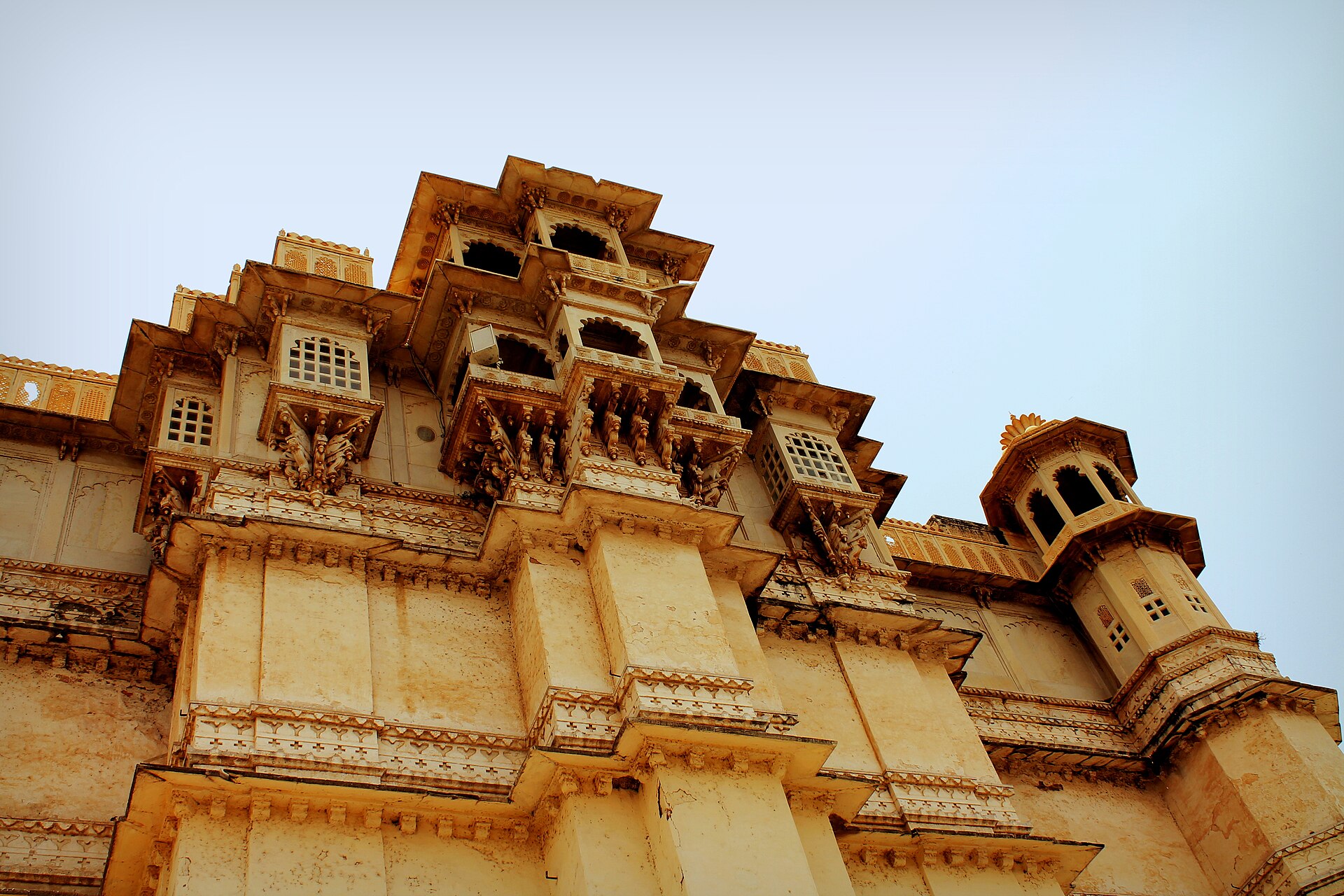
The decoration draws on a wide range of materials and techniques, including inlaid stone, colored glass, mirror-work, and painting. Ornamental balconies project from the walls, cupolas crown the towers, and courtyards are enriched with carved detail, so that the eye is constantly rewarded by the interplay of surface and shadow.
This fusion of styles reflects the complex history of the region, in which Rajput kingdoms interacted with the great Mughal empire in both conflict and exchange. The City Palace, proud symbol of Mewar independence, nonetheless absorbed and transformed elements of Mughal art, creating a synthesis that is one of the glories of Indian architecture.
What is striking is how the palace absorbs Mughal refinement without ever surrendering its Rajput character. The delicate arches and inlays sit comfortably beside the massive, defensive lower walls, and the combination never feels like imitation. Instead it reads as confidence, the work of a proud kingdom taking what it admired from a great rival and making it unmistakably its own.
The materials themselves tell a story of the land. The hard granite of the lower walls came from the hills of Mewar, tying the palace physically to its kingdom, while marble and colored stone brought refinement to the upper levels. In this rise from rough local granite to polished ornament, the very fabric of the building seems to enact the dynasty’s ascent from mountain stronghold to cultivated court.
A Labyrinth of Courtyards
One of the defining features of the City Palace is its multitude of courtyards, known as chowks, around which the various palaces and apartments are arranged. These courtyards structure the whole complex, providing light and air, and serving as the settings for both daily life and ceremonial occasions.

Each courtyard has its own character, some austere and dignified, others richly decorated and full of color. Moving from one to the next, a visitor passes through a sequence of contrasting spaces, discovering new vistas and new marvels at every turn. The courtyards are the heart of the palace, the spaces around which everything else is organized.
The arrangement of courtyards also reflects the way the palace grew over time. As each ruler added new apartments, they were built around new courtyards, linked to the existing complex by gates, passages, and stairs. The result is an intricate network of spaces, a kind of three-dimensional maze that can bewilder and delight the visitor.
Wandering through these courtyards is one of the great pleasures of the City Palace. The changing play of light and shade, the sudden views of the lake, the contrast between plain walls and dazzling ornament, all combine to make the exploration of the palace an adventure of continual discovery, unfolding courtyard by courtyard.
The transitions between courtyards were designed with care, so that a low, shadowed passage might suddenly open into a bright, ornamented chowk, or a plain stair might lead to a balcony flooded with light and views of the lake. This choreography of compression and release turns simple movement through the palace into a series of small dramas, each courtyard a fresh revelation.
The Peacock Courtyard
Among the most celebrated of the courtyards is the one adorned with magnificent peacocks, a space that ranks among the highlights of the entire palace. Here the walls are decorated with mosaics of peacocks made from thousands of pieces of colored glass and tile, their tails spread in brilliant display, glittering in the light.
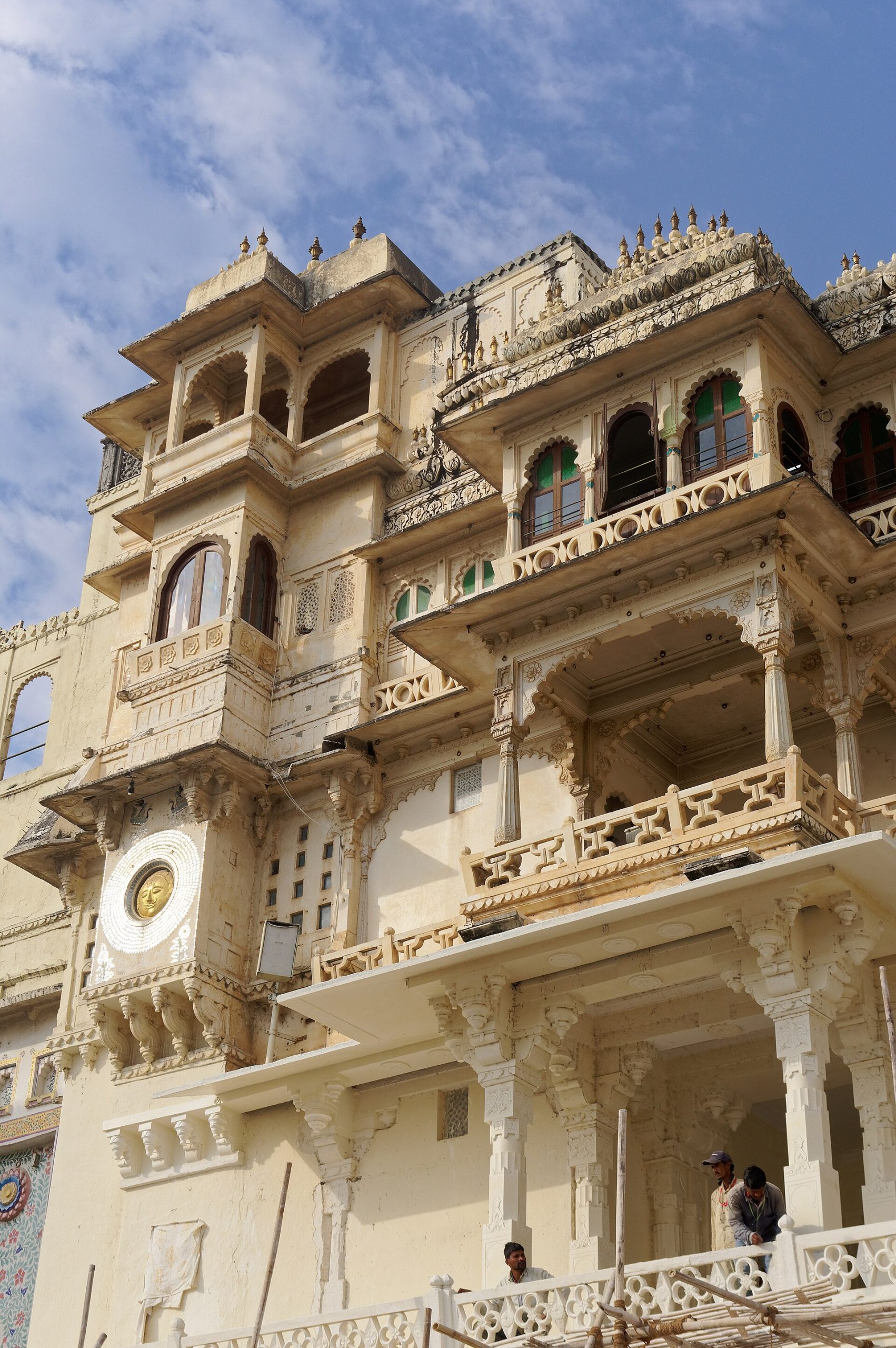
The peacock, a bird of great beauty and symbolic importance in India, was a fitting subject for such lavish decoration. The mosaics capture the splendor of the birds in radiant color, and the courtyard that holds them is one of the most beautiful and photographed spaces in the palace, a jewel of Rajput decorative art.
The craftsmanship of the peacock mosaics is extraordinary, each bird composed of countless tiny pieces set with great skill to create a shimmering, lifelike effect. Such work required immense patience and artistry, and it reflects the wealth and taste of the rulers who commissioned it, as well as the talent of the craftsmen they employed.
The peacock courtyard exemplifies the way the City Palace combines architecture with the decorative arts to dazzling effect. It is not simply a space but a work of art in its own right, a place where the eye is overwhelmed by color and pattern, and where the splendor of the Mewar court is displayed at its most exuberant.
The choice of the peacock was rich with meaning as well as beauty. Associated with the monsoon rains that bring life to arid Rajasthan, and with grace and royalty, the bird was a natural emblem for a court that prized both splendor and the life-giving power of water. In the glittering mosaics of this courtyard, art and symbolism come together in one of the palace’s most joyful displays.
Mirrors and Colored Glass
The City Palace is famous for its rooms decorated with mirrors and colored glass, a form of ornament that reaches dazzling heights in the apartments of the Mewar rulers. In these chambers, walls and ceilings are covered with tiny pieces of mirror and glass, so that a single lamp could fill the room with a thousand points of light.

This mirror-work, a tradition beloved in the palaces of Rajasthan, transformed interiors into glittering caverns of light and color. Colored glass set into windows and walls cast jewel-like tints across the rooms, while the mirrors multiplied every flame and every glint, creating an atmosphere of magical splendor.
Such rooms were meant to impress and to delight, settings for the private life and entertainments of the court. In the flickering light of oil lamps, before the age of electricity, these mirrored chambers must have seemed truly enchanted, their surfaces alive with shifting reflections, a fitting frame for the luxury of royal life.
The love of mirror and glass decoration reflects a wider aesthetic of the Rajput courts, in which the play of light and color was prized above all. The City Palace preserves some of the finest examples of this art, chambers where the humble materials of glass and mirror are raised to the level of pure enchantment.
It helps to imagine these rooms as they were meant to be seen, not under the flat light of day but in the glow of oil lamps at night. In that soft, moving light the mirrors would have come alive, scattering flames across every surface, wrapping the occupants in a shifting web of reflections. The rooms were, in effect, designed for darkness, machines for turning a little firelight into enchantment.
Balconies, Towers, and Hanging Gardens
The upper levels of the City Palace are a world of balconies, towers, cupolas, and terraces, from which the rulers and their households could enjoy the air and the views. This skyline of delicate forms gives the palace its distinctive silhouette and provides some of the most beautiful spaces in the complex.
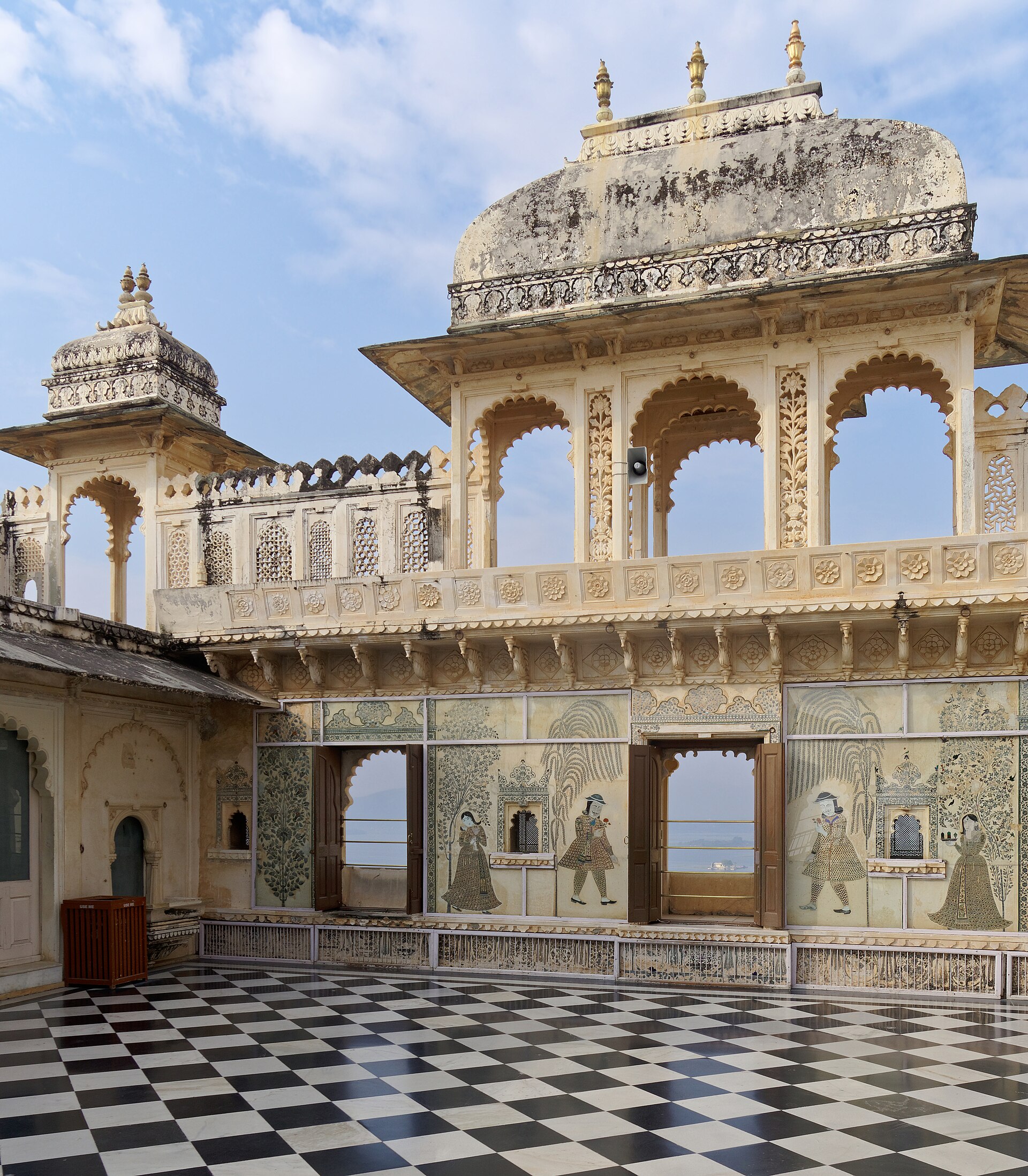
Projecting balconies, richly ornamented, allowed those within to look out over the lake and the city while remaining sheltered from the sun. Domed pavilions crowned the towers, offering shaded places to sit high above the palace, and terraces opened to the sky, catching the breezes that tempered the heat of Rajasthan.
Among the delights of the upper palace are its gardens, including elevated courtyards planted with trees and flowers, sometimes described as hanging gardens for the way they seem to float above the complex. These green spaces high within the palace offered cool and beauty, a refuge from the stone and glass of the surrounding apartments.
From these high terraces and balconies, the full magic of the palace’s setting becomes clear. The lake spreads out below, the island palaces float upon the water, and the hills rise beyond, while the city clusters at the foot of the palace walls. It is a prospect of extraordinary beauty, enjoyed by the rulers of Mewar for centuries.
The elevated gardens are a particular marvel in a land where water is precious and the climate harsh. To raise trees and flowering plants high within a stone palace required real ingenuity in carrying soil and water aloft, and the result was a luxury few could match, a green and shaded refuge suspended above the heat and glare of the city below.
The Palace Museum and Royal Collection
Much of the City Palace is now open as a museum, allowing visitors to explore its historic apartments and to see collections that illuminate the life and history of the Mewar court. The museum occupies a large part of the complex, leading visitors through courtyards and chambers filled with the treasures of the dynasty.

The collections include paintings, arms and armor, furnishings, and objects of daily and ceremonial life, offering a vivid picture of the world of the Maharanas. Among the highlights are the miniature paintings of the Mewar school, whose vibrant depictions of court life, legend, and landscape are among the glories of Indian art.
Displayed within the historic rooms of the palace, these collections gain added power from their setting. To see the arms and images of the Mewar rulers in the very apartments where they lived is to feel the presence of the past with unusual immediacy, and the museum brings the long history of the dynasty vividly to life.
For visitors, the museum is the principal way of experiencing the interior of the palace, guiding them through its most beautiful and historic spaces. It transforms the exploration of the complex into a journey through the history and culture of Mewar, room by room, courtyard by courtyard, treasure by treasure.
The Mewar miniatures deserve special attention, for they are among the treasures of Indian art. In their glowing colors and lively detail they record court ceremonies, hunts, festivals, and legends, offering an intimate window into a vanished world. To study them within the palace they depict is to see the same courtyards and terraces come alive with the figures of the past.
Children of the Sun
Throughout the City Palace appears the emblem of the sun, for the rulers of Mewar claimed descent from the sun and took the sun as their symbol. This solar emblem, a radiant face surrounded by rays, is found carved and painted throughout the palace, a constant reminder of the dynasty’s proud and ancient claims.
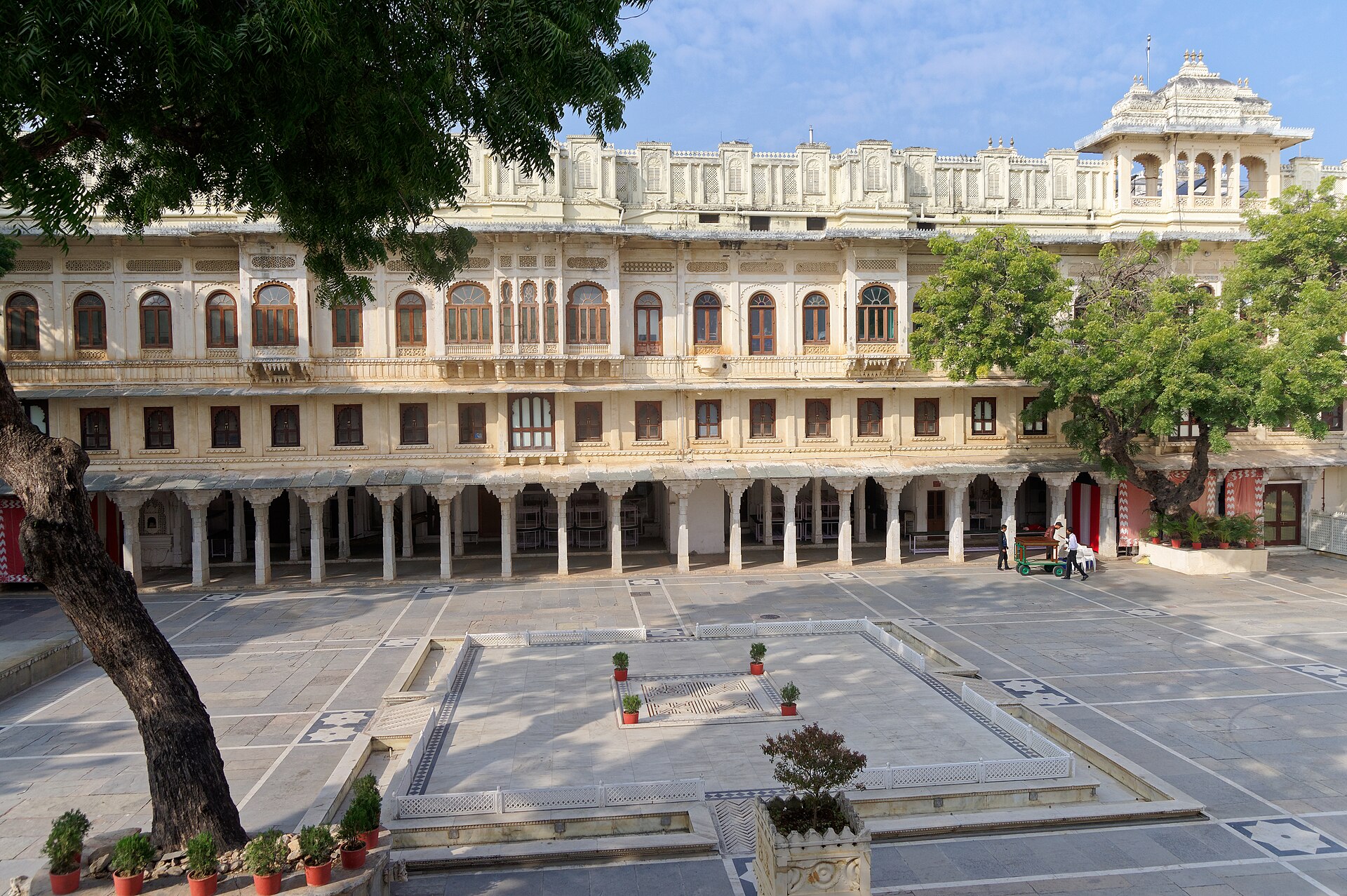
The belief in solar descent gave the house of Mewar a sense of sacred legitimacy, linking the rulers to the very source of light and life. The sun emblem was thus far more than decoration; it was a statement of the dynasty’s divine origins and its exalted place in the order of the world, displayed proudly for all to see.
One of the notable features associated with this tradition is a great sun emblem within the palace, a large ornamental sunburst that embodies the dynasty’s identity. Such emblems allowed the rulers to gaze upon the symbol of their descent even on cloudy days, keeping the sun, in a sense, always present within the palace.
The recurring image of the sun ties the whole palace together and expresses the deepest identity of its builders. In the house of Mewar, to rule was to embody the light of the sun, and the City Palace, glowing in the Rajasthani sun above its shining lake, seems the perfect residence for a dynasty that called itself the children of that very sun.
The sun emblem also served a very practical purpose in the theater of kingship. Displayed above the ruler at audience, or carried in procession, it wrapped the Maharana in an aura of cosmic authority, reminding all who approached that they stood before not merely a king but the earthly representative of the sun itself, heir to a lineage as old and as radiant as light.
A Living Royal Palace
Unlike many historic palaces that stand empty, the City Palace remains connected to a living royal family, the descendants of the Maharanas of Mewar. Parts of the complex are still associated with the family, and the traditions of the dynasty continue to be maintained, giving the palace a rare sense of continuity with its past.
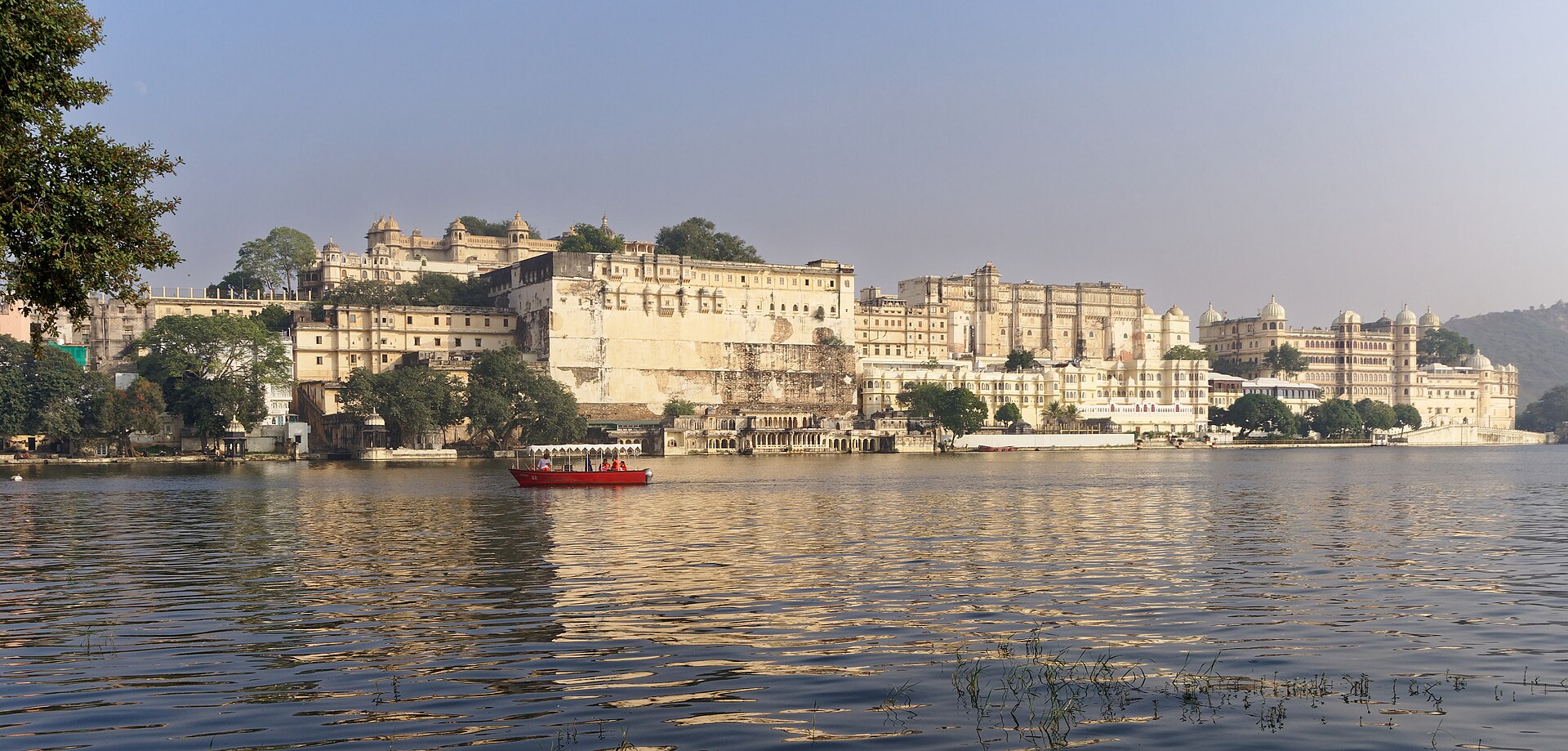
This living connection shapes the atmosphere of the palace. Ceremonies and festivals linked to the royal house still take place, and the presence of the family lends the complex a vitality that a mere museum could not possess. The City Palace is not only a monument to history but a place where that history continues in the present.
Portions of the complex have also been given new uses in keeping with the times, including the conversion of parts into luxury hotels. In this way the palace continues to live and to sustain itself, welcoming guests from around the world into settings of royal splendor while preserving the heritage of Mewar.
This blend of the historic and the living is central to the appeal of the City Palace. It is at once a treasure of the past and a working royal residence, a museum and a home, a monument and a living institution. Few palaces anywhere maintain such a vivid link between their storied history and their continuing life.
This continuity is unusual and precious. So many of the world’s great palaces have been severed entirely from the families who built them, becoming museums with no living link to their past. At Udaipur the thread has never been fully cut, and that unbroken connection lends the whole complex an emotional depth, a sense that its history is not finished but ongoing.
The conversion of parts of the complex into hotels has allowed travelers to do something rare: to sleep within a working royal palace, waking to the same views of the lake that the Maharanas enjoyed. Handled with care, this new life has helped fund the preservation of the whole, turning the challenge of maintaining so vast a heritage into an opportunity to share it with the world.
Visiting the City Palace Today
Today the City Palace is the foremost attraction of Udaipur, drawing visitors from around the world to explore its courtyards, museums, and terraces and to enjoy its incomparable setting above Lake Pichola. It lies at the heart of the old city and forms the natural starting point for any exploration of Udaipur.
View the exact location on Google Maps
A visit leads through the palace museum, winding up and through the historic apartments, the peacock courtyard, the mirrored chambers, and the high terraces with their views over the lake. The complexity of the palace means that exploring it takes time, and visitors are rewarded with continual discoveries as they move through its many spaces.
Beyond the palace itself, the setting invites further exploration, from boat trips on Lake Pichola that reveal the palace from the water to visits to the island palaces that float upon the lake. The whole ensemble of palace, lake, and city forms one of the great destinations of India, rich in beauty and history.
Whether you come for the architecture, the art, the history, or simply the romance of the setting, the City Palace of Udaipur offers an unforgettable experience. It is the shining heart of a fabled city, a monument to one of India’s proudest dynasties, and a place whose beauty above the waters of Lake Pichola lingers long in the memory.
A boat trip on Lake Pichola is the ideal complement to a tour of the palace, for only from the water can you fully appreciate the way the complex rises above its reflection, tier upon tier of pale stone crowned by cupolas and balconies. Seen from a boat at sunset, the City Palace becomes the very picture of romantic India, and the memory of it is hard to shake.
Palaces Nearby
The City Palace of Udaipur is one of the great royal residences of Rajasthan and India. More palaces of the maharajas will join it here soon, to trace the splendor of princely India across its regions.
You May Like



2 thoughts on “The City Palace of Udaipur: A Mewar Dynasty Jewel Above Lake Pichola”