On a wooded hill in the leafy Dedinje district of Belgrade, set within a great park away from the bustle of the Serbian capital, lies one of the most elegant royal estates in the Balkans. The Royal Compound is not a single palace but a pair of them, the Royal Palace and the White Palace, standing amid gardens and woodland as the seat of the Serbian royal house. Together they form a refined and beautiful ensemble, the enduring home of the dynasty that led Serbia and later Yugoslavia through some of the most dramatic decades of the twentieth century.
The Royal Compound was built in the early twentieth century by a Serbian king who sought a fitting residence for his dynasty, choosing the hill of Dedinje for its beauty and its distance from the crowded city. There he raised first one and then a second palace, each in a distinct style, and surrounded them with parkland, creating a royal estate of great elegance that would serve as the home of the crown.
The history of the compound is bound up with the turbulent history of Serbia and Yugoslavia, from the ambitions of the monarchy in its heyday through the catastrophe of war, the abolition of the crown under communism, and the long exile of the royal family, to their eventual return in the modern era. Through all these upheavals the palaces survived, and they remain today the residence of the Serbian royal house and a treasure of the nation.
In this article you will get to know the Royal Compound of Belgrade fully: the dynasty and the king who built it, the two palaces and their distinct styles, their beautiful interiors and art collections, the parkland setting, the dramatic history they witnessed, the return of the royal family, and the life of the estate today as the home of the Serbian crown and one of the most elegant royal residences in the Balkans.

In This Article
- A Royal Estate on the Hill of Dedinje
- The Serbian Royal House
- The Royal Palace
- Frescoes and Serbian Heritage
- The White Palace
- The Art Collections
- The Chapel and the Grounds
- Through War and Catastrophe
- The Compound Under a New Regime
- The Return of the Royal Family
- The Royal Compound Today
- The Compound and the City of Belgrade
- A Symbol of Endurance
A Royal Estate on the Hill of Dedinje
The Royal Compound occupies a beautiful setting on the wooded hill of Dedinje, an elegant residential district of Belgrade set apart from the crowded centre of the city. Within its great park stand two palaces, the Royal Palace and the White Palace, along with a chapel and other buildings, forming a refined royal estate amid gardens and woodland.

Unlike a single grand palace, the compound is an ensemble, a family of buildings gathered in a parkland setting to serve the needs of the royal house. The two principal palaces, built in different styles and for different purposes, complement one another, and together with their gardens and chapel they form a harmonious and elegant whole, the seat of the Serbian crown.
This character as a royal estate rather than a single monumental palace gives the compound an air of refined domesticity, a place designed for the life of a modern royal family as much as for the ceremonies of state. Set amid its park on the hill of Dedinje, away from the bustle of the capital, it is one of the most beautiful and elegant royal residences in the Balkans.
The estate’s character as a family of buildings in a park, rather than a single monumental palace, gives it a distinctive charm among the royal residences of the region. It was conceived for the life of a modern dynasty, balancing the needs of ceremony with those of a private family home, and this dual purpose is written into the elegant, human-scaled ensemble on the hill of Dedinje.
Approaching the compound through its park, with the two palaces glimpsed among the trees, a visitor feels the sense of elegant seclusion that the royal house sought in choosing this hill for its home. The estate offers a green and tranquil world within the capital, a retreat that balances the dignity of a royal residence with the intimacy of a family home amid gardens and woodland.
The Serbian Royal House
The Royal Compound is the seat of the Serbian royal dynasty, a house that rose to lead Serbia to independence and greatness and later ruled over the united kingdom of the South Slavs. The dynasty played a central role in the history of the region, guiding the nation through its struggles for freedom and its emergence as a modern state, and the compound was built as the home of this ruling house.

The king who built the compound was a monarch of ambition and vision, who sought to give his dynasty a residence worthy of its role and its aspirations. Under his rule the kingdom reached the height of its power and extent, and the building of the royal estate at Dedinje was an expression of the confidence and the ambitions of the monarchy at that time.
The history of the dynasty, like that of the compound it built, was marked by both triumph and tragedy, as the royal house led the nation through war, unification, and eventual catastrophe. The compound stands as a monument to this dynasty and its central place in the history of Serbia and the wider region, the home of a royal house that shaped the destiny of the South Slavs.
The central role of the dynasty in the history of Serbia and the South Slavs gives the compound a significance that reaches far beyond its architecture. This was the home of a royal house that guided the nation through its emergence as a modern state and its unification with its neighbours, and the estate stands as a monument to that history and to the ambitions of the monarchy at its height.
The dynasty’s story is one of both remarkable achievement and profound tragedy, marked by triumphs on the battlefield and at the negotiating table as well as by assassination, war, and exile. The compound, built at the height of the monarchy’s confidence, witnessed the full arc of this dramatic history, and it stands as the enduring home of a royal house that shaped the modern history of the region.
The Royal Palace
The principal building of the compound is the Royal Palace, the main residence built for the king and his family. Designed in a style drawing on Serbian and Byzantine traditions, the palace reflects the national and historical aspirations of the monarchy, its architecture rooted in the artistic heritage of the Serbian people and the Orthodox world.
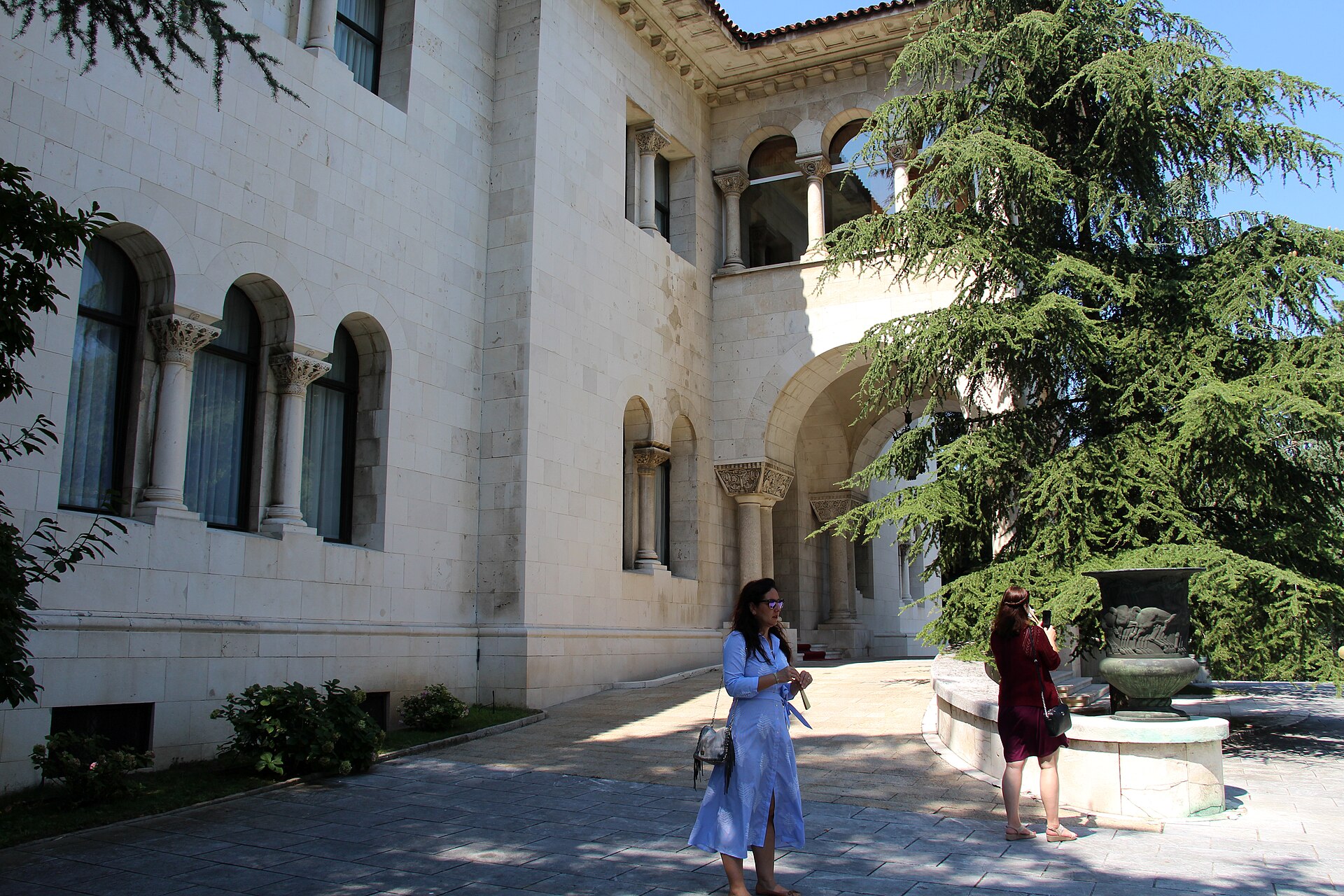
The Royal Palace is celebrated for its beautiful interiors, richly decorated in a variety of styles and adorned with frescoes, fine furnishings, and works of art. Among its most famous rooms are those decorated with murals and rich colour, drawing on the traditions of Serbian and Byzantine art, and others in more European styles, creating interiors of great richness and beauty.
The palace was designed as the family home and official residence of the king, a place of both domestic life and ceremony. Its interiors, from the grand reception rooms to the more intimate family spaces, reflect the taste and aspirations of the monarchy, and they make the Royal Palace one of the most beautiful royal interiors in the region, a treasure of Serbian art and craftsmanship.
The decision to build the main palace in a style drawing on Serbian and Byzantine traditions was a deliberate statement of national identity, rooting the monarchy in the artistic and religious heritage of the people. This gives the Royal Palace a distinctive character among European royal residences, and its national decoration is one of the features that most fascinates visitors to the compound.
The interiors of the Royal Palace, from the frescoed rooms in the Serbian tradition to the more European salons, reveal the wide-ranging taste of the monarchy and its desire to unite national heritage with royal grandeur. To move through these rooms is to encounter both the artistic soul of Serbia and the cosmopolitan culture of a European royal house, a combination that gives the palace its distinctive richness.
Frescoes and Serbian Heritage
One of the most distinctive features of the Royal Palace is its use of decoration drawing on the Serbian and Byzantine artistic heritage, most notably in rooms adorned with frescoes and rich colour in the manner of the medieval Serbian tradition. This decoration reflected the monarchy’s desire to root itself in the national and Orthodox culture of the Serbian people.

The frescoed rooms and the decoration inspired by medieval Serbian art give the palace a distinctive national character, setting it apart from the more purely European royal residences of the region. This drawing upon the artistic traditions of the Serbian past was a deliberate statement of national identity, expressing the monarchy’s connection to the deep heritage of the nation.
This blend of national tradition and royal grandeur is one of the most fascinating aspects of the Royal Palace, reflecting the particular history and culture of Serbia and its monarchy. The frescoes and the decoration inspired by the Serbian and Byzantine past make the palace not only a beautiful residence but an expression of national identity, a royal home rooted in the heritage of its people.
The frescoed rooms of the Royal Palace, drawing on the traditions of medieval Serbian art, are among the most beautiful and distinctive interiors in the region. They reflect the monarchy’s deep connection to the Orthodox and national heritage of Serbia, and they give the palace an atmosphere quite unlike that of the more purely European royal residences, rooted in the artistic soul of the nation.
The White Palace
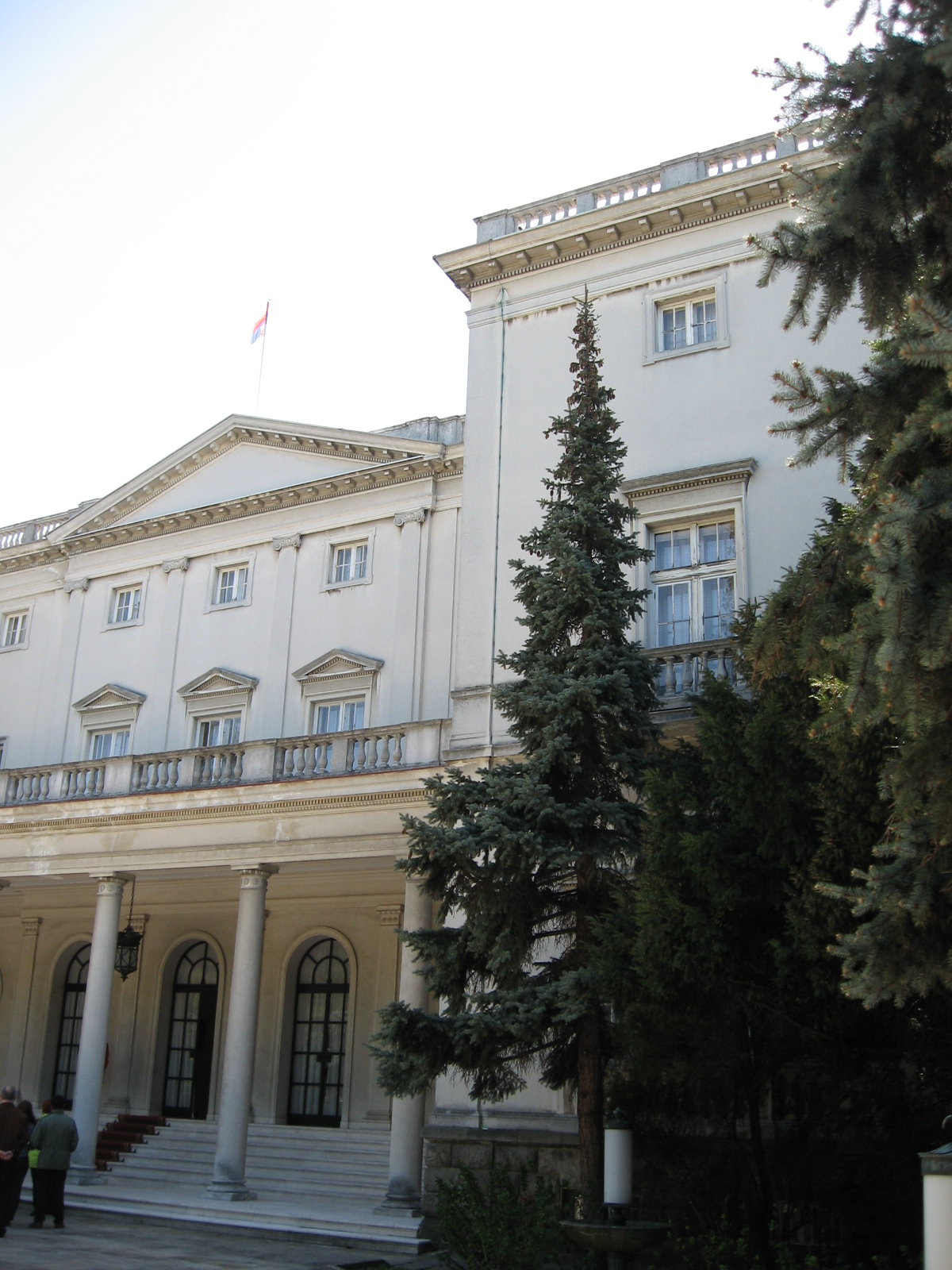
The second of the two great palaces of the compound is the White Palace, a more classical building constructed somewhat later than the Royal Palace. Designed in an elegant style inspired by the country houses of western Europe, the White Palace offers a graceful contrast to the more nationally-inspired Royal Palace, reflecting a different aspect of the taste of the royal house.

The White Palace is celebrated for its refined interiors and above all for the remarkable collection of art it contains, gathered by the royal family and including works of considerable importance. Its elegant rooms, decorated in a restrained classical style, provide a beautiful setting for this collection, making the palace a treasure house of art as well as a royal residence.
With its classical elegance and its fine art collection, the White Palace complements the Royal Palace, the two buildings together offering two distinct visions of royal taste, one rooted in national tradition and the other in the classical heritage of western Europe. Together they make the Royal Compound a place of great artistic richness and variety, reflecting the wide-ranging culture of the Serbian royal house.
The contrast between the White Palace and the Royal Palace, one classical and European, the other national and Byzantine, reflects the dual identity of the Serbian monarchy, at once part of the European family of royal houses and rooted in the distinctive heritage of its own people. Together the two palaces express this dual character, and their contrast is one of the most interesting features of the compound.
The fine art collection of the White Palace, displayed amid its elegant classical interiors, is among the treasures of the compound, reflecting the cultivated taste of the royal family. The palace offers a graceful contrast to the national character of the Royal Palace, and together the two buildings reveal the dual identity of a monarchy rooted in its own heritage yet fully part of the wider European world.
The Art Collections
The Royal Compound houses remarkable collections of art gathered by the royal family over the generations, displayed within the elegant interiors of the two palaces. These collections include paintings, sculptures, furniture, tapestries, and decorative objects, reflecting the cultivated taste of the dynasty and its role as a patron of the arts.
Among the treasures of the compound are works of considerable importance by celebrated artists, gathered by the royal family and displayed in the White Palace and the Royal Palace. These collections make the compound a treasure house of art, adding immeasurably to the interest and beauty of the palaces and reflecting the refinement and culture of the royal house.
The art collections, together with the beautiful interiors and the fine furnishings of the palaces, make a visit to the Royal Compound a rich cultural experience. They reveal the dynasty not only as a ruling house but as a family of cultivated taste and artistic patronage, and they add greatly to the appeal of the elegant royal estate on the hill of Dedinje.
The remarkable art collections of the compound, gathered by the royal family over the generations, reflect the cultivated taste of the dynasty and its role as a patron of the arts. Displayed within the elegant interiors of the two palaces, these collections turn the estate into a treasure house of art, and they add greatly to the richness and interest of a visit.
The gathering of important works of art by the royal family reflects a tradition of cultural patronage that has long been part of the identity of the dynasty. The collections displayed in the compound, from paintings to fine furnishings, reveal a royal house of genuine cultivation, and they enrich the estate immeasurably, making it a place of artistic as well as historical importance.
The Chapel and the Grounds
Within the compound stands a chapel, dedicated to the patron saint of the royal family, reflecting the deep Orthodox faith of the dynasty and its connection to the religious traditions of the Serbian people. The chapel is an important part of the estate, a place of worship for the royal house and an expression of its faith and heritage.

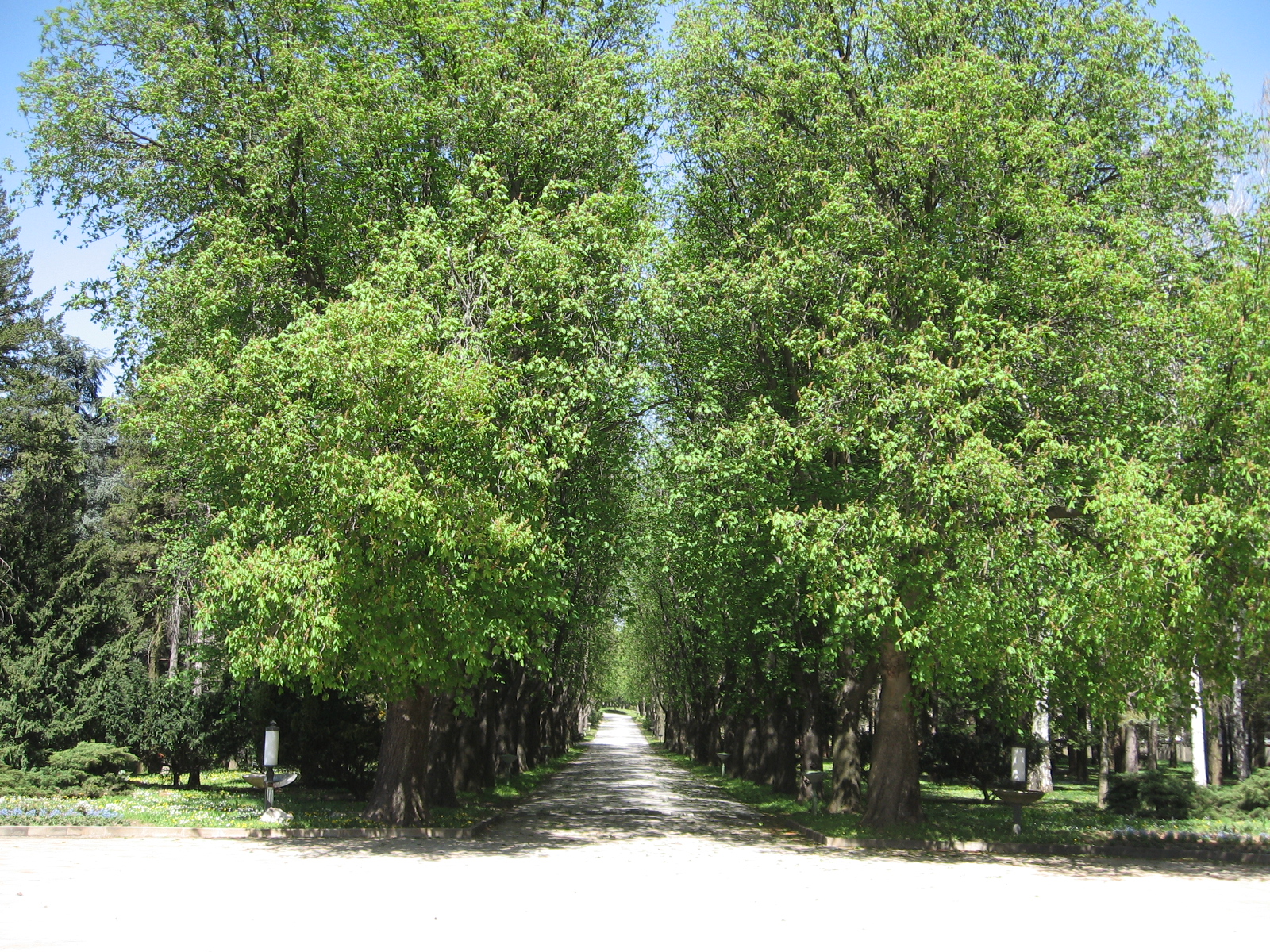
The compound is set within a great park of gardens and woodland, providing a beautiful and tranquil setting for the two palaces and the chapel. The parkland, with its lawns, trees, and ornamental features, gives the estate an air of elegant seclusion, a green retreat on the hill of Dedinje away from the bustle of the capital.
The chapel and the grounds complete the ensemble of the Royal Compound, adding to its character as a complete royal estate designed for the life of the dynasty. Together with the two palaces, they form a harmonious whole, a place of beauty, faith, and elegant retreat that has served as the home of the Serbian royal house through the dramatic decades of its history.
The chapel, dedicated to the patron saint of the royal family, reflects the deep Orthodox faith that has been central to the identity of the dynasty and the Serbian people. Its presence within the compound underlines the religious dimension of the monarchy, and it forms an important part of the estate, a place of worship and an expression of the faith and heritage of the royal house.
Through War and Catastrophe
The history of the Royal Compound is bound up with the turbulent and often tragic history of Serbia and Yugoslavia in the twentieth century. Built in the confident years of the monarchy, the compound witnessed the catastrophe of war, when the kingdom was invaded and occupied and the royal family forced into exile, the palaces falling into other hands.
During the years of war and occupation, the compound suffered the fate of the nation, its royal owners driven abroad and its future uncertain. The monarchy that had built the estate as a symbol of its confidence and ambition was overtaken by the disasters that engulfed the region, and the palaces stood as reminders of a vanished world of royal power.
With the coming of the communist regime after the war, the monarchy was abolished and the royal family remained in exile, their palaces taken over by the new state. The compound, built as the home of the crown, became the property of the communist government, and for decades it served the leaders of the new regime, its royal history seemingly at an end.
The catastrophe that overtook the monarchy and the compound during the war reflected the wider tragedy of the region, as invasion, occupation, and revolution swept away the world of the royal house. The compound, built in the confident years of the monarchy, became a witness to this catastrophe, its royal owners driven into an exile that would last for decades.
The exile of the royal family during and after the war, lasting for decades, was one of the great disruptions in the history of the dynasty, and the compound stood through these years as a reminder of a vanished royal world. That the estate survived this long separation from its owners, to be restored to them at last, is a remarkable turn in its history and a testament to the endurance of the royal house.
The Compound Under a New Regime
Under the communist regime that ruled Yugoslavia after the war, the Royal Compound was taken over by the state and used by the new leadership, its royal purpose suspended and its former owners in exile. The palaces, built for the monarchy, now served the very regime that had abolished the crown, a striking reversal of their original purpose.
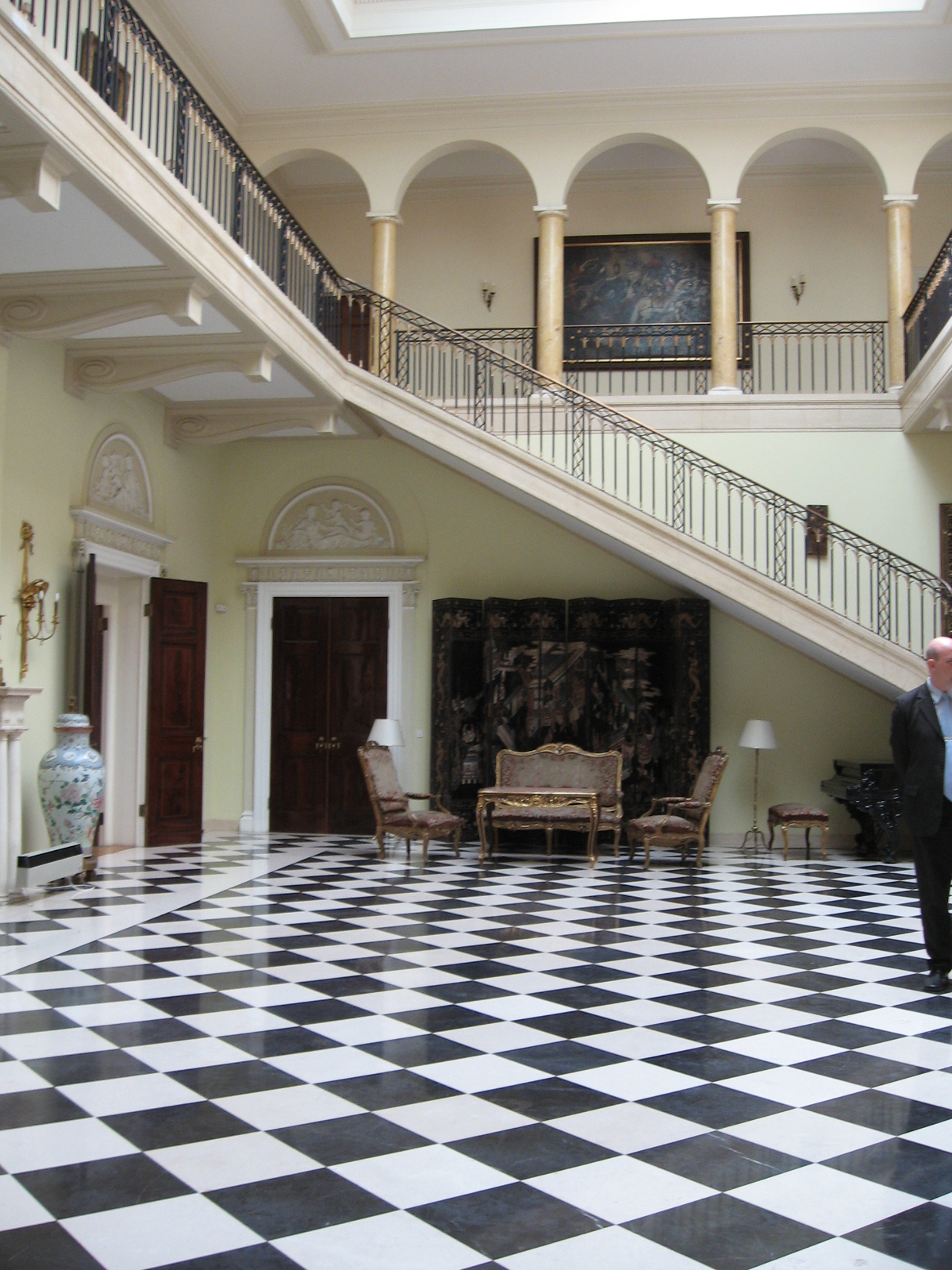
During these decades the compound was maintained and used by the state, its palaces serving as residences and settings for official functions of the communist government. Though the monarchy was abolished and the royal family absent, the beauty and importance of the palaces ensured their preservation, and they continued to play a role in the life of the state, if not the one for which they were built.
This period, when the royal estate served the regime that had displaced the monarchy, is a striking chapter in the history of the compound, reflecting the great political upheavals of the region. Yet the palaces survived intact through these years, their treasures preserved, awaiting the changes that would eventually restore them to the royal house that had built them.
The use of the royal palaces by the communist regime that had abolished the monarchy is one of the striking ironies of the compound’s history, the very buildings raised to embody the crown serving the government that displaced it. Yet this period ensured the preservation of the palaces, which survived intact to be restored, in time, to the royal house that had built them.
The Return of the Royal Family
With the fall of the communist regime and the great changes that swept the region at the end of the twentieth century, the history of the Royal Compound entered a new phase. The path was opened for the return of the royal family from their long exile, and in time the heir of the dynasty came home to Serbia and took up residence once more in the palaces his family had built.

The return of the royal family to the compound was a moment of great significance, restoring the estate to its original purpose as the home of the Serbian royal house after decades of exile and communist rule. The palaces, which had served the regime that displaced the monarchy, once again became the residence of the dynasty that had created them.
Since their return, the royal family has made the compound their home once more, and it has resumed its role as the seat of the Serbian royal house. The restoration of the estate to the dynasty, after all the upheavals of the twentieth century, is a remarkable turn in its history, and it has given the compound new life as the residence of the crown and a symbol of the endurance of the royal house.
The return of the royal family to the compound, after decades of exile and communist rule, was a moment of profound significance, restoring the estate to its original purpose and the dynasty to its home. This remarkable turn in the compound’s history reflected the great changes that swept the region, and it gave the royal estate new life as the living seat of the Serbian crown.
The homecoming of the heir of the dynasty, after the long years of exile, restored not only the estate but the continuity of the royal house, and it marked a new chapter in the history of the Serbian crown. The return gave the compound renewed life and meaning, and it stands today as a symbol of the resilience of the monarchy and its enduring place in the identity of the nation.
The Royal Compound Today
Today the Royal Compound is once again the home of the Serbian royal family, and it is also open to the public through guided tours, allowing visitors to explore the two palaces, their beautiful interiors, and their remarkable art collections. As both a living royal residence and a cultural treasure, it offers a rich and rewarding experience.

A visit reveals the frescoed rooms and national decoration of the Royal Palace, the classical elegance and art collection of the White Palace, the chapel, and the beautiful parkland setting on the hill of Dedinje. Few royal residences in the region offer so elegant and varied an experience, and the presence of the royal family gives the compound a living quality that a mere museum could not possess.
To experience the Royal Compound of Belgrade is to encounter the elegant seat of the Serbian royal house and the dramatic history of the dynasty that built it, from the confident years of the monarchy through war and exile to the return of the royal family. Set amid its park on the hill of Dedinje, the compound stands as one of the most beautiful and elegant royal residences in the Balkans and a treasure of the Serbian nation.
The presence of the royal family in the compound today gives the estate a living quality that distinguishes it from a mere museum, and the guided tours allow visitors to experience both its beauty and its history. Few royal residences in the region offer so rich and varied an experience, and the restoration of the estate to the dynasty gives every visit an added resonance.
For the visitor to Belgrade, the Royal Compound offers a rare and rewarding encounter with the elegant seat of the Serbian royal house, combining beautiful architecture, fine art, and dramatic history in a single estate. Whether drawn by the frescoed rooms, the art collections, or the parkland setting, visitors come away with a vivid impression of the dynasty and its remarkable story of endurance and return.
The Compound and the City of Belgrade
The Royal Compound stands in the elegant Dedinje district of Belgrade, set apart from the crowded centre of the Serbian capital yet firmly part of the city. Its parkland setting on the wooded hill offers a green retreat within the metropolis, and its history is bound up with that of Belgrade and the wider nation it has served.
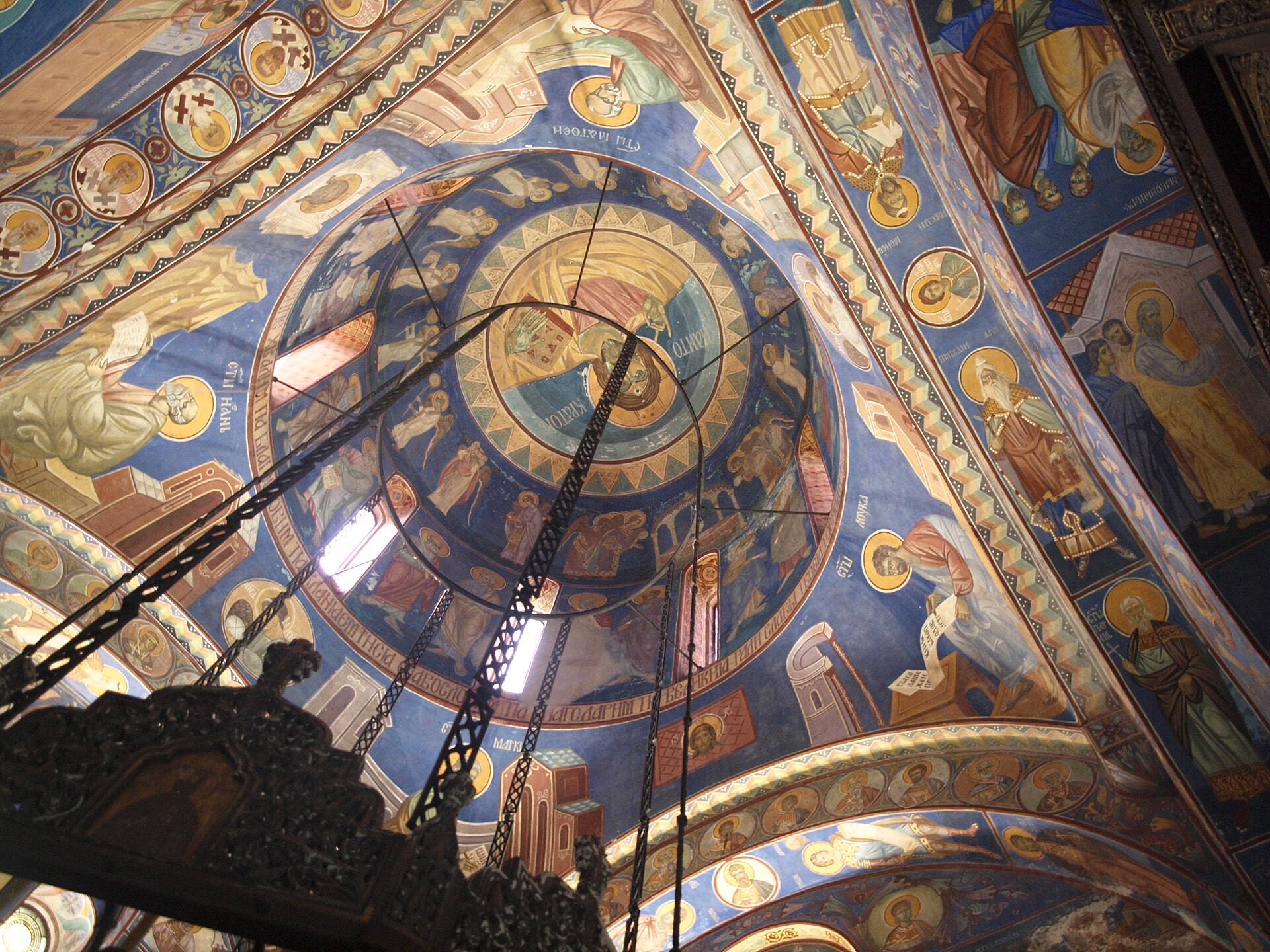
The choice of Dedinje for the royal estate reflected the desire for a residence away from the bustle of the city centre, in a district that has long been associated with elegance and prestige. The compound gave the district a royal character, and the presence of the royal estate has shaped the identity of this part of the city, one of the most refined districts of Belgrade.
As the seat of the royal house in the capital, the compound holds a special place in the life of Belgrade and the nation. It is one of the most elegant and historically important sites in the city, and its restoration to the royal family has given it renewed significance as a symbol of the Serbian crown and of the endurance of the monarchy through the dramatic history of the region.
The elegant Dedinje district, shaped in part by the presence of the royal estate, remains one of the most refined parts of Belgrade, and the compound is among its most important and beautiful sites. As the seat of the royal house in the capital, the compound holds a special place in the life of the city and the nation, a symbol of the Serbian crown at the heart of the metropolis.
A Symbol of Endurance
The Royal Compound stands as a symbol of the endurance of the Serbian royal house through the extraordinary upheavals of the twentieth century. Built in the confident years of the monarchy, it survived war, occupation, the abolition of the crown, and decades of communist rule, and it has been restored at last to the dynasty that created it, a remarkable story of survival and return.

The history of the compound mirrors that of Serbia and the wider region, from the ambitions of the monarchy through catastrophe and dictatorship to the changes of the modern era. In its survival and its restoration to the royal family, the compound embodies the resilience of the dynasty and the persistence of the nation’s royal heritage through the darkest of times.
For the Serbian royal house and for the nation, the compound is thus far more than an elegant royal estate; it is a symbol of endurance and continuity, a place where the long and often tragic history of the dynasty and the country is gathered and preserved. It stands today, restored to its royal owners, as a monument to the survival of the Serbian crown and one of the treasures of the nation.
The survival and restoration of the compound, through all the upheavals of the twentieth century, make it a powerful symbol of endurance and continuity for the Serbian royal house and the nation. In its beautiful palaces and their return to the dynasty, the compound embodies the resilience of the monarchy and the persistence of the nation’s royal heritage through the most turbulent of times.
In an age when so many of Europe’s monarchies vanished, the survival and restoration of the Serbian royal house, symbolised by the return of the family to the compound, is a story of remarkable resilience. The estate stands as a living monument to that endurance, its palaces once more serving the dynasty that built them, and its history a testament to the persistence of the crown through the upheavals of the modern age.
Palaces Nearby
The Royal Compound of Belgrade is one of the great royal residences of the Balkans and southeastern Europe, and its story finds echoes in the royal palaces of the neighbouring nations of the region. Two more of these royal seats make natural companions to a visit here, each embodying the history of its own nation.
- Peles Castle – a fairy tale in the Carpathians, the royal residence of Romania.
- Euxinograd – the Black Sea retreat of the Bulgarian crown.
You May Like
A Corrupt Fortune and a Prince’s Garden in Old Beijing