On the Black Sea coast just north of the Bulgarian city of Varna, set amid a vast and beautiful park that runs down to the water, stands one of the most elegant royal residences in the Balkans. Euxinograd was built as the summer palace of the Bulgarian monarchs, a graceful retreat by the sea where the royal family escaped the heat of the capital and enjoyed the mild coastal air. With its French-inspired architecture and its magnificent gardens, it is a jewel of the Bulgarian coast and a monument to the young Bulgarian monarchy.
Euxinograd was created in the late nineteenth century, in the confident years after Bulgaria emerged as a modern state, by rulers who sought a summer residence worthy of their new realm. Drawing on the fashions of western Europe, they built an elegant palace in the style of a French chteau and surrounded it with an extensive park laid out by skilled landscapers, planted with rare and exotic species from around the world.
The palace and its park served the Bulgarian royal family as a beloved summer retreat, a place of beauty and leisure by the sea, and later passed through the turbulent history of the nation, used by the communist state and preserved into the present day. It remains one of the most elegant and beautiful royal estates in Bulgaria, a graceful survival of the age of the monarchy on the shores of the Black Sea.
In this article you will get to know Euxinograd fully: the Bulgarian monarchy that built it, its beautiful coastal setting, its French-inspired architecture, its magnificent park and gardens, its treasures and its famous winery, its fate through the history of Bulgaria, and its life today as an elegant government retreat and one of the most beautiful royal residences on the Black Sea coast.
In This Article
- A Royal Retreat by the Sea
- The Bulgarian Monarchy
- The Black Sea Coast
- A French-Inspired Palace
- The Magnificent Park
- Fountains and Ornament
- The Royal Winery
- The Palace Interiors
- Through the History of Bulgaria
- A Government Retreat
- Euxinograd and Varna
- A Survival of the Royal Age
- Euxinograd Today
A Royal Retreat by the Sea
Euxinograd occupies a magnificent setting on the Black Sea coast, its elegant palace standing amid a vast park that descends through terraces and gardens to the water’s edge. The combination of the graceful palace, the beautiful gardens, and the sea beyond gives the estate an atmosphere of refined seaside leisure, a royal retreat of great beauty on the Bulgarian coast.
The palace was built as a summer residence for the Bulgarian monarchy, a place where the royal family could escape the heat and bustle of the capital and enjoy the mild coastal climate. Its character is that of an elegant summer retreat rather than a grand ceremonial palace, designed for leisure and repose by the sea amid its beautiful gardens.
This coastal setting, with its palace, gardens, and sea, makes Euxinograd one of the most beautiful royal estates in the Balkans. The estate unites elegant architecture with a magnificent natural and designed landscape, and its position on the shores of the Black Sea gives it a special charm among the royal residences of the region, a graceful retreat by the water.
The estate’s character as a summer retreat rather than a formal palace of state gives it a particular charm, an air of leisure and repose that suits its coastal setting. It was built for the enjoyment of the royal family in the warm months, and this purpose is written into its graceful design and its beautiful gardens, making Euxinograd one of the most delightful of royal residences.
Arriving at the estate and descending through its terraced gardens toward the sea, a visitor feels the sense of refined seaside leisure that the royal family sought in building their summer retreat here. The estate offers a world of elegance and repose by the water, and its beauty, uniting palace, gardens, and sea, makes it one of the most delightful royal residences on the Black Sea coast.
The Bulgarian Monarchy
Euxinograd was built by the rulers of the young Bulgarian state, which emerged as a modern nation in the late nineteenth century after centuries under foreign rule. The new monarchy, seeking to establish itself among the royal houses of Europe, built palaces and residences worthy of its status, and Euxinograd was created as the summer retreat of the crown.
The ruler who built the palace was among the figures who shaped modern Bulgaria, and the creation of an elegant summer residence by the sea was an expression of the confidence and the European aspirations of the new monarchy. The palace, drawing on the fashions of western Europe, asserted the place of the Bulgarian crown among the royal houses of the continent.
The monarchy that built Euxinograd led Bulgaria through its emergence as a modern state and the dramatic decades that followed, and the palace served as the summer home of the royal family through these years. The estate stands as a monument to the Bulgarian monarchy in its heyday, a graceful expression of the ambitions and the culture of the young royal house.
The building of so elegant a summer palace was an assertion of the young monarchy’s place among the royal houses of Europe, a statement of confidence and cultivation by a crown newly established after centuries of foreign rule. Euxinograd thus stands as a monument to the aspirations of modern Bulgaria and its royal house, a graceful expression of a nation taking its place among the states of the continent.
The young Bulgarian monarchy, established after the nation regained its independence, was eager to demonstrate its European credentials and its cultivation, and the building of elegant residences was part of this effort. Euxinograd, with its French-inspired palace and its magnificent gardens, was among the finest expressions of this ambition, a graceful assertion of the crown’s place among the royal houses of Europe.
The Black Sea Coast
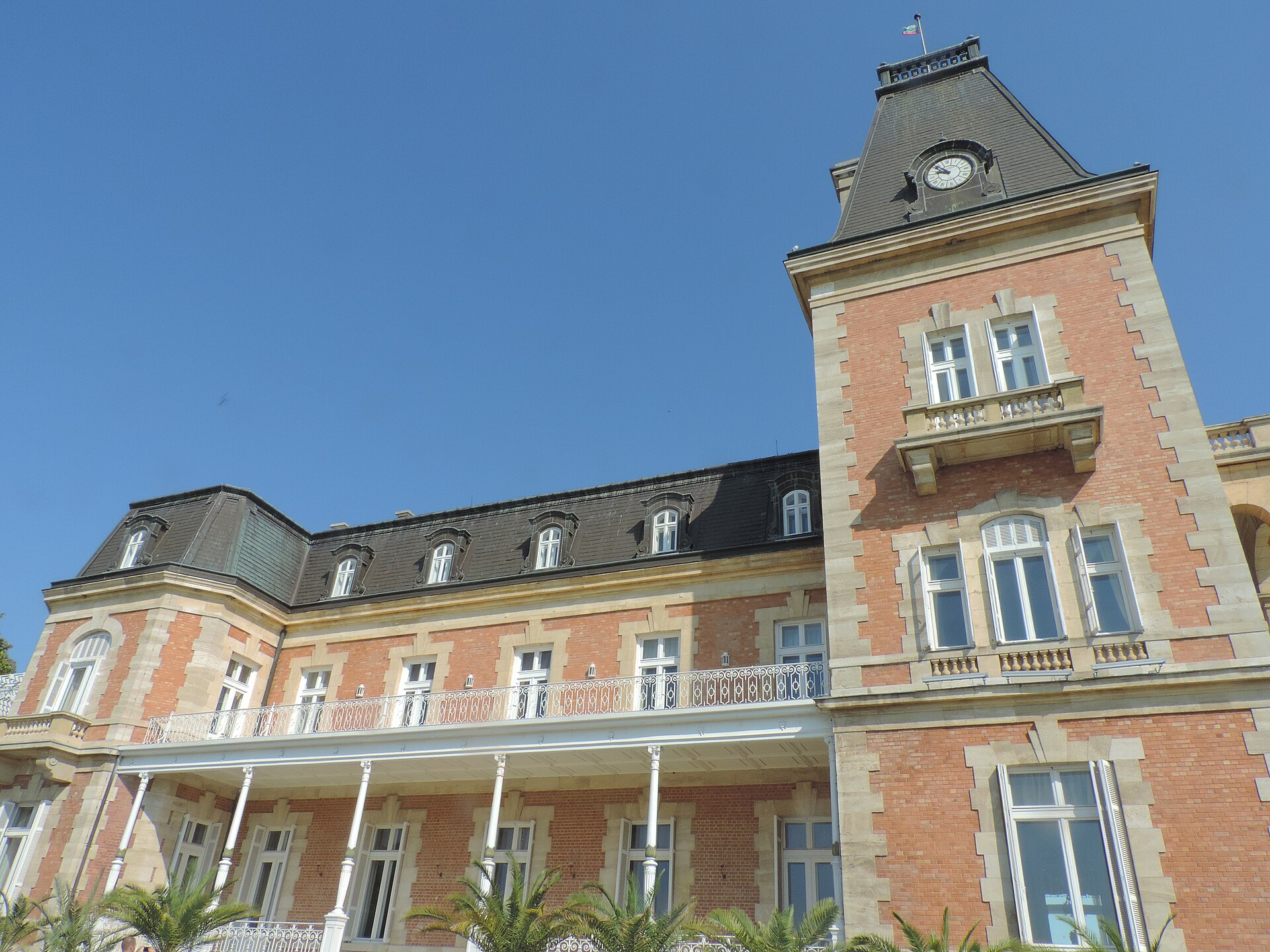
The setting of Euxinograd on the Black Sea coast is one of its greatest glories. The estate occupies a beautiful stretch of coastline north of Varna, where the land descends to the sea, and the palace and its gardens are arranged to take full advantage of this magnificent position, with views over the water and access to the shore.
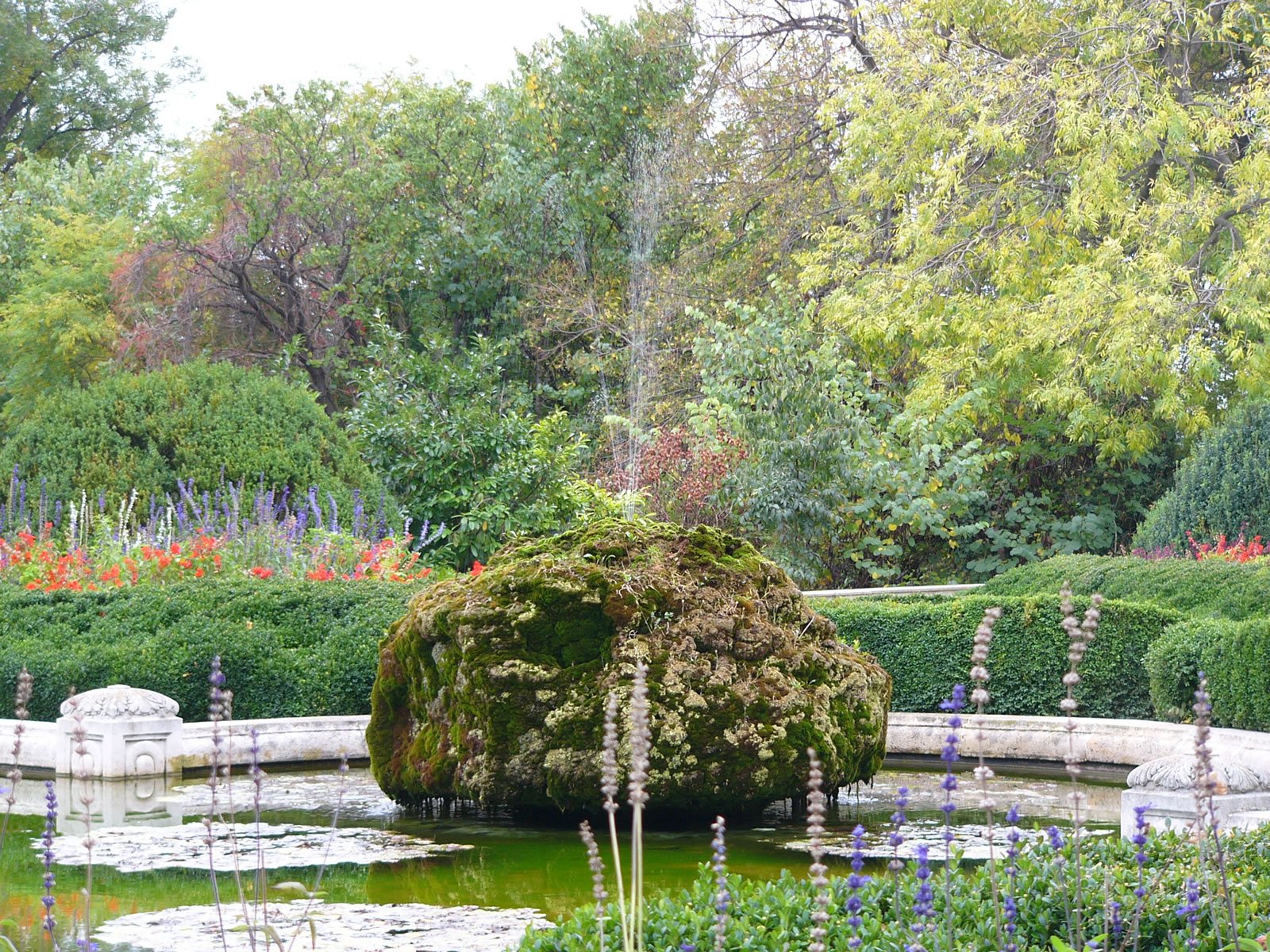
The mild coastal climate, the sea air, and the beauty of the shore made this an ideal setting for a summer retreat, and the royal family chose the site for precisely these qualities. The estate was designed to unite the pleasures of the sea with the beauty of the gardens, creating a coastal paradise for the royal house in the warm months of the year.
The relationship between the estate and the sea is fundamental to its character. The park descends toward the water, the palace looks out over the coast, and the whole estate is oriented toward the Black Sea, making Euxinograd a true seaside retreat. This coastal setting, combined with the beauty of the palace and gardens, gives the estate its particular charm and appeal.
The mild climate and the beauty of the Black Sea coast made this an ideal setting for a royal summer retreat, and the estate was carefully sited to take full advantage of its coastal position. The interplay of palace, gardens, and sea gives Euxinograd a beauty that few royal residences can match, and the coastal setting remains central to the charm and appeal of the estate.
The orientation of the whole estate toward the Black Sea, with the park descending to the shore and the palace looking out over the water, makes Euxinograd a true seaside retreat. In summer, when the royal family came to escape the heat of the capital, the estate offered the cool sea air and the beauty of the coast, a coastal paradise amid its magnificent gardens.
The gentle descent of the land to the water allowed the designers to create a series of terraces and vistas leading the eye toward the sea, so that the beauty of the coast is woven into the very design of the estate. This careful use of the coastal landscape is one of the achievements of Euxinograd, uniting the works of nature and of art into a single harmonious whole.
A French-Inspired Palace
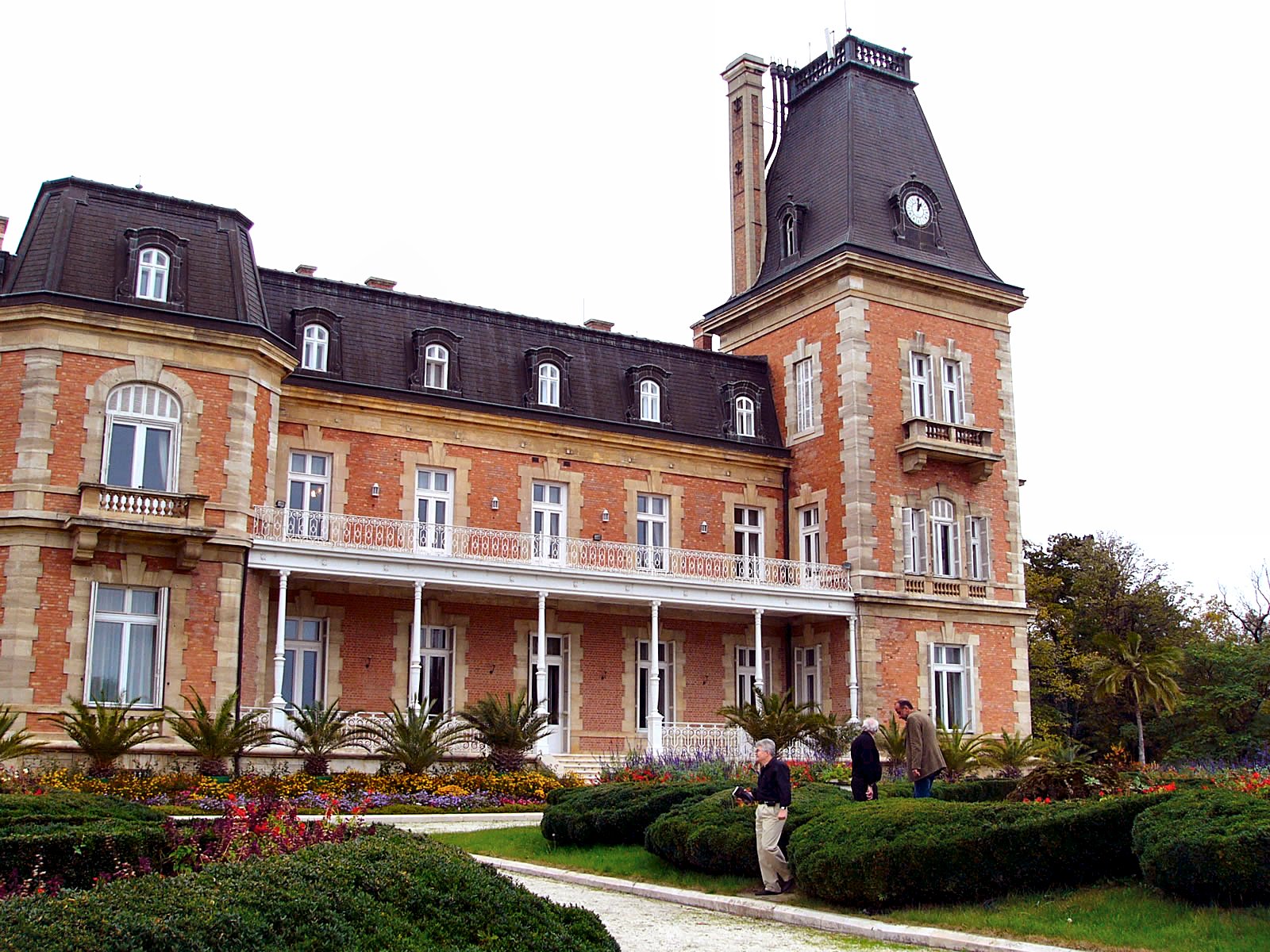
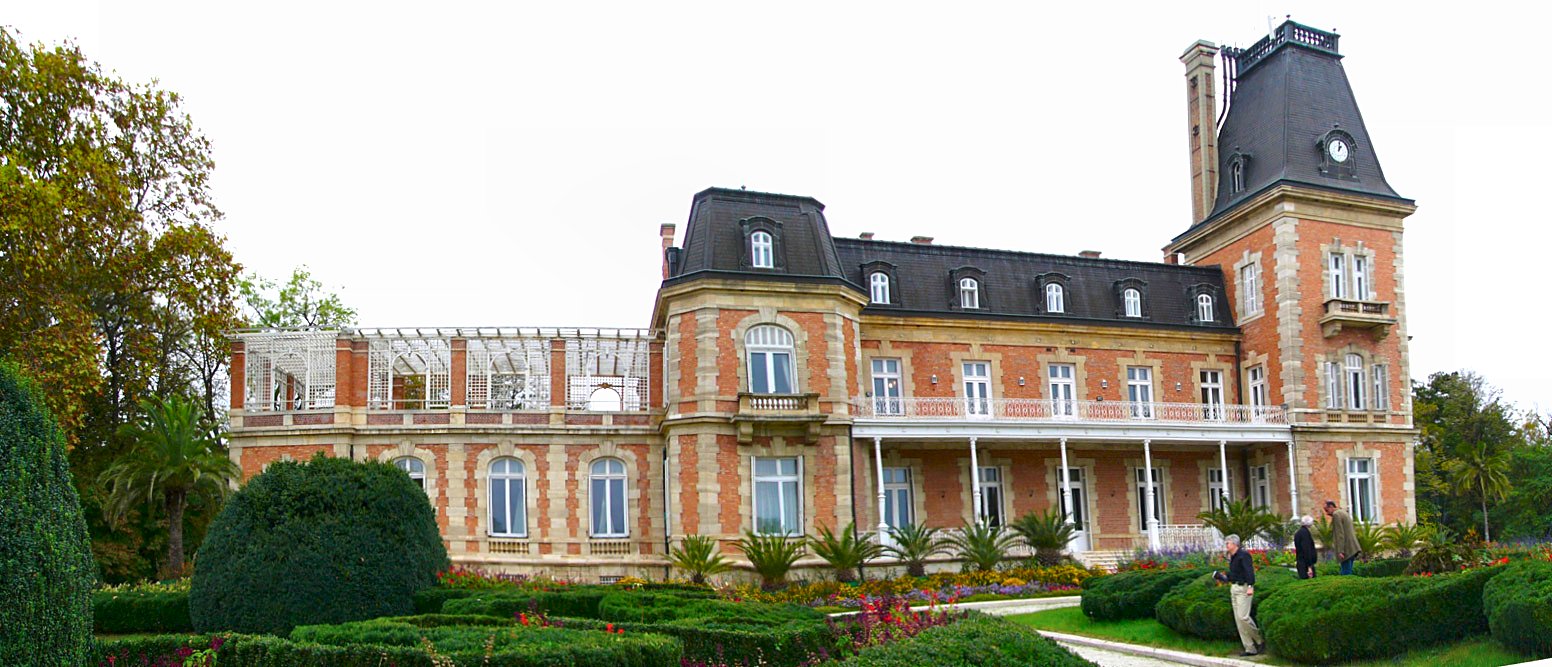
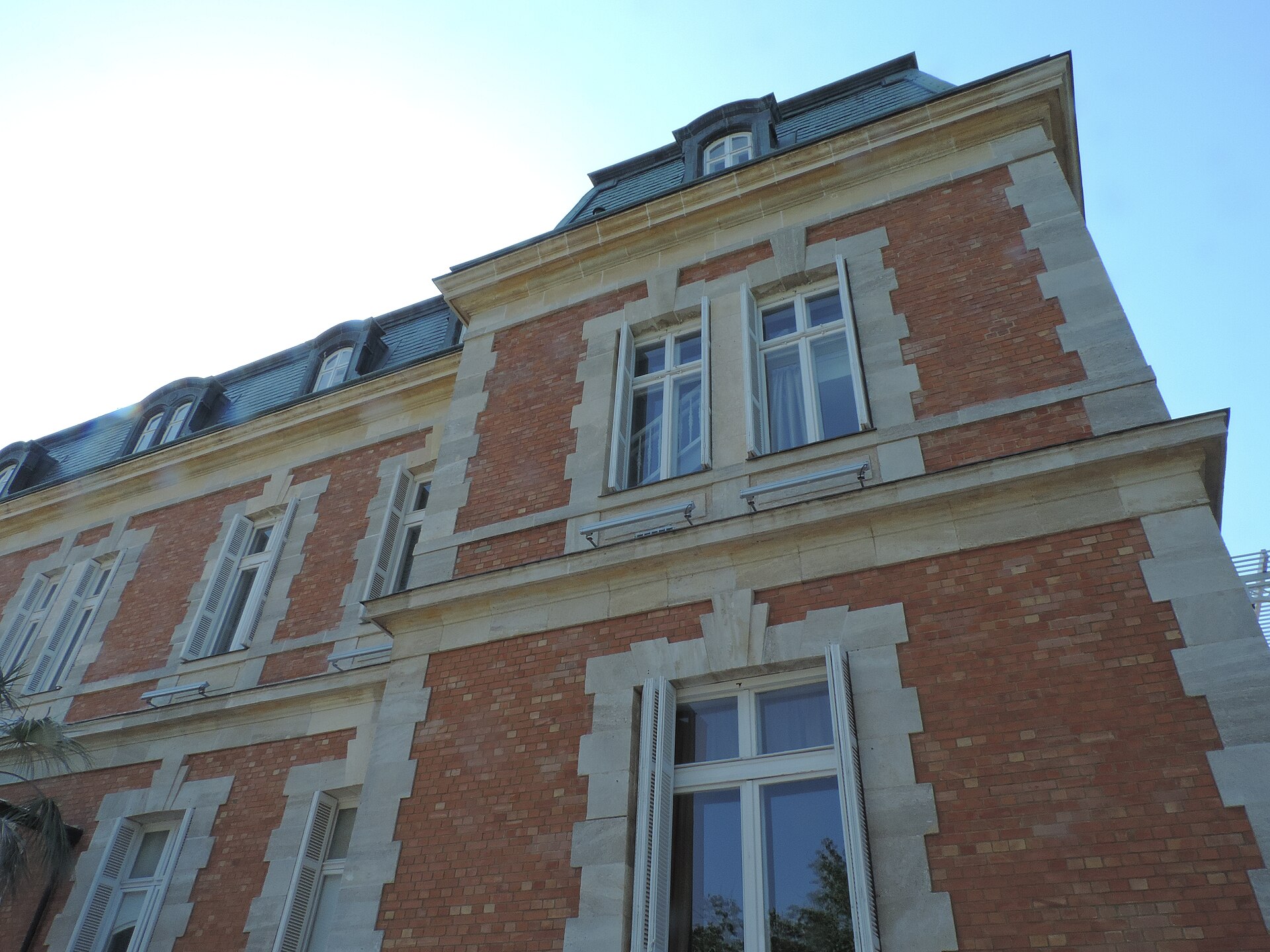
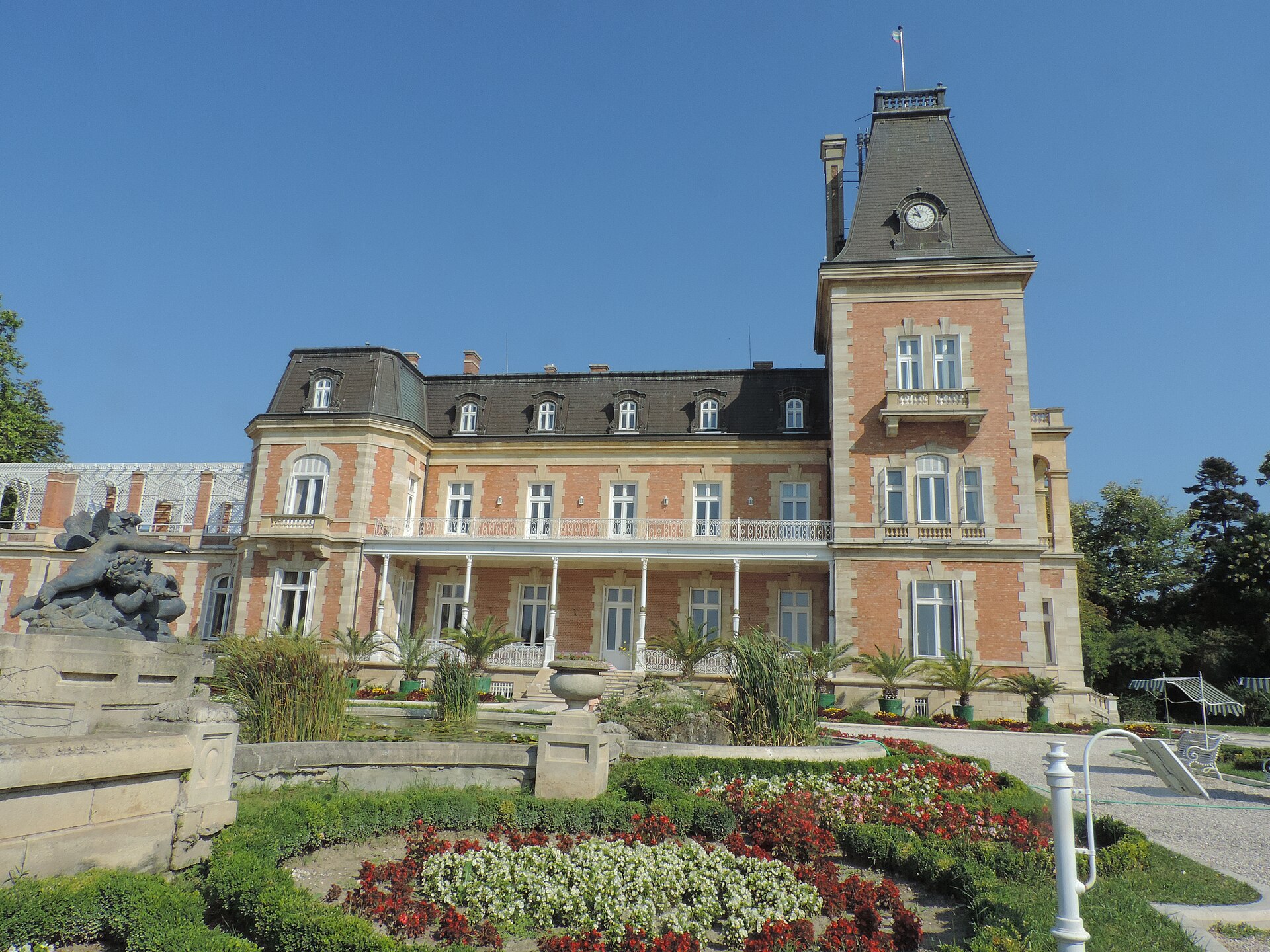
The palace of Euxinograd was built in a style inspired by the chteaux of France, reflecting the fashion among the royal houses of the age for French architecture and taste. Its elegant facades, graceful proportions, and refined detail give it the character of a French country palace, transplanted to the shores of the Black Sea.
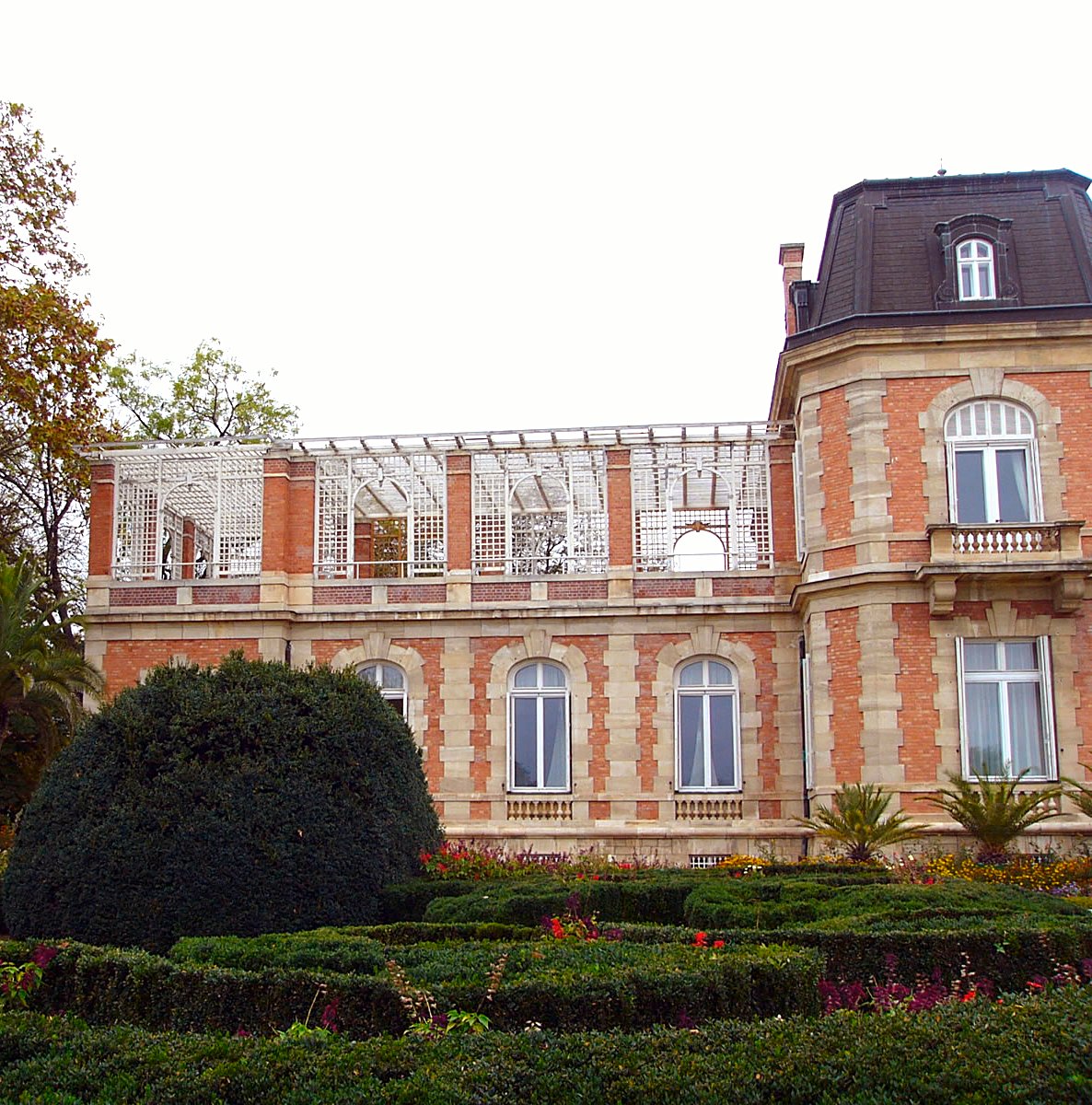
This French-inspired design reflected the European aspirations of the Bulgarian monarchy and the fashions of the late nineteenth century, when French taste set the standard for elegance across Europe. The choice of this style for the summer palace asserted the cultivation and the European orientation of the young royal house, and it gave Euxinograd its distinctive graceful character.
The palace, elegant rather than overwhelming in scale, was designed as a summer residence for the royal family, a place of refined beauty amid its gardens by the sea. Its French-inspired architecture, harmonising with the beautiful setting, makes Euxinograd one of the most graceful royal residences in the region, a jewel of nineteenth-century taste on the Bulgarian coast.
The choice of a French-inspired chteau style reflected the cultural orientation of the Bulgarian monarchy and the fashions of the age, aligning the young crown with the elegance of western European taste. The result is a palace of graceful proportions and refined detail, harmonising with its beautiful setting and giving Euxinograd its distinctive character among the royal residences of the Balkans.
The elegant proportions and refined detail of the palace reflect the skill of its designers and the taste of the royal house that commissioned it. Set amid its gardens and overlooking the sea, the palace achieves a graceful harmony with its setting, and its French-inspired beauty makes it one of the most elegant royal residences on the Black Sea coast, a jewel of nineteenth-century taste.
The Magnificent Park
The park of Euxinograd is among the greatest glories of the estate, a vast and beautiful landscape descending from the palace toward the sea, laid out by skilled landscapers in the finest tradition of the age. The park unites formal gardens near the palace with more naturalistic plantings beyond, creating a landscape of great beauty and variety.
The park is celebrated for its remarkable collection of plants, including rare and exotic species gathered from around the world, making it a treasure of horticulture as well as a place of beauty. Terraces, lawns, avenues, fountains, and ornamental features adorn the grounds, and the whole park is designed to lead the eye toward the sea and to provide a setting of elegance and repose.
The magnificent park is inseparable from the appeal of Euxinograd, softening the transition from the elegant palace to the natural landscape of the coast and providing a setting of great beauty for the royal retreat. Its rare plants, its fountains, and its beautiful design make the park one of the finest of any royal estate in the region, a green paradise by the Black Sea.
The rare and exotic plants gathered in the park from around the world make it a treasure of horticulture as well as a place of beauty, reflecting the interest and expense lavished on the estate by the royal house. To walk the park is to move through a living collection of botanical treasures, arranged with skill and beauty, and it is one of the great pleasures of a visit to Euxinograd.
In every season the park offers a different beauty, from the flowers and greenery of summer to the changing colours of autumn, and its combination of formal gardens and naturalistic plantings gives it endless variety. The care and skill lavished on the park by its designers created one of the finest royal gardens in the region, a green treasure descending to the shores of the Black Sea.
Fountains and Ornament
Among the beautiful features of the park are its fountains and ornamental elements, which adorn the terraces and gardens and add to the elegance of the estate. Some of these features were brought from the great cities of Europe, reflecting the cosmopolitan taste of the royal house and its desire to adorn the estate with the finest craftsmanship of the age.
The fountains, statues, and ornamental features of the park create a series of beautiful outdoor spaces, enhancing the formal gardens and providing focal points amid the greenery. These elements, drawn from the finest sources, reflect the refinement and the European orientation of the Bulgarian monarchy, and they add to the beauty and elegance of the estate.
Together with the rare plants and the beautiful design of the park, the fountains and ornament make the gardens of Euxinograd a place of great beauty and interest. They reflect the care and expense lavished on the estate by the royal house, and they contribute to the atmosphere of refined elegance that pervades the whole royal retreat by the sea.
The fountains and ornamental features, some brought from the great cities of Europe, reflect the cosmopolitan taste of the royal house and its desire to adorn the estate with the finest craftsmanship. These elegant features enhance the beauty of the gardens and reflect the care and refinement with which the whole estate was created, adding to its atmosphere of graceful elegance.
The Royal Winery
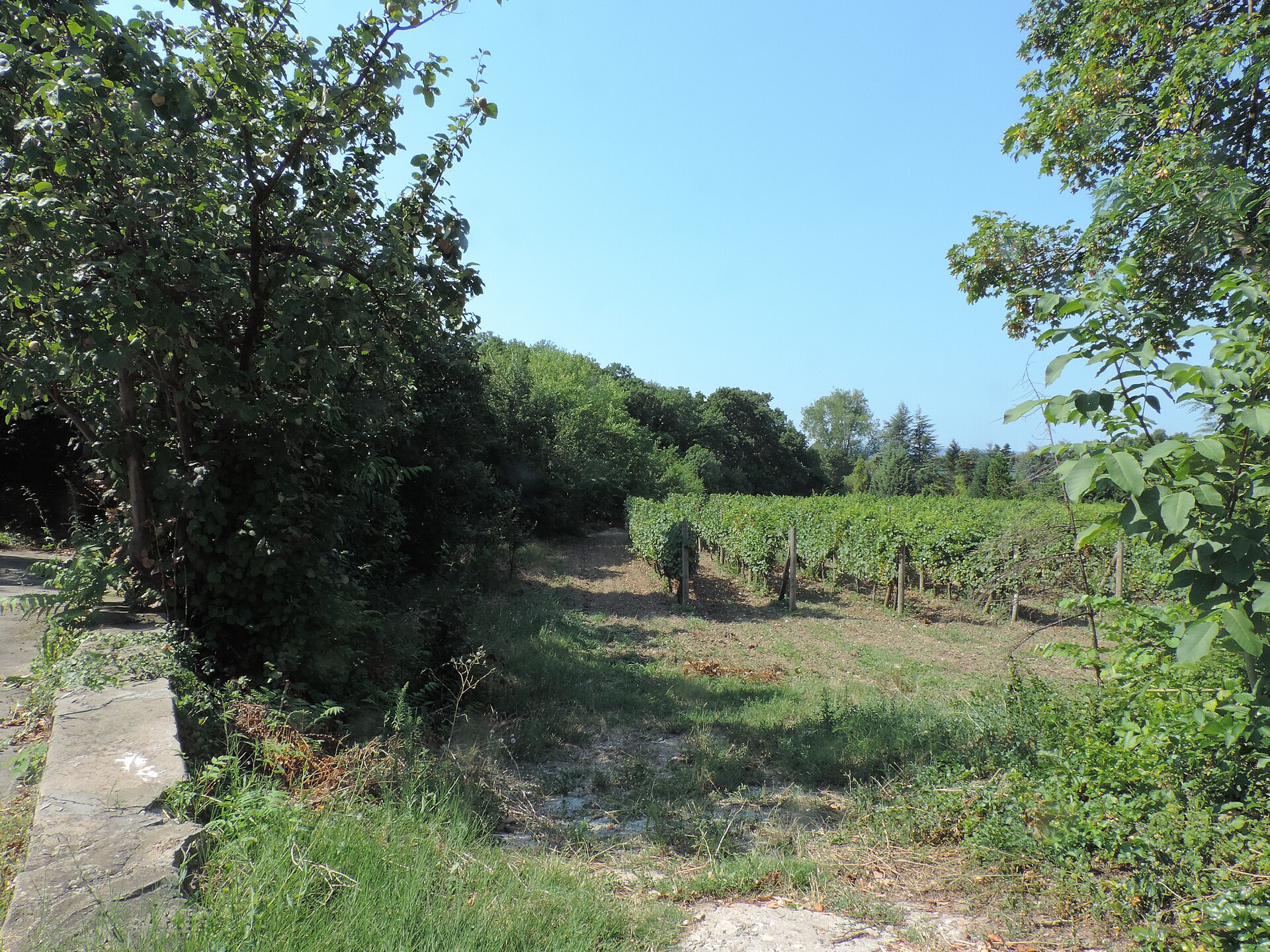
One of the most distinctive features of Euxinograd is its winery, established on the estate to produce wine from the vineyards planted in the grounds. The royal estate became known for its wines, and the winery remains one of the celebrated features of Euxinograd, a rare example of a royal residence with its own working vineyard and cellar.
The vineyards and winery reflected the agricultural richness of the estate and the interest of the royal house in the produce of its lands. The wines of Euxinograd gained a reputation for quality, and the winery became an important part of the estate, adding a productive dimension to the beautiful royal retreat by the sea.
The winery continues to operate to this day, producing wines that carry the name of the estate and preserving a tradition established in the days of the monarchy. This working winery, amid the beauty of the palace and gardens, is one of the most distinctive and charming features of Euxinograd, a reminder of the productive as well as the leisurely life of the royal estate.
The working winery, producing wines that carry the name of the estate, is one of the most distinctive and charming features of Euxinograd, a rare example of a royal residence with its own vineyard and cellar. The tradition of winemaking, established in the days of the monarchy and continued to this day, adds a productive and living dimension to the beautiful royal retreat.
For visitors, the chance to taste the wines produced on the royal estate adds a distinctive pleasure to a visit, connecting the present to the traditions of the monarchy. The winery, still working amid the beauty of the palace and gardens, is one of the most charming features of Euxinograd, a living link to the productive life of the royal estate in the days of the crown.
The Palace Interiors
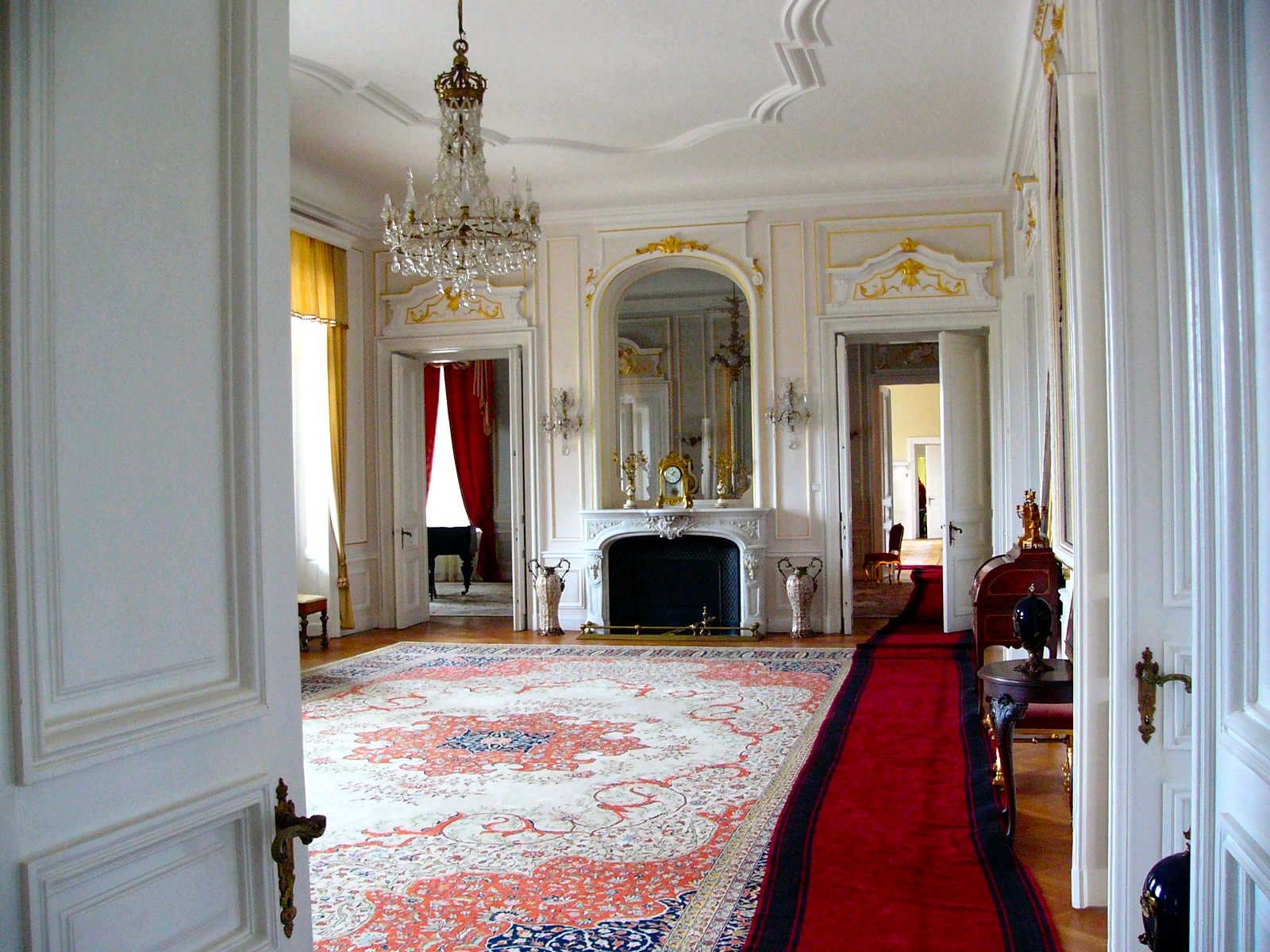
Within, the palace of Euxinograd contains elegant interiors decorated in the styles fashionable in the late nineteenth century, providing a refined setting for the summer life of the royal family. The rooms, furnished with fine pieces and decorated with taste, reflect the cultivation and the European orientation of the Bulgarian monarchy.
The interiors include reception rooms, salons, and the private apartments of the royal family, decorated in a manner befitting a royal summer residence. Their elegance reflects the fashions of the age and the taste of the royal house, and they provide a glimpse of the refined life of the Bulgarian court in its summer retreat by the sea.
Though Euxinograd was a summer residence rather than a grand ceremonial palace, its interiors were decorated with care and furnished with fine pieces, creating spaces of refined elegance. These interiors, harmonising with the beauty of the palace and its setting, complete the picture of an elegant royal retreat, a place of refined leisure for the Bulgarian monarchy.
The elegant interiors of the palace, decorated in the fashions of the late nineteenth century, provide a refined setting for the summer life of the royal family and reflect the cultivation of the Bulgarian court. Though the palace was a summer residence rather than a grand ceremonial seat, its rooms were furnished and decorated with care, completing the picture of an elegant royal retreat.
Through the History of Bulgaria
The history of Euxinograd reflects the turbulent history of Bulgaria in the twentieth century. Built as the beloved summer retreat of the monarchy, the palace passed through the upheavals of war and revolution, and with the coming of the communist regime after the Second World War, the monarchy was abolished and the estate taken over by the state.
Under the communist regime, the estate was nationalised and used by the new government, its royal purpose suspended and the monarchy that built it abolished. The palace and its park, built for the royal family, now served the leaders of the communist state, who used the beautiful estate as a retreat and a setting for official functions.
This period, when the royal estate served the regime that had displaced the monarchy, is a striking chapter in the history of Euxinograd, reflecting the great political changes that swept Bulgaria. Yet the beauty and importance of the estate ensured its preservation, and the palace and its magnificent park survived through these years, their elegance and beauty intact.
The use of the royal estate by the communist regime that had abolished the monarchy is one of the ironies of Euxinograd’s history, the palace built for the crown serving the government that displaced it. Yet this period ensured the preservation of the estate, which survived intact through the decades of communist rule, its beauty and elegance maintained for the generations to come.
A Government Retreat
Today Euxinograd serves as a residence and retreat used by the Bulgarian government for official functions and the reception of guests. The estate, with its elegant palace and beautiful park, provides a dignified and beautiful setting for state occasions, continuing to serve the nation, if in a different capacity from that for which it was built.
As a government retreat, the estate is used for official meetings, receptions, and the entertainment of visiting dignitaries, its beauty and elegance lending distinction to these occasions. Parts of the estate are also accessible to visitors at certain times, allowing the public to enjoy the beauty of the park and the elegance of the palace, though access is limited by its official function.
This continuing role as a government retreat ensures that Euxinograd remains a living estate, cared for and used, rather than a mere museum. Its beauty and elegance continue to serve the nation, and the estate remains one of the most beautiful and important royal residences in Bulgaria, preserved and maintained on the shores of the Black Sea.
The continuing use of the estate as a government retreat ensures that Euxinograd remains a living and cared-for estate rather than a mere relic. Its beauty and elegance continue to serve the nation, lending distinction to state occasions, and the limited access granted to visitors allows the public to enjoy the beauty of the palace and its magnificent park.
The dignified beauty of the estate makes it a fitting setting for the official functions of the Bulgarian government, lending distinction to state occasions and the reception of guests. In this continuing role, Euxinograd serves the nation much as it once served the crown, its elegance and beauty placed at the service of the state, and its careful maintenance ensures its preservation for the future.
Euxinograd and Varna
Euxinograd lies just north of Varna, the great port city of the Bulgarian Black Sea coast, and its history is bound up with that of the city and the coast. The choice of this location, near the important city of Varna yet in a beautiful coastal setting, reflected the desire for a retreat that was both accessible and secluded, amid the beauty of the shore.
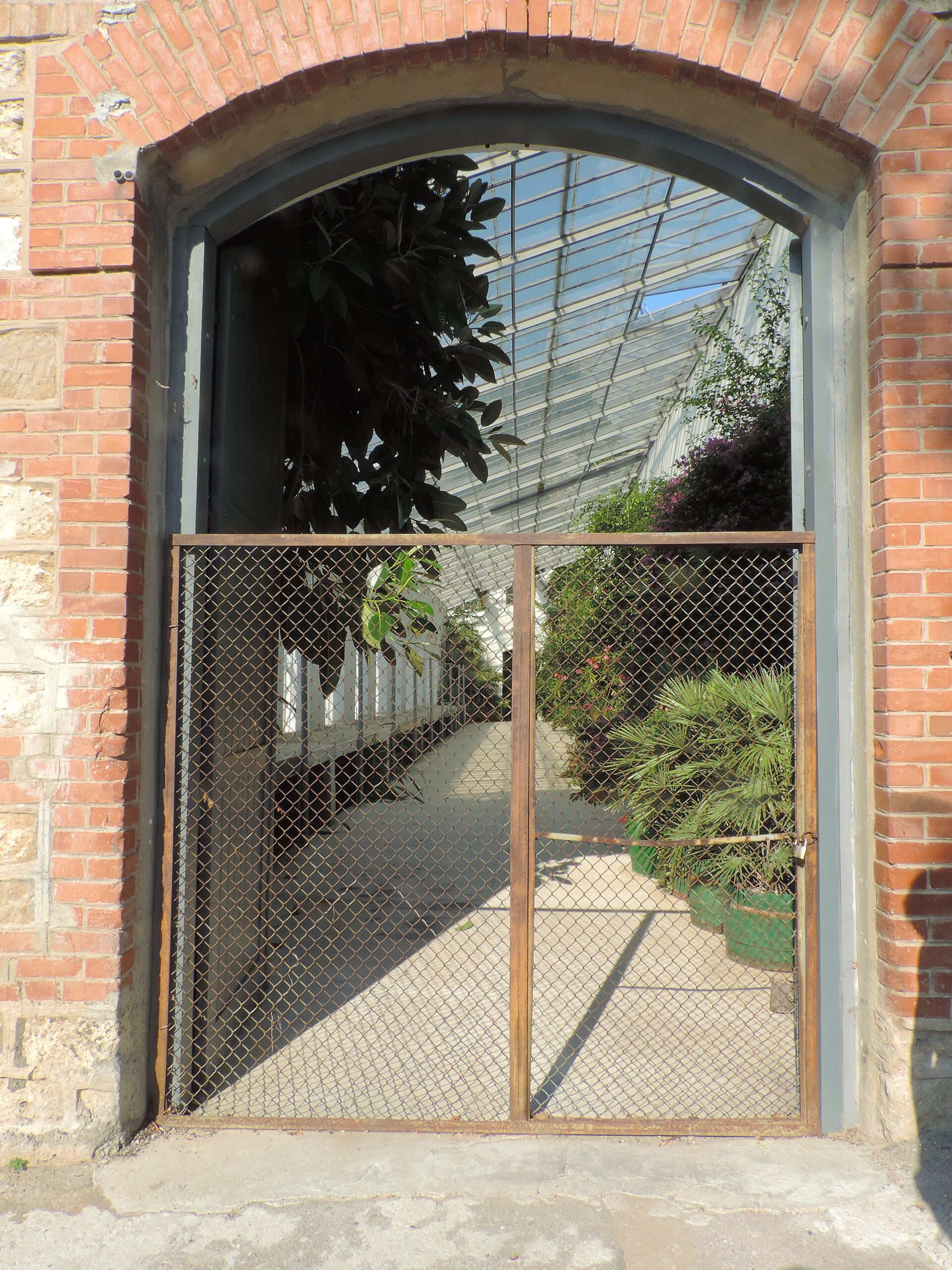
The estate has long been one of the notable sights of the Varna coast, its elegant palace and beautiful park a jewel of the Bulgarian Black Sea. The region around Varna, with its beaches, resorts, and historic sites, forms the setting for the royal estate, and Euxinograd is among its most beautiful and important attractions.
The relationship between the estate and the coast reflects the appeal of the Black Sea shore, long a favoured destination for leisure and repose. Euxinograd, as the royal retreat on this beautiful coast, embodies the attraction of the sea and the elegance of the monarchy, and it remains one of the treasures of the Varna region and the Bulgarian coast.
The proximity of the estate to Varna, the great port city of the Bulgarian coast, made it both accessible and well-placed, near the important city yet in a beautiful and secluded setting. The estate has long been one of the notable sights of the Varna coast, and it remains among the most beautiful and important attractions of the region, a jewel of the Bulgarian Black Sea.
The beautiful coast around Varna, with its beaches and mild climate, has long drawn visitors seeking the pleasures of the sea, and the royal estate of Euxinograd is among its finest treasures. The estate embodies the appeal of the Bulgarian Black Sea coast at its most elegant, and it remains one of the most beautiful and important sights of the Varna region, a jewel of the coast.
A Survival of the Royal Age
Euxinograd stands as one of the finest survivals of the age of the Bulgarian monarchy, a graceful reminder of a royal era that ended in the upheavals of the twentieth century. Built in the confident years of the young crown, the estate has endured through war, the abolition of the monarchy, and decades of communist rule, its beauty and elegance preserved into the present day.
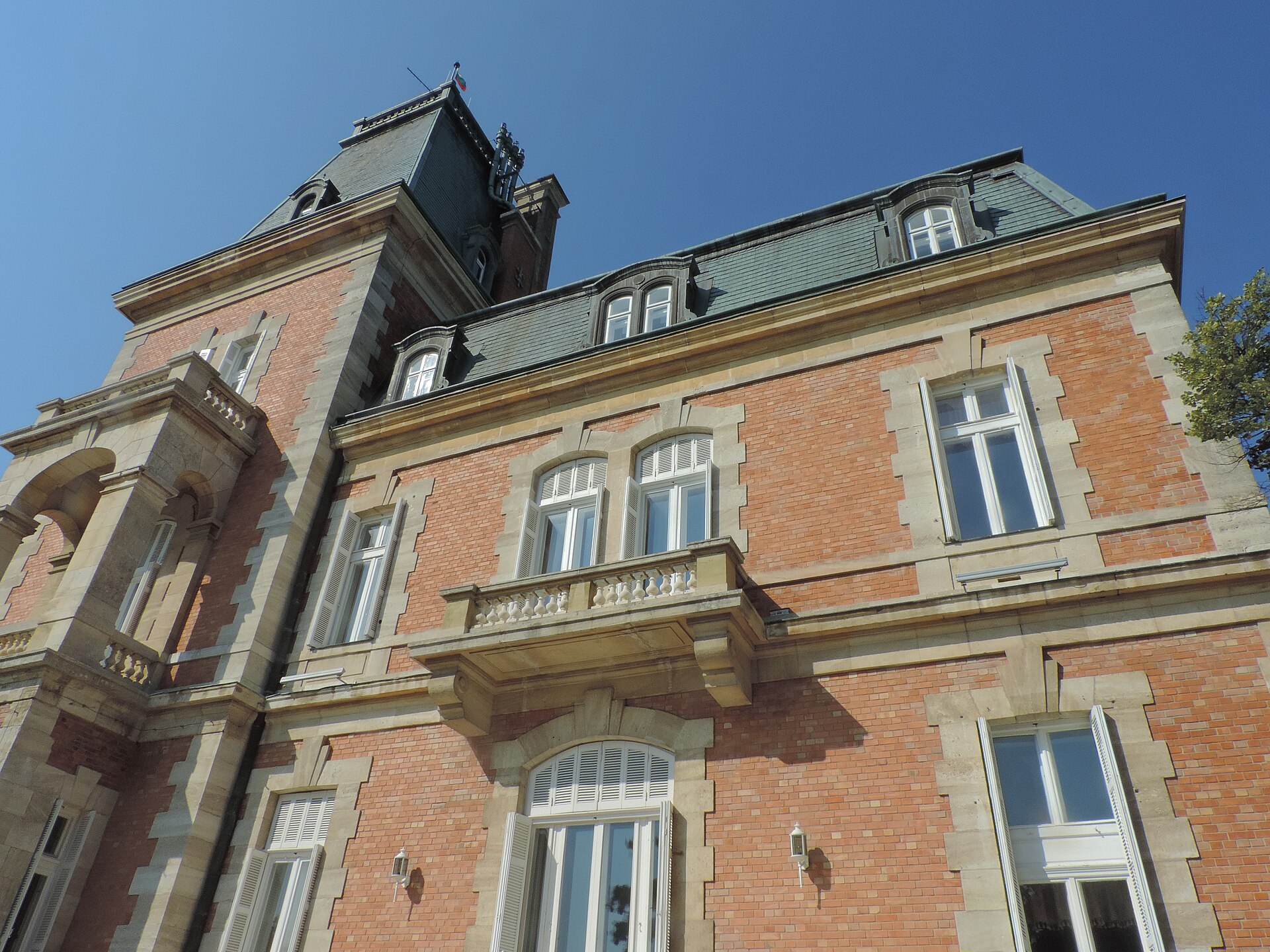
The survival of the estate, with its palace, park, and winery intact, is a piece of good fortune for Bulgaria and for all who value the heritage of the past. Through all the changes of the nation’s history, Euxinograd was maintained and used, and its beauty ensured its preservation, so that it remains today a graceful monument to the vanished world of the Bulgarian monarchy.
For Bulgaria, the estate is thus more than a beautiful government retreat; it is a link to the royal history of the nation, a survival of the age of the crown on the shores of the Black Sea. Its elegant palace and magnificent gardens preserve the memory of the monarchy that built them, and they stand as a treasure of the nation’s heritage.
In its beauty and its endurance, Euxinograd embodies the elegance and the aspirations of the young Bulgarian crown, and its survival through the turbulent decades of the twentieth century is a testament to the enduring appeal of the estate. It remains one of the most beautiful royal residences in Bulgaria, a graceful survival of the royal age by the sea.
The endurance of Euxinograd through the upheavals of the twentieth century, its beauty preserved through war, revolution, and dictatorship, makes it a precious survival of the royal age. For Bulgaria, the estate is a link to the history of the monarchy and a treasure of the national heritage, a graceful reminder of a vanished royal world on the shores of the sea.
That so much of the estate survives intact, from the palace and its interiors to the magnificent park and the working winery, makes Euxinograd an unusually complete survival of the royal age. Through all the upheavals of the twentieth century, the estate was preserved, and it stands today as one of the finest monuments to the Bulgarian monarchy and a treasure of the nation’s heritage.
Euxinograd Today
Today Euxinograd remains one of the most beautiful and elegant royal estates in Bulgaria, its palace and magnificent park preserved on the shores of the Black Sea. Used as a government retreat and accessible to visitors at certain times, the estate continues to enchant all who see it with its graceful architecture, its beautiful gardens, and its coastal setting.
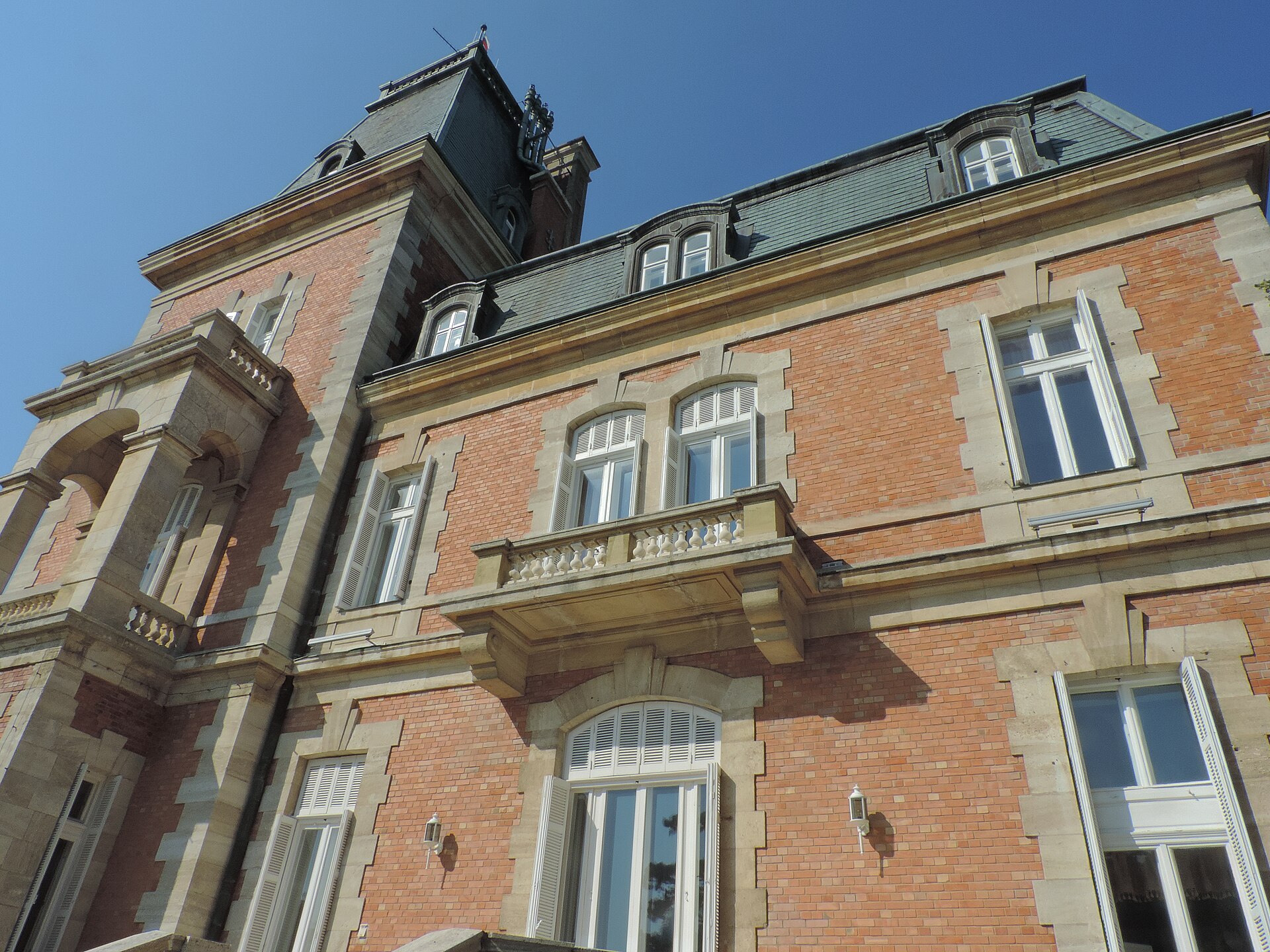
A visit reveals the elegant French-inspired palace, the magnificent park with its rare plants and fountains, the working winery, and the beautiful setting by the sea. Few royal estates in the region offer so graceful and beautiful an experience, and the combination of elegant architecture, magnificent gardens, and coastal beauty makes Euxinograd a jewel of the Bulgarian Black Sea.
To experience Euxinograd is to encounter the elegant summer retreat of the Bulgarian monarchy, a graceful palace amid magnificent gardens on the shores of the Black Sea. A monument to the young Bulgarian crown and its European aspirations, preserved through the turbulent history of the nation, Euxinograd stands as one of the most beautiful royal residences in the Balkans and a treasure of the Bulgarian coast.
For the visitor to the Bulgarian coast, Euxinograd offers a rare and beautiful encounter with the elegant summer retreat of the monarchy, combining graceful architecture, magnificent gardens, and coastal beauty. Whether drawn by the palace, the park, or the famous winery, visitors come away enchanted by the graceful royal estate on the shores of the Black Sea.
A visit to Euxinograd rewards those who seek out its beauty on the Bulgarian coast, offering an elegant encounter with the summer retreat of the monarchy amid magnificent gardens by the sea. Whether admired for its architecture, its park, or its coastal setting, the estate lingers in the memory as one of the most beautiful royal residences in the Balkans, a graceful jewel of the Black Sea.
Palaces Nearby
Euxinograd is one of the great royal residences of the Balkans and southeastern Europe, and its story finds echoes in the royal palaces of the neighbouring nations of the region. Two more of these royal seats make natural companions to a visit here, each embodying the history of its own nation.
- Peles Castle – a fairy tale in the Carpathians, the royal residence of Romania.
- The Royal Compound of Belgrade – home of the Serbian crown at Dedinje.
You May Like
A Corrupt Fortune and a Prince’s Garden in Old Beijing