High in the wooded Carpathian mountains of Romania, in a valley surrounded by dark forests and dramatic peaks, rises one of the most beautiful and romantic royal residences in all of Europe. Peles Castle, with its soaring turrets, timbered gables, and fairy-tale silhouette, seems to have stepped straight from the pages of a storybook, and its lavish interiors are among the most sumptuous of any palace on the continent. Yet for all its medieval appearance, it is a thoroughly modern creation, a marvel of nineteenth-century art and engineering.
Peles was built as the summer residence of the first king of modern Romania, a monarch who chose this magnificent mountain setting for his royal retreat and lavished upon it the finest craftsmanship of the age. Conceived in the German Neo-Renaissance style, the castle was designed to be both a romantic evocation of the medieval past and a showcase of the most advanced technology of its day, uniting fantasy and modernity in a single extraordinary building.
Behind its picturesque exterior, Peles was one of the most technologically advanced buildings of its era, equipped with innovations that made it a wonder of modern comfort and engineering. And within, its rooms unfold in a sequence of astonishing richness, each decorated in a different style and filled with treasures from across the world, making the castle a treasure house of art as well as a masterpiece of architecture.
In this article you will get to know Peles Castle fully: the king who built it, its magnificent mountain setting, its romantic architecture, its astonishing technological innovations, its sumptuous interiors, its treasures and collections, its fate through the turbulent history of Romania, and its life today as a museum and one of the most beautiful and beloved royal castles in all of Europe.
In This Article
- A Fairy-Tale Castle in the Carpathians
- The King Who Built It
- The Mountain Setting
- German Neo-Renaissance Style
- A Marvel of Modern Technology
- Sumptuous Interiors
- Treasures and Collections
- The Theatre and Private Rooms
- The Terraced Gardens
- Through the Storms of History
- A Museum of Royal Splendour
- Pelisor and the Royal Estate
- Peles Castle Today
A Fairy-Tale Castle in the Carpathians
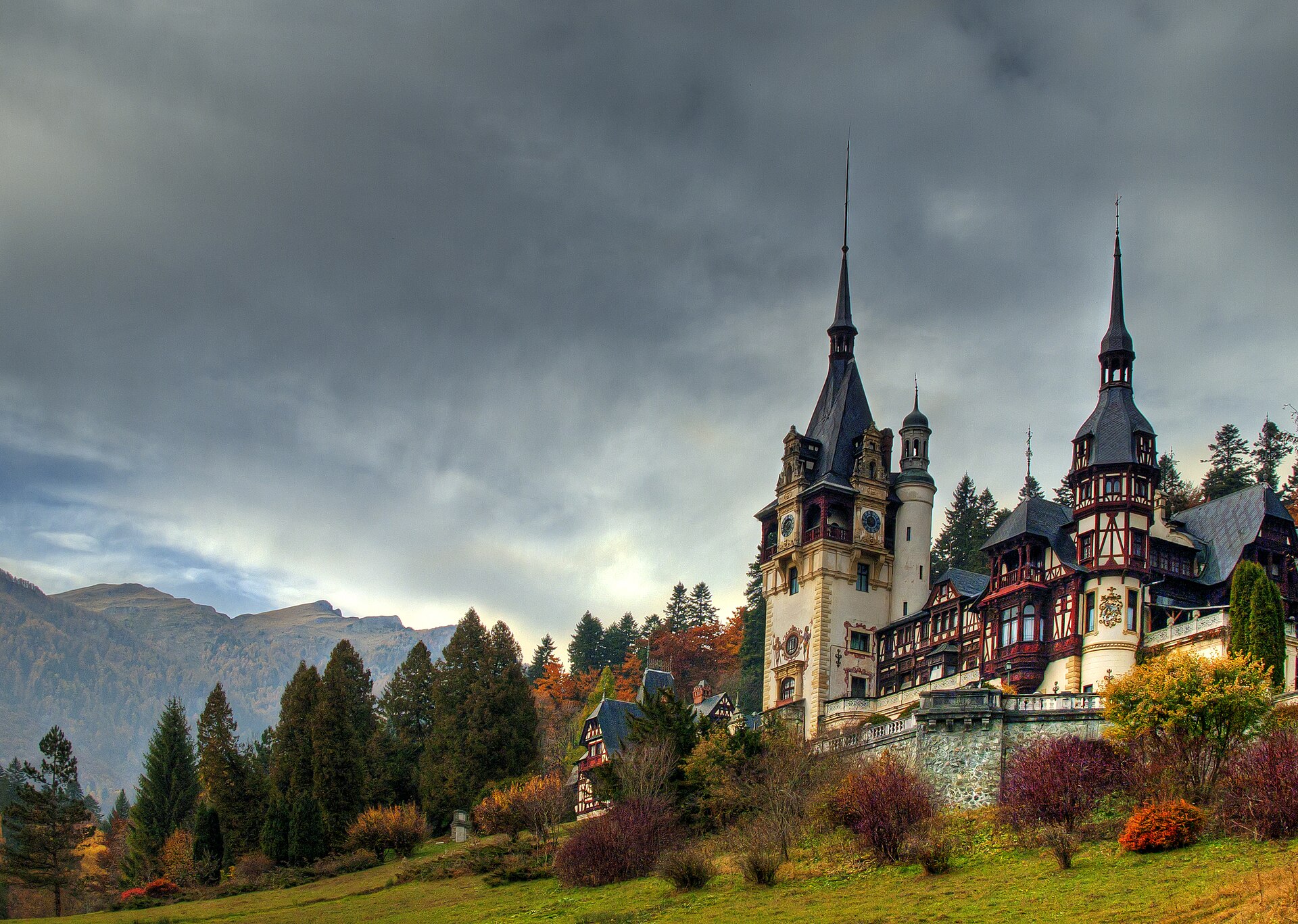
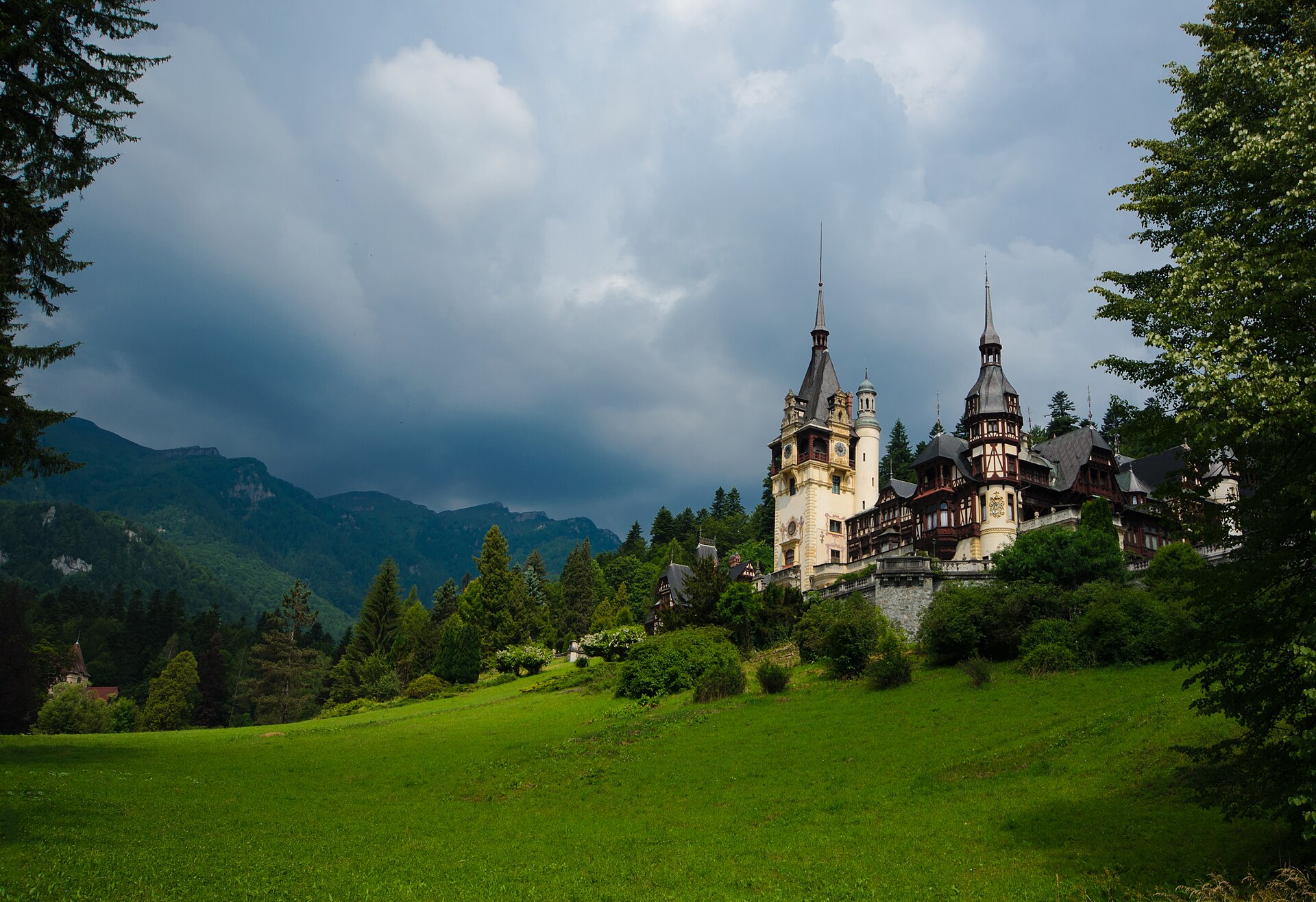
Peles Castle stands in a spectacular setting, nestled in a wooded valley of the Carpathian mountains near the resort town of Sinaia, surrounded by forests and framed by dramatic peaks. Its picturesque silhouette of turrets, spires, and timbered gables rises against the mountain backdrop like a vision from a fairy tale, one of the most romantic images of any castle in Europe.

For all its medieval appearance, Peles is a creation of the nineteenth century, built as the summer residence of the first king of modern Romania. It was conceived to evoke the romance of the medieval past while embodying the finest craftsmanship and the most advanced technology of its age, a fusion of fantasy and modernity that gives the castle its unique character.
The combination of its magnificent setting, its romantic architecture, and its sumptuous interiors has made Peles one of the most beautiful and beloved castles in Europe. It is at once a royal residence, a work of art, and a marvel of engineering, and its beauty draws visitors from around the world to the Carpathian valley where it stands, a jewel of the Romanian mountains.
The first sight of Peles, its turrets and gables rising against the dark forested peaks, is one that stays with every visitor. The castle seems almost too perfect to be real, a vision of romantic architecture set in a landscape of dramatic beauty, and it is this union of building and setting that gives Peles its extraordinary power to enchant all who come to it.
Part of the magic of Peles lies in the contrast between its fairy-tale exterior and the sheer modernity that lay behind it, a contrast that captures the spirit of its age. It was built at a moment when the romance of the medieval past and the confidence of the industrial present met, and the castle embodies both, a dream of history realised with the tools of the modern world.
The King Who Built It
Peles was the creation of the first king of modern Romania, a monarch of German origin who was invited to take the throne of the newly independent nation and who ruled it for many decades, presiding over its emergence as a modern European state. A man of energy, discipline, and cultivated taste, he sought a summer residence worthy of his new kingdom and his own refined sensibilities.
The king chose the beautiful mountain setting near Sinaia for his retreat, drawn by the dramatic Carpathian landscape and the healthful mountain air. There he resolved to build a castle that would serve as his summer residence and as a symbol of the new Romanian monarchy, a building of beauty and modernity that would express the ambitions of the young nation and its king.
The king took an intense personal interest in every aspect of the castle’s design and construction, and Peles reflects his taste, his culture, and his vision. It became his beloved summer home, the place where he and his court spent the warm months amid the mountains, and it remains inseparably associated with the monarch who conceived it and made it one of the treasures of Romania.
The king who built Peles was a figure of remarkable discipline and vision, presiding over the transformation of Romania into a modern European kingdom. His personal involvement in every detail of the castle’s creation reflects the seriousness with which he approached the task, and Peles stands as a monument to his taste, his culture, and his ambitions for the nation he had come to rule.
Under the long reign of the king who built it, Romania emerged as a modern nation and took its place among the states of Europe, and Peles stands as the architectural expression of that emergence. In building so magnificent a residence, the king asserted the dignity and ambition of his new kingdom, and the castle became a symbol of the modern Romanian monarchy at its confident height.
The Mountain Setting
The setting of Peles is one of its greatest glories. The castle stands in a wooded valley of the Carpathians, surrounded by dark forests of pine and framed by mountain peaks, in a landscape of dramatic beauty. The choice of this remote and romantic setting was deliberate, for the king sought a retreat amid the grandeur of the mountains, far from the heat and bustle of the capital.
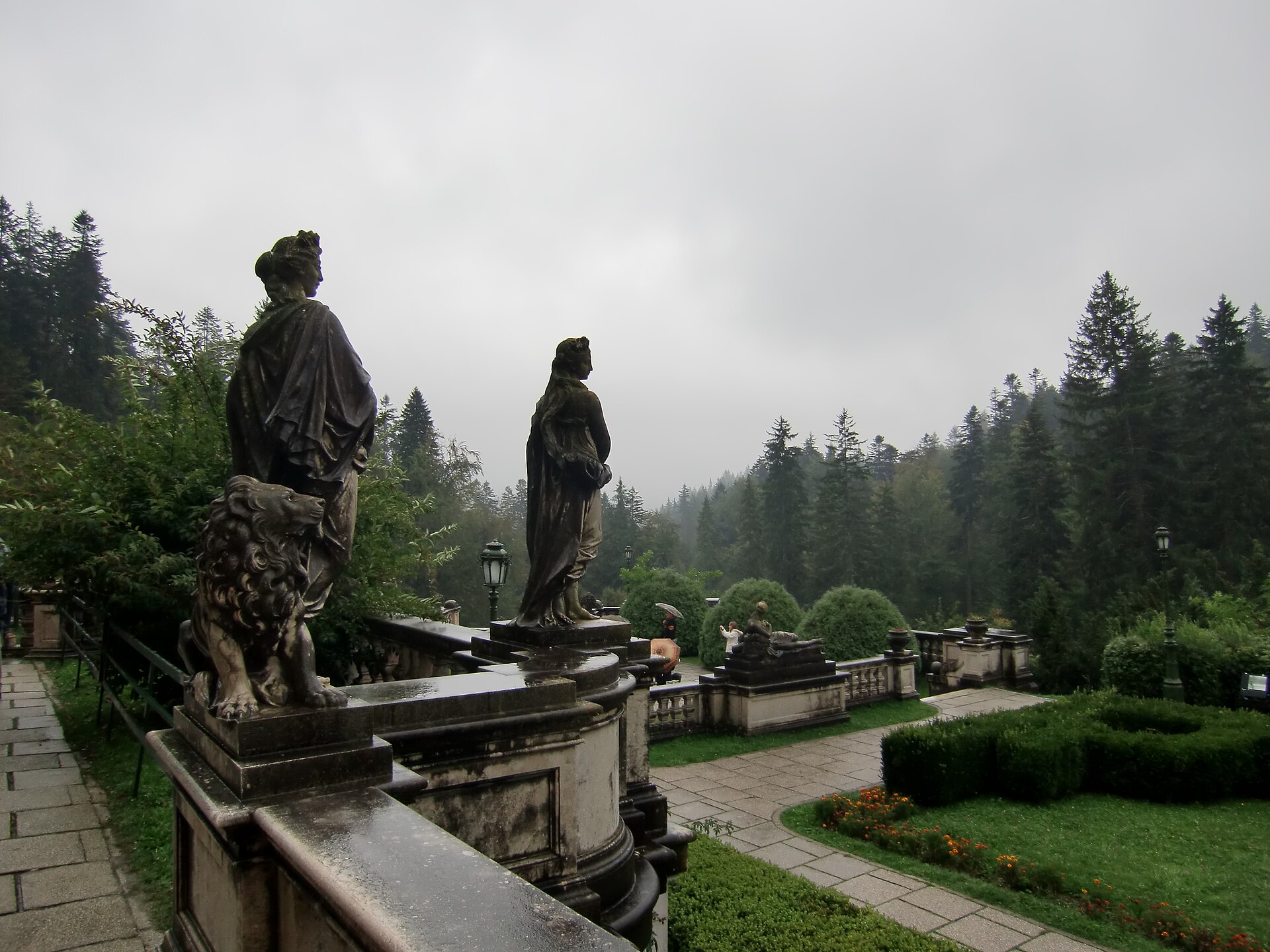
The mountain landscape shapes the whole character of the castle, its picturesque architecture designed to harmonise with the forested valley and the peaks beyond. Terraced gardens descend from the castle, adorned with statues and fountains, providing a formal foreground to the wild landscape, and the interplay of architecture and nature gives Peles its extraordinary romantic beauty.
This magnificent setting made the region around the castle a favoured royal retreat, and the town of Sinaia grew as a fashionable resort in the castle’s shadow. The Carpathian setting, with its forests, peaks, and mountain air, remains inseparable from the appeal of Peles, and the approach to the castle through the mountain landscape is one of the most beautiful of any royal residence in Europe.
The healthful mountain air and the dramatic scenery drew the court to Sinaia each summer, and the town grew into a fashionable resort in the castle’s shadow. The choice of this remote and beautiful setting reflected a romantic sensibility that prized the grandeur of nature, and the castle was designed to harmonise with its mountain home rather than to dominate it, growing from the valley like a natural outgrowth of the landscape.
The forests and peaks that surround the castle change dramatically with the seasons, from the deep green of summer to the gold and crimson of autumn and the snows of winter, and each transformation reveals a new beauty in the setting. This ever-changing landscape gives Peles a different character throughout the year, and many visitors return in different seasons to see the castle in its varied mountain moods.
German Neo-Renaissance Style
Peles was built in the German Neo-Renaissance style, a romantic evocation of the architecture of central Europe that gave the castle its picturesque silhouette of timbered gables, turrets, and steep roofs. The style, drawn from the king’s German heritage and the romantic taste of the age, was perfectly suited to the mountain setting and to the fairy-tale character the castle was meant to embody.
The exterior is a masterpiece of picturesque design, its asymmetrical composition of towers, gables, and balconies creating an ever-changing silhouette that seems to grow from the mountainside. Rich decoration, carved timber, and ornamental detail cover the facades, and the whole building is conceived as a romantic vision of a medieval castle, reimagined with nineteenth-century craftsmanship and imagination.
This romantic architecture, while evoking the past, was the product of the most skilled craftsmen and the finest materials of the age. The result is a building of extraordinary beauty and character, a fairy-tale castle that is also a masterpiece of nineteenth-century design, and one of the finest examples of the Neo-Renaissance style anywhere in Europe.
The picturesque asymmetry of the design, with its ever-changing silhouette of towers and gables, was a deliberate rejection of rigid classical symmetry in favour of romantic irregularity. Every angle of the castle presents a different composition, and the eye is led continually from one picturesque detail to another, so that the building never appears the same from any two viewpoints, a masterpiece of romantic design.
The finest craftsmen of the age, working in wood, stone, glass, and metal, lavished their skill on every surface of the castle, and the quality of their work is evident in every carved gable and ornamental detail. This craftsmanship, combined with the romantic vision of the design, makes Peles not only a beautiful building but a monument to the artistic skill of its era, executed to a standard rarely equalled.
A Marvel of Modern Technology
For all its medieval appearance, Peles was one of the most technologically advanced buildings of its era, a marvel of modern engineering hidden behind a romantic exterior. The castle was equipped with innovations that made it a wonder of comfort and modernity, far ahead of most royal residences of its time in the conveniences it offered.
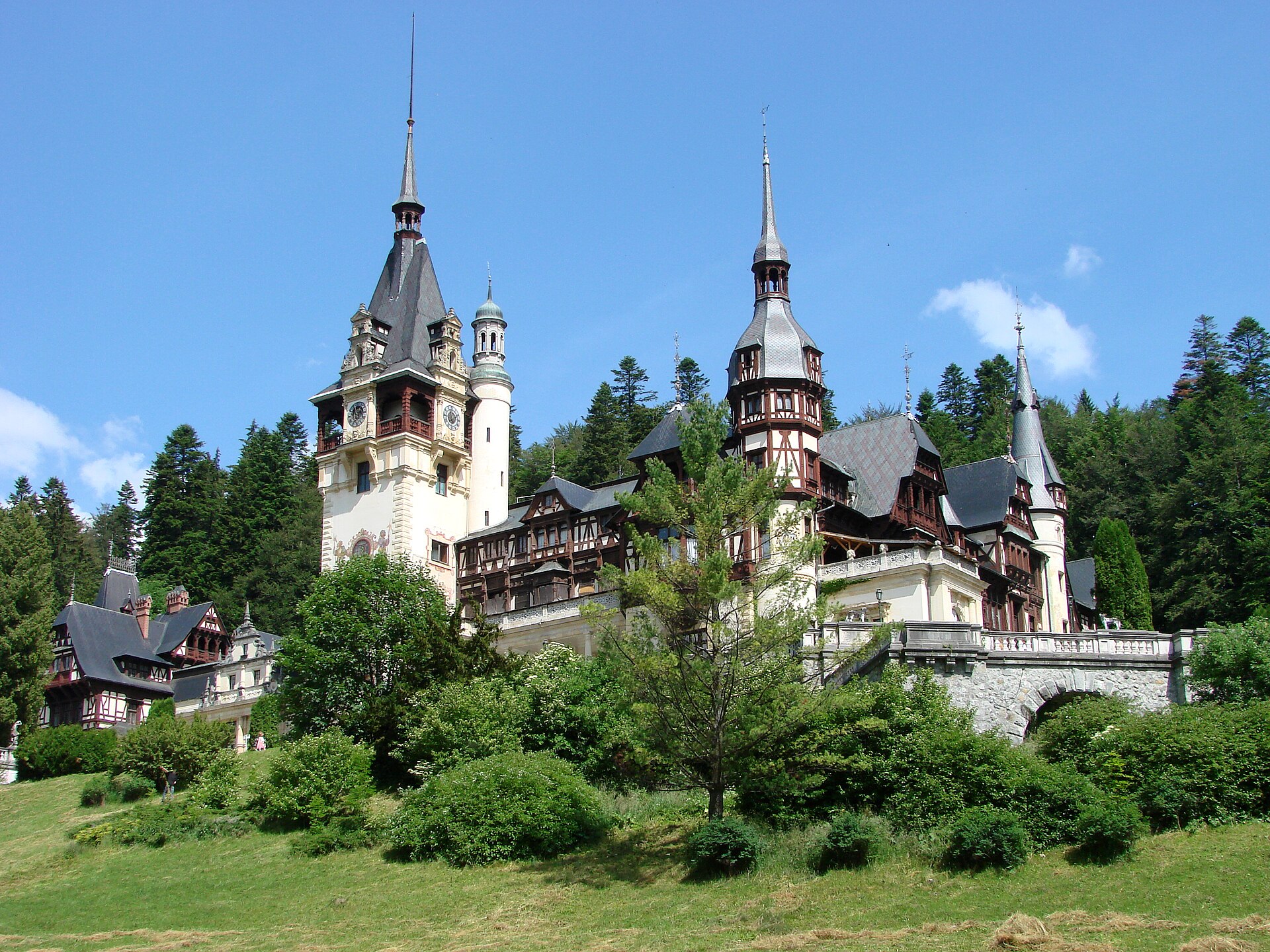
Among its remarkable features was its own power plant, which made Peles one of the first castles in Europe to be fully powered by electricity generated on site, its rooms lit by electric light at a time when this was still a novelty. The castle also boasted central heating, an elevator, and other modern conveniences, making it one of the most comfortable and advanced residences of the age.
This combination of romantic fantasy and cutting-edge technology is one of the most fascinating aspects of Peles. The king, a man of his modern age as well as a lover of the romantic past, ensured that his fairy-tale castle was also a showcase of the latest innovations, and the result was a building that united the beauty of the past with the comforts and technology of the future.
The presence of so much advanced technology behind the medieval-seeming facade is one of the delightful paradoxes of Peles. The king delighted in the innovations of his age as much as in the romance of the past, and he ensured that his fairy-tale castle would also be a showcase of modern engineering, uniting in a single building the beauty of history and the comforts of the future.
The castle’s own power plant, generating the electricity that lit its rooms, made Peles a pioneer of modern comfort at a time when electric light was still a wonder. Together with its central heating, its elevator, and its other innovations, this made the castle one of the most advanced residences in Europe, a fairy-tale home equipped with the very latest that the age of industry could provide.
Sumptuous Interiors
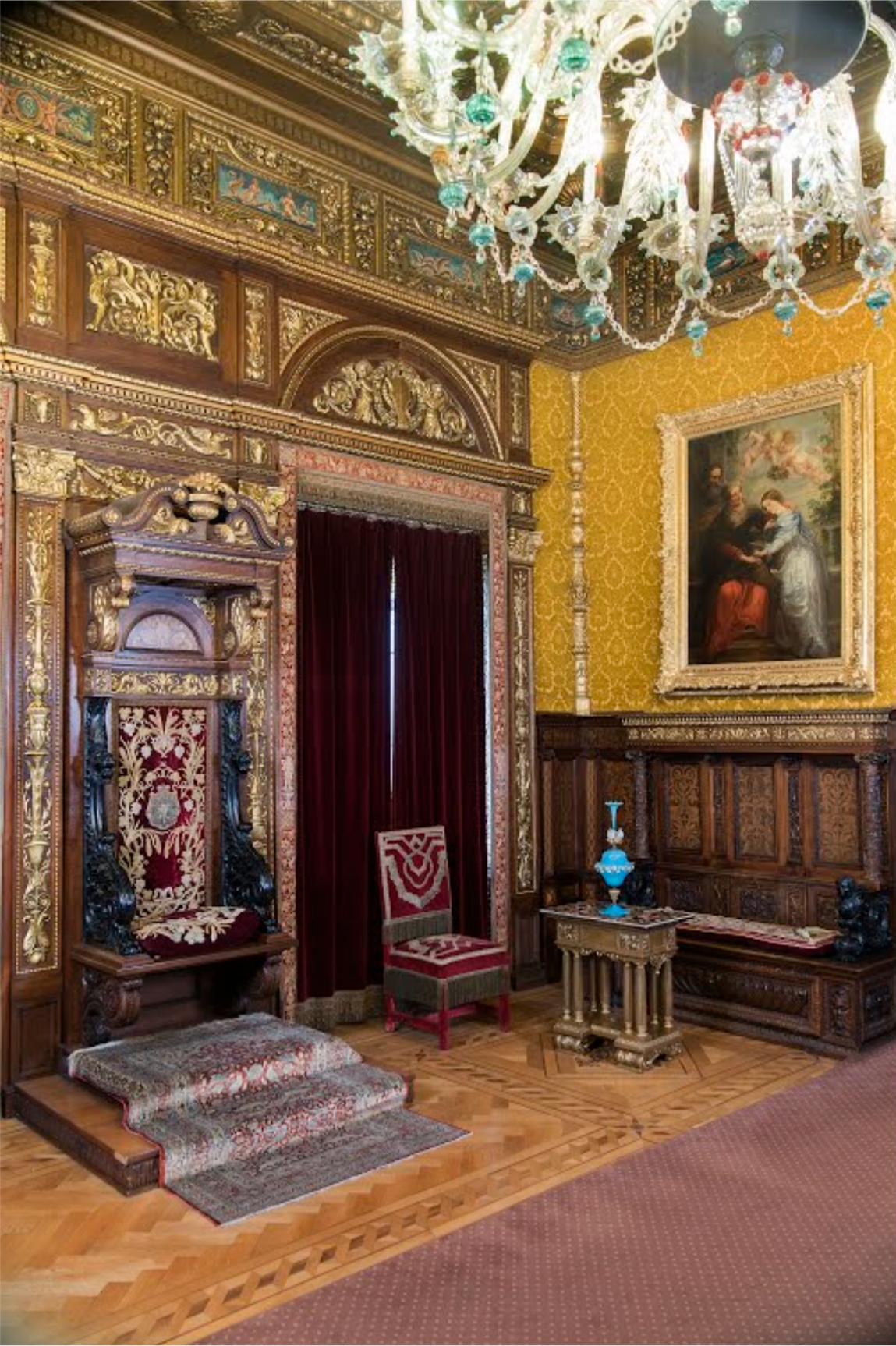
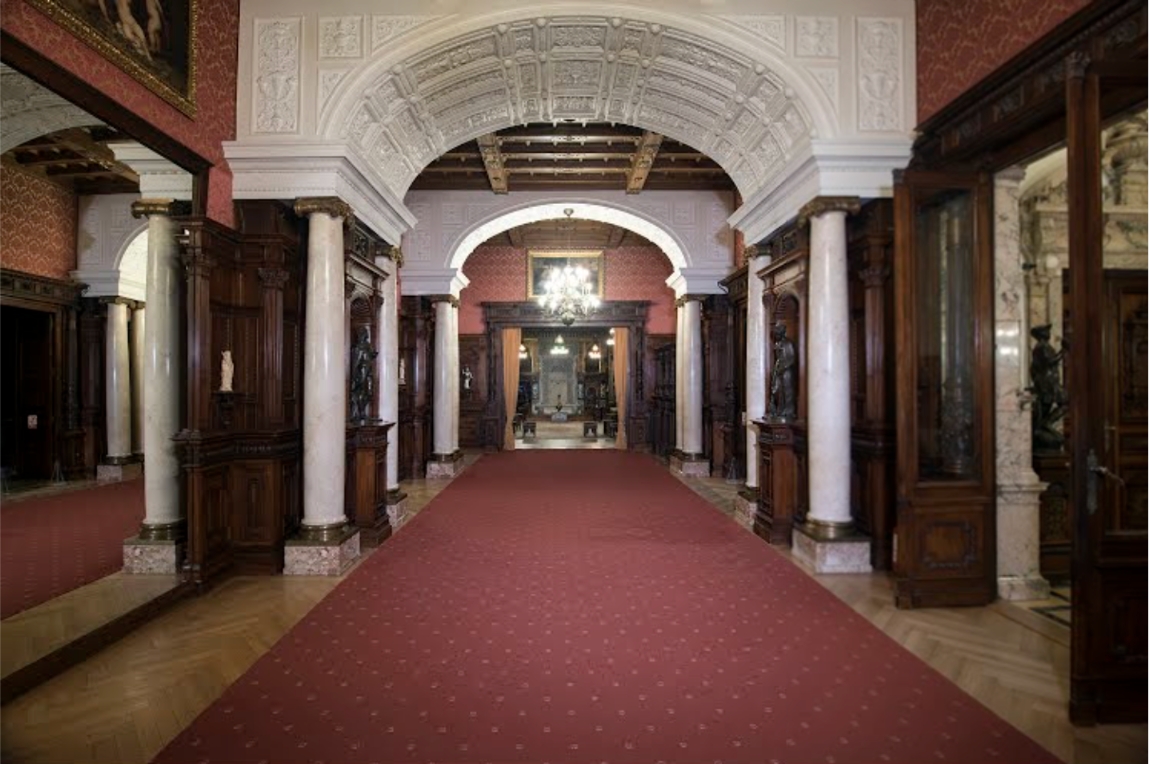
The interiors of Peles are among the most sumptuous and beautiful of any castle in Europe, a sequence of rooms of astonishing richness, each decorated in a different style and filled with treasures. From the grand entrance hall to the intimate private apartments, the castle unfolds in a series of interiors that leave visitors astonished at their beauty and variety.
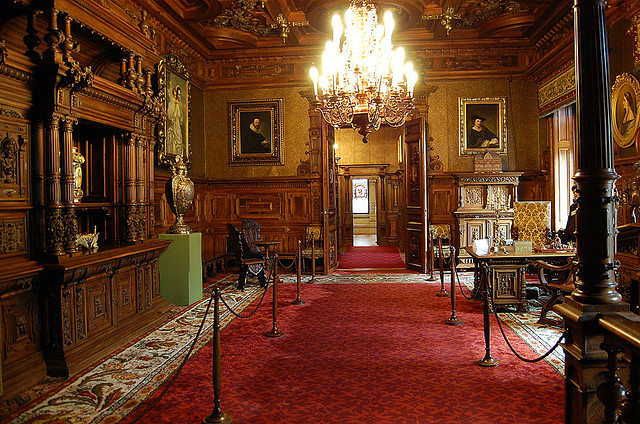
The rooms are decorated in a dazzling array of styles, drawn from across the history of European and world art, so that the visitor passes from a room in one manner to another in a wholly different style, each executed with the finest craftsmanship. Carved woodwork, stained glass, painted ceilings, tapestries, and rich furnishings fill the rooms, creating interiors of overwhelming splendour.
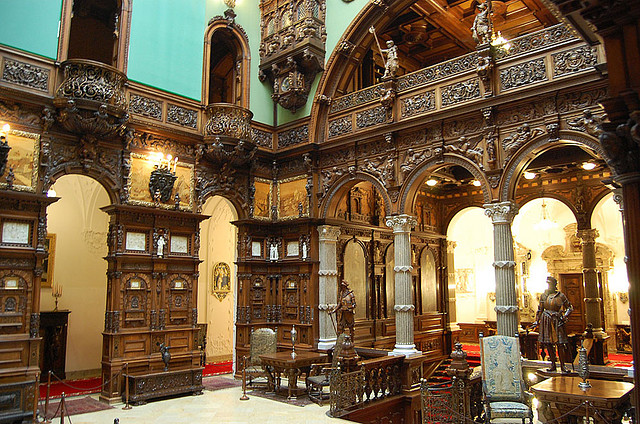
At the heart of the castle is its magnificent central hall, a soaring space rising through several storeys, richly carved and adorned, with a remarkable movable glass ceiling that could be opened to the sky. This great hall, and the sequence of splendid rooms around it, make the interior of Peles one of the supreme achievements of nineteenth-century decorative art, a treasure house of beauty and craftsmanship.
The dazzling variety of the interiors, each room in a different style, reflects the nineteenth-century delight in the whole history of art and design. To pass from one room to another is to travel through the styles of many lands and ages, each executed with the finest craftsmanship, and the cumulative effect is one of overwhelming richness and beauty, a treasure house of the decorative arts.
The great central hall, rising through several storeys and crowned with its remarkable movable glass ceiling, is the heart of the castle and one of its most astonishing spaces. That the ceiling could be opened to the sky, flooding the richly carved hall with light or air, was a marvel of engineering as well as of design, and it exemplifies the union of beauty and innovation that runs through the whole of Peles.
Treasures and Collections
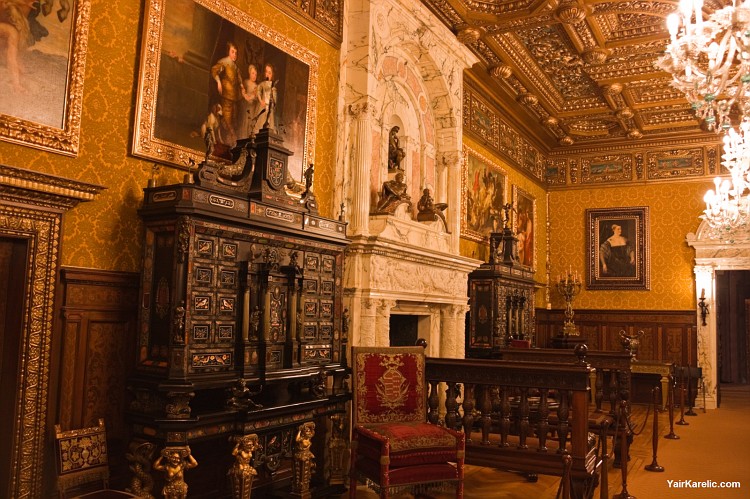
Peles is not only a masterpiece of architecture and decoration but a treasure house of art and collections gathered by the king and his successors. The castle contains a remarkable array of paintings, sculptures, arms and armour, tapestries, furniture, and decorative objects drawn from across the world, making it one of the richest royal collections in the region.
Among the most celebrated of the castle’s collections is its magnificent armoury, filled with arms and armour from many periods and lands, one of the finest such collections in the region. Alongside it are collections of paintings, ceramics, glass, silver, and countless other treasures, reflecting the wide-ranging taste and the wealth of the Romanian crown.
These collections turn the castle into a museum of art and craftsmanship as well as a royal residence, and they add immeasurably to the richness of a visit. Every room contains treasures to admire, and the sheer abundance of beautiful objects, gathered from across the world and displayed amid the splendour of the interiors, makes Peles a place of endless fascination and delight.
The magnificent armoury, one of the finest collections of arms and armour in the region, is among the highlights of the castle for many visitors, its ranks of gleaming weapons and suits of armour evoking the martial romance of the medieval past. Together with the paintings, ceramics, and countless other treasures, it makes the castle a museum of art as rich as any royal collection in the region.
The breadth of the collections, gathered from across Europe and beyond, reflects the wide horizons and refined taste of the Romanian court. From arms and armour to paintings, glass, and porcelain, the treasures of Peles turn each room into a cabinet of wonders, and the abundance of beautiful objects rewards the attentive visitor with endless discoveries throughout the castle.
The Theatre and Private Rooms
Among the many remarkable rooms of Peles is its own private theatre, a small and beautifully decorated auditorium where the royal family and their guests could enjoy performances. This intimate theatre, richly adorned, reflects the cultivated tastes of the court and the role of the castle as a place of leisure and entertainment as well as a royal residence.
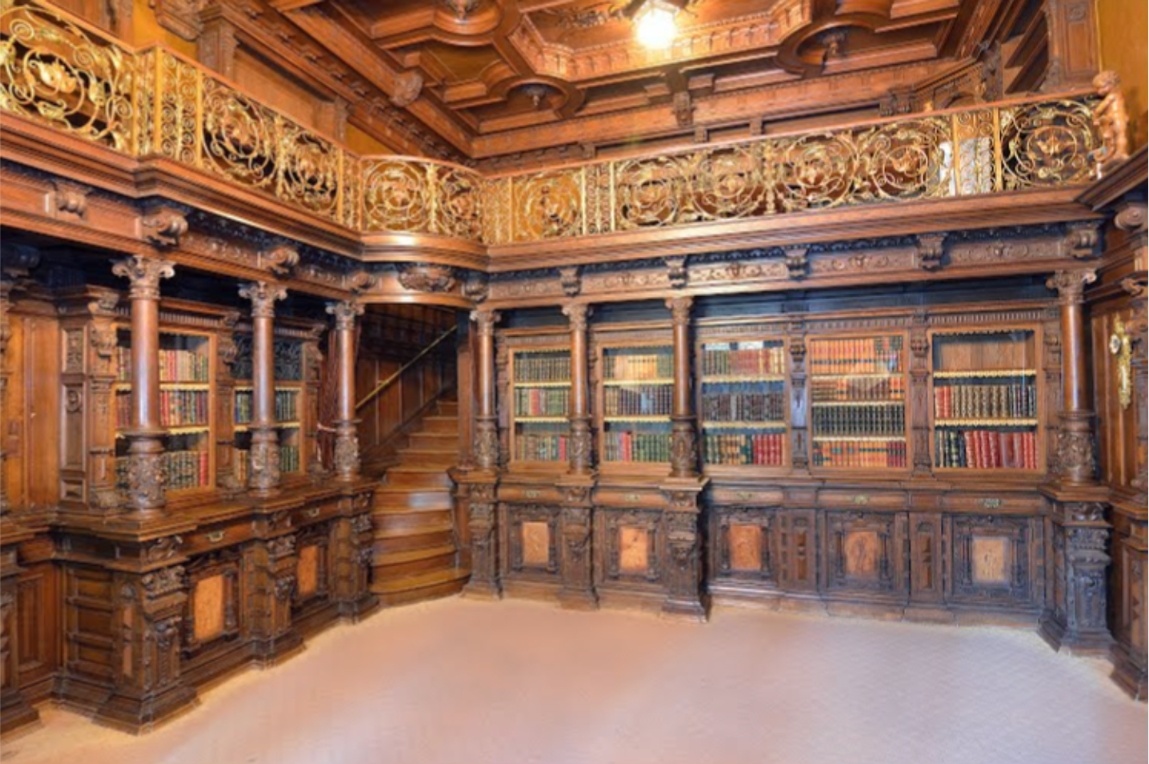
Beyond the grand state rooms, the castle contains the private apartments of the royal family, more intimate spaces decorated with the same care and richness as the ceremonial rooms. These private quarters, from studies and bedrooms to smaller salons, reveal the domestic life of the court and the personal tastes of the king and his family.
The variety of the castle’s rooms, from the grandest ceremonial halls to the intimate theatre and private apartments, reflects its role as a complete royal residence, a place of ceremony, culture, and family life. Each room, whatever its purpose, was decorated with the finest craftsmanship, so that the whole castle forms a single, sumptuous world of beauty and refinement.
The intimate private theatre reflects the cultivated life of the court, a place where music and drama could be enjoyed amid the splendour of the castle. Small but beautifully decorated, it reminds the visitor that Peles was not only a showcase of grandeur but a lived-in home, a place of leisure, culture, and family life for the royal family who spent their summers within its walls.
The Terraced Gardens
Peles is set amid beautiful terraced gardens that descend from the castle in a series of formal levels, adorned with statues, fountains, and ornamental planting. These Italian-inspired terraces provide an elegant formal foreground to the picturesque castle and the wild mountain landscape beyond, uniting architecture and nature in a harmonious composition.
The gardens are decorated with fine sculpture and ornamental features, creating a series of beautiful outdoor spaces that complement the splendour of the castle. From the terraces, visitors enjoy magnificent views of the castle rising above them and of the forested mountains all around, one of the most beautiful settings of any royal garden in Europe.
The terraced gardens are an essential part of the beauty of Peles, softening the transition from the formal architecture of the castle to the wild landscape of the Carpathians. Their statues, fountains, and elegant design add to the romantic character of the whole ensemble, and they provide the perfect setting from which to admire the fairy-tale castle in its magnificent mountain home.
The terraced gardens, with their statues and fountains, provide one of the most beautiful settings from which to admire the castle, and they form an elegant transition between the formal architecture and the wild landscape. In every season the gardens offer a different beauty, from the flowers of summer to the golden light of autumn over the terraces, and they are an essential part of the romantic ensemble of Peles.
Descending through the terraces, with the castle rising behind and the forested mountains all around, the visitor experiences one of the most beautiful garden settings in Europe. The formal elegance of the terraces, with their statues and fountains, provides a perfect counterpoint to the wild grandeur of the Carpathian landscape, and the whole ensemble of castle, garden, and mountains is a composition of extraordinary romantic beauty.
Through the Storms of History
The history of Peles reflects the turbulent history of Romania in the twentieth century. Built as the beloved summer residence of the monarchy, the castle passed through the upheavals of war and revolution, and with the coming of the communist regime after the Second World War, the monarchy was abolished and the castle was seized by the state.
Under the communist regime, the castle was nationalised and its royal owners driven into exile, and for a time it was closed and its future uncertain. Yet the beauty and importance of Peles ensured its preservation, and it was eventually opened as a museum, its treasures displayed to the public even as the monarchy that created it remained abolished.
With the fall of the communist regime and the return of democracy to Romania, the history of the castle entered a new phase, and questions of its ownership and future were addressed. Through all these upheavals, the castle survived, its beauty and its treasures preserved, and it remains today one of the great cultural treasures of Romania, a monument to the monarchy that built it and to the nation’s turbulent modern history.
The survival of Peles through the upheavals of the twentieth century, when the monarchy was abolished and the castle seized by the state, is a testament to its beauty and importance. That so magnificent a creation should have endured through war, revolution, and dictatorship, its treasures preserved, is a piece of good fortune for Romania and for all who value the heritage of the past.
A Museum of Royal Splendour
Today Peles is a museum, its magnificent rooms, treasures, and collections open to the public as one of the great cultural attractions of Romania. Visitors can tour the sumptuous interiors, admire the armoury and the collections of art, and experience the splendour of the royal residence created by the first king of modern Romania.

As a museum, the castle preserves and displays the extraordinary heritage of the Romanian monarchy, from the grandeur of its architecture and interiors to the richness of its collections. It offers visitors a vivid encounter with the world of the royal court and with one of the supreme achievements of nineteenth-century art and craftsmanship, all in a setting of incomparable beauty.
The transformation of the castle into a museum has ensured that its beauty and treasures are shared with the people of Romania and with visitors from around the world. Peles has become one of the most visited and beloved sites in the country, a source of national pride and a monument to the beauty, culture, and ambition of the Romanian monarchy at its height.
The opening of the castle as a museum ensured that its beauty and treasures would be shared with the public, and it has become one of the most visited and beloved sites in Romania. Through the museum, the extraordinary heritage of the Romanian monarchy is preserved and displayed, and visitors from around the world can experience the splendour of the royal residence in its magnificent mountain setting.
As one of the most visited sites in Romania, the castle has become a source of national pride and a symbol of the country’s royal heritage. Its transformation from a private royal residence into a public museum has made its beauty accessible to all, and it stands today as a cherished treasure of the nation, drawing admirers from around the world to the Carpathian valley where it rises.
Pelisor and the Royal Estate
Peles does not stand alone, for near the great castle stands a smaller and more intimate royal residence, built for the king’s successor and his family. This smaller castle, charming and beautifully decorated in its own right, forms part of the royal estate, complementing the grandeur of Peles with a more domestic and personal character.
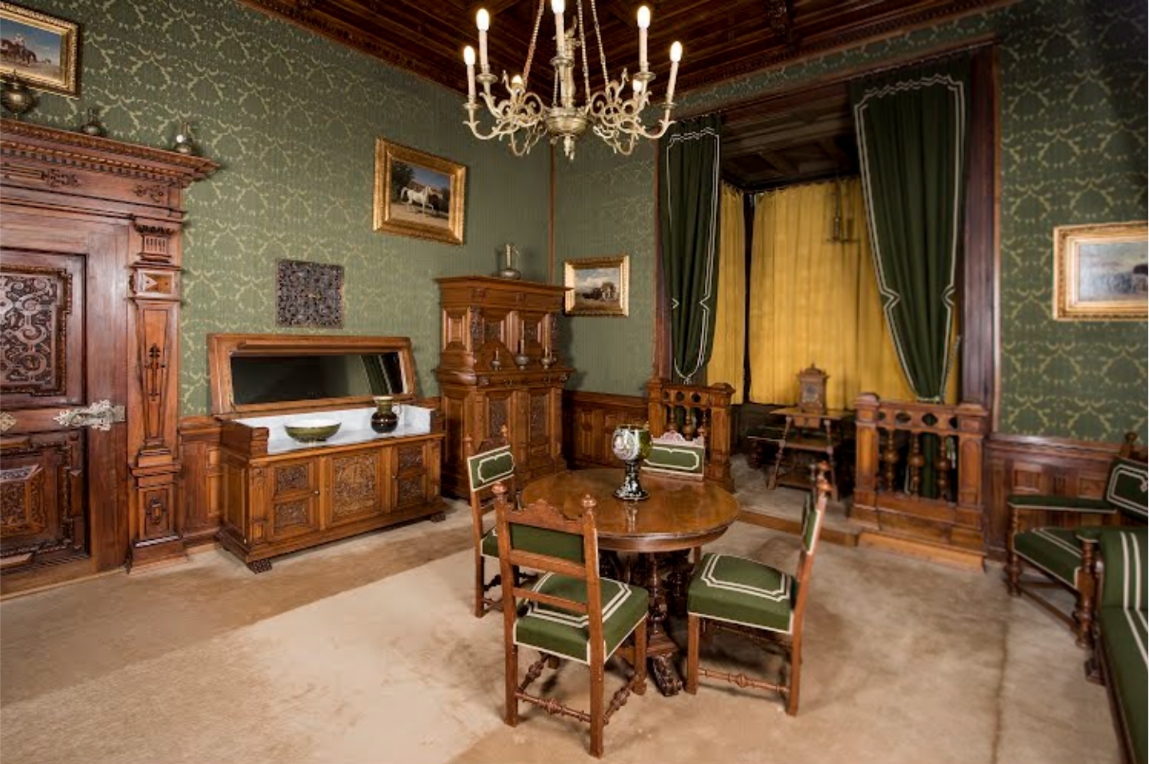
The smaller castle is celebrated for its interiors, decorated in the styles fashionable at the turn of the century, reflecting the tastes of the queen for whom much of it was created. Together with Peles, it forms a royal estate of great beauty and interest, offering visitors two distinct but related royal residences to explore amid the mountain setting.
The royal estate, with its great and lesser castles, its gardens, and its mountain surroundings, formed a complete world for the Romanian court in the warm months of the year. To visit the estate is to encounter not only the fairy-tale grandeur of Peles but the more intimate charm of its companion, and to appreciate the full extent of the royal retreat created amid the Carpathian mountains.
The smaller companion castle, more intimate and personal in character, offers a fascinating contrast to the grandeur of Peles, reflecting the tastes of a later generation of the royal family. Together the two castles, with their gardens and mountain surroundings, form a complete royal estate, and a visit to both reveals the full extent and variety of the royal retreat created amid the Carpathians.
Peles Castle Today
Today Peles Castle is one of the most beautiful and beloved royal residences in Europe, drawing visitors from around the world to admire its fairy-tale architecture, its sumptuous interiors, its treasures, and its magnificent mountain setting. As a museum, it offers an experience of extraordinary richness, uniting art, history, and natural beauty in a single unforgettable site.

A visit reveals the picturesque exterior rising against the Carpathian peaks, the astonishing interiors with their dazzling variety of styles, the great central hall with its movable glass ceiling, the armoury and the collections of art, the theatre and the private apartments, and the beautiful terraced gardens. Few castles anywhere gather so much beauty and interest into a single place.
To experience Peles Castle is to encounter one of the supreme achievements of nineteenth-century art and a monument to the Romanian monarchy at its height, set amid the beauty of the Carpathian mountains. A fairy-tale castle that is also a marvel of technology and a treasure house of art, Peles stands as one of the most beautiful and remarkable royal residences in all of Europe, the jewel of the Romanian mountains.
For the visitor to Romania, Peles is among the essential experiences of the country, offering an encounter with one of the most beautiful royal residences in Europe in a setting of incomparable natural beauty. Whether drawn by the architecture, the interiors, the collections, or the mountain landscape, visitors come away enchanted by the fairy-tale castle in the Carpathian valley.
Peles rewards a leisurely visit, for the richness of its interiors and the beauty of its setting deserve to be savoured rather than hurried through. Whether admired from the terraced gardens, explored room by sumptuous room, or simply contemplated against its mountain backdrop, the castle offers one of the most memorable experiences of any royal residence in Europe, a fairy tale made real in the heart of the Carpathians.
Palaces Nearby
Peles Castle is one of the great royal residences of the Balkans and southeastern Europe, and its story finds echoes in the royal palaces of the neighbouring nations of the region. Two more of these royal seats make natural companions to a visit here, each embodying the history of its own nation.
- The Royal Compound of Belgrade – home of the Serbian crown at Dedinje.
- Euxinograd – the Black Sea retreat of the Bulgarian crown.
You May Like
A Corrupt Fortune and a Prince’s Garden in Old Beijing


One thought on “Peles Castle: A Fairy Tale in the Carpathians”