High in the Andes, at an altitude of some two thousand eight hundred meters, the old city of Quito spreads across a mountain valley beneath the volcanoes of Ecuador. At the heart of its magnificent colonial center, on the great square known as the Plaza de la Independencia, stands the Palacio de Carondelet, the seat of the government of Ecuador and the office of the president of the republic, one of the most historic and beautiful seats of power in South America.
The palace takes its name from a colonial governor who did much to embellish it, and it has served as the center of power in Ecuador since the days of Spanish rule, through independence, and into the modern republic. Its long white facade, with its arcaded gallery looking out over the great square, is one of the defining images of Quito, a city whose colonial center is among the finest and best preserved in all of the Americas.
To stand before the Palacio de Carondelet is to stand at the political heart of Ecuador, on a square that has witnessed the great dramas of the nation’s history, from the first stirrings of independence to the upheavals of the modern era. The palace, with its dignified architecture and its commanding position, embodies the continuity of power in a nation set among the high peaks of the Andes.
Over the following pages you will explore the whole story of this remarkable place, from its colonial origins through its role in the independence of Ecuador, to its architecture, its ceremonial life, and its function today as the working seat of the Ecuadorian presidency. Come and discover the Palacio de Carondelet on the great square of Quito.

In This Article
- Quito and Its Great Square
- Colonial Origins
- The Cradle of Independence
- Seat of the Republic
- The Architecture of the Palace
- The Halls and the Presidency
- The Changing of the Guard
- The Plaza Grande
- A Jewel of a World Heritage City
- A Symbol of Ecuador
- The Working Seat of Power
- See the Palacio de Carondelet for Yourself
- Visiting the Palacio de Carondelet Today
Quito and Its Great Square
The story of the Palacio de Carondelet is inseparable from the city of Quito, one of the oldest and most beautiful of the Spanish colonial cities of South America. Founded in the sixteenth century on the site of an important indigenous settlement, high in the Andes, Quito grew into a major center of the Spanish empire and a place of extraordinary architectural richness.

At the heart of the city lies the great square, the Plaza de la Independencia, also known as the Plaza Grande, which was laid out at the founding of the city as its central space. Around this square gathered the great institutions of colonial and later national life, the cathedral, the archbishop’s palace, the municipal buildings, and the seat of government.
The historic center of Quito, with this great square at its heart, is one of the finest and best-preserved colonial centers in the Americas, a place of churches, monasteries, palaces, and squares that has been recognized as a treasure of world heritage. The Palacio de Carondelet is among the most important of the buildings that make up this remarkable ensemble.
The palace, occupying one side of the great square, has stood at the center of the life of Quito for centuries, the seat of power around which the political life of the city and the nation has revolved, and one of the defining elements of one of the world’s great historic urban landscapes.
The altitude and the setting give Quito a character unlike any other capital, a city of red-tiled roofs and white church towers set among green mountain slopes, with the snow-capped peaks of the Andes rising beyond. The Palacio de Carondelet, on its great square, is the civic heart of this extraordinary mountain city.
Colonial Origins
The origins of the Palacio de Carondelet lie in the colonial period, when the site on the great square served as the seat of the Spanish administration of the region. As the center of Spanish power in what was then the Audiencia of Quito, a subdivision of the Spanish empire in South America, the building housed the authorities who governed the territory.

Over the colonial centuries, the building was developed and embellished to serve as an appropriate seat for the Spanish administration. It took its name from a colonial official whose tenure was marked by significant improvements to the building and to the city, and whose name became permanently attached to the palace.
The colonial palace was the center of government for a territory of considerable importance within the Spanish empire, a region rich in resources and strategically significant, and its architecture and appointments reflected the dignity of the authority it housed. It was, throughout the colonial era, the seat of the highest power in the region.
As the Spanish empire in the Americas entered its long crisis in the late colonial period, the palace on the great square of Quito would become the focus of the dramatic events that led to the independence of Ecuador, taking on a new significance in the birth of the nation.
The wealth and importance of the colonial city, drawn from agriculture, trade, and the labor of its people, adorned Quito with an astonishing concentration of religious and civic architecture, and the seat of government on the great square was the secular counterpart to the great churches that made the city famous throughout the Spanish world.
The name Carondelet, borne by the governor who embellished the building, has long outlived the man himself, becoming a byword for the Ecuadorian presidency in the way that other nations speak of their own famous seats of power, a single word that stands for the executive authority of the state.
The Cradle of Independence
Quito holds a special place in the history of South American independence, for it was here, on the great square before the seat of colonial power, that some of the earliest stirrings of the independence movement took place. The city has been called a cradle of independence, and the palace and its square were at the center of these momentous events.
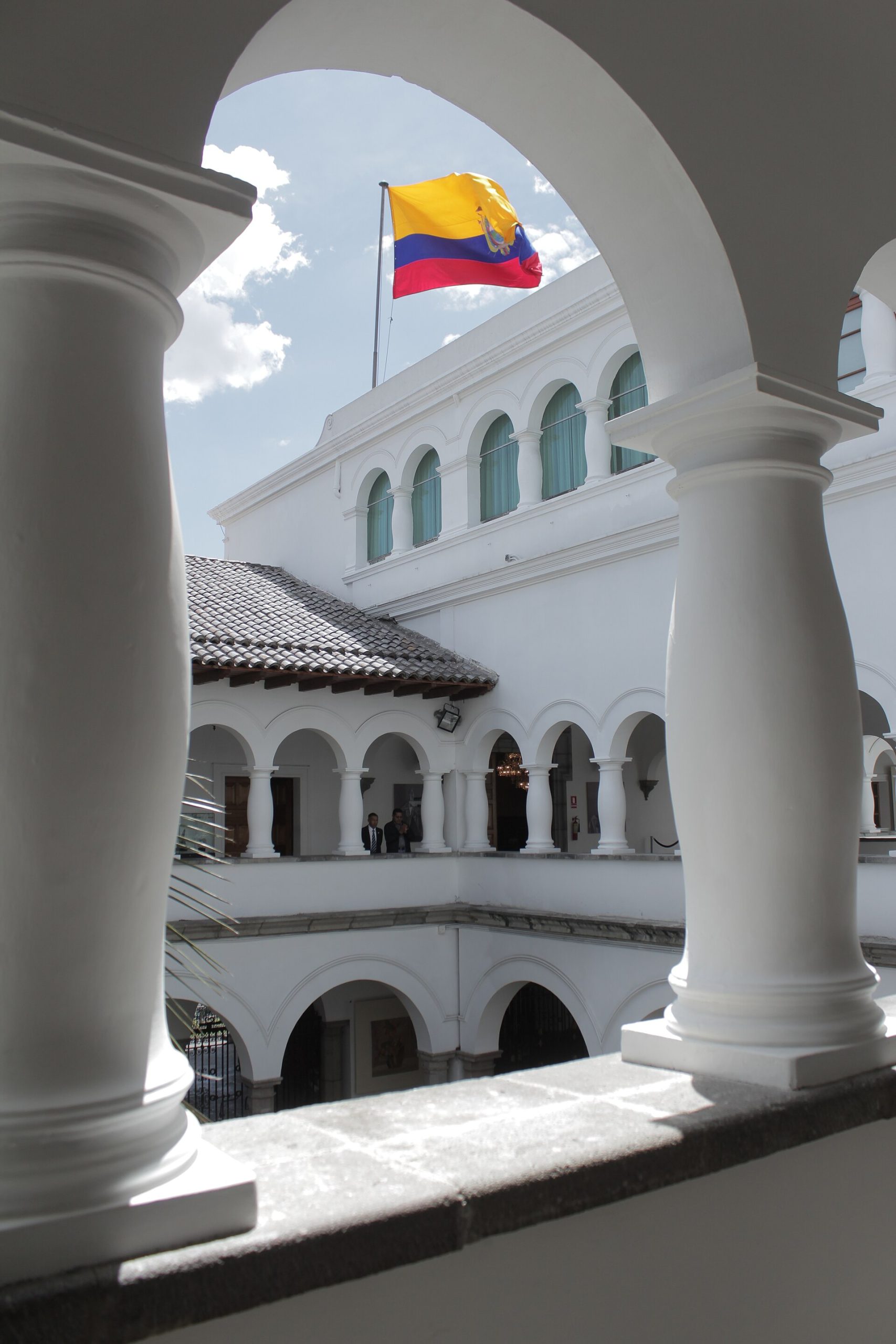
The early movements for independence in Quito, in the first decade of the nineteenth century, were among the first challenges to Spanish authority in South America, and though they were initially suppressed, they marked the beginning of the long struggle that would eventually bring independence to Ecuador and the wider region.
The great square before the palace was the setting for these dramatic events, and it takes its name, the Plaza de la Independencia, from the struggle for freedom that unfolded here. The palace, as the seat of the power being challenged, stood at the very center of the drama of the nation’s birth.
With the eventual achievement of independence, the palace that had been the seat of Spanish colonial authority became the seat of the government of the new nation, continuing its role as the center of power under the flag of an independent Ecuador and taking its place in the history of the republic.
The events in Quito in the first decade of the nineteenth century are remembered as a decisive early step in the long struggle for South American independence, and the city’s claim to be a cradle of that struggle is a source of enduring pride. The palace and its square stand at the very center of this founding national memory.
Seat of the Republic
With independence, the Palacio de Carondelet became the seat of the government of Ecuador and the office of the presidents of the republic, a role it has held ever since. The building that had symbolized Spanish colonial power became the symbol of Ecuadorian sovereignty and the center of the nation’s political life.
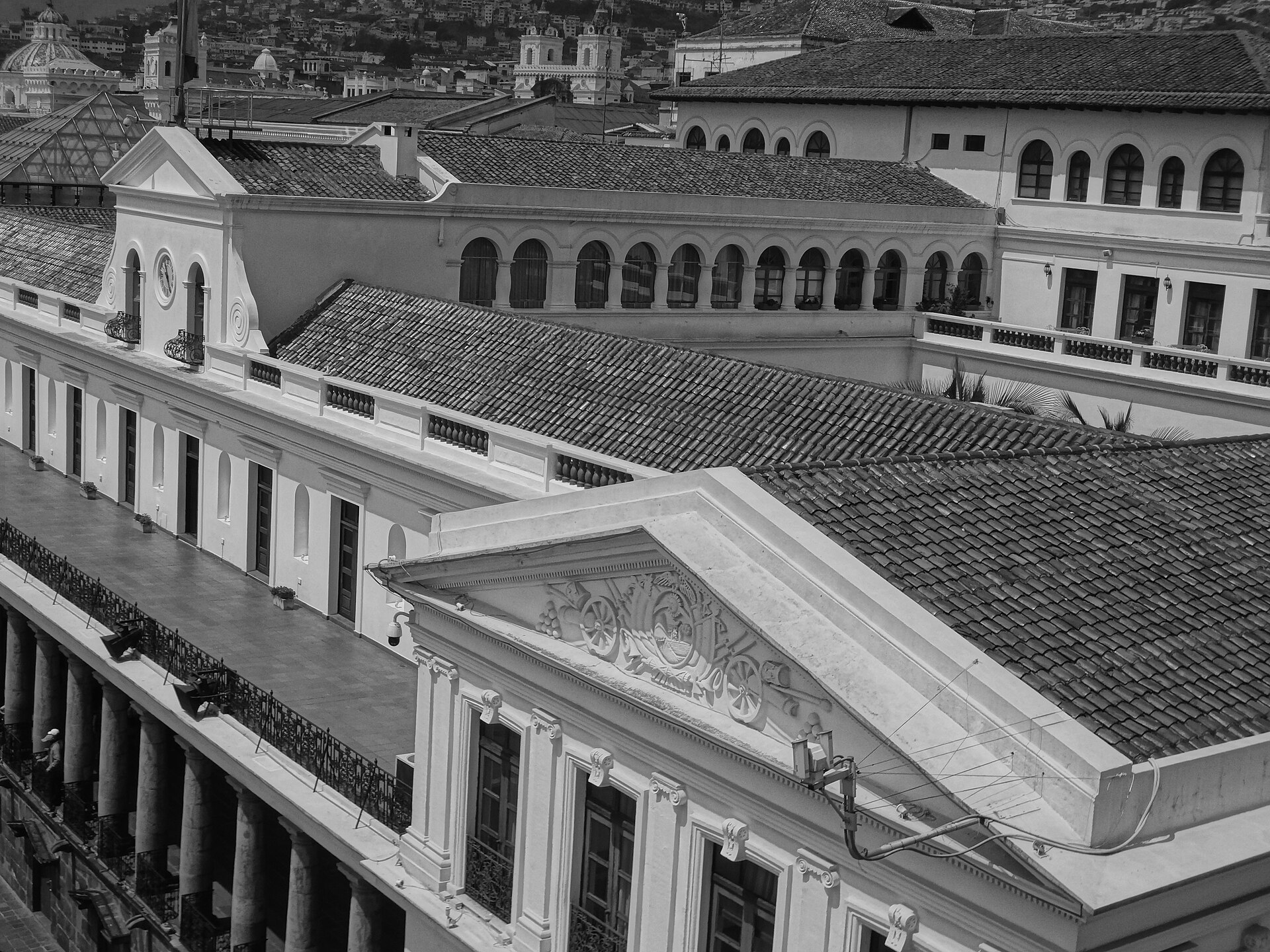
The history of Ecuador, like that of many South American nations, has been marked by periods of political turbulence, and the palace has been at the center of these dramas, witnessing the succession of governments and leaders and the great events of the nation’s history. It has been the prize sought by contending forces and the symbol of legitimate authority.
Through all the vicissitudes of the nation’s political life, the palace has remained the seat of executive power, the place from which Ecuador is governed. It has become bound up with the whole history of the republic, a witness to and a stage for the nation’s long and often dramatic political journey.
The continuity of the site as the center of power, from the colonial administration through independence to the modern republic, gives the palace a symbolic depth that transcends any particular government, embodying the enduring center of Ecuadorian authority across the whole sweep of the nation’s history.
The palace has witnessed the full drama of Ecuadorian political life, a history marked by both remarkable figures and turbulent episodes, and its walls have absorbed the memory of the leaders who governed from it and the events that unfolded around it, making the building a living record of the nation’s story.
The Architecture of the Palace
The Palacio de Carondelet is admired for its dignified and elegant architecture, above all its long facade facing the great square, with its arcaded gallery that provides a shaded walkway and a commanding view over the plaza. This facade is one of the defining images of Quito and one of the finest examples of the architecture of the historic center.
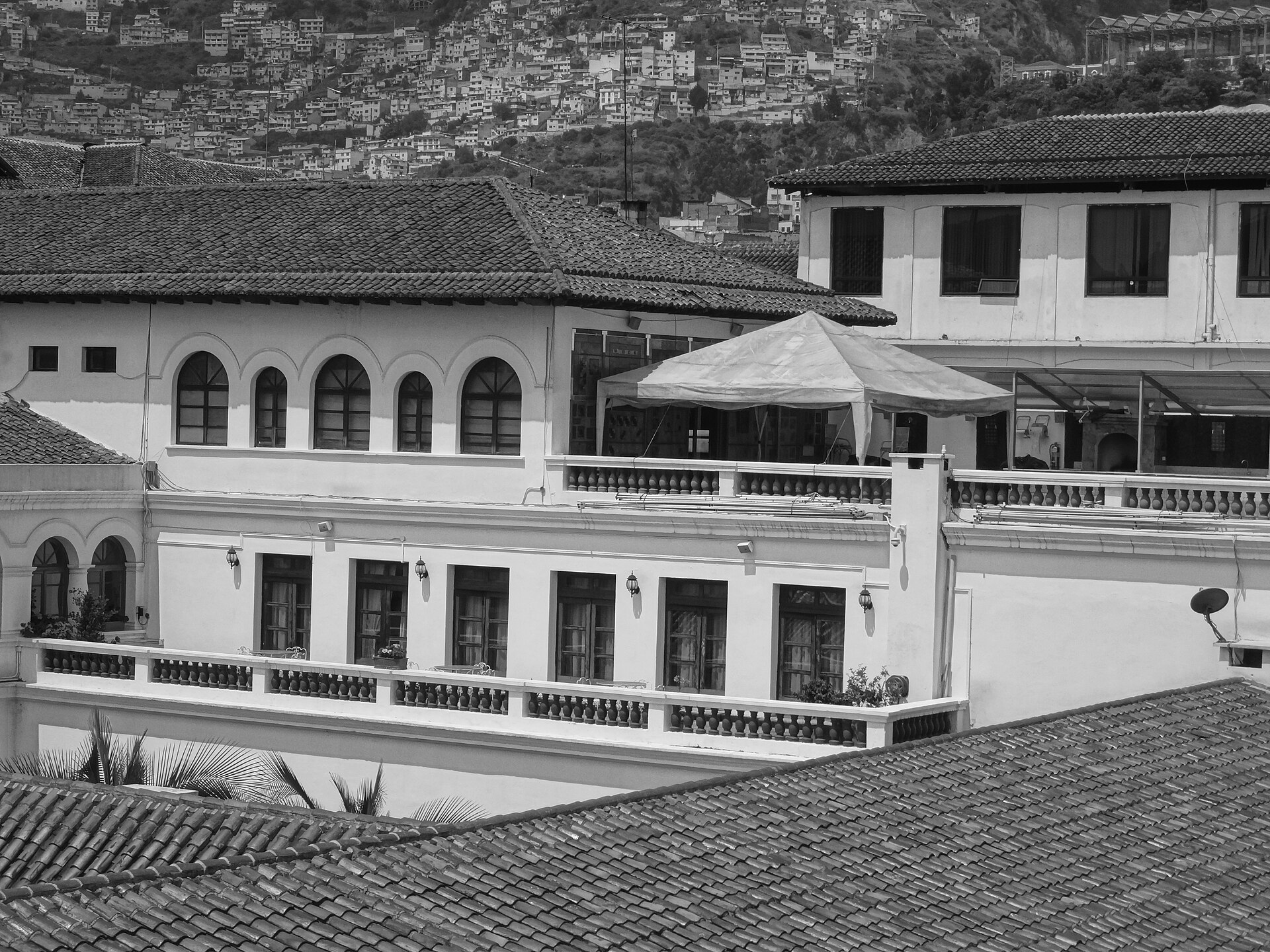
The building is arranged, in the manner of the great colonial palaces of Spanish America, around interior courtyards, with its rooms and galleries organized around these open spaces. The courtyards bring light and air into the building and provide the setting for the grand staircases and halls within, in the classic pattern of the colonial palace.
The palace has been modified and embellished over the centuries, reflecting the changing needs and tastes of its occupants from the colonial governors to the presidents of the republic. Its architecture combines colonial dignity with later additions and refinements, producing a building that is both historic and grand.
The setting of the palace, high in the Andes with the volcanoes visible beyond the city, gives it a spectacular backdrop, and its long white facade on the great square, beneath the mountain light, is among the most beautiful sights of one of the world’s great historic cities.
The arcaded gallery that runs along the front of the palace is one of its most distinctive and beloved features, a shaded colonnade that mediates between the building and the great square, offering both a commanding vantage point and a graceful architectural transition between the seat of power and the public space before it.
The interplay of the white facade, the arcaded gallery, and the great open square, all set beneath the brilliant high-altitude light of the Andes, gives the palace a luminous quality that photographs struggle to capture, a brightness and clarity that belong to its particular place among the mountains.
The Halls and the Presidency
Within the Palacio de Carondelet are the grand halls and rooms that serve the ceremonial and working functions of the Ecuadorian presidency. These interiors, richly appointed, provide the setting for the reception of dignitaries, official ceremonies, and the great occasions of the state, as well as the working offices of the executive.

The halls are decorated with a magnificence befitting the seat of the nation’s government, with fine furnishings, works of art, and appointments that reflect the history and culture of Ecuador. Among the notable features are the grand staircases and the ceremonial halls used for the most important functions of the state.
The palace contains works of art and objects associated with the history of Ecuador and its presidency, and some of its spaces reflect the nation’s cultural heritage, from colonial art to more modern works. These interiors witnessed the great occasions of the state and the daily work of governing the nation.
For those able to enter the palace, these halls offer a glimpse of the grandeur of the Ecuadorian state and the ceremonial world of the presidency, complementing the historic facade and setting of the building with the richness of its interior spaces.
Among the treasures associated with the palace are works of art reflecting the rich artistic traditions of Quito, which was renowned in the colonial era as a great center of painting and sculpture, so that the seat of government also serves, in part, as a showcase for the artistic heritage of the city and the nation.
The Changing of the Guard
One of the popular features associated with the Palacio de Carondelet is the changing of the guard, a ceremony that takes place before the palace on the great square and draws crowds of spectators to witness the pageantry of the Ecuadorian state. This colorful display has become a notable attraction of Quito.
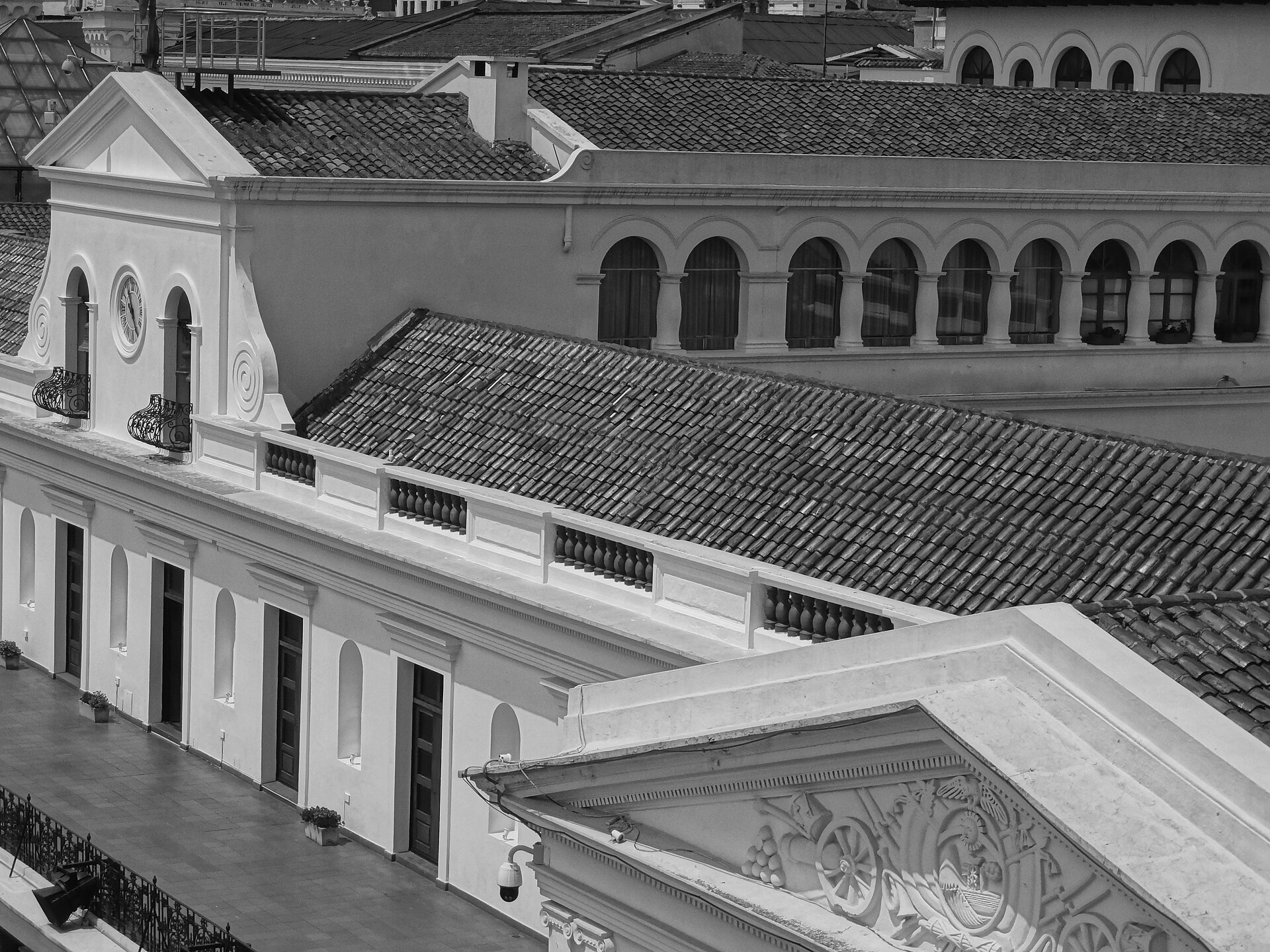
The ceremony involves the ceremonial guard of the palace, performing a formal display before the building, often accompanied by music, in a spectacle that expresses the dignity and traditions of the state. On certain occasions, the president may appear, adding to the significance of the event and connecting the ceremony to the highest office of the nation.
The changing of the guard connects the working seat of government to the public and to the traditions of the nation, providing a regular occasion on which citizens and visitors can gather before the palace to witness the pageantry of the state, in the great square that has been the center of the nation’s life for centuries.
Through this ceremony, the palace maintains its connection to the public life of Ecuador, its guard and its pageantry serving as a visible expression of the traditions and dignity of the state, drawing the people and visitors of the city into the ceremonial life of the seat of power.
The pageantry of the guard, set against the backdrop of the great square and the colonial city, offers visitors a memorable spectacle and a point of connection with the traditions of the Ecuadorian state, a regular reminder that this beautiful old building is not a mere monument but the living seat of the nation’s power.
The Plaza Grande
The Palacio de Carondelet faces the great square of Quito, the Plaza de la Independencia or Plaza Grande, which is the ceremonial and symbolic heart of the city and of Ecuador. This grand square, laid out at the founding of the city, is surrounded by the great buildings of colonial and national life.

Around the square stand the cathedral, the archbishop’s palace, the municipal palace, and the seat of government, forming an ensemble that expresses the civic, religious, and political life of the nation. At the center of the square stands a monument to the heroes of independence, commemorating the struggle that gives the plaza its name.
The Plaza Grande has been the setting for the great events of Quito’s history, from the dramas of independence to the celebrations and upheavals of the modern era. It is the place where the people of the city have gathered, in celebration and in protest, before the seat of power, throughout the long history of the nation.
For the Palacio de Carondelet, its position on this great square is central to its identity and significance, placing it at the heart of the ceremonial life of the nation, in the symbolic center of one of the most beautiful and historic cities of the Americas.
The Plaza Grande remains, to this day, the living heart of Quito, a place where citizens gather to stroll, to talk, and, when the occasion demands, to make their voices heard before the seat of power. The relationship between the palace and the square is the relationship between the government and the people, played out daily in the open air.
A Jewel of a World Heritage City
The Palacio de Carondelet stands at the heart of the historic center of Quito, which was among the first places in the world to be recognized as a site of outstanding universal value, celebrated for the extraordinary richness and preservation of its colonial architecture. The palace is one of the most important buildings in this remarkable ensemble.

The historic center of Quito is a place of churches, monasteries, palaces, and squares of exceptional beauty, preserving the architecture of the Spanish colonial era on a scale and to a degree found in few other cities. The recognition of this heritage reflects the outstanding value of the city as a whole.
Within this ensemble, the Palacio de Carondelet occupies a place of special importance as the seat of government, its long facade forming one side of the great square around which the whole historic center is organized. The palace is thus both a working seat of power and a jewel of one of the world’s great heritage cities.
The preservation of the historic center of Quito, including the palace, reflects the deep value placed on this heritage by Ecuador and by the wider world, and ensures that the beauty and history of the city, and of the palace at its heart, will be preserved for future generations to admire and enjoy.
That the seat of a working government should stand at the heart of a UNESCO World Heritage city is itself remarkable, for it means that the daily business of the Ecuadorian state is conducted amid one of the finest concentrations of colonial architecture in the world, a fusion of living government and preserved heritage found in few other places.
A Symbol of Ecuador
The Palacio de Carondelet has become one of the great symbols of Ecuador, recognized throughout the nation and beyond as the seat of power and a monument to the country’s history. Its facade on the great square is an icon of Quito and of Ecuador, the face of the nation’s government.

For Ecuadorians, the palace carries a wealth of meaning, connected to the whole history of their nation, from the colonial era through the struggle for independence to the modern republic. It is a building that embodies the deep continuity of Ecuadorian power and the long history of the capital.
The palace also represents the endurance of the nation’s institutions through a turbulent history, a building that has remained the seat of power through colonial rule, independence, and the vicissitudes of the republic. Its continuity is a symbol of the persistence of the state and the nation.
In all these ways, the Palacio de Carondelet is far more than a government office. It is a symbol of Ecuador itself, of its history, its capital, and its identity, a palace that stands at the heart of one of the world’s most beautiful cities and that continues to embody the long and dramatic story of the Ecuadorian nation.
For a nation whose heritage stretches back through the Inca empire and the great indigenous cultures of the Andes, the Palacio de Carondelet represents the layer of that history associated with the colonial city and the modern republic, a reminder that Ecuador’s story encompasses both the ancient civilizations of the highlands and the more recent history of the nation.
The Working Seat of Power
The Palacio de Carondelet remains the working seat of the Ecuadorian presidency and the center of the nation’s executive power. It houses the offices of the president and the executive branch, and it continues to serve as the center from which Ecuador is governed, maintaining its ancient role as the seat of authority.
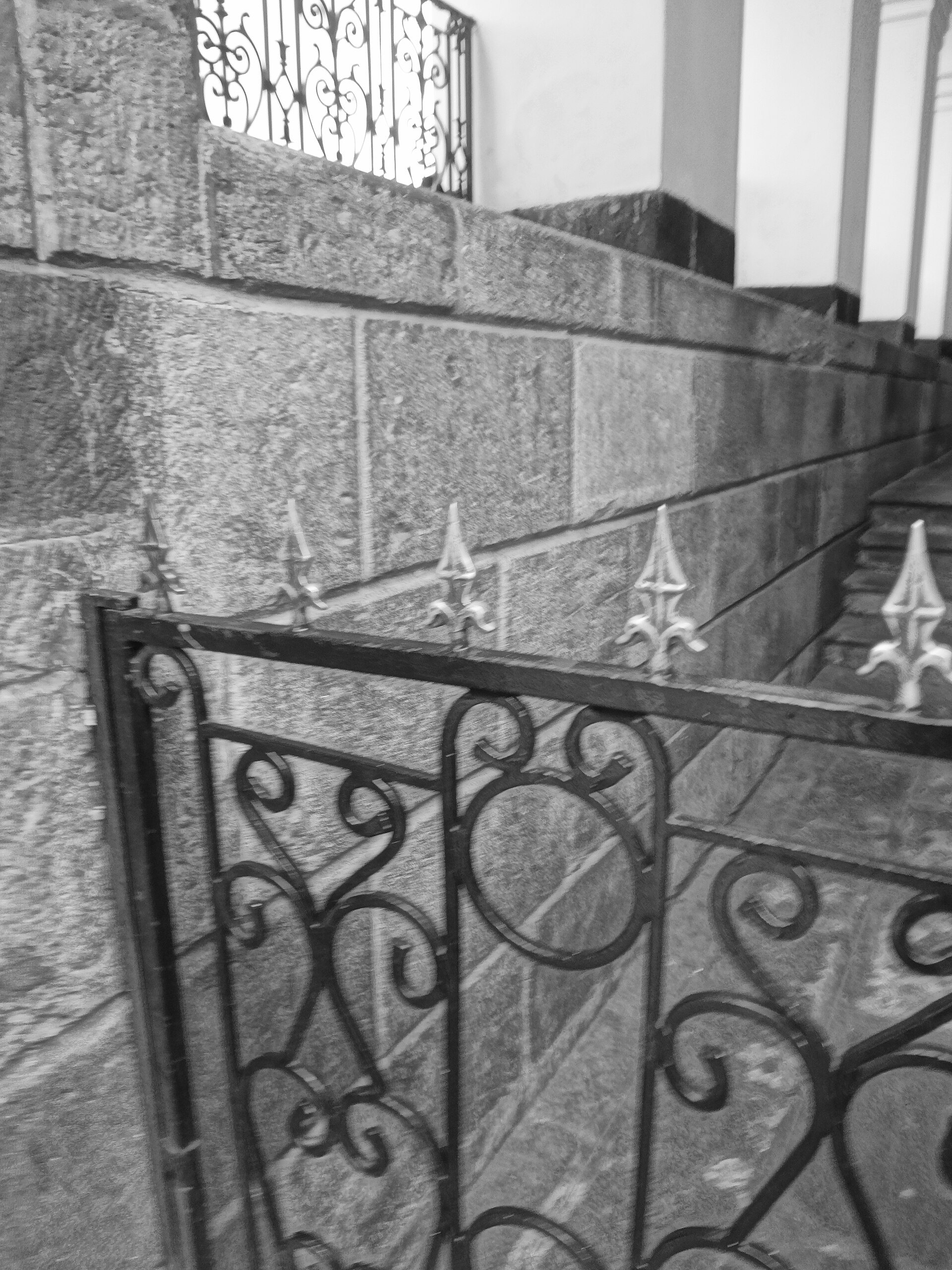
This continuing function ensures that the palace remains at the center of national life, the setting for the daily work of government, for official announcements and ceremonies, and for the reception of important guests. Its halls and its balcony continue to serve the purposes for which the building has always existed.
The dual character of the palace, as both a historic site and a working seat of government, gives it a special vitality. It is a living building, where the ongoing life of Ecuadorian politics unfolds, adding new chapters to the long history embodied in this most historic of sites on the great square of Quito.
In this way the Palacio de Carondelet continues its role as the center of power in Ecuador, a building that has served as the seat of authority through colony, independence, and republic, and that remains, to this day, the beating heart of the Ecuadorian state, high in the Andes.
Each president who governs from the Palacio de Carondelet adds a new chapter to the long story of the building, inheriting not only the offices of state but the accumulated history of the site, from the colonial governors through the heroes of independence to the leaders of the modern republic, in an unbroken succession of power on the great square of Quito.
See the Palacio de Carondelet for Yourself
The grandeur of the Palacio de Carondelet and its spectacular setting on the great square of Quito, high in the Andes, are best appreciated by seeing the building for yourself, standing before its long facade and taking in the plaza and the mountain city around it. A video conveys the atmosphere of the palace in a way that words and still images cannot fully capture.

The short video below explores the Palacio de Carondelet, its history, and its role in the life of Ecuador, helping to set the building in the context of the nation’s past and present. It is an ideal companion to everything you have read here, deepening your understanding of this important seat of power before you visit in person.
As you watch, consider the long history of the palace, from its colonial origins through the struggle for independence to the modern republic, and its place at the heart of one of the world’s most beautiful historic cities. Then, when you visit Quito, you will recognize the Palacio de Carondelet not just as a grand building but as the historic heart of the Ecuadorian nation.
Visiting the Palacio de Carondelet Today
For the modern traveler, the Palacio de Carondelet is one of the essential sights of Quito, a building whose grandeur and historic setting make it a highlight of any visit to the Ecuadorian capital. Located on the Plaza Grande, at the heart of the magnificent historic center, the palace is easily reached and forms a natural part of any exploration of the old city.
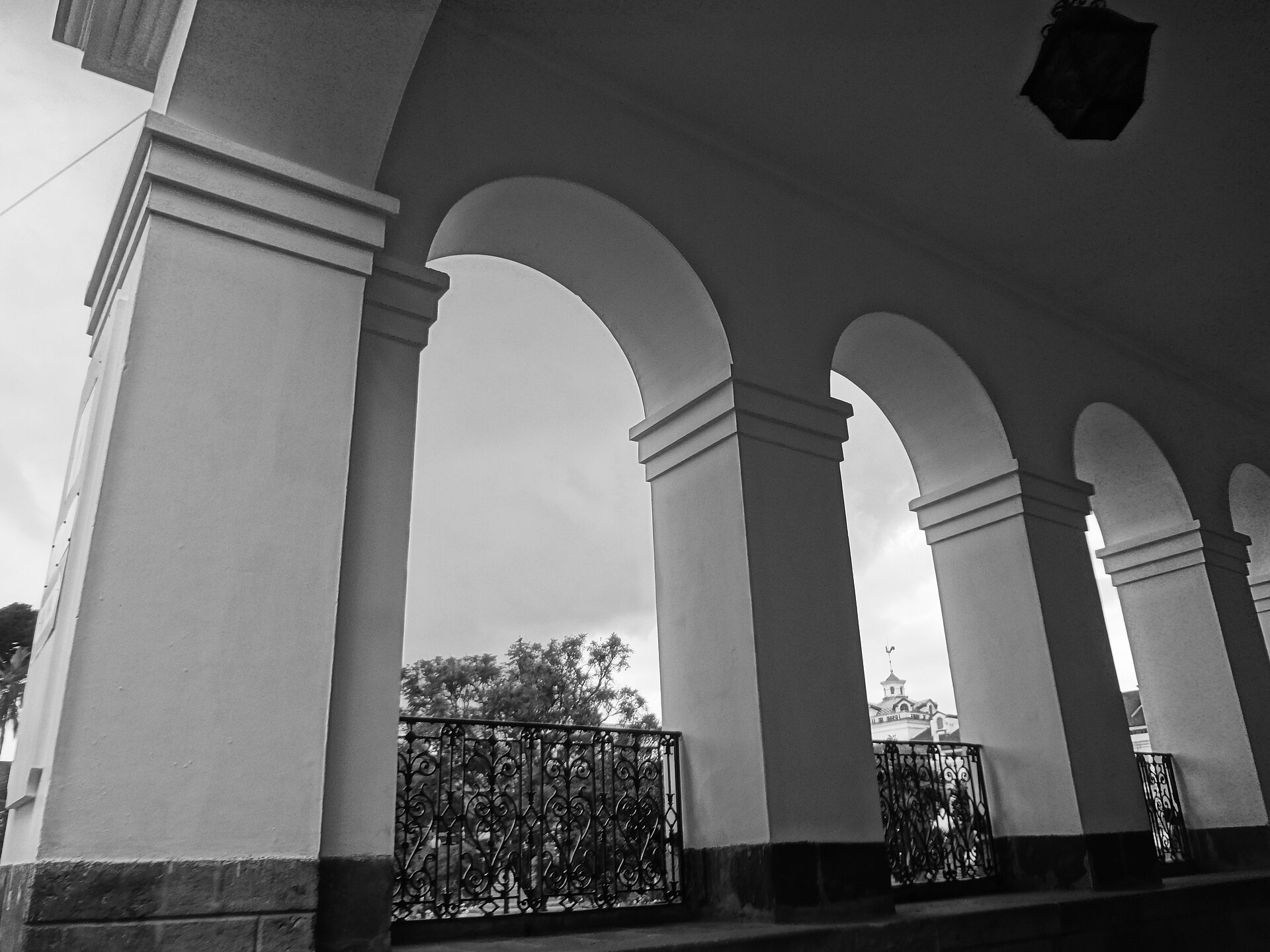
Visitors can admire the facade of the palace from the great square and, depending on current arrangements, may be able to take a guided tour of the grand interior halls or watch the changing of the guard, which is one of the attractions of a visit. The ceremony, with its colorful pageantry, is a highlight for many visitors to the city.
The palace faces the great square, with the cathedral and other historic buildings nearby, at the heart of the historic center of Quito, so a visit to the palace can be combined with exploration of the surrounding colonial city, one of the finest in the Americas. As always, it is worth checking current opening arrangements, as access to a working seat of government may vary.
However you approach it, the Palacio de Carondelet rewards the visitor who understands its story. This is not merely a grand government building but the historic heart of Ecuador, the seat of power through colony, independence, and republic, high in the Andes on the great square of one of the world’s most beautiful historic cities, a place where the whole story of the nation is gathered.
A visit to the palace is best combined with a leisurely exploration of the surrounding historic center, whose churches and monasteries are among the glories of colonial art in the Americas, so that the seat of government becomes the starting point for a journey through one of the world’s most beautiful old cities.
However you encounter it, whether touring its halls, watching the guard, or simply pausing in the great square to take in its long white facade beneath the Andean sky, the Palacio de Carondelet leaves a lasting impression as one of the most beautiful and historic seats of power on the continent.
Palaces Nearby
If the seat of Ecuadorian power in the Andes has drawn you into the world of the great houses of state in South America, two more presidential palaces make natural companions to this story, each standing at the heart of its own nation.
- The Government Palace of Peru in Lima — the House of Pizarro on the Plaza Mayor, seat of Peruvian power since the founding of the city.
- The Palacio Estevez in Montevideo — the elegant former seat of the Uruguayan government, facing the monument to the founder of the nation.
You May Like


