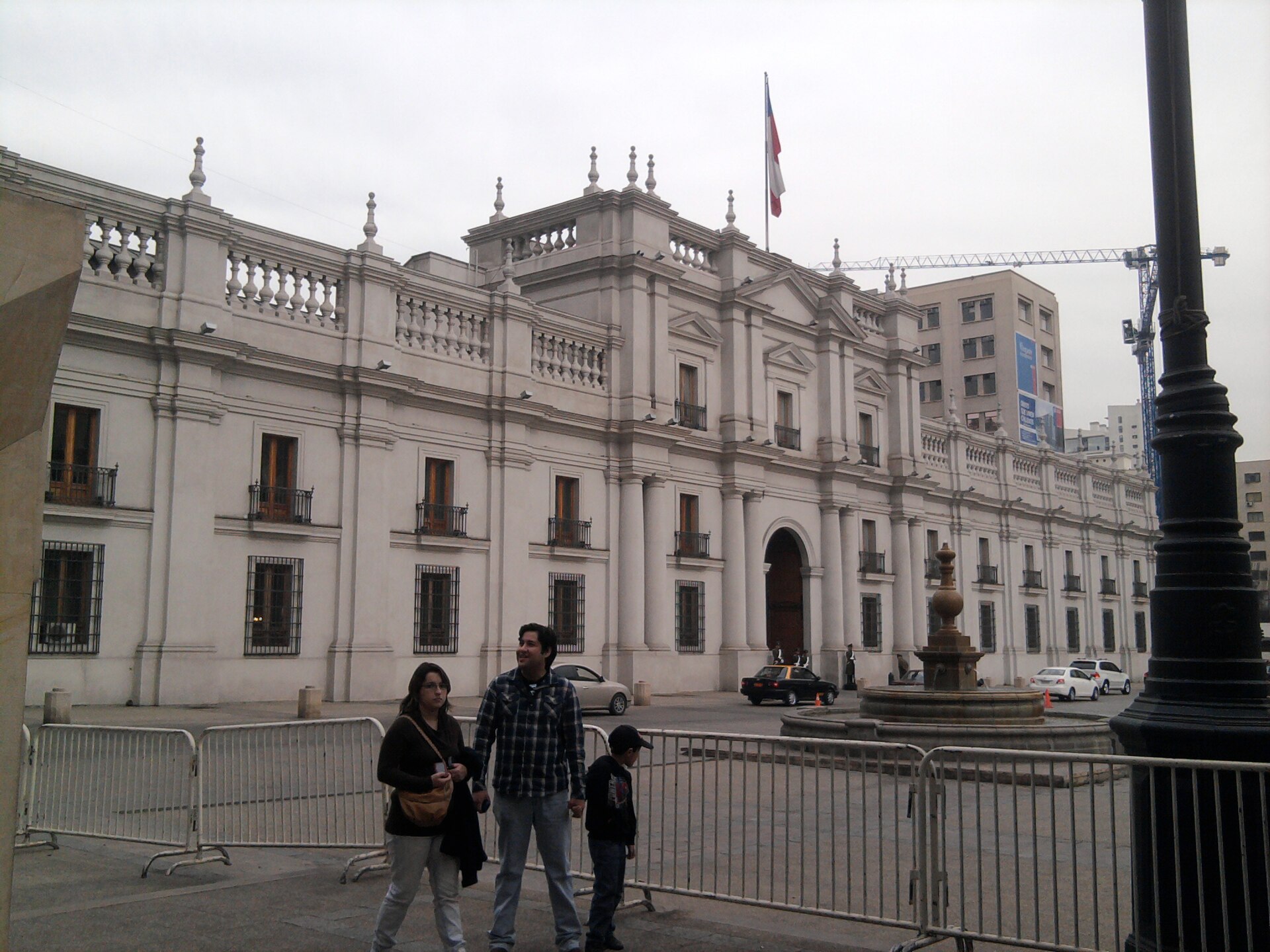
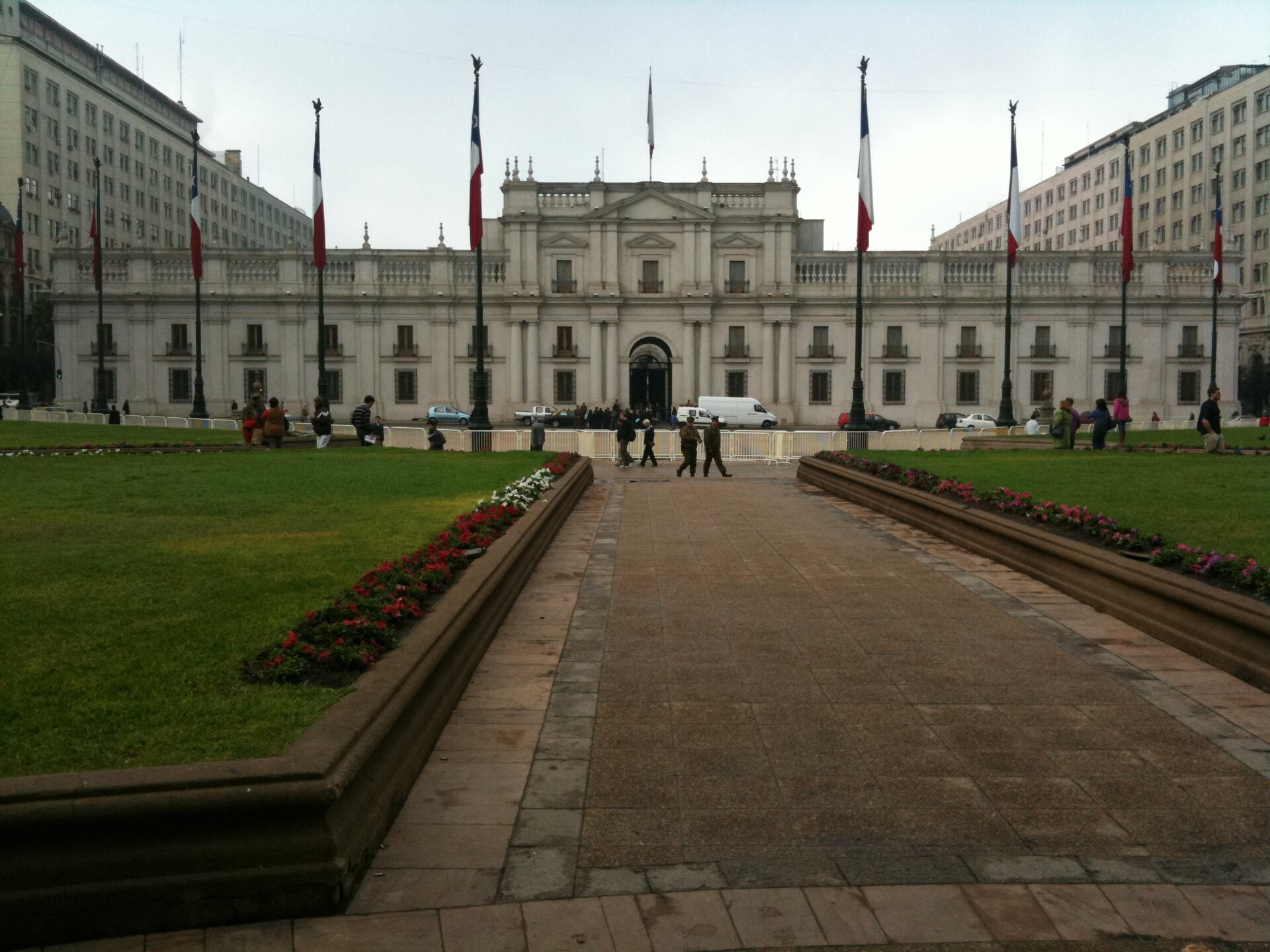
In the heart of Santiago, capital of Chile, stands a long, elegant neoclassical building of restrained beauty that has served as the seat of the nation’s government for the better part of two centuries. The Palacio de La Moneda, the Palace of the Mint, is the office of the President of Chile and one of the finest examples of neoclassical architecture in South America, a dignified and harmonious building whose calm facade belies the dramatic history it has witnessed.
The palace takes its name from its original function, for it was built not as a seat of government but as the colonial mint, the place where the coinage of Chile was produced. This origin gives the building its name, La Moneda, the coin or the mint, a name that has endured long after the building ceased to make money and became instead the center of Chilean political power.
For all its neoclassical serenity, La Moneda has been the stage for some of the most dramatic and tragic events in the history of Chile, above all the violent coup of the twentieth century that brought down a government and ushered in years of dictatorship. The palace bears the memory of these events, and its restoration and continued use embody the resilience of Chilean democracy.
Over the following pages you will explore the whole story of this remarkable place, from its origins as a colonial mint through its transformation into the seat of government, to the great dramas of Chilean history that have unfolded within its walls and its role today as the working heart of the Chilean state. Come and discover the Palace of the Mint at the center of Santiago.
In This Article
- The Palace of the Mint
- A Neoclassical Masterpiece
- From Mint to Seat of Government
- Courtyards and Interiors
- The Day the Palace Was Bombed
- Restoration and Return to Democracy
- A Place of Memory
- The Palace and Its Setting
- Ceremony and Public Life
- A Symbol of Chile
- The Working Seat of the Presidency
- See La Moneda for Yourself
- Visiting La Moneda Today
The Palace of the Mint
The origins of La Moneda lie in the colonial period, when the Spanish authorities in Chile required a building to house the royal mint, the institution responsible for producing coinage. The need for a proper mint building led to the commissioning of a grand new structure at the end of the eighteenth century, and this building would become the Palacio de La Moneda.
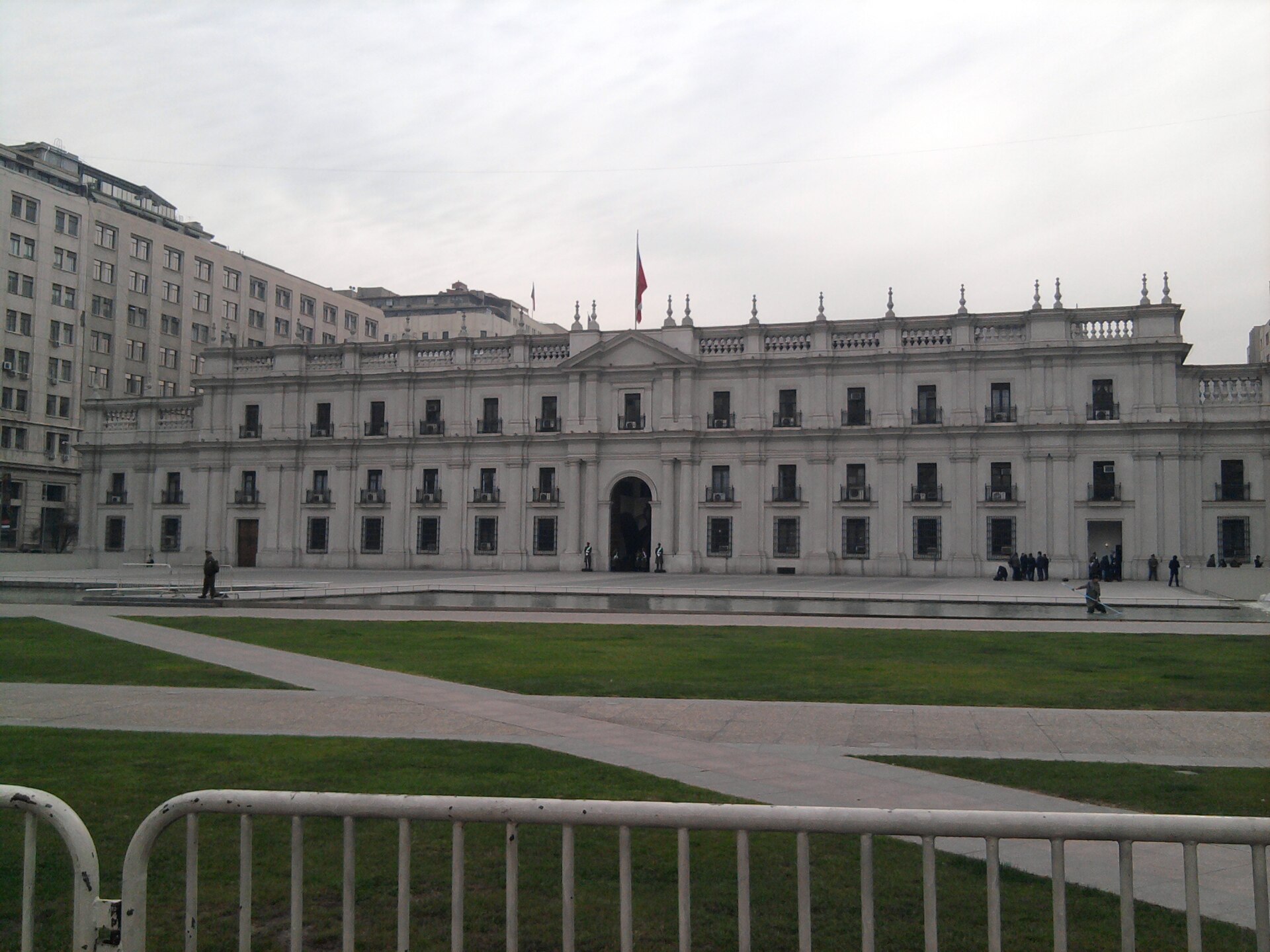
The mint was a significant institution in the colonial economy, and its housing in a grand and dignified building reflected its importance. The production of coinage was a jealously guarded function of the state, and the mint building was designed to be secure, functional, and appropriately imposing, a fitting home for so important an institution.
The construction of the building was a major undertaking, and it produced one of the finest structures in colonial Chile, a neoclassical palace of great elegance. That so grand a building should have been created to house a mint reflects both the wealth generated by the colonial economy and the aspirations of the society that built it.
Thus the building began its life not as a palace of government but as an industrial and financial institution, the place where the money of the colony was made. Only later would it be transformed into the seat of power, taking on the role for which it is known today while retaining the name of its original function.
It is a curious and rather appealing fact that one of the most important seats of government in South America began its life as a factory for making money. The building’s very name preserves this humble industrial origin, a reminder that great institutions often grow from unexpected beginnings, and that a structure raised for one purpose may find its true destiny in quite another.
A Neoclassical Masterpiece
The Palacio de La Moneda is celebrated as one of the finest works of neoclassical architecture in South America, a building of harmony, proportion, and restraint that reflects the aesthetic ideals of its age. Its design is attributed to a talented architect of Italian origin who worked in Chile and left a lasting mark on the architecture of the country.
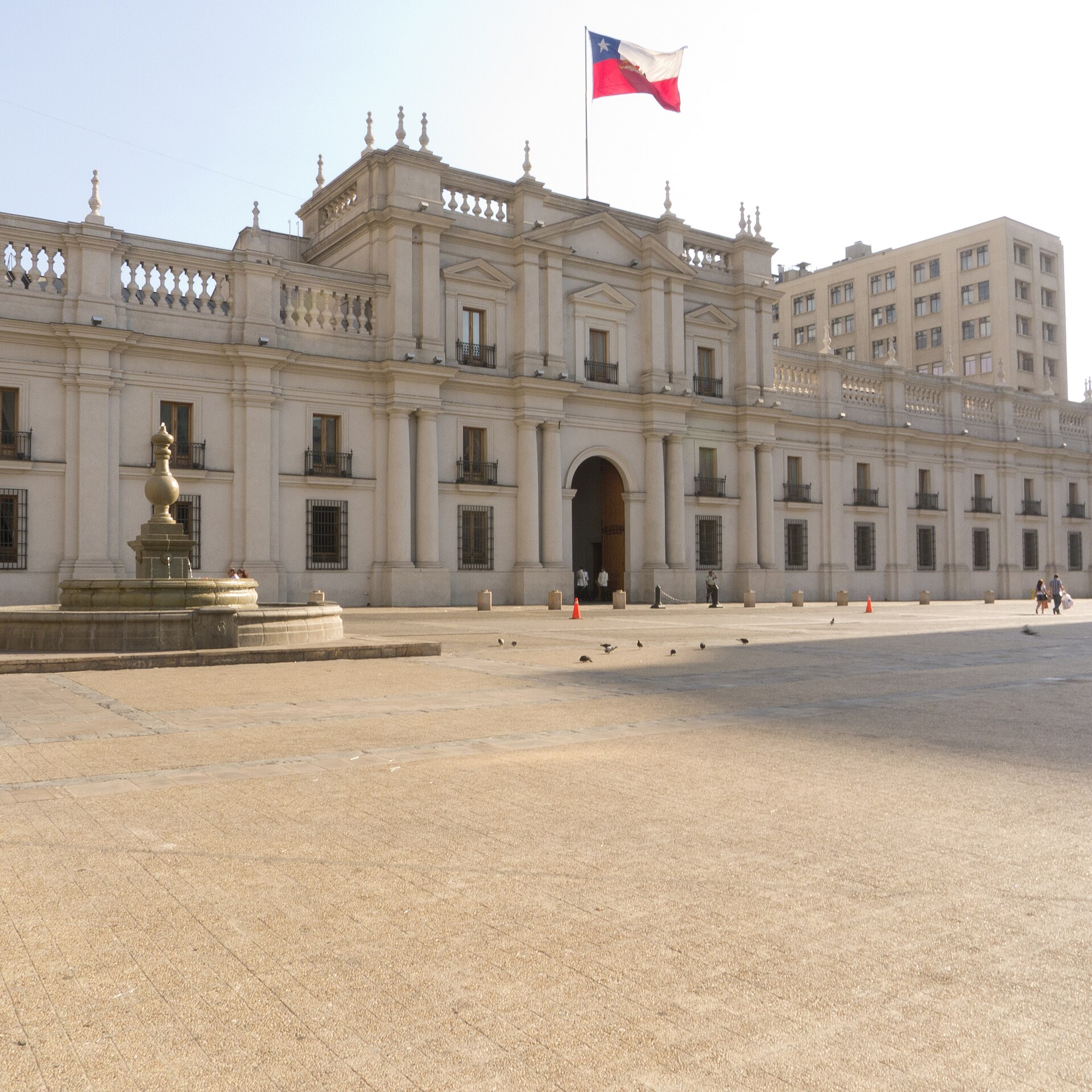
The neoclassical style, drawing on the models of ancient Greece and Rome as interpreted through the European tradition, was the height of fashion in the late eighteenth century, associated with the ideals of order, reason, and dignity. La Moneda embodies these ideals in its balanced facade, its restrained ornament, and its harmonious proportions.
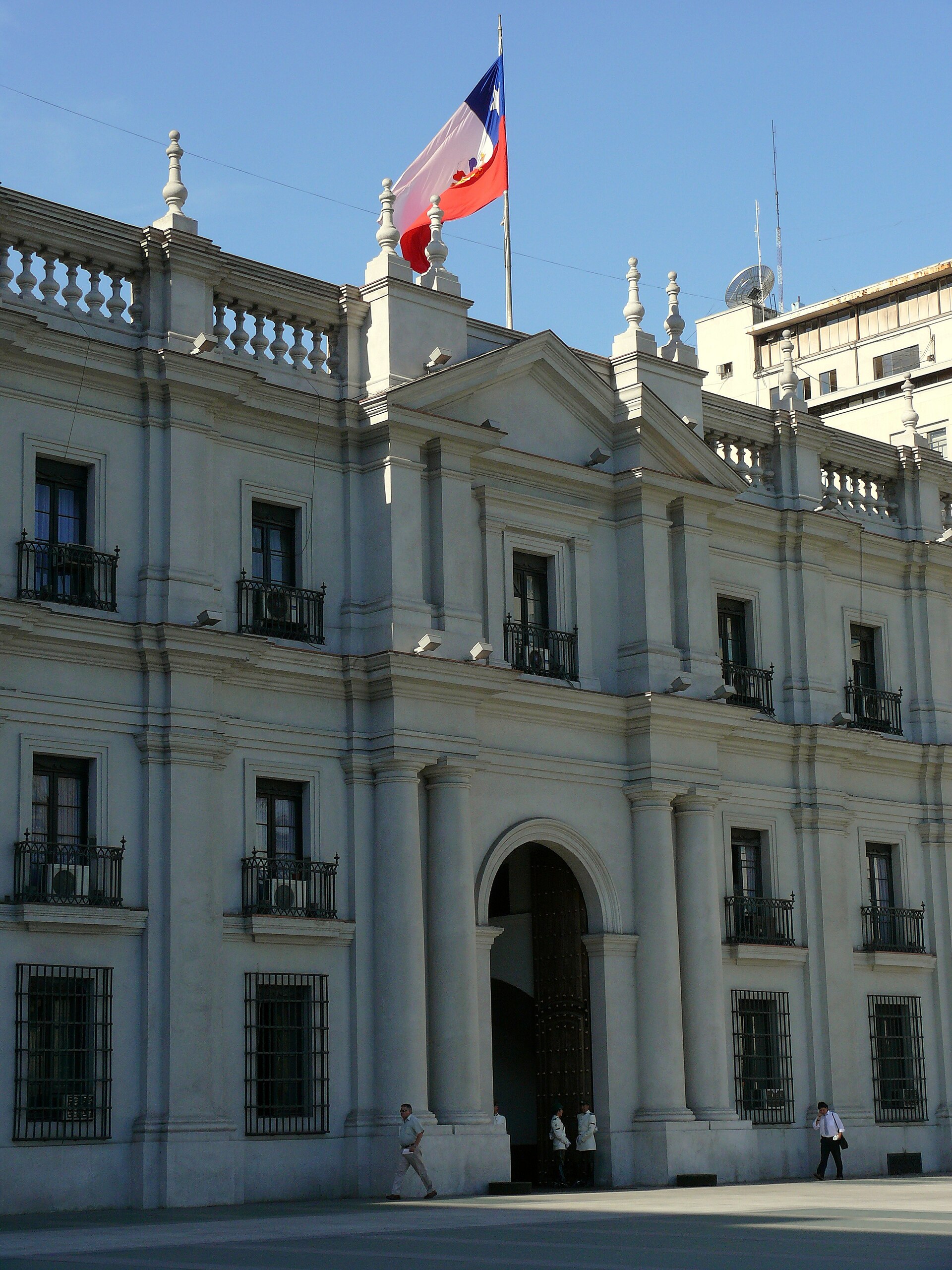
The building is arranged around a series of courtyards, in the manner of the great colonial buildings of Spanish America, with its rooms and galleries organized around these open spaces. The long, low facade, punctuated by a dignified central entrance, presents a calm and ordered face to the city, expressing the values of the age that built it.
The architectural quality of La Moneda has ensured its status as a monument of the first importance, admired for its beauty as well as valued for its historical significance. It stands as a testament to the sophistication of colonial Chilean society and to the enduring appeal of the neoclassical ideal of restrained and harmonious beauty.
The architect who gave La Moneda its form worked in Chile at a time when the colony was eager to adorn its capital with buildings worthy of a great city, and his neoclassical vision shaped not only this palace but the wider architectural character of Santiago. In La Moneda he left his masterpiece, a building whose serene proportions have never gone out of fashion.
That the building has retained its architectural integrity through more than two centuries, including the damage of the coup and the subsequent restoration, is a tribute both to the soundness of the original design and to the care of those who have maintained and restored it, ensuring that the architect’s vision still stands substantially as he conceived it.
From Mint to Seat of Government
In the decades after Chilean independence, the building’s function changed dramatically. In the middle of the nineteenth century, the palace ceased to serve primarily as a mint and became the seat of the government of the republic and the residence of the president, taking on the role that would define it ever after.
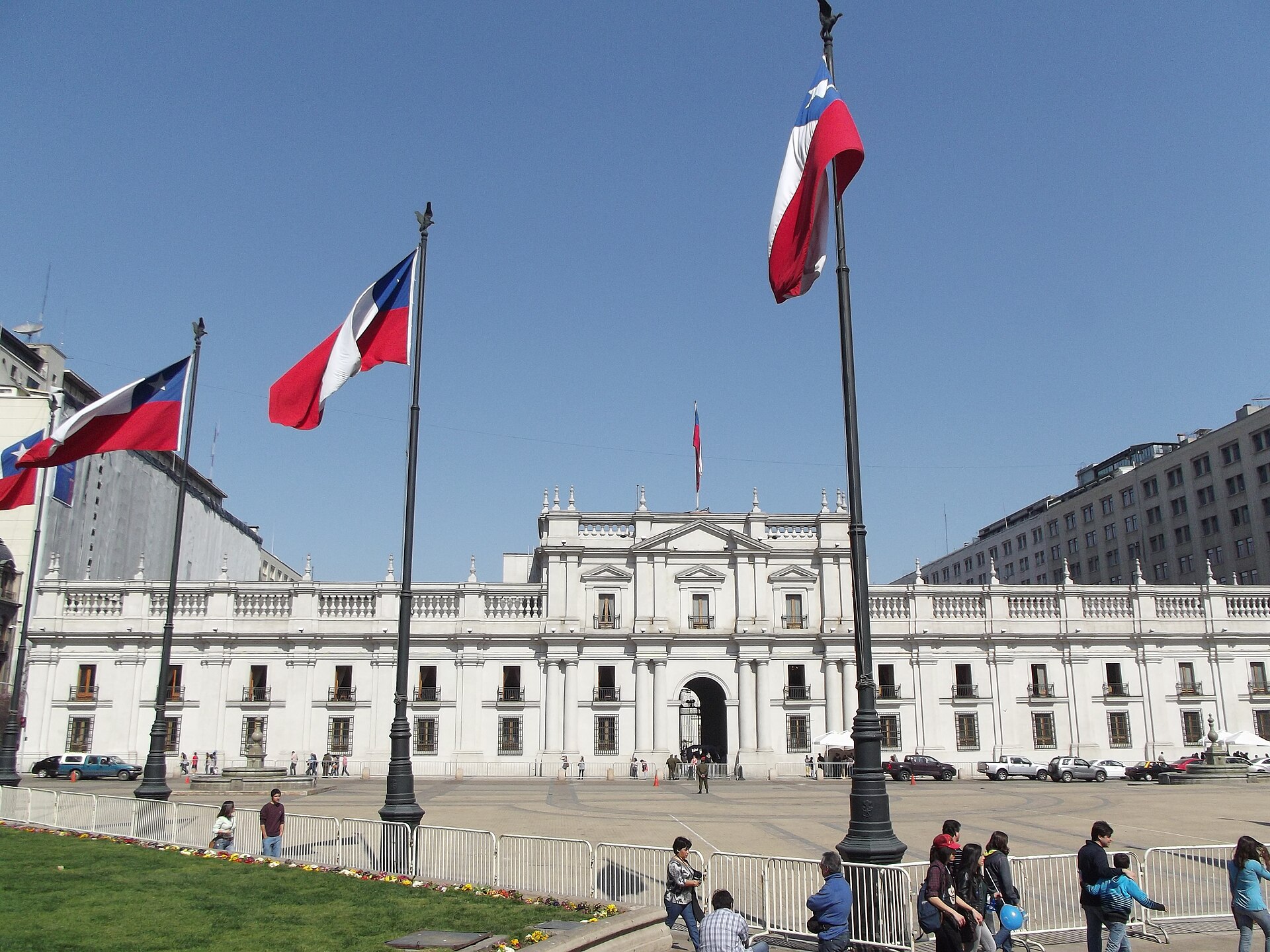
The transformation of La Moneda from mint to seat of government reflected the needs of the young republic for a dignified home for its highest institutions. The elegant neoclassical building, already a monument of the capital, was well suited to serve as the center of national power, and it became the working heart of the Chilean state.
For more than a century, the palace served as both the office and the residence of the presidents of Chile, the place from which the nation was governed and where its leaders lived. It became bound up with the whole political history of the republic, witnessing the succession of governments and the great events of the nation’s life.
This role as the seat of government gave the building its enduring significance, transforming the former mint into the symbol and center of Chilean political power, a position it has held, through triumph and tragedy alike, down to the present day.
The move of the government into the former mint reflected a common pattern in the young republics of the Americas, which often adapted the grand buildings of the colonial era to the needs of the new national institutions. In taking over La Moneda, the Chilean state claimed for itself one of the finest buildings in the country, a fitting home for the government of the republic.
With the passage of time, the memory of the building’s origin as a mint faded from daily awareness, and La Moneda became known simply as the seat of government, the name a mere label whose literal meaning few paused to consider. Yet the name endured, a quiet thread of continuity linking the modern palace to its eighteenth-century beginnings.
Courtyards and Interiors
The interior of La Moneda is organized around a series of courtyards, the largest and most important of which serve as the ceremonial heart of the building. These open spaces bring light and air into the palace and provide the setting for the grand entrances and official functions of the government.
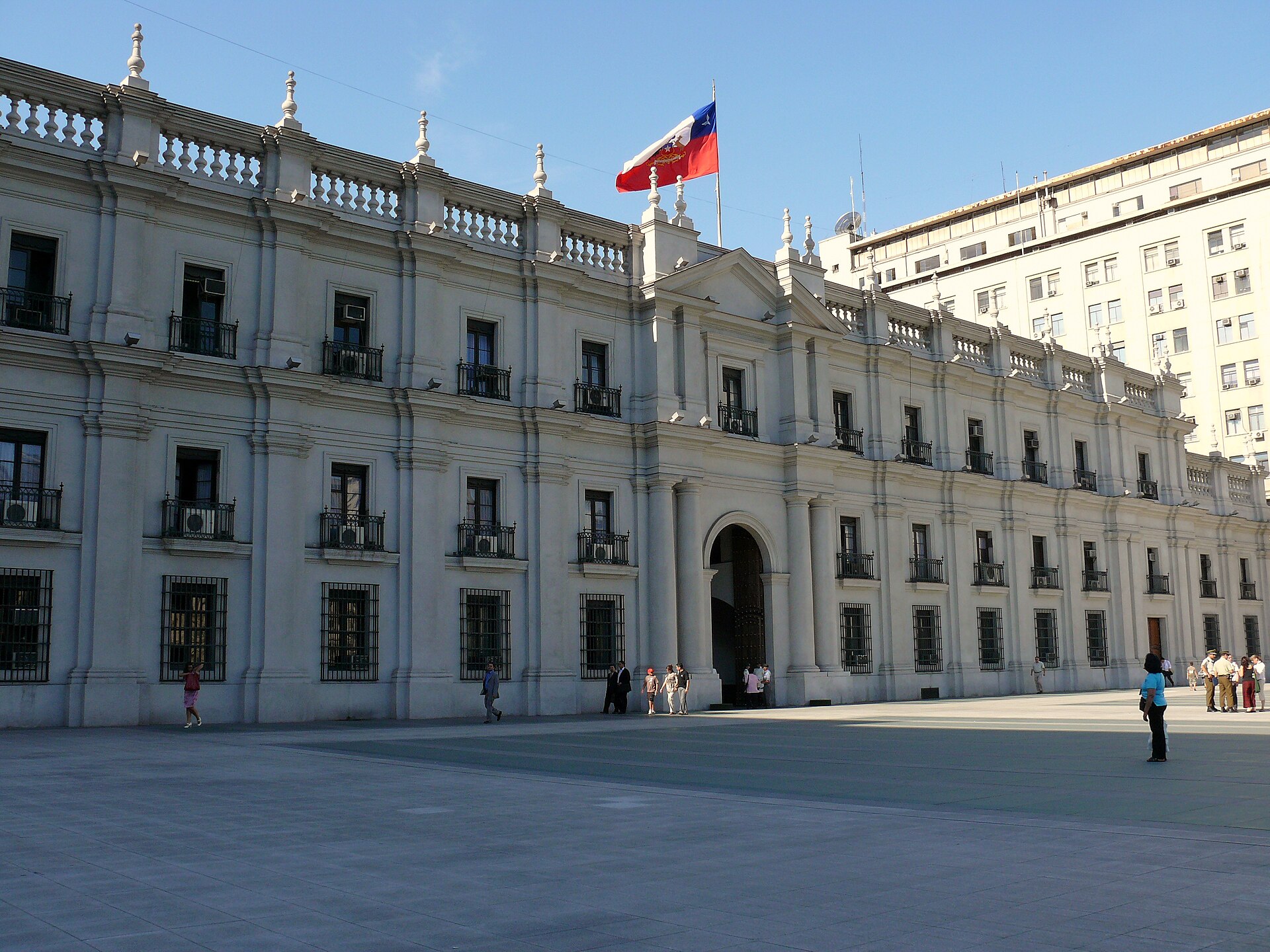
Around the courtyards are arranged the halls and offices that serve the working and ceremonial functions of the presidency and the government. Some of these spaces are richly appointed for the reception of guests and the conduct of affairs of state, while others house the working offices of the executive branch.
The courtyards themselves are among the most attractive features of the building, elegant spaces defined by the neoclassical architecture that surrounds them, offering a sense of calm and order at the heart of the busy seat of government. They embody the harmony and dignity that characterize the whole building.
Together the courtyards and interiors of La Moneda provide a fitting setting for the highest functions of the Chilean state, combining the beauty of the neoclassical architecture with the practical requirements of a working seat of government, and offering visitors, when they are able to enter, a glimpse of the elegant world within the palace walls.
The contrast between the calm elegance of these interiors and the violence the building once suffered gives a visit to La Moneda a particular poignancy. To stand in a serene neoclassical courtyard, knowing what the palace endured, is to feel with special force the fragility of the order and dignity that such architecture embodies.
The Day the Palace Was Bombed
The most dramatic and tragic episode in the history of La Moneda came in the twentieth century, during the violent coup that overthrew the democratically elected government of Chile. On that day, the palace, with the president inside, came under attack, and the building that had stood as the calm center of Chilean government became the scene of violence and destruction.
During the coup, the armed forces attacked the palace, and it was bombed from the air, causing severe damage to the historic building and marking one of the darkest days in the nation’s history. The president died in the palace during the assault, and the events of that day became a defining moment in the history of Chile and a symbol of the tragedy that followed.
The bombing of La Moneda left the building badly damaged, and the events surrounding it ushered in years of authoritarian rule that would profoundly mark the nation. The image of the attack on the palace became one of the most powerful and painful in the collective memory of Chile and of the wider world.
The palace, so long the symbol of Chilean government and democracy, thus became also a symbol of its violent interruption, a place where the fragility of democratic institutions was tragically demonstrated, and where the memory of that day would be preserved as a warning and a source of reflection for generations to come.
The events of that day have been endlessly recounted, studied, and mourned, and they remain a defining trauma in the national memory of Chile. The sight of the presidential palace under attack, and the death of the president within it, marked a rupture in the nation’s history whose consequences would be felt for decades and whose memory endures to this day.
Restoration and Return to Democracy
In the years following the coup, the damaged palace was restored, and it continued to serve as a seat of government under the authoritarian regime, though its meaning had been transformed by the events it had witnessed. The restoration repaired the physical damage, but the memory of the bombing remained.
With the eventual return of democracy to Chile, La Moneda took on a renewed significance as the seat of the restored democratic government. The building that had been attacked in the destruction of Chilean democracy now became once again the home of a freely elected government, a powerful symbol of the nation’s recovery.
The return of democracy gave the palace a new layer of meaning, as a place that had witnessed both the fall and the restoration of Chilean democracy, embodying in its history the trauma and the resilience of the nation. Its continued use as the seat of government affirmed the recovery of the institutions that had been so violently interrupted.
In this way, the restored La Moneda came to represent not only the tragedy of the coup but the triumph of the eventual return to democratic rule, a building whose history encapsulates the whole dramatic arc of modern Chilean political life, from democracy through dictatorship and back to democracy again.
The palace’s journey from the day of the bombing to its role as the seat of a restored democracy traces, in a single building, the whole painful arc of Chile’s late twentieth century. Few structures anywhere so completely embody the history of their nation across so dramatic a period, from democracy through dictatorship and back again.
A Place of Memory
La Moneda has become a place of memory for Chile, a building whose history embodies the great dramas of the nation’s twentieth century and whose very fabric carries the memory of those events. For Chileans, the palace is bound up with the most painful and the most hopeful chapters of their recent history.
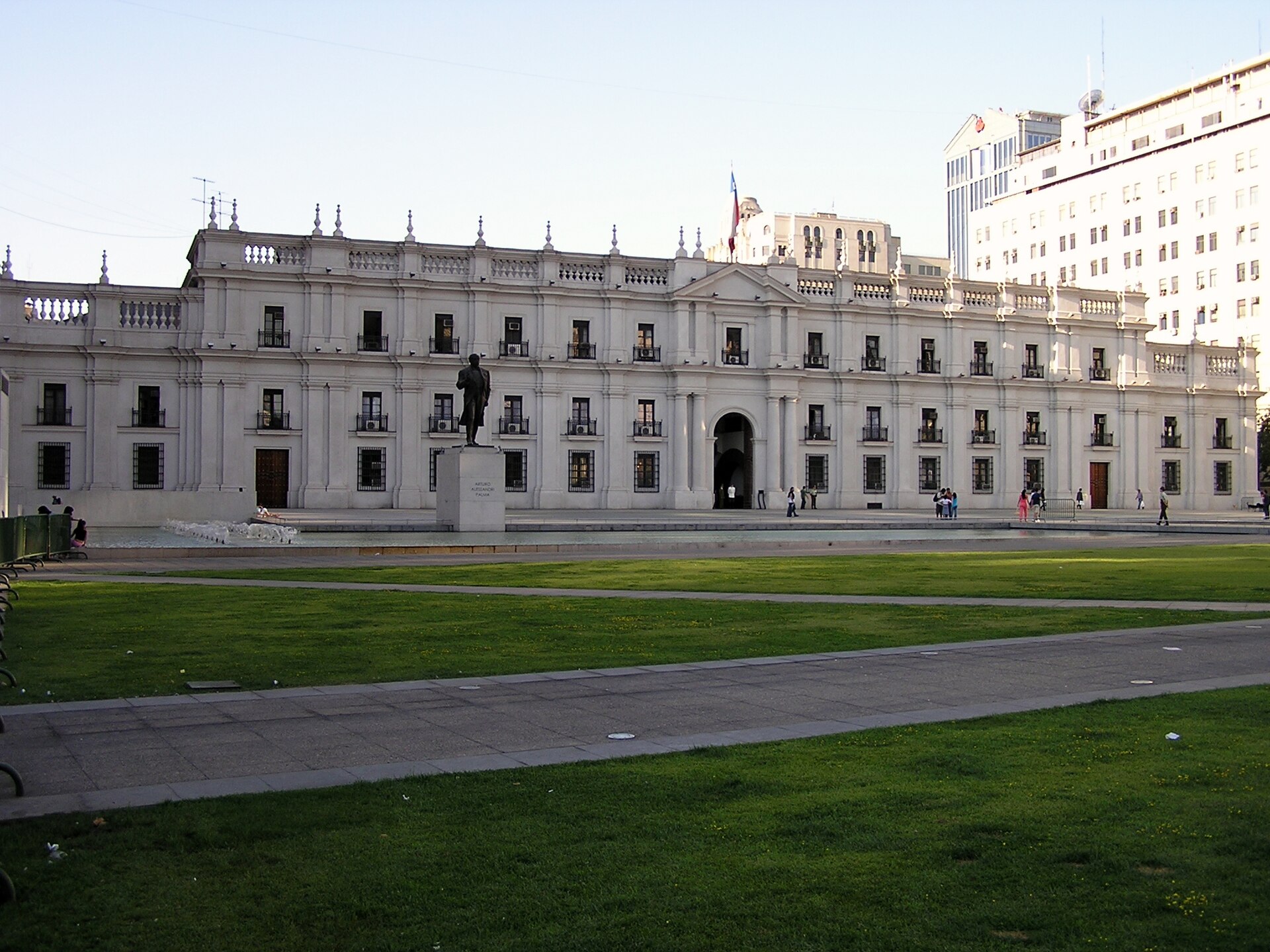
Around the palace and within the broader area, memorials and monuments commemorate the events associated with the building and their victims, ensuring that the memory of the coup and its aftermath is preserved. The palace itself, restored and functioning, stands as the central monument to this history.
The preservation of this memory is an important part of Chile’s ongoing reckoning with its past, and La Moneda plays a central role in that process, as the place where the nation’s democracy was destroyed and later restored. The building serves as a focus for reflection on the fragility and the value of democratic institutions.
For visitors, an awareness of this history gives the calm neoclassical building a profound resonance, transforming what might seem simply an elegant palace into a place of deep meaning, where the great questions of democracy, power, and memory are inscribed into the very stones.
The way a nation chooses to remember its traumas says much about its values, and Chile’s decision to restore La Moneda and return it to democratic use, rather than abandon or replace it, was itself a statement, an insistence that the building and the institutions it houses would outlast those who had attacked them.
The Palace and Its Setting
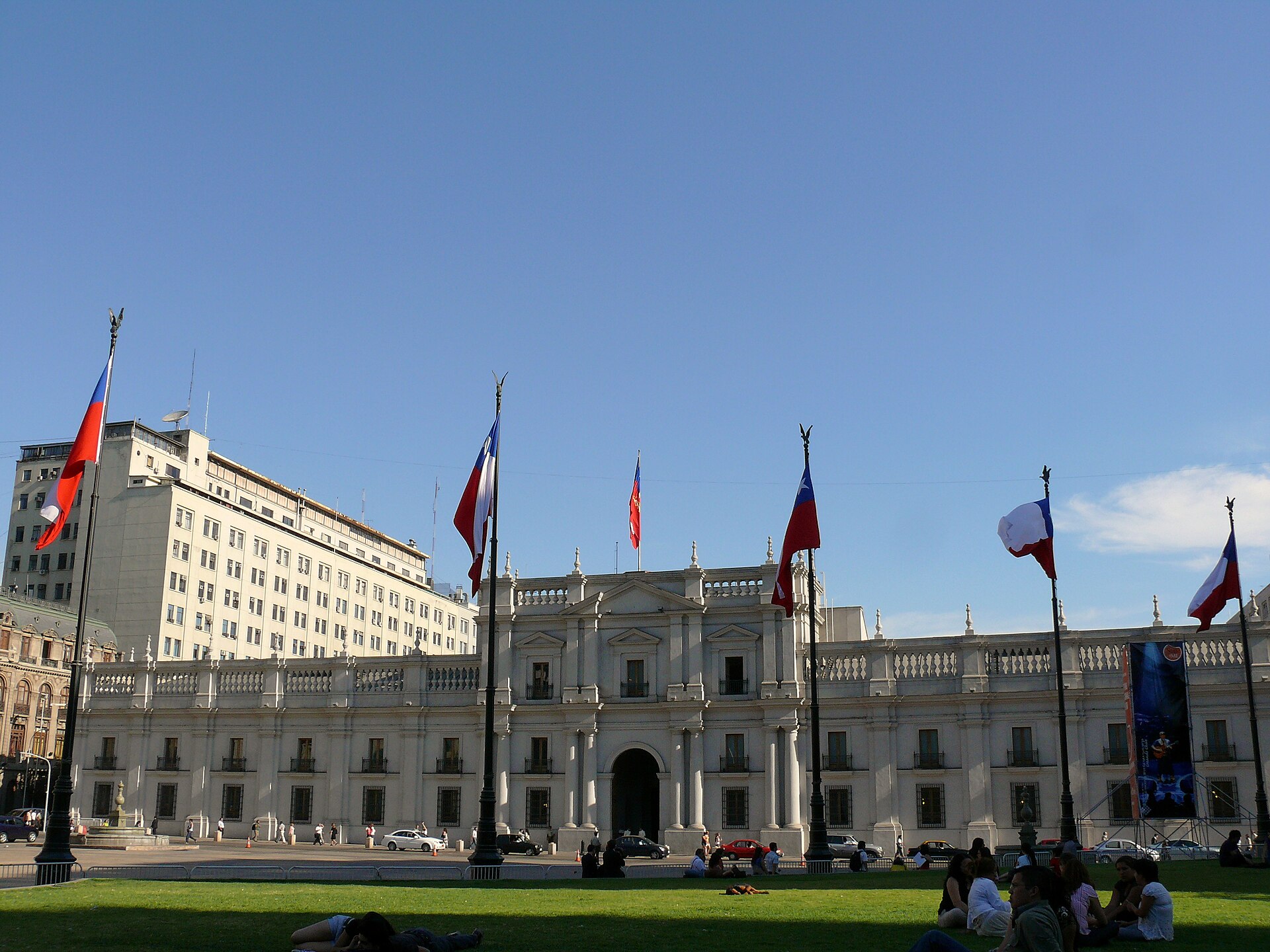
La Moneda stands at the heart of Santiago, surrounded by open spaces and civic buildings that form the governmental center of the Chilean capital. To the north and south of the palace lie plazas that provide a setting for the building and a space for public gatherings, connecting the seat of government to the life of the city.
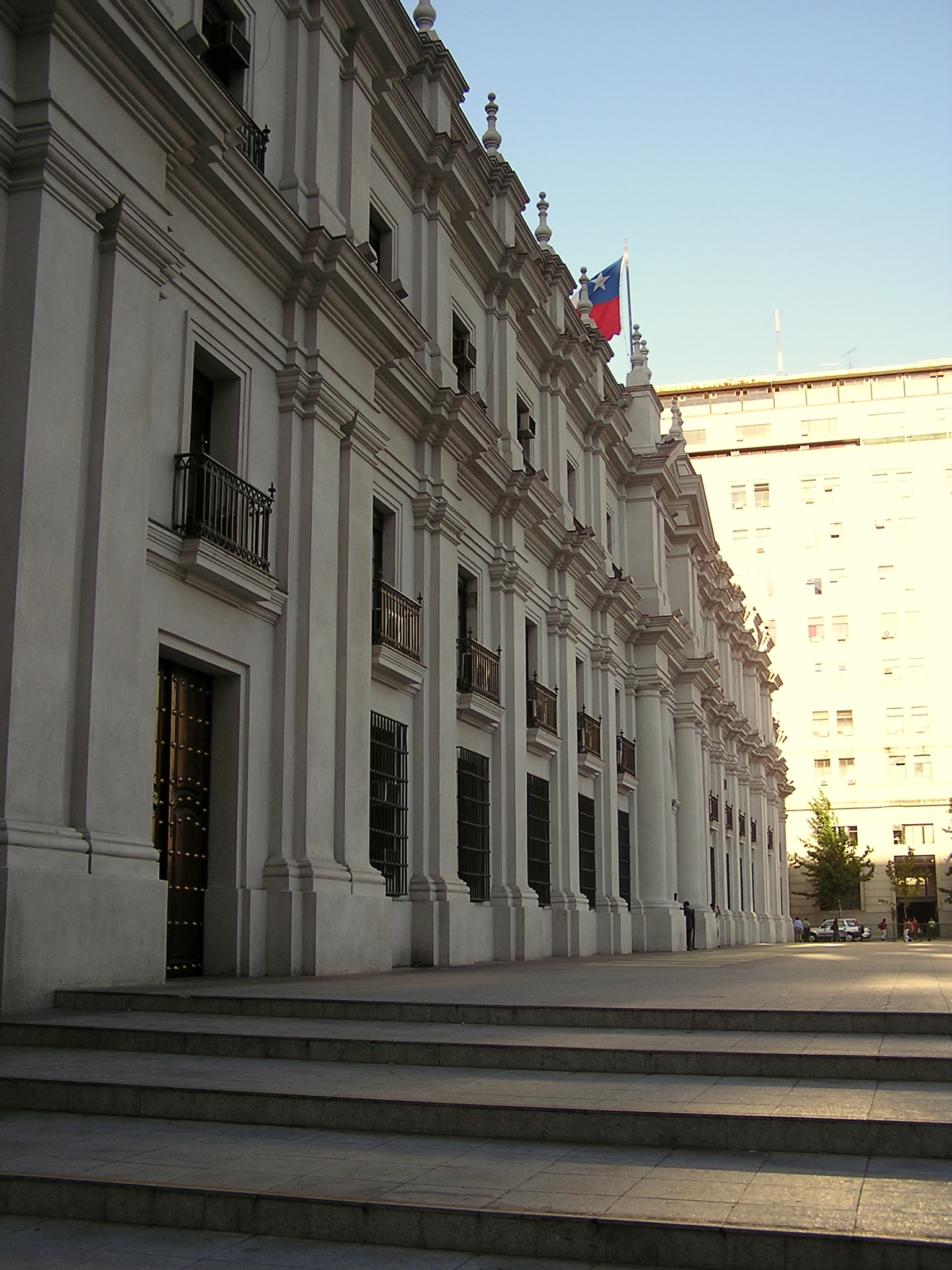
Beneath one of these plazas lies a cultural center, a modern facility for the arts created in the space around the palace, which has added a new dimension to the area and made it a place of culture as well as government. This combination of the historic palace and the modern cultural center reflects the layered life of the capital.
The area around La Moneda is thus a civic and cultural heart of Santiago, where the seat of government, public spaces, and cultural institutions come together. The palace anchors this ensemble, its dignified presence lending gravity and meaning to the surrounding spaces.
For the visitor exploring Santiago, La Moneda and its surroundings are a natural focal point, a place to encounter the history and the present life of the Chilean capital, and to appreciate the setting of one of the most important buildings in the nation, at the center of its civic life.
The creation of the cultural center beneath the nearby plaza was a deliberate act of renewal, turning the space around the wounded palace into a place of art and public life, and helping to heal, in some measure, the associations of the area with the darkest chapter of the nation’s history through the affirmation of culture and creativity.
Ceremony and Public Life
La Moneda is the setting for the ceremonial life of the Chilean state, including the changing of the guard, a formal ceremony that takes place at the palace and draws spectators to witness the pageantry of the state. Such ceremonies connect the working seat of government to the public and to the traditions of the nation.
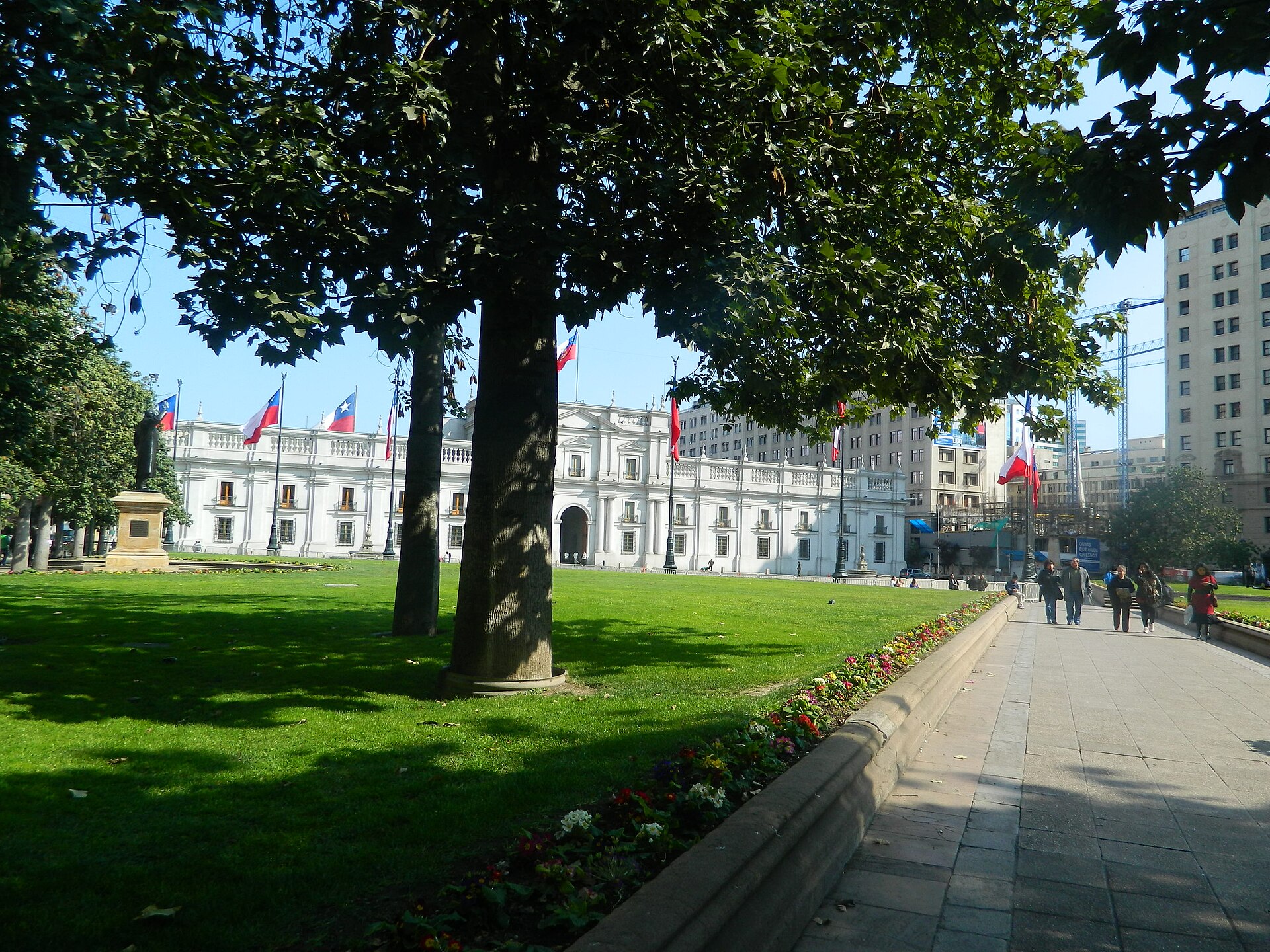
The palace is also the setting for the great official occasions of the Chilean state, from the reception of foreign dignitaries to the ceremonies that mark the transfer of power between governments. These occasions, played out at La Moneda, express the continuity and legitimacy of the Chilean state and its institutions.
In recent times, efforts have been made to open the palace to the public, allowing citizens and visitors to enter and appreciate the building and its history. This opening reflects a democratic conception of the seat of government as belonging to the people, not merely to those who govern.
Through these ceremonies and this openness, La Moneda maintains its connection to the public life of Chile, serving not only as a working seat of government but as a focus for national identity and civic pride, a building that belongs to the whole nation and that plays an active role in its public life.
The opening of the palace to citizens in recent years reflects a broader democratic conviction that the seat of government should not be a remote fortress but a place accessible to the people it serves. In allowing Chileans to walk through the courtyards of La Moneda, the state affirms that the building, and the power it houses, belong ultimately to the nation.
A Symbol of Chile
La Moneda has become one of the great symbols of Chile, recognized throughout the country and beyond as the seat of national power and a monument to the nation’s history. Its elegant neoclassical facade is an icon of Santiago and of Chile, reproduced in countless images and known as the face of the Chilean state.
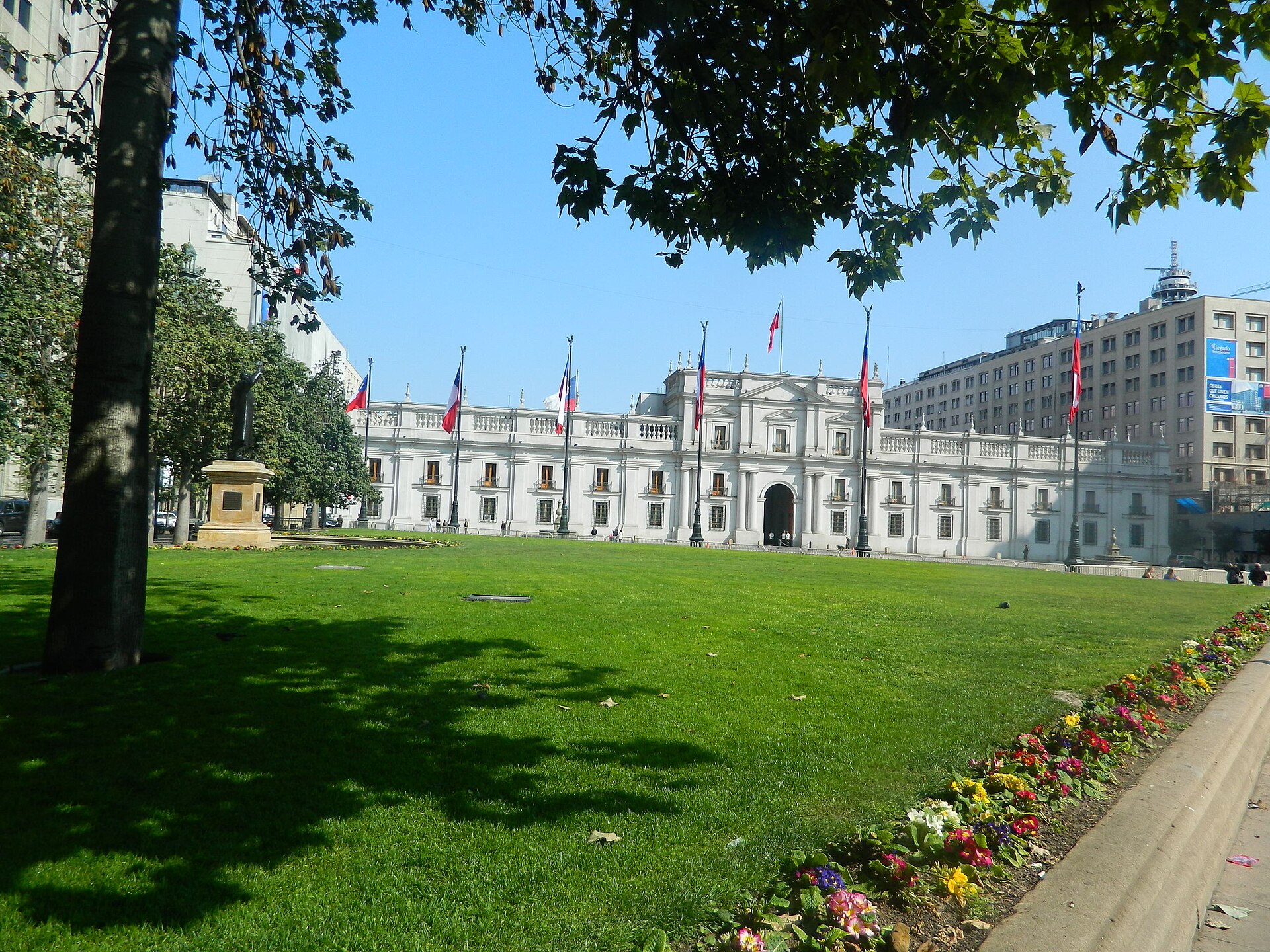
For Chileans, the palace carries a wealth of meaning, connected to the whole history of their republic, from its origins through the trauma of the coup to the restoration of democracy. It is a building that embodies both the achievements and the tragedies of the nation, a symbol of Chilean identity and resilience.
The palace also represents the endurance of Chilean institutions and the recovery of democracy after its violent interruption, a building that survived attack and restoration to remain the seat of a free government. Its continuity is a symbol of the persistence and the recovery of the democratic order.
In all these ways, La Moneda is far more than a government office. It is a symbol of Chile itself, of its history, its institutions, and its resilience, a neoclassical palace that stands at the heart of the nation’s public life and that continues to embody the long and dramatic story of the Chilean republic.
For visitors from abroad, the palace offers a window into the recent history of Chile and into the broader story of democracy in Latin America, its triumphs and its tragedies. Few buildings so compactly embody the political history of a nation, or so clearly demonstrate the stakes involved in the survival of democratic institutions.
The Working Seat of the Presidency
La Moneda remains the working seat of the Chilean presidency and the center of the nation’s executive power. Although the president no longer resides in the palace, it continues to house the offices of the presidency and to serve as the principal seat of government, the place from which Chile is governed.
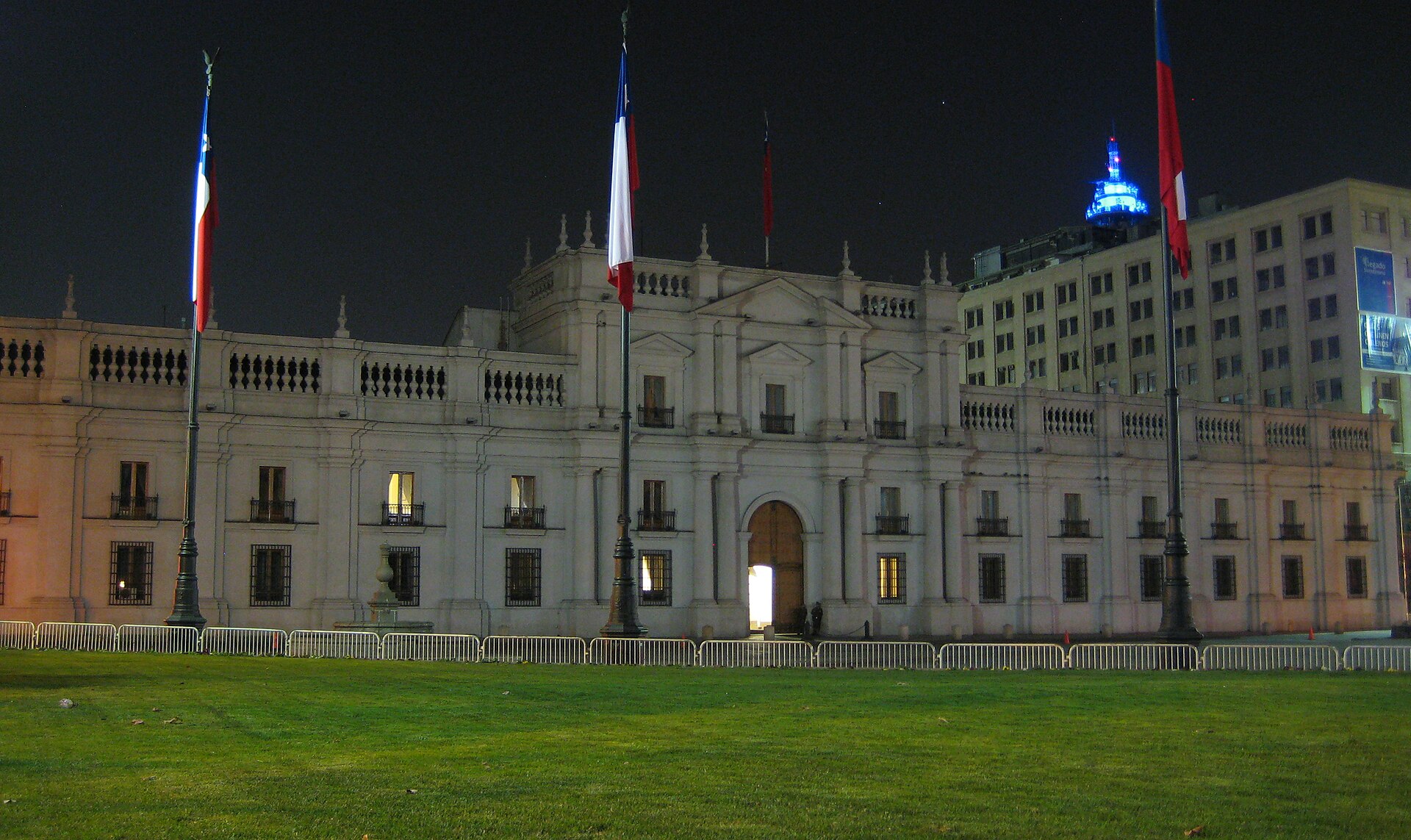
This continuing function ensures that the palace remains at the center of national life, the setting for the daily work of government, for official announcements and ceremonies, and for the reception of important guests. Its halls and courtyards continue to serve the purposes for which the building has been used for more than a century and a half.
The dual character of La Moneda, as both a historic monument and a working seat of government, gives it a special vitality. It is not a museum but a living building, where the ongoing life of Chilean politics unfolds, adding new chapters to the long and dramatic history embodied in its walls.
In this way La Moneda continues its role as the center of power in Chile, a building that has served the nation through all the vicissitudes of its history, from colonial mint to democratic seat of government, and that remains, to this day, the working heart of the Chilean state.
The sight of the presidential offices at work within these historic walls is a reminder that La Moneda is not a relic to be visited but a living instrument of the Chilean state, where the decisions that shape the nation are still taken, day after day, in rooms that have served that purpose for generations.
See La Moneda for Yourself
The elegance of La Moneda and the weight of the history it embodies are best appreciated by seeing the building for yourself, standing before its neoclassical facade in the heart of Santiago and sensing the dramas that have unfolded here. A video tour conveys the atmosphere of the palace in a way that words and still images cannot fully capture.
The short video below explores the Palace of the Mint, its architecture, and its history, helping to set the building in the context of Chile’s past and present. It is an ideal companion to everything you have read here, deepening your understanding of this important monument before you visit in person.
As you watch, consider the long history of the building, from its origins as a mint through its transformation into the seat of government and the great dramas it has witnessed, and the resilience of the Chilean democracy it embodies. Then, when you visit Santiago, you will recognize La Moneda not just as an elegant building but as the resilient heart of the Chilean nation.
Visiting La Moneda Today
For the modern traveler, La Moneda is one of the essential sights of Santiago, a building whose elegance and dramatic history make it a highlight of any visit to the Chilean capital. Located in the heart of the city, the palace is easily reached and forms a natural part of any exploration of the civic center of Santiago.
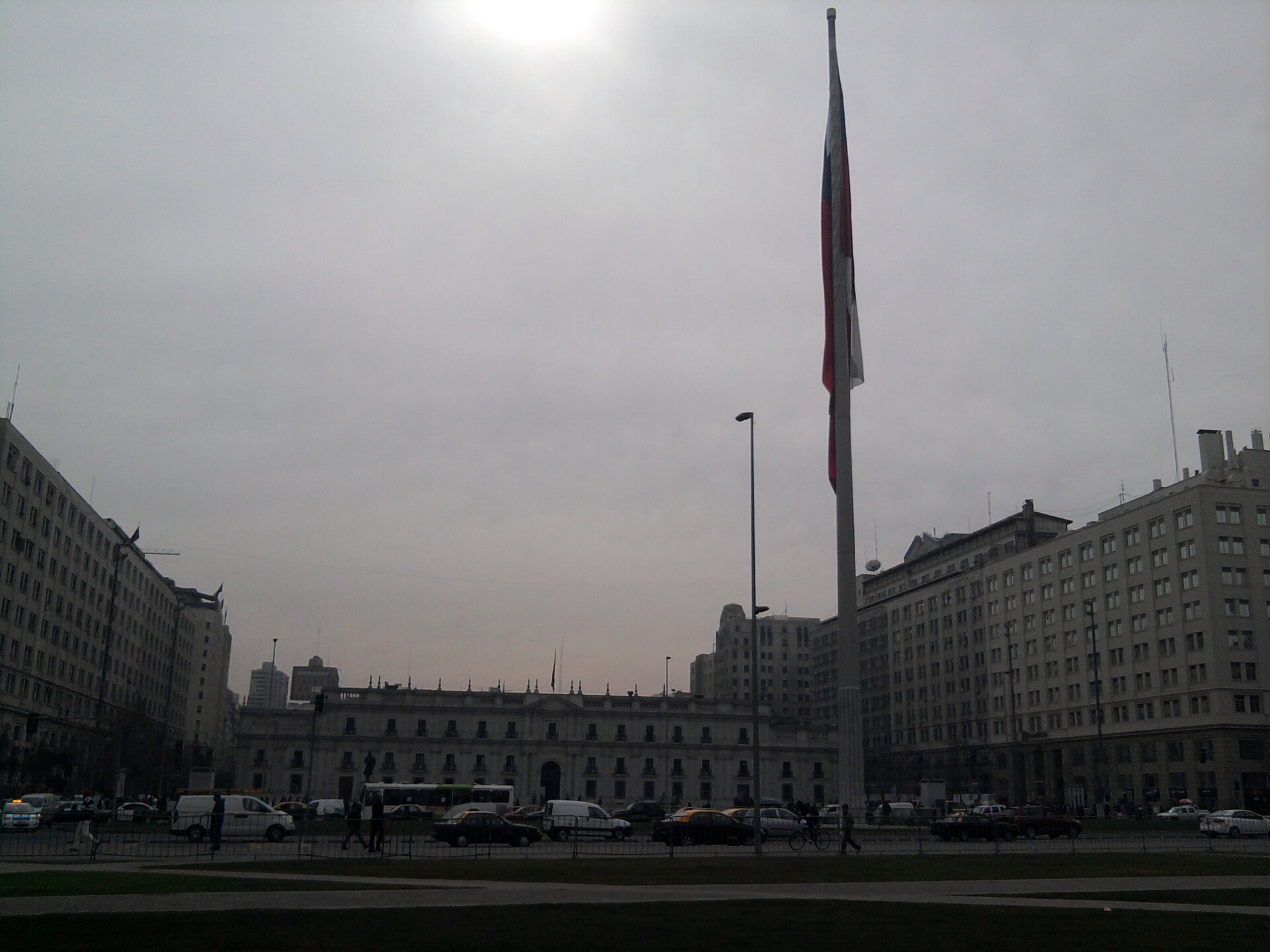
Visitors can admire the neoclassical facade of the palace and the surrounding plazas, and may be able, depending on current arrangements, to enter the courtyards or take a guided tour of parts of the building. The changing of the guard is a popular spectacle for those who wish to see the ceremonial life of the palace, and the cultural center beneath the nearby plaza offers exhibitions and events.
La Moneda lies at the civic heart of Santiago, within reach of the city’s other attractions, and a visit can easily be combined with exploration of the surrounding area and the wider capital. As always, it is worth checking current opening arrangements before you go, as access to a working seat of government may vary.
However you approach it, La Moneda rewards the visitor who understands its story. This is not merely an elegant government building but the resilient heart of the Chilean nation, a monument to its history from colonial mint to democratic palace, and a place where the great dramas of modern Chile, its tragedy and its recovery, are inscribed into the very stones of a neoclassical masterpiece.
Above all, take a moment simply to stand before the long white facade and to reflect on all that it has seen, for La Moneda is a building that repays contemplation as much as sightseeing, a place where the beauty of neoclassical architecture and the weight of modern history meet in a single, quietly moving whole.
Palaces Nearby
If the Palace of the Mint has drawn you into the world of Latin American seats of power, two more great houses of state make natural companions to this story, each standing at the heart of its own nation’s history.
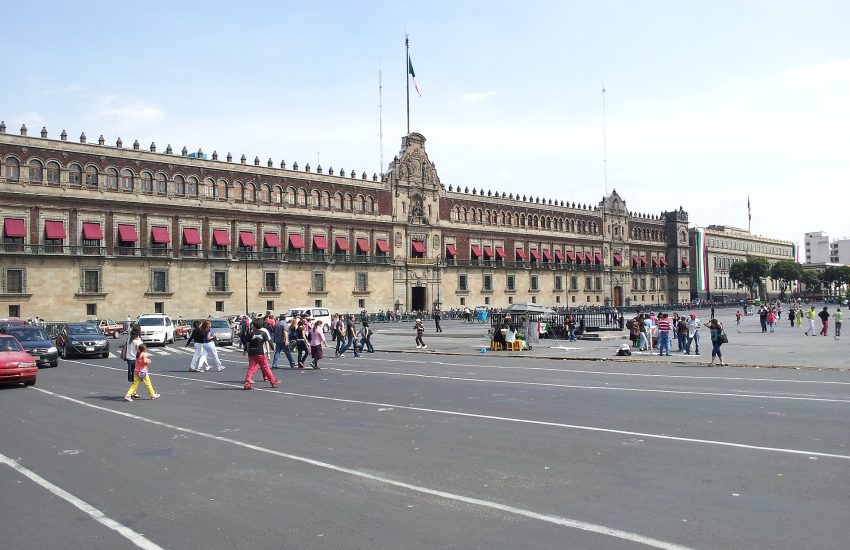
- The Palacio Nacional in Mexico City — the seat of Mexican power on the site of Moctezuma’s palace, home to Diego Rivera’s epic murals.
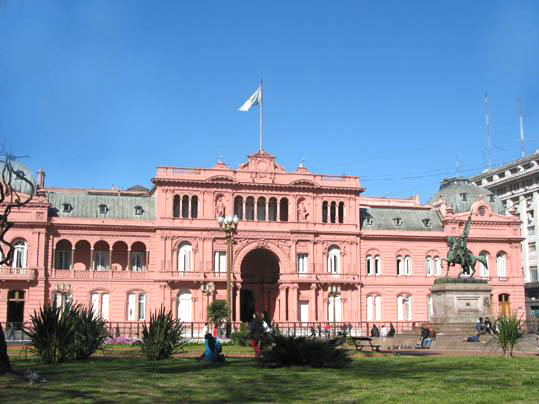
- The Casa Rosada in Buenos Aires — the rose-colored seat of the Argentine presidency, whose balcony has witnessed the great dramas of the nation.
You May Like
Why Argentina Runs Its Government from a Pink House


One thought on “The Chilean Mint That Became a Palace and a Battleground”