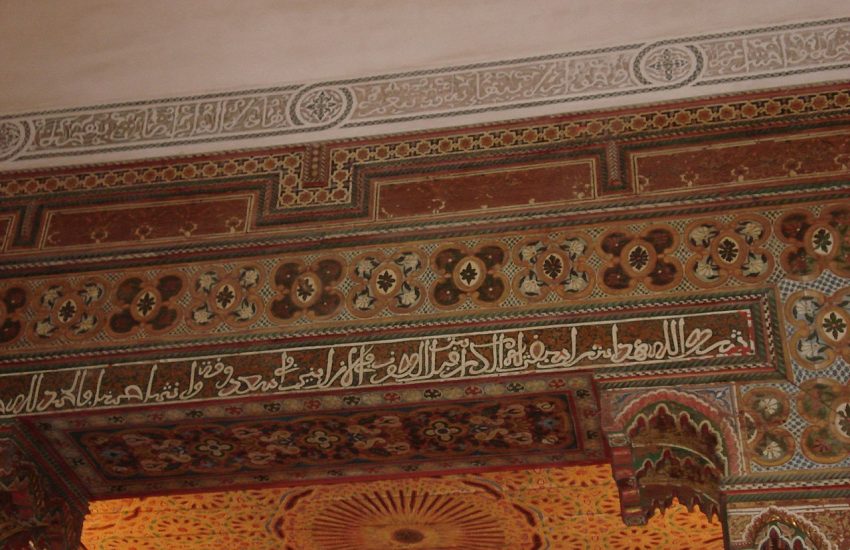
Rising in gleaming white against the blue sky of Abu Dhabi, crowned by a vast dome and surrounded by formal gardens and reflecting pools, Qasr Al Watan is one of the most spectacular palaces of the modern world. Its name means the Palace of the Nation, and it is unlike almost any other seat of power, for this working palace of the United Arab Emirates was designed from the outset to be shared with the public.
Qasr Al Watan is a palace of the present rather than the past, a creation of the twenty-first century that expresses the ambitions and values of a young and dynamic nation. It serves as a venue for the affairs of state, hosting summits and official events, while also opening its doors to visitors as a cultural institution devoted to the heritage, knowledge, and governance of the Arab world.
Behind its dazzling architecture lies a deliberate vision: to create not a private residence hidden from the people but a palace that celebrates the nation and welcomes its citizens and guests. Its halls, its library, and its collections are designed to educate and inspire, making Qasr Al Watan a monument to the idea of open and enlightened governance as much as a seat of power.
In this guide you will explore Qasr Al Watan from its origins and purpose, through its remarkable architecture, its great domed hall, its house of knowledge, its collections, and its role in the life of the nation, to what it is like to visit. By the end you will understand why this palace of the nation has become one of the great attractions of Abu Dhabi and a symbol of the modern Emirates.
In This Article
- A Palace Built to Be Shared
- More Than a Palace, a Statement of Nationhood
- White Domes and Arab-Islamic Design
- The Great Hall and Its Vast Dome
- The Spirit of Collaboration
- The House of Knowledge
- The Presidential Gifts
- A Working Seat of State
- A Showcase of Craftsmanship
- The Palace by Night
- A Palace Open to the Public
- Planning Your Visit to Qasr Al Watan
- See Qasr Al Watan for Yourself
A Palace Built to Be Shared
Qasr Al Watan is part of the presidential palace complex of the United Arab Emirates in Abu Dhabi, the capital of the federation. Built in recent years and opened to the public at the end of the decade of the 2010s, it represents a bold and modern vision of what a palace can be, combining the functions of a working seat of state with those of a public cultural institution.

The decision to open a working palace to the public was a striking one, reflecting a desire to connect the institutions of the state with the people and to share the heritage and values of the nation. Rather than being a private and inaccessible seat of power, Qasr Al Watan was conceived as a place of welcome, education, and inspiration for citizens and visitors alike.
The palace was created as part of the wider development of Abu Dhabi as a cultural capital, joining other great institutions in the city that celebrate art, knowledge, and heritage. It reflects the ambition of the Emirates to be seen as a centre of civilisation and learning, and to present its identity and aspirations to the world through architecture and culture.
From its opening, Qasr Al Watan became one of the major attractions of Abu Dhabi, drawing visitors eager to experience its beauty and to learn about the governance and heritage of the nation. It stands as a symbol of a modern approach to the relationship between the state and the people, a palace of the nation in the fullest sense of the phrase.
Abu Dhabi’s transformation over a few short decades from a modest settlement into a gleaming modern capital is one of the remarkable stories of recent history, and Qasr Al Watan is a product of that transformation. The palace could only have been built by a nation confident in its wealth and its future, and it stands as a physical expression of the extraordinary rise of the Emirates from desert origins to global prominence.
More Than a Palace, a Statement of Nationhood
Qasr Al Watan is far more than a beautiful building; it is a deliberate statement about the identity and values of the United Arab Emirates. Every aspect of the palace, from its architecture to its collections, was designed to express and celebrate the heritage, governance, and aspirations of the nation, making it a monument to the idea of the state itself.

The palace presents the story of Emirati and Arab governance, knowledge, and craftsmanship, inviting visitors to understand the values and traditions on which the nation is built. It seeks to educate as well as to impress, using its spaces and displays to convey ideas about leadership, learning, and the contributions of Arab civilisation to the wider world.
This educational and symbolic purpose sets Qasr Al Watan apart from most palaces, which were built primarily as residences or seats of power. Here the emphasis is on communication and celebration, on sharing the story of the nation with the public, and on inspiring pride and understanding among citizens and visitors alike.
In this way the palace embodies a modern conception of the relationship between a state and its people, one based on openness, education, and shared identity. Qasr Al Watan is a palace designed not to overawe but to enlighten, a place where the nation tells its own story and invites the world to listen, and this purpose gives it a character all its own.
The naming of the palace as the Palace of the Nation, rather than for a ruler or dynasty, is itself significant. It signals that the building belongs, in spirit, to the whole nation and its people rather than to any single individual, and this choice of name captures the democratic and inclusive spirit that the palace is meant to embody, a seat of the state that is also a gift to its citizens.
In presenting itself as a place of education and shared identity, Qasr Al Watan reflects a broader ambition to define the character of a nation still young in its unified form. The palace helps to tell citizens and visitors alike what the Emirates stands for and where it aspires to go, giving physical shape to a sense of national identity that continues to develop.
White Domes and Arab-Islamic Design
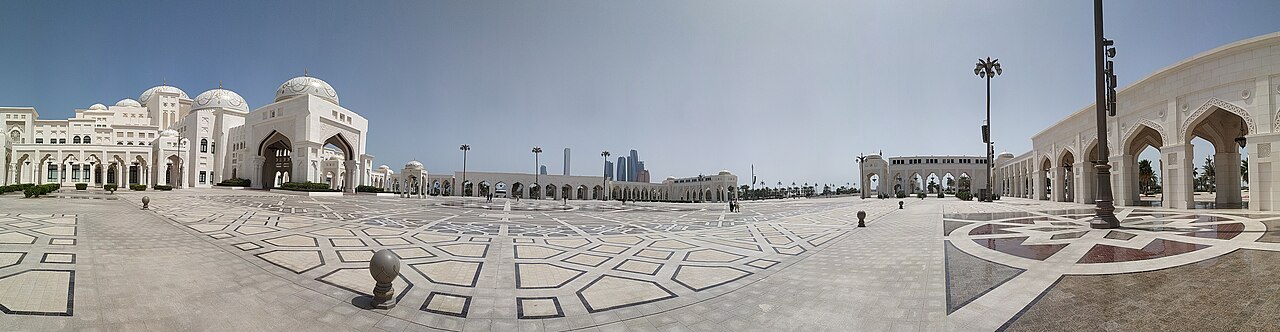
The architecture of Qasr Al Watan is a magnificent expression of Arab and Islamic design, executed on a grand scale and in gleaming white stone. Its form draws on the rich traditions of Islamic architecture, with domes, arches, geometric patterns, and intricate ornament, reinterpreted for the modern age in a building of striking beauty and harmony.

The palace is crowned by a great central dome, the largest of several that give the building its distinctive silhouette, and its facades are adorned with detailed patterns and calligraphy drawn from the Islamic artistic tradition. The predominant white of the stone gives the palace a luminous, almost ethereal quality, especially under the bright sun of Abu Dhabi.
The design combines the grandeur of a great palace with the specific vocabulary of Arab and Islamic art, creating a building that is both monumental and rooted in its cultural context. Geometric patterns, arabesques, and calligraphic inscriptions cover its surfaces, celebrating the artistic heritage of the Islamic world and the identity of the nation.
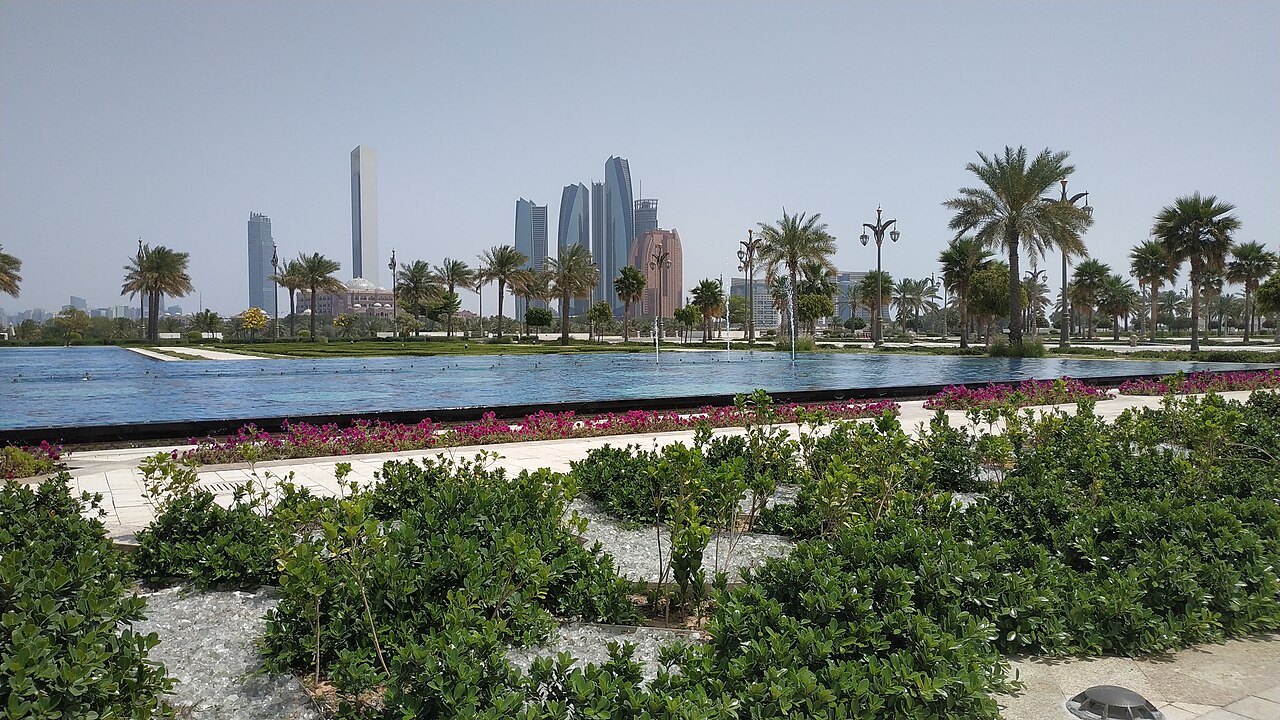
Surrounded by formal gardens, reflecting pools, and fountains, the palace presents a scene of great splendour, its white domes mirrored in the water and set against the sky. The whole composition is designed to impress and to inspire, a modern masterpiece that honours the traditions of Arab and Islamic architecture while asserting the confidence and ambition of the contemporary Emirates.
The scale of the building is difficult to convey in words, for it covers an enormous area and its domes rise to great heights. Yet for all its size, the design maintains a sense of harmony and proportion, so that the palace impresses without overwhelming. This balance of grandeur and grace is one of the achievements of its architecture, a modern building that holds its own among the great palaces of history.
The reflecting pools and formal gardens that surround the palace are integral to its effect, doubling the white domes in still water and framing the building within a designed landscape. In the manner of the great gardens of Islamic tradition, water and greenery soften the grandeur of the architecture and create places of calm, extending the beauty of the palace out into its setting.
The Great Hall and Its Vast Dome
The heart of Qasr Al Watan is its Great Hall, a breathtaking space crowned by an enormous dome that ranks among the largest of its kind in the world. Standing beneath it, visitors are overwhelmed by the scale and beauty of the space, its intricate decoration soaring overhead in a dazzling display of geometric pattern and colour.
The dome is a masterpiece of design and engineering, its vast interior surface covered with elaborate ornament in the Islamic tradition. Light floods the hall, illuminating the patterns and the pale surfaces, and the sheer size of the space creates an atmosphere of grandeur and serenity that is among the most memorable experiences the palace offers.
The Great Hall serves as the ceremonial centre of the palace, the setting for its most important functions and a space designed to convey the dignity and ambition of the nation. Its scale and splendour make it a fitting stage for affairs of state, and it embodies the vision of grandeur that inspired the whole building.
For visitors, the Great Hall is the unforgettable climax of a tour of Qasr Al Watan. The combination of the immense dome, the intricate decoration, and the flood of light creates a space of extraordinary impact, capturing in a single room the beauty, ambition, and cultural pride that the palace was built to express.
The geometric decoration of the dome repays long study, for it is built up from countless individual elements arranged according to the mathematical principles that underlie Islamic ornament. This tradition, which finds infinite variety within strict geometric rules, reaches a magnificent climax in the Great Hall, where the patterns seem to expand endlessly overhead, drawing the eye upward toward the apex of the dome.
Beneath the central dome hangs a magnificent chandelier, one of several spectacular light fittings in the palace, adding to the sense of splendour in the great space. The interplay of natural light from above and the glitter of the chandeliers below fills the hall with brilliance, and the effect changes through the day as the light shifts, so that the space never looks exactly the same twice.
The Spirit of Collaboration
Among the notable spaces of Qasr Al Watan is a great hall associated with the theme of collaboration, reflecting the palace’s role as a venue for the meetings and summits through which the affairs of the nation and the region are conducted. This space embodies the idea of cooperation and dialogue that the palace celebrates.

The palace has hosted important gatherings, including meetings of regional leaders and international summits, and spaces such as this were designed to accommodate such events. The emphasis on collaboration reflects the values that the Emirates seeks to project, of a nation committed to dialogue, cooperation, and constructive engagement with the wider world.
These functional spaces are decorated to the same high standard as the rest of the palace, combining beauty with practicality. They demonstrate that Qasr Al Watan is a working seat of state as well as a cultural attraction, a place where real decisions are made and where the business of governance is carried out amid surroundings of great splendour.
The theme of collaboration also connects to the broader message of the palace about governance and the values of the nation. By highlighting cooperation and dialogue, the palace presents an image of enlightened and constructive leadership, reinforcing the vision of nationhood that runs through the whole building and its displays.
The interiors of these gathering spaces are designed to inspire a sense of dignity and common purpose, appropriate to the important discussions they host. Rich materials, careful lighting, and harmonious proportions create an atmosphere conducive to serious deliberation, and the beauty of the surroundings serves as a reminder of the shared heritage and aspirations that underpin cooperation among nations.
The House of Knowledge
One of the most inspiring spaces in Qasr Al Watan is its House of Knowledge, a great library and educational space that celebrates the contributions of Arab and Islamic civilisation to science, learning, and culture. This space reflects the palace’s emphasis on knowledge and education as central values of the nation.
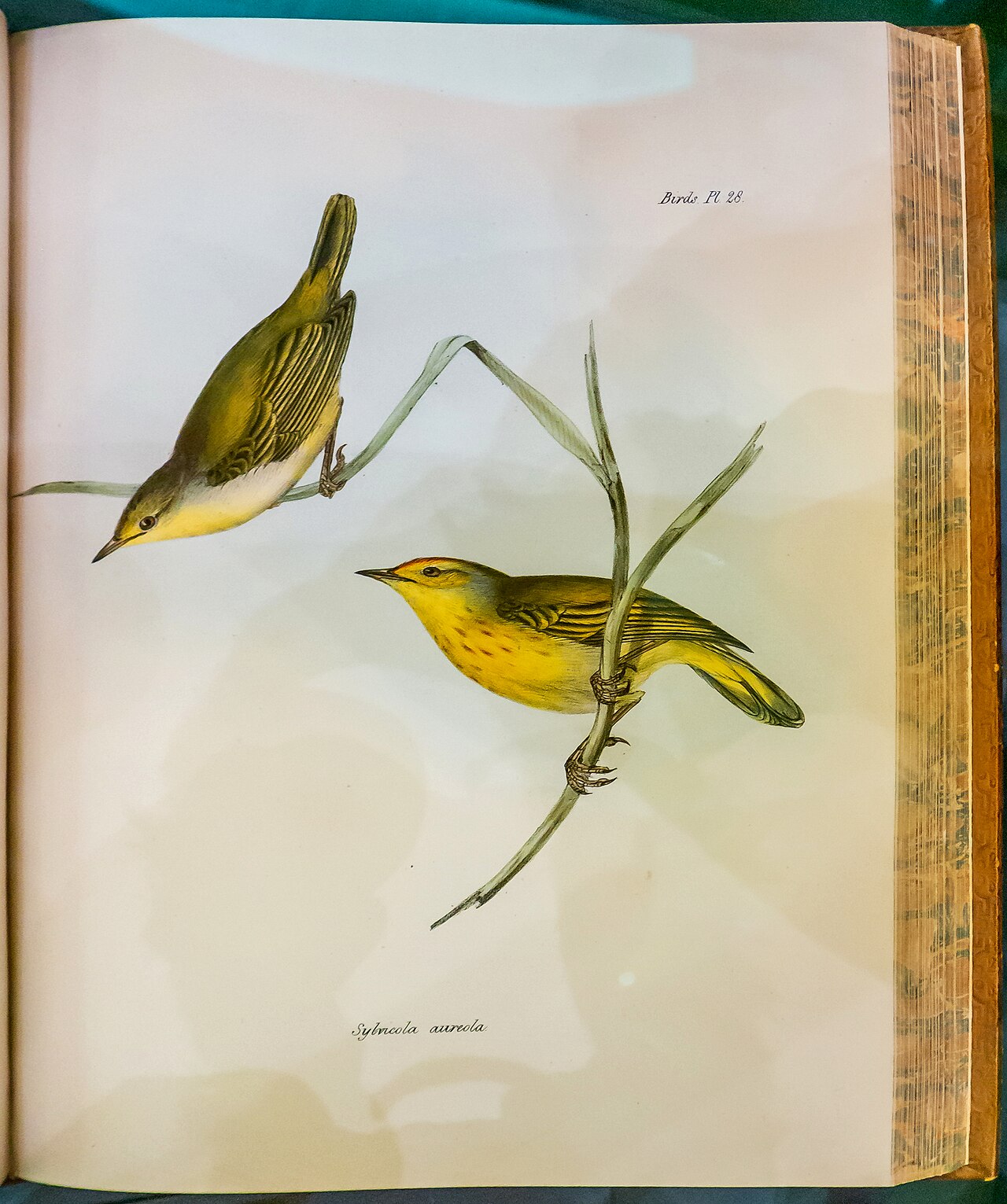
The House of Knowledge displays books, manuscripts, and other treasures that tell the story of the Arab world’s rich intellectual heritage, from advances in science and mathematics to achievements in literature and the arts. It reminds visitors of the great contributions of Arab and Islamic scholars to human knowledge over the centuries.
By dedicating a major space to knowledge and learning, the palace makes a powerful statement about the values it wishes to celebrate and promote. Knowledge is presented as a foundation of civilisation and a key to the future, and the House of Knowledge invites visitors to reflect on the importance of learning and the heritage of scholarship in the Arab world.
For visitors, the House of Knowledge is a highlight of the palace, combining beautiful architecture with fascinating displays. It embodies the educational mission of Qasr Al Watan and its vision of the palace as a place of enlightenment, and it connects the modern nation to the long and distinguished intellectual traditions of Arab and Islamic civilisation.
Among the treasures associated with the House of Knowledge are reproductions and displays that highlight the achievements of the golden age of Arab and Islamic learning, when scholars in the great cities of the region advanced the sciences and preserved the knowledge of earlier civilisations. By foregrounding this heritage, the palace situates the modern nation within a long and proud tradition of scholarship.
The emphasis on knowledge carries a message about the future as well as the past, presenting learning as the foundation on which the nation intends to build. In a region transforming itself through education, technology, and innovation, the House of Knowledge stands as a statement of intent, linking the celebration of a scholarly heritage to the aspirations of a nation looking confidently ahead.
The Presidential Gifts
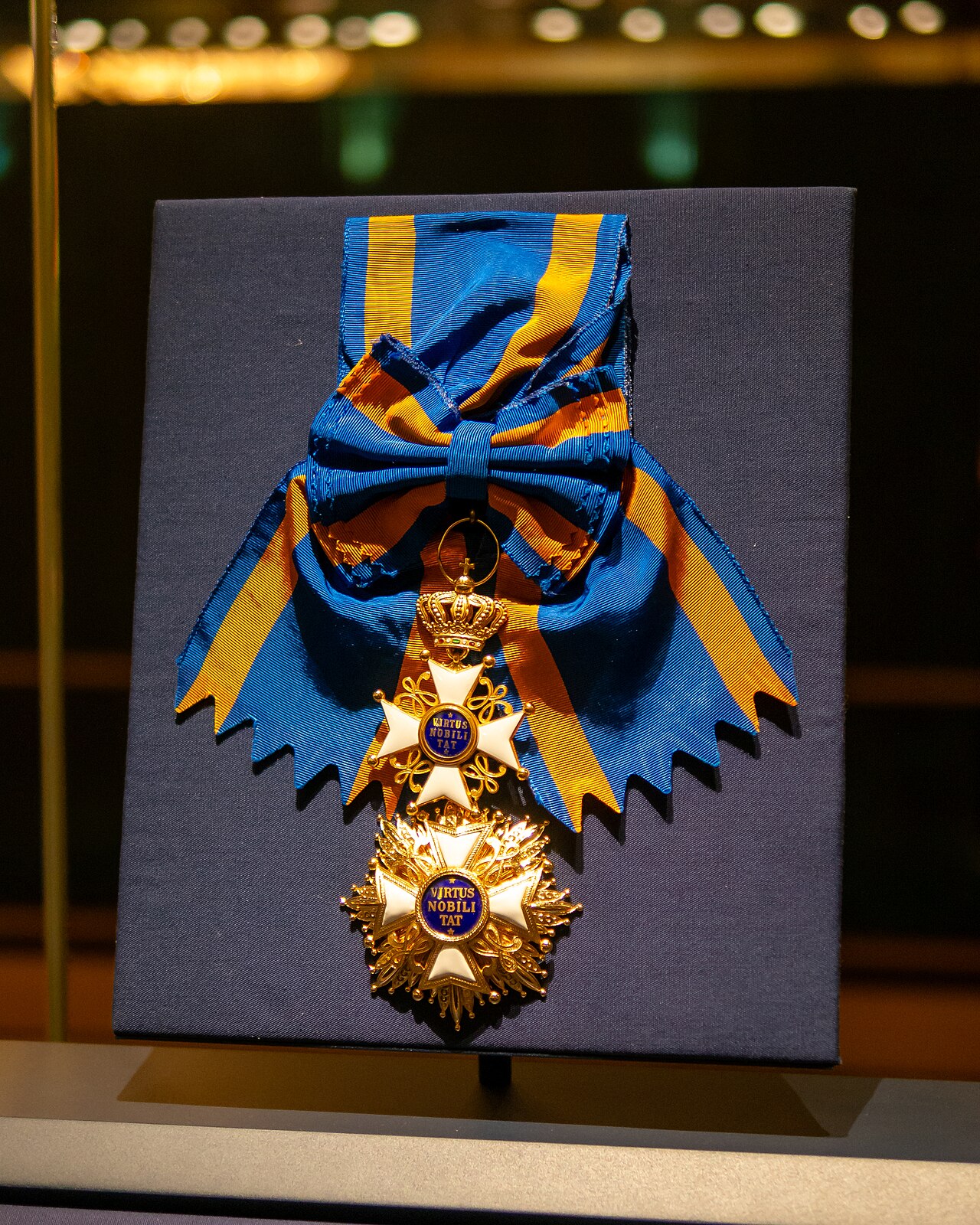
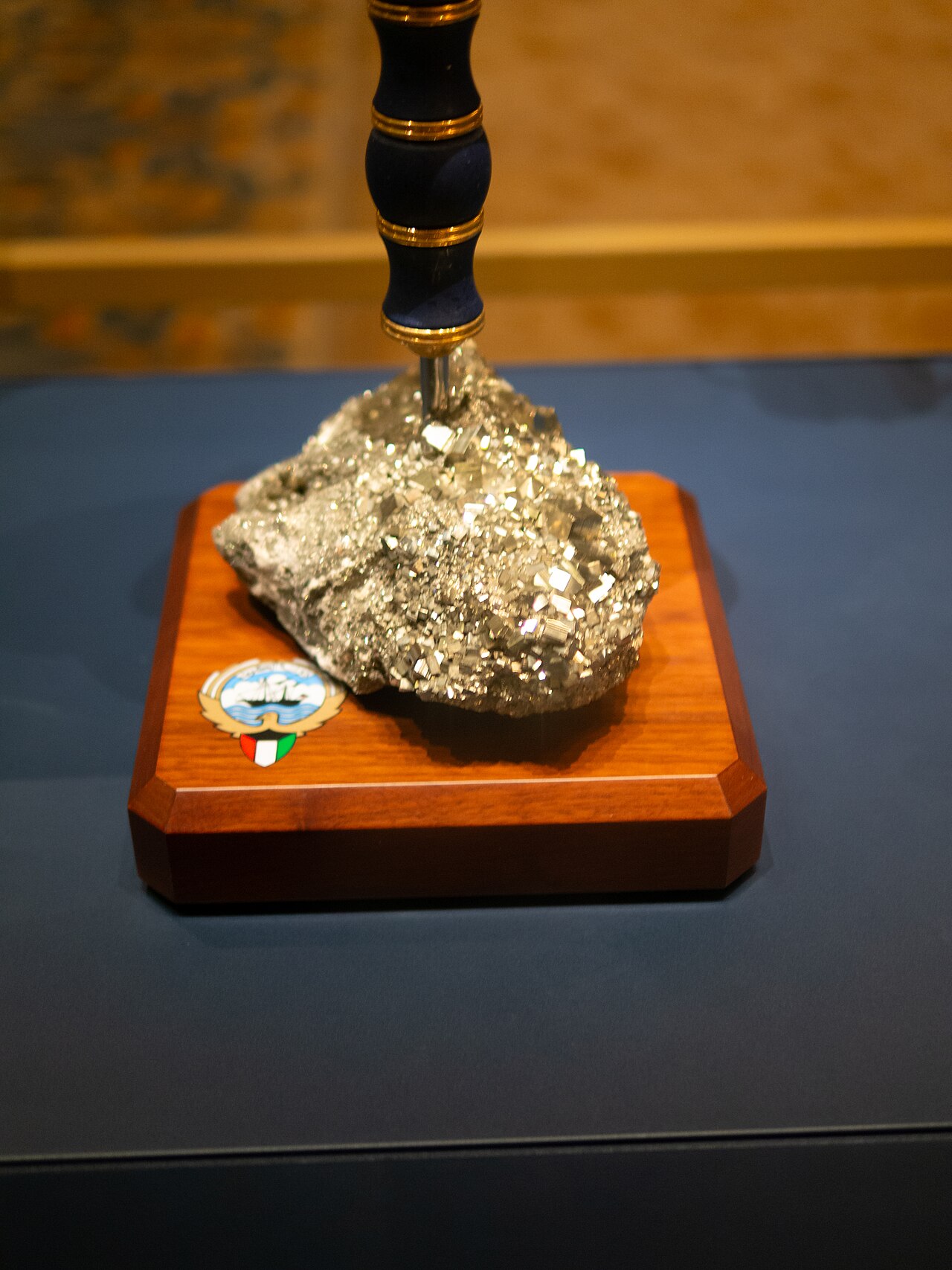
Among the treasures on display at Qasr Al Watan is a collection of gifts presented to the leaders of the United Arab Emirates by other nations and dignitaries. These presidential gifts offer a fascinating glimpse into the diplomacy of the nation and the relationships it has built around the world.

The gifts range widely in form and origin, from works of art and craftsmanship to objects of great value and significance, each reflecting the culture of the nation that presented it and the ties between that nation and the Emirates. Together they form a record of the international relationships and diplomacy of the young country.
Displaying these gifts allows the palace to tell the story of the nation’s place in the world and its engagement with other countries. The collection reflects the respect and friendship extended to the Emirates by nations across the globe, and it underlines the country’s active role in international affairs.
For visitors, the collection of presidential gifts adds another dimension to the experience of the palace, offering insight into diplomacy and international relations alongside the beauty of the architecture and the celebration of heritage. It is a reminder that Qasr Al Watan is a working seat of state, engaged with the wider world, as well as a monument and a museum.
The presidential gifts also serve as a kind of map of the nation’s friendships, each object marking a relationship with another country or leader. Viewed together, they tell a story of a young state rapidly building its place in the international community, and they give visitors a tangible sense of the diplomacy that has accompanied the rise of the Emirates on the world stage.
A Working Seat of State
For all its role as a public attraction, Qasr Al Watan remains a working seat of state, used for the official functions of the government of the United Arab Emirates. It hosts summits, official meetings, and ceremonies, and it serves as a setting for the conduct of the affairs of the nation at the highest level.
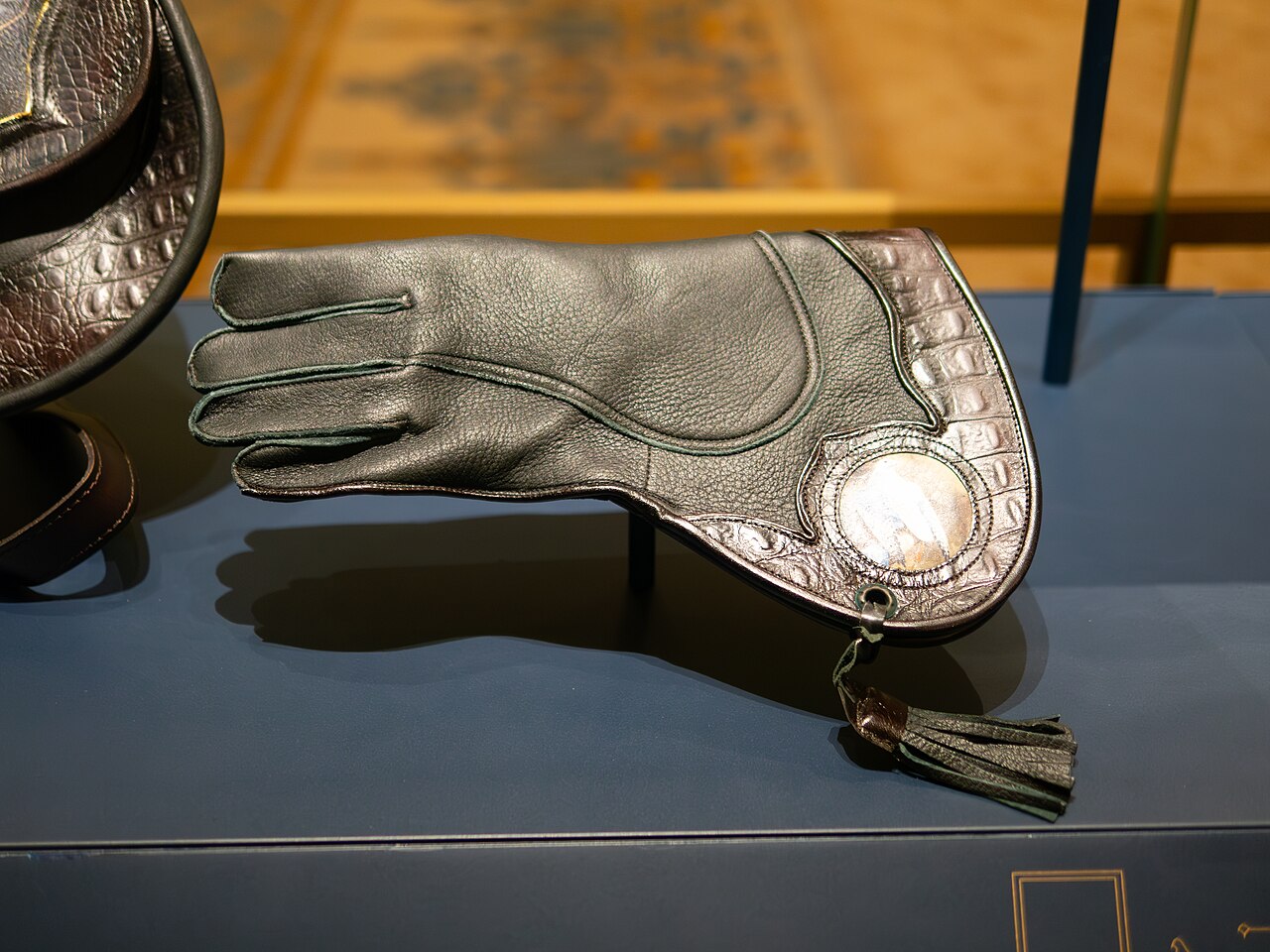
The palace has been the venue for important gatherings, including meetings of regional and international leaders, and its grand spaces provide a fitting backdrop for such events. The combination of ceremonial grandeur and practical function makes it a true palace of state, where the business of governance is carried out amid surroundings of great beauty.
This working role gives Qasr Al Watan an authenticity and importance beyond that of a mere attraction. It is a place where real decisions are made and where the nation conducts its official business, and this connection to the living institutions of the state adds weight and meaning to the experience of visiting.
The dual role of the palace, as both a working seat of state and a public cultural institution, is one of its defining features. By combining these functions, Qasr Al Watan embodies a modern vision of governance that values both the dignity of the state and its connection to the people, and it stands as a symbol of the aspirations of the nation.
Hosting major summits has given Qasr Al Watan a place in the recent diplomatic history of the region, and events held within its walls have had real consequences for the nations involved. This lends the palace a significance beyond its beauty, for it is a place where history is being made, and visitors walk through spaces that have witnessed important moments in the affairs of the region and the world.
A Showcase of Craftsmanship
Qasr Al Watan is a showcase of craftsmanship, both in its own construction and in the treasures it contains. The building itself demonstrates the highest levels of skill in stonework, decoration, and design, and it celebrates the traditions of craftsmanship that are central to Arab and Islamic art.
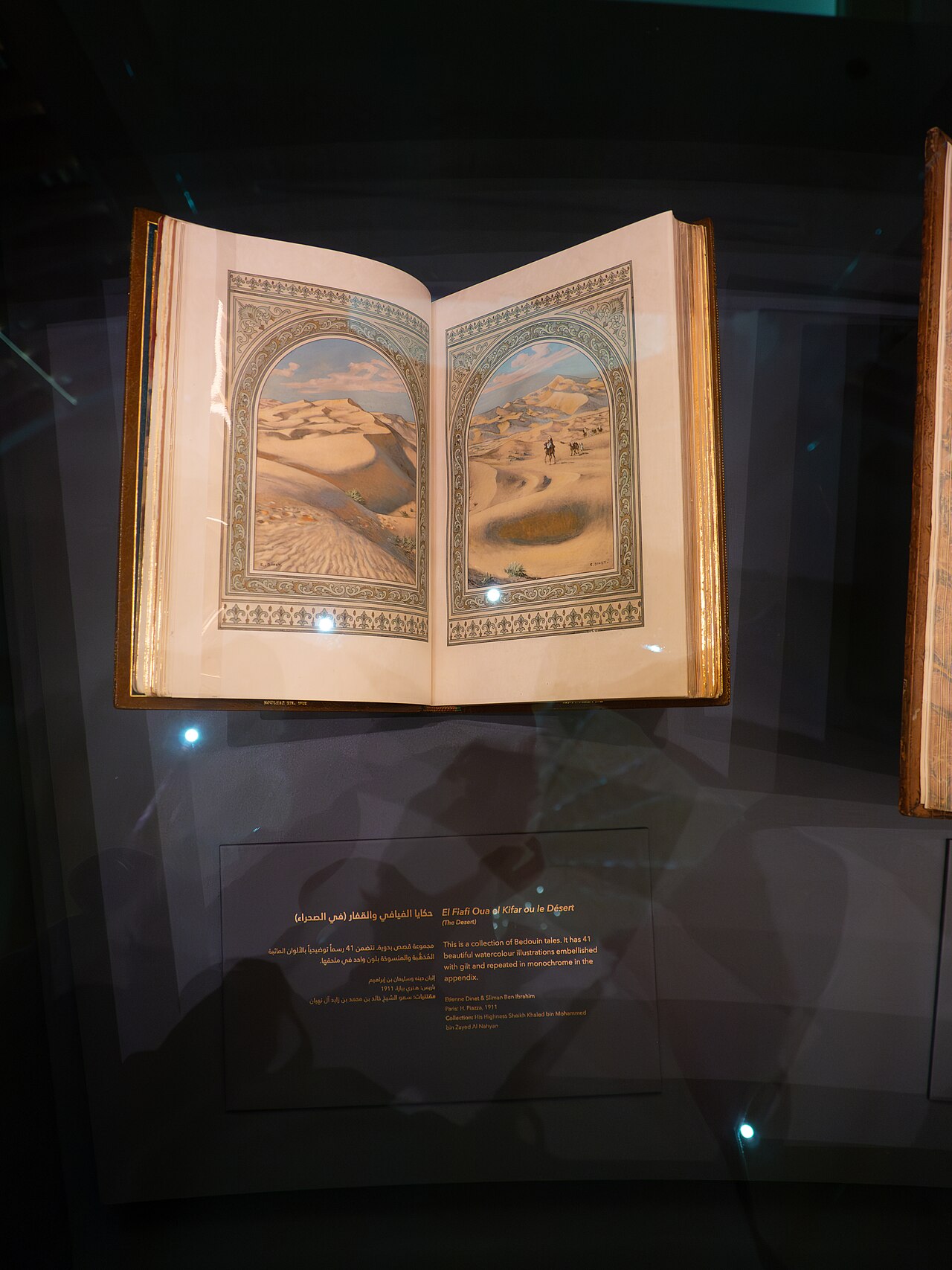
The decoration of the palace, from its intricate geometric patterns to its calligraphy and ornament, required the work of skilled artisans and reflects the enduring vitality of the decorative arts of the region. Every surface has been treated with care, and the quality of the craftsmanship is evident throughout the building.
The palace also displays objects and artworks that celebrate craftsmanship and heritage, reinforcing its message about the value of skill, tradition, and artistry. In this way it honours both the historic traditions of Arab and Islamic craftsmanship and their continued practice in the modern age.
By celebrating craftsmanship, the palace connects the achievements of the present to the traditions of the past, presenting the modern nation as the heir and continuator of a great artistic heritage. This emphasis on skill and beauty runs throughout Qasr Al Watan, making it not only a seat of power but a celebration of the arts and crafts of the Arab and Islamic world.
The palace also functions as a bridge between generations of craftsmen, employing traditional skills in a contemporary context and thereby helping to keep those skills alive. In an age when many traditional crafts are under threat, the creation of a building that demands such artistry provides both a showcase and a spur for the continuation of these traditions into the future.
The Palace by Night
When darkness falls, Qasr Al Watan takes on a new character, illuminated by a spectacular light and sound show that transforms its facades into a canvas of light. This evening spectacle has become one of the most popular features of the palace, drawing visitors to experience its beauty in a wholly different way.
The light show projects patterns, images, and stories onto the white surfaces of the palace, accompanied by music and narration that tell the story of the nation and its heritage. The play of light across the domes and facades creates a magical effect, turning the palace into a work of living art beneath the night sky.
This use of modern technology to enhance the experience of the palace reflects the forward-looking spirit of the Emirates and its willingness to combine tradition with innovation. The light show adds a dynamic and contemporary dimension to the historic beauty of the architecture, appealing to visitors of all ages.
For many, the evening light show is a highlight of a visit to Qasr Al Watan, offering a memorable and moving experience of the palace and its message. It captures the spirit of the building as a celebration of the nation, using light and sound to tell its story and to leave visitors with a lasting impression of its beauty and meaning.
The evening transformation of the palace also extends the hours during which visitors can enjoy it, allowing the site to offer two distinct experiences in a single day. Those who visit by daylight to explore the interiors can return after dark to see the facades come alive with light, and the contrast between the two experiences deepens the appreciation of the building’s beauty and versatility.
A Palace Open to the Public
One of the most remarkable things about Qasr Al Watan is simply that it is open to the public at all, for working palaces of state are rarely accessible to ordinary visitors. The decision to open the palace reflects the vision behind it, of a seat of power that belongs to the nation and welcomes its people and guests.

Visitors to the palace can explore its great halls, its house of knowledge, its collections, and its gardens, experiencing the beauty and learning about the heritage and governance of the nation. The palace is designed to be welcoming and educational, with displays and information that help visitors understand what they are seeing.
The experience of visiting Qasr Al Watan combines the wonder of its architecture with the insight offered by its displays, making it both a feast for the eyes and a place of learning. Visitors come away not only impressed by the beauty of the palace but enriched by their understanding of the nation and its values.
This openness is central to the identity of Qasr Al Watan and to its message about the relationship between the state and the people. By welcoming the public into a working palace of state, the Emirates makes a powerful statement about openness, education, and shared national identity, and the experience of visiting embodies this vision in the most direct way.
The welcome extended to visitors is reflected in the thoughtful design of the visitor experience, which guides guests through the palace in a way that reveals its beauty and communicates its message. Rather than simply admiring grand rooms, visitors are led on a journey through the ideas and values the palace celebrates, emerging with a richer understanding of the nation and its heritage.
The palace has quickly become a point of pride for residents as well as a draw for tourists, a place to bring visiting friends and family and to show something of the ambition and beauty of the modern nation. In this way it fulfils its purpose not only as an attraction but as a shared symbol, a building that belongs to the people it was created to celebrate.
Planning Your Visit to Qasr Al Watan
Qasr Al Watan is located in the presidential palace area of Abu Dhabi, easily reached within the city and a natural addition to any visit to the Emirati capital. As one of the major attractions of Abu Dhabi, it is well set up to receive visitors, with facilities designed to make the experience welcoming and informative.
View Qasr Al Watan on Google Maps
Visitors can tour the great halls, the house of knowledge, and the collections, and can enjoy the gardens and, in the evening, the light and sound show. Allowing several hours lets you experience the palace fully, from its architecture and displays to its outdoor spaces and its evening spectacle, and the palace rewards an unhurried visit.
As with any major attraction, it is wise to check current opening hours, ticket arrangements, and the schedule of the light show before visiting, since these can vary. Because the palace is also a working seat of state, access may occasionally be affected by official events, so it is worth confirming details in advance.
You can find the palace and plan your route using the map link below. Whether you come for the spectacular architecture, the house of knowledge, the collections, or the evening light show, Qasr Al Watan offers one of the most memorable experiences in Abu Dhabi. Give yourself time to enjoy both the beauty of the palace and the insight it offers into the heritage and aspirations of the nation.
Combining a visit to Qasr Al Watan with the other cultural attractions of Abu Dhabi makes for a rich experience of the modern Emirates, which has invested heavily in museums and institutions celebrating art, knowledge, and heritage. Seen together, these attractions tell the story of a nation determined to be known not only for its wealth but for its commitment to culture and learning.
See Qasr Al Watan for Yourself
A palace as spectacular as Qasr Al Watan is best appreciated in motion, and the short film below offers a closer look at its great halls, its dome, and its setting. It conveys the scale and beauty of the architecture, the richness of the decoration, and the splendour of the palace by day and by night.

As you watch, keep in mind the vision behind it: a working palace of state built to be shared with the people, a celebration of the heritage, knowledge, and governance of the nation, and a monument to the ambitions of the modern Emirates. Qasr Al Watan is a palace of the nation in the truest sense, a place where a young country tells its story to its people and to the world.
Palaces Nearby
If Qasr Al Watan has drawn you into the palatial heritage of the Middle East, two more palaces of the region make natural companions, each with its own character.
- Beiteddine, the Mountain Palace of a Lebanese Emir — a Chouf Mountain palace blending Arab and Italian styles, with a famed Byzantine mosaic collection.
- Inside the Azm Palace, a Hidden Paradise of Old Damascus — the finest surviving Damascene courtyard house, famed for its banded stone and painted ceilings.
You May Like
The Bardo, a Palace of the Beys Filled With Roman Mosaics