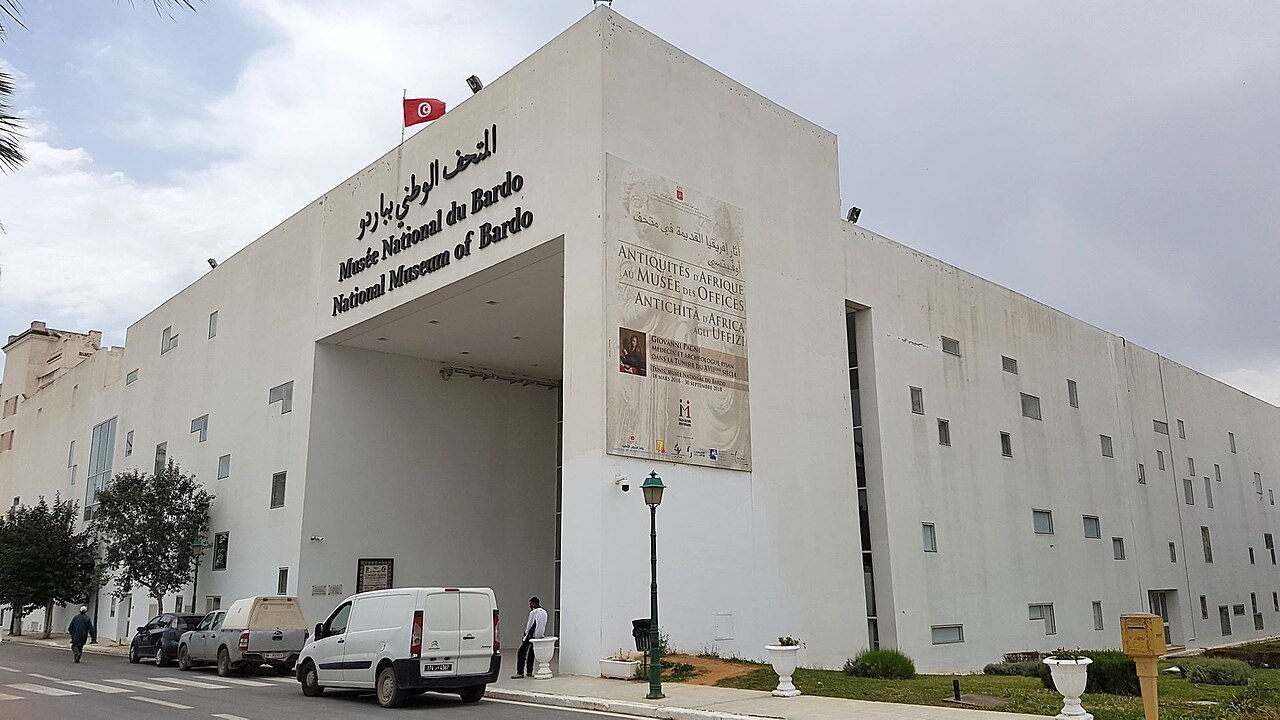
On the edge of Tunis, in a former royal suburb, stands a palace that has lived two lives. The Bardo was once the residence of the rulers of Tunisia, a beylical palace of courtyards, painted ceilings, and richly decorated halls. Today it is one of the greatest museums in the Arab world and Africa, home to a collection of Roman mosaics without equal anywhere on earth. Palace and museum are here inseparable, each enriching the other.
For centuries the Bardo was the seat of the beys who ruled Tunisia, a complex of buildings that grew over generations into a sprawling royal residence. Its architecture reflects the tastes of the dynasty and the many influences that met in Tunis, from Moorish and Ottoman traditions to European fashions, producing interiors of great beauty and character.
In the late nineteenth century the palace was transformed into a national museum, and it became the home of the extraordinary archaeological treasures unearthed across Tunisia, above all the mosaics of the Roman period. The marriage of the historic palace and these ancient masterpieces created one of the world’s truly great museums, where the art of antiquity is displayed in the splendour of a royal residence.
In this guide you will explore the Bardo from its origins as the palace of the beys, through its architecture, its transformation into a museum, and its incomparable collection of mosaics and antiquities, to its modern history and what it is like to visit. By the end you will understand why the Bardo is regarded as one of the treasures of Tunisia and of the whole Mediterranean world.
In This Article
- The Palace of the Beys of Tunis
- The Dynasty of the Beys
- A Beylical Palace of Many Influences
- From Royal Palace to National Museum
- The Greatest Collection of Roman Mosaics
- The Virgil Mosaic and Its Treasures
- The Great Halls and Painted Ceilings
- Carthage and the Ancient Collections
- The Harem and the Patios
- Tragedy and Renewal
- A Symbol of Tunisia
- Planning Your Visit to the Bardo
- See the Bardo for Yourself
The Palace of the Beys of Tunis
The Bardo began as a royal residence, the palace of the beys who ruled Tunisia over several centuries. Situated a little outside the city of Tunis, it developed over time from earlier structures into a great complex of palaces, courtyards, and gardens, serving as the principal seat of the ruling dynasty and the centre of its court.

For generations the Bardo was the heart of political power in Tunisia, the place where the beys lived, held court, and governed. Its halls witnessed the ceremonies and intrigues of the court, the reception of ambassadors, and the daily life of the ruling household, making it central to the history of the country over a long and eventful period.
The palace grew and changed with the fortunes of the dynasty, its buildings expanded and embellished by successive rulers according to the tastes of their times. This long process of development gave the Bardo a rich and layered character, a complex of interconnected spaces reflecting the history and evolving taste of the beys.
By the nineteenth century the Bardo had become a magnificent royal residence, adorned with the finest decoration and reflecting the sophistication of the Tunisian court. It was this palace, rich in history and beauty, that would in time be transformed into a museum, its royal splendour becoming the setting for the display of the nation’s ancient treasures.
The name Bardo is thought to derive from a word of Spanish origin meaning a garden or enclosed park, a reminder of the many cultural currents that met in Tunis, including the influence of Andalusian refugees who brought their traditions from Spain. The name itself thus hints at the layered heritage that the palace embodies, a place shaped by the meeting of peoples across the western Mediterranean.
The Dynasty of the Beys
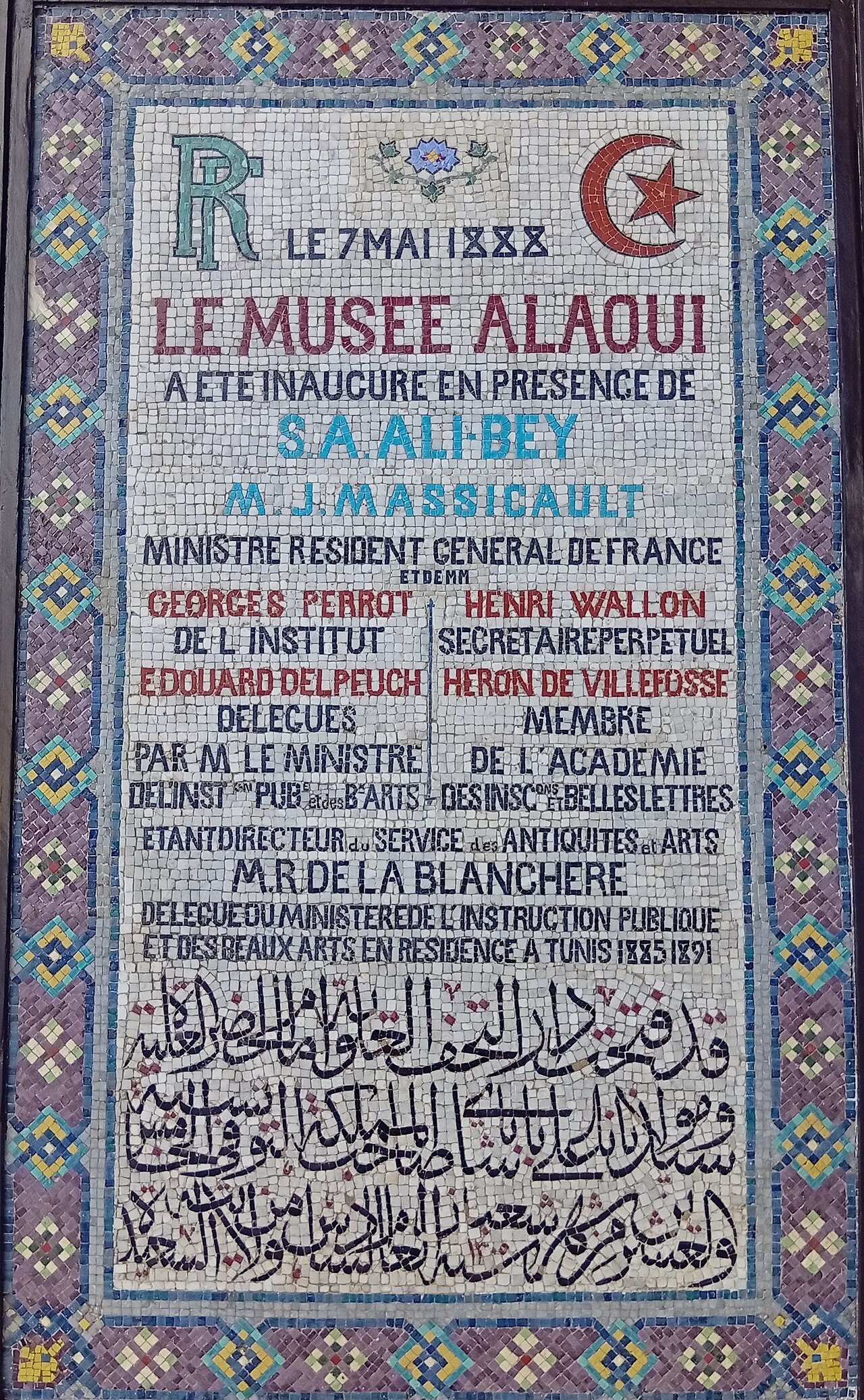
The Bardo is closely associated with the dynasty that ruled Tunisia for more than two centuries, the beys who governed the country under a system that gave them considerable autonomy while acknowledging the wider authority of the Ottoman world. Under this dynasty, Tunisia developed its own distinct identity and institutions.
The beys presided over a period of significant change in Tunisia, as the country navigated the pressures of the modern age, including the growing influence of European powers. The Bardo was the setting for these developments, the seat from which the rulers sought to govern and to reform their state amid the challenges of the era.
The court of the beys at the Bardo was a place of considerable culture and sophistication, reflecting the many influences that met in Tunis, a crossroads of the Mediterranean. The dynasty patronised the arts and architecture, and the palace reflected their taste and their engagement with both the traditions of the Islamic world and the currents of Europe.
The rule of the beys eventually gave way to the era of the French protectorate and, later, to independence, but their legacy endures in the Bardo. The palace stands as a monument to the dynasty that built it and to the history of Tunisia under their rule, preserving in its architecture and decoration the memory of a formative period in the nation’s past.
The autonomy enjoyed by the beys allowed Tunisia to develop a distinct political and cultural identity, and the Bardo was the stage on which this identity took shape. Important reforms and events of the nineteenth century unfolded within its walls, and the palace witnessed the country’s efforts to modernise and to preserve its independence amid the pressures of a changing world.
The dynasty’s long rule finally ended in the twentieth century, but by then the Bardo had already begun its second life as a museum, ensuring that the palace outlived the political order that created it. In this the Bardo was fortunate, for its transformation gave it a purpose that carried it safely through the great changes that swept away the monarchy and reshaped the nation.
A Beylical Palace of Many Influences
The architecture of the Bardo reflects the rich mixture of influences that shaped the culture of Tunisia and its capital. In its courtyards, halls, and decoration can be seen the traditions of Moorish and Andalusian art, the influence of the Ottoman world, and the fashions of Italy and wider Europe, combined into a distinctive beylical style.

The palace is organised, in the tradition of the region, around courtyards and patios, with richly decorated rooms opening onto these open spaces. Tilework, carved stucco, and painted and carved wood adorn the interiors, in the manner of the great palaces of the Islamic world, while European influences appear in aspects of the decoration and furnishing.
Among the most impressive features of the palace are its grand staircase and its great halls, decorated with the utmost richness to serve the ceremonial functions of the court. Painted ceilings, elaborate plasterwork, and fine materials create interiors of great splendour, reflecting the wealth and taste of the ruling dynasty.
This blend of influences gives the Bardo its distinctive character, a palace that is at once rooted in the traditions of the Islamic Mediterranean and open to the wider world. The architecture and decoration provide a magnificent setting for the museum that the palace has become, and they are themselves among the treasures that visitors come to admire.
The grand staircase of the palace deserves special mention, a ceremonial ascent flanked by columns and richly decorated, designed to impress visitors as they made their way to the state rooms above. Such theatrical spaces reflected the influence of European palace design on the beylical court, blended with the local traditions of tilework and stucco to create something distinctively Tunisian.
The influence of Italy is felt in aspects of the palace’s later decoration, for the beys, like many Mediterranean rulers of their day, admired and imported European craftsmanship and taste. Marble, painting, and furnishings in European styles mingle with the Islamic traditions of tilework and stucco, and this fusion is itself a record of Tunisia’s position at the meeting of worlds.
From Royal Palace to National Museum
In the later nineteenth century, during the period of the French protectorate, the Bardo underwent a profound transformation, as part of the royal palace was converted into a national museum. This change gave the historic building a new purpose and made it the home of the archaeological treasures being unearthed across Tunisia.
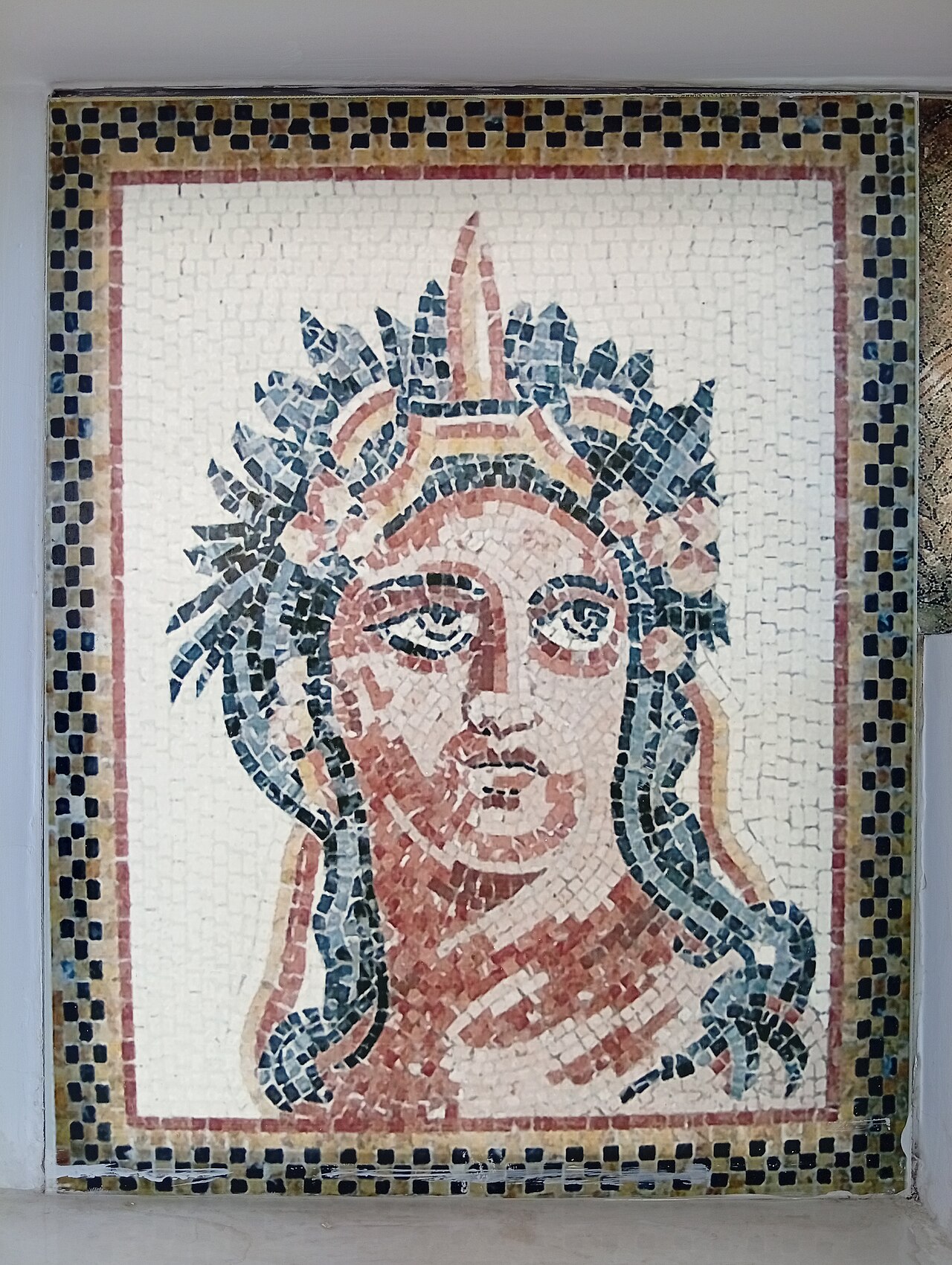
The decision to create the museum reflected the growing interest in the ancient heritage of Tunisia, a land rich in the remains of the Carthaginian, Roman, and later civilisations. The Bardo, with its grand halls, provided a magnificent setting for the display of these treasures, and it became the principal repository of the nation’s antiquities.
The transformation preserved the historic palace while giving it a new role, and the marriage of the royal architecture with the ancient collections proved extraordinarily successful. The mosaics and other treasures were displayed in the beautiful halls of the palace, their splendour enhanced by the setting and the setting enriched by their presence.
Over the following decades the museum grew and developed, expanding its collections and its buildings to become one of the most important museums in the region. The Bardo thus embarked on its second life, as a museum that would make the ancient heritage of Tunisia known to the world while preserving the palace of the beys for future generations.
The creation of the museum came at a time when the great archaeological sites of Tunisia were yielding extraordinary finds, and a fitting home was needed for them. The Bardo, with its spacious halls and its prestige as a royal palace, was the natural choice, and its conversion ensured that the nation’s ancient treasures would be preserved and displayed in surroundings worthy of their importance.
The idea of housing a museum within a former palace was not unique to Tunis, but the Bardo carried it out with particular success, for the grandeur of the beylical halls proved an ideal match for the grandeur of the ancient mosaics. The result is a museum experience quite unlike the neutral galleries of many modern institutions, one in which the setting is itself part of the exhibition.
The Greatest Collection of Roman Mosaics
The glory of the Bardo is its collection of Roman mosaics, which is generally regarded as the finest and most important in the world. Gathered from archaeological sites across Tunisia, once one of the wealthiest provinces of the Roman Empire, these mosaics offer an unparalleled window into the art and life of the ancient world.
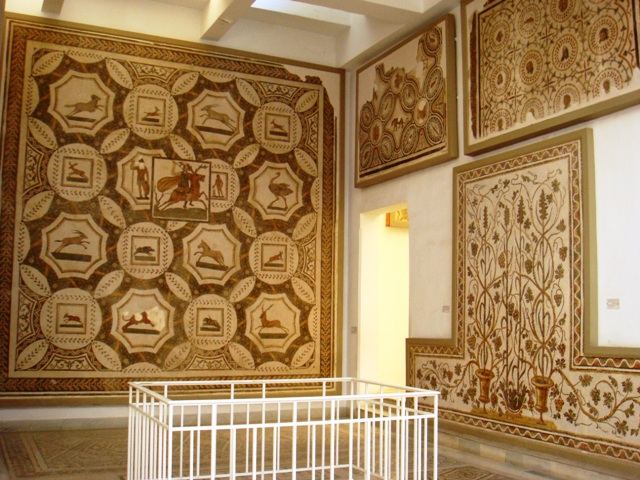
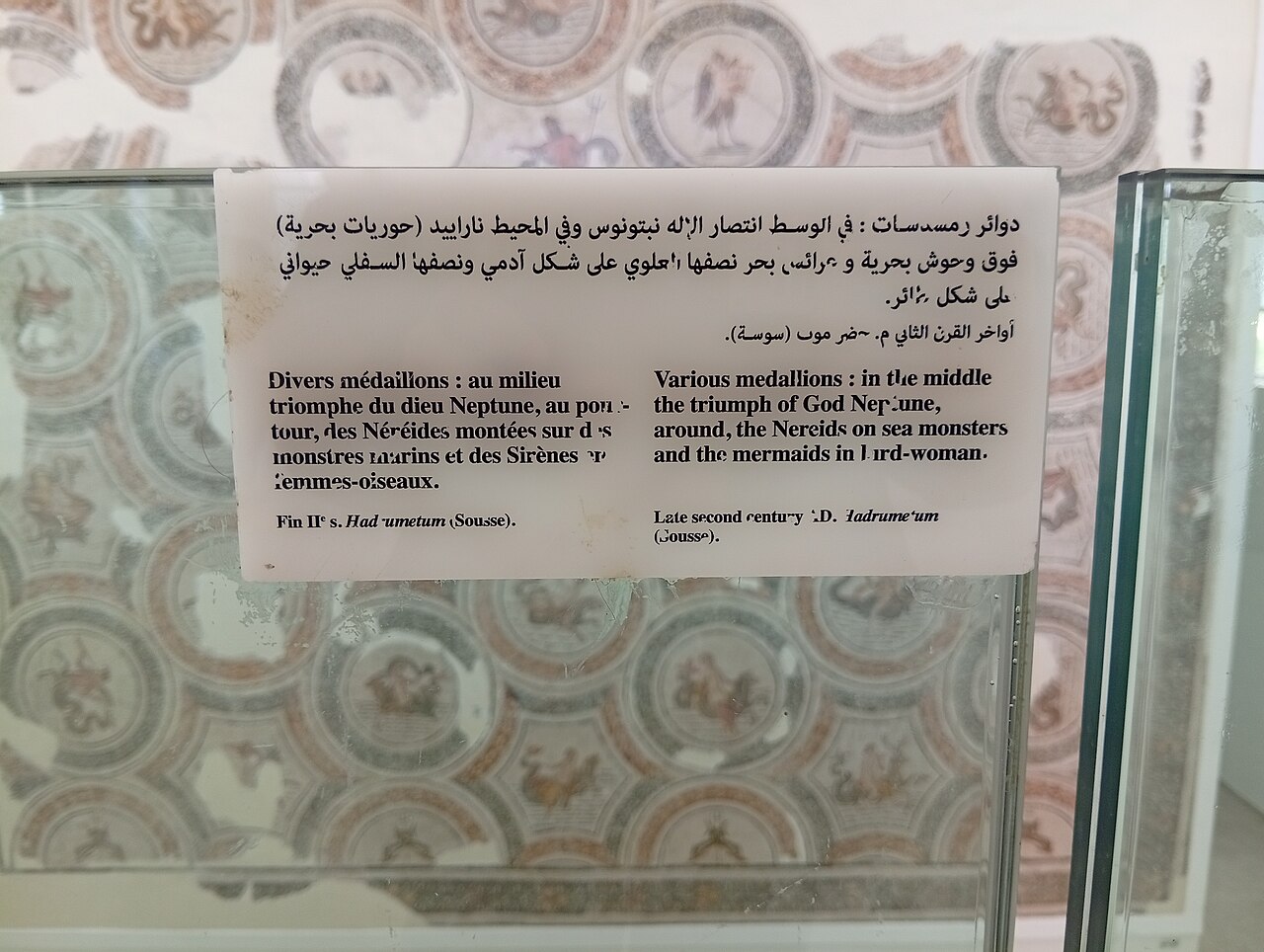
The mosaics are astonishing in their number, size, and quality, covering the walls and floors of the museum’s halls with scenes of extraordinary richness. They depict a vast range of subjects, from mythological scenes and portraits to everyday life, hunting, agriculture, and the sea, rendered with remarkable skill and vivid colour.
Tunisia’s exceptional wealth of mosaics reflects the prosperity of the region in Roman times, when its cities and estates were adorned with these magnificent works. The dry climate and the circumstances of their burial helped to preserve them, and the systematic excavation of the country’s ancient sites brought them to the Bardo in extraordinary abundance.
For visitors, the mosaics are the supreme treasure of the Bardo, and to walk through its halls is to be surrounded by the art of the Roman world on a scale found nowhere else. The collection is not only beautiful but of immense historical importance, offering scholars and visitors alike an incomparable record of ancient art and life.
The sheer scale of the mosaic collection sets the Bardo apart from every other museum, for these works were made to cover entire floors and walls, and many are displayed at their full enormous size. Walking among them, the visitor is enveloped in the visual world of Roman Africa, its gods and heroes, its landscapes and daily life, preserved in stone across the centuries with astonishing vividness.
Scholars from around the world come to study the Bardo’s mosaics, which are an irreplaceable source for understanding Roman art, daily life, mythology, and the economy of the ancient countryside. The scenes of hunting, farming, and the sea, in particular, offer a vivid record of how people lived, worked, and imagined their world in Roman Africa nearly two thousand years ago.
The Virgil Mosaic and Its Treasures
Among the countless treasures of the Bardo, certain masterpieces stand out, and none more famous than the mosaic depicting the great Roman poet Virgil. This remarkable work, showing the poet seated between two muses, is one of the most celebrated mosaics in the world and a highlight of any visit to the museum.

The Virgil mosaic is prized not only for its beauty but for its rarity and significance, as one of the few surviving depictions of the poet and a work of exceptional artistic quality. It has become an emblem of the Bardo and of the extraordinary richness of its collection, drawing visitors from around the world.
Alongside the Virgil mosaic, the museum holds many other masterpieces, including great mosaics depicting the gods of the sea, mythological scenes, and the life of the Roman countryside. Each is a treasure in its own right, and together they make the Bardo a treasure house of ancient art of unrivalled depth.
These masterpieces reward close attention, for the skill of the ancient mosaicists is astonishing, building up images of great subtlety and expression from countless tiny pieces of coloured stone and glass. To stand before them is to marvel at the artistry of the ancient world and to understand why the Bardo holds so honoured a place among the museums of the world.
The Virgil mosaic is often described as a kind of portrait of the ancient literary world, showing the poet at work on his great epic in the company of the muses who inspired it. That such an image should survive at all is remarkable, and its presence at the Bardo links the museum to the highest achievements of Roman culture, making it a place of pilgrimage for lovers of classical literature as well as of art.
The Great Halls and Painted Ceilings
The museum displays its treasures in the magnificent halls of the former palace, and these rooms are themselves among the wonders of the Bardo. Preserved from the days of the beys, they retain their splendid decoration, including painted and carved ceilings, elaborate plasterwork, and rich tilework, providing a setting of extraordinary beauty for the ancient collections.
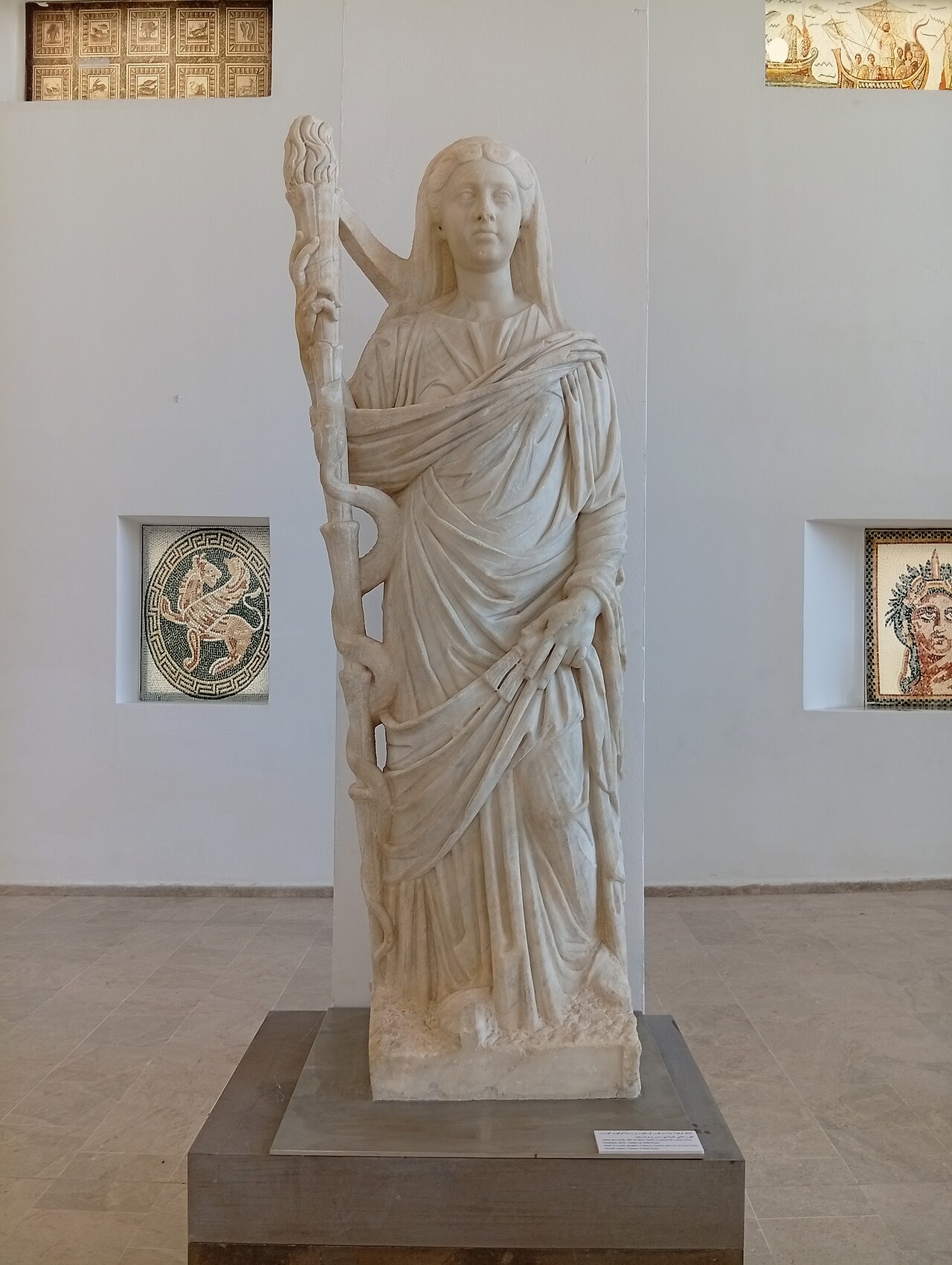
The grand halls, once used for the ceremonies and receptions of the court, now house the greatest of the mosaics, their scale perfectly suited to the display of these enormous works. The combination of the ancient art below and the beylical decoration above creates interiors of overwhelming richness, in which two great artistic traditions meet.
The painted ceilings of the palace are particularly beautiful, worked in the traditional manner with intricate patterns and rich colours. Looking up from the mosaics to these ceilings, visitors experience the full splendour of the palace and the remarkable dialogue between its royal decoration and the ancient masterpieces it now shelters.
This setting is one of the things that makes the Bardo unique among the world’s museums. Rather than displaying its treasures in neutral modern galleries, it presents them in the sumptuous halls of a royal palace, so that a visit is a double delight, offering both the art of antiquity and the beauty of a great beylical residence.
The dialogue between the ancient mosaics and the beylical decoration invites reflection on the many layers of Tunisia’s history, in which Roman, Islamic, and other traditions have all left their mark. Few museums offer so vivid a sense of this layering, for here the visitor stands amid the art of two great ages at once, the antique and the beylical, each magnificent in its own way.
The great hall associated with Carthage is among the most impressive spaces in the museum, its scale matched by the grandeur of the works it displays. Standing within it, the visitor grasps how perfectly the palace and its collections suit one another, the vast beylical room providing exactly the setting that the monumental ancient mosaics require to be seen and understood.
Carthage and the Ancient Collections
Beyond its mosaics, the Bardo holds rich collections spanning the many civilisations that have flourished in Tunisia over the millennia. Chief among the ancient cultures represented is Carthage, the great city that rose near the site of modern Tunis and became one of the dominant powers of the ancient Mediterranean before its destruction by Rome.
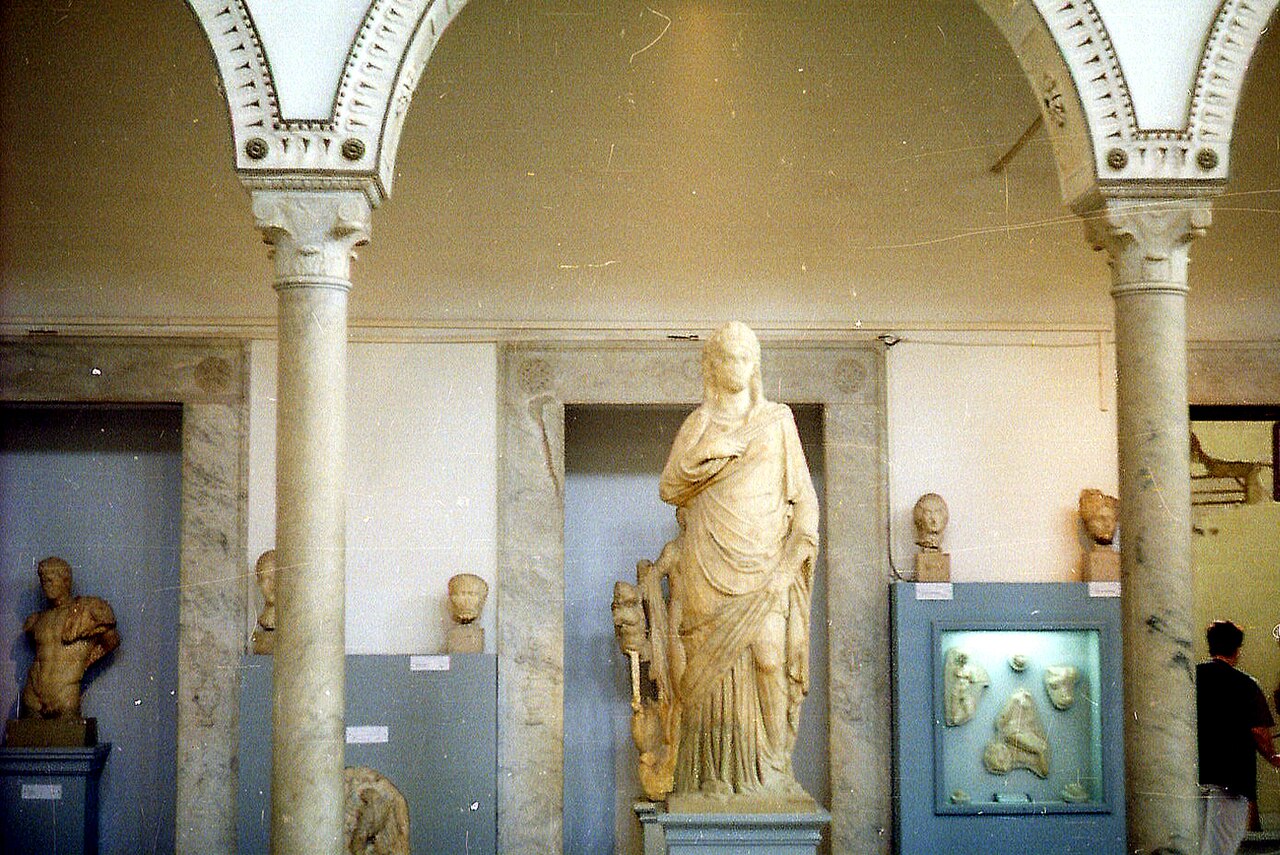
The collections include treasures from the Carthaginian, or Punic, civilisation, offering insight into the culture that once rivalled Rome for control of the Mediterranean. Alongside these are the remains of the Roman era that followed, and of the later Christian and Islamic periods, making the Bardo a comprehensive record of the history of Tunisia.
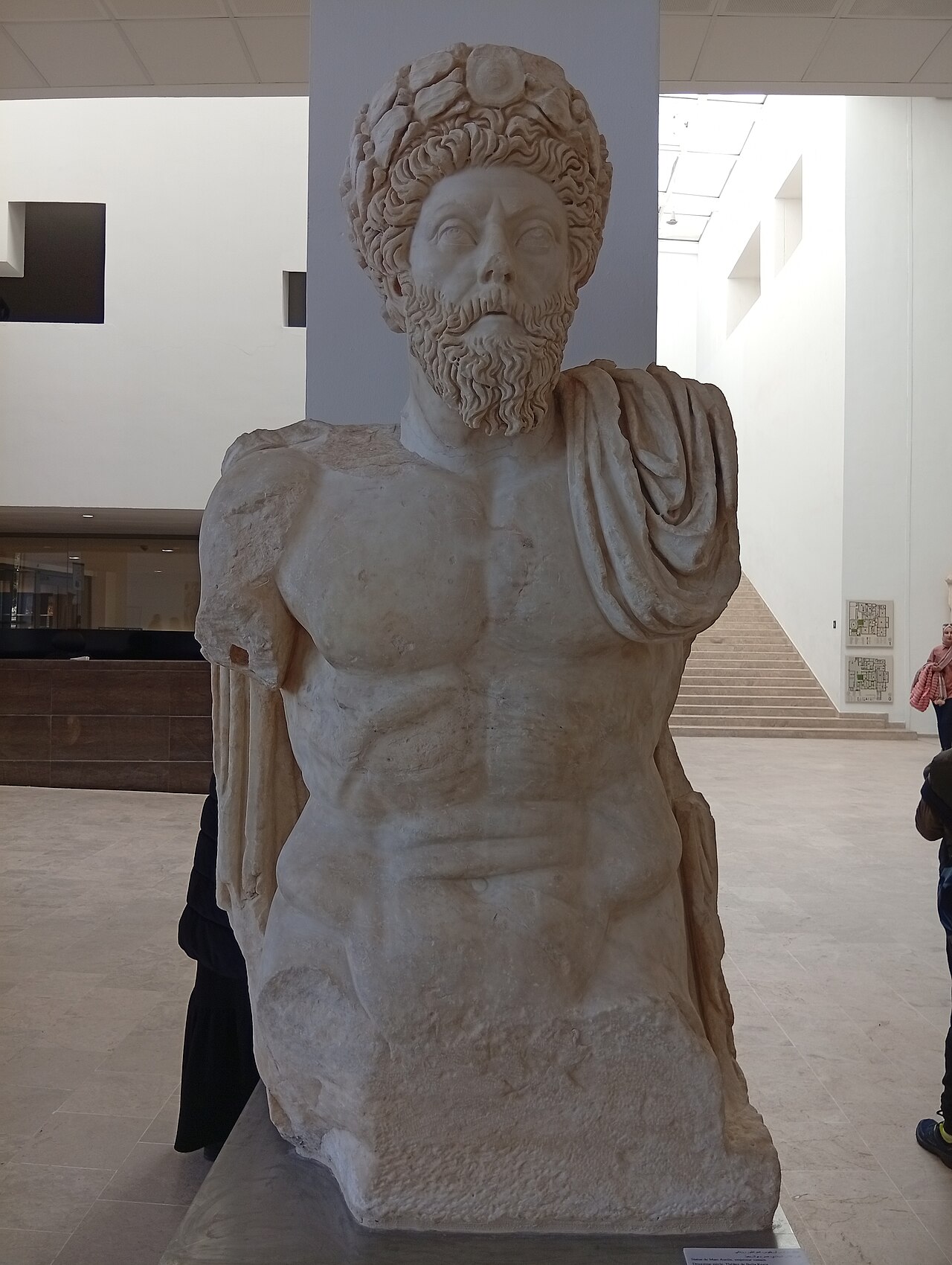
The museum’s halls display statuary, pottery, jewellery, inscriptions, and countless other objects, alongside the famous mosaics, telling the long story of the land and its peoples. From prehistory through Carthage and Rome to the Islamic age, the collections trace the extraordinary depth of Tunisia’s history.
This breadth makes the Bardo far more than a museum of mosaics, though these are its glory. It is a museum of the whole history of Tunisia, a land at the crossroads of the Mediterranean where many civilisations have left their mark, and its collections offer a rich and fascinating journey through thousands of years of the past.
The story of Carthage holds a special fascination, for the city was Rome’s great rival, and its destruction was one of the defining events of ancient history. The collections that touch on this civilisation allow visitors to glimpse the culture that Rome feared and ultimately obliterated, adding a note of poignancy and drama to the museum’s presentation of the deep past of Tunisia.
The Harem and the Patios
As a former palace, the Bardo retains features from its life as a royal residence, including the quarters that once housed the household of the beys and the patios around which the palace was arranged. These spaces, now part of the museum, preserve the atmosphere of the beylical palace amid the display of the collections.
The patios and courtyards, in the tradition of the region, brought light and air into the heart of the palace and provided settings of beauty and repose. Decorated with tilework and surrounded by galleries, they remain among the most attractive spaces of the Bardo, offering a sense of the palace as it was in the days of the court.
The former harem and private quarters, richly decorated, now serve to display parts of the collection, their intimate scale and beautiful decoration providing a contrast to the grand halls. Moving through these spaces, visitors experience the domestic side of the palace alongside its ceremonial grandeur.
These surviving features of the royal palace add greatly to the interest and beauty of the Bardo. They remind visitors that the museum is housed in a genuine historic residence, and they allow the palace of the beys to be experienced alongside the ancient treasures, enriching the visit with the double heritage that makes the Bardo so special.
The survival of these domestic and ceremonial spaces means that the Bardo tells two stories at once: that of the ancient civilisations whose treasures it displays, and that of the beylical dynasty whose home it was. Visitors attentive to the fabric of the building can read in its walls and courtyards the life of the vanished court, a further dimension of history layered within the museum.
Tragedy and Renewal
The recent history of the Bardo includes a moment of great tragedy, when the museum became the target of a terrorist attack that claimed the lives of visitors and shocked Tunisia and the world. This act of violence struck at one of the nation’s most treasured cultural institutions and at the visitors who had come to admire its beauty.
The attack was a profound trauma, both for the families of the victims and for a country that prized the Bardo as a symbol of its heritage and its openness to the world. It targeted not only individuals but the very idea of cultural exchange and shared human heritage that the museum represents.
In the aftermath, Tunisia responded with determination to reaffirm the values that the attack had sought to destroy. The museum was reopened, and there was a wave of solidarity in support of the Bardo and of Tunisia’s cultural heritage, a refusal to let violence prevail over the appreciation of art and history.
The renewal of the Bardo after this tragedy has made it a symbol of resilience as well as of heritage. Its treasures continue to be displayed and admired, and the museum stands as a testament to the enduring value of culture and to the determination of Tunisia to preserve and share its extraordinary heritage in the face of adversity.
The international response to the tragedy underlined the universal value placed on the Bardo and its collections, as people around the world expressed their solidarity with Tunisia. This outpouring of support affirmed that the heritage housed in the museum belongs, in a sense, to all humanity, and that an attack on it was felt as a wound to the shared culture of the world.
A Symbol of Tunisia
The Bardo holds a special place in the identity and pride of Tunisia, as the guardian of the nation’s ancient heritage and one of its most important cultural institutions. It embodies the extraordinary depth of the country’s history and its role as a meeting point of civilisations over thousands of years.
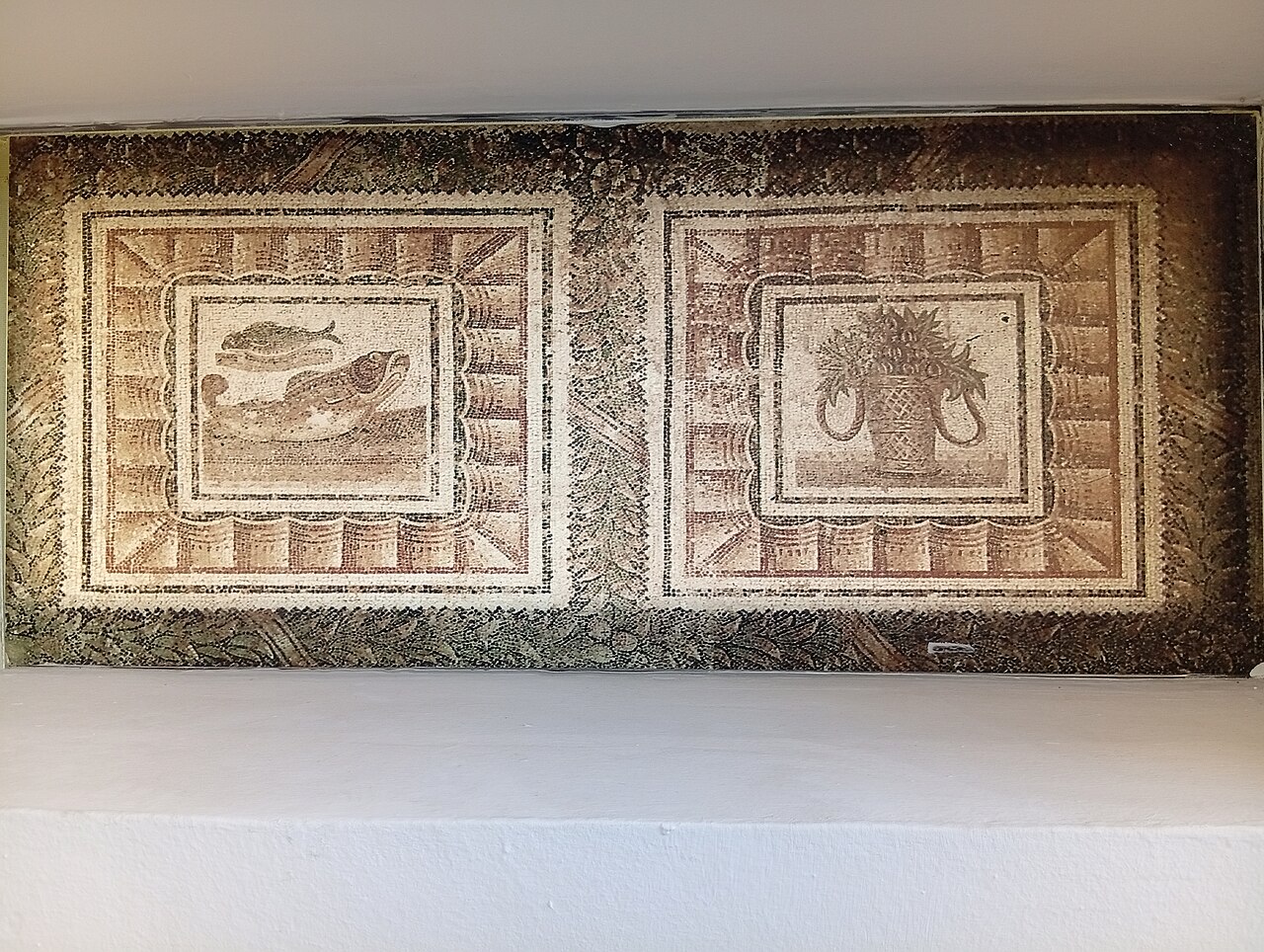
As the home of the world’s greatest collection of Roman mosaics, the Bardo gives Tunisia a place of honour in the cultural heritage of humanity. The museum is a source of national pride and an ambassador for the country abroad, drawing visitors from around the world and representing the richness of Tunisia’s past.
The Bardo also stands near the seat of the nation’s modern institutions, linking the heritage it preserves to the life of the contemporary state. This proximity underlines the continuity between the long history displayed in the museum and the present-day nation, and the enduring importance of the site in the life of the country.
As a symbol, the Bardo represents both the ancient glory of the land and the modern nation’s commitment to preserving and sharing its heritage. It is a place where Tunisians and visitors alike can encounter the depth of the country’s history, and it stands as one of the great cultural treasures not only of Tunisia but of the whole Mediterranean world.
For Tunisians, a visit to the Bardo is often a formative encounter with the deep history of their land, and generations of schoolchildren and families have walked its halls. This role in the national life gives the museum a significance beyond tourism, for it is a place where the country’s sense of its own past is nurtured and passed on.
The Bardo’s fame has also made it a fixture of cultural diplomacy, welcoming visiting dignitaries and serving as a showcase for the depth of Tunisia’s heritage on the world stage. In this way the museum continues, in a sense, the representational role of the palace it once was, receiving distinguished guests amid surroundings of beauty and historical weight.
Planning Your Visit to the Bardo
The Bardo lies on the edge of Tunis, easily reached from the centre of the capital, and it is one of the essential destinations for any visitor to Tunisia. As the country’s foremost museum, it is well set up to receive visitors, and it can be combined with the other attractions of Tunis and the nearby remains of ancient Carthage.
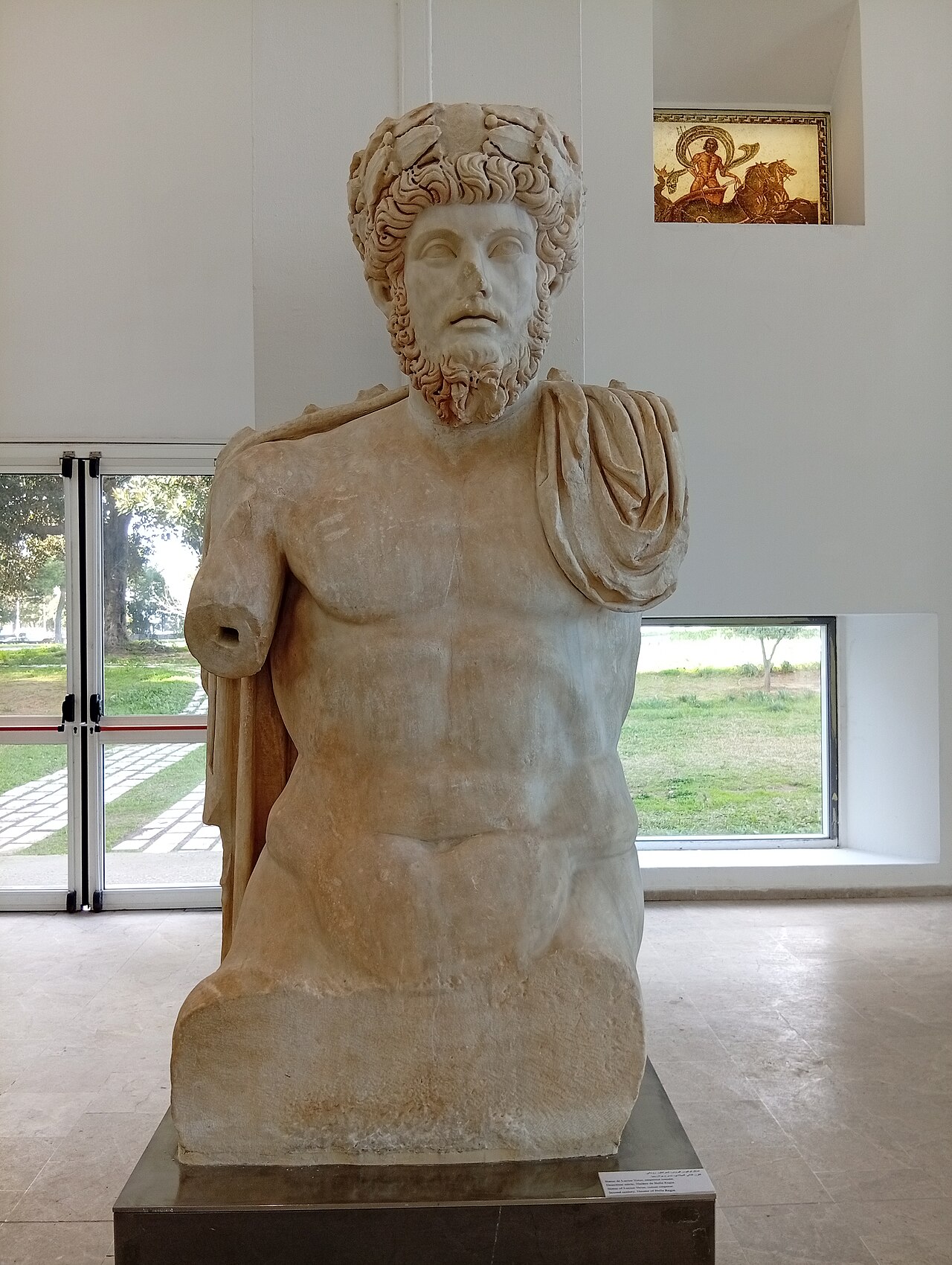
Visitors can explore the great halls with their mosaics, the collections of Carthaginian and Roman antiquities, and the surviving features of the beylical palace, from the grand staircase to the patios and painted ceilings. The museum is extensive, and allowing several hours lets you appreciate both the treasures and the beauty of the palace that houses them.
As with any major museum, it is wise to check current opening hours and arrangements before visiting, and, given the wider situation in the region, to be guided by up-to-date travel advice. The museum has been fully reopened and welcomes visitors, who continue to be drawn by the fame of its incomparable collections.
You can find the museum and plan your route using the map link below. Whether you come for the mosaics, the antiquities of Carthage and Rome, or the beauty of the former royal palace, the Bardo offers one of the great cultural experiences of the Mediterranean. Give yourself time to absorb both the ancient masterpieces and the splendour of the beylical halls that shelter them.
Combining a visit to the Bardo with the nearby archaeological site of Carthage makes for an especially rich experience, for the mosaics and antiquities in the museum come from such sites across the country. Seeing the treasures in the museum and then the places from which similar works were drawn deepens the understanding of Tunisia’s extraordinary ancient heritage.
See the Bardo for Yourself
A museum as rich as the Bardo, housed in so beautiful a palace, is best appreciated in motion, and the short film below offers a closer look at its halls, its mosaics, and its decoration. It conveys the splendour of the beylical palace and the extraordinary richness of the ancient masterpieces it contains.
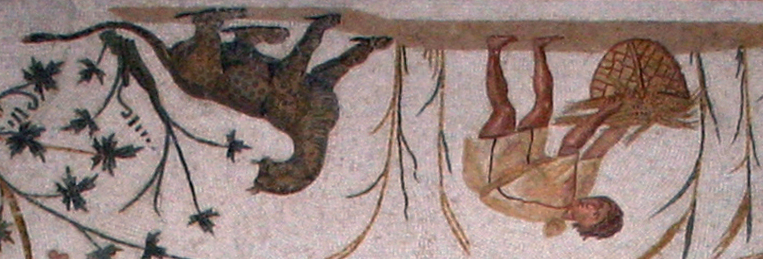
As you watch, keep in mind the double story behind it: a palace of the beys of Tunis, transformed into a national museum and filled with the greatest collection of Roman mosaics in the world. The Bardo is a place where the art of antiquity meets the splendour of a royal residence, a treasure of Tunisia and of the whole Mediterranean, resilient in the face of adversity and generous in the beauty it offers to the world.
Palaces Nearby
If the Bardo has drawn you into the palatial heritage of North Africa, two more palaces of the region make natural companions, each with its own character.
- __PH2__
- __PH3__
You May Like
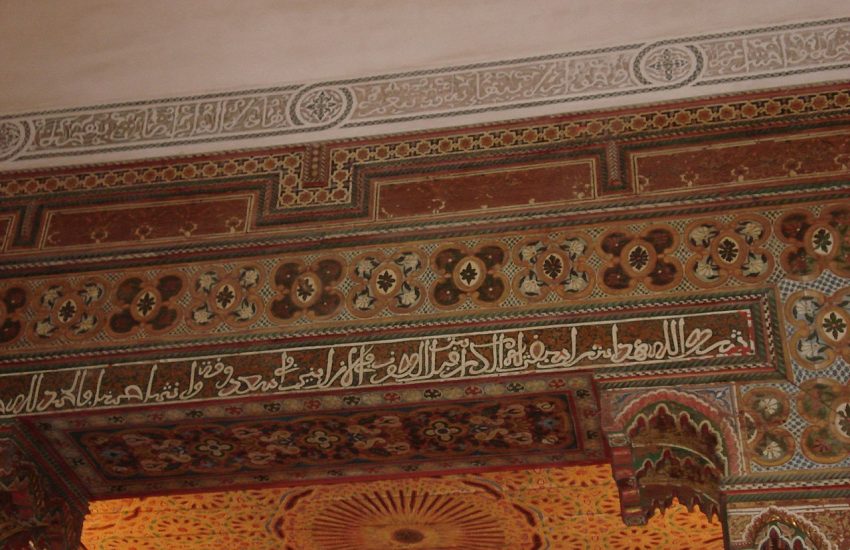
The Bahia, Marrakech’s Palace of Brilliance


