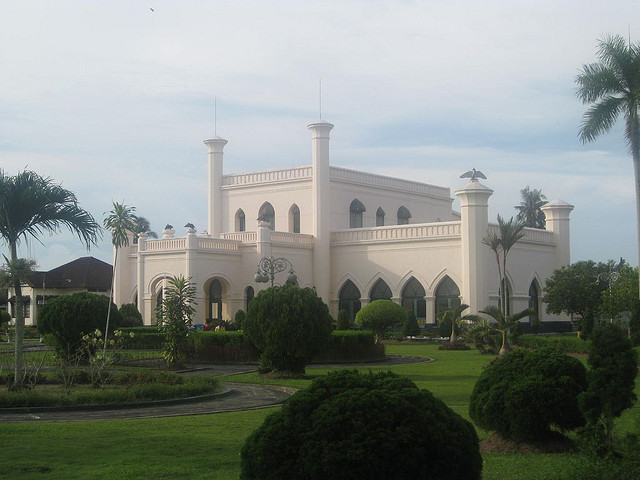
On the northern edge of Brussels, screened by parkland and famous glasshouses, stands a palace that most Belgians know intimately by sight yet very few have ever entered. The Royal Castle of Laeken is the private home of the Belgian royal family, the residence where the monarch and their household actually live, and that domestic role gives it a character quite different from the grand public palaces at the city’s center.
You come to Laeken not for open state rooms and ticketed tours, for the castle keeps its doors firmly closed to the public most of the year, but for the sense of a living royal household set within one of the most remarkable landscapes in Europe. The surrounding domain, with its sweeping lawns, follies and above all its extraordinary greenhouses, is as much a part of the story as the castle itself.
In this guide you will get to know Laeken as a home first and a monument second. We will trace how the estate came to be, how it survived fire and war, why one king in particular poured his imagination into its gardens and glasshouses, and what it means for a modern constitutional monarchy to live behind these walls. By the end you will understand why this discreet palace holds such a special place in Belgian life.

In This Article
- Arriving at the Domain
- The Private Home of the Monarchy
- How the Estate Came to Be
- A King With a Grand Vision
- The Royal Greenhouses
- The Cherished Open Days
- Gardens, Follies and Ornaments
- A Monument to the Dynasty
- Fire, War and Survival
- The Castle and Its Architecture
- Grand Galleries and Interiors
- A Closer Look on Film
- Laeken Today
Arriving at the Domain of Laeken
Your first encounter with Laeken is almost always with its setting rather than the castle itself. The royal domain unfolds as a vast green expanse on the northern side of Brussels, and long before you glimpse the residence you sense that you are entering a world set deliberately apart from the busy city.

The castle sits at the heart of this landscaped estate, framed by trees and lawns that soften its presence and keep it at a gentle distance. This is by design; Laeken was always meant to be a retreat, a place where the royal family could enjoy privacy and greenery away from the ceremony of central Brussels.
Because the residence is a private home, you will experience it mostly from the edges of the domain and through its famous open days rather than by wandering its halls. That restraint is part of its charm, lending the whole place an air of quiet, guarded intimacy that the great show palaces of Europe simply do not possess.
Take time to appreciate the approach and the parkland. The careful composition of vistas, the placement of ornamental structures among the trees, and the sheer scale of the green setting all prepare you to understand Laeken as a landscape as much as a building.
The domain shifts beautifully with the seasons, from the fresh green of spring to the rich colors of autumn, and regular passers-by come to know its changing moods. Whatever the time of year, the parkland offers a welcome breath of calm on the city’s edge.
There is a real pleasure simply in circling the estate on foot, letting the scale of the green setting sink in. Few capital cities can boast so vast and serene a royal domain so close to their heart.
Approaching at dusk, when the light softens and the glasshouses catch the last of the sun, is especially memorable. At such moments the whole domain seems to glow with a gentle, private magic.
The Private Home of the Belgian Monarchy
What sets Laeken apart from Belgium’s other royal buildings is simple: people actually live here. This is the family residence of the monarch, the place where private life unfolds behind the public role, and that domestic function shapes everything about the castle and its grounds.

Because it is a home, Laeken guards its privacy fiercely. The stately Royal Palace in central Brussels handles the ceremony and the public face of the monarchy, while Laeken provides the calm and seclusion that any family needs, royal or not. Understanding that division of roles is the key to understanding the place.
There is something reassuringly human about a royal family that keeps a proper home, a house with a garden, a place to retreat and simply be. Laeken lets the Belgian monarchy be domestic as well as ceremonial, and that balance has helped keep the institution grounded.
When you look toward the castle across the lawns, then, picture ordinary family life going on within, alongside the duties of state. It is that blend of the everyday and the exalted that gives Laeken its particular, understated appeal.
This insistence on privacy is not aloofness but a recognition that even a monarch is entitled to a family life shielded from constant scrutiny. Laeken provides exactly that shelter, and the Belgian public has long respected the boundary.
The contrast with the public palace downtown could hardly be sharper, and it is a deliberate and sensible arrangement, ceremony in one place, home in another, each role given its proper setting.
Staff who keep the household running form a discreet community of their own, largely unseen but essential to the smooth functioning of a working royal residence. Their steady presence allows both family life and state duty to proceed without friction.
It is this quiet duality, a home that is also a seat of monarchy, that visitors find so compelling once they understand it. Laeken asks to be read not as a spectacle but as a life, and that makes it all the richer.
How the Estate Came to Be
The domain of Laeken took shape in the late eighteenth century, when a fine country residence was created on this green site outside the town. From the beginning it was conceived as an elegant retreat, a place of gardens and gracious living rather than fortification or defense.

When Belgium became an independent kingdom in the nineteenth century, the estate was chosen as the residence of the new royal family, and its destiny was set. What had been a noble country house became the home of a monarchy, and successive rulers left their mark on both the castle and its grounds.
Each generation adapted Laeken to its needs and tastes, enlarging the building, reshaping the gardens and adding new features. The result is a layered estate that carries the imprint of many hands, unified by its consistent role as a royal retreat.
Knowing this history helps you read the domain today. The blend of eighteenth-century elegance and later royal ambition is written across the landscape, and every path and vista carries some trace of the people who shaped this place over more than two centuries.
The choice of this particular site was no accident. Its gentle slopes, mature trees and distance from the crowded old town made it ideal for a residence that valued air, light and greenery, qualities that remain central to Laeken’s appeal.
Over the decades the boundaries of the domain expanded and its features multiplied, as one royal generation after another invested in the estate. What emerged was less a single design than a cumulative masterpiece, shaped by many hands over a long span of time.
It is worth remembering how young the Belgian kingdom was when it adopted Laeken as its royal home. In choosing this graceful estate, the new monarchy signaled the kind of dignified, cultivated image it wished to project to its people and to Europe.
That layered, cumulative quality is exactly what gives the domain its depth. Nothing here feels like a single stroke of planning; instead you sense the slow, loving accumulation of two centuries of royal attention.
A King With a Grand Vision
No single figure shaped Laeken more profoundly than the king who devoted much of his reign and his considerable fortune to transforming the domain. Possessed of a restless, ambitious imagination, he dreamed of turning the estate into something spectacular, and he largely succeeded.
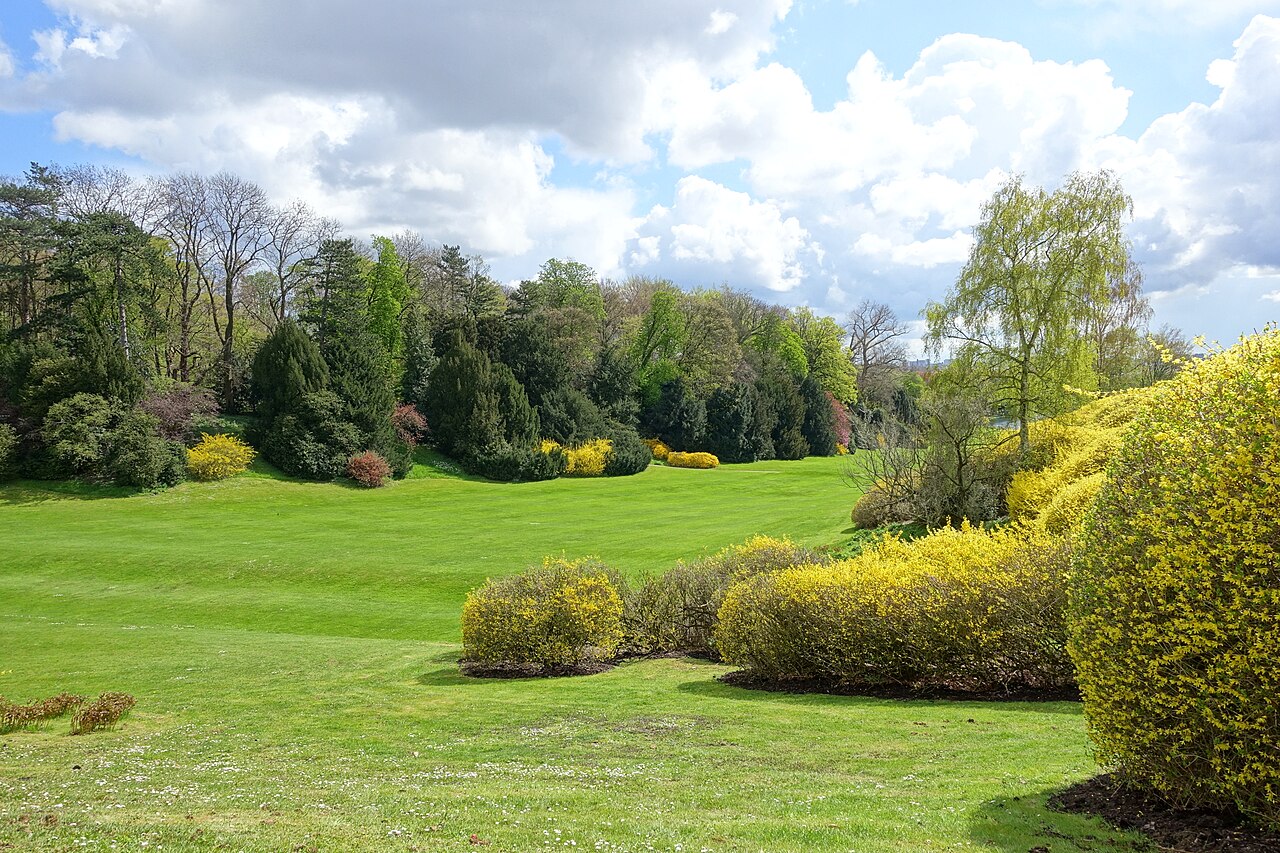
His passion was for building and for plants, and at Laeken the two came gloriously together. He commissioned grand structures, reshaped the grounds and, above all, created the vast complex of greenhouses that would become the domain’s crowning glory. His vision was nothing if not bold.
That ambition was not without controversy, both for its cost and for the sources of the wealth that funded it, questions that continue to be debated. Yet whatever one makes of the man, the physical legacy he left at Laeken is undeniably extraordinary.
As you explore the domain, you are essentially walking through one king’s dream made concrete. The scale of his ambitions is everywhere, and Laeken remains, more than anything, a monument to a single ruler’s determination to build on the grandest possible scale.
The materials and techniques he embraced were the cutting edge of their day, and he spared no expense in pursuing effects that had never been attempted at such a scale. Ambition on this level inevitably left a lasting mark on the land.
His legacy at Laeken is a study in contrasts, dazzling achievement shadowed by hard historical questions, and any honest visitor holds both in mind while marveling at what he built.
It is striking how much of what we admire at Laeken today springs from this one reign of feverish building. Later generations have largely inherited and maintained his vision rather than overturning it, a measure of how completely he stamped his personality on the place.
To reckon fully with Laeken is therefore to reckon with its maker, admiring the beauty while acknowledging the complicated history that made it possible. The domain invites reflection as much as wonder.
The Royal Greenhouses
If Laeken has a wonder of the world, it is the Royal Greenhouses. This immense complex of glass and iron pavilions, linked by galleries and filled with exotic plants, is one of the great achievements of nineteenth-century architecture, a soaring cathedral built for flowers rather than worship.
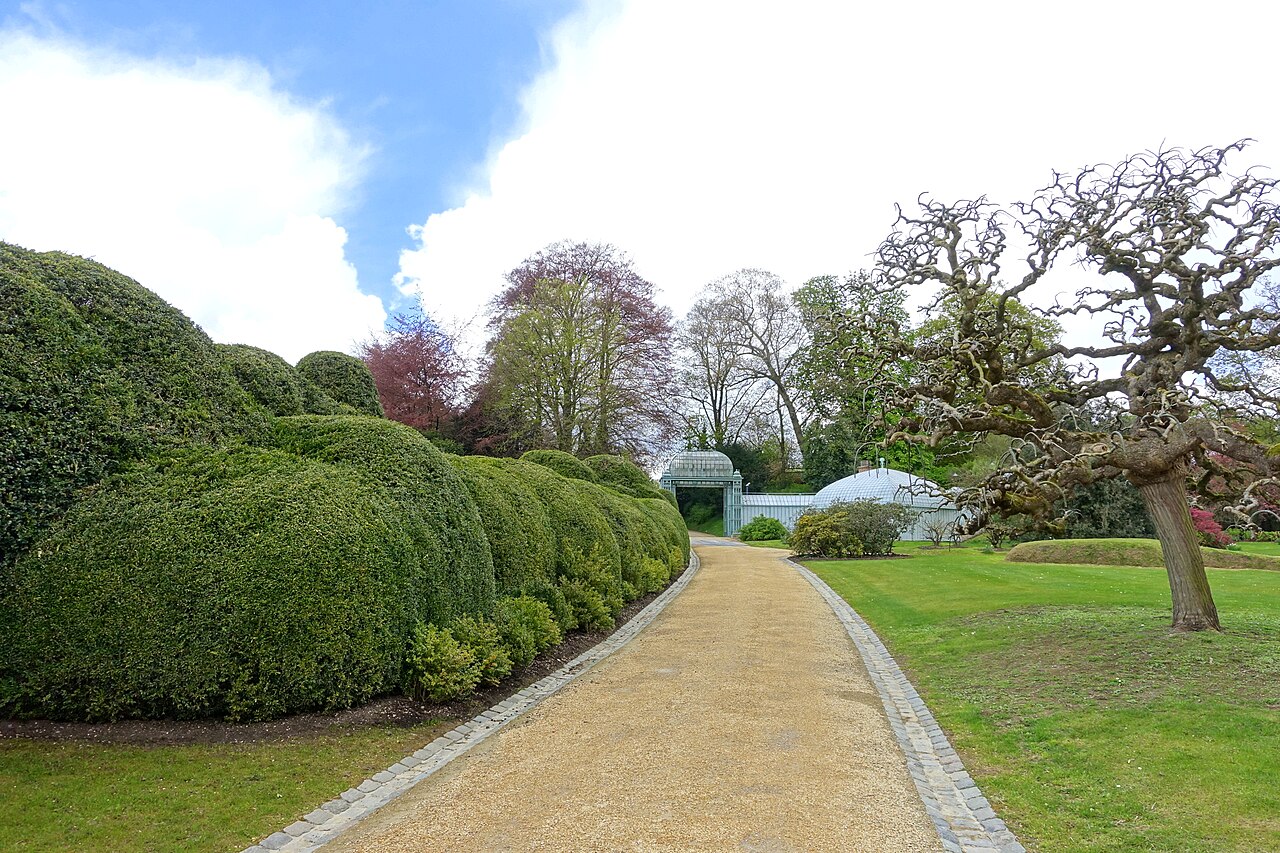
Stepping inside, visitors on the rare open days find themselves in a green paradise of towering palms, delicate blooms and lush foliage sheltered beneath curving canopies of glass. The scale is breathtaking, and the light that pours through the panes gives the whole space an almost sacred atmosphere.
The greenhouses are far more than a horticultural collection; they are a triumph of engineering and design, a demonstration of what could be achieved when the new materials of the industrial age were placed in the service of beauty. Few structures anywhere combine botany and architecture so magnificently.
For most of the year the greenhouses remain closed, their treasures reserved for the royal household, which only heightens their allure. When they briefly open, Belgians flock to see them, and the pilgrimage has become a beloved springtime ritual.
The complex functions almost as a series of linked worlds, each pavilion devoted to different climates and plant families, so that a single walk carries you through a succession of green environments. It is horticulture staged as spectacle.
Generations of gardeners have tended these collections with dedication, and some of the plants themselves are of great age, living links to the era when the glasshouses first rose. To stand among them is to touch a living piece of history.
The sheer quantity of glass required for the complex was staggering for its time, and the engineering needed to support such delicate structures against wind and weather represented a genuine feat. To modern eyes the achievement remains deeply impressive.
Beyond their beauty, the greenhouses served a scientific purpose too, allowing the cultivation and study of exotic species that could never survive the northern climate outdoors. They were a place of learning as well as display.
It is no exaggeration to call the complex one of Belgium’s great cultural landmarks, ranking alongside the country’s finest architectural achievements. That such a wonder remains a living, working part of a royal home only deepens its fascination.
Small wonder, then, that the greenhouses have become the enduring symbol of the entire domain, the image that comes to mind whenever Belgians think of their royal home on the northern edge of the capital.
The Cherished Open Days
For a few precious weeks each year, usually in spring, the gates of the greenhouses swing open and the public is invited in to share the domain’s greatest treasure. These open days are a genuine national event, drawing huge crowds eager for their annual glimpse behind the royal hedge.

There is a wonderful sense of occasion to these visits. Families, garden lovers and the simply curious queue patiently for the chance to walk the glass galleries when the plants are at their most spectacular, and the atmosphere is one of shared, festive anticipation.
The tradition of opening the greenhouses reflects a thoughtful gesture from the monarchy to its people, a way of sharing something precious without surrendering the family’s privacy the rest of the year. It is a small opening in the wall, and it is treasured all the more for its rarity.
If you ever have the chance to time a visit to Brussels with these open days, seize it. Seeing the greenhouses in their full glory, alive with color and scent, is an experience that stays with you long after the gates close again for another year.
Careful planning goes into these openings, timed to coincide with the flowering of the collections so that visitors see the greenhouses at their absolute peak. The result is a display of color and abundance that rewards the long wait.
For many families the annual visit has become a fixture of the calendar, a tradition passed from one generation to the next. Grandparents who queued as children now bring their own grandchildren to marvel at the same glittering galleries.
The gesture also does something subtle for the relationship between crown and country. By sharing its most beautiful possession, if only briefly, the monarchy reaffirms a bond of generosity and trust with the public it serves.
Arriving early on an open day is wise, for the crowds build quickly once word spreads that the greenhouses are at their finest. Those who come at opening time are rewarded with a calmer, more contemplative visit.
When the gates finally close again for another year, the memory lingers, a bright green interlude that sends visitors back into ordinary life carrying a little of the domain’s magic with them.
Gardens, Follies and Ornaments
Beyond the greenhouses, the domain of Laeken is a landscape rich in ornament and surprise. Sweeping lawns give way to wooded groves, and scattered throughout are the follies, fountains, statues and structures that generations of royals delighted in adding to the grounds.

Wandering these gardens, you come upon unexpected pleasures at every turn, an elegant fountain here, a piece of sculpture there, a picturesque structure glimpsed among the trees. The estate was clearly designed to reward the stroller with a sense of discovery.
These ornamental touches give the domain its distinctive personality, blending formal grandeur with a more playful, romantic spirit. The gardens were meant not only to impress but to enchant, and that intention still comes through today.
Take your time among these features if you can. They reveal the domain as a place of leisure and imagination, a royal playground as much as a residence, shaped by rulers who clearly loved to build and beautify.
The interplay of open lawn and shaded grove was carefully composed to create shifting moods as you move through the domain, from grand openness to intimate seclusion. This is landscape design of a high order.
Water features and ornamental structures punctuate the grounds, giving the eye a series of focal points and rewarding those who take the time to explore beyond the obvious paths.
Seasonal plantings and mature specimen trees ensure that the grounds always offer something to admire, whatever the month. The domain rewards the patient observer who returns to watch it change.
In the end the gardens are what bind the whole domain together, the green thread running between castle, greenhouses and monuments, uniting the disparate parts into one harmonious royal landscape.
A Monument to the Dynasty
Near the domain rises a monument closely tied to the Belgian royal family, and the whole area around Laeken has become deeply associated with the dynasty’s memory. This is not just a home but a place woven into the identity of Belgian royalty itself.
The connection between the castle and the story of the monarchy runs deep. Generations of the royal family have lived, celebrated and mourned here, and the domain carries the weight of that accumulated history in a way that a purely ceremonial palace never could.
For Belgians, Laeken and its surroundings stand as a kind of spiritual home of the crown, the place where the private heart of the monarchy resides. That symbolic role gives the estate a significance far beyond its function as a residence.
When you consider Laeken, hold that dimension in mind. It is a home, yes, but it is also a repository of dynastic memory, a place where the personal and the national histories of Belgian royalty are inseparably intertwined.
Ceremonies marking the great moments of royal life have often centered on this area, deepening the emotional ties between the dynasty and the place. Joy and grief alike have their landmarks here.
This concentration of memory gives the whole domain a reflective, almost reverent quality. To walk here is to move through the collective biography of a royal family, chapter by chapter, across the generations.
For a nation whose identity is closely bound up with its monarchy, such a place carries real weight. Laeken is where the human story of Belgian royalty feels most present and most tangible.
Visitors who understand this dimension often find the domain unexpectedly moving. Beyond the beauty of the glasshouses and gardens lies a quieter emotional current, the sense of a place bound up with the private joys and sorrows of a royal line.
Fire, War and Survival
Laeken has not passed through history unscathed. Like so many great residences, it has suffered fire, which at one point caused serious damage to the castle, threatening to consume the royal home in a single devastating blaze.

The wars of the twentieth century also left their mark, with the domain caught up in the wider upheavals that swept across Belgium. Through occupation and conflict, the estate endured, sometimes battered but never abandoned.
Each time disaster struck, the response was to rebuild and restore, a testament to the deep attachment the monarchy and the nation felt for this place. Laeken’s survival across two turbulent centuries is itself part of its story.
When you look at the castle today, remember that its continuity was never guaranteed. It has come through fire and war to remain the living home of the Belgian crown, and that resilience adds a quiet gravity to its graceful appearance.
Recovery after each blow required not only money but determination, a refusal to let the royal home slip into ruin. That resolve speaks to how much the estate meant, and still means, to those who guard it.
The scars of the past are largely invisible today, smoothed over by careful repair, yet knowing they exist changes how you see the place. Laeken’s serenity is hard-won, the product of repeated renewal rather than unbroken calm.
In this respect the castle mirrors the country around it, which also endured the storms of the twentieth century and emerged intact. The survival of the royal home became, in a small way, a symbol of national continuity.
Today’s tranquility, then, is best understood as an achievement rather than a given. Laeken endures because people chose, again and again, to rebuild what history threatened to take away.
The Castle and Its Architecture
The castle at the heart of the domain is a dignified neoclassical residence, its restrained elegance a deliberate contrast to the exuberance of the greenhouses nearby. Where the glasshouses soar and dazzle, the castle keeps a calmer, more composed presence.

Its architecture reflects the taste for balance and proportion that guided its original creation, a style well suited to a royal home meant for comfortable living as well as occasional grandeur. The building has been extended over time, but its essential character endures.
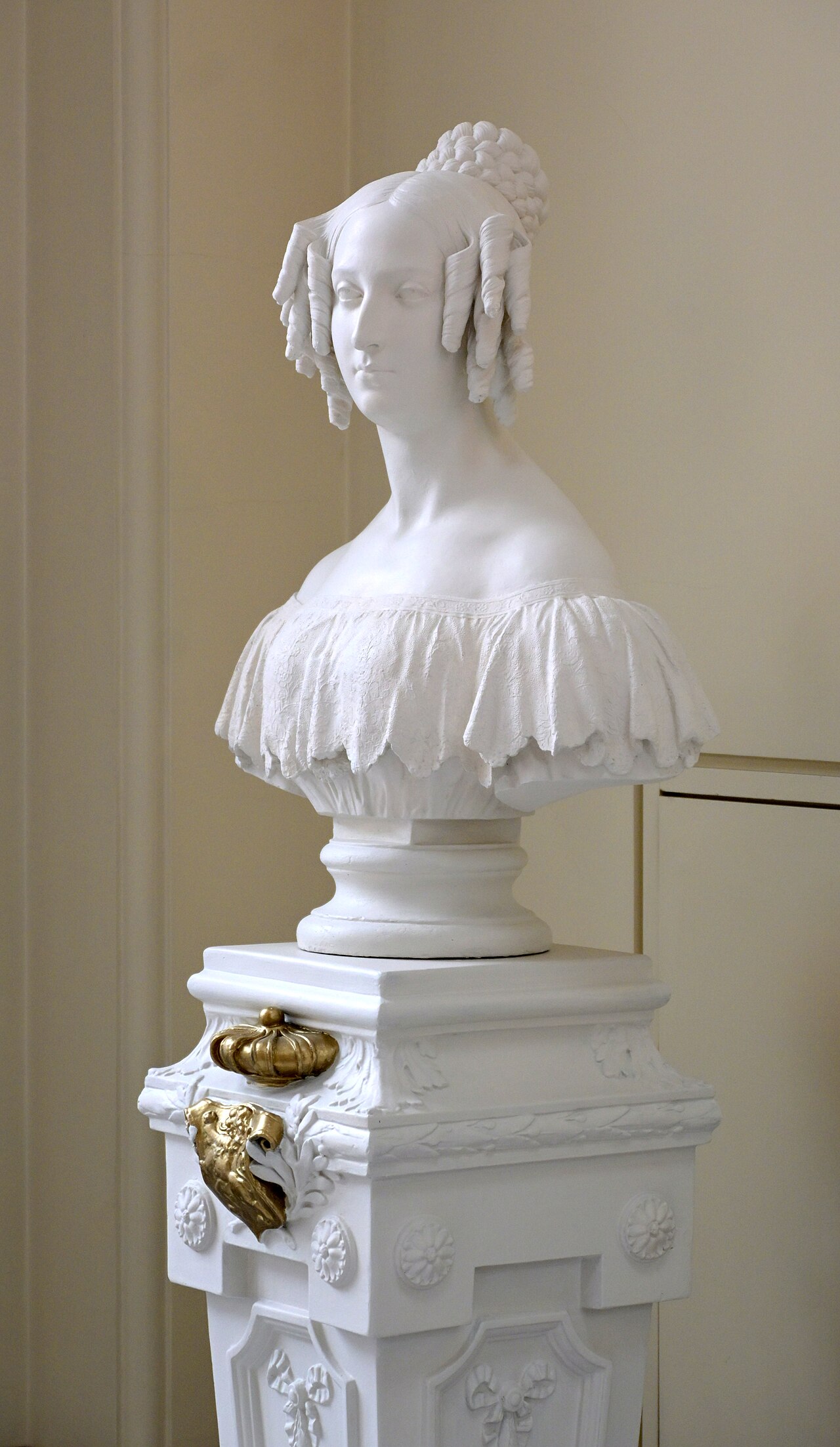
Because the interiors are private, their splendor is largely hidden from public view, glimpsed only in rare images and on the exceptional occasions when parts of the domain are shared. That secrecy only adds to the sense of a world kept carefully apart.
Seen from the grounds, the castle presents a face of quiet authority, at home among its lawns and trees. It is a residence that knows its own worth and feels no need to shout, content to preside gently over the remarkable domain around it.
The relationship between the calm castle and the flamboyant greenhouses is one of the most fascinating aspects of the domain, a dialogue between restraint and exuberance played out in stone and glass.
Extensions and adaptations made over the years were handled with care to preserve the building’s harmony, so that even now it reads as a coherent whole rather than a patchwork of additions.
Comfort was always as important as grandeur here, for this was to be a home first. That priority is felt in the human scale of much of the building, which never loses sight of the family life it was built to shelter.
From certain vantage points across the lawns, the castle and the distant glasshouses compose into a single unforgettable view, the essence of Laeken captured in one sweep of the eye.
Grand Galleries and Interior Splendor
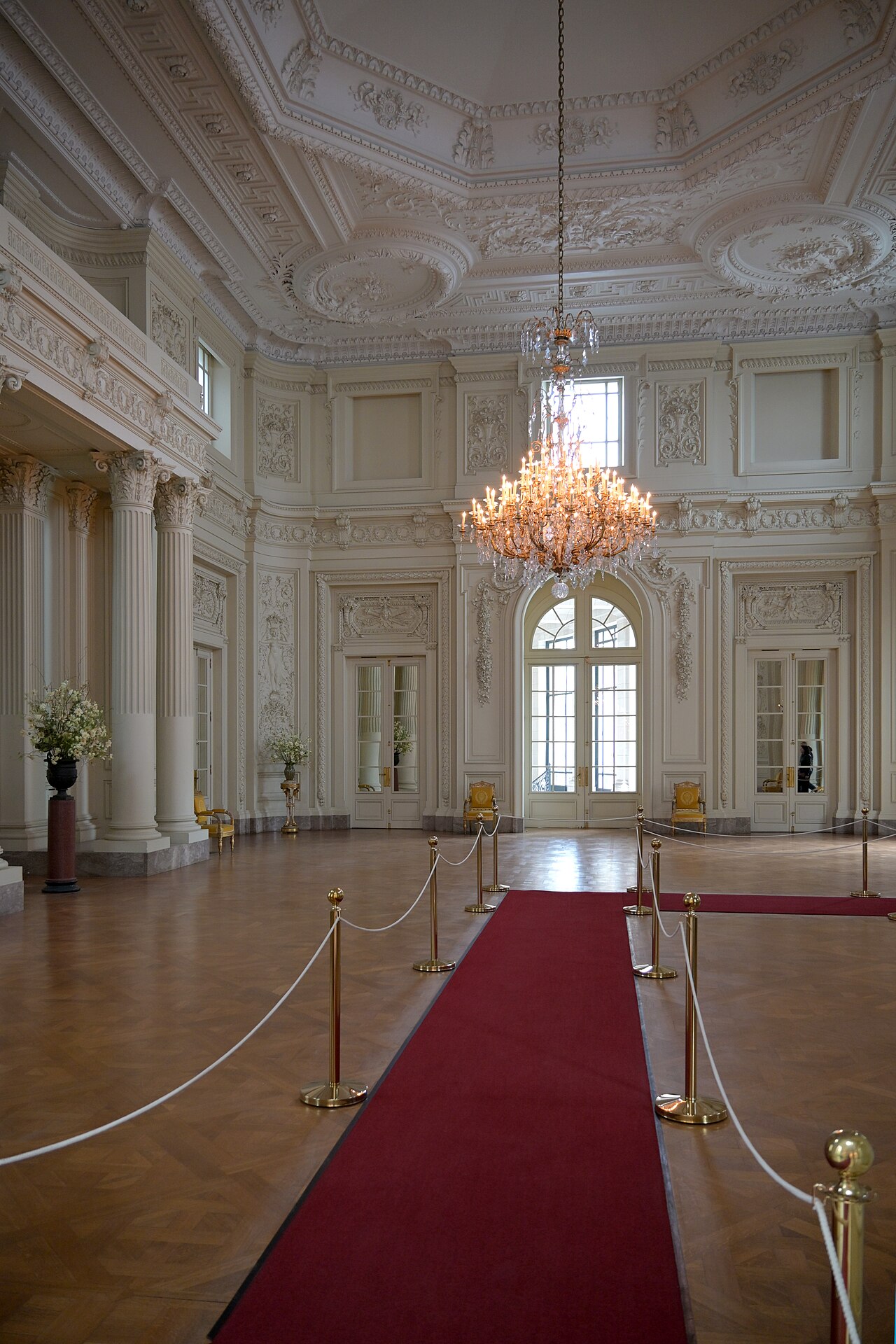
Within the castle and its connecting structures lie grand galleries and reception spaces designed to impress on the rare occasions when the monarchy entertains at home. These interiors carry a splendor that the modest exterior only hints at.
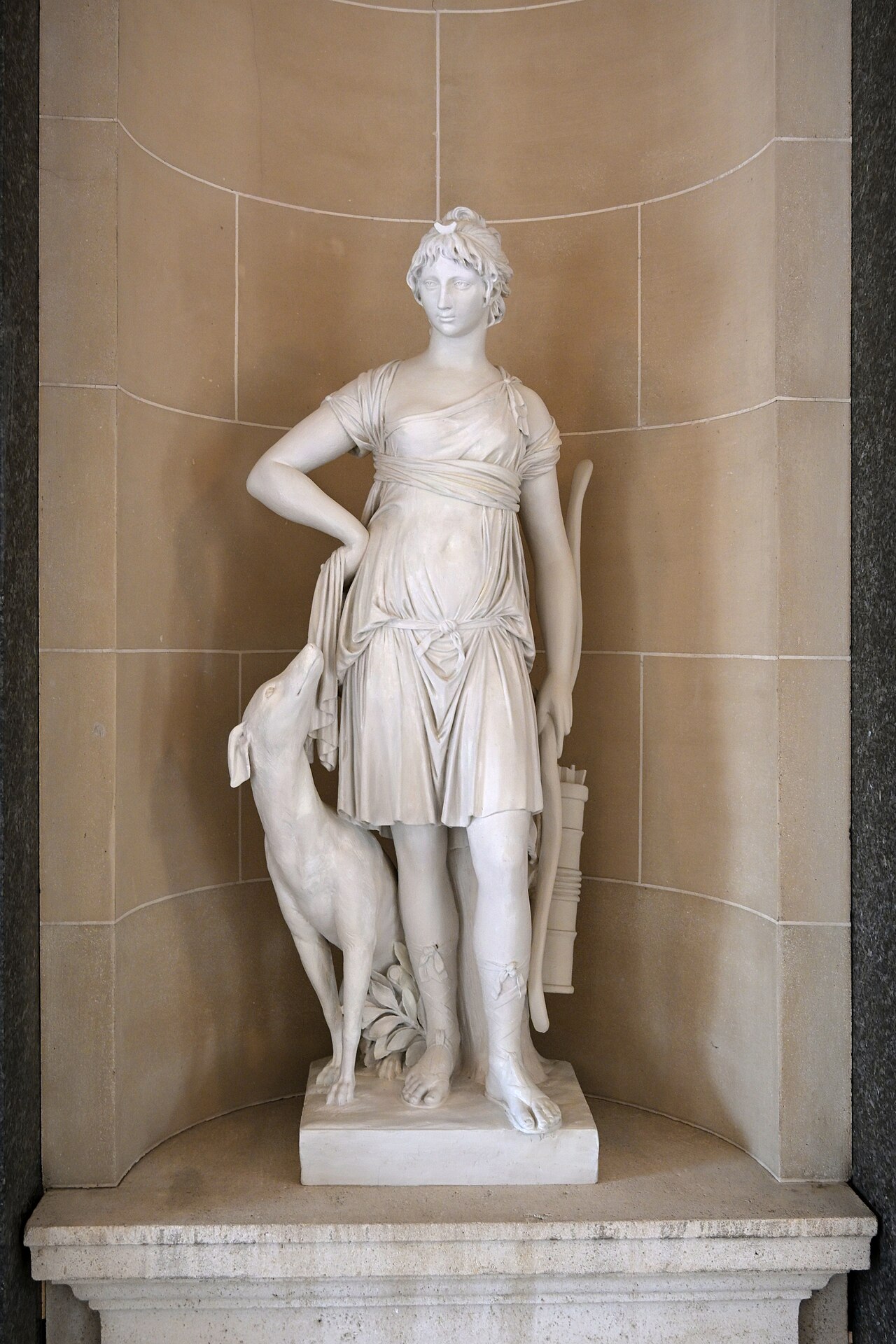
Long galleries lined with art, statues and fine furnishings speak to centuries of royal collecting and taste. Though hidden from everyday view, they form an important part of the nation’s artistic heritage, cared for behind the castle’s discreet walls.
Sculpture holds a special place here, from busts of royal figures to elegant classical statues that adorn both the interiors and the surrounding grounds. These works link the living household to the long artistic traditions of European courts.
Even glimpsed only rarely, these spaces remind us that Laeken is not merely a comfortable home but a true royal residence, equipped for grandeur when the occasion demands and filled with treasures accumulated over generations.
The care lavished on these interiors reflects a long tradition of royal patronage of the arts, with each generation adding to the collections according to its own tastes and connections.
Conservation of such treasures is a continuous, painstaking task, carried out quietly by dedicated specialists so that the artistic heritage of the crown passes safely to the future.
For all their grandeur, these spaces exist in service of a living institution rather than as a frozen museum, used when needed and cherished always, which keeps them from ever feeling like mere relics of a vanished age.
A Closer Look on Film
Since the castle and its greenhouses are so rarely open, film offers one of the best ways to appreciate the beauty of Laeken and the wonder of its glass palaces. The short video below helps bring the domain to life.

Watching it, you can better grasp the astonishing scale of the greenhouses and the serene grandeur of the surrounding estate, details that are hard to convey in words alone. It makes a fine companion to understanding this most private of royal homes.
Laeken Today
Today the Royal Castle of Laeken continues in its long-held role as the private residence of the Belgian monarch and their family. In a fast-changing world, its steady continuity as a royal home is part of what makes it quietly remarkable.
For the public, the domain remains largely out of reach, save for those magical spring weeks when the greenhouses open their doors. That rhythm of privacy and rare access has become a cherished part of Belgian life, a shared tradition renewed each year.
Laeken offers a lesson in how a modern monarchy can balance openness with the ordinary human need for a private home. It shares its greatest treasure generously, yet keeps its domestic life discreetly its own, and manages both with grace.
When you turn to leave the domain, glance back across the lawns toward the castle and its glittering glasshouses. You will carry with you the sense of having glimpsed a living royal home, hidden in its green world on the edge of Brussels, guarding its beauty and its privacy in equal measure.
Whatever changes lie ahead for the Belgian monarchy, it is difficult to imagine Laeken losing its place at the center of royal family life. The domain has adapted before and will surely adapt again while keeping its essential character.
For the visitor, the lesson of Laeken is that some of the most beautiful places reveal themselves slowly and selectively, and are all the more memorable for it. Its guarded beauty is precisely what makes a glimpse of it feel like such a gift.
The enduring popularity of the spring openings shows how deeply the domain has entered the affections of the public, a rare case of a private place that also belongs, in spirit, to an entire nation.
And that, perhaps, is the final secret of Laeken. By giving so much while revealing so little, it keeps its wonder intact, ensuring that each rare visit feels like stepping briefly into a world set apart.
Palaces Nearby
If Laeken has deepened your fascination with the living royal homes of northern Europe, two more working seats of monarchy make fitting companions to this one.
- Christiansborg Palace in Copenhagen, the only palace where a nation’s parliament, courts and crown share a single roof.
- Noordeinde Palace in The Hague, the quiet working office of the Dutch monarch, hidden among the city’s shops.
You May Like
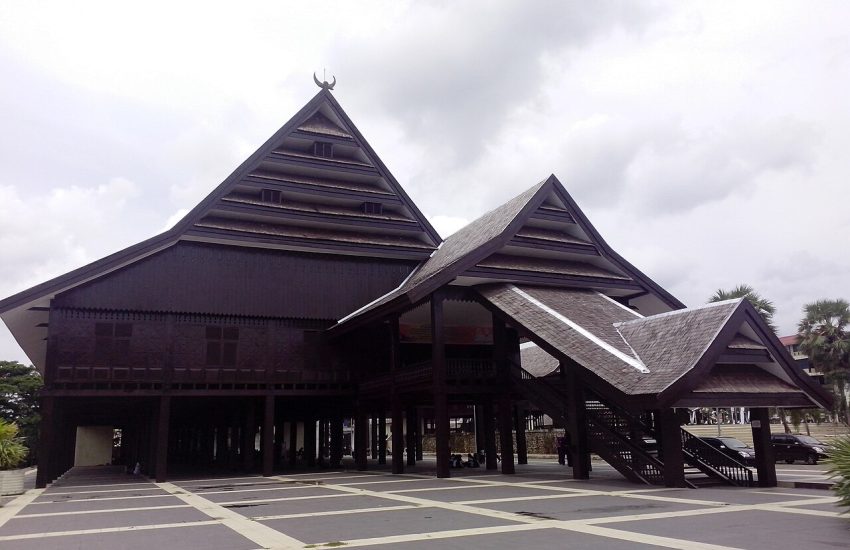
Balla Lompoa, the Great House and Golden Crown of the Gowa Kings