On a small volcanic island in the eastern seas of Indonesia, beneath the smoking cone of a great volcano, stands the palace of one of the oldest and most storied sultanates in the archipelago. The Kedaton of Ternate, seat of a spice kingdom that once helped shape the destiny of the world, sits above the town of Ternate looking out toward the ocean that made it rich and famous.
You come to the Kedaton to stand at the heart of the fabled Spice Islands, where cloves grew that Europe would cross the world to obtain. This was the home of sultans whose wealth and strategic position drew Portuguese, Spanish, Dutch and countless others into fierce competition, and whose palace still guards the memory and treasures of that extraordinary past.
In this guide you will get to know the Kedaton beyond its handsome facade. We will trace the rise of the Ternate sultanate, explore its palace and its sacred regalia, understand the spice trade that gave it global importance, and see why this island court remains a proud symbol of Maluku identity. By the end you will grasp why a modest palace on a distant island once mattered so much to the wider world.
In This Article
- Arriving at the Kedaton
- The Heart of the Spice Islands
- One of Islam’s Oldest Eastern Courts
- The Palace and Its Design
- The Sacred Regalia and Crown
- In the Shadow of the Volcano
- Coveted by the Powers of the World
- The Great Rivalry With Tidore
- A Living Sultanate
- A Treasury of Memory
- Ceremonies and the Royal Festival
- A Closer Look on Film
- The Kedaton of Ternate Today
Arriving at the Kedaton of Ternate
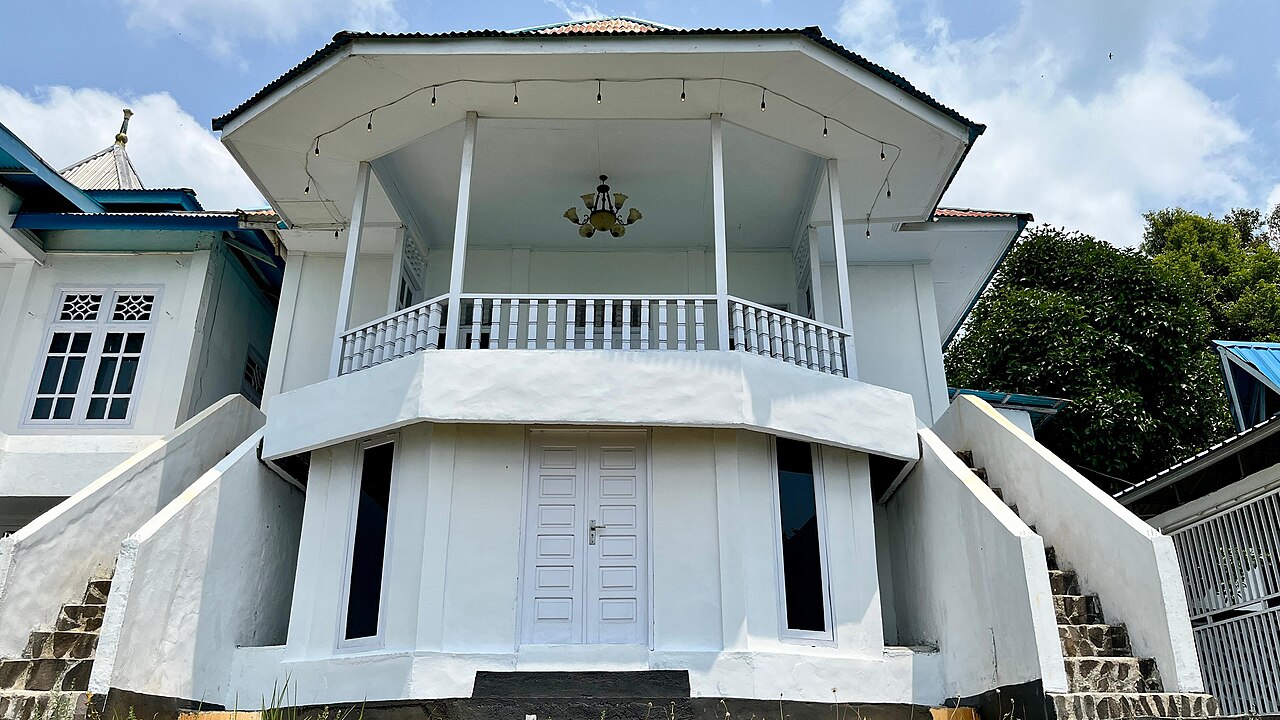
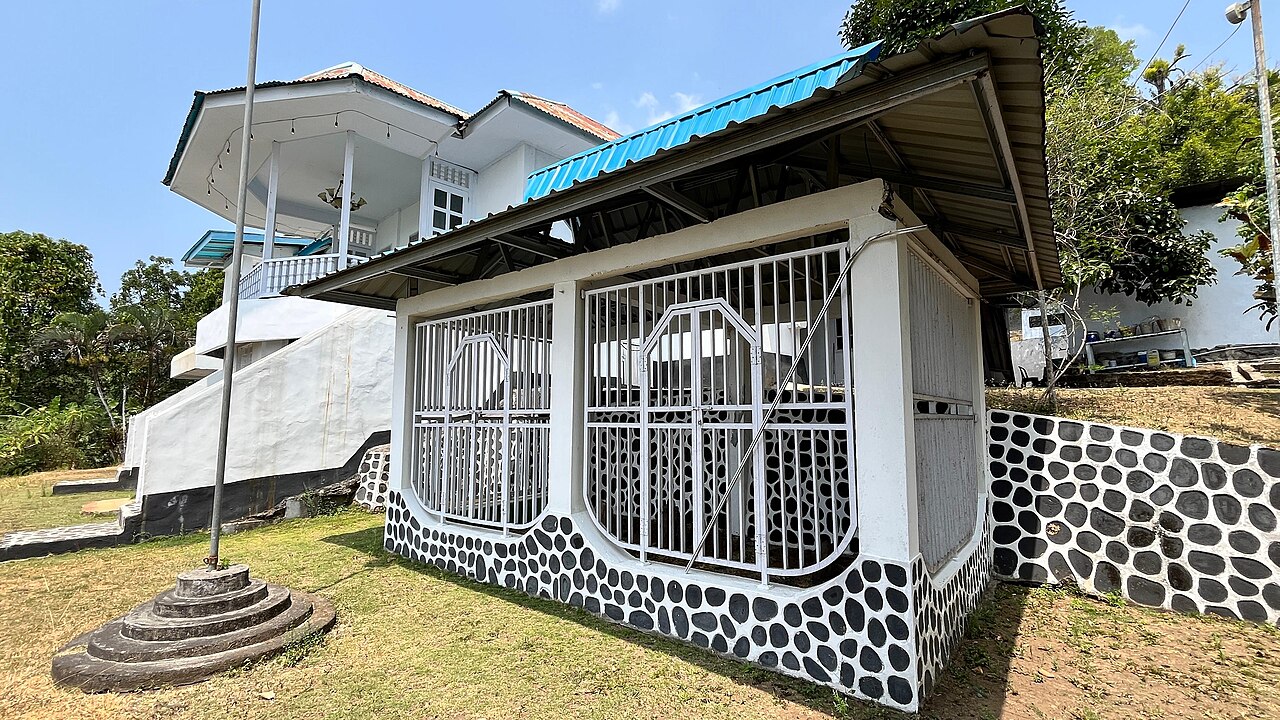
Your first sight of the Kedaton is of a dignified building set on rising ground above the town, its form blending local tradition with touches of colonial-era style. Behind it looms the great volcano that dominates the island, while before it stretches the sea, framing the palace between fire and water.

The setting could hardly be more dramatic. Ternate is a small island built around its volcano, and the palace occupies a commanding position that speaks of the authority of the sultans who ruled from here. Even at a glance, you sense the importance of the place.
As a working seat of the sultanate and a museum of its heritage, the Kedaton welcomes those who come to learn its story. Stepping toward it, you feel yourself entering a world where history, religion and the drama of the spice trade all converge.
Take a moment to absorb the surroundings before going in. The volcano, the sea and the town below all form part of the palace’s meaning, and understanding its setting prepares you to appreciate the treasures and stories held within.
The climb up toward the palace rewards you with widening views over the town and the water, and by the time you reach the Kedaton you already feel the commanding perspective its rulers once enjoyed.
There is a timeless quality to the approach, as though the modern town below falls away and you step into the older world of the sultanate.
Whatever the hour, the interplay of mountain, town and sea gives the palace an unforgettable backdrop, and it is worth pausing simply to take in the whole composition before turning to the building itself.
First-time visitors are often surprised by how much history is concentrated in so compact a place, and how powerfully the setting conveys the drama of the sultanate’s past.
By the time you step through the entrance, you are ready to meet the sultanate not as a distant abstraction but as a vivid, living presence.
However you come to it, the Kedaton makes an impression that is hard to shake, and it sets the tone for a visit rich in wonder and discovery.
The Heart of the Spice Islands
To understand Ternate, you must understand cloves. This small island was one of the few places on earth where the clove tree grew, and in an age when spices were worth more than gold, that made Ternate a center of global significance far out of proportion to its size.
The wealth that flowed from the spice trade turned the sultans of Ternate into powerful figures, courted and feared across the region. Their island kingdom became a linchpin of a commercial network that stretched from the Moluccas all the way to Europe.
It is difficult now to imagine the frenzy that these islands once inspired, but for centuries the great powers of the world schemed and fought for control of their precious harvest. Ternate stood at the very center of that struggle.
Keeping this in mind transforms the palace from a regional curiosity into a monument of world history. The Kedaton was the seat of a kingdom whose spices helped launch the age of European exploration and reshape the global economy.
The clove trees that grew here were, for a long period, found almost nowhere else, giving Ternate a near-monopoly on a commodity the whole world craved.
This concentration of a priceless resource on one small island is what turned a distant speck in the eastern seas into a name known in the markets and courts of Europe.
The riches of the trade funded the sultanate’s power, its ceremonies and its ability to negotiate with distant empires as an equal rather than a subject.
It is a sobering thought that wars were waged and empires built over the harvest of trees that grew on these very slopes, and standing at the palace you feel the weight of that history.
The age of the spice trade may be long past, but its legacy is written into every stone of the sultanate’s story.
European navigators risked everything to reach these islands, and the maps of the age were redrawn in the effort to find and hold them. Ternate was one of the ultimate destinations of that great age of exploration.
When you consider that the search for these spices helped drive ships around the globe, the significance of this small island court comes sharply into focus.
In a very real sense, the modern interconnected world traces part of its origins to the hunt for the spices of islands like this one.
Little wonder, then, that the palace of such a kingdom is regarded as a treasure of national and even global significance.
The story of the cloves of Ternate is, in miniature, the story of how the world became connected, and the palace is where that story finds its home.
That legacy, invisible yet immense, is what a visitor ultimately comes to feel at the palace, the sense of standing where world history once turned.
One of Islam’s Oldest Eastern Courts
The sultanate of Ternate is among the oldest Muslim kingdoms in the Indonesian archipelago, its royal line reaching back many centuries. This deep antiquity gives the court a prestige and a continuity that few other kingdoms in the region can match.
As one of the earliest centers of Islam in the eastern islands, Ternate played an important role in the spread of the faith across Maluku and beyond. The sultanate combined spiritual authority with commercial and political power in a way that shaped the whole region.
That long history is woven into the identity of the palace and its rulers. To sit on the throne of Ternate was to inherit a legacy stretching back through generations of sultans who had guided their island kingdom through triumph and turmoil.
Understanding this antiquity deepens a visit. The Kedaton is not a recent creation but the seat of one of the venerable royal traditions of the archipelago, a living link to the early Islamic history of eastern Indonesia.
The sultans traced their authority through a long and carefully remembered lineage, and this sense of deep continuity remains central to the identity of the court today.
Few dynasties anywhere can claim so venerable and unbroken a heritage, and the people of Ternate take justified pride in it.
This role in the early spread of Islam across the eastern islands adds a further layer of significance to the palace and its history.
To walk the palace is to move within a tradition that predates most of the world’s surviving monarchies, a humbling reminder of the depth of the archipelago’s history.
The court preserved not only political authority but also religious learning and cultural refinement, making Ternate a beacon in the eastern seas for centuries.
Its influence radiated across Maluku and into neighboring regions, spreading faith, trade and culture along the sea lanes.
This antiquity lends every ceremony and every object at the palace an added depth, connecting the present to a past of extraordinary reach.
Standing within so venerable an institution, visitors often feel a quiet awe at the sheer span of time the palace represents.
The Palace and Its Design
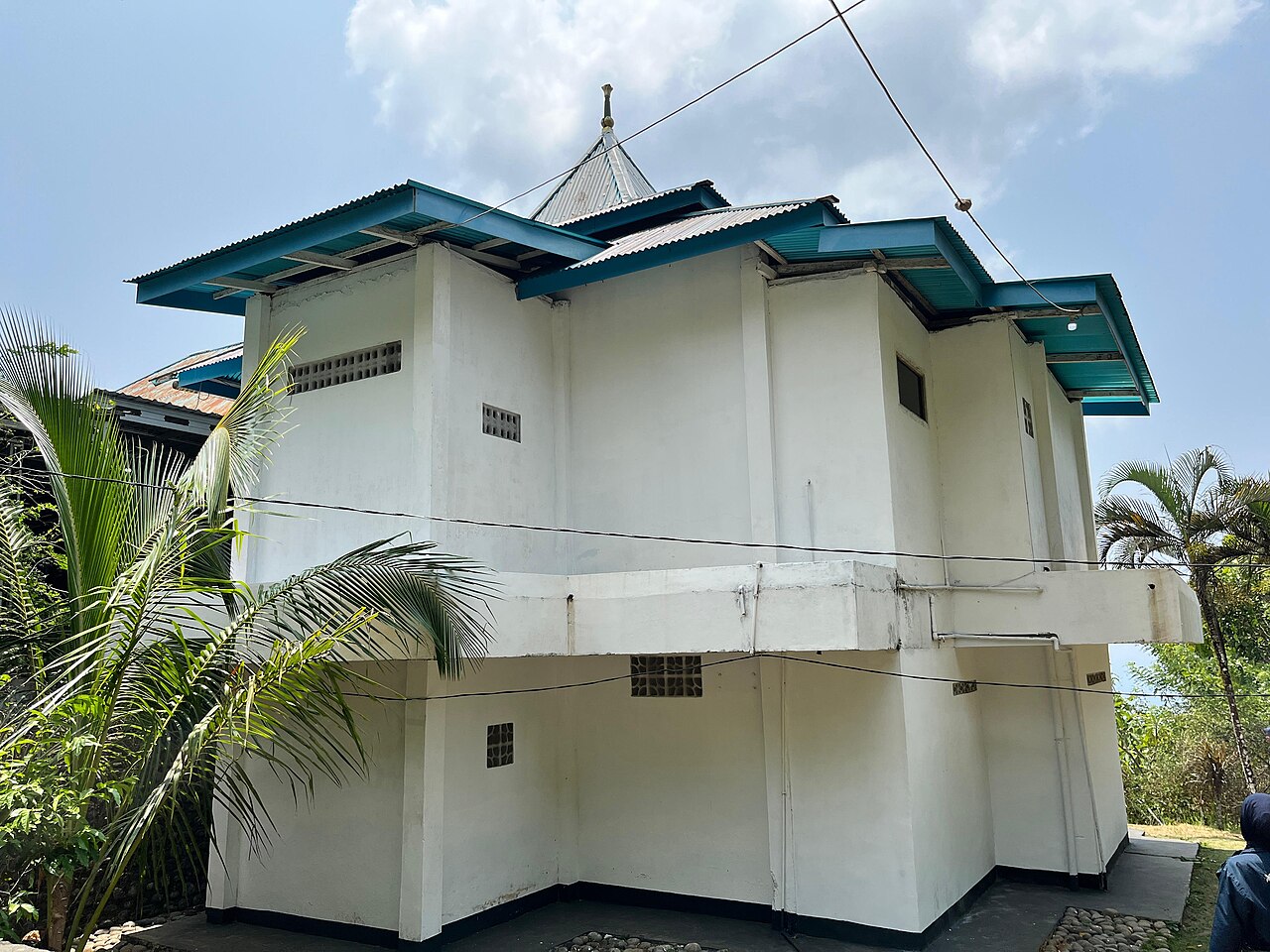
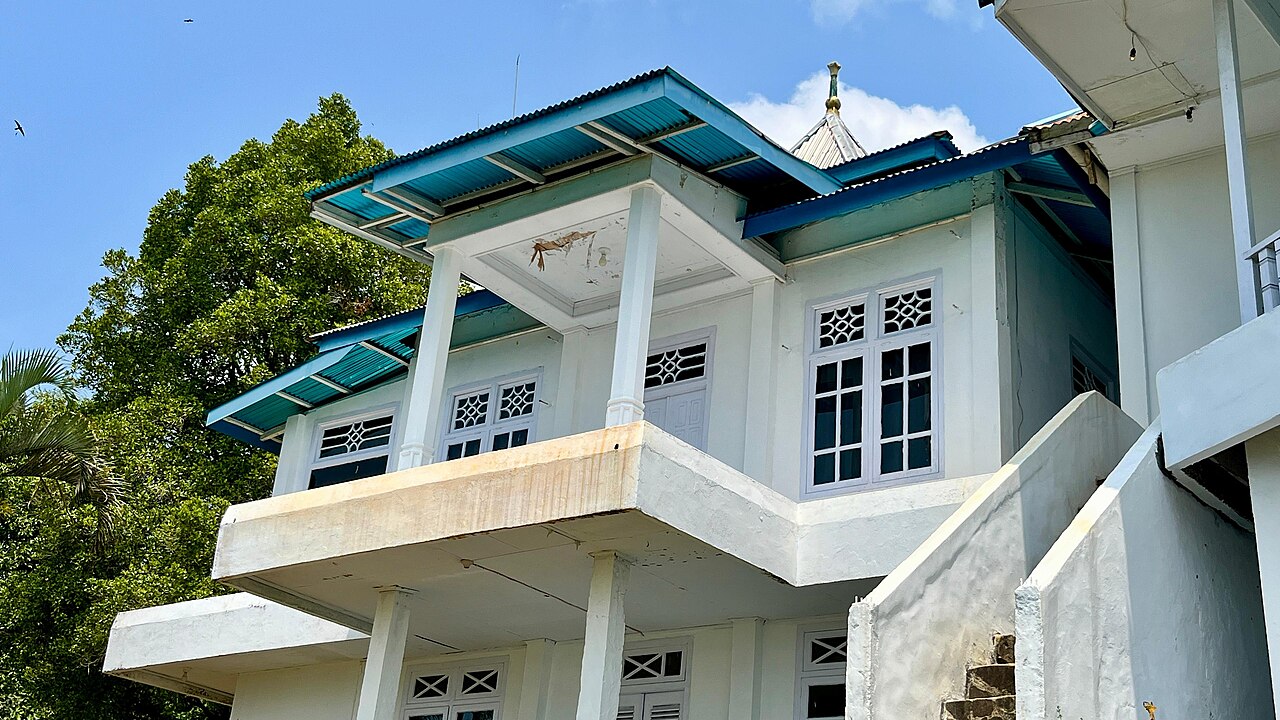
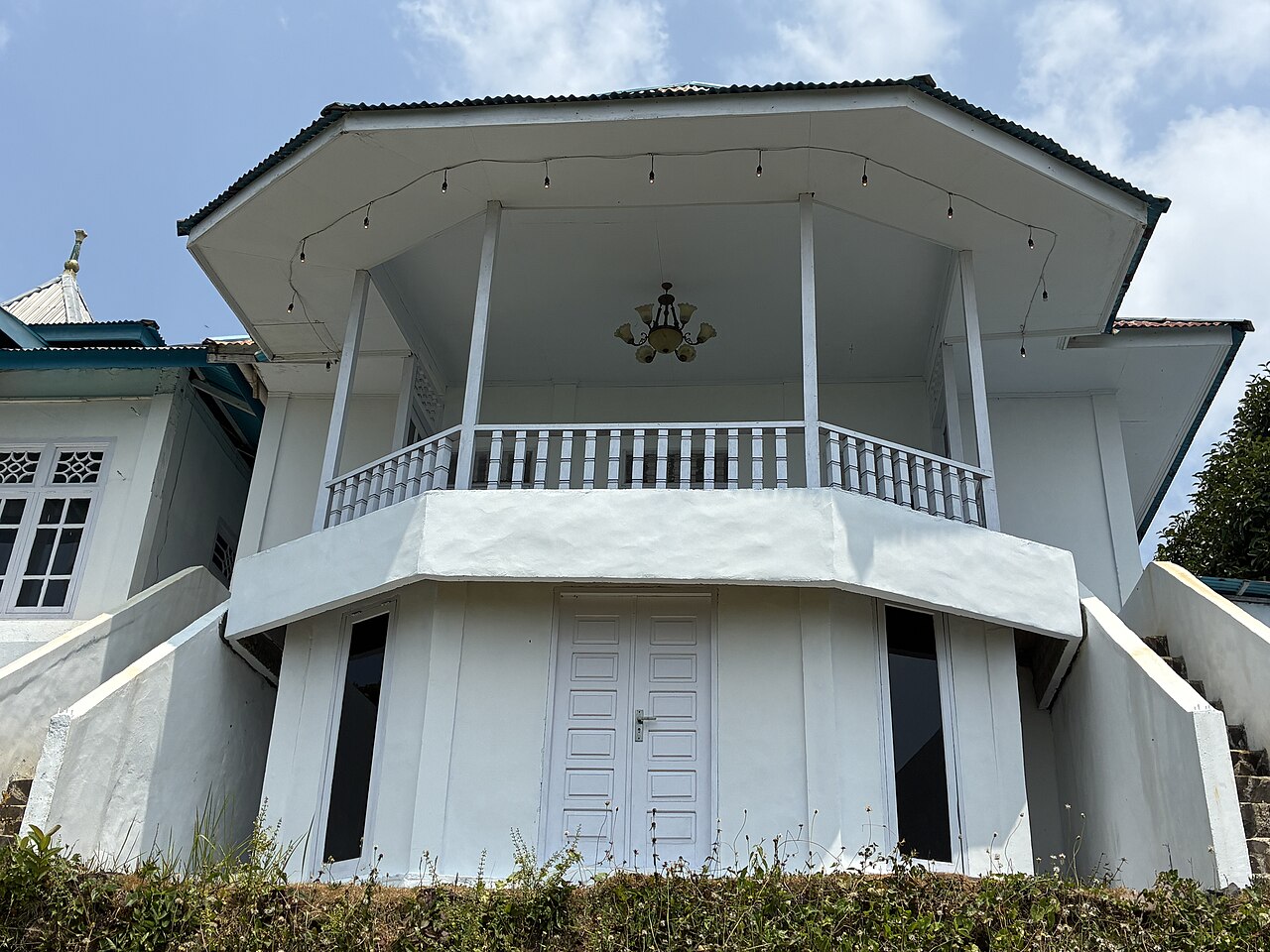
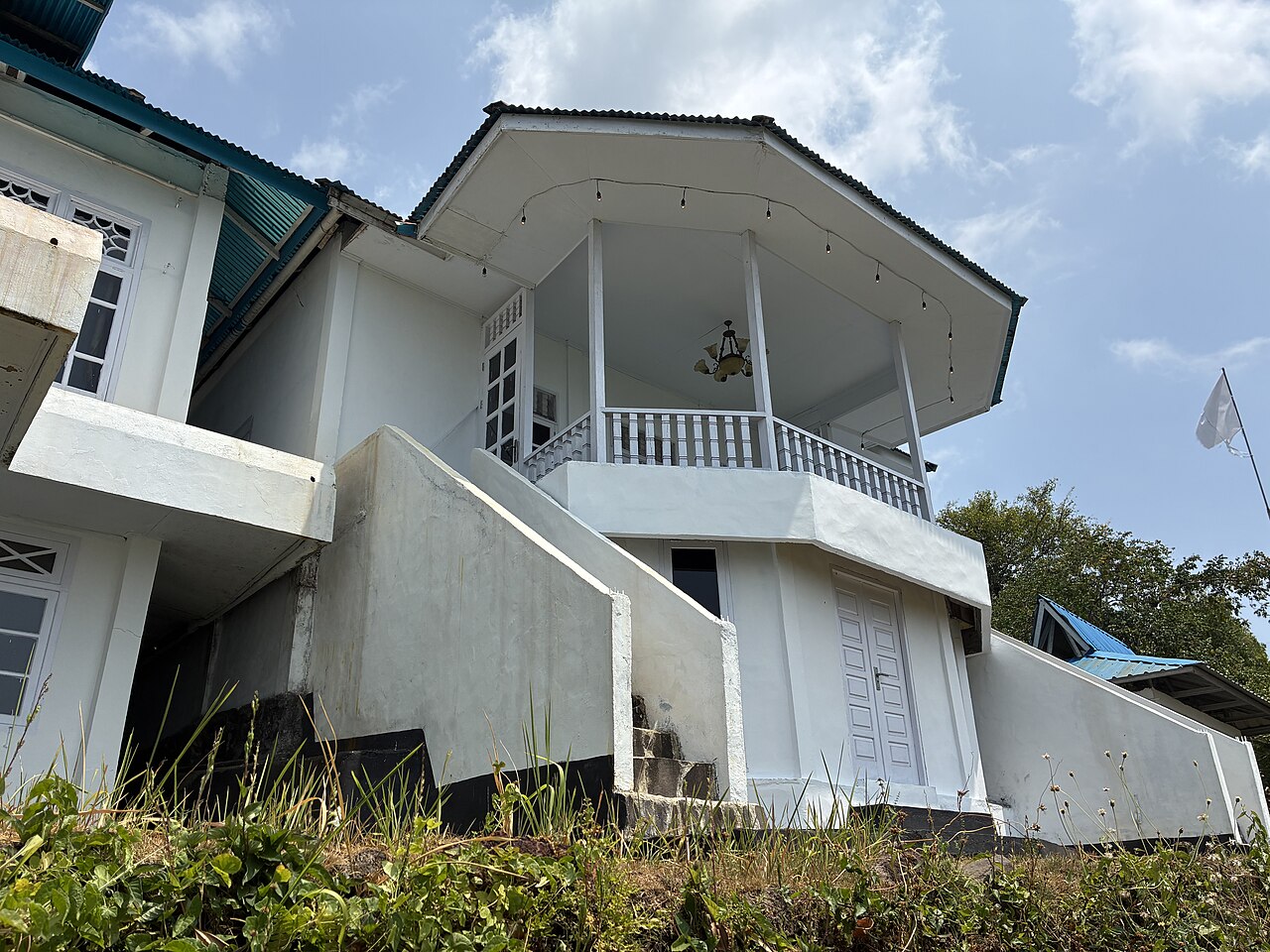
The Kedaton itself is a building of quiet dignity, its architecture blending indigenous forms with elements absorbed during the long colonial era. Set on its elevated site, it presents a composed and stately face to the world.
The layout reflects the needs of a royal court, with spaces for audience, ceremony and the daily life of the sultanate. Though not vast, the palace carries an unmistakable air of authority, every element arranged to express the standing of its rulers.
Local materials and building traditions meet imported influences in the structure, a physical record of Ternate’s long engagement with the wider world through trade and diplomacy. The result is distinctive and rooted firmly in its island setting.
Exploring the palace, you appreciate how it balances grandeur with the human scale of an island kingdom. It was built to impress, yet it remains approachable, much like the sultanate it represents.
The elevated position was chosen with care, giving the sultan a clear view over his domain and the approaches by sea, a practical consideration in an age of constant maritime rivalry.
Inside, the arrangement of rooms speaks of a court that balanced ceremony with the intimate scale of an island kingdom, where ruler and people were never far apart.
Over the centuries the building has been maintained and adapted, yet it retains the essential character of a sultan’s seat, dignified, purposeful and deeply rooted in its place.
For all its authority, the Kedaton never overwhelms; it remains a building on a human scale, fitting for a kingdom whose rulers lived close to their people.
The blend of local and imported elements in the building mirrors the sultanate’s own history of engagement with the wider world, absorbing outside influences while remaining firmly itself.
Every corner of the building seems to hold a story, and the more you learn, the more the modest structure reveals its true depth of meaning.
Seen as a whole, the Kedaton is a building perfectly matched to its role and its setting, neither ostentatious nor humble, but quietly and enduringly regal in the manner of the island kingdom it has always served.
The Sacred Regalia and Crown
Among the greatest treasures held within the Kedaton are the sacred regalia of the sultanate, objects imbued with deep spiritual and dynastic meaning. Chief among them is the royal crown, an item surrounded by legend and reverence.

The regalia are far more than ornaments. They are regarded as embodiments of the sultanate’s power and continuity, treated with great ceremony and care, and central to the rituals that sustain the authority of the crown.
Stories and beliefs cluster around these objects, lending them an aura that goes beyond their material value. To the people of Ternate, they are living links to the ancestors and to the sacred foundations of the kingdom.
For the visitor, the regalia offer a glimpse into the spiritual heart of the sultanate. They reveal a kingship understood not merely as political rule but as a sacred trust, embodied in objects of profound significance.
Access to the most sacred objects is carefully controlled, and their display is often reserved for special occasions, which only heightens the reverence in which they are held.
The crown in particular is the subject of enduring legend, its history bound up with the very identity and fortunes of the sultanate.
To glimpse these objects, even briefly, is to sense the sacred dimension of Ternate’s kingship, a power understood as a trust handed down from the ancestors.
In the regalia, the material and the spiritual meet, and the true nature of Ternate’s ancient kingship is revealed.
In the Shadow of the Volcano
The palace stands in the shadow of a great and active volcano, whose presence shapes the life and imagination of the entire island. This dramatic setting is inseparable from the character of Ternate and its sultanate.
The volcano is both a source of fertility, its slopes nurturing the spice trees that made the island rich, and a reminder of nature’s power, capable of eruption and upheaval. The people of Ternate have always lived in awareness of its dual nature.
For the sultanate, the mountain was more than a geographical feature; it was woven into the island’s sense of itself, a towering presence that watched over the kingdom and its fortunes. The palace beneath it shares in that elemental drama.
Standing at the Kedaton with the volcano rising behind, you feel the raw natural setting that framed the sultanate’s whole existence. It is a landscape of fire and sea, and the palace sits poised between them.
The volcanic soil is precisely what made the spice trees flourish, so that the very mountain that threatened the island also blessed it with the wealth that made it famous.
This intimate relationship between danger and fortune runs through the whole history of Ternate, and the palace sits at the meeting point of both.
Living beneath such a mountain has shaped the character of the islanders, breeding both resilience and a deep respect for the forces of nature.
The palace, poised between fire and sea, embodies that precarious yet enduring relationship perfectly.
Eruptions have punctuated the island’s history, and the community has always rebuilt, drawing on the same resilience that carried the sultanate through the storms of politics and war.
To see the palace framed by the volcano at dawn or dusk is to understand at a glance the elemental world in which the sultanate was born and endures.
Coveted by the Powers of the World
Few small kingdoms have been so fiercely contested as Ternate. Because of its precious spices, the island drew the attention of the great maritime powers, and successive waves of foreigners arrived seeking to control its wealth.
The sultans of Ternate proved skilled at navigating this dangerous competition, playing rivals against one another and defending their interests with considerable cunning. Their diplomacy was as important to their survival as their arms.
The struggles over Ternate left their mark on the island, in fortifications, in shifting alliances and in the very fabric of the sultanate’s history. The palace witnessed centuries of this high-stakes contest for control of the spice trade.
To understand the Kedaton is to understand this drama of global rivalry. The palace was the prize and the pivot around which much of the early contest for the spice trade turned, a fact that gives it lasting historical weight.
Traces of this turbulent past can still be found across the island, from old fortifications to the layered memory of successive foreign presences.
Through it all, the sultanate managed to endure, a testament to the resilience and skill of its rulers in an age of predatory empires.
The very intensity of the competition for Ternate is proof of how much was at stake, and the palace stood at the center of it all.
Alliances shifted constantly as the sultans weighed one foreign power against another, always seeking to preserve as much autonomy as the dangerous times allowed.
This delicate balancing act, sustained over generations, is one of the more remarkable achievements of the sultanate’s long history.
That the sultanate survived this era at all, when so many others were absorbed or destroyed, is a tribute to the shrewdness of its rulers.
The scars and monuments of that long contest are part of what makes the island so compelling to explore today.
The Great Rivalry With Tidore
Just across a narrow strait from Ternate lies its ancient rival, the sultanate of Tidore, and the rivalry between the two island kingdoms is one of the defining threads of Maluku history. For centuries the two courts vied for supremacy in the spice trade.

This rivalry shaped the politics of the whole region, as outside powers allied with one sultanate against the other, drawing the islands ever deeper into wider conflicts. The competition was intense, enduring and often bitter.
Yet the two kingdoms were also bound together by shared culture, faith and history, twin poles of the Maluku world whose fortunes rose and fell in relation to each other. Their story is one of both conflict and deep connection.
The palace at Ternate stands as a monument to this age-old contest, the seat of one of the two great powers whose rivalry did so much to shape the history of the Spice Islands.
Today the old rivalry belongs to history, but its legacy still colors the identity of both islands, each proud of its distinguished royal heritage.
The narrow strait between them, once a frontier of competing kingdoms, now links two communities that share a remarkable common past.
Understanding this rivalry is key to understanding Maluku, and the palace at Ternate remains its most eloquent witness.
The parallel courts of Ternate and Tidore, so close and so competitive, gave Maluku a political intensity found in few other corners of the archipelago.
A Living Sultanate
Remarkably, the sultanate of Ternate endures to this day as a cultural and traditional institution, and the Kedaton remains its living seat. Far from being a mere relic, the palace continues to play a role in the ceremonial and communal life of the island.
Traditional rituals, ceremonies and observances still center on the palace, keeping alive customs that reach back through the centuries. The sultanate persists as a focus of identity and pride for the people of Ternate.
This continuity is deeply meaningful. It means that the palace is not simply a museum of a vanished world but a place where living traditions are maintained, connecting the present community to its long and illustrious past.
For the visitor, this living dimension adds richness to every room and object. You are engaging not with a dead history but with an institution that still breathes, still matters, and still shapes the culture of its island home.
The continued presence of the sultan and his court gives the island a living link to its past that few other former kingdoms can claim.
This is part of what makes a visit so special: you are encountering not a closed chapter but an ongoing story.
In honoring its living traditions, Ternate keeps faith with its ancestors and offers the world a rare example of a historic sultanate that never truly ended.
The persistence of the sultanate as a cultural institution is a source of pride not only for Ternate but for the whole of eastern Indonesia, a living emblem of the region’s rich heritage.
Encountering a sultanate that still lives, however changed, is a rare privilege, and one that lingers long in the memory of every visitor.
A Treasury of Memory
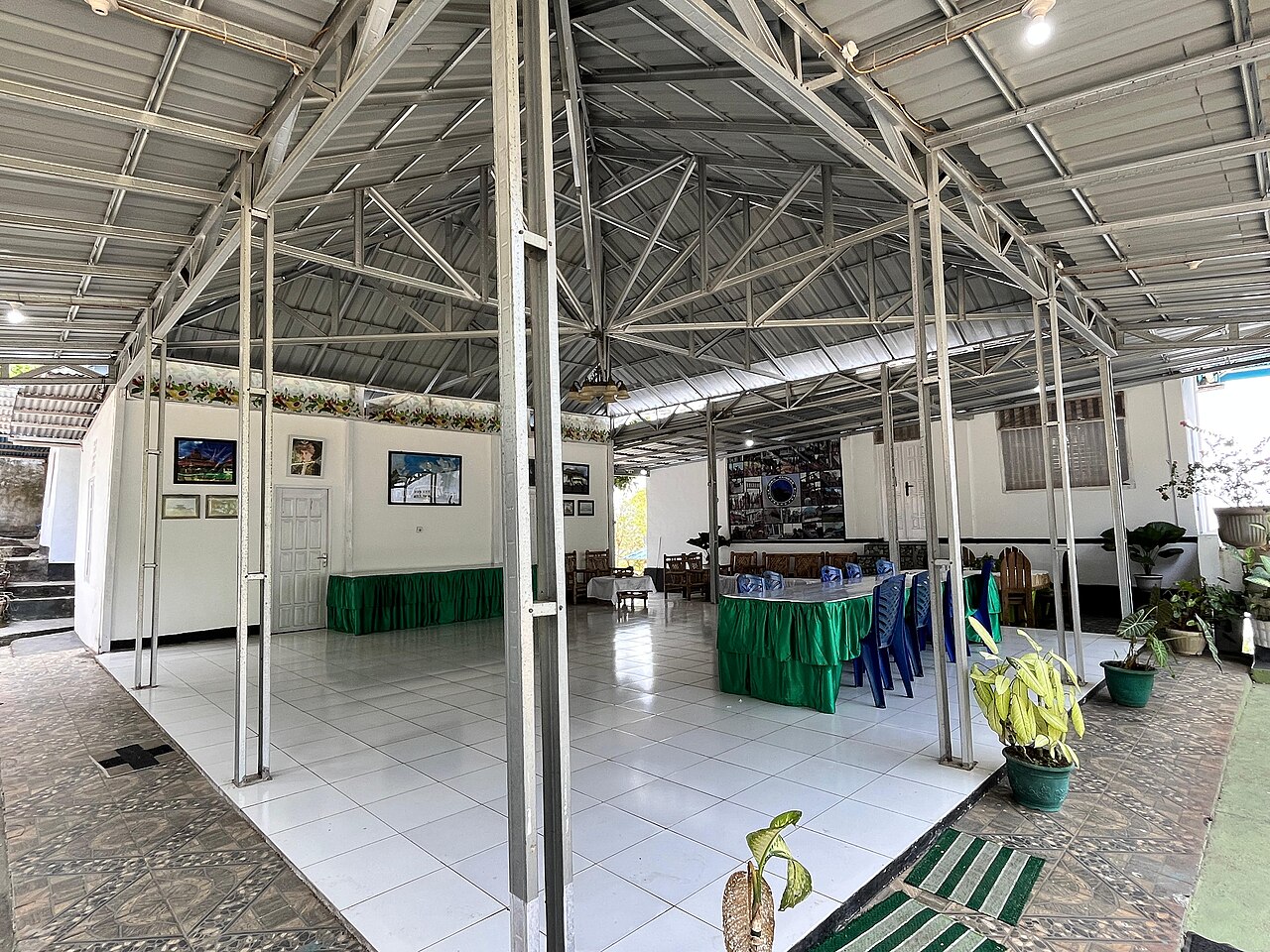
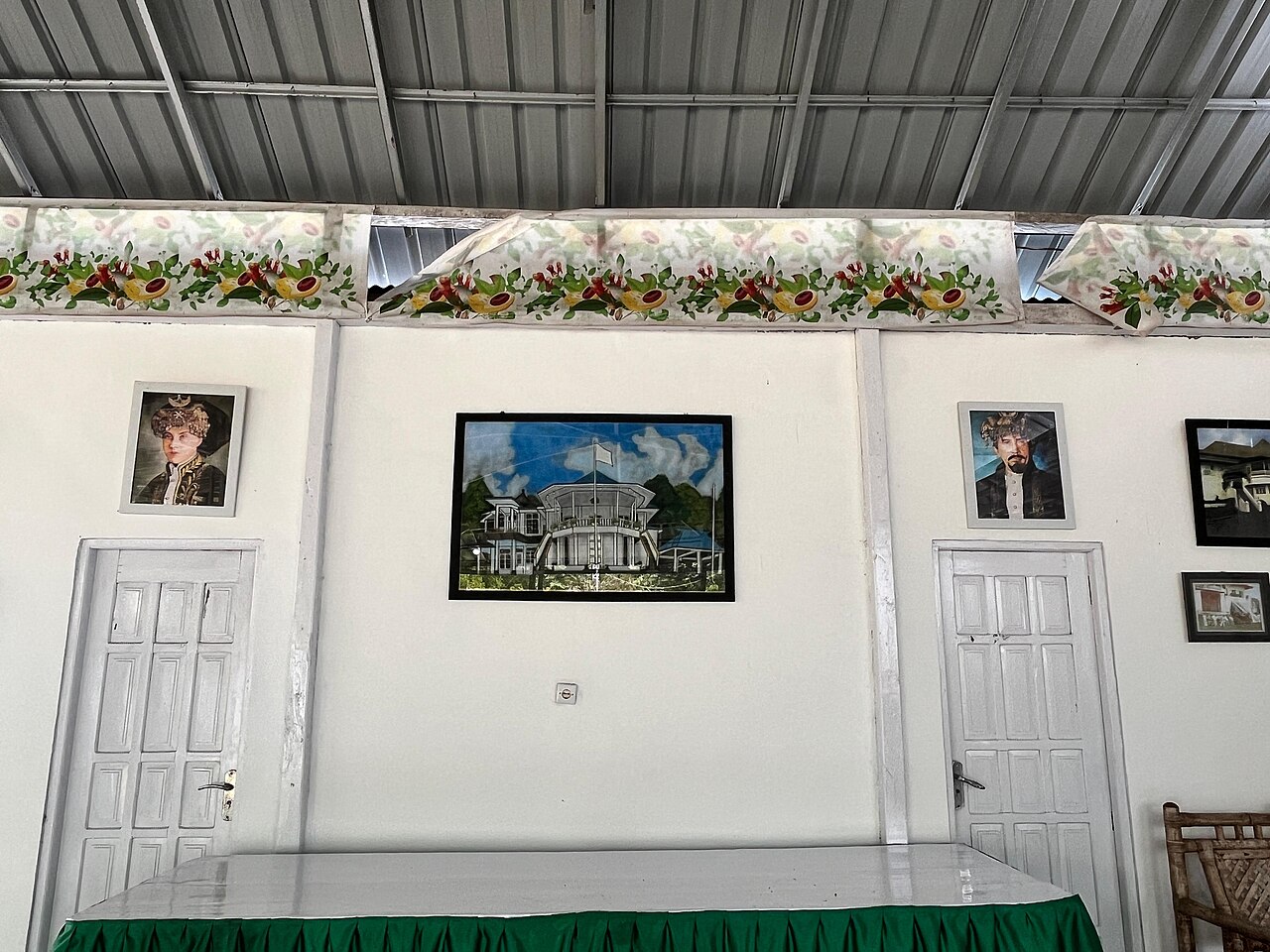
Today much of the Kedaton functions as a museum, displaying the accumulated treasures and heirlooms of the sultanate. Weapons, manuscripts, ceremonial objects and personal belongings together tell the story of the dynasty and its world.

Wandering among these collections, you trace the history of a kingdom that stood at the crossroads of trade and empire. Each object opens a window onto some aspect of the sultanate’s past, from its spiritual life to its dealings with distant powers.
The manuscripts and documents are especially precious, preserving the memory and knowledge of the court across the generations. They are a reminder that Ternate was a center of learning and culture as well as commerce and power.
For those willing to look closely, the museum rewards curiosity generously, offering intimate glimpses into a royal world that once helped shape the course of global history from this remote island.
Together, the collection amounts to a treasury of memory, safeguarding the material heritage of one of the archipelago’s most historic courts.
Each visit reveals new details, and those who linger are rewarded with a deeper understanding of the sultanate’s remarkable reach and refinement.
It is this combination of living tradition and preserved heritage that makes the Kedaton so uniquely rewarding among the palaces of the archipelago.
Documents preserved here shed light on the sultanate’s dealings with distant powers, offering historians a precious record of a pivotal chapter in the history of global trade.
For the ordinary visitor, meanwhile, the objects simply enchant, each one a tangible fragment of a fascinating royal world.
A slow, attentive tour of the collection is the best way to appreciate the depth and reach of this remarkable island kingdom.
It is a collection that deserves to be far better known, and those who seek it out discover one of the hidden gems of Indonesian heritage.
From ceremonial weapons to illuminated manuscripts, the range of the collection reflects the many facets of a court that was at once a center of trade, faith, learning and power, and it repays the unhurried attention of anyone who takes the time to explore it fully.
Ceremonies and the Royal Festival
The life of the Kedaton is marked by a calendar of ceremonies and festivals that keep the traditions of the sultanate vividly alive. Chief among them are the great annual celebrations that draw the community together around the palace and its sultan.

These occasions blend Islamic observance with older Maluku customs, producing rituals of striking color and meaning. Processions, music, dance and displays of the sacred regalia turn the palace into the focal point of communal celebration.
Such festivals are far more than spectacle. They reaffirm the bond between the sultanate and its people, renew the community’s connection to its heritage, and demonstrate the enduring vitality of a tradition centuries old.
For visitors fortunate enough to witness one, these celebrations offer an unforgettable glimpse into the living culture of Ternate, where the pageantry of a spice-age court still unfolds beneath the volcano.
Even outside the great festival days, the rhythm of ceremonial life continues quietly at the palace, a steady thread of ritual that binds the present to the deep past of the kingdom.
The care taken to preserve and perform these traditions ensures that the cultural heart of the sultanate continues to beat strongly into the present day.
Those who plan their visit around the festival season are rewarded with a spectacle that few other historic courts in the world can still offer.
The festival season transforms the island, drawing visitors and returning islanders alike into a shared celebration of identity and history centered on the palace.
In these vivid moments of celebration, the long history of the sultanate becomes, for a time, gloriously present once more.
To share, even briefly, in the joy of these gatherings is to understand something essential about Ternate, a place where history is not merely remembered but joyfully lived.
A Closer Look on Film
To appreciate the Kedaton and its dramatic island setting, film offers a fine complement to a visit. The short video below helps bring the palace, its treasures and its surroundings to life.
Watching it, you can better sense the atmosphere of the place, the presence of the volcano and the sea, and the richness of the sultanate’s heritage, all of which reward a closer look. It makes an ideal companion to understanding this historic court.
The Kedaton of Ternate Today
Today the Kedaton of Ternate endures as a cherished symbol of Maluku identity and a living link to the extraordinary history of the Spice Islands. Its treasures, its traditions and its dramatic setting continue to move and fascinate all who come to know it.

For travelers, the palace offers a rare and rewarding encounter with a kingdom that once stood at the center of world trade. To stand here, between volcano and sea, is to feel the pull of a history that reached far beyond these shores.
There is a lesson in the endurance of Ternate. It shows how a small island kingdom can leave an outsized mark on the world, and how its heritage can survive and thrive long after the age that made it famous has passed.
When you finally turn to leave, glance back at the palace with the volcano rising behind and the sea shining below. You will carry with you the memory of a spice kingdom whose story once helped move the world, still guarded within these walls.
Long after leaving, travelers find the image of the palace beneath its volcano returning to mind, a lasting symbol of a kingdom that once helped move the world.
The Kedaton stands, in the end, as proof that greatness is not measured by size, and that a small island can hold a vast history within its walls.
It remains a place of pilgrimage for those who wish to understand the true story of the Spice Islands.
It is a destination that rewards the effort of reaching it many times over, offering an encounter with history that few other places can match.
And so the Kedaton endures, guardian of a story that began with a fragrant tree on a volcanic slope and reached, in time, to the far corners of the earth.
View the location on Google Maps
Palaces Nearby
If the spice-kingdom court of Ternate has drawn you into the world of Indonesia’s sultanates, two more royal palaces of the archipelago make natural next stops.
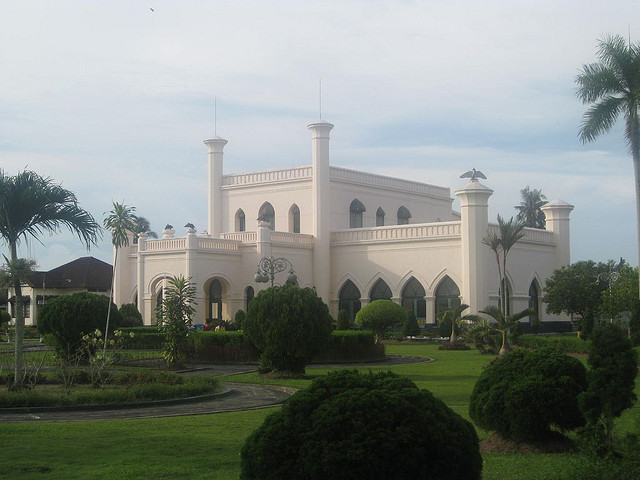
- the Istana Siak, a gleaming white-and-blue Malay river palace in Sumatra.
- Balla Lompoa, the timber Great House and golden crown of the seafaring Gowa kingdom in Sulawesi.
You May Like
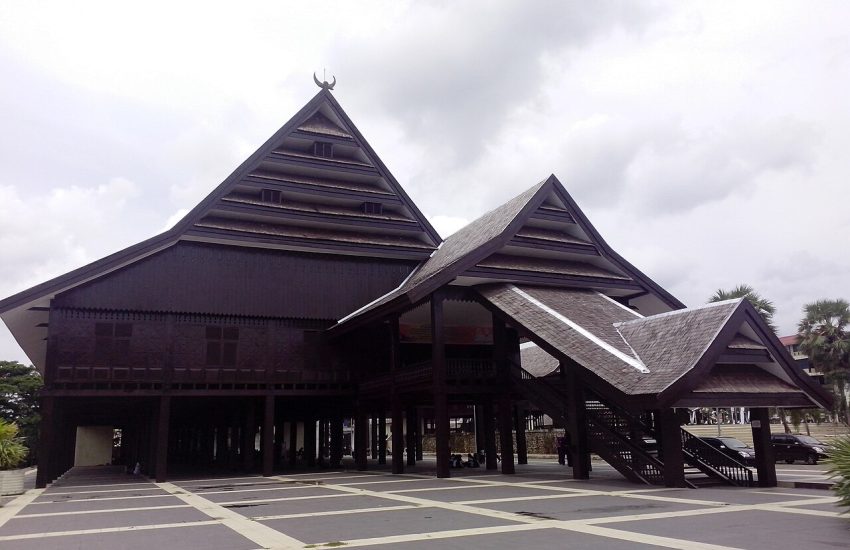
Balla Lompoa, the Great House and Golden Crown of the Gowa Kings


One thought on “The Kedaton of Ternate, a Spice-Island Palace Between Volcano and Sea”