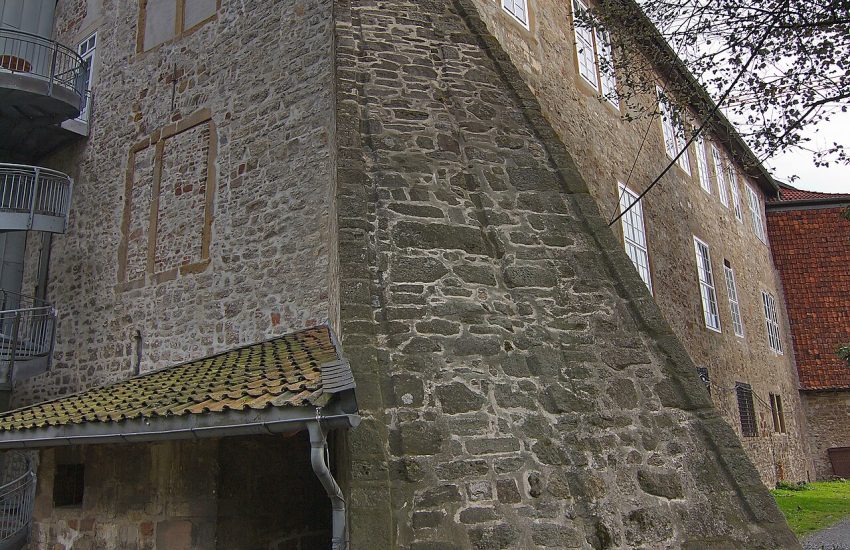
On a rocky hill above the town of Blankenburg, at the northern edge of the Harz mountains, stands a great white palace that once linked a small German court with the imperial house of Habsburg. The Great Palace of Blankenburg was the residence of Duke Ludwig Rudolf of Brunswick, whose daughter became the mother of Empress Maria Theresa.
After decades of neglect in the twentieth century, the palace is being lovingly restored by a dedicated association, and visitors can explore its halls, its theatre and its views over the Harz. Below it, the Little Palace and its terraced baroque gardens add to the charm of the town.
In this article we will explore Blankenburg from its medieval origins to its baroque heyday, its decline and its rescue, and we will finish with practical tips for your visit.
In This Article
- A White Palace Above the Harz
- From Castle to Ducal Residence
- The Gatehouse
- The Inner Courtyard
- The Main Wing
- Sandstone and Craftsmanship
- A Link to the Habsburgs
- The Grey Hall and the Theatre
- The Chapel Wing
- Decline and Rescue
- Painted Ceilings and the Knights Hall
- Blankenburg Palace on Video
- Visiting Blankenburg Today
A White Palace Above the Harz
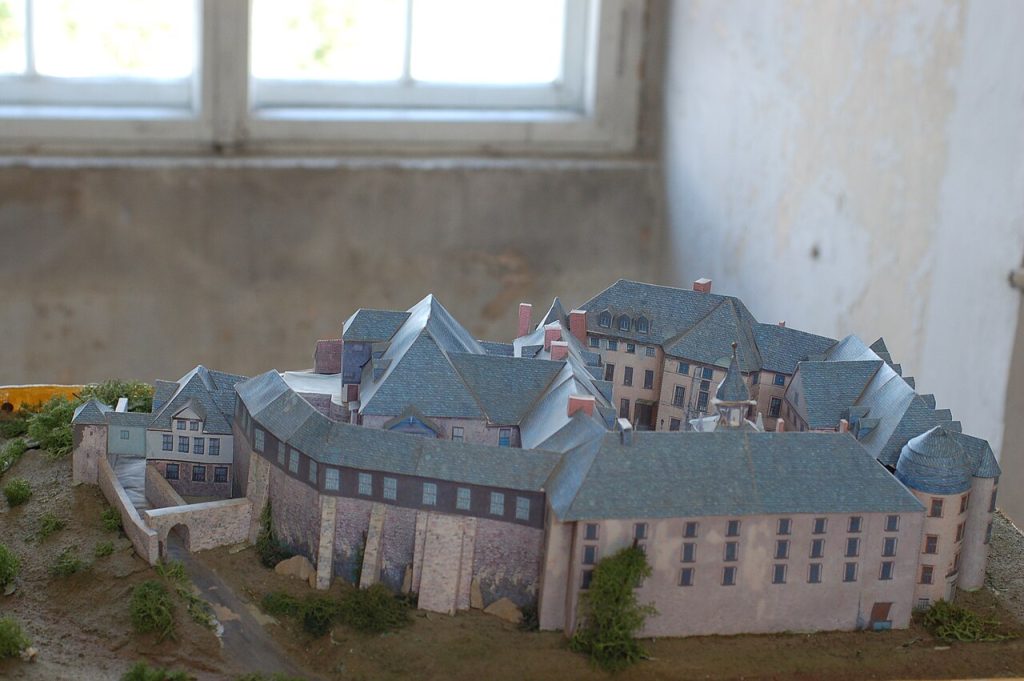
Approaching Blankenburg, you see the Great Palace rising on its hill above the rooftops, its long white wings and towers outlined against the forested hills of the Harz.
The town below is picturesque, with half timbered houses, narrow streets and gardens climbing the slopes toward the palace.
The palace commands sweeping views over the northern Harz foothills and the plains beyond, a reminder of its original role as a castle guarding the region.
What makes Blankenburg special is its setting, its connection to the Habsburgs and the inspiring story of its rescue.
From Castle to Ducal Residence
A castle stood on this hill in the Middle Ages, belonging to the counts of Blankenburg. In 1599 the territory passed to the Guelph dukes of Brunswick.
In the early eighteenth century, Duke Ludwig Rudolf made Blankenburg the seat of his own small principality and transformed the castle into a baroque residence.
The architect Hermann Korb, who also designed the facade of Wolfenbuttel Palace, directed much of the rebuilding.
Under Ludwig Rudolf, Blankenburg became a lively court with music, theatre and festivals.
The Gatehouse
The approach to the palace leads through a gatehouse, which controlled access to the residence and its courtyard.
Its sturdy walls and arched passage recall the defensive origins of the site, while its decoration reflects later baroque taste.
Passing through the gatehouse, visitors enter the inner courtyard, the heart of the palace.
From here, the different wings and towers of the palace can be seen together.
The Inner Courtyard
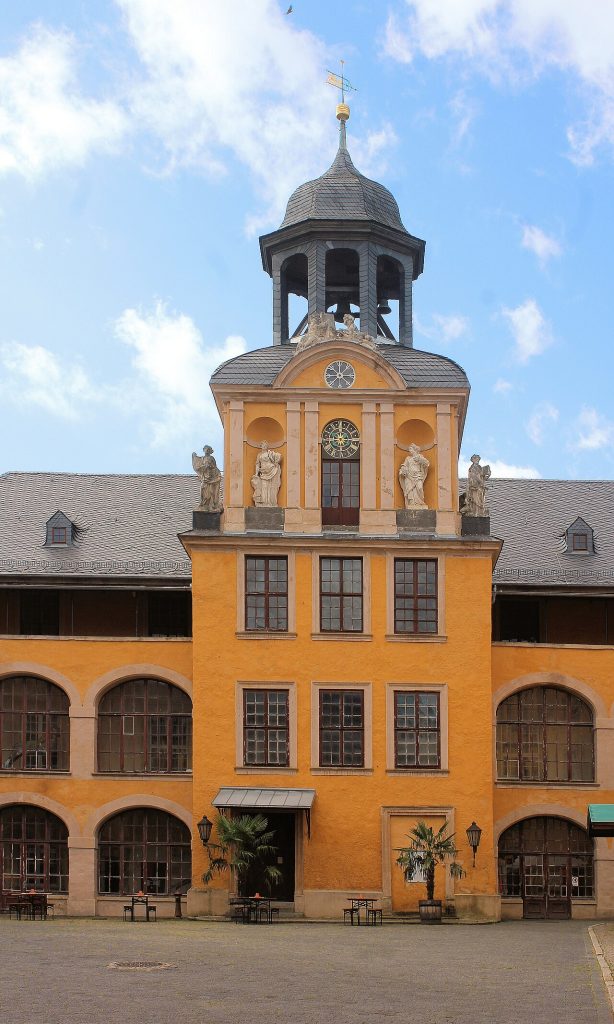
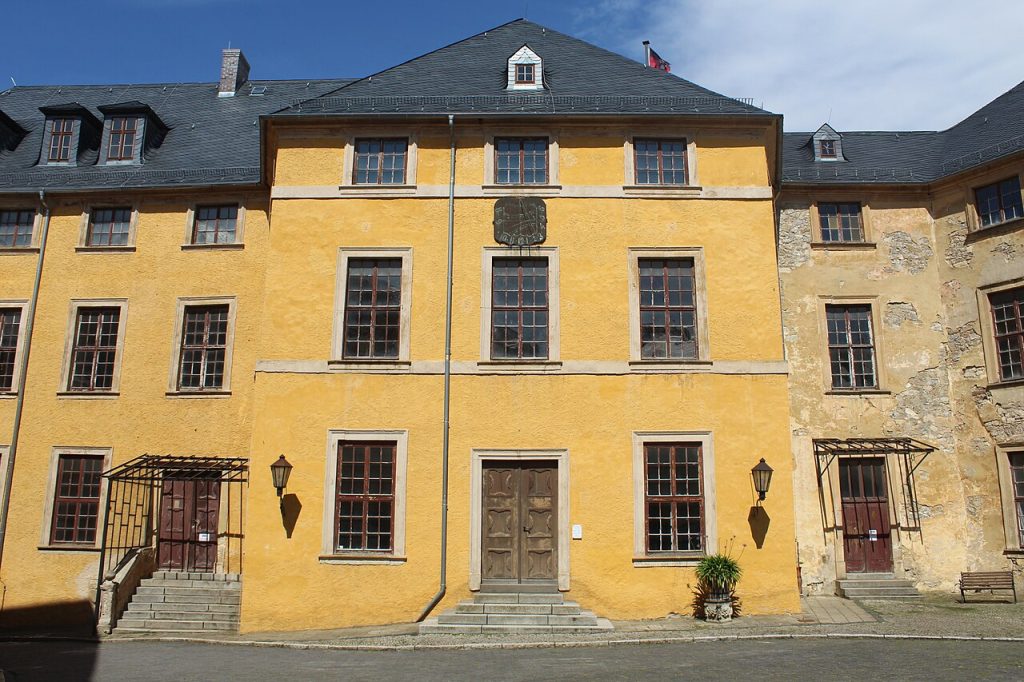
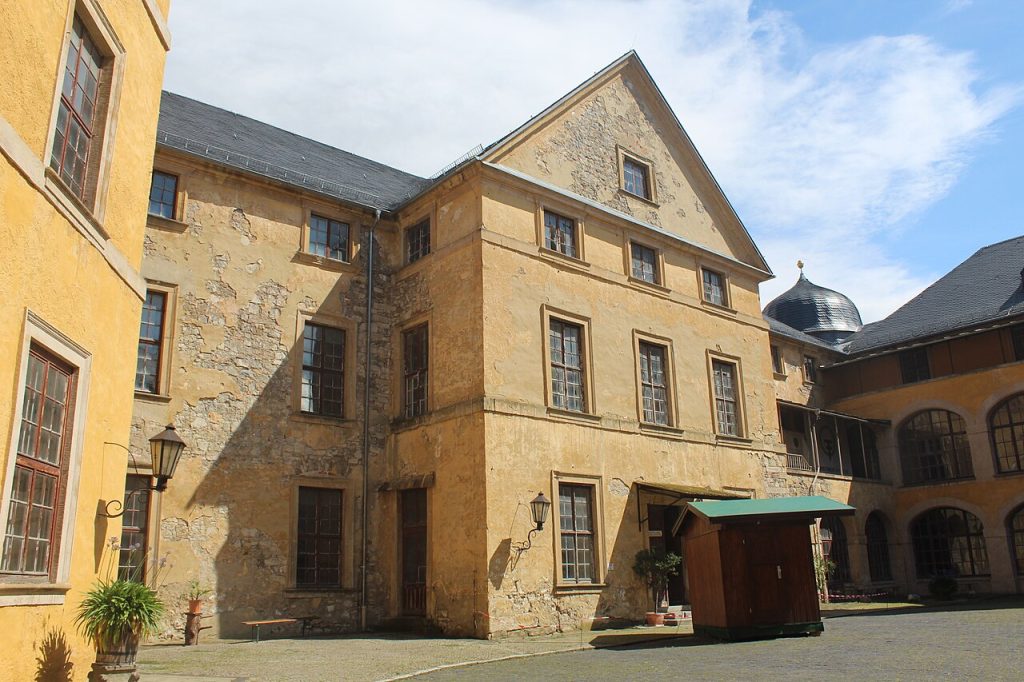
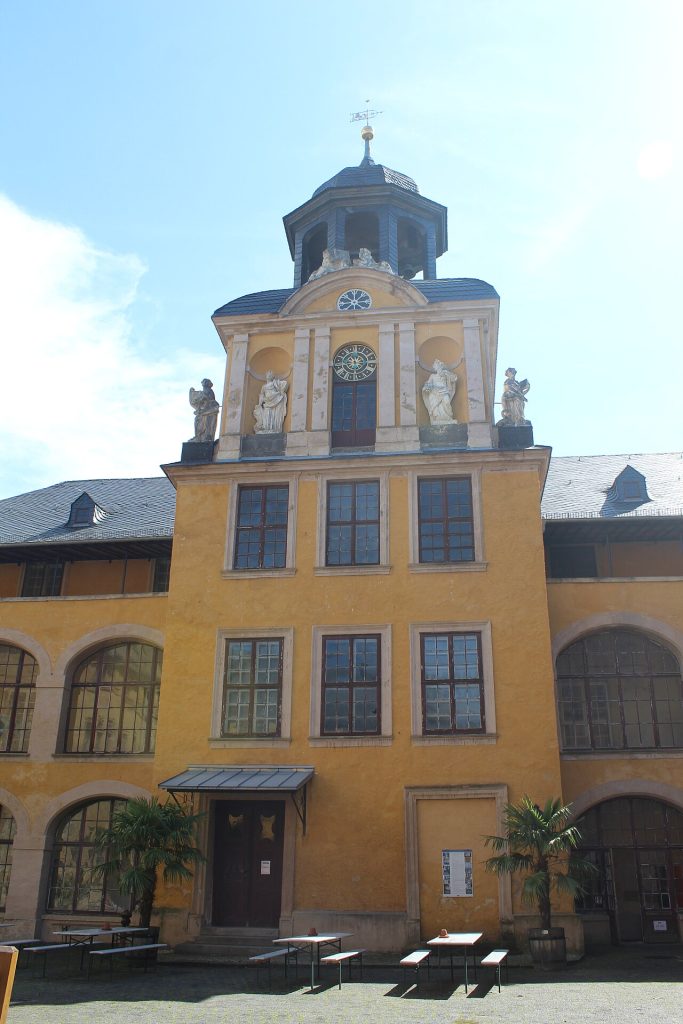
The inner courtyard is enclosed by wings from different periods, including the old wing, the tower wing, the chapel wing and the new wing.
Each wing tells part of the palace’s history, from medieval walls to baroque facades.
The courtyard is used for events, markets and festivals, bringing life back to the palace.
Standing in the courtyard, you can sense the scale of the residence and the ambitions of its builders.
The Main Wing
The main wing of the palace housed the ducal apartments and the most important state rooms.
Its long facade, with regular windows and baroque details, faces the courtyard and offers views over the town and the Harz.
Restoration work is gradually bringing its rooms back to life, revealing original decoration hidden under later layers.
Visitors can follow the progress of the restoration on guided tours.
Sandstone and Craftsmanship
The palace contains fine details carved in local sandstone, including portals, window frames and coats of arms.
These details show the skill of the craftsmen who worked for the dukes and the quality of the materials available in the Harz.
Many of them have been carefully cleaned and restored by volunteers and specialists.
Looking closely, you can find the heraldic symbols of the Guelph dynasty throughout the building.
A Link to the Habsburgs
Duke Ludwig Rudolf’s daughters made remarkable marriages. Elisabeth Christine married the future Emperor Charles VI and became the mother of Empress Maria Theresa, one of the most powerful rulers of the eighteenth century.
Another daughter married the son of Peter the Great of Russia, linking Blankenburg with the Romanovs.
These marriages brought great prestige to the small court and made Blankenburg a place of European significance.
Portraits and exhibitions in the palace tell the story of these dynastic connections.
The Grey Hall and the Theatre
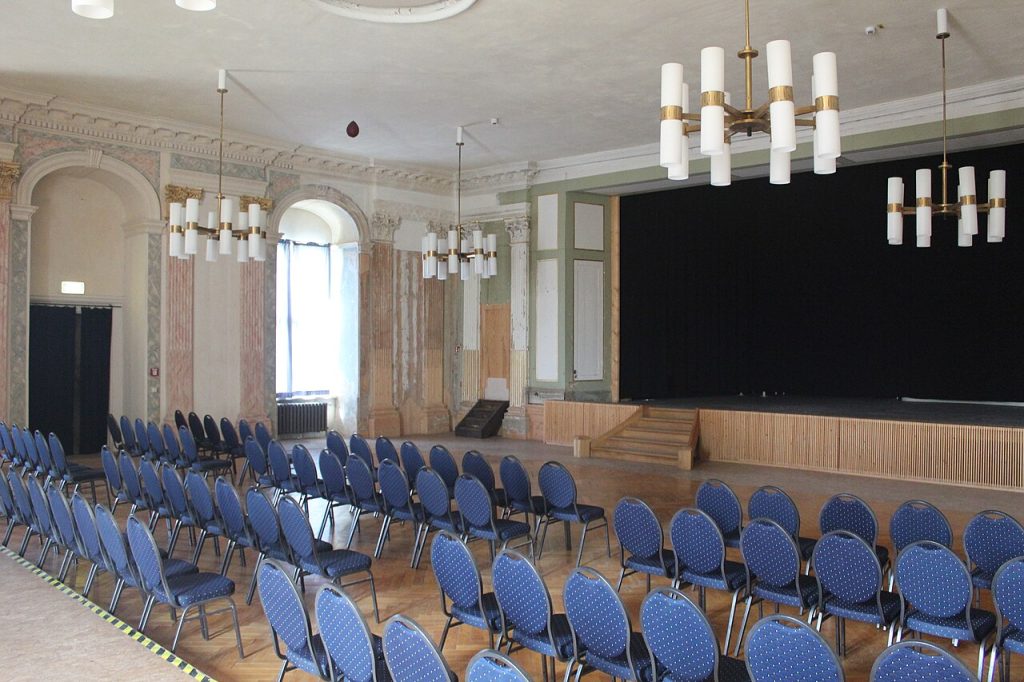
Among the restored rooms of the palace is the Grey Hall, an elegant space used for receptions and events.
The palace also contained a court theatre, where operas and plays were performed for the duke and his guests in the eighteenth century.
Today concerts and performances are again held in the palace, reviving its tradition of music and drama.
The halls offer a glimpse of the festive life of the baroque court.
The Chapel Wing
The chapel wing contains the former palace chapel, where the ducal family worshipped.
Its architecture and decoration reflect the religious life of the court, and parts of its furnishings have survived.
The chapel wing is one of the areas being restored, and visitors can see the work in progress.
Its position in the palace emphasises the importance of faith in the life of the ducal household.
Decline and Rescue
After the Second World War, the palace was taken from the ducal family and used for various purposes during the time of the German Democratic Republic, including as a school.
By the end of the twentieth century it had fallen into serious disrepair, and its future was uncertain.
In 2005 a citizens association bought the palace for a symbolic sum and began a remarkable effort to rescue it, raising funds and organising volunteers.
Their work has saved the building and gradually restored many of its rooms, making Blankenburg a symbol of civic commitment to heritage.
Painted Ceilings and the Knights Hall
Restoration has uncovered painted ceilings in several rooms, with allegorical scenes and decorative motifs from the baroque period.
The Knights Hall, one of the largest rooms in the palace, recalls the medieval origins of the castle and was used for important gatherings.
These discoveries show how much of the palace’s original splendour survived beneath later alterations.
Each newly restored room adds another piece to the picture of court life at Blankenburg.
Blankenburg Palace on Video
For a tour of the palace and its restoration, the video below takes you through the Great Palace of Blankenburg.
Watch for the halls, the courtyard and the views over the Harz.
If the video inspires you, read on for practical tips.
Visiting Blankenburg Today
The Great Palace is open for guided tours and events, organised by the association that is restoring it. Opening times vary, so check in advance.
Below the Great Palace, the Little Palace houses a museum and is surrounded by beautiful terraced baroque gardens, which are among the highlights of the town.
Blankenburg lies at the northern edge of the Harz, easily reached by car or train, and makes a good base for exploring the mountains and the historic towns of Quedlinburg and Wernigerode.
Combine your visit with Brunswick and Wolfenbuttel to follow the story of the Guelph dukes.
View the location on Google Maps
Palaces Nearby
If you have enjoyed this palace, central Germany holds more remarkable residences. Here are two more well worth adding to your journey:
- Brunswick Palace – the reconstructed ducal palace of Brunswick crowned by its Quadriga.
- Wolfenbuttel Palace – the timber fronted residence of the dukes of Brunswick Wolfenbuttel.
You May Like
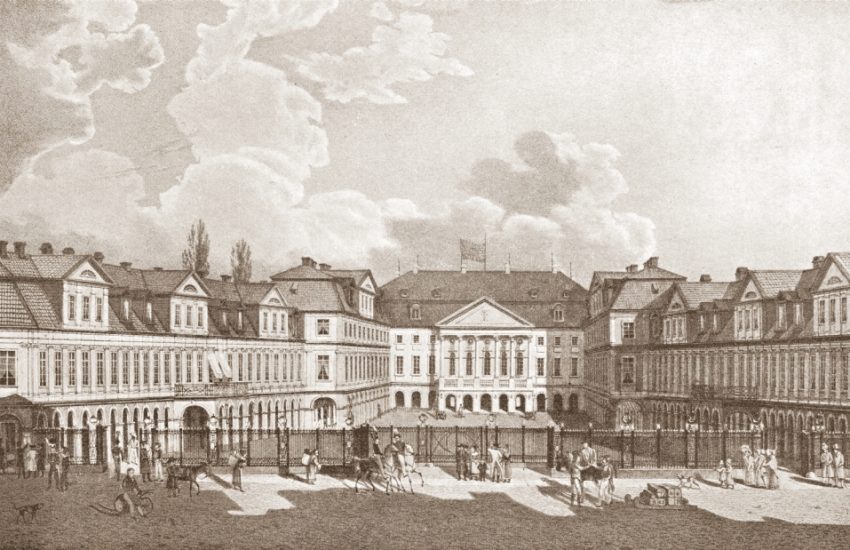
Brunswick Palace and the Quadriga Above the City of the Guelphs