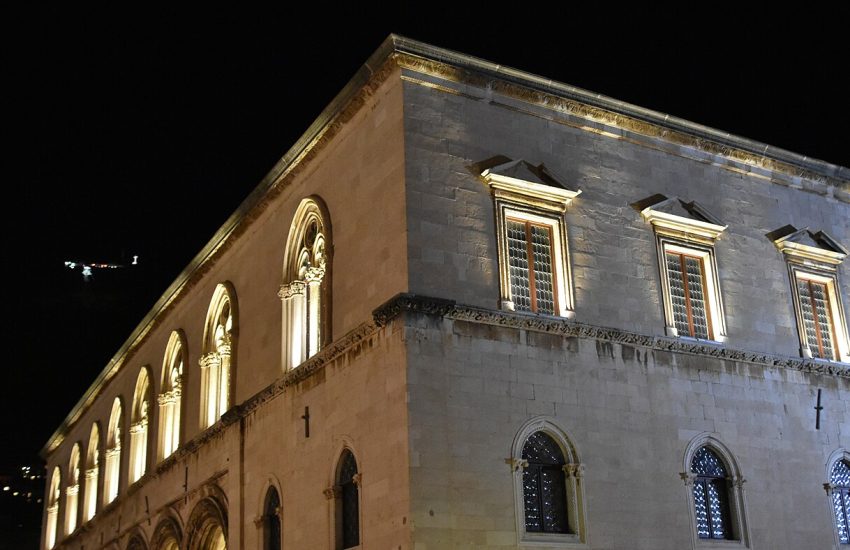
Cetinje sits in a karst basin high above the Adriatic, a small town of low houses and wide streets ringed by bare grey mountains, and for two hundred years it was the capital of Montenegro, the only Balkan state never fully conquered by the Ottomans. On its main street, behind a garden wall and a line of trees, stands a plain two-storey house of pale stone with a red roof and a modest portico. It is the palace of King Nikola I Petrović-Njegoš, prince of Montenegro from 1860 and king from 1910 until the state was swallowed by Yugoslavia in 1918, and it is one of the smallest royal residences in Europe.
From this house Nikola, a poet, soldier and shrewd dynast, ran a mountain principality of a few hundred thousand people and made it a player in European diplomacy by marrying his daughters into the great houses: Elena became Queen of Italy, Milica and Anastasia married Russian grand dukes and brought Rasputin to the tsar’s court, Zorka married the future King Peter of Serbia. Cetinje in 1900 had a dozen foreign legations in a town of three thousand people, and the palace was where the ministers of Austria, Russia, Italy and France came to drink coffee with the father-in-law of Europe. Today it is the King Nikola Museum, kept as it was when the family left in January 1916.
Walk the main street with me from the monastery to the palace, through the rooms and out to the legations, with the prince, his daughters and the end of the kingdom in order. The contents are below.
In This Article
- A Capital in a Karst Basin
- The Prince-Bishops and Njegoš
- Prince Danilo and the First Secular Court
- 1860: Nikola Comes to the Throne
- 1863 to 1867: A Palace for a Mountain Prince
- 1878: Independence at Berlin
- The Father-in-Law of Europe
- A Town of Legations
- The Rooms: Throne Hall, Billiards and the Library
- 1910: Montenegro Becomes a Kingdom
- War, Exile and the Union With Serbia
- The King Nikola Museum
- Cetinje Today: A Capital Without a State
- Cetinje on Video
- Visiting King Nikola’s Palace Today
- Palaces Nearby
A Capital in a Karst Basin
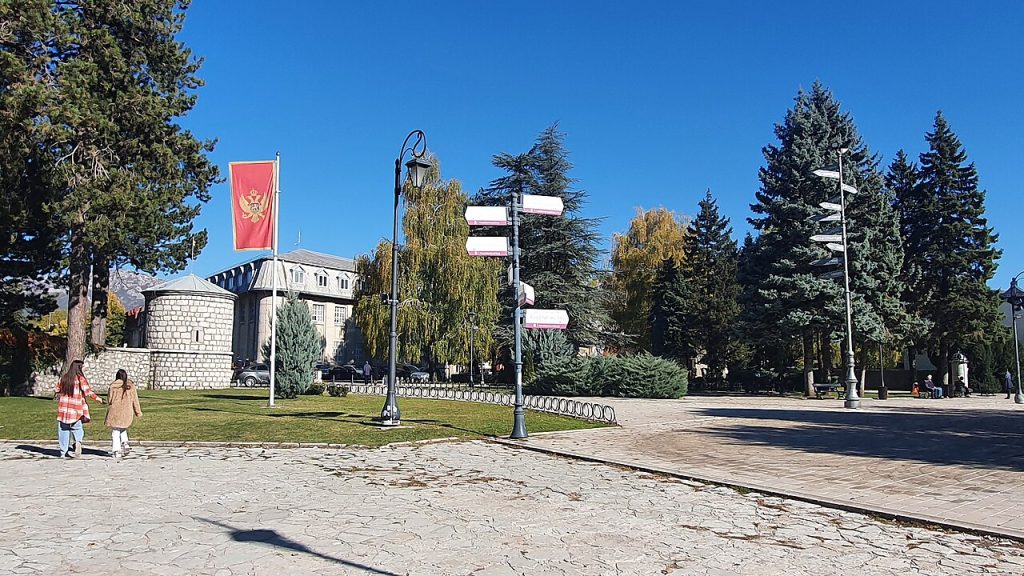
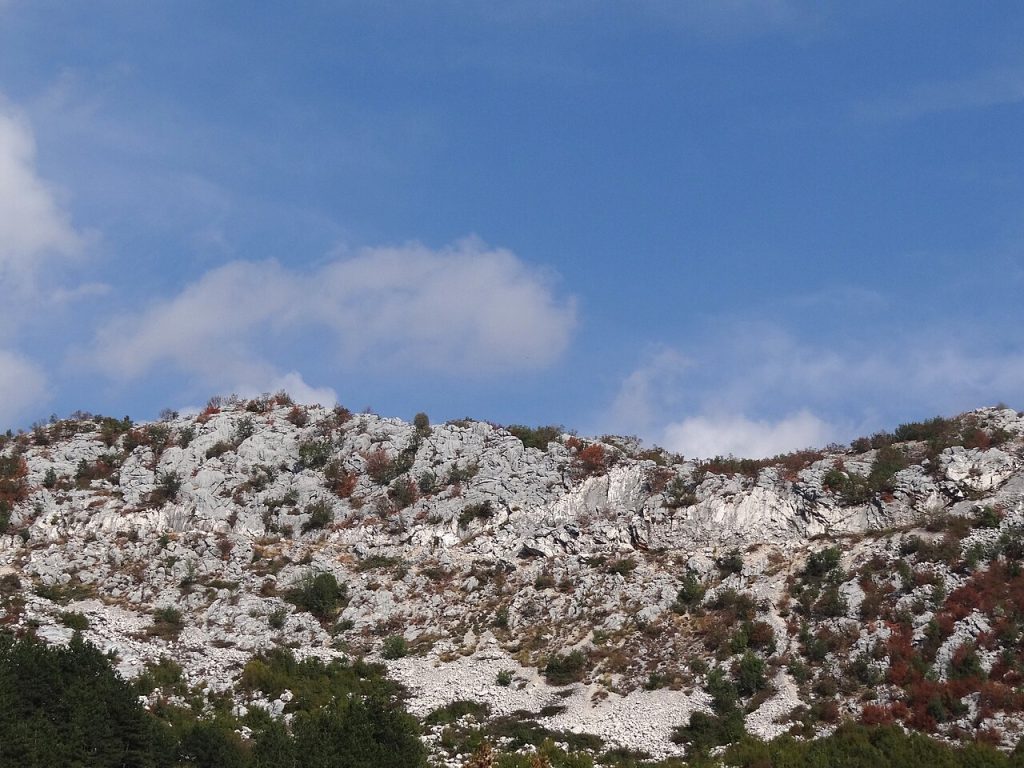
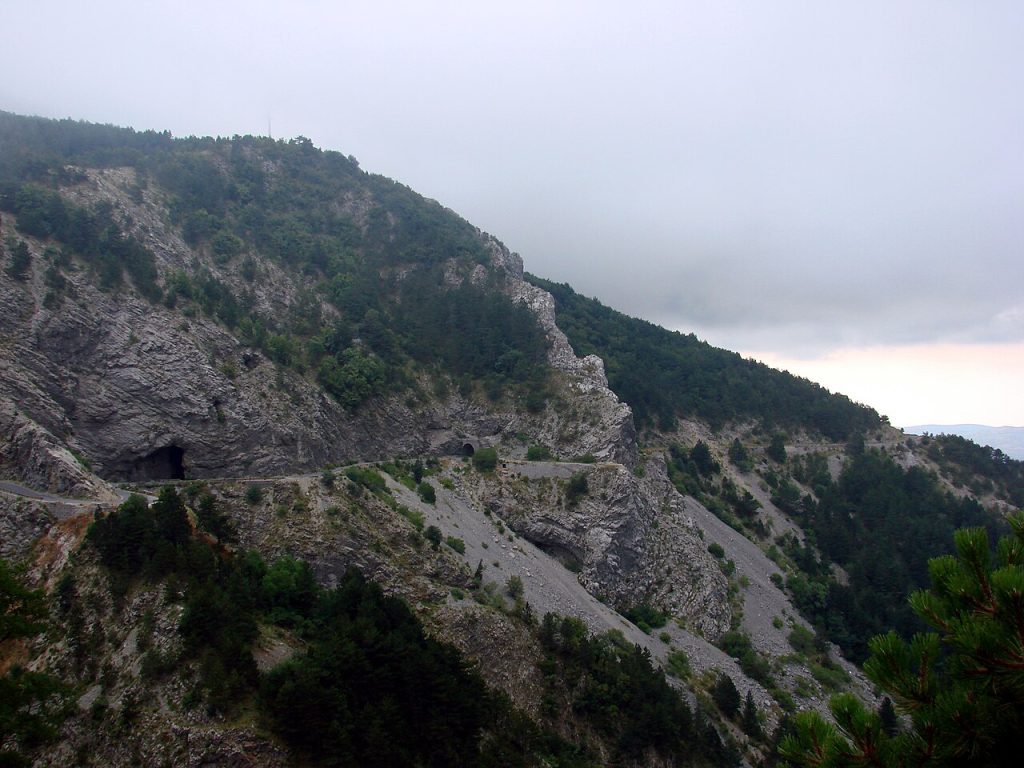
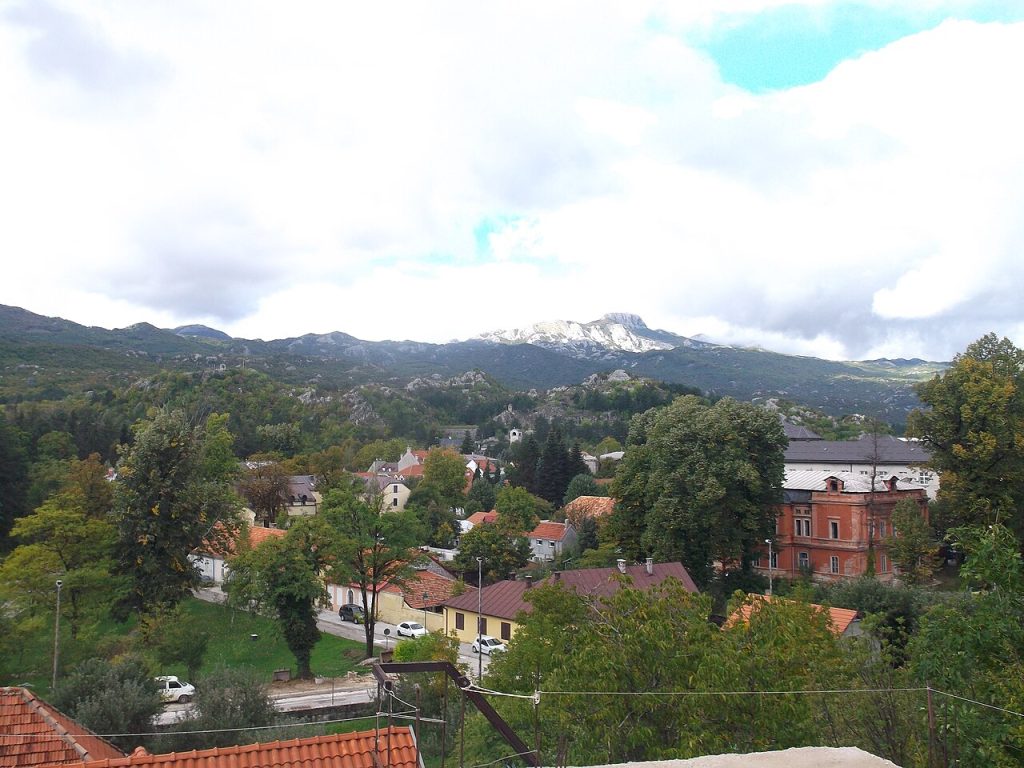
Cetinje lies at 670 metres in a flat-bottomed basin of the karst, a dozen kilometres inland from the Bay of Kotor and below the summit of Mount Lovćen, the mountain that gave Montenegro, Crna Gora, the Black Mountain, its name. The old road from Kotor climbs the mountain wall in twenty-five hairpins and drops into the basin, and the town sits at its edge, a grid of streets laid out in the nineteenth century around the monastery, the palace and the legations. It is a small place of about fifteen thousand people, and it has the look of a capital that stopped growing in 1918.
Now, stop here on the main street, Njegoševa, and look toward the mountains. The palace is on your left behind its garden, the monastery is at the end of the street under the cliff, and the legations, the Russian, the French, the Italian, the British, stand along the streets around, each a little grander than the house of the prince they were accredited to.
The Prince-Bishops and Njegoš
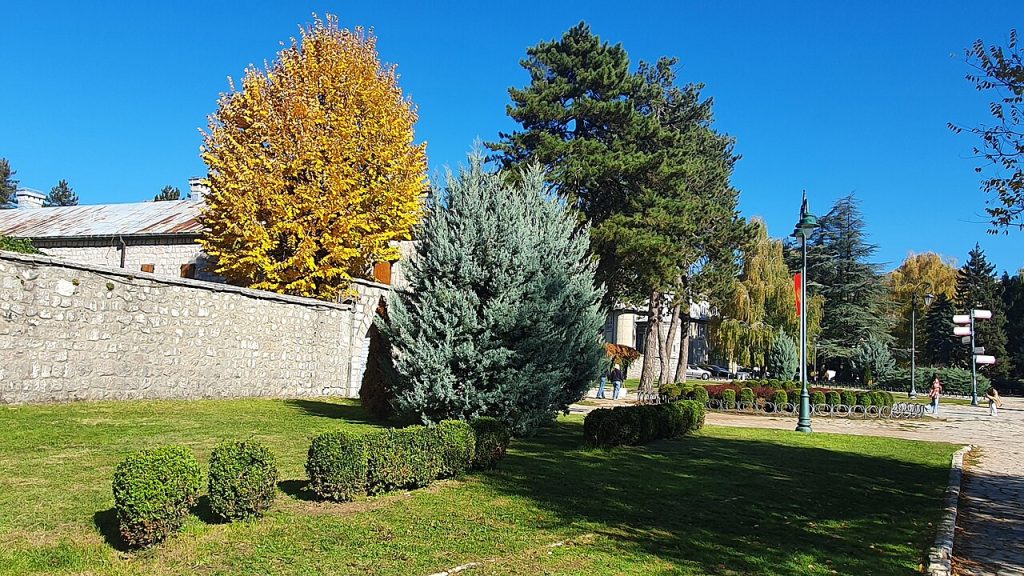
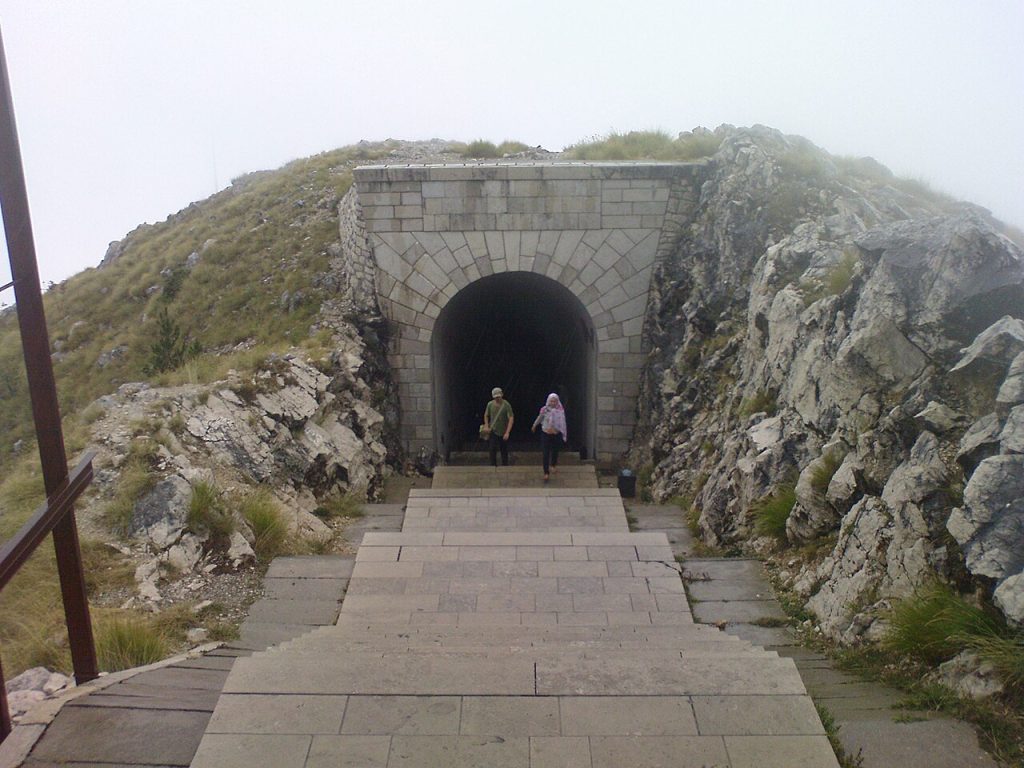
Montenegro was ruled for two centuries by its bishops. After the Ottoman conquest of the Balkans the clans of the Black Mountain held out in their limestone fastness, and from 1696 the metropolitans of Cetinje, the vladike, were both their spiritual and their political heads, chosen from the Petrović-Njegoš family and passing the office from uncle to nephew because bishops could not marry. The greatest of them, Petar II Petrović-Njegoš, ruled from 1830 to 1851, wrote The Mountain Wreath, the national epic, built the first secular residence, the Biljarda, named after the billiard table he had carried up the mountain from Kotor, and died of tuberculosis at thirty-seven. His mausoleum is on the summit of Lovćen above the town.
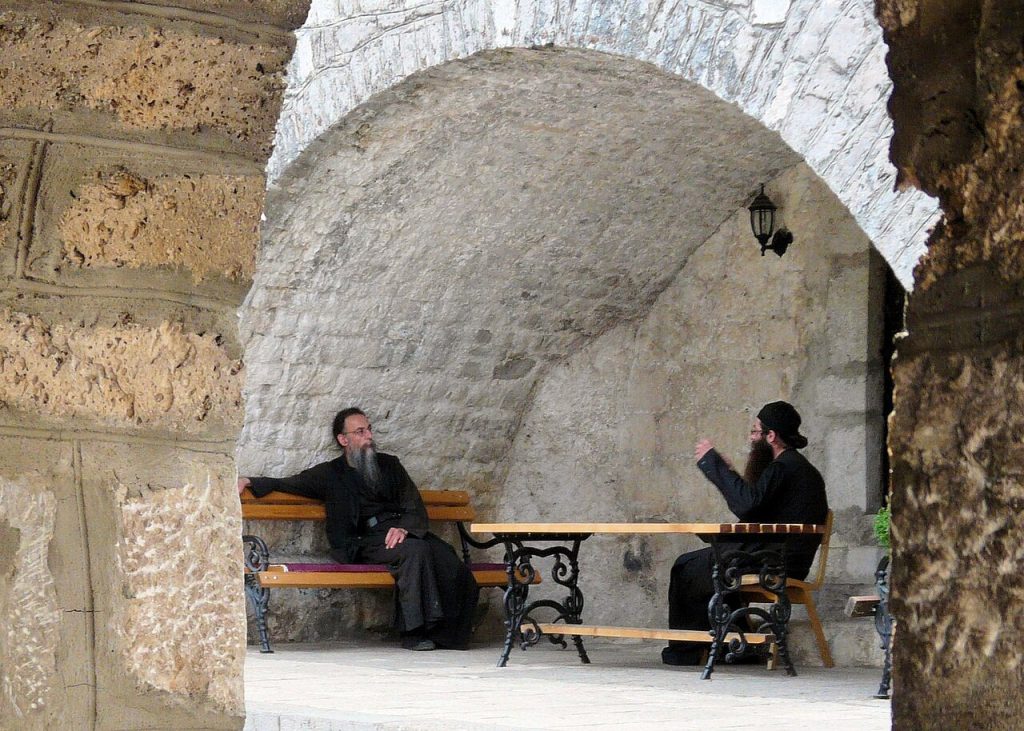
The monastery, rebuilt after Ottoman destruction in the eighteenth century, still stands at the end of the street with its relics, the hand of John the Baptist and a fragment of the True Cross, and the Biljarda beside it is now the Njegoš Museum.
Prince Danilo and the First Secular Court
Njegoš’s nephew Danilo, who succeeded him in 1851, refused ordination, went to St Petersburg and came back in 1852 as Prince of Montenegro, a secular ruler recognised by Russia, and he gave the principality its first law code, its first regular army and its first taxes. He was autocratic and unpopular with the clans, and in August 1860, on the quay at Kotor, he was shot dead by a Montenegrin with a grievance. He had no son, and the succession passed to his nephew Nikola, a nineteen-year-old educated in Trieste and Paris who was at that moment in France.
Danilo had ruled from the Biljarda; his nephew would need something more. Now, stop here in front of the Biljarda’s long low facade and consider that this was the whole seat of government when Nikola arrived.
1860: Nikola Comes to the Throne
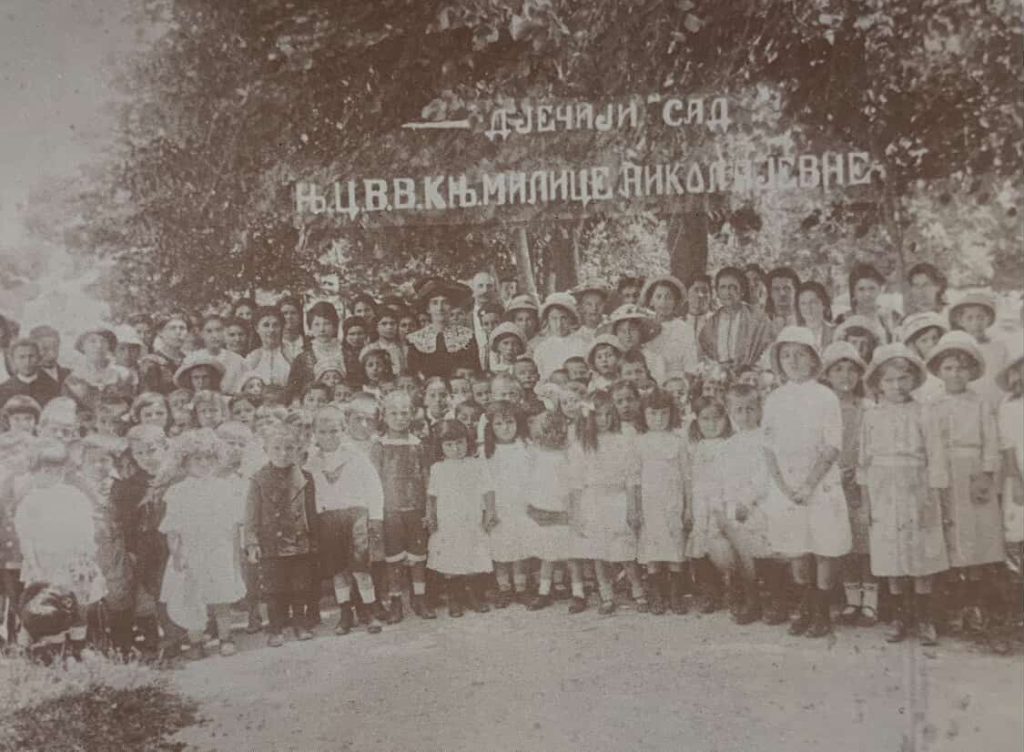
Nikola Petrović-Njegoš came home from Paris in August 1860 to a mountain principality at war with the Turks, and he ruled it for fifty-eight years, longer than any other European monarch of his time except Franz Joseph. He was tall, handsome and theatrical, wore the national costume of red waistcoat, white coat and round cap all his life, wrote poetry and plays that were performed in his own theatre, led his clansmen in battle in 1862 and 1876 and negotiated with the great powers with a peasant’s cunning and a Parisian’s manners. The Montenegrins called him Gospodar, the Lord, and foreigners called him the only real king in Europe, meaning that he still led his people in person.
In 1860 he married Milena Vukotić, the daughter of a clan chief, who gave him twelve children, and the need for a house for a growing family and a growing state produced the palace.
1863 to 1867: A Palace for a Mountain Prince
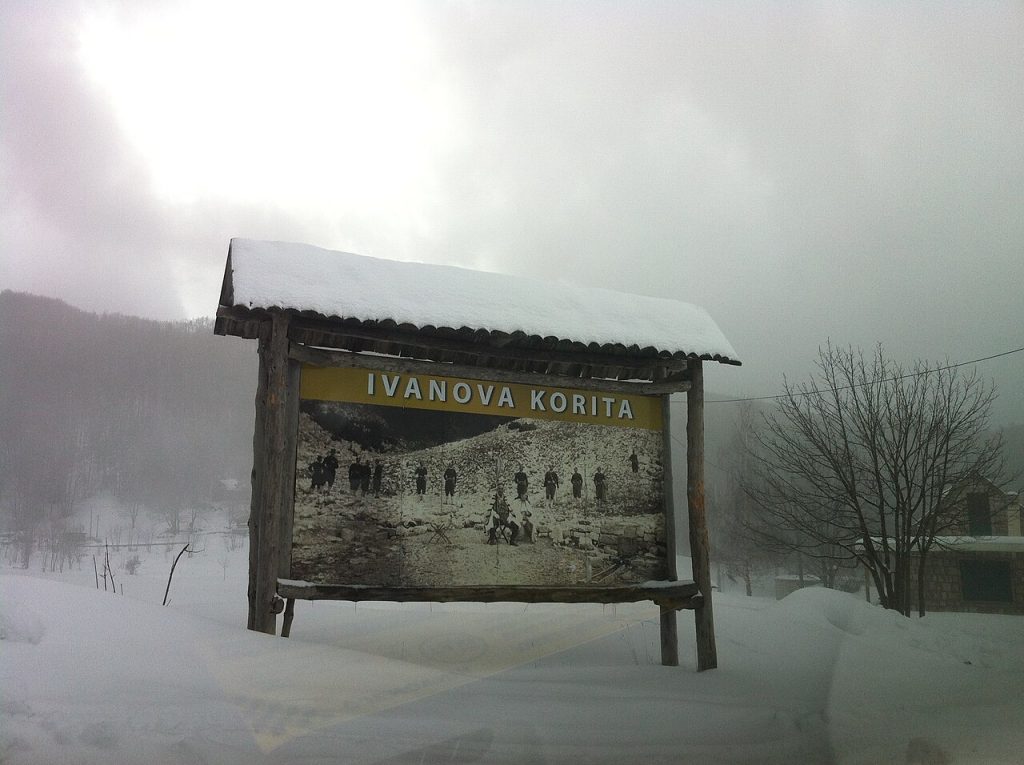
The palace was built between 1863 and 1867 on the main street opposite the Biljarda, a plain two-storey house with a hipped roof and a central entrance, more an Italian provincial villa than a royal residence, designed by local builders with Dalmatian masons and paid for partly by Russian subsidies. Wings were added in the 1870s and 1890s, a throne room, a chapel and a garden with a fountain were made, and by 1900 the house had about forty rooms, which was still less than many of the legations around it. The style is Montenegrin plain: whitewashed walls, a pale stone portico, a tiled roof.
The modesty was partly poverty and partly policy. Nikola’s subjects were poor mountaineers who paid little tax and expected their lord to live like one of them, and the palace, with its small rooms and simple furniture, was a political statement. Now, stop here at the gate and compare it with the Russian legation two streets away; the tsar’s minister lived better than the prince.
1878: Independence at Berlin
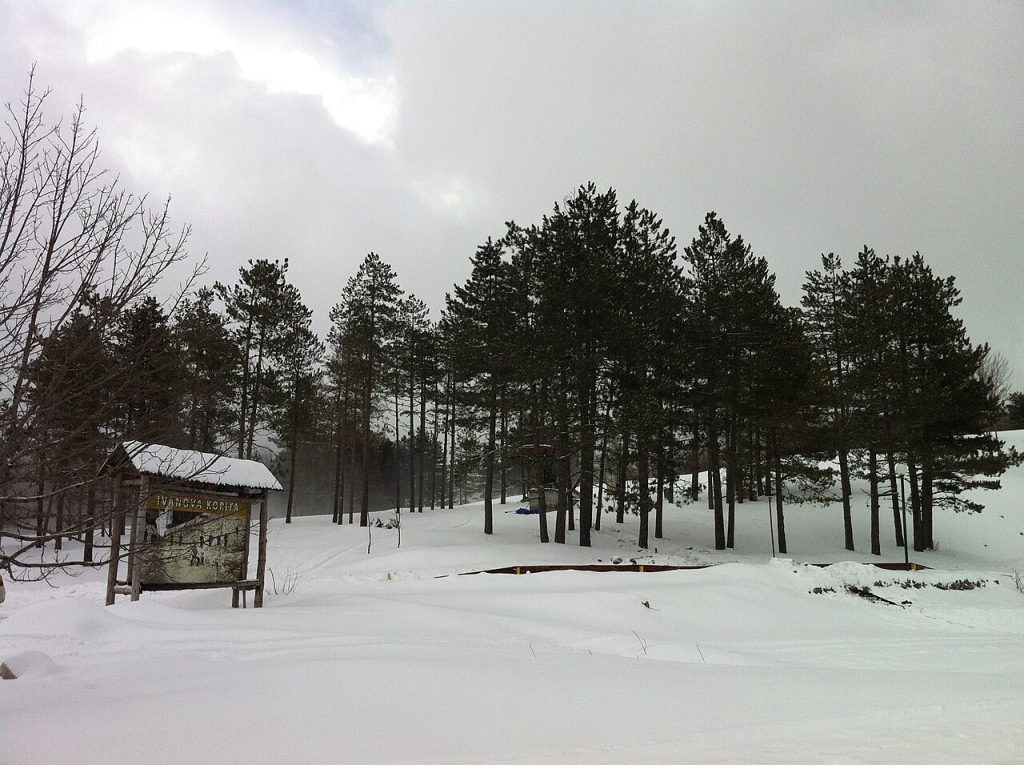
In 1876 Montenegro joined Serbia in war against the Ottomans, and Nikola’s clansmen won victories at Vučji Do and Fundina that made the little state famous across Europe; Tennyson wrote a sonnet to Montenegro and Gladstone praised its heroes. When Russia entered the war and the Treaty of San Stefano and the Congress of Berlin of 1878 redrew the Balkans, Montenegro was recognised as an independent state, doubled in size and given a coastline with the ports of Bar and Ulcinj. Cetinje became the capital of a sovereign principality, and the great powers sent ministers to it.
The war also gave Nikola the prestige he needed to centralise the state against the clans, and in the following decades he built roads, a railway to Bar, schools, a printing press and, in Cetinje, a theatre, a hospital and a bank. The palace was the centre of all of it.
The Father-in-Law of Europe
Nikola’s greatest diplomatic weapon was his family. He sent his daughters to be educated at the Smolny Institute in St Petersburg, the finishing school of the Russian aristocracy, and married them with care: Zorka to Peter Karađorđević, the exiled Serbian pretender who became King of Serbia in 1903; Milica and Anastasia to the Russian grand dukes Peter and Nicholas Nikolaevich, where they became the mystical Montenegrin princesses who introduced Rasputin to the Empress Alexandra; Elena, in 1896, to Victor Emmanuel, the heir to the throne of Italy, who became king in 1900 and made her the most beloved queen Italy ever had; Anna to Prince Franz Joseph of Battenberg. His sons married into Bavarian and Russian houses.
The marriages brought subsidies, alliances and a seat at the table far beyond Montenegro’s size, and they made Nikola, as the newspapers said, the father-in-law of Europe. Now, stop here before the family portraits in the salon: this is the dynastic map of the continent in 1900, drawn from a house with forty rooms.
A Town of Legations
After 1878 the great powers built legations in Cetinje, and they are the town’s architectural glory. The Russian legation is a large Neo-Baroque palace, the French an Art Nouveau confection in blue and yellow tile that is now the national library, the Italian a Renaissance villa, the British a comfortable house, the Austrian a solid block that is now the Faculty of Fine Arts. Each had its minister, its secretaries and its receptions, and in a town of three thousand people the diplomatic corps was a small society of its own, bored, gossipy and watching Nikola’s every move for Vienna, St Petersburg and Rome.
The legations are now museums, libraries and faculties, and the walk between them is the best way to understand what Cetinje was: a capital in miniature, where everything that a great capital had existed in a single copy.
The Rooms: Throne Hall, Billiards and the Library
The palace interiors are small and intact. The ground floor has the entrance hall with the royal guard’s weapons, the dining room, the billiard room, Nikola’s study with his desk and his manuscripts and the library with the family’s books in several languages. The first floor has the throne room, a modest hall with two thrones under a canopy and the portraits of the dynasty, the salon where the diplomatic corps was received, the queen’s rooms and the bedrooms of the children. The furniture is a mix of Vienna, Trieste and Russia, the walls carry portraits by Montenegrin and Italian painters and the cases hold the orders and decorations Nikola collected from every court in Europe.
Look for the weapons collection, the finest in the Balkans, with the swords and rifles of the clan chiefs and the trophies of the Turkish wars; for the flags captured in battle; and for the small private chapel. Now, stop here in the study and read the titles on the desk: Nikola was writing poetry here in 1915 while the Austrians were crossing his border.
1910: Montenegro Becomes a Kingdom
On 28 August 1910, the fiftieth anniversary of his accession, Nikola proclaimed Montenegro a kingdom and himself its king, in a ceremony in Cetinje attended by the King of Italy, the Bulgarian tsar, Russian and Serbian princes and delegations from every court in Europe. The town was decorated, a new parliament building was opened and the palace, which had not grown, received a kingdom’s worth of guests. The elevation was partly vanity and partly politics: Serbia’s King Peter, Nikola’s own son-in-law, was a rival for the leadership of the Serbs, and a crown put the old man on equal terms.
The kingdom lasted eight years. In 1912 and 1913 Montenegro fought the Balkan Wars and took Shkodër after a long siege, only to be forced to give it up by the powers; in 1914 it went to war beside Serbia against Austria-Hungary.
War, Exile and the Union With Serbia
In January 1916, after the Serbian army’s retreat through Albania, the Austrians took Mount Lovćen and entered Cetinje, and Nikola, now seventy-four, left the palace for Italy and then France, where he lived in exile at Antibes and Neuilly. In November 1918, with the war won, an assembly at Podgorica convened under Serbian auspices deposed him and declared Montenegro united with Serbia in the new Kingdom of Serbs, Croats and Slovenes; the Montenegrin monarchy was abolished without the king’s consent, his supporters rose in the Christmas Uprising of 1919 and were suppressed, and Nikola died in France in March 1921, still protesting. He was buried at San Remo, and his remains were returned to Cetinje only in 1989.
The palace was taken by the Yugoslav state, the legations closed one by one as the diplomats left for Belgrade, and Cetinje, which had been a capital for two centuries, became a provincial town overnight.
The King Nikola Museum
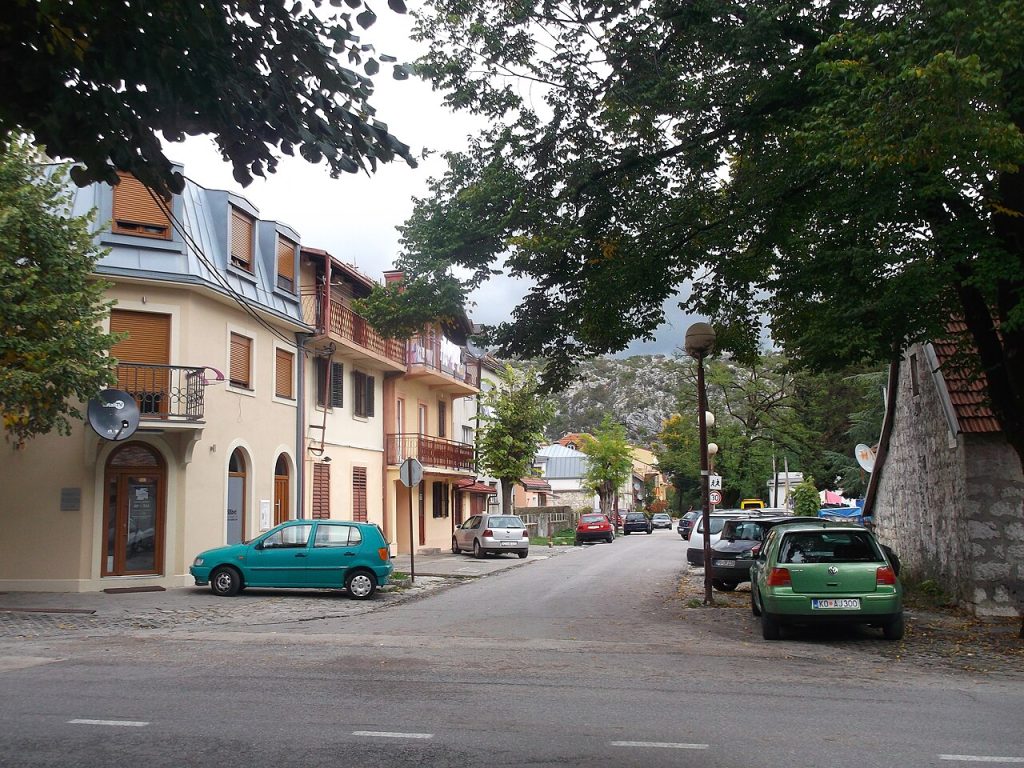
The palace was opened as a state museum in 1926, with the rooms kept as the family had left them, and it has been a museum ever since, surviving the Second World War, when the Italians and then the Germans occupied Cetinje, and the Yugoslav decades, when the royal past was tolerated as folklore. After Montenegro’s independence in 2006 the museum, part of the National Museum of Montenegro, was restored, the collections reorganised and the royal family’s remaining possessions, returned from Italy and France, added to the display. The weapons, flags, orders, costumes and portraits are the best collection of Montenegrin history anywhere.
The museum’s visitors are mostly Montenegrins and Serbs tracing their own history, with a growing number of cruise passengers bused up from Kotor, and the small rooms fill quickly in summer. Early morning is the time to see them.
Cetinje Today: A Capital Without a State
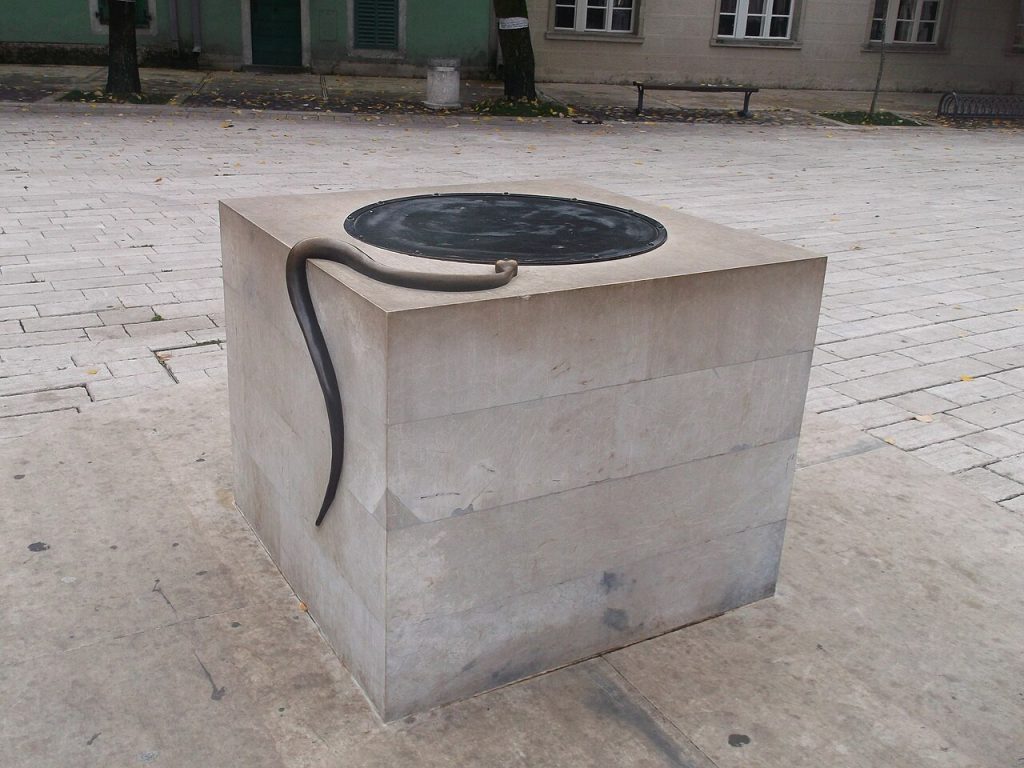
Montenegro’s constitution names Cetinje the Old Royal Capital and the seat of the president, and the town keeps the national museums, the national library in the French legation, the art academy in the Austrian and the Blue Palace, built for Nikola’s heir Danilo, as the president’s residence. The streets are quiet, the cafés full, and the whole ensemble of palace, Biljarda, monastery, legations and the government house of 1910 is one of the best-preserved nineteenth-century capitals in Europe, because nothing was built over it after 1918.
Now, stop here in the palace garden and look at the house. A kingdom was run from this building by a man who dressed like his shepherds and married his daughters to emperors’ cousins, and it ended because a bigger neighbour decided it should. The house is the right size for the story.
Cetinje on Video
Visiting King Nikola’s Palace Today
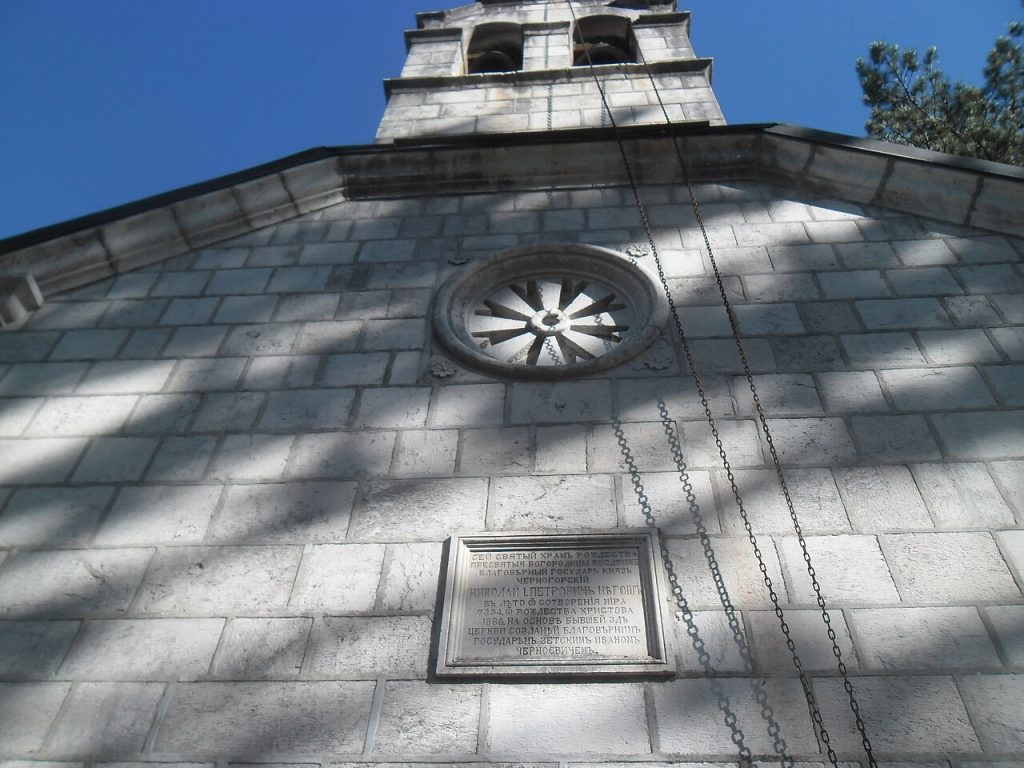
The King Nikola Museum is open daily in summer and Tuesday to Sunday in winter, with a ticket that can be combined with the other Cetinje museums, the Njegoš Museum in the Biljarda, the History Museum and Art Museum in the government house, and the Ethnographic Museum; guided tours in English are available. Allow an hour for the palace and half a day for the town, and add the monastery, the Blue Palace and a walk past the legations. The drive to Njegoš’s mausoleum on Lovćen takes forty minutes and the view from the summit reaches to Albania and Italy.
Cetinje is thirty minutes from Podgorika and forty-five from Kotor and Budva by road, with regular buses; the old Kotor road with its hairpins is the scenic approach. Tirana is four hours to the south-east by road, Corfu and the Achilleion a day’s journey by road and ferry. Here is the exact spot: King Nikola’s Palace on Google Maps.
Palaces Nearby
You May Like
The Royal Palace of Tirana and the Short Reign of King Zog