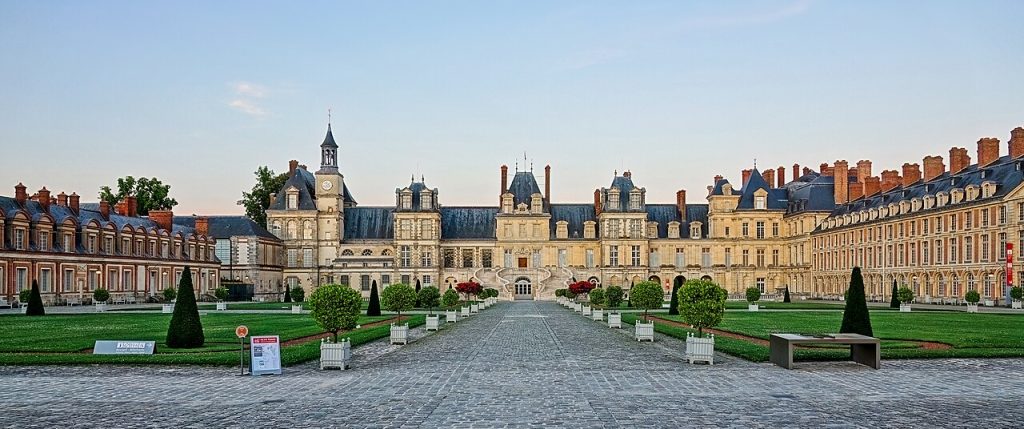
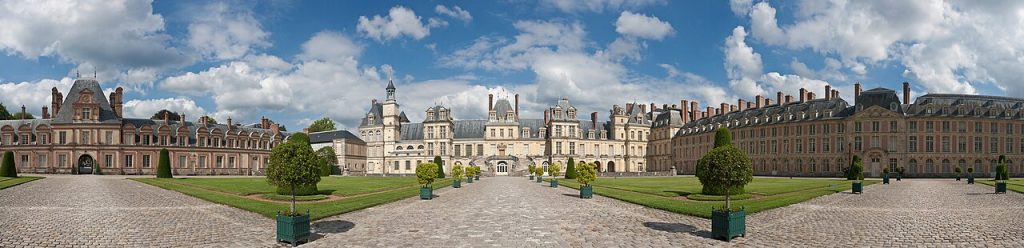
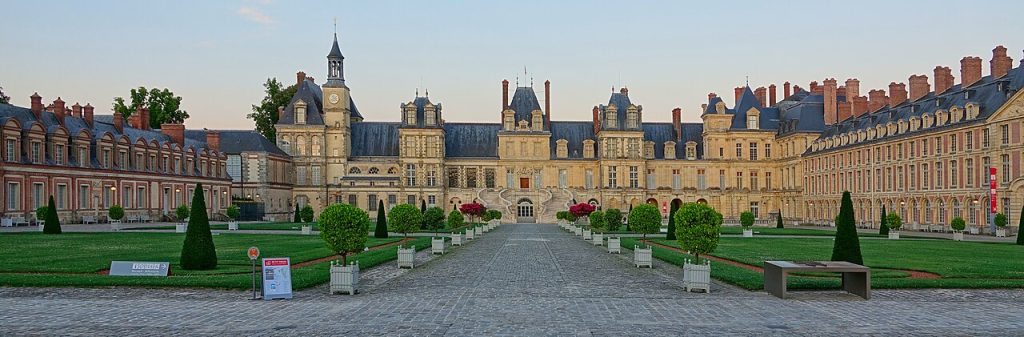
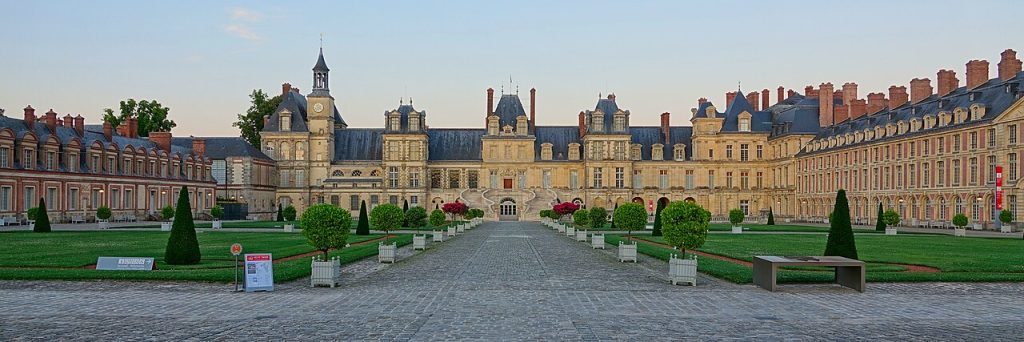
Sixty kilometres south of Paris, in a forest of oaks, pines and sandstone boulders that was the kings’ hunting ground for eight centuries, stands a palace that is less famous than Versailles and far more loved by those who know both: a sprawl of wings, courtyards, gardens and galleries in every style from the Gothic to the Second Empire, built by thirty-four kings and emperors from Louis VII to Napoleon III, each adding to what the last had left. It is the Château de Fontainebleau, the house of the French monarchy, as Napoleon called it, the true residence of kings, and the place where more French history happened than in any other building.
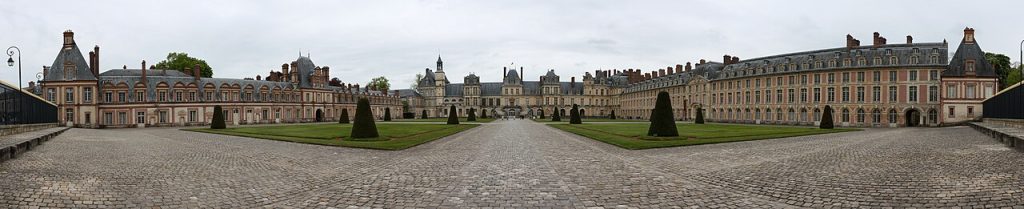
Francis I made it the first Renaissance palace in France and brought Rosso Fiorentino, Primaticcio and Leonardo’s Mona Lisa here; Henri IV doubled it; Louis XIII was born here and Louis XIV revoked the Edict of Nantes here; Christina of Sweden had her lover murdered in its galleries; Napoleon imprisoned a pope here, signed his abdication here and said farewell to his Guard on the horseshoe staircase in the Cour du Cheval Blanc; and Napoleon III and Eugénie gave it the last of its fifteen hundred rooms. It is the first of the five French houses in this series, with Compiègne, Vaux-le-Vicomte, Malmaison and Versailles to follow.
Walk with me from the forest into the Cour du Cheval Blanc, up the horseshoe stair and through the Francis I gallery, the ballroom and the apartments of the kings and the emperor, with eight centuries of sovereigns in order. The contents are below.
In This Article
- The Forest and the Spring
- Louis VII to Philip the Fair: The Mediaeval Castle
- Francis I Brings Italy to France
- The Gallery of Francis I and the School of Fontainebleau
- Henri II’s Ballroom and Catherine’s Court
- Henri IV Doubles the Palace
- Louis XIII, Louis XIV and the Edict of Fontainebleau
- Queen Christina and the Murder in the Gallery
- Louis XV, Louis XVI and the Last Royal Autumns
- Napoleon, the Pope and the Abdication
- The Farewell on the Horseshoe Staircase
- Napoleon III, Eugénie and the Chinese Museum
- Fifteen Hundred Rooms and the Quiet Palace
- Fontainebleau on Video
- Visiting Fontainebleau Today
- Palaces Nearby
The Forest and the Spring
The forest of Fontainebleau covers twenty-five thousand hectares south of Paris, a plateau of sand and sandstone boulders, gorges and heaths under oak, beech and pine, the largest forest near the capital and the richest hunting ground in France, where the kings hunted stag and boar from the twelfth century to the nineteenth and where the painters of Barbizon in the 1830s and the climbers of today found their landscapes. The palace stands at the forest’s heart beside a spring, the fontaine belle eau or the fontaine of Bliaud, that gave it its name, and the town that grew around it was the court’s lodging. The forest was the reason for the palace, and the hunt its purpose, and every king who enlarged the house came for the stags.
Now, stop here on the road from the station through the forest and look at the oaks. Some of them were planted for Francis I, and the Napoleonic rides still run straight through them to the palace gates.
Louis VII to Philip the Fair: The Mediaeval Castle
A royal castle stood at Fontainebleau by 1137, when Louis VII signed a charter here, and the Capetian kings used it for the hunt for four centuries: Philip Augustus kept Christmas here, Louis IX, St Louis, founded a Trinitarian convent beside it and loved the forest, Philip the Fair was born here in 1268 and died here in 1314 after a hunting accident, and the kings of the fourteenth and fifteenth centuries came and went. The mediaeval castle was an oval of walls and towers around a courtyard, of which the keep, a square tower in the Cour Ovale, is the only survivor; the rest was demolished by Francis I, who kept the oval plan and the tower as the core of his new palace.
The Cour Ovale is still the palace’s oldest part, and the keep’s thick walls, under Renaissance dress, are the twelfth century.
Francis I Brings Italy to France
Francis I, king from 1515 to 1547, the Renaissance prince who fought in Italy, lost at Pavia, spent a year a prisoner in Madrid and came home determined to make France the equal of Italy in art, chose Fontainebleau as his favourite residence in 1528 and rebuilt it over twenty years: the Cour Ovale was remodelled, the Cour du Cheval Blanc built, the Gallery of Francis I made to link the old castle to the new convent wing, the royal collections, including Leonardo’s Mona Lisa, the Virgin of the Rocks and the St John, installed, and Italian artists brought to decorate it, Rosso Fiorentino from Florence in 1530, Francesco Primaticcio from Mantua in 1532, Benvenuto Cellini, Niccolò dell’Abbate and Serlio. The king called it his home and spent more time here than anywhere.
Francis’s Fontainebleau was the first Renaissance palace north of the Alps and the school of French art for a century, and the Mona Lisa hung in his bathroom.
The Gallery of Francis I and the School of Fontainebleau
The Galerie François Ier, sixty metres long, was decorated between 1533 and 1539 by Rosso Fiorentino with twelve frescoes of mythological and allegorical scenes glorifying the king, the Elephant with the fleur-de-lys, the Education of Achilles, the Loss of Perpetual Youth, each framed in high-relief stucco of nudes, garlands, putti and strapwork of an invention that had no precedent, above walnut panelling carved with the king’s salamander and his initial. The combination of fresco and stucco, the elongated Mannerist figures and the erotic elegance created the School of Fontainebleau, the style that spread from here through France and northern Europe and gave the French Renaissance its character, and the gallery is its birthplace and its masterpiece.
Now, stop here in the middle of the gallery and look at the stucco nudes around the Elephant. Rosso came from Florence, killed himself here in 1540, and left France a style it would follow for a century.
Henri II’s Ballroom and Catherine’s Court
Francis’s son Henri II, king from 1547 to 1559, finished the Salle de Bal, the ballroom, begun by his father as a loggia and roofed by Philibert Delorme with a coffered ceiling of walnut and gold, thirty metres long with ten deep window bays painted by Primaticcio and Niccolò dell’Abbate with mythological scenes, a monumental fireplace with bronze satyrs and the king’s crescent and the interlaced initials of Henri and his wife Catherine de’ Medici, or his mistress Diane de Poitiers, over everything. The ballroom was the setting of the Valois court’s fêtes, masques and weddings, and after Henri’s death in a tournament in 1559 Catherine ruled France from Fontainebleau and her other palaces for thirty years as the mother of three kings.
The ballroom is the finest Renaissance interior in France and the room where the Valois court danced itself toward the wars of religion that would end the dynasty.
Henri IV Doubles the Palace
Henri IV, the first Bourbon, who ended the wars of religion and loved Fontainebleau for its hunting, spent more on it than any king since Francis: between 1593 and 1609 he built the Cour des Offices with its monumental gate, the Jeu de Paume, the real tennis court that is still played on, the Galerie de Diane, the Galerie des Cerfs with its painted hunts and stag heads, the baptistery gate, the great canal twelve hundred metres long in the park and the carp pond, and he had the second School of Fontainebleau, Dubois, Dubreuil and Fréminet, paint the new rooms. His son, the future Louis XIII, was born in the palace in September 1601 and baptised in the Cour Ovale in 1606, the only king of France born here.
Henri doubled the palace’s size and gave it the gardens, and the Galerie des Cerfs is where the palace’s most notorious murder would take place half a century later.
Louis XIII, Louis XIV and the Edict of Fontainebleau
Louis XIII, born here, used Fontainebleau for the autumn hunt, and Louis XIV, who built Versailles, kept the habit: every October the court moved to Fontainebleau for six weeks of hunting, and the king, who said that the palace was the true house of kings, redecorated the apartments, built the Grand Parterre with Le Nôtre, received the Doge of Genoa and the ambassadors of Siam here and, on 18 October 1685, signed in the palace the Edict of Fontainebleau, revoking the Edict of Nantes and ending the toleration of French Protestants, which drove two hundred thousand Huguenots into exile and was the greatest blunder of his reign. Louis also married his grandson the Duke of Burgundy here, and the court’s autumn at Fontainebleau became a fixed point of the Bourbon year.
Now, stop here in the king’s bedchamber, where Louis signed the edict, and consider that Versailles was for show and Fontainebleau for decisions.
Queen Christina and the Murder in the Gallery
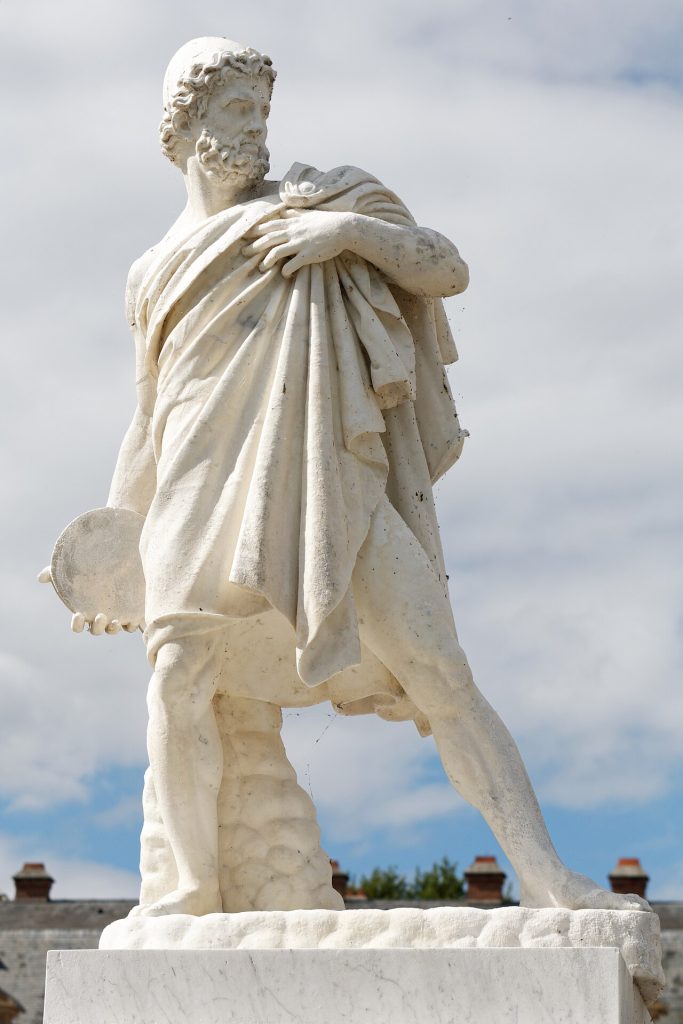
In November 1657 Christina of Sweden, who had abdicated her throne, become a Catholic and wandered Europe as the most eccentric royal of the age, was staying at Fontainebleau as a guest of Louis XIV when she accused her Italian equerry, the Marquis Gian Rinaldo Monaldeschi, of betraying her secrets, confronted him with his letters in the Galerie des Cerfs and had him stabbed to death by her servants in the gallery while a priest she had summoned begged her to spare him; the killing took a quarter of an hour, since Monaldeschi wore mail under his coat. Christina claimed a sovereign’s right to execute her own servant, Mazarin was appalled, Paris was scandalised and the queen was politely asked to leave France.
The gallery, with its painted views of the royal hunting houses and its antlers, is shown on the tour, and the murder is the palace’s most repeated story.
Louis XV, Louis XVI and the Last Royal Autumns
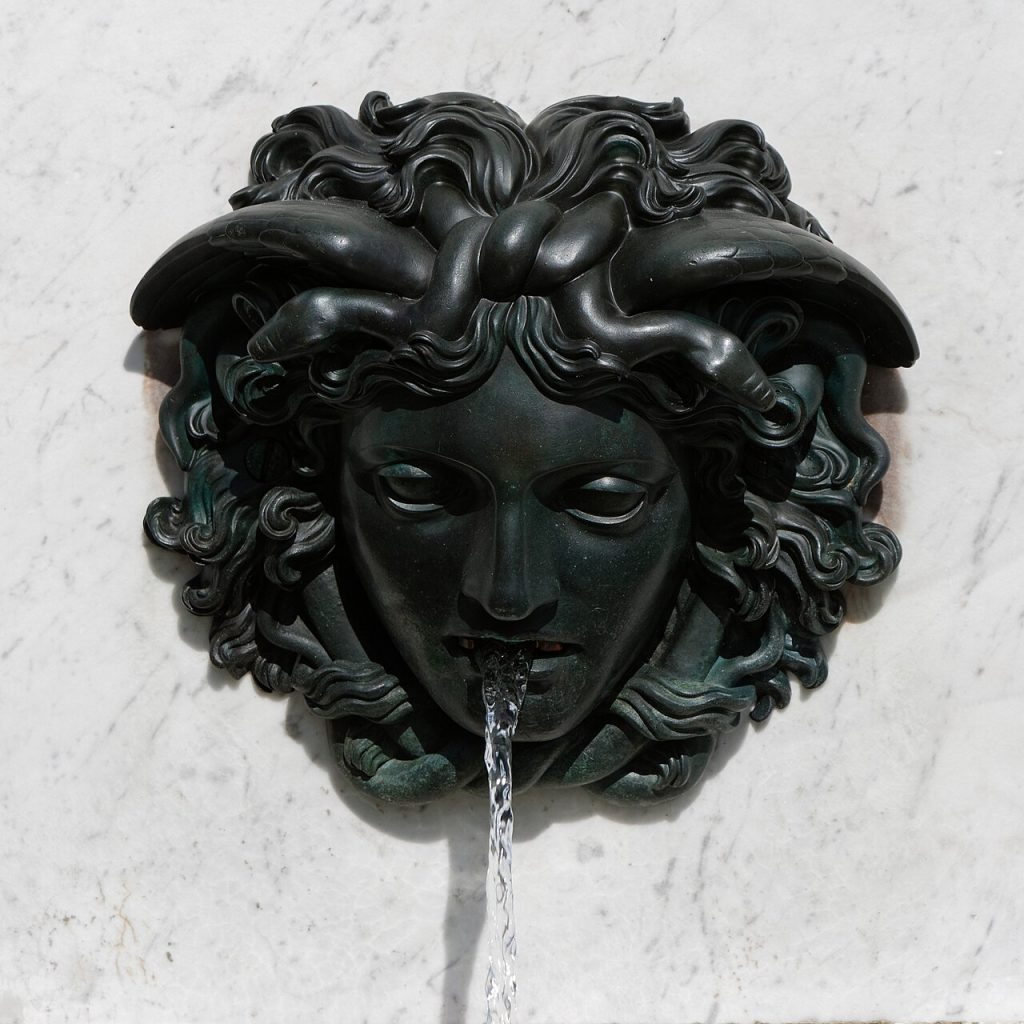
Louis XV married Marie Leszczyńska in the palace chapel in 1725, rebuilt the Gros Pavillon on the carp pond and the Cour de la Fontaine wing and had the apartments redone by Gabriel in the Rococo manner, with the council chamber painted by Boucher and Van Loo; Louis XVI and Marie Antoinette came for the autumn hunts through the 1780s, and the queen had the Turkish boudoir made in 1777, a tiny room of mirrors and painted Ottoman motifs, and the silver boudoir of 1786, the last rooms the monarchy decorated before the Revolution. The court’s last autumn at Fontainebleau was 1786; in 1789 the Revolution emptied the palace, sold its furniture at auction over two years and left it bare.
The Revolution did not destroy Fontainebleau, which was too far from Paris to be worth the trouble, and the empty rooms awaited a new master.
Napoleon, the Pope and the Abdication
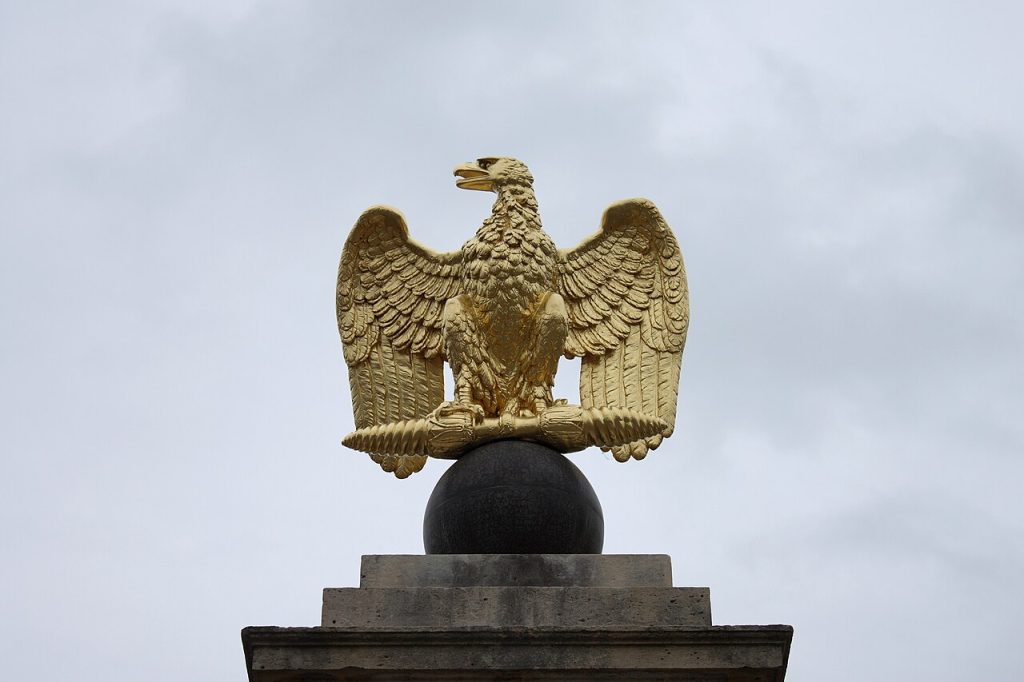
Napoleon refurnished Fontainebleau in 1804 in three weeks to receive Pope Pius VII, who came to crown him emperor, and made it the imperial residence he preferred to Versailles, which he called a palace for the dead: he turned the king’s bedchamber into the throne room, the only surviving throne room in France, installed the Empire furniture that still fills the apartments, made the Cour du Cheval Blanc his parade ground and hunted in the forest. In 1812 he brought the same Pope Pius VII here as a prisoner, after the pope had excommunicated him, and held him for nineteen months in the apartments until Pius signed and then repudiated a concordat; and on 6 April 1814, with the Allies in Paris and his marshals refusing to fight, Napoleon signed his first abdication at the small table in the Red Room that is still there.
Now, stop here in the Red Room before the table. An emperor who had ruled Europe signed his resignation on it, and the room is the size of a sitting room.
The Farewell on the Horseshoe Staircase
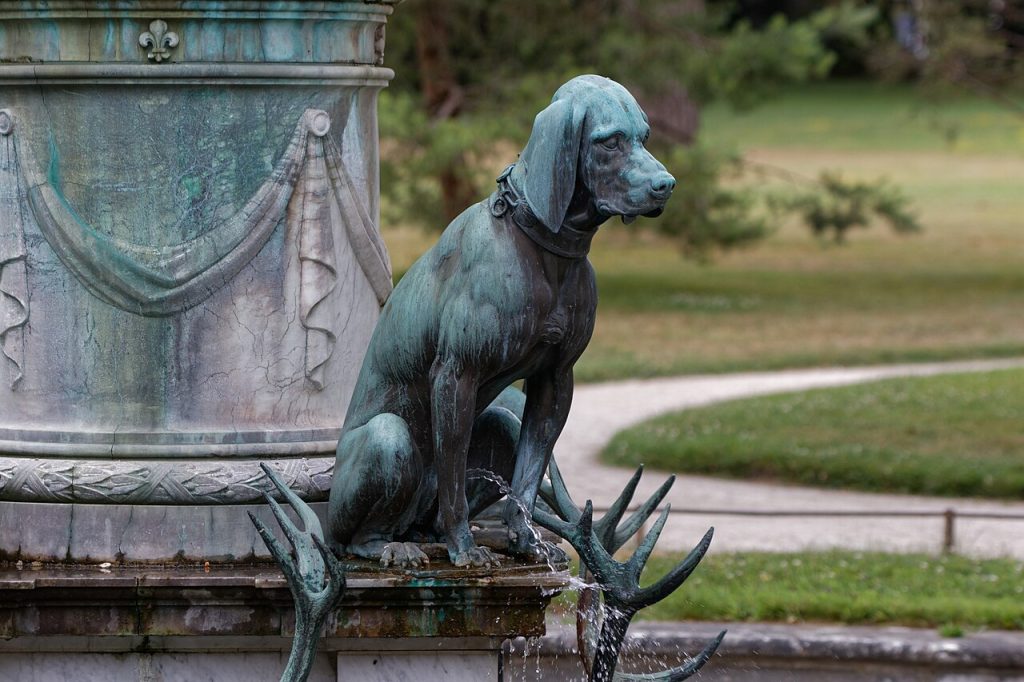
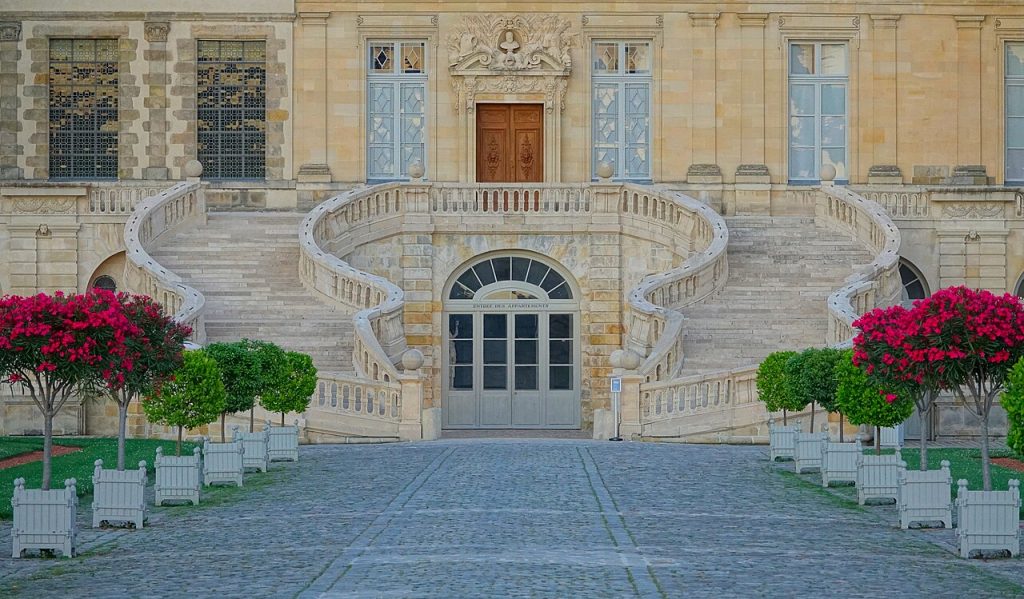
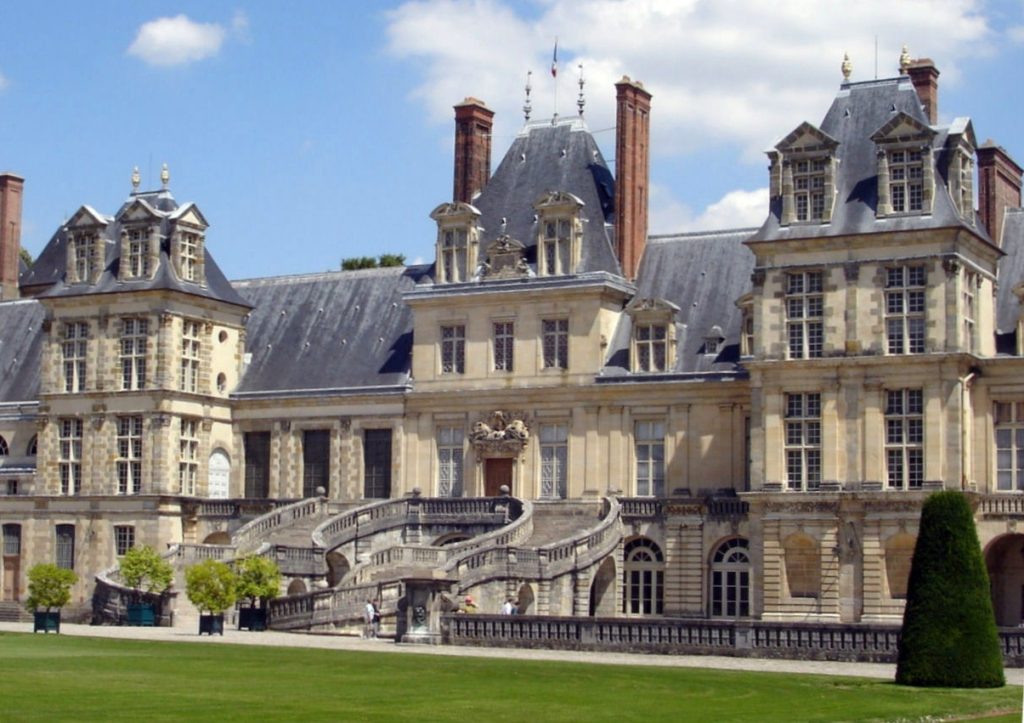
On 20 April 1814, two weeks after the abdication, Napoleon came down the horseshoe staircase of 1634 into the Cour du Cheval Blanc, where the Old Guard was drawn up, and made the speech that every French schoolchild knows: soldiers of my Old Guard, I bid you farewell, for twenty years I have found you always on the road to honour and glory, and so on, embracing General Petit and kissing the eagle of the flag while the grenadiers wept; then he climbed into a carriage for Elba. The courtyard has been called the Cour des Adieux ever since, the staircase, a double curve of stone by Jean Androuet du Cerceau, is the palace’s symbol and the scene was painted by Horace Vernet and a hundred others.
Napoleon came back once, in March 1815, on his way from Elba to Paris and the Hundred Days, and slept in the palace a last time; after Waterloo it passed to the restored Bourbons.
Napoleon III, Eugénie and the Chinese Museum
Louis-Philippe restored the palace in the 1830s and 1840s, somewhat heavily, and Napoleon III and Eugénie made it their autumn residence in the 1850s and 1860s, with the séries de Fontainebleau, weeks when the court invited guests in batches for hunting, theatricals in the theatre that Napoleon III built in 1857 and that has been restored, and expeditions into the forest; in 1863 Eugénie created the Chinese Museum in the Gros Pavillon, four rooms filled with the porcelain, bronzes, lacquer and jade looted by French troops from the Summer Palace at Beijing in 1860 and the gifts of the Siamese embassy of 1861, the most complete surviving example of a Second Empire collector’s interior. The empire fell in 1870 and no sovereign has lived at Fontainebleau since.
The Chinese Museum, with its lacquer and its Siamese crown, was restored after a theft in 2015 and is the palace’s most exotic room.
Fifteen Hundred Rooms and the Quiet Palace
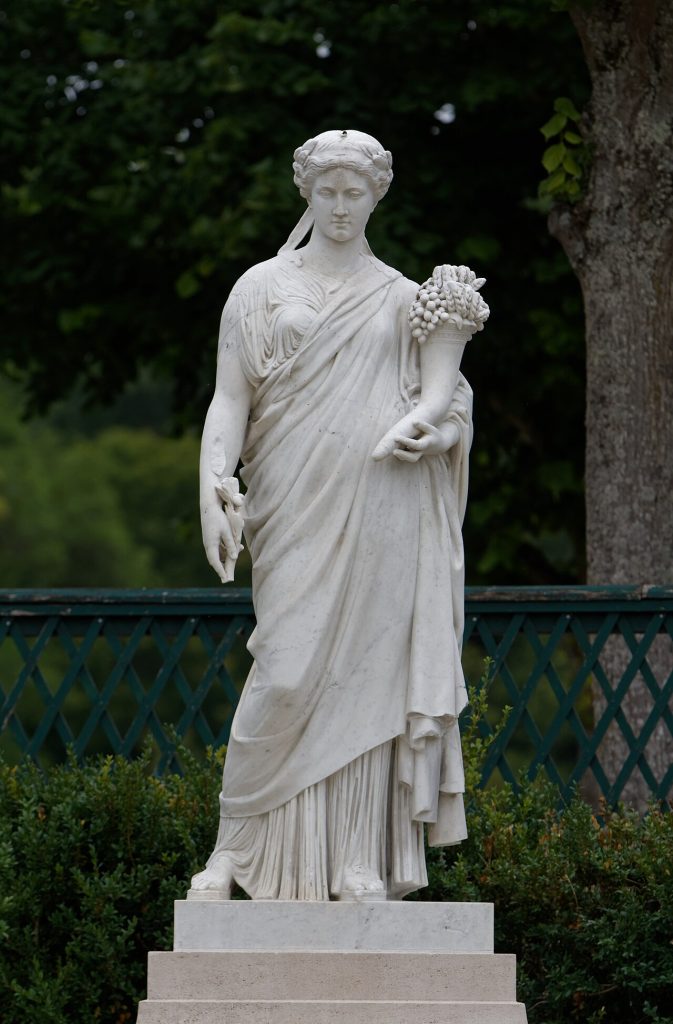
Fontainebleau has about fifteen hundred rooms, four main courtyards, three gardens, the Grand Parterre of Le Nôtre, the English garden of Napoleon and the Garden of Diana with its fountain, a park of a hundred and thirty hectares with Henri IV’s canal, and the forest around it, and it is a national museum of the state, restored continuously since the 1960s with the Napoleon I Museum opened in 1986, the theatre of Napoleon III reopened in 2019 and the Chinese Museum and the Francis I gallery restored in the 2010s and 2020s. It receives about half a million visitors a year, a tenth of Versailles, and its rooms are mostly empty of crowds, which is the first thing every visitor who has been to Versailles notices.
Now, stop here in the Cour du Cheval Blanc at the foot of the horseshoe stair as the afternoon light comes across the courtyard. Thirty-four sovereigns lived in this house and the last one left in 1870; the palace has been waiting for the thirty-fifth ever since, and it does not seem to mind.
Fontainebleau on Video
Visiting Fontainebleau Today
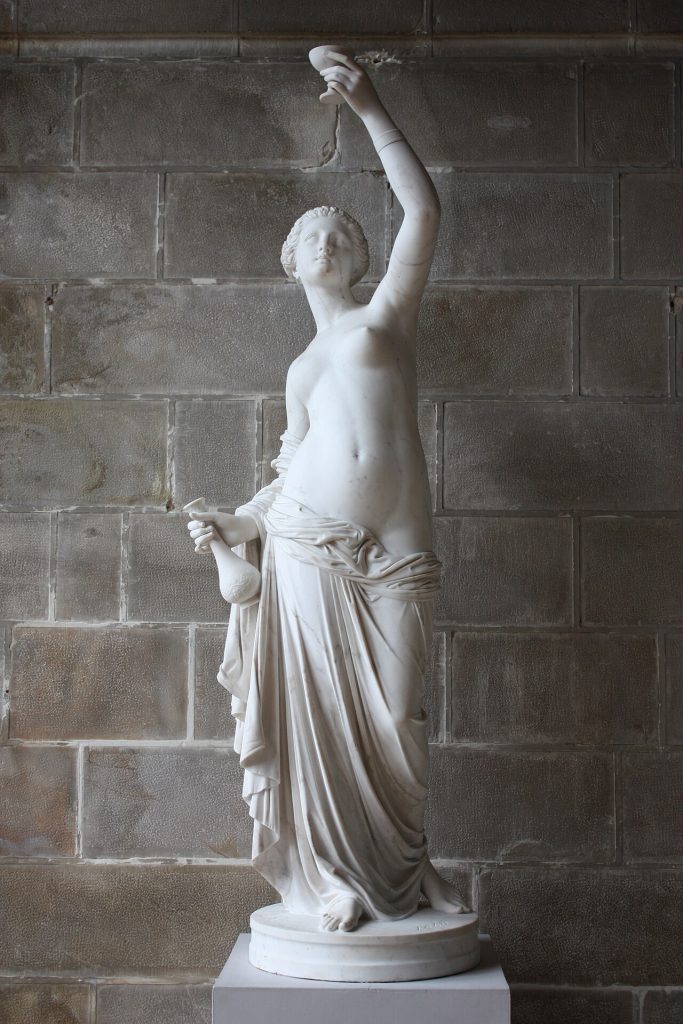
The Château de Fontainebleau is open daily except Tuesday, with a ticket covering the grand apartments, the Francis I gallery, the ballroom, the chapel, the Napoleon I Museum and the apartments of the emperor and the popes, and separate guided tours for the Chinese Museum, the Turkish boudoir, the theatre and the private apartments; audio guides in English are included. The gardens and the park are free. Allow a full day, four hours for the interiors and the rest for the gardens, the carp pond and the forest, and come on a weekday, when the palace is nearly empty; the town has restaurants around the Place Napoléon Bonaparte.
Fontainebleau is forty minutes from Paris Gare de Lyon by train to Fontainebleau-Avon, with a bus to the palace gate, or an hour by car on the A6; Vaux-le-Vicomte is twenty minutes north by car, Compiègne two hours and Versailles ninety minutes. Here is the exact spot: Fontainebleau on Google Maps.
Palaces Nearby
You May Like
The Ducal Palace of Urbino and the Court of Federico da Montefeltro