Now, stop in the first courtyard, just inside the Imperial Gate, and notice what is missing. There is no grand staircase, no long facade, no single building demanding your attention. There are trees, walls, paths and gates, and the palace is somewhere beyond them.
That is the whole idea. Topkapi was not built as a palace in the European sense. It was built as a sequence of courtyards, each one quieter, more restricted and harder to enter than the last, with the sultan at the far end of the sequence.
For roughly four hundred years, from the 1460s to the 1850s, the Ottoman Empire was governed from inside these walls. Understanding how the courtyards work is understanding how the empire worked.
- After the Conquest
- A Palace of Four Courtyards
- The First Court and the City
- The Second Court and the Imperial Council
- The Kitchens That Fed Four Thousand
- The Gate of Felicity
- The Audience Chamber
- The Harem and Its Politics
- The Treasury and the Spoonmaker’s Diamond
- The Sacred Relics
- The Fourth Court and the Tulip Garden
- Why the Sultans Left
- Visiting Topkapi
After the Conquest
Mehmed II took Constantinople in 1453 at the age of twenty-one and immediately faced the problem of what to do with a ruined Byzantine capital. He repopulated it, rebuilt it and needed a seat of government.
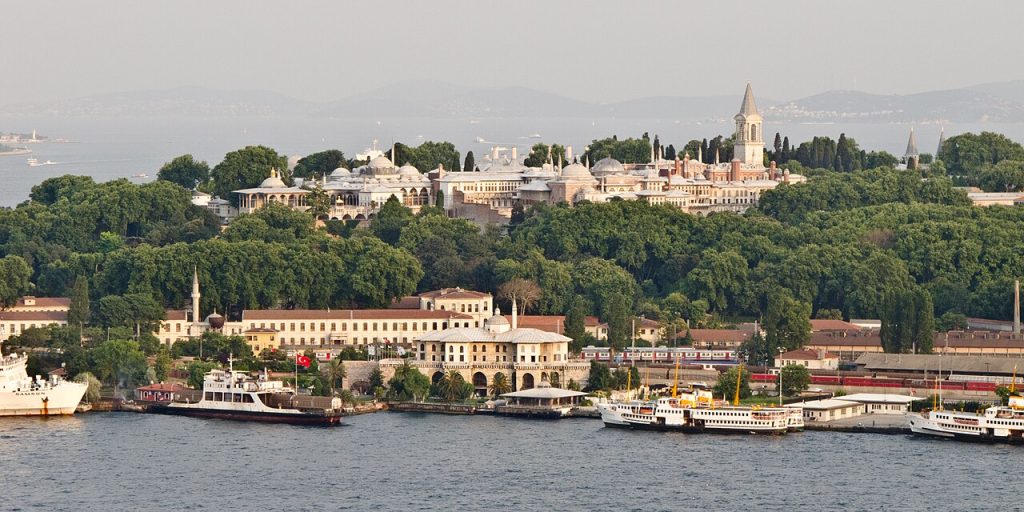
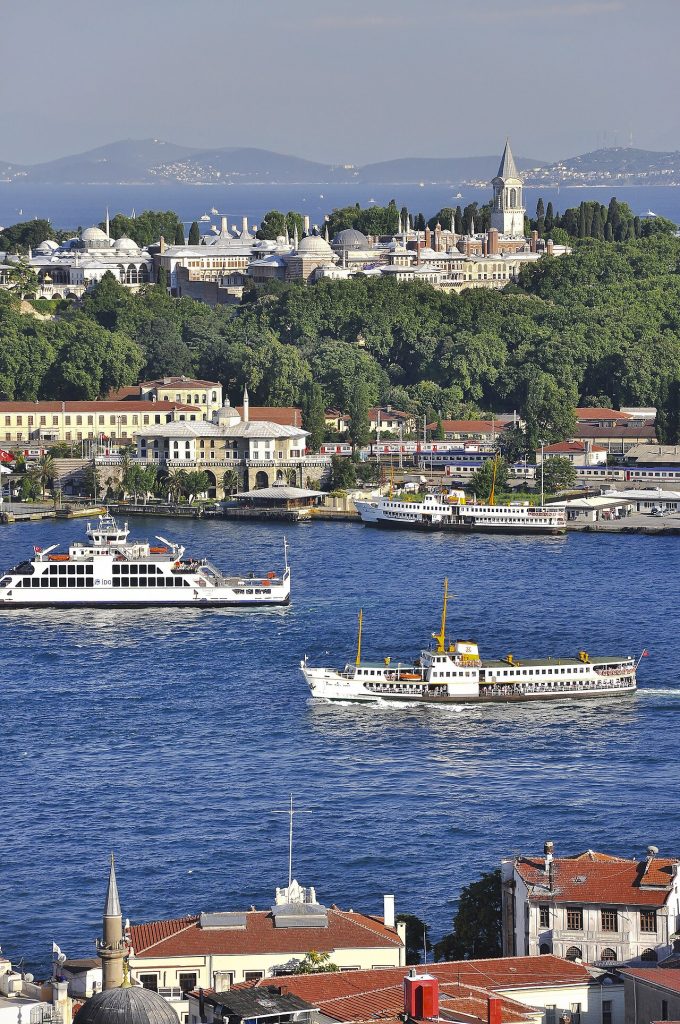
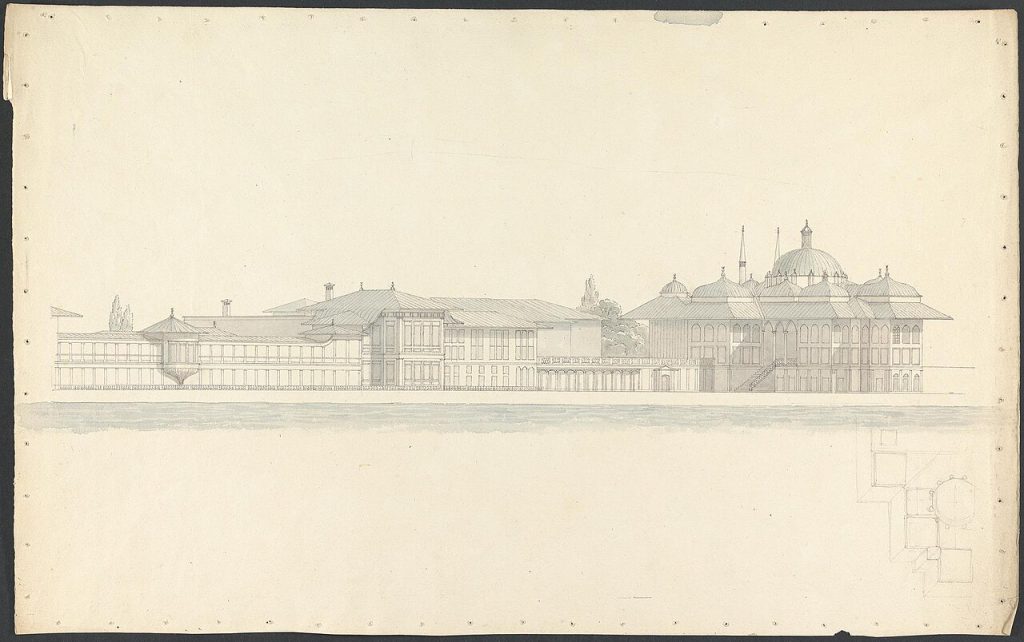
His first palace stood where the university is today. From the 1460s he built a second on the acropolis of the old Greek city, the point where the Golden Horn, the Bosphorus and the Sea of Marmara meet, with views in three directions.
That site had been sacred and strategic for two thousand years before him, and it has the best position in Istanbul.
A Palace of Four Courtyards
The plan is a progression. The first court is effectively public, the second administrative, the third the sultan’s private household, the fourth a garden of pavilions.
Access was controlled at each gate, and the rules were precise about who could pass, when, wearing what, and in what silence. Ambassadors were walked through the sequence deliberately to impress them.
Nothing is symmetrical, nothing is axial in the European manner, and the buildings were added over four centuries as needed.
The First Court and the City
The first court held the bakeries, the mint, the arsenal, a hospital, and the church of Hagia Irene, which was never converted into a mosque and now serves as a concert hall.
It functioned as a service area and was open to people with business at the palace. Several thousand worked here.
Today it is the approach from Gulhane Park, and it is still the quietest way in on a hot morning.
The Second Court and the Imperial Council
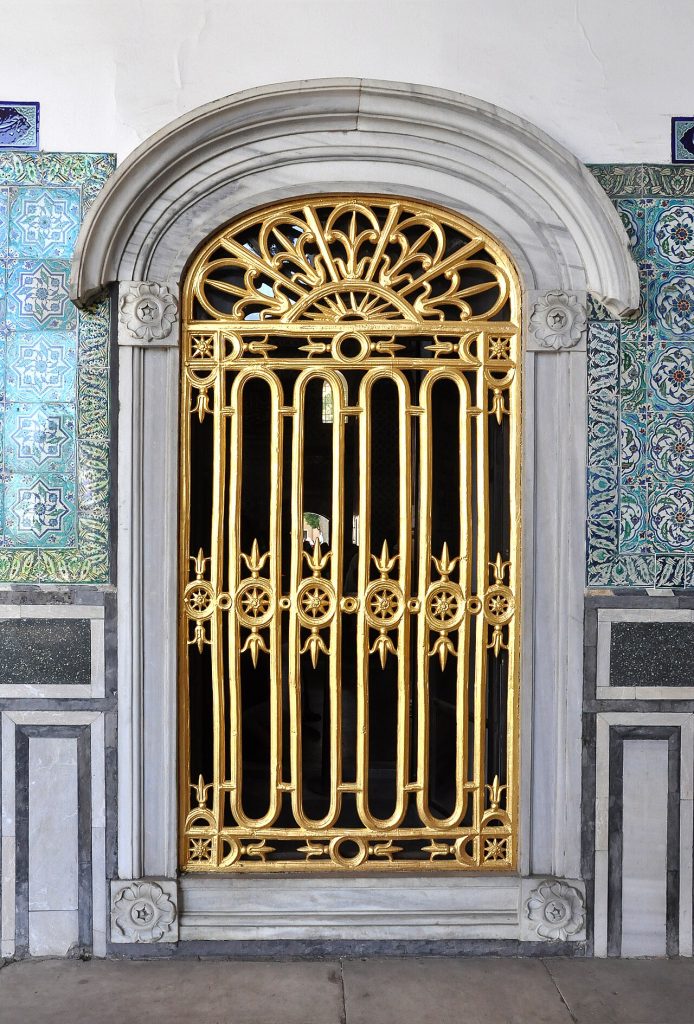
Through the Gate of Salutation lies the second court, where the Divan, the imperial council, met four times a week under a domed chamber with a gilded grille high in the wall.
Behind that grille the sultan could listen without being seen. Ministers debating policy never knew whether he was there, which is a remarkably efficient piece of political architecture.
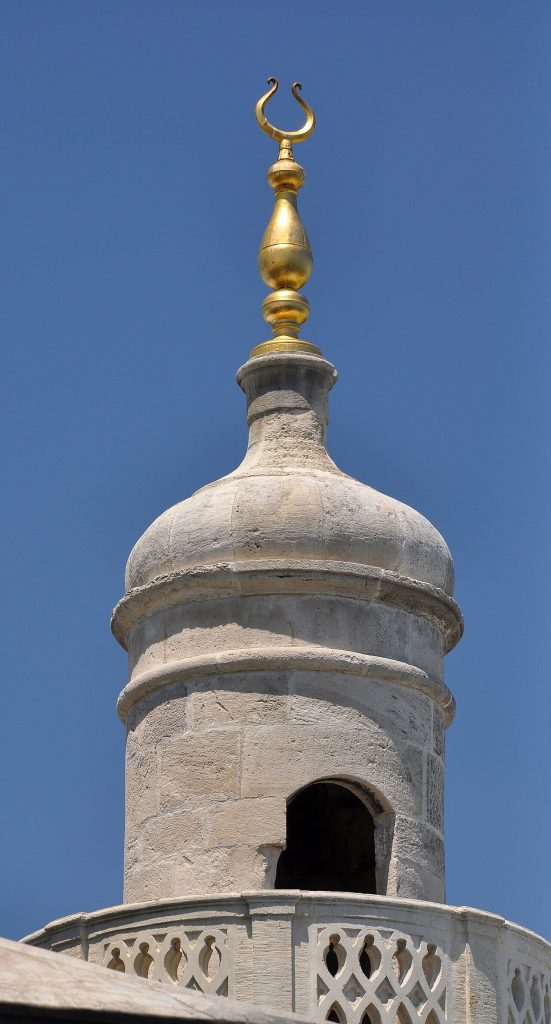
Beside the council chamber stands the Tower of Justice, the tallest structure in the palace and the one visible from the city, built so that justice would be seen to be watching.
The Kitchens That Fed Four Thousand
Along the right side of the second court run the palace kitchens, with their row of chimneys, where up to a thousand cooks prepared meals for several thousand residents and guests daily.
The kitchens now hold the palace’s porcelain collection, including one of the largest collections of Chinese celadon and blue-and-white porcelain outside Asia, accumulated through trade, tribute and conquest.
Celadon was prized partly for a belief that it changed colour in contact with poison, which tells you something about court life.
The Gate of Felicity
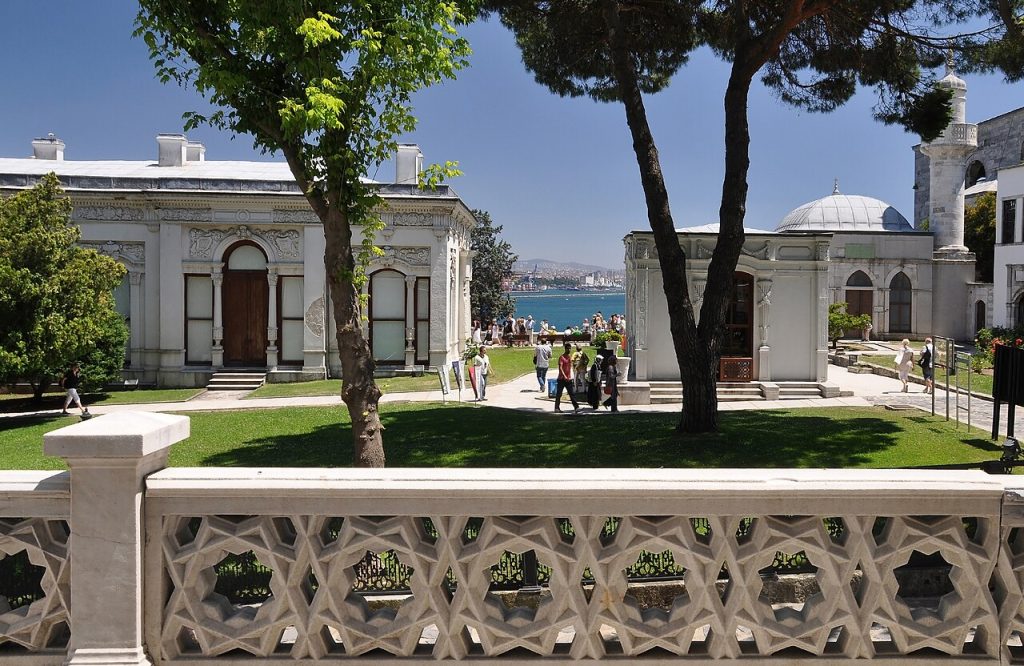
The Gate of Felicity separates the public empire from the sultan’s household. Beyond it, only the sultan’s personal servants, his family, the pages of the palace school and a few officials could pass.
Ceremonies of accession and funerals took place in front of it. The standard of the Prophet was carried out through it when the army went to war.
Stand in front of it and look at the scale. It is deliberately theatrical, the only truly ornate threshold in the whole complex.
The Audience Chamber
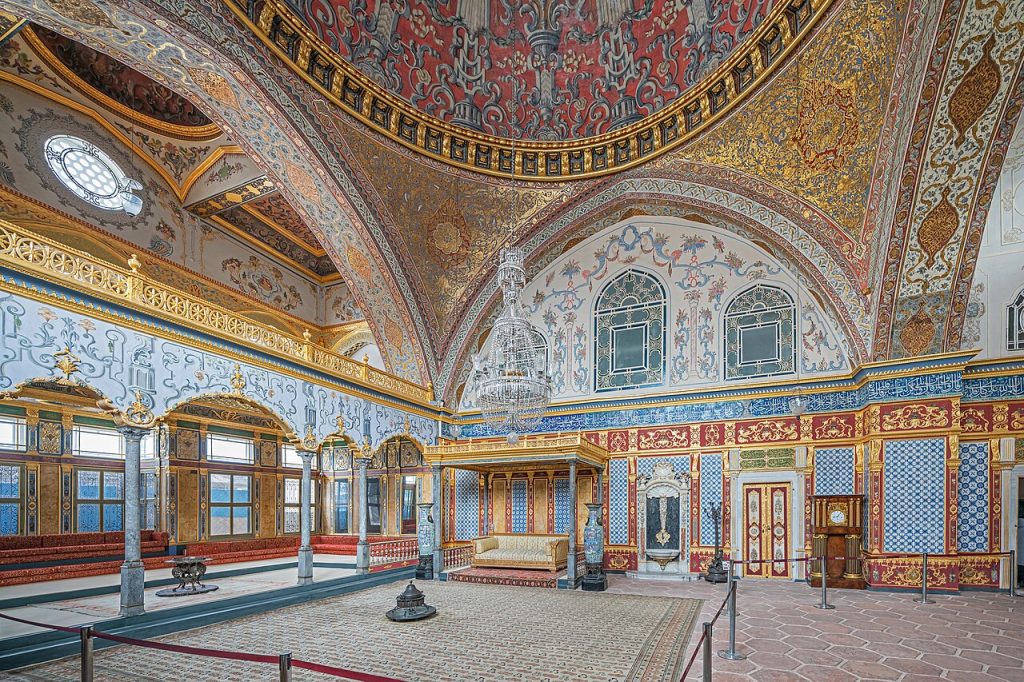
Immediately behind the gate stands the Audience Chamber, where the sultan received ambassadors, viziers and reports. It is small, richly decorated, and positioned so that the first thing a visitor saw after the gate was the ruler.
Protocol required ambassadors to be held by the arms by two officials, a practice that began as security after a fourteenth-century assassination and continued as ceremony.
Audiences were short, formal and conducted largely in silence.
The Harem and Its Politics
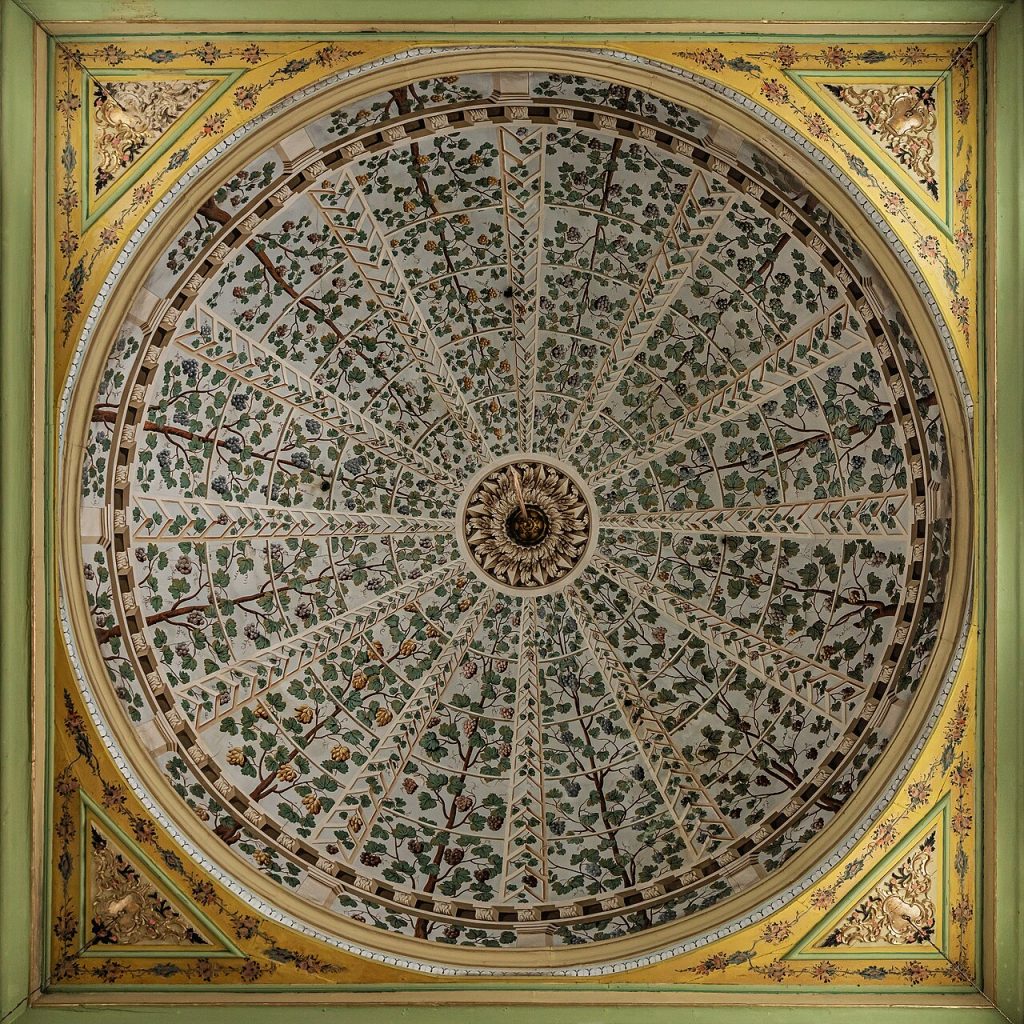
The harem was the private household of the sultan: his mother, wives, concubines, children, and the eunuchs and servants who ran it, numbering several hundred people in a complex of over three hundred rooms.
It was not, as European writers imagined, only a place of pleasure. It was a political institution. The valide sultan, the mother of the reigning sultan, was often the most powerful person in the empire after her son, and during the seventeenth century a sequence of royal women effectively governed.
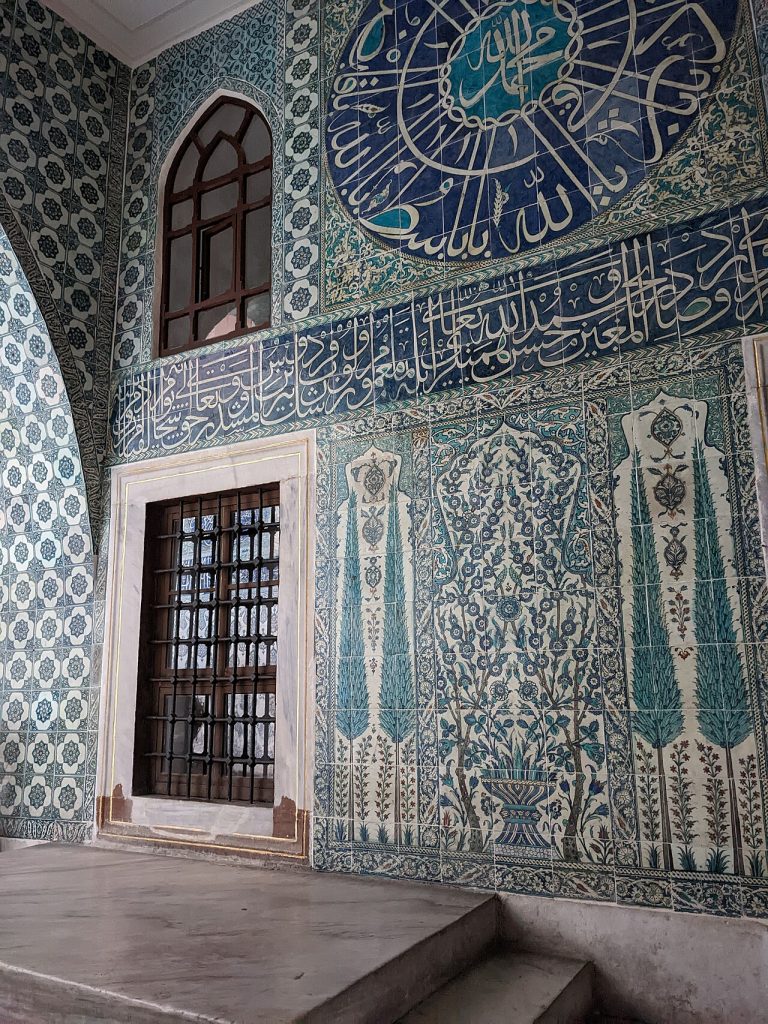
The rooms range from spectacular tiled chambers to cramped service corridors, and the contrast between them is the most informative thing in the palace.
The Treasury and the Spoonmaker’s Diamond
The imperial treasury holds objects that summarise four centuries of wealth: the Topkapi dagger with its three enormous emeralds, thrones in gold and mother of pearl, ceremonial armour, and the Spoonmaker’s Diamond, eighty-six carats surrounded by a double row of brilliants.
The diamond’s name comes from a story about a fisherman who found it and traded it to a spoonmaker for three spoons. Like most good palace stories, it is probably untrue and certainly repeated by every guide.
The queues here are long. Go first thing in the morning if the treasury matters to you.
The Sacred Relics
After the Ottoman conquest of Egypt in 1517, the sultans took on the protection of Mecca and Medina and the title of caliph, and the relics of the Prophet Muhammad came to Istanbul.
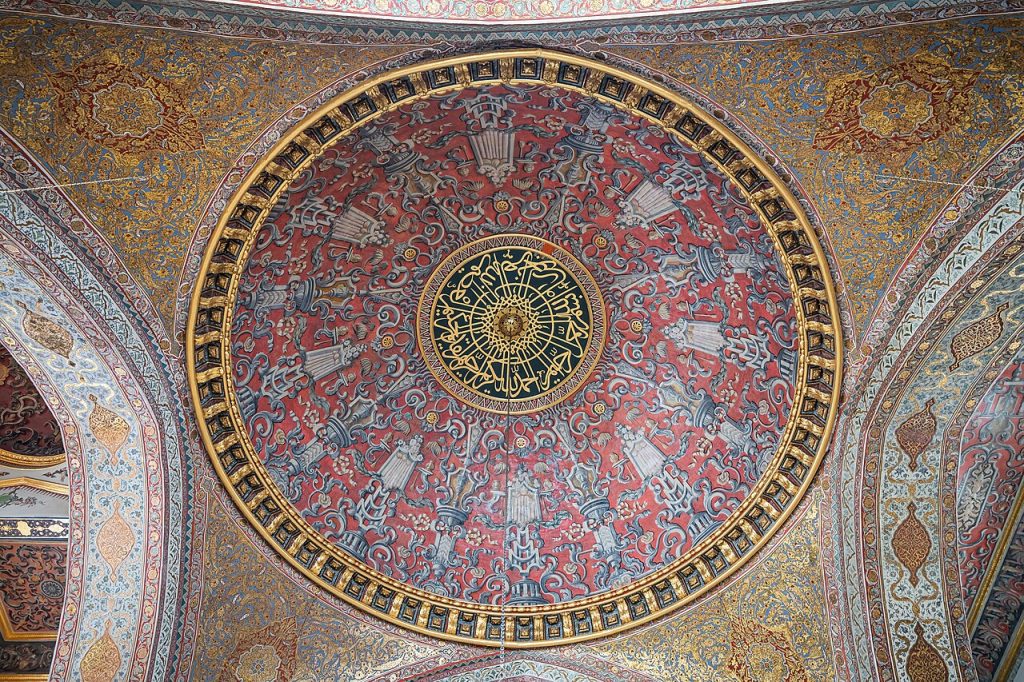
The Chamber of the Sacred Relics holds the Prophet’s mantle, his standard, a tooth, hairs from his beard, swords of the first caliphs, and other objects of immense religious significance.
Recitation of the Quran has continued in that room, by tradition, since the sixteenth century. Visitors should behave accordingly: it is a place of worship inside a museum.
The Fourth Court and the Tulip Garden
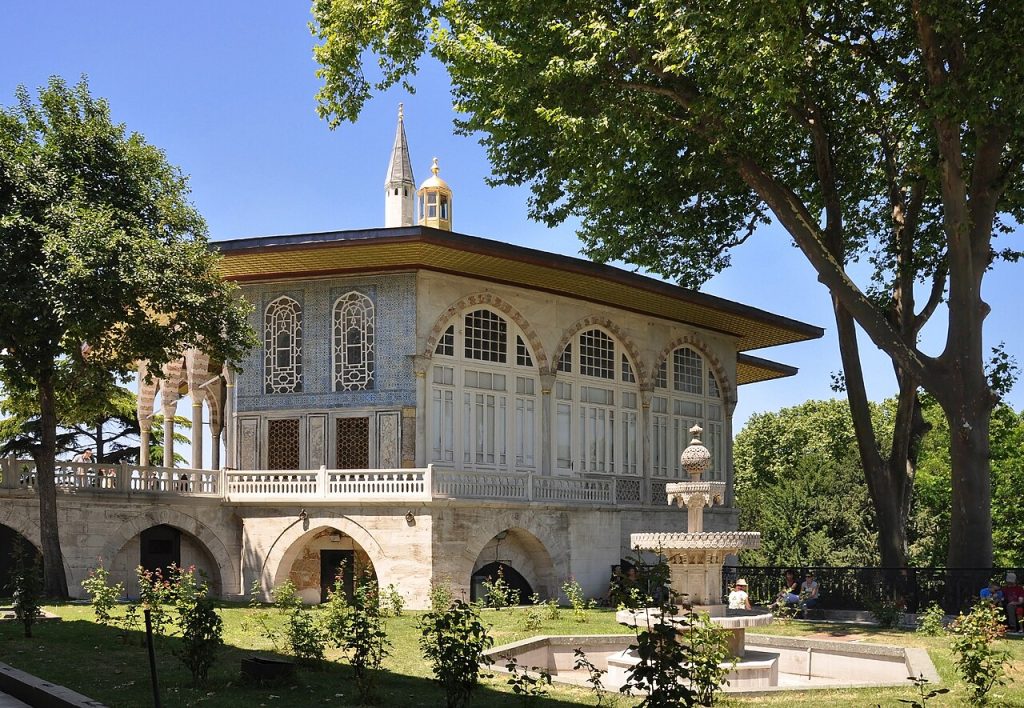
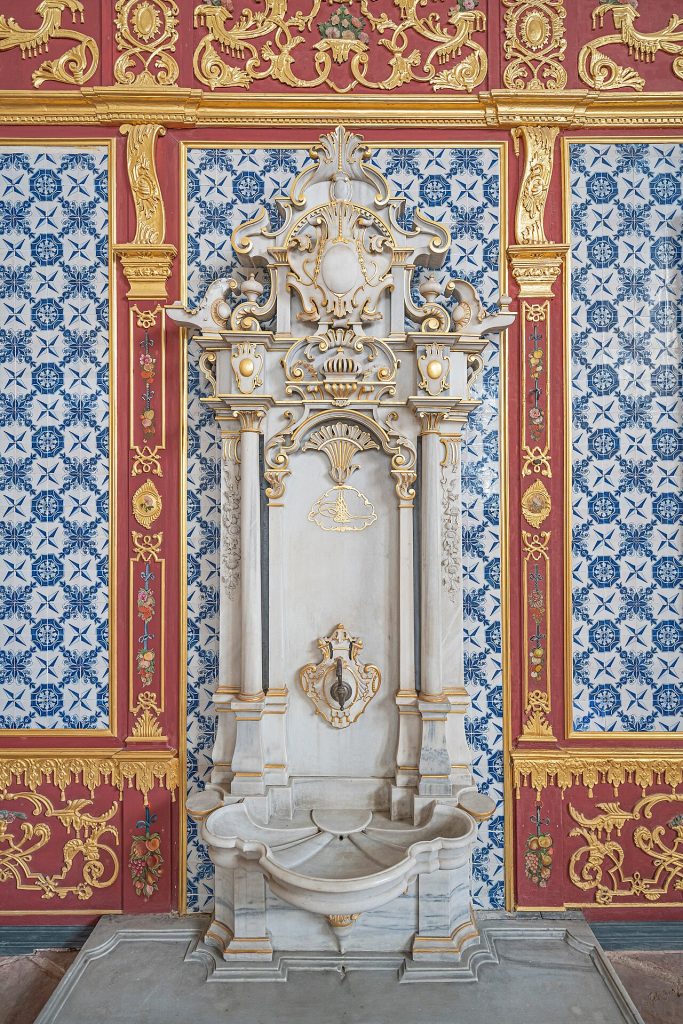
The fourth court is not really a court but a terraced garden with pavilions: the Baghdad Kiosk, the Revan Kiosk, the circumcision room with its tiled facade, and the Iftar pavilion with its gilded canopy overlooking the Golden Horn.
These were built to commemorate campaigns and to enjoy the view, and they are the most purely pleasurable buildings in the palace.
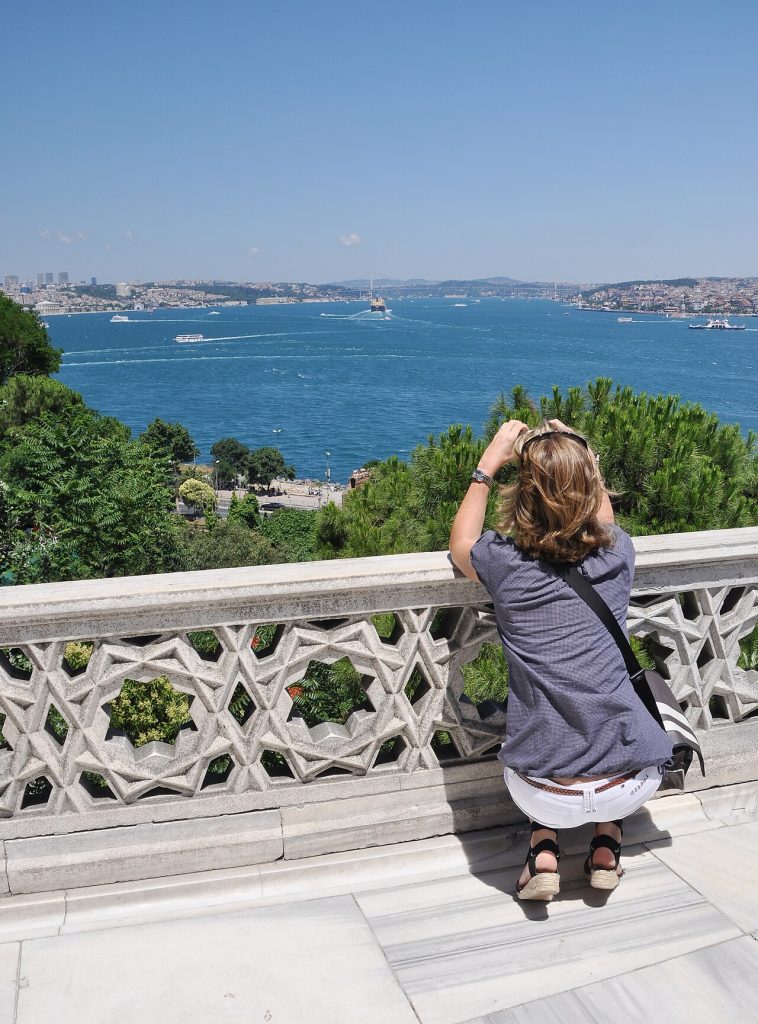
Sit at the Iftar pavilion end and look across the water. Three continents of a sort meet in that view, and every sultan who stood here knew it.
Why the Sultans Left
In 1856 Sultan Abdulmecid moved the court to the new Dolmabahce Palace on the Bosphorus. Topkapi was old-fashioned, inconvenient, made of wood in large part, and it did not look like a European palace at a moment when the empire was trying very hard to look European.
The old palace kept the treasury, the relics and a residual staff, and it slowly became a repository rather than a residence.
In 1924, after the abolition of the sultanate, the new Turkish Republic opened it as a museum, which it has been ever since.
Visiting Topkapi
Buy the harem ticket as well as the main one; it is separate and it is the part people regret skipping. Go early, because by midday the third court is full.
Allow three hours minimum, four with the harem and the relics. There is a cafe at the fourth court end with the view, and it is worth the price.
Walk out through Gulhane Park rather than back toward Hagia Sophia, and you will see how the palace sits on its hill above the city it governed.
Watch the Palace on Film
Visiting Topkapi Palace Today
Topkapi stands at the tip of the historic peninsula in Sultanahmet, a few minutes from Hagia Sophia and the Blue Mosque, with the Gulhane tram stop at the lower gate.
The museum opens daily except Tuesdays, with separate tickets for the harem and for Hagia Irene; the Istanbul Museum Pass covers them. Queues are long in summer, so arrive at opening or book online.
Allow three to four hours and combine it with the Archaeological Museums just below the first court. Find it here: https://www.google.com/maps?q=41.0115,28.9833
Palaces Nearby
You May Like
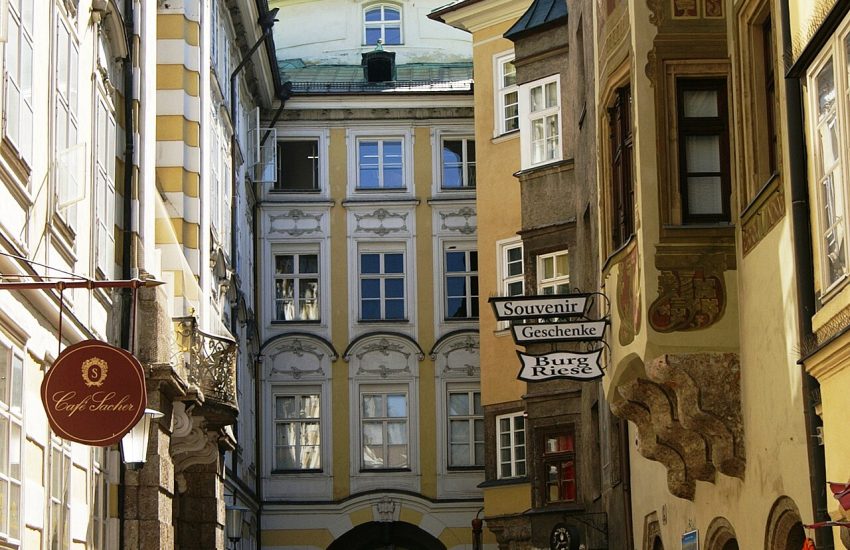
The Hofburg in Innsbruck and the Alpine Capital of the Habsburgs