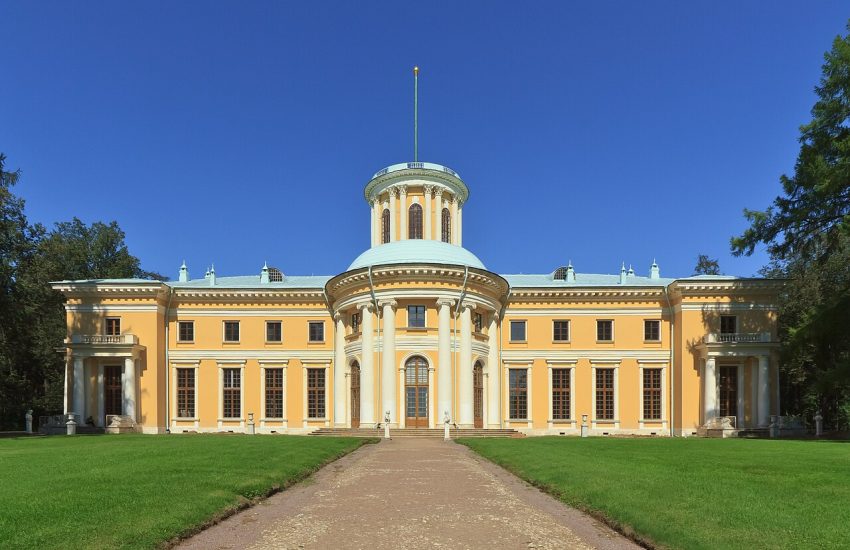
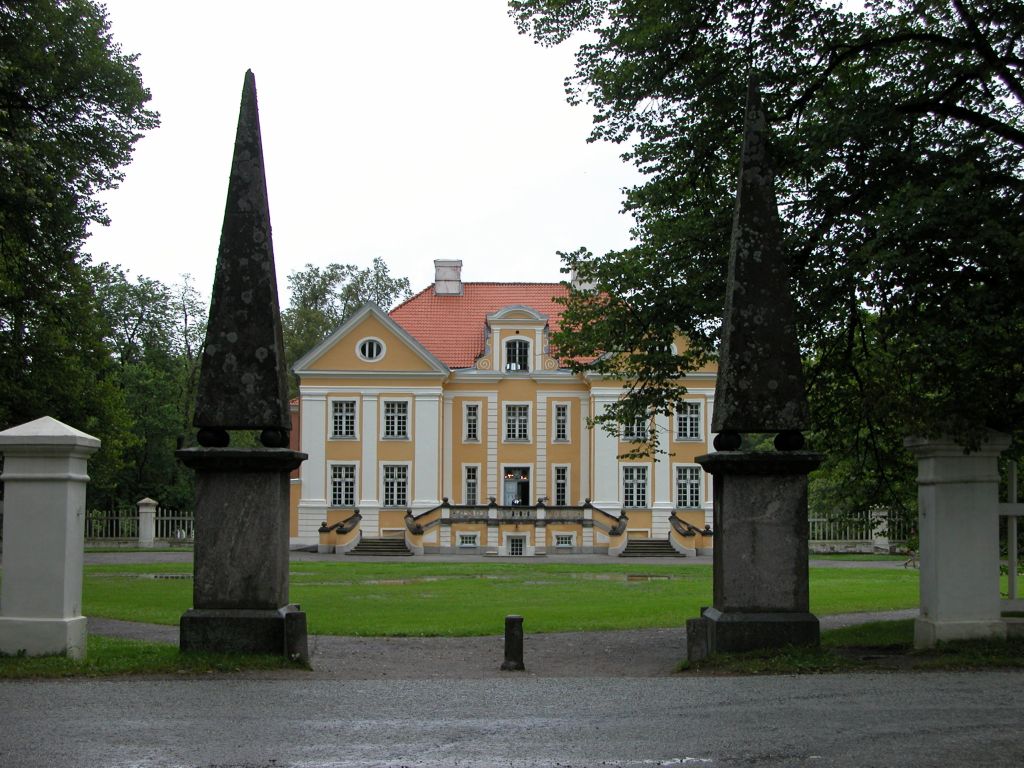
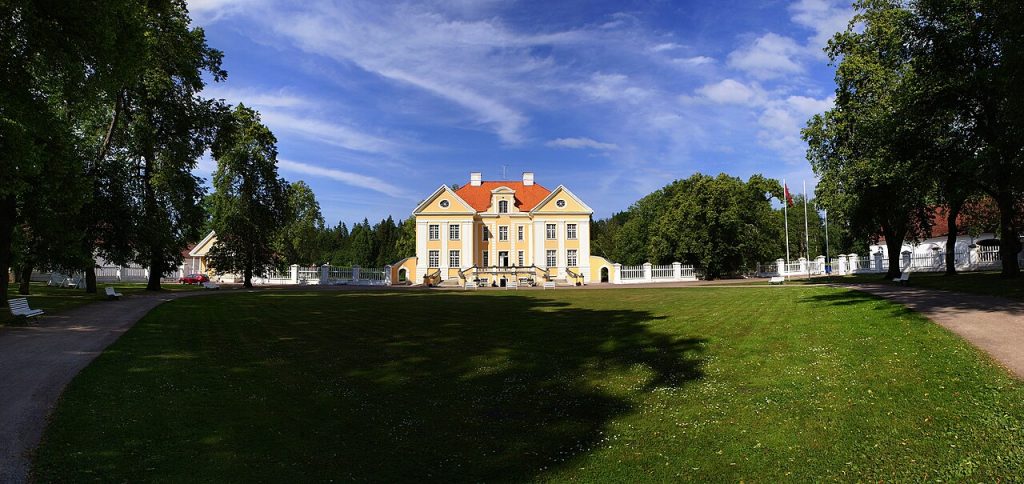
Now, stop on the gravel in front of the house and look at its size. Palmse is not a palace by the standards of this series. It is a manor house: two storeys, a pediment, a flight of steps, outbuildings around a yard, a pond, a park.
That scale is the point. Across Estonia and Latvia there were over a thousand such houses, the seats of a Baltic German landowning class that ruled the countryside for seven centuries while speaking a different language from almost everyone who worked on it.
Palmse is the best restored of them, the first to be brought back in Soviet Estonia, and the clearest place to understand a world that ended completely in 1939.
- Who the Baltic Germans Were
- The von der Pahlen Family
- Building the Manor
- A Baroque House in the North
- The Estate as a Machine
- Serfdom and Its Abolition
- Peter von der Pahlen and a Murdered Emperor
- The Park, the Ponds and the Follies
- Land Reform and the End
- Umsiedlung
- Restoration Under the Soviets
- Lahemaa National Park
- Visiting Palmse
Who the Baltic Germans Were
From the thirteenth century, German crusaders, merchants and clergy settled the eastern Baltic, creating a German-speaking nobility and urban class over an Estonian and Latvian peasantry.
Through Danish, Swedish, Polish and Russian rule, that class kept its privileges, its language and its estates. Under the Russian Empire it supplied generals, ministers and diplomats far out of proportion to its numbers.
It was never more than a small percentage of the population, and it owned most of the land.
The von der Pahlen Family
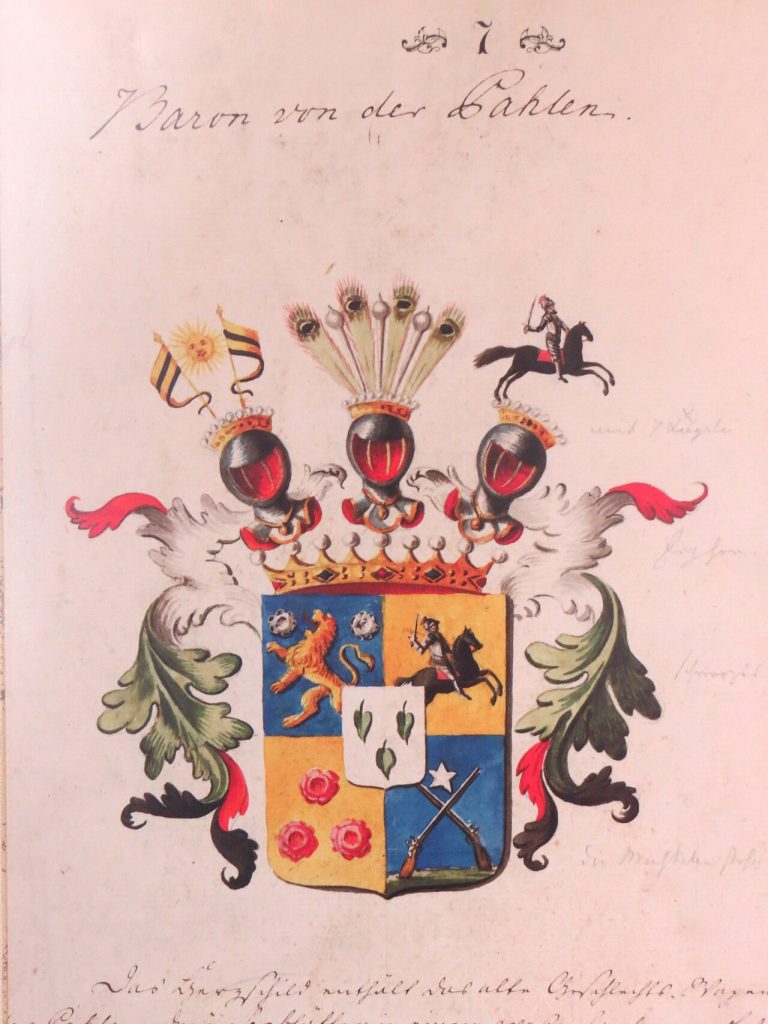
Palmse belonged to the von der Pahlen family from 1677 to 1923, nearly two and a half centuries. They were typical of the class: officers, administrators and improving landlords with careers in Russian service.
The family produced governors, generals and one of the most consequential conspirators in Russian history, which we will come to.
Their continuity is why the house and its contents hold together as a single story.
Building the Manor
The present house was built in the 1720s and 1730s, replacing earlier structures, and remodelled in the 1780s with the classical details visible today.
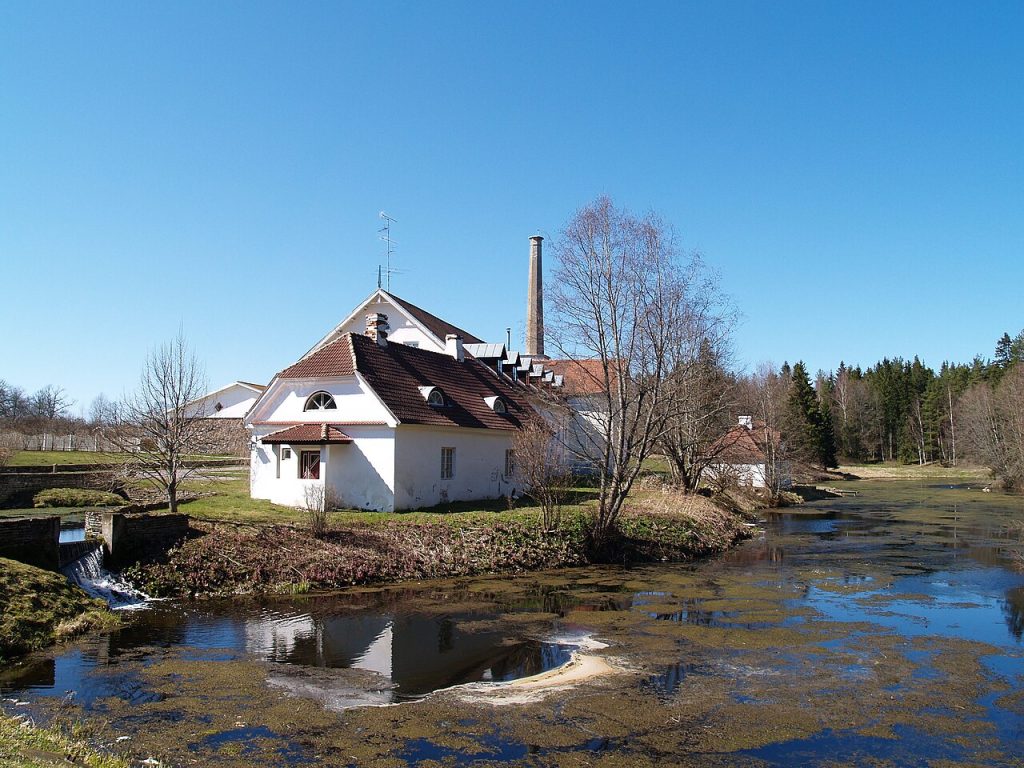
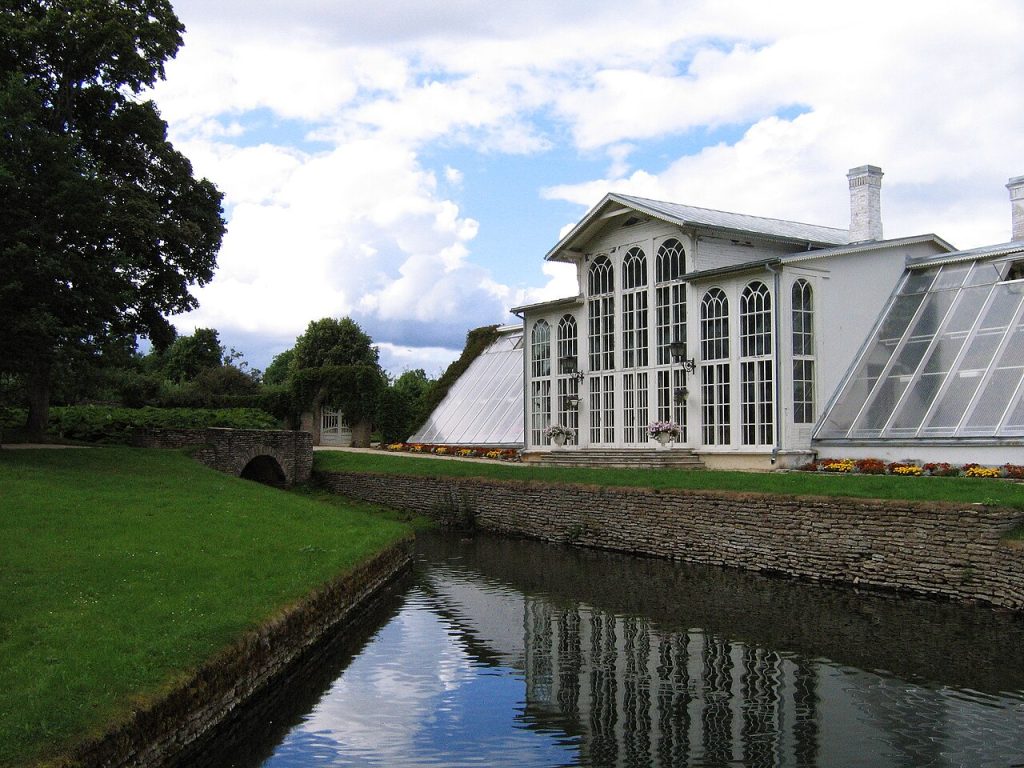
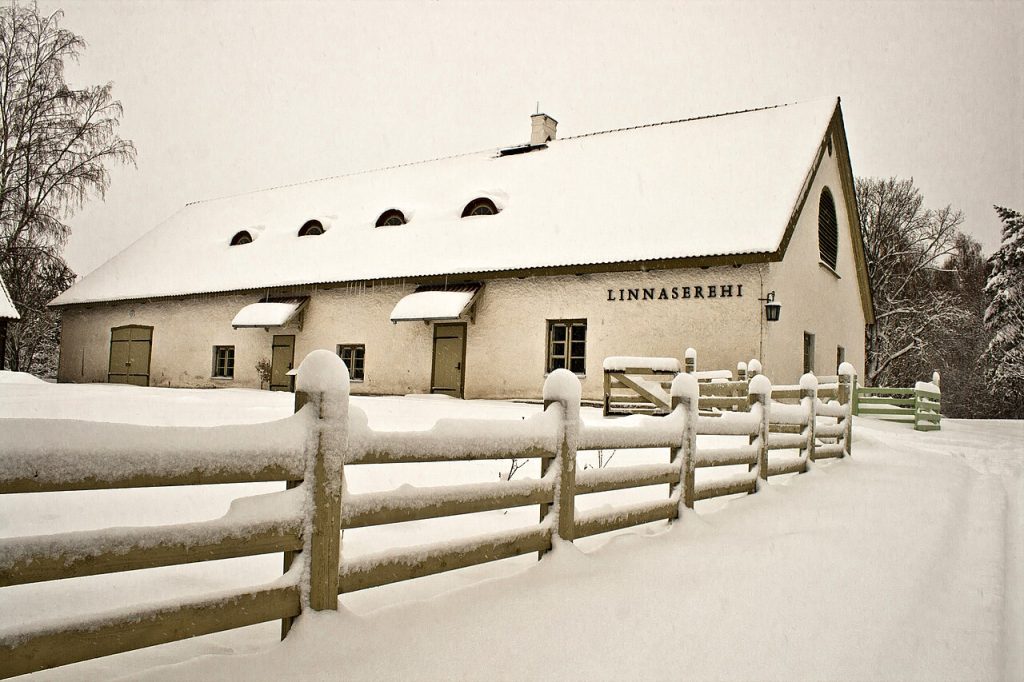
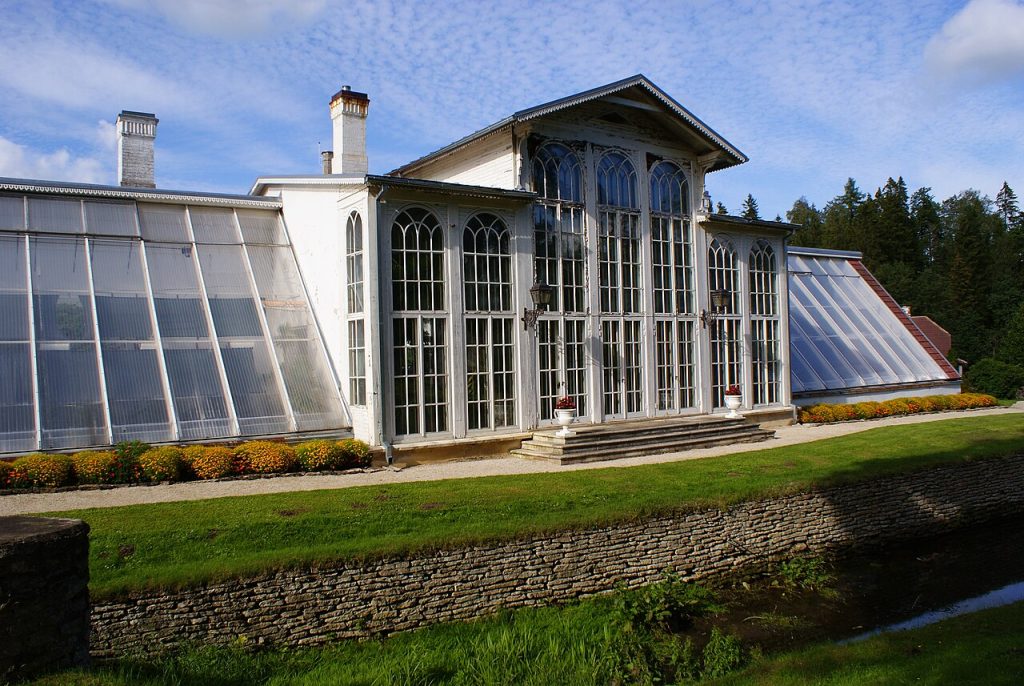
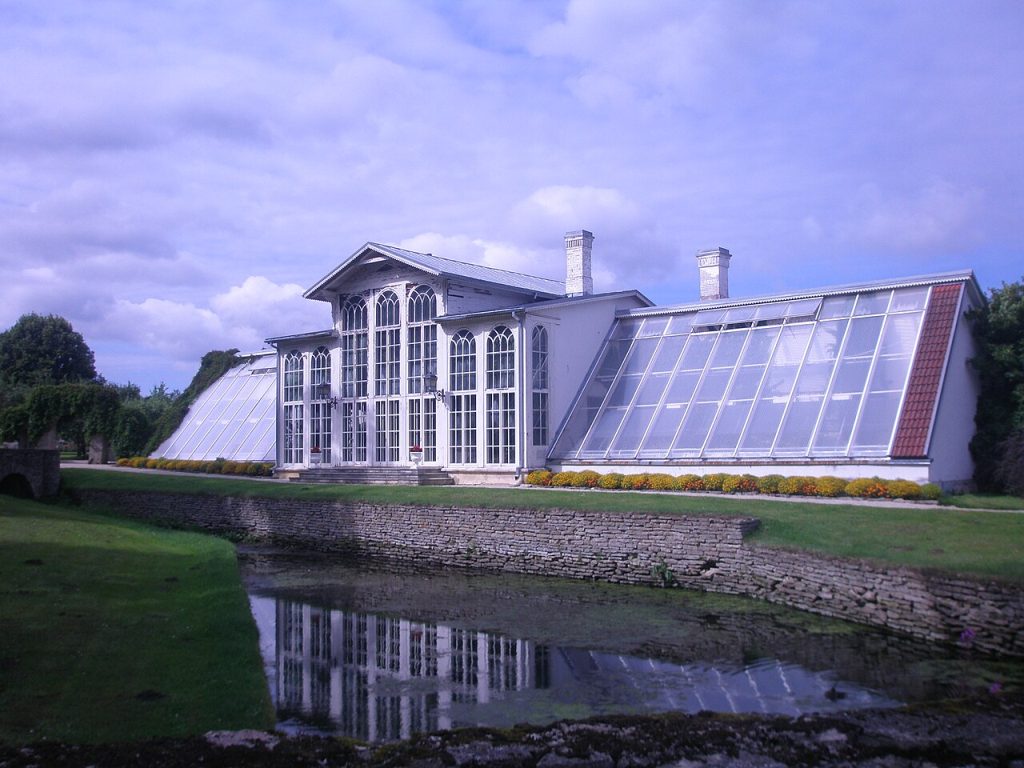
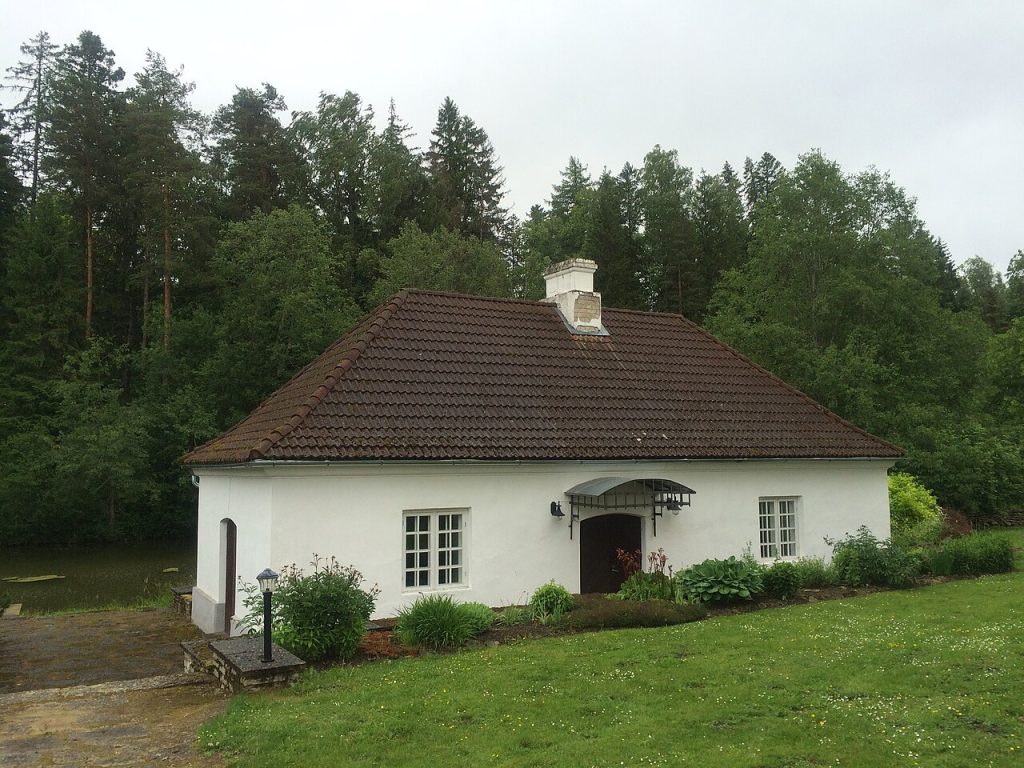
Around it stand the full apparatus of an estate: stables, a distillery, a granary, a smithy, servants’ quarters, a steward’s house, greenhouses and a bathhouse, most of them restored.
The completeness of the complex is what makes Palmse valuable. Elsewhere the house survives and the working buildings are gone.
A Baroque House in the North
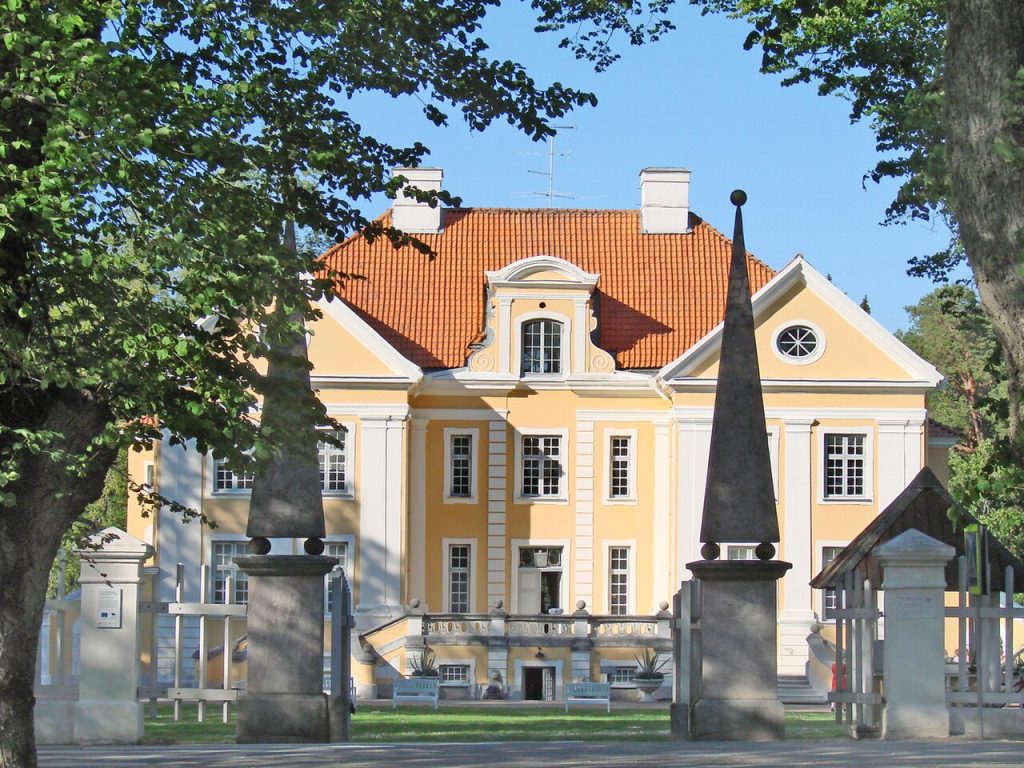
The architecture is restrained baroque with later classical touches: a symmetrical facade, a central pediment, a double staircase, pale render and a red tiled roof.
Northern baroque is quieter than its southern equivalent. Short summers, long winters and limited budgets produced buildings that rely on proportion rather than ornament.
Inside, the rooms are modest in scale and furnished as a family home of the eighteenth and nineteenth centuries rather than as a palace.
The Estate as a Machine
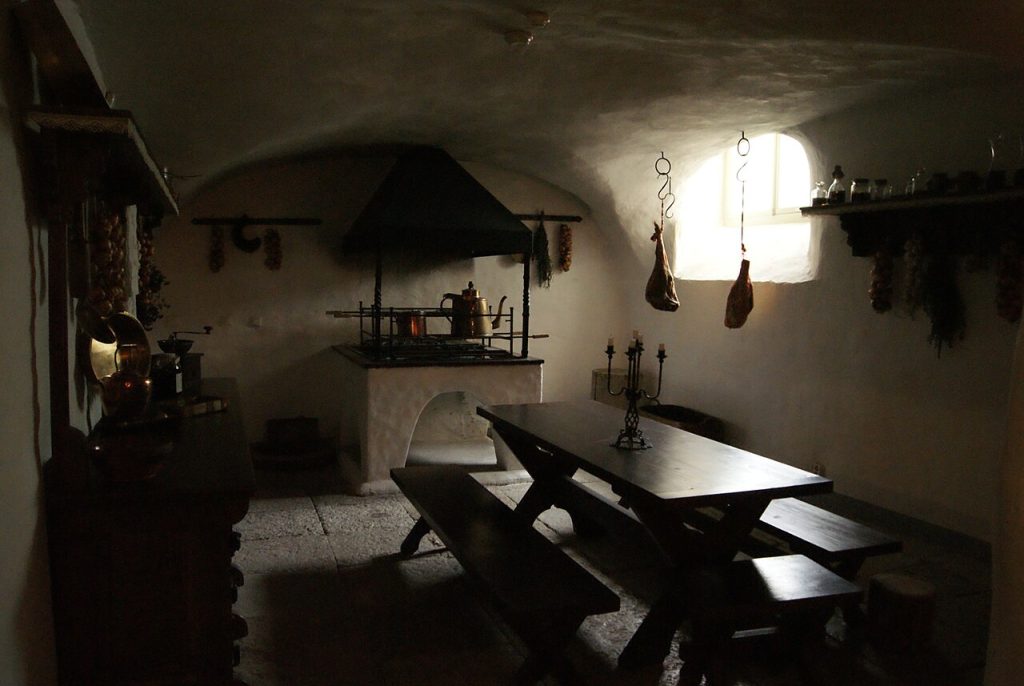
A Baltic manor was an economic unit: grain, timber, livestock, and above all vodka distilling, which was the main source of cash income for Estonian estates in the nineteenth century.
The distillery at Palmse has been restored and explains the economics clearly. Potatoes in, spirit out, sold under a state monopoly system that made landowners rich.
The workforce was the local Estonian population, who until 1816 were serfs.
Serfdom and Its Abolition
Serfdom was abolished in Estonia in 1816 and in Latvia in 1819, decades before the Russian Empire as a whole. The peasants were freed without land, which left them dependent on the same landowners as tenants and labourers.
Only in the second half of the century could Estonians begin to buy farms, and the national awakening of the 1860s onward grew from that new class of landowning farmers.
The manor and the village therefore represent two sides of a long and unequal relationship, and Estonian museums today present it that way.
Peter von der Pahlen and a Murdered Emperor
Count Peter Ludwig von der Pahlen, born at Palmse, became governor-general of St Petersburg under Emperor Paul I and was the principal organiser of the conspiracy that murdered Paul in his bedroom in March 1801.
The conspirators replaced Paul with his son Alexander I, who knew of the plot and spent the rest of his life uneasy about it.
Pahlen was dismissed and retired to his Courland estates. The family’s position in the empire survived the episode.
The Park, the Ponds and the Follies
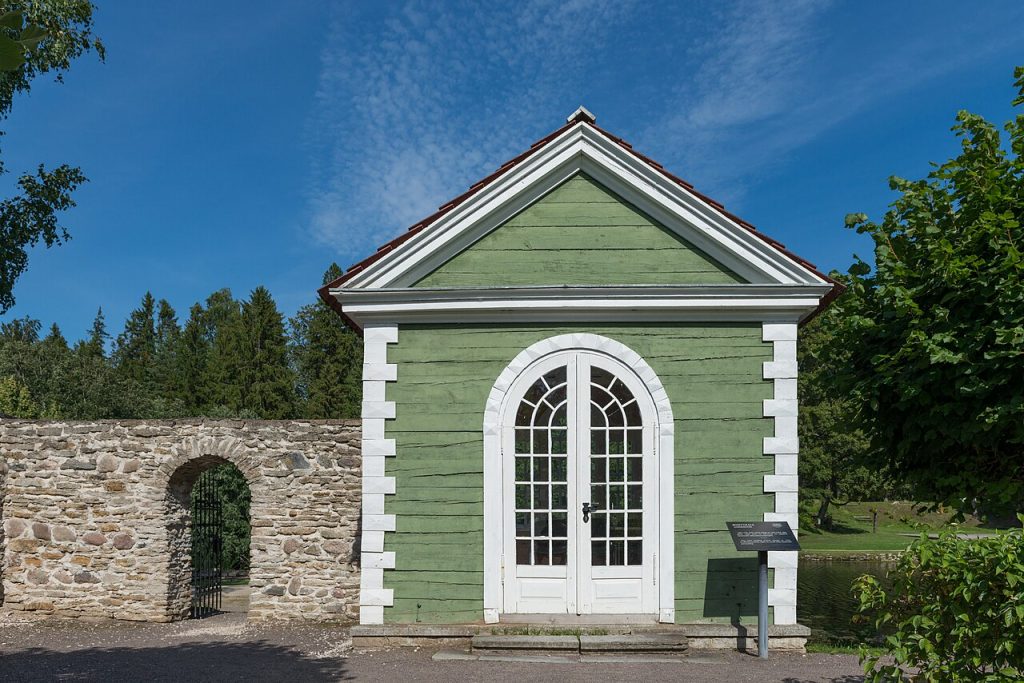
The park is English in style, laid out around ponds with islands, bridges, a swan house, a bathing pavilion and paths through mature trees.
It is the best surviving manor park in Estonia and is maintained as part of the museum. In spring it fills with birdsong and in autumn with colour.
Walk the full circuit of the ponds. It takes half an hour and gives the house its proper setting.
Land Reform and the End
Estonia declared independence in 1918 and won its war of independence in 1920. In 1919 the new republic passed a radical land reform, expropriating the Baltic German estates and distributing the land to Estonian farmers, many of them veterans.
It was the most sweeping land reform in interwar Europe, and it ended the economic basis of the Baltic German nobility in a single act.
The Pahlens kept the house and a small portion of land until 1923, then left.
Umsiedlung
In 1939, following the Molotov-Ribbentrop pact that assigned the Baltic states to the Soviet sphere, Nazi Germany called the Baltic Germans home. Almost the entire community left within months, in what was called the Umsiedlung, the resettlement.
Seven centuries of continuous presence ended in a few weeks of packing. Most were resettled in occupied Poland, on land taken from Poles.
By 1940 the Soviet Union had annexed Estonia, and the manors passed to collective farms, schools and institutions.
Restoration Under the Soviets
By the 1970s Palmse was derelict. Restoration began in 1972 and ran for over a decade, and in 1986 the manor opened as a museum, the first Estonian manor to be fully restored.
That was a significant cultural act in Soviet Estonia: restoring a German aristocratic house was not obviously aligned with official ideology, and it was done because Estonian heritage specialists pushed for it.
The model established here has been followed by dozens of manor restorations since independence.
Lahemaa National Park
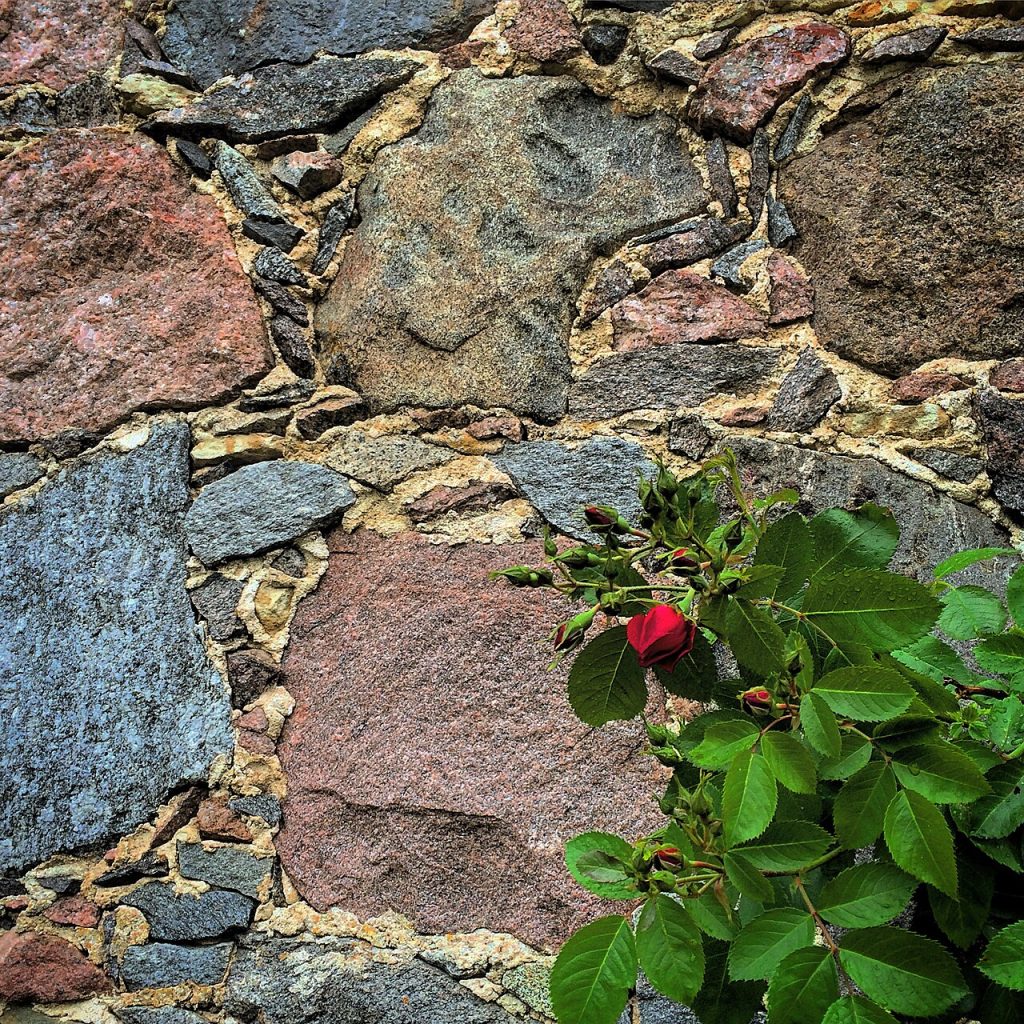
Palmse sits inside Lahemaa, established in 1971 as the first national park in the Soviet Union, covering forest, bog, coastline, fishing villages and four restored manors: Palmse, Sagadi, Vihula and Kolga.
The park is the best introduction to Estonian landscape within easy reach of Tallinn: boardwalks across bogs, boulder fields left by glaciers, and empty beaches.
Palmse serves as the park’s visitor centre, so a visit here can begin a whole day outdoors.
Visiting Palmse
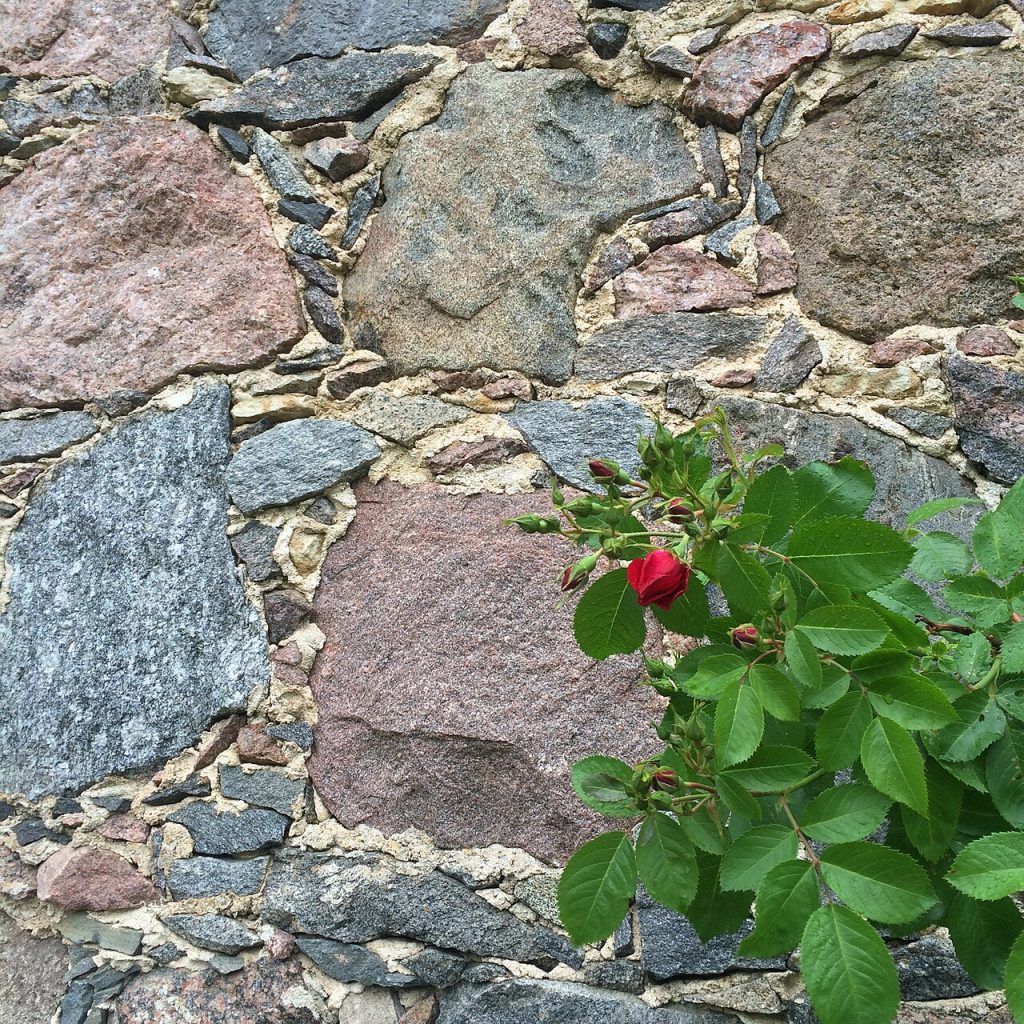
See the house, the distillery, the stables and the park, then drive on to Sagadi manor fifteen kilometres away for a different interpretation of the same world.
Then take a bog boardwalk at Viru raba and finish at Kasmu, the old sea captains’ village on the coast. That combination is one of the best days out in northern Estonia.
Think, as you leave, about how completely a seven-hundred-year-old community can disappear, and how quietly the buildings carry on without it.
Watch the Manor on Film
Visiting Palmse Manor Today
Palmse lies in Lahemaa National Park, about seventy kilometres east of Tallinn, roughly an hour by car; public transport is limited, so a car or a tour is the practical option.
The manor museum opens daily in summer with reduced hours and days in winter, with ticketed entry covering the main house and several outbuildings; the park is freely accessible.
Allow two to three hours at Palmse and a full day for Lahemaa. Find it here: https://www.google.com/maps?q=59.5083,25.9617
Palaces Nearby
You May Like
Jelgava Palace and the Dukes of Courland