Now, stop on the bridge and look at the colour. Red brick with white stone detail, pointed arches, pinnacles, rosettes and patterns that look Gothic until you examine them and find Russian, Moorish and masonic motifs mixed in.
Tsaritsyno is the strangest royal project in Russia. An empress commissioned it, watched it rise for ten years, arrived to inspect it, declared it unsuitable and ordered the main palace demolished and rebuilt from the foundations.
Then she died before the replacement was finished. The shell stood roofless for two hundred years, and the building was only completed in 2007, by the city of Moscow, to considerable controversy.
- Catherine the Great Buys an Estate
- Vasily Bazhenov and a New Style
- What Russian Gothic Means Here
- Bridges, Gates and Pavilions
- The Inspection and the Demolition
- Kazakov’s Second Palace
- The Masonic Theory
- Two Centuries as a Ruin
- A Ruin for Picnics
- Soviet Years and a Museum
- The 2007 Reconstruction
- The Argument About Authenticity
- Visiting Tsaritsyno
Catherine the Great Buys an Estate
In 1775 Catherine II bought the estate of Chyornaya Gryaz, south of Moscow, renamed it Tsaritsyno, the empress’s place, and ordered a residence built there.
She was in Moscow for the celebrations marking the victory over the Ottomans, and the mood of the moment was expansive. Russia had just won a major war and annexed territory on the Black Sea.
The site had lakes, woods and views, and it was far enough from the Kremlin to feel rural while remaining within reach of the old capital.
Vasily Bazhenov and a New Style
The architect was Vasily Bazhenov, one of the most gifted Russian architects of the century, trained in Paris and Rome, and ambitious to create a specifically Russian architectural language.
He spent ten years at Tsaritsyno, designing not a single palace but an ensemble: two palaces for the empress and her son, bridges, gates, service buildings, pavilions and a church, laid out through a landscape park.
He mortgaged his own property to keep the work going when imperial payments were slow, which tells you how much the project meant to him.
What Russian Gothic Means Here
The style is usually called Russian Gothic or pseudo-Gothic. It uses pointed arches and vertical emphasis from European Gothic, combined with the red brick and white stone of Moscow baroque, Russian decorative patterns and oriental elements.
Nothing like it had been built in Russia before, and little was built like it afterwards. It is a one-off, which is part of why visitors find it so striking.
Look closely at the carved stone details. The variety of motifs across the complex is enormous, and no two bridges are decorated identically.
Bridges, Gates and Pavilions
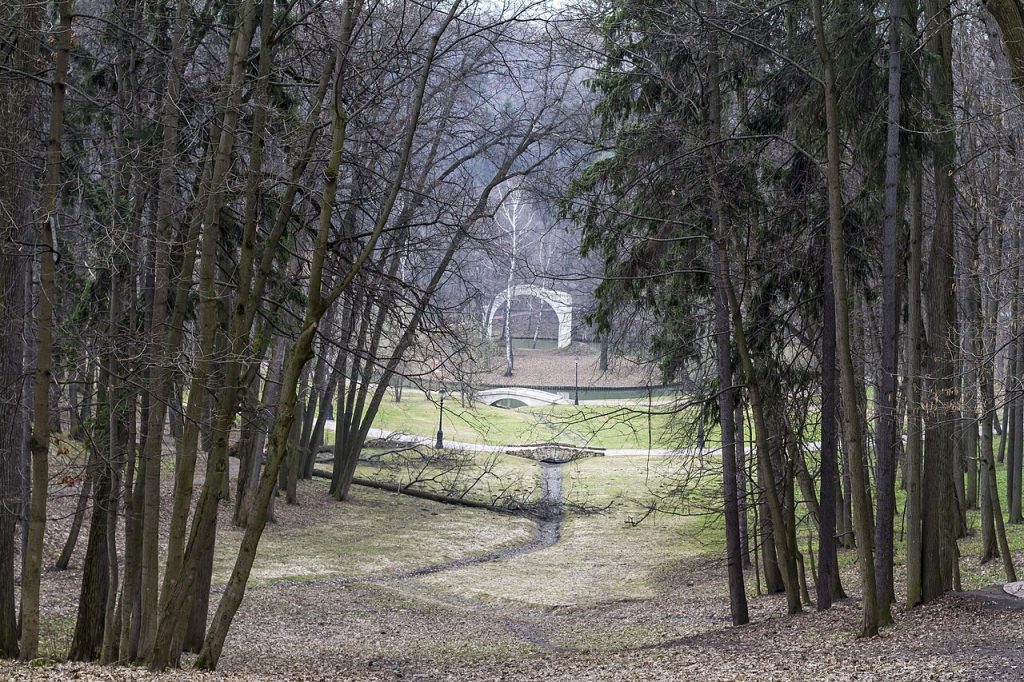
Bazhenov’s ensemble included the Figured Bridge, the Grape Gate with its carved cluster hanging in the archway, the Opera House, the Small Palace, the Kitchen Building known as the Bread House, and a series of pavilions.
These smaller buildings are the authentic Bazhenov work. They survived because they were never demolished, and they are the best place to see his intentions undistorted.
Walk the park from one to the next before going into the main palace. The ensemble makes far more sense in that order.
The Inspection and the Demolition
In June 1785 Catherine arrived to inspect the nearly finished complex. She disliked it. The rooms were too small and dark, she said, and the atmosphere oppressive, more like a crypt than a palace.
She ordered the main palace demolished and a new one built in its place, and she replaced Bazhenov with his pupil Matvei Kazakov.
The decision ruined Bazhenov financially and professionally for years. Explanations have ranged from genuine aesthetic dislike to political suspicion about his associations.
Kazakov’s Second Palace
Matvei Kazakov, the leading architect of Moscow, designed a new and larger palace in the same red-and-white Gothic manner, and construction continued from 1786.
Work slowed as funds were diverted to wars with the Ottomans and Sweden, and stopped altogether when Catherine died in 1796. Her son Paul I ordered all work at Tsaritsyno halted.
The palace stood without roof, floors or interiors. It stayed that way for two hundred and eleven years.
The Masonic Theory
A persistent theory holds that Bazhenov’s decoration contains masonic symbols, and that Catherine, who was increasingly hostile to freemasonry and suspicious of its links to her son, destroyed the palace for that reason.
Bazhenov was indeed connected to masonic circles, and some motifs can be read that way. Whether Catherine demolished a palace over symbolism is another question.
Guides love the story. Historians treat it cautiously. Either way, it has attached itself permanently to the site.
Two Centuries as a Ruin
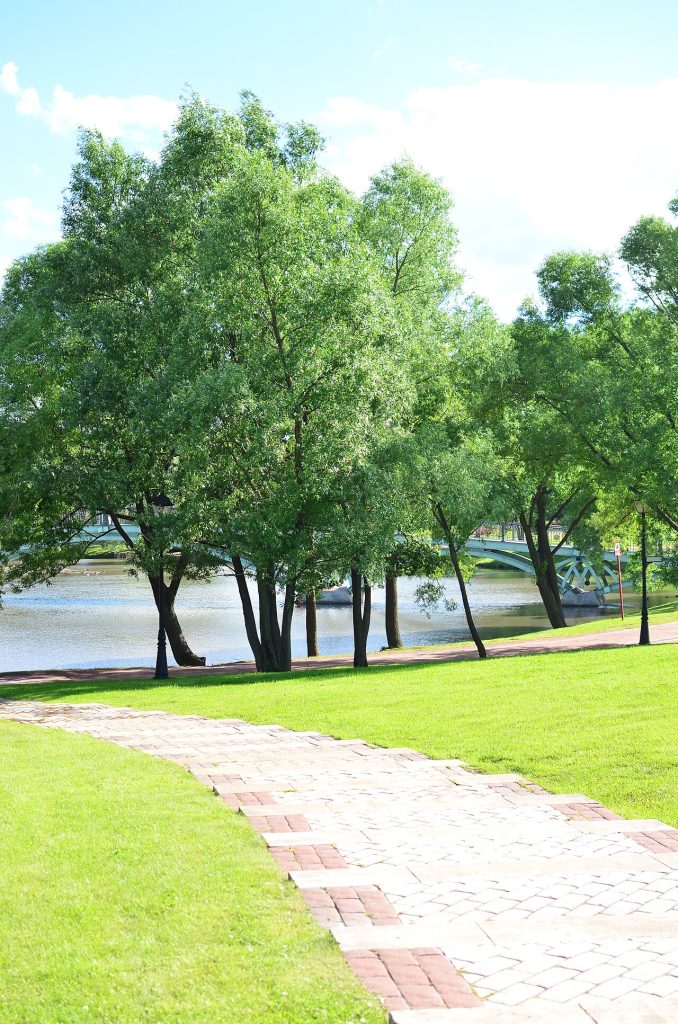
From 1796 the complex was simply left. The brickwork weathered, vegetation grew, and the roofless palace became a landmark of romantic decay on the edge of Moscow.
Some buildings were adapted: the Bread House served as a hospital, parts were used for storage, and sections were dismantled for materials.
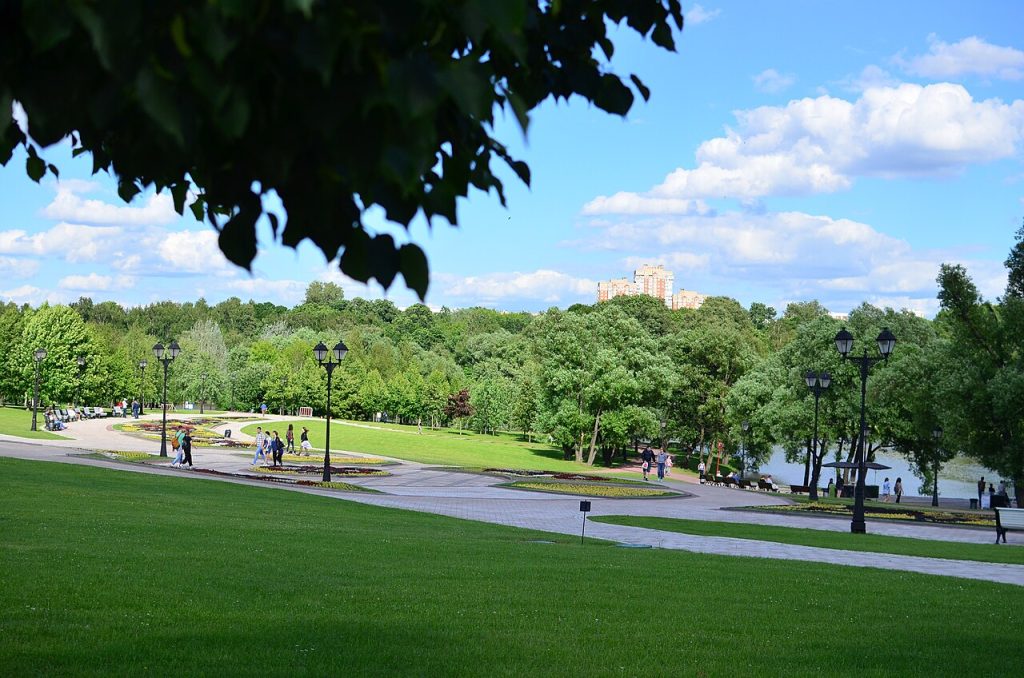
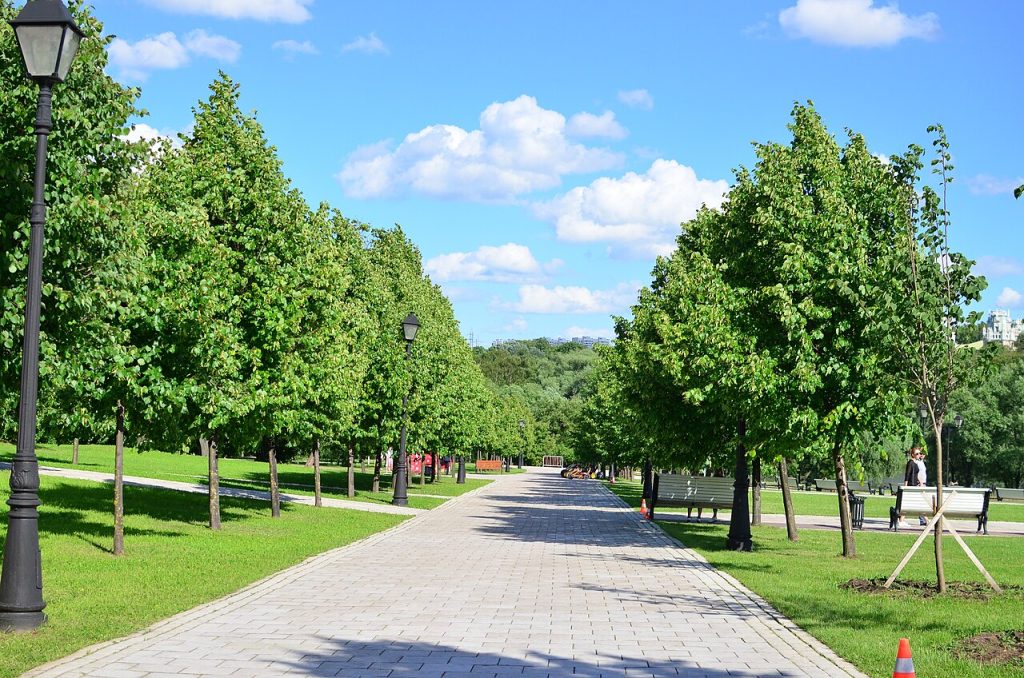
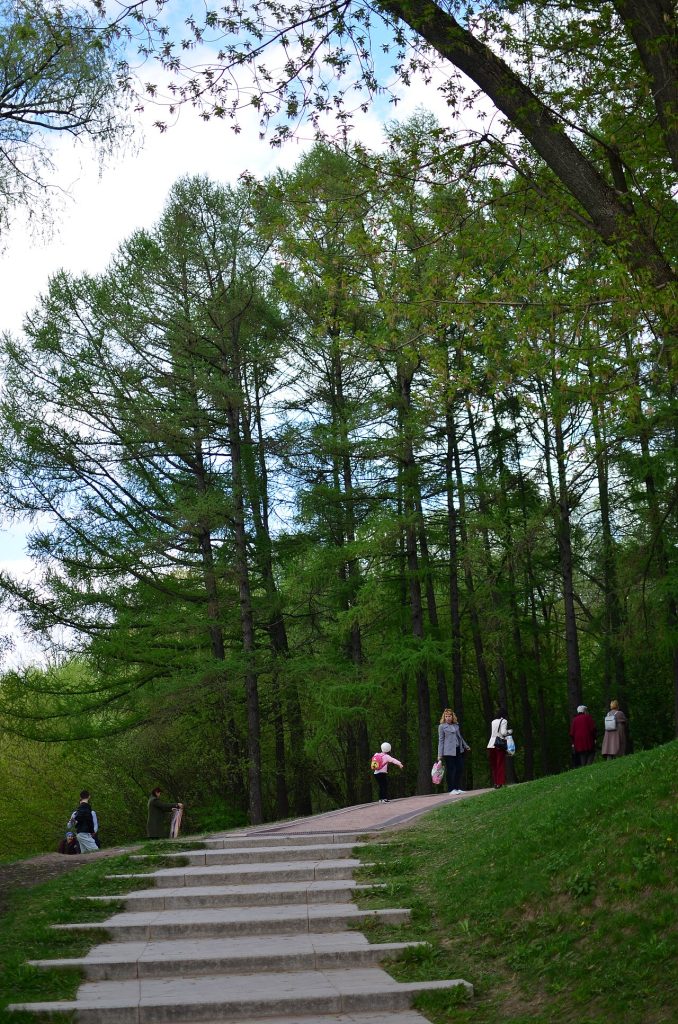
The park, meanwhile, matured into one of the finest landscape parks in the Moscow region.
A Ruin for Picnics
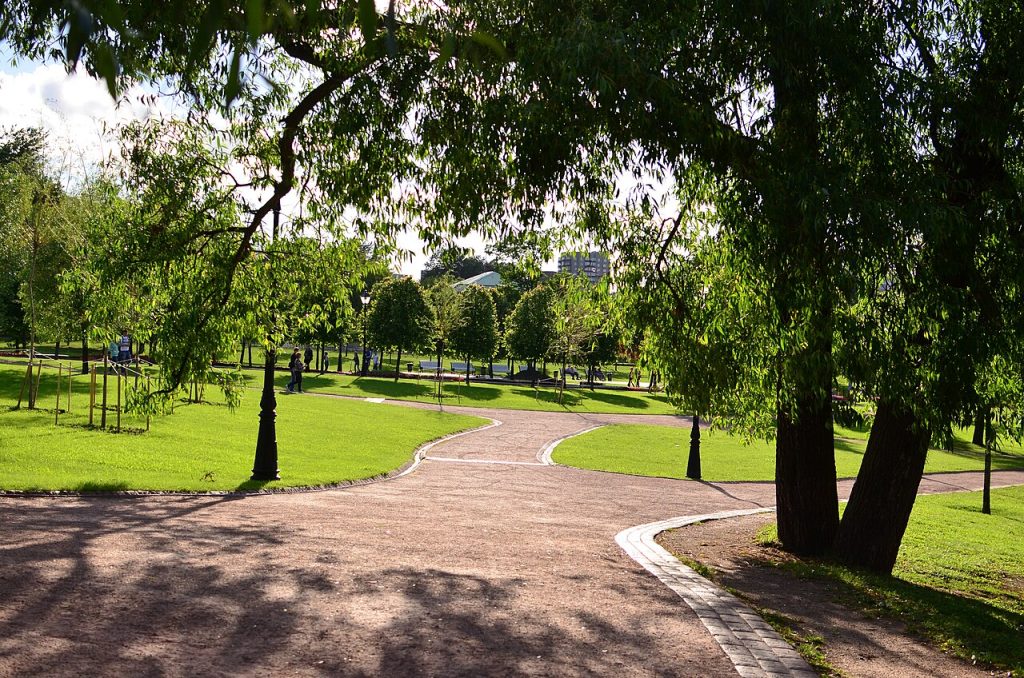
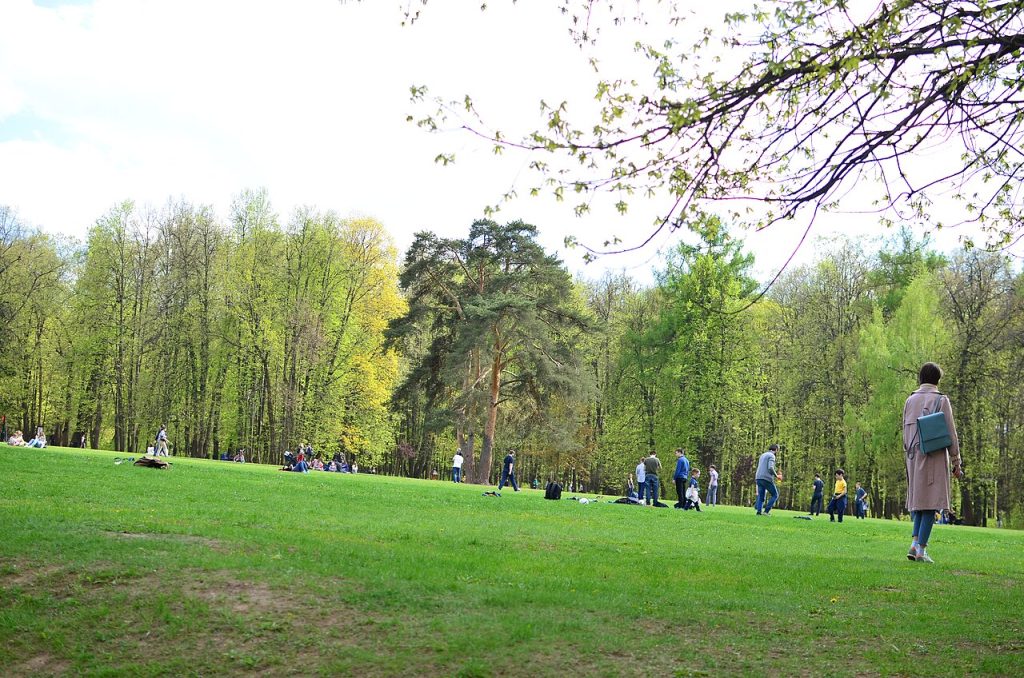
In the nineteenth century Tsaritsyno became a destination for Muscovites. Dachas were built nearby, trains brought day visitors, and the ruins were exactly the kind of picturesque scenery the romantic era enjoyed.
Writers mentioned it, painters painted it, and photographs from the 1900s show families posing among the empty windows.
The ruin had become, in effect, a public park with scenery, long before anyone proposed rebuilding it.
Soviet Years and a Museum
After 1917 the estate was nationalised. Parts housed a village soviet, a club, a cinema and apartments; the park was maintained as a public space.
In 1984 the complex became a state museum, and conservation work began on the surviving Bazhenov buildings. The main palace remained a shell.
Through the 1990s the question was what to do with it: conserve the ruin, or complete the building.
The 2007 Reconstruction
The city of Moscow chose completion. Between 2005 and 2007 the main palace was roofed, floored, glazed and fitted out with new interiors, and the Bread House was converted into exhibition space.
A new fountain with music and lights was installed in the park, paths were laid, and the complex reopened as a major museum and leisure destination.
It is now one of the most visited parks in Moscow, with millions of visitors a year.
The Argument About Authenticity
Conservationists objected strongly. The interiors are entirely modern inventions, since no eighteenth-century interiors ever existed; the new roofs and details were based on limited evidence; and a two-hundred-year-old ruin, itself a historical monument, was eliminated.
Defenders argue that a completed building serves the public, pays for its own maintenance and realises the original intention.
Visit and decide. It is one of the clearest test cases in European heritage policy, and the arguments on both sides are visible on site.
Visiting Tsaritsyno
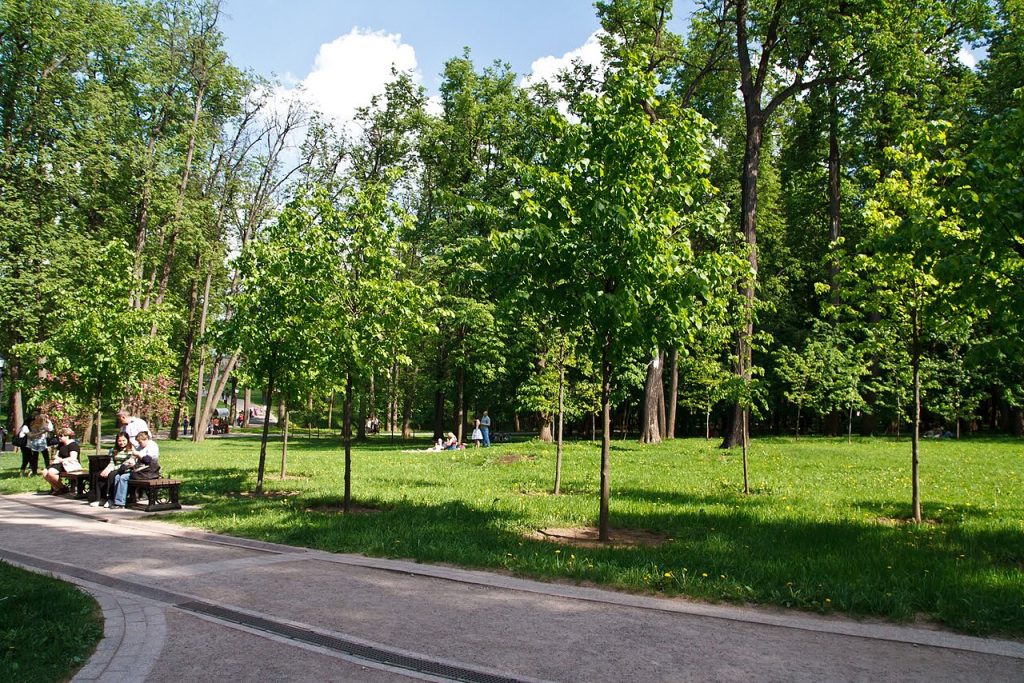
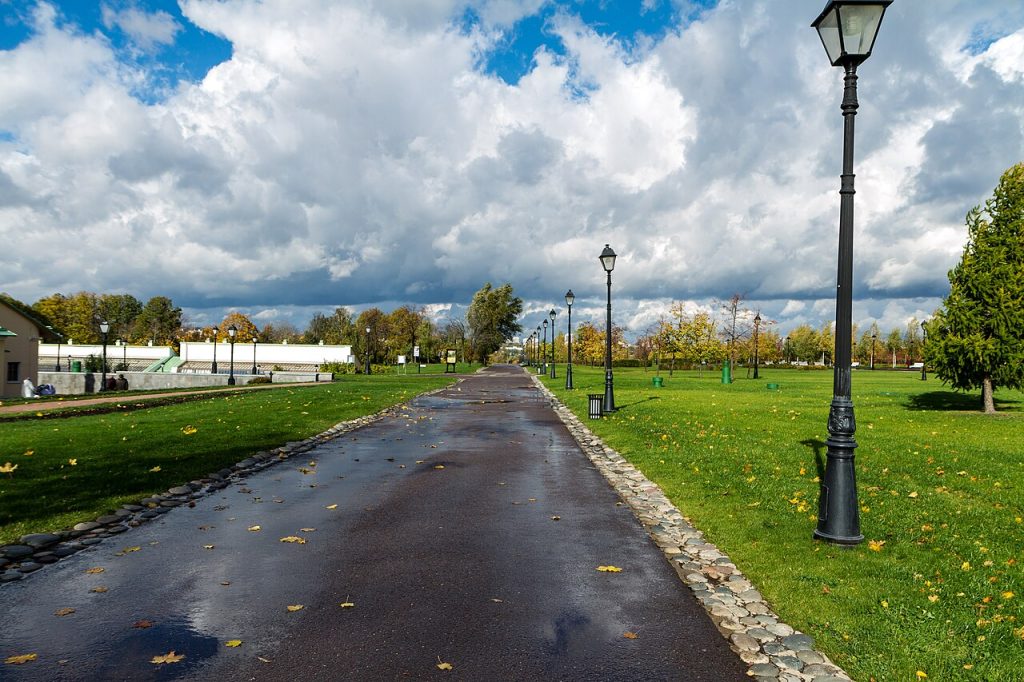
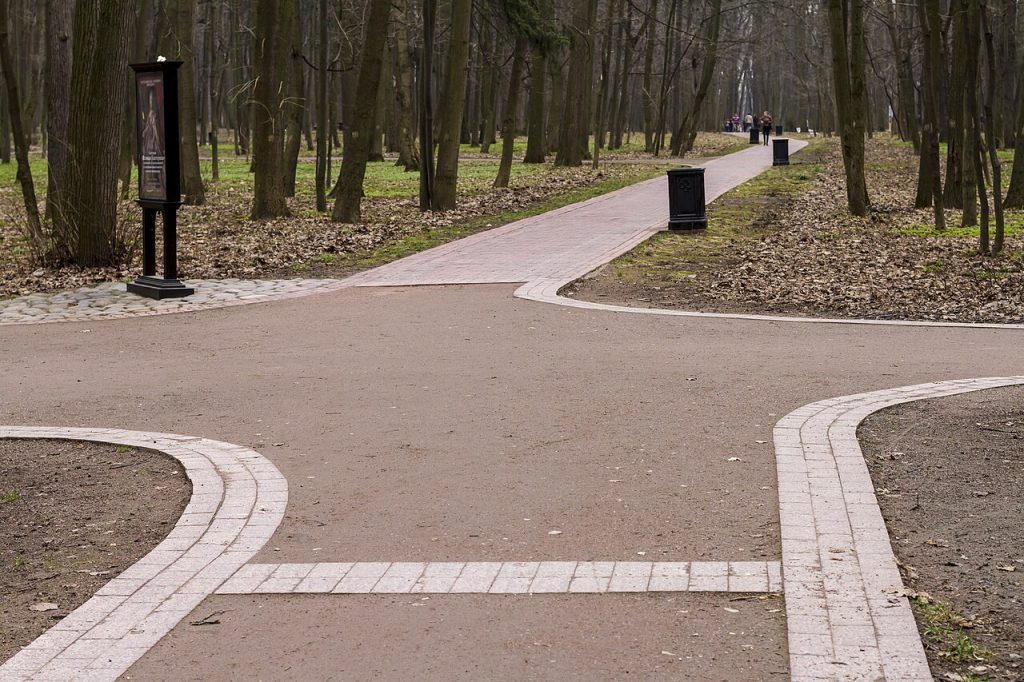
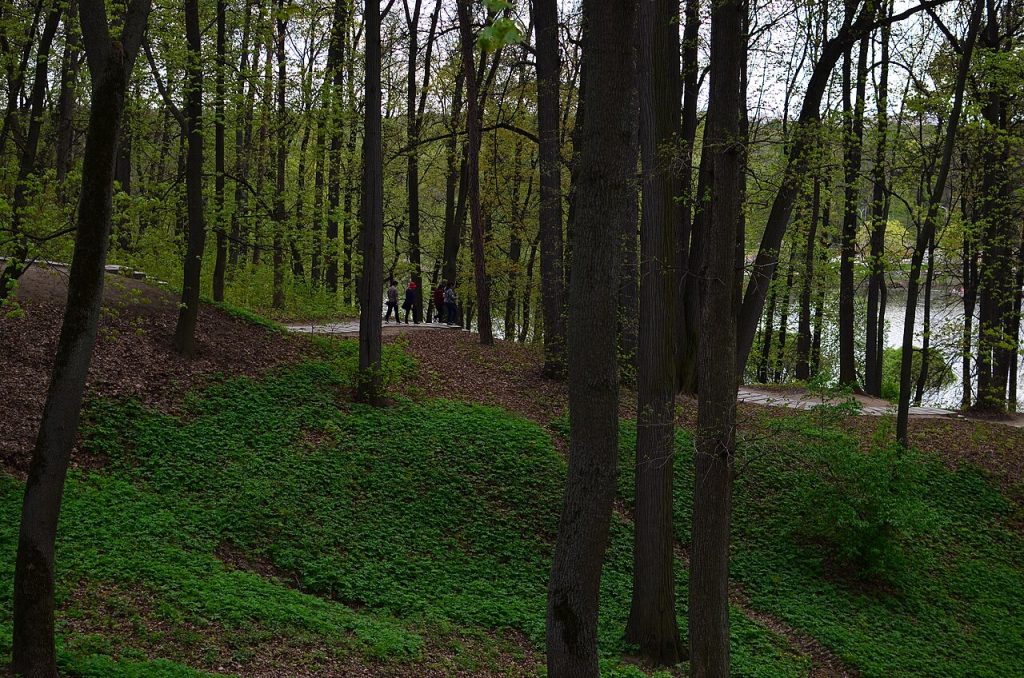
Go for the park first. It is large, well kept, full of water, and the Bazhenov bridges and pavilions are scattered through it in a way that rewards wandering.
Then do the palace and the Bread House exhibitions, which cover the history of the estate, decorative arts and temporary shows.
The greenhouses, restored and replanted, are an underrated part of the site and quiet even on busy weekends.
Watch the Palace on Film
Visiting Tsaritsyno Today
Tsaritsyno lies in southern Moscow, directly served by Tsaritsyno metro station on the green line and by suburban trains, about half an hour from the centre.
The park is open daily and free; the palace, Bread House and greenhouse exhibitions have ticketed entry and are usually closed on Mondays. The musical fountain runs in the warmer months.
Allow half a day. Check current travel conditions and advice for Russia before planning any trip. Find it here: https://www.google.com/maps?q=55.6153,37.6861
Palaces Nearby
You May Like
Lazienki Palace and the Island Theatre of Warsaw