Now, stop at the southern end of the lake and look north at the palace across the water. It sits on an island, low and white, with a colonnade reflected in the surface, and from this angle the building and its reflection form a single closed shape.
That effect is deliberate, and it was designed by a king who was simultaneously one of the most cultivated patrons in eighteenth-century Europe and the man who presided over the destruction of his own country.
Stanislaw August Poniatowski built this while Poland was being partitioned out of existence by its neighbours. The result is a park of extraordinary refinement created in the middle of a national catastrophe.
- The Bathhouse That Came First
- The Last King of Poland
- Merlini, Kamsetzer and the New Palace
- Why an Island
- The Rooms and the Collection
- The Thursday Dinners
- The Amphitheatre on the Water
- The White House and the Myslewicki Palace
- Partition and Abdication
- Russian Ownership and the Park
- 1944 and the Drill Holes
- Chopin and the Sunday Concerts
- Seeing Lazienki
The Bathhouse That Came First
The name Lazienki means baths. In the 1680s Stanislaw Herakliusz Lubomirski, a magnate and writer, built a baroque bath pavilion here to a design by Tylman van Gameren, in a hunting park south of Warsaw.
That small building, with its grotto and bathing rooms, is the core of the present palace. When the king bought the estate in 1764, he chose to extend the bathhouse rather than demolish it.
Look for the surviving seventeenth-century elements inside, particularly in the bathroom and the rotunda.
The Last King of Poland
Stanislaw August Poniatowski was elected king in 1764, with Russian support, having previously been a lover of Catherine the Great. He was intelligent, cultivated, politically weak, and committed to reforming a state that his neighbours preferred to keep weak.
His reign saw genuine achievements: an education commission, the constitution of 3 May 1791, the first in Europe, and a flowering of art and architecture. It also saw three partitions, in 1772, 1793 and 1795, after which Poland ceased to exist.
He abdicated in 1795 and died in St Petersburg in 1798. Polish historians have argued about him ever since.
Merlini, Kamsetzer and the New Palace
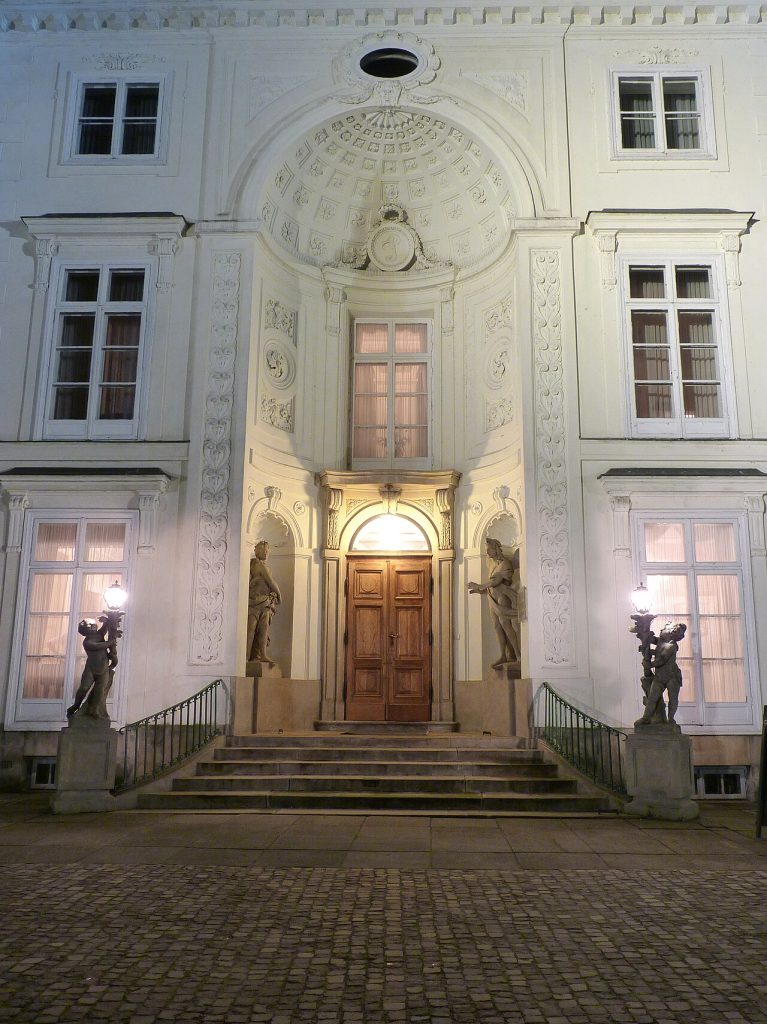
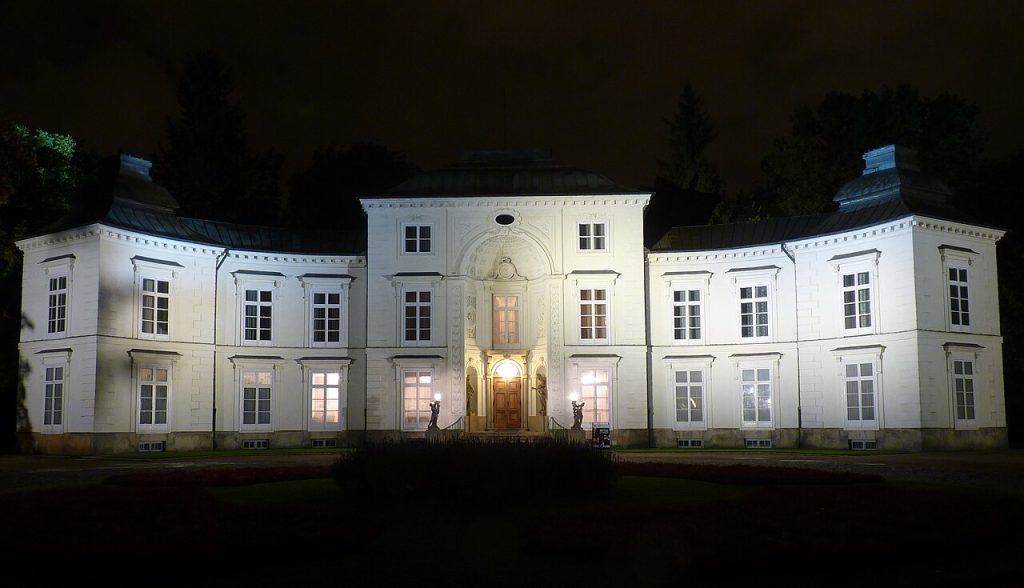
From 1772 the architects Domenico Merlini and Jan Chrystian Kamsetzer transformed the bathhouse into a neoclassical palace, adding colonnades, a ballroom, galleries and the facades that face the water at each end.
The style is restrained neoclassicism with a strong Palladian accent, and the scale is deliberately modest. This was a private retreat, not a seat of government.
The work continued into the 1790s, overlapping with the partitions, and some projects were never finished.
Why an Island
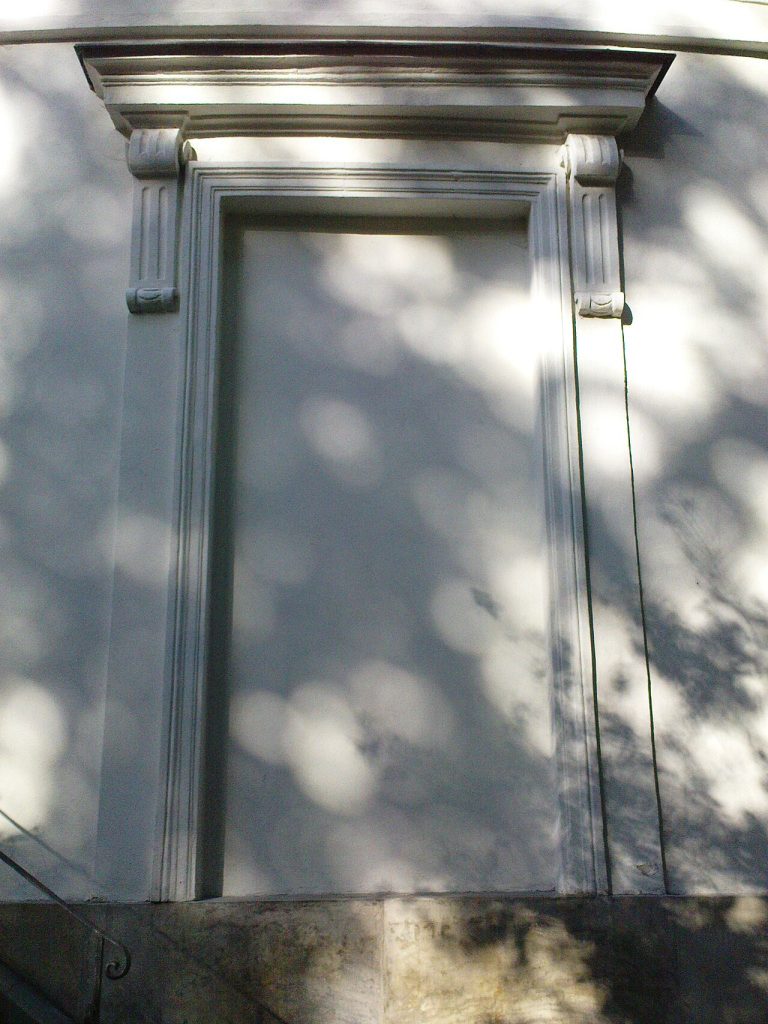
The palace stands on an artificial island, with water on both sides and bridges at either end. Approaching it means crossing water, and leaving means crossing back, which gives a small building a sense of occasion.
It also produces the reflections that define every photograph of the place. The architects aligned the facades so that the building and its mirrored image read as one composition from the main viewpoints.
Come at dawn in still weather if you want the effect at its strongest.
The Rooms and the Collection
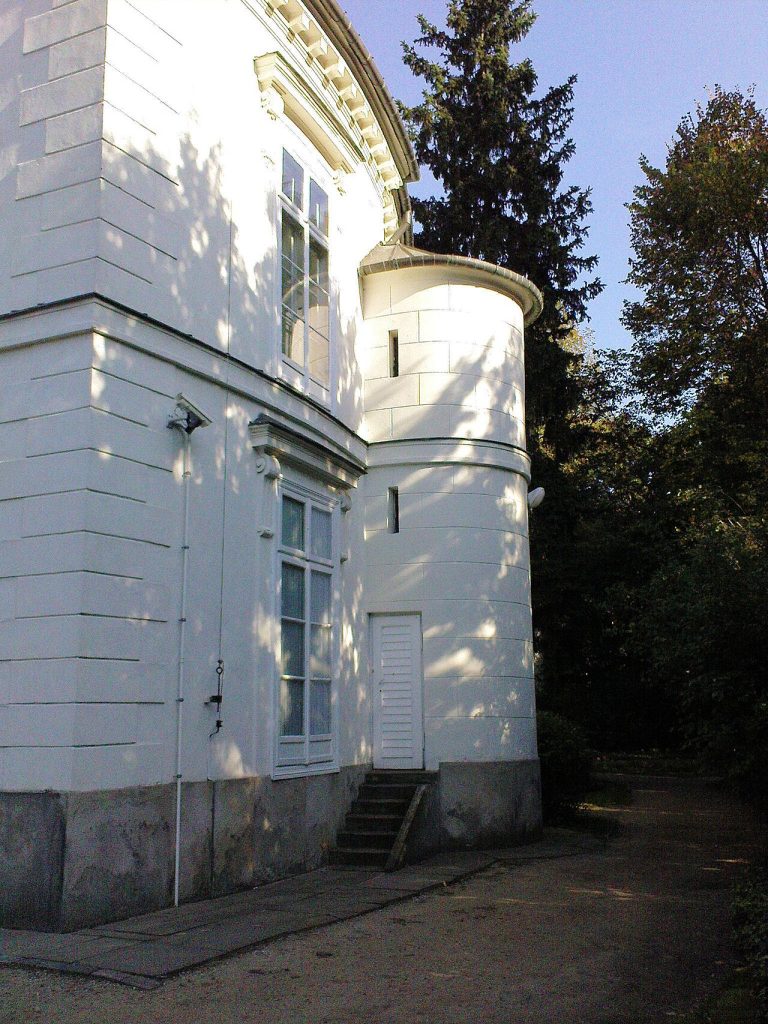
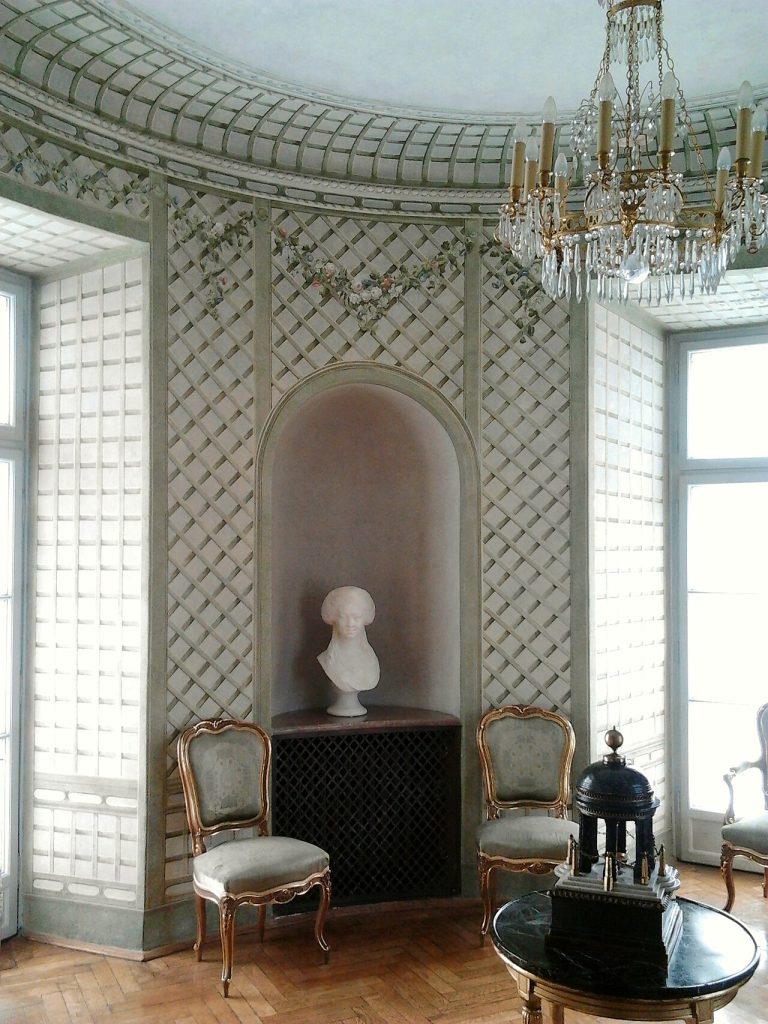
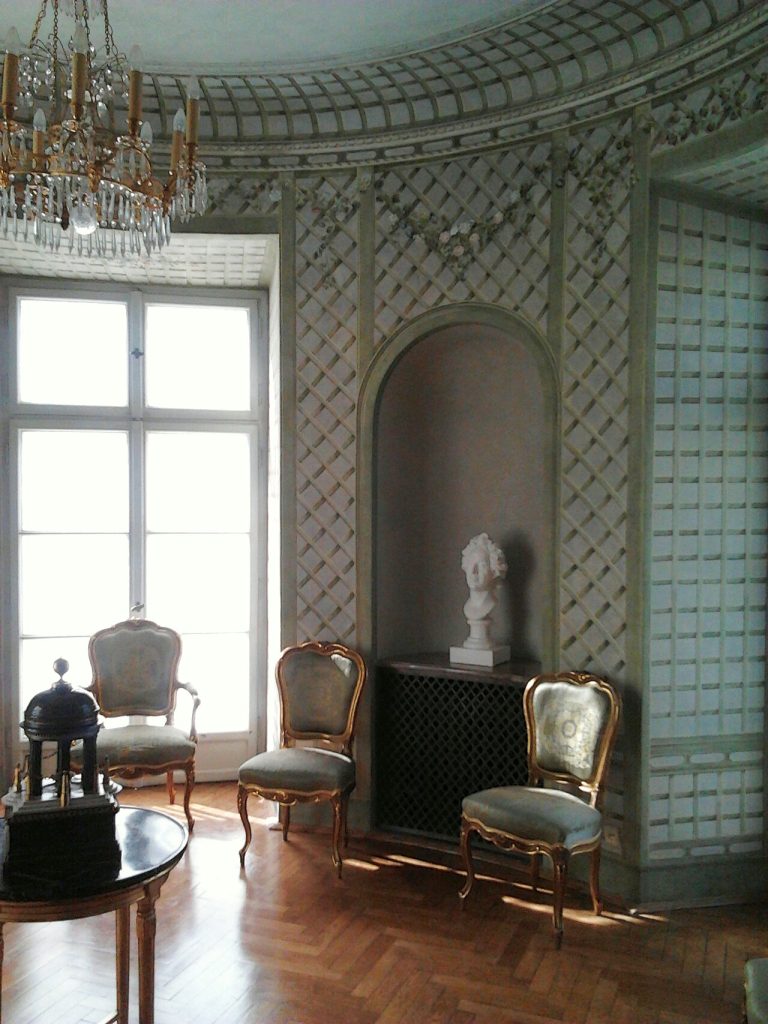
Inside, the highlights are the Ballroom, the Solomon Room, the rotunda with statues of Polish kings, and the picture gallery. The king assembled one of the best art collections in central Europe, with works by Rembrandt among others.
Much of that collection was dispersed after the partitions, but significant pieces remain or have returned, and the museum has reconstructed the arrangement where evidence allows.
The Bacchus Room and the bathroom preserve seventeenth-century decoration from the original bathhouse.
The Thursday Dinners
Stanislaw August hosted weekly Thursday dinners for writers, artists, scientists and reformers, and they became the central institution of the Polish Enlightenment.
Discussion covered literature, education, political reform and science. Several participants went on to draft the 1791 constitution, which attempted to turn the Commonwealth into a modern constitutional monarchy.
Russia invaded the following year in response. The constitution lasted fourteen months.
The Amphitheatre on the Water
A short walk from the palace stands the amphitheatre of 1791, modelled on the theatre at Herculaneum, with stone seating on the bank and the stage on an island, separated from the audience by water.
It is one of the most charming theatre settings in Europe, and performances still take place there in summer. Boats can cross behind the stage as part of the staging.
The ruins around the stage are decorative, built as ruins, in the eighteenth-century taste for picturesque antiquity.
The White House and the Myslewicki Palace
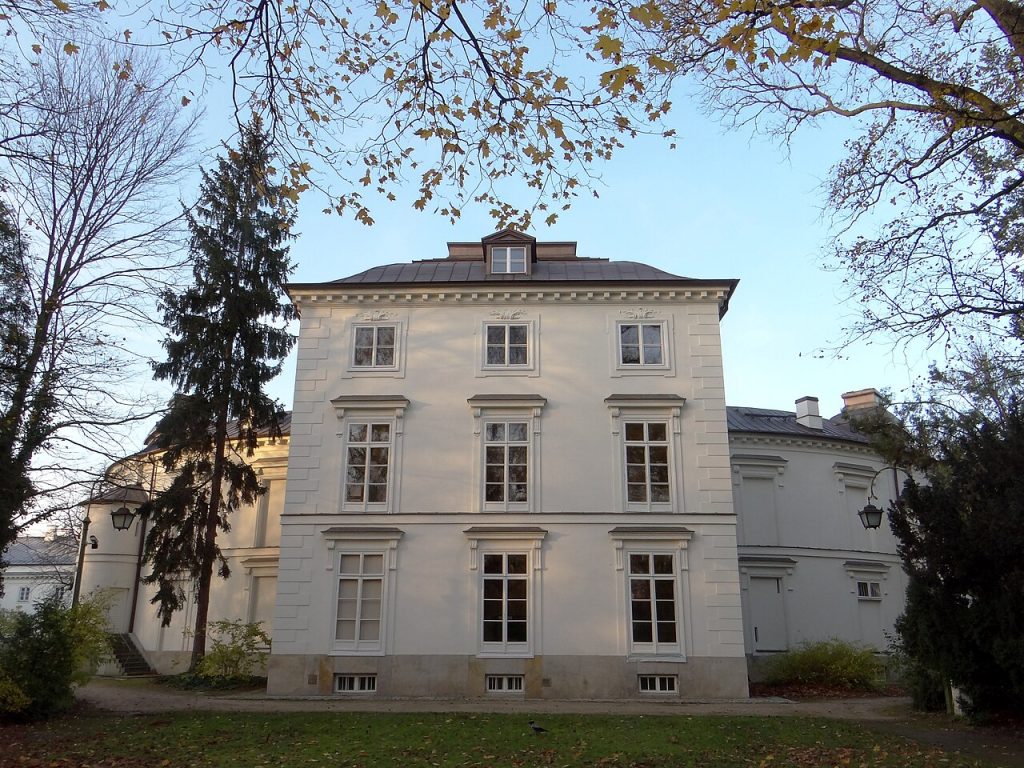
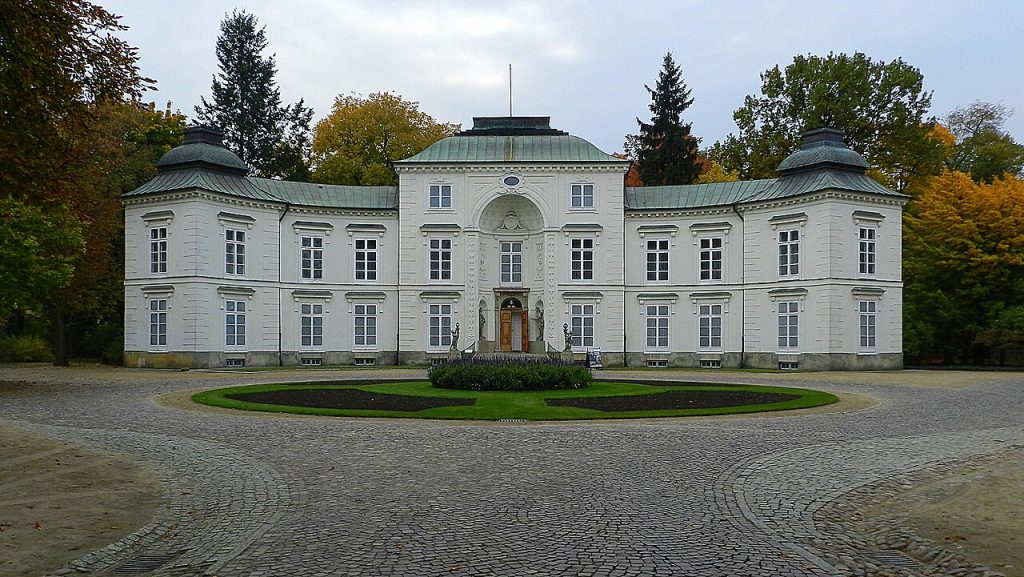
The park holds several other royal buildings. The White House was built for the king’s sister and later housed his mistress and, at one point, the exiled future Louis XVIII of France.
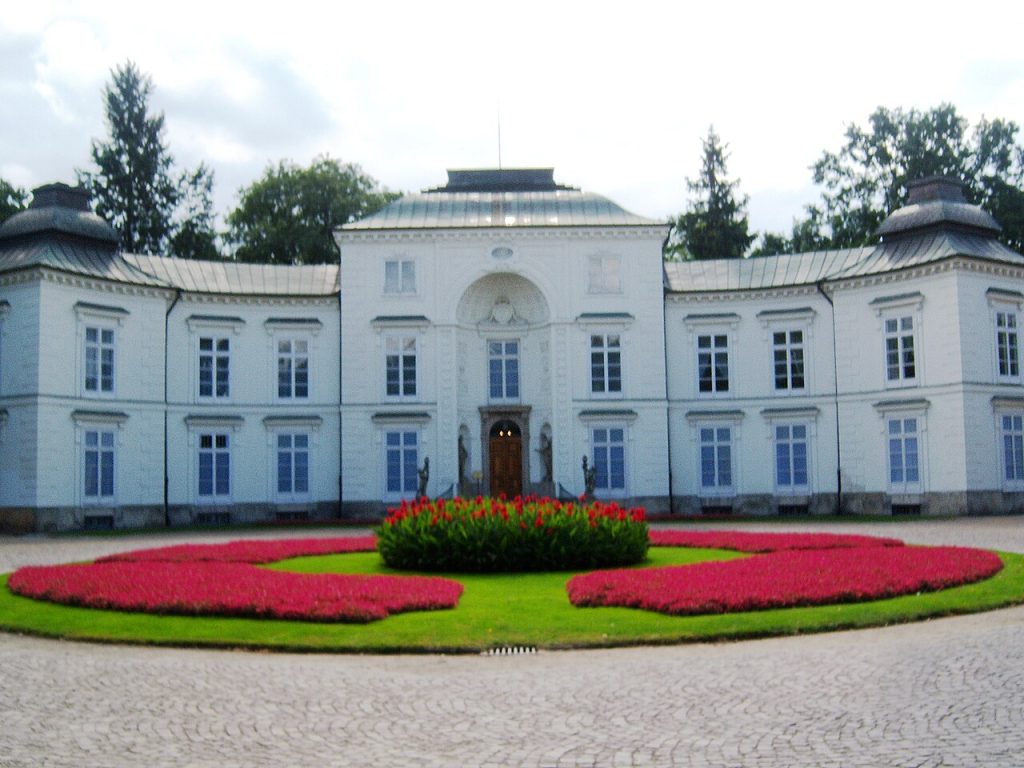
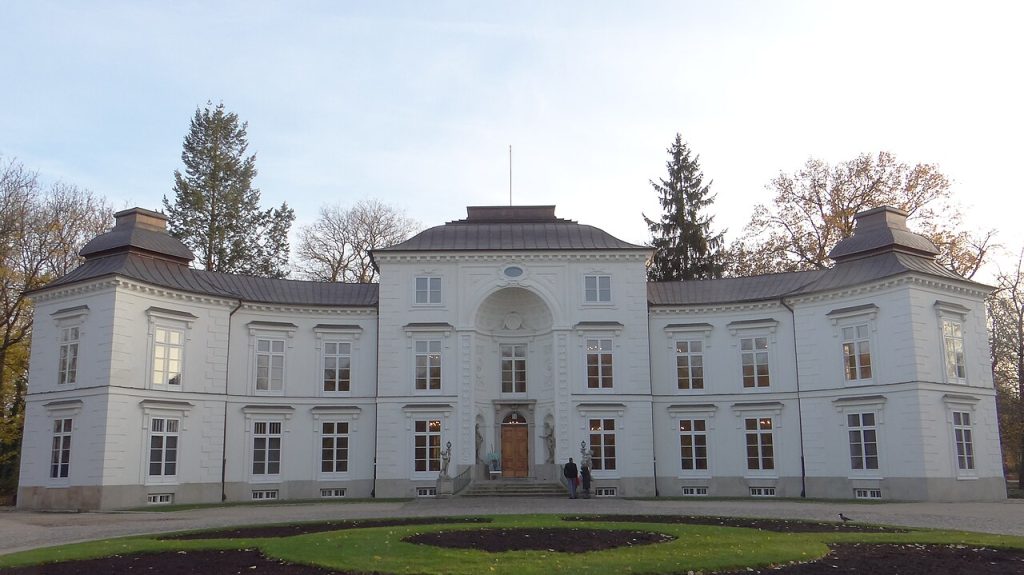
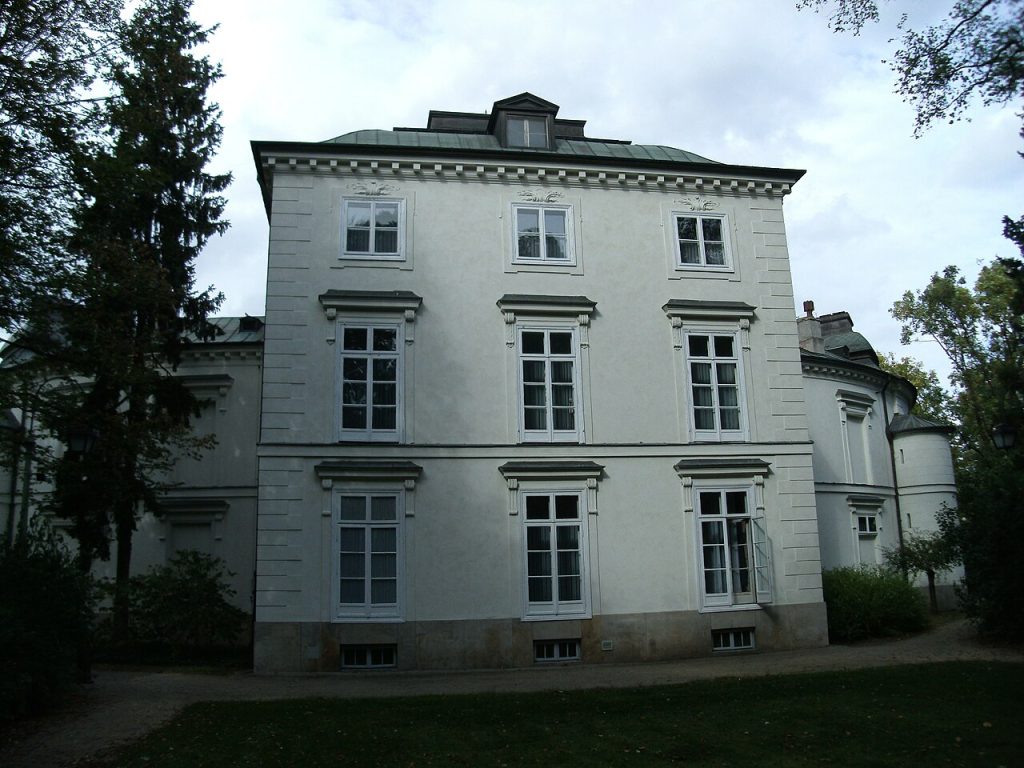
The Myslewicki Palace, with its curved wings, was given to the king’s nephew Prince Jozef Poniatowski, the marshal who drowned in the Elster at Leipzig in 1813 and became a Polish national hero.
The Old Orangery contains a preserved eighteenth-century court theatre, one of very few in Europe to survive with its original wooden interior.
Partition and Abdication
The three partitions of 1772, 1793 and 1795 divided the Polish-Lithuanian Commonwealth between Russia, Prussia and Austria. Poland disappeared from the map for 123 years.
Stanislaw August spent his last years as a pensioner of the Russian court. His library, his collections and his buildings were scattered or seized, and his reputation in Poland suffered accordingly.
Modern historians are more sympathetic, noting that the Commonwealth’s structural weaknesses predated him and that his cultural programme shaped Polish identity through the century of statelessness that followed.
Russian Ownership and the Park
After the partitions the estate passed to the Russian imperial family, who used it occasionally and maintained the park. Warsaw became a provincial capital of the Russian Empire.
The park was opened to the public during the nineteenth century and became central to Warsaw’s civic life, which it has remained through every subsequent change of regime.
Poland regained independence in 1918, and Lazienki returned to the Polish state.
1944 and the Drill Holes
After the Warsaw Uprising of 1944, German forces systematically destroyed the city. At Lazienki they stripped the palace of its decoration and drilled holes in the walls for explosives to blow it up.
The demolition was never carried out, because the front moved too fast. The drill holes were found during post-war restoration and some are deliberately left visible.
Warsaw lost around eighty-five percent of its buildings in the war. That this palace survived at all is a matter of days.
Chopin and the Sunday Concerts
At the northern end of the park stands the Chopin monument of 1926, a bronze figure beneath a stylised willow, destroyed by the Germans in 1940 and recast after the war.
From May to September, free piano recitals are given beside it on Sunday afternoons, and hundreds of people sit on the grass to listen. It is one of the pleasantest public rituals in any European capital.
Check the schedule and plan your visit around it if you are in Warsaw in summer.
Seeing Lazienki
Treat it as a park day. The palace tour takes an hour, the amphitheatre and the smaller palaces another hour, and the park itself deserves as long as you have.
Peacocks wander the paths, red squirrels take food from hands, and the lake has swans. On a May weekend half of Warsaw seems to be here.
Walk the length of the park from the Chopin monument to the Belvedere and out toward Wilanow if you want a longer route; the two royal residences sit at opposite ends of the same historic axis.
Watch the Palace on Film
Visiting Lazienki Palace Today
Lazienki Park lies in central Warsaw along Ujazdowskie Avenue, a short walk from Politechnika metro station and a few stops by bus from the Old Town.
The park is open daily from dawn until dusk and free; the Palace on the Isle and the other museum buildings have ticketed entry and are generally closed on Mondays. Chopin concerts run on summer Sundays.
Allow half a day, longer in good weather, and combine it with Wilanow Palace further south if you want two royal residences in one day. Find it here: https://www.google.com/maps?q=52.2150,21.0350
Palaces Nearby
You May Like
Balchik Palace and the Romanian Queen Who Chose the Sea