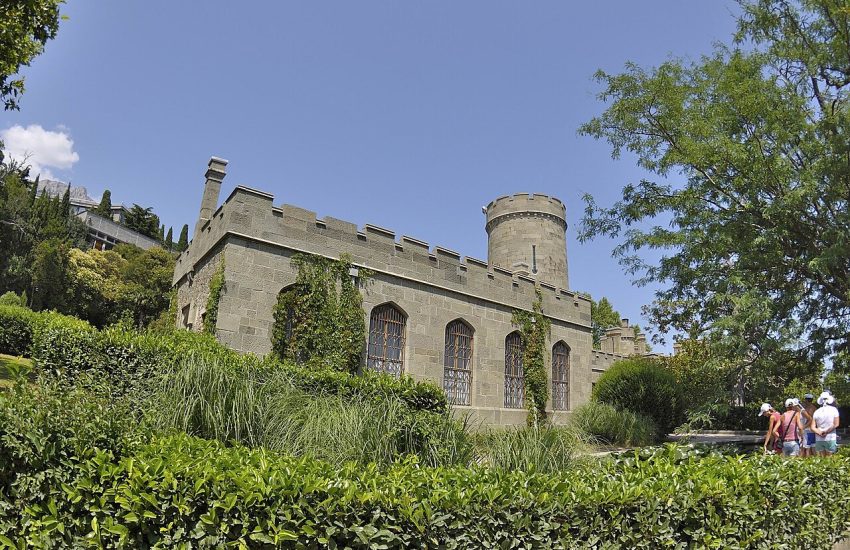
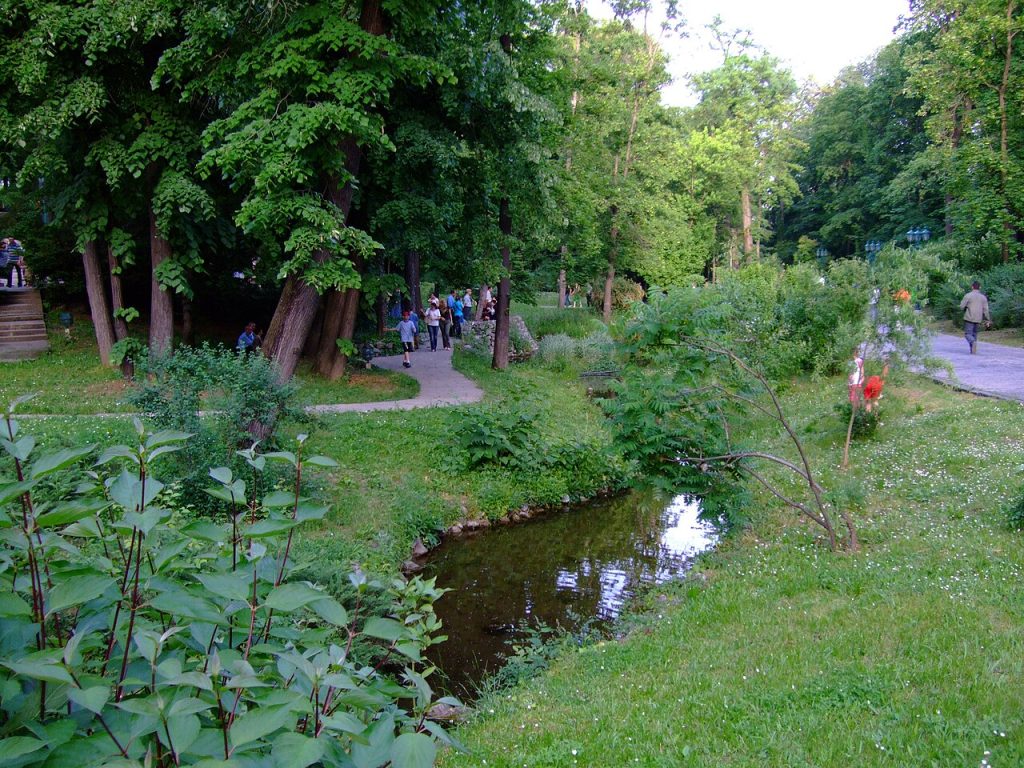
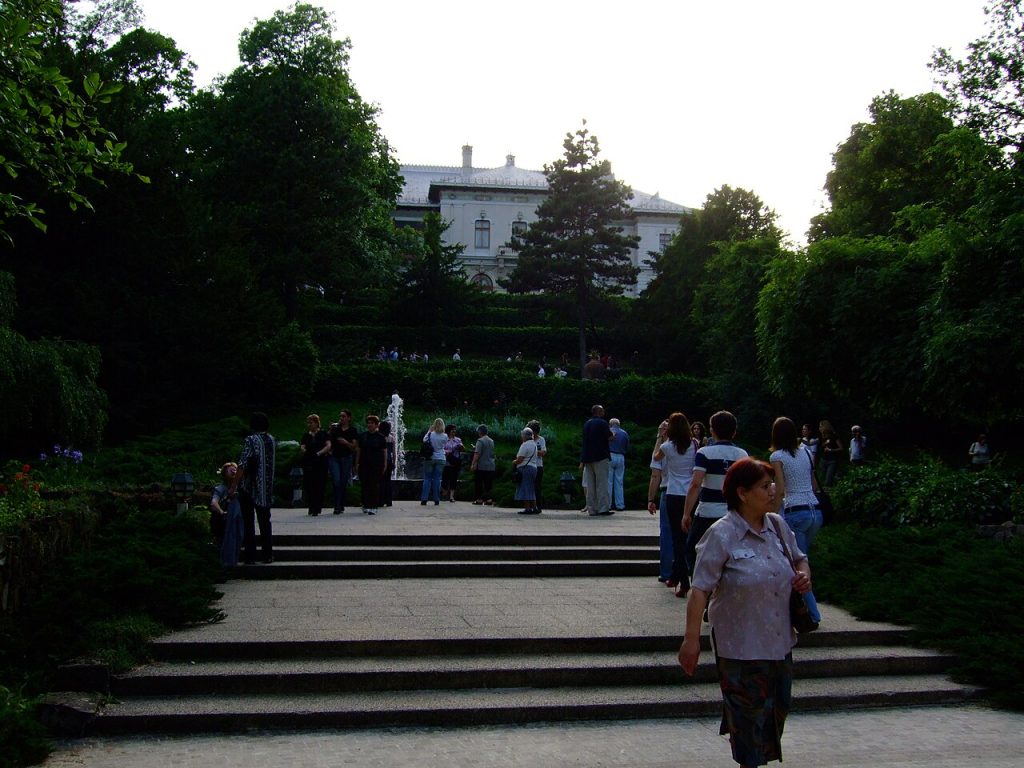
Now, stop in the courtyard and notice how many buildings are standing in the same place. There is a seventeenth-century monastic layer, a nineteenth-century royal palace, an interwar queen’s apartment in half a dozen revival styles, a communist-era reconstruction and a modern presidential administration.
Cotroceni is where modern Romania was assembled, decorated, interrupted and reassembled, and all of those processes left marks on the same site.
It is also one of the few palaces in Europe where the head of state works in one half and the public tours the other, separated by a corridor and a security check.
- The Monastery of Serban Cantacuzino
- A Royal Residence After 1862
- Paul Gottereau and the New Palace
- Ferdinand, Marie and a New Kingdom
- Queen Marie and Her Rooms
- Celtic, Byzantine and Art Nouveau
- The Great War and Greater Romania
- The Interwar Court
- Pioneers, Earthquake and Demolition
- The Church That Came Back
- The Presidency Moves In
- The National Museum
- How to Get Inside
The Monastery of Serban Cantacuzino
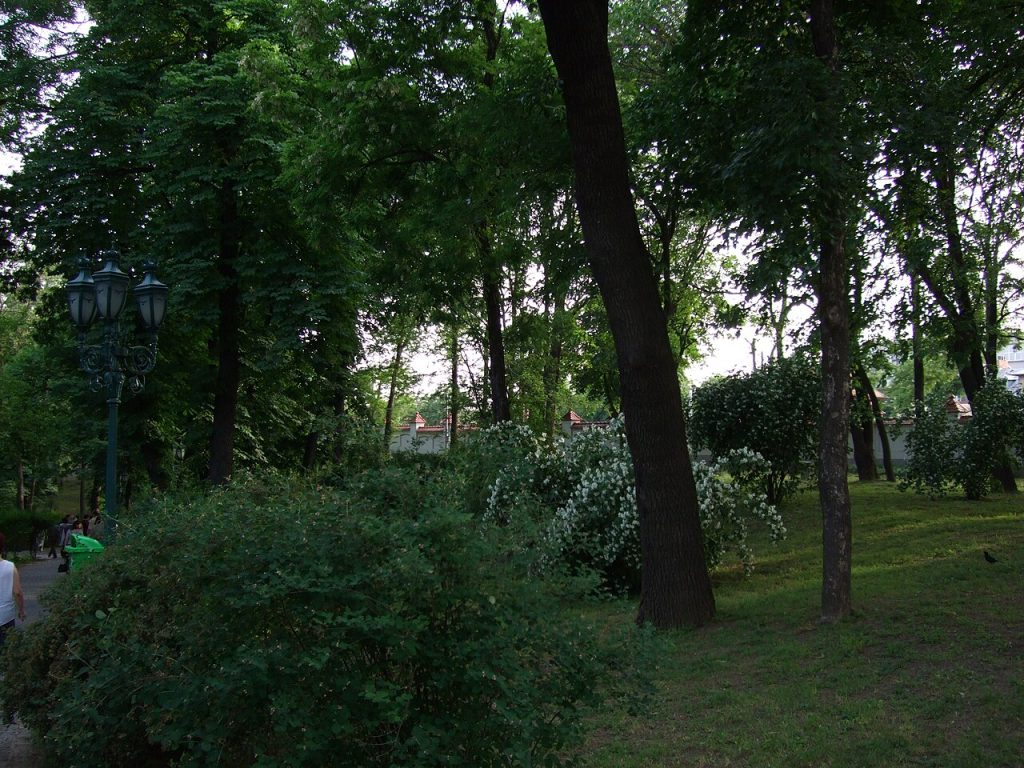
The site begins in 1679, when Prince Serban Cantacuzino founded a monastery on the hill of Cotroceni, then outside Bucharest, with a church, cells and princely apartments. He is buried in the church.
Wallachian princes regularly founded monasteries, partly from piety and partly because a monastery was a secure, tax-advantaged institution that could hold family property and memory.
The monastic complex set the plan that later buildings followed, and its church remained the spiritual centre of the site until the 1980s.
A Royal Residence After 1862
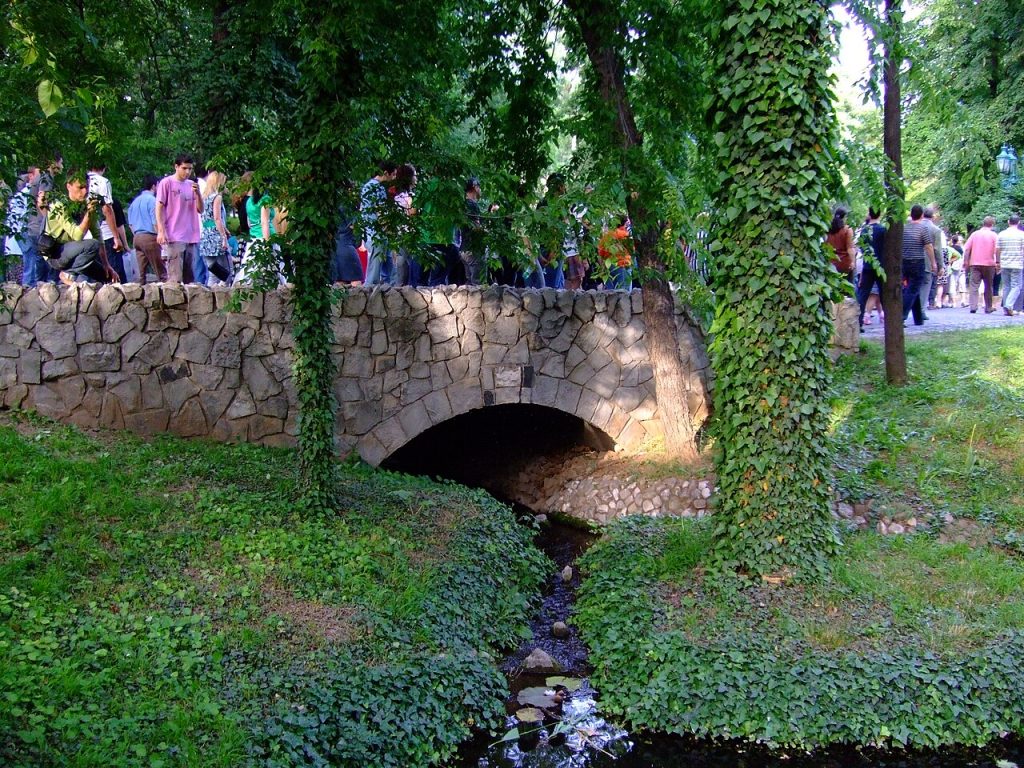
When Wallachia and Moldavia united to form Romania and Bucharest became the capital, the state needed royal accommodation. Prince Alexandru Ioan Cuza used Cotroceni as a summer residence from the 1860s.
After Cuza’s deposition, Carol of Hohenzollern-Sigmaringen was brought in as prince and later became king, and the modernisation of Romania accelerated: railways, a constitution, a university, independence from the Ottomans in 1877 and a kingdom in 1881.
Cotroceni was upgraded to match the new status of the dynasty.
Paul Gottereau and the New Palace
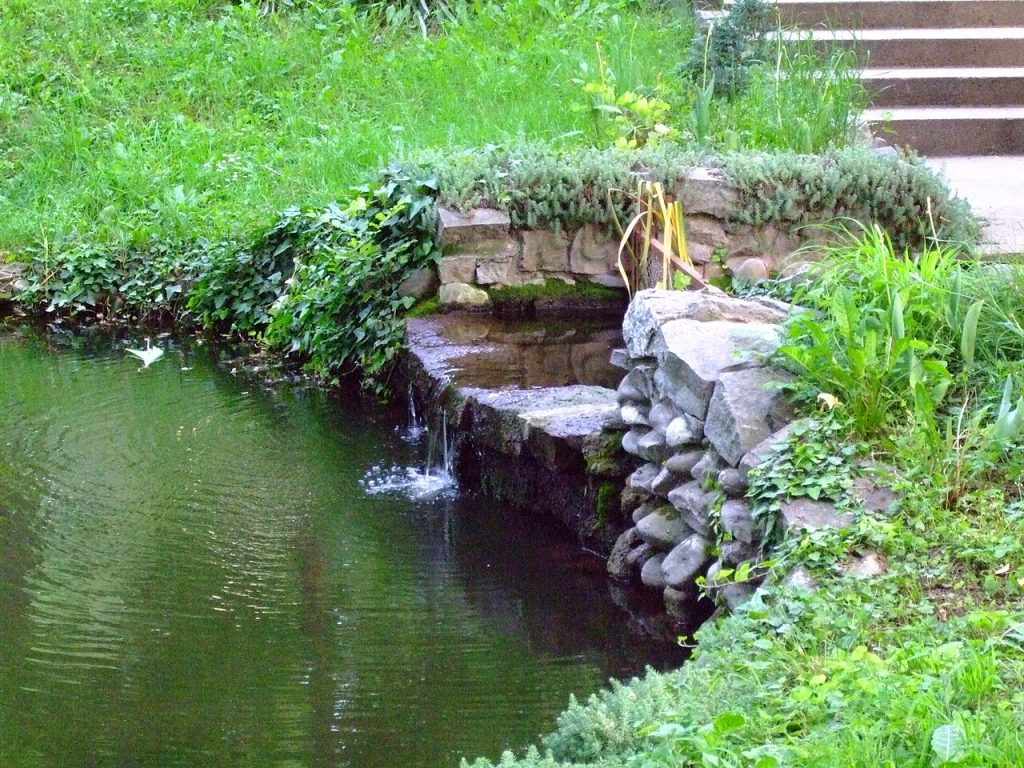
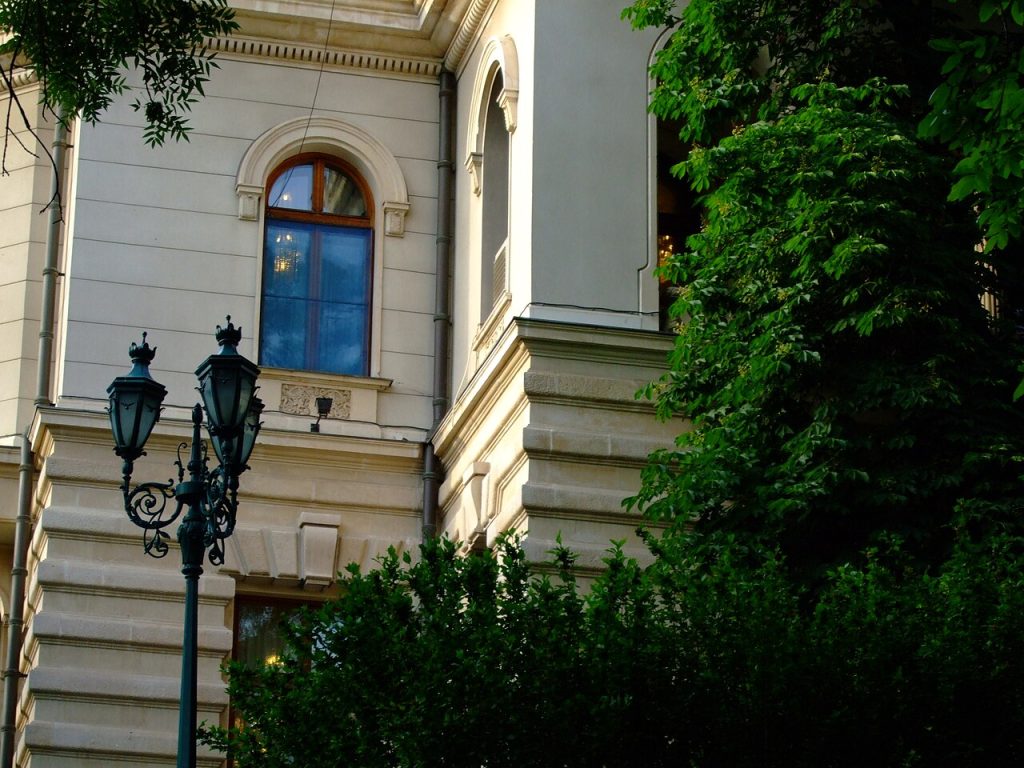
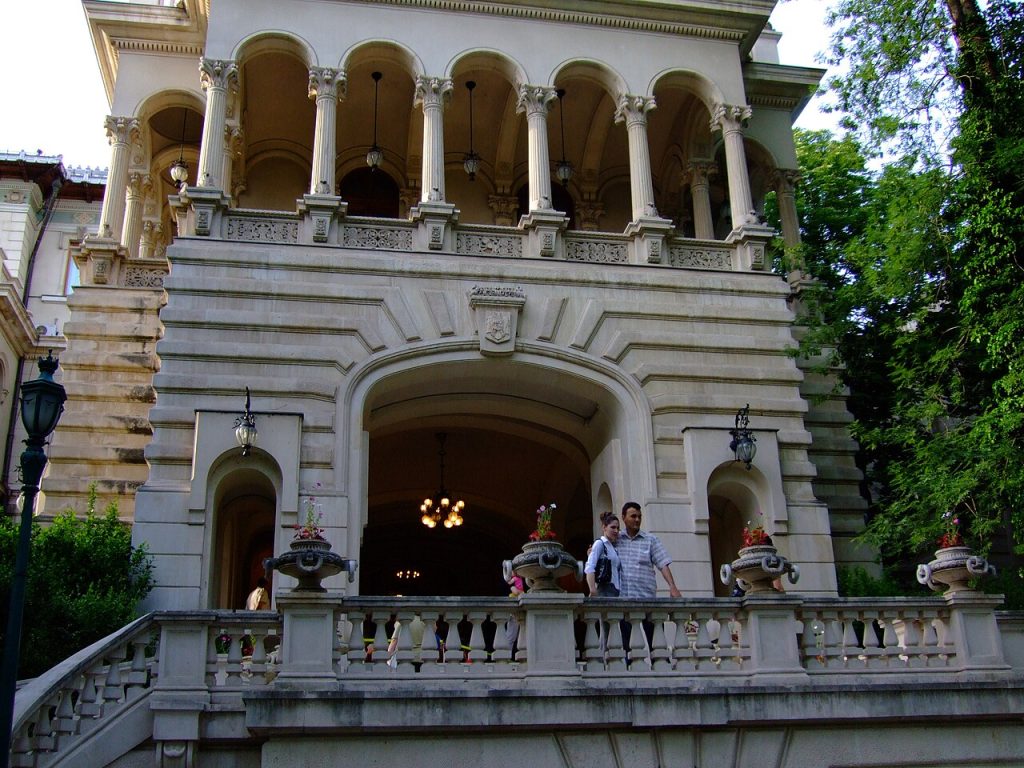
Between 1888 and 1895 the French architect Paul Gottereau rebuilt the royal apartments as a proper palace for Crown Prince Ferdinand and his wife Marie, in a Venetian and French-influenced style with a grand staircase and formal reception rooms.
Gottereau also designed the Romanian Athenaeum’s surroundings and the royal palace library in Bucharest, and his work defines the look of the late nineteenth-century capital.
Later, the Romanian architect Grigore Cerchez added wings in the national revival style, deliberately introducing Brancovan elements into a French building.
Ferdinand, Marie and a New Kingdom
Ferdinand was German by birth, nephew of King Carol I, and he married Marie of Edinburgh, granddaughter of Queen Victoria and of Tsar Alexander II, in 1893. They moved into Cotroceni and lived there for decades.
Their marriage was not initially happy and their characters were opposite: he hesitant and scholarly, she energetic, theatrical and politically shrewd. The partnership nonetheless carried Romania through the First World War.
Cotroceni was their home, where their children were born and where Marie did her most personal work.
Queen Marie and Her Rooms
Marie was a designer as much as a queen. She reworked her apartments repeatedly, choosing colours, furniture and schemes herself, and her rooms at Cotroceni are the best surviving example of her taste.
She wrote prolifically, promoted Romanian folk art, posed for photographers in Byzantine-inspired costume, and understood public image better than almost any royal of her generation.
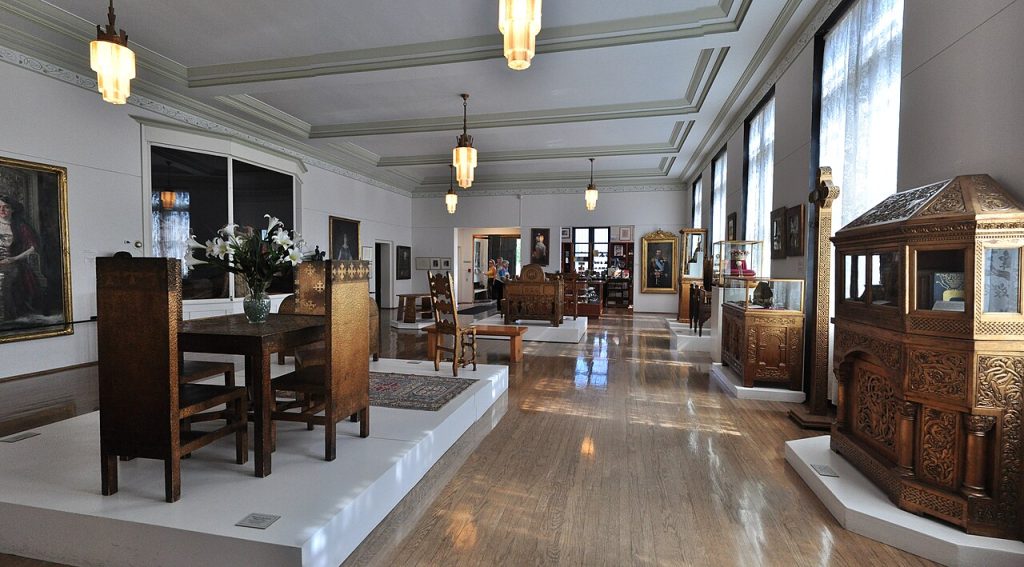
Her bedroom, with its Byzantine and Orthodox references, and the golden room are the highlights of the museum tour.
Celtic, Byzantine and Art Nouveau
Marie’s schemes drew on Celtic ornament from her British background, Byzantine and Orthodox motifs from her new country, art nouveau from contemporary Europe, and Romanian folk patterns.
The results are eclectic in a way that can look chaotic in photographs and works surprisingly well in person, because each room is internally consistent.
Art historians treat her as a genuine participant in the national revival rather than as a royal amateur, and recent exhibitions have taken her design work seriously.
The Great War and Greater Romania
Romania entered the First World War in 1916 on the Allied side, was invaded within months, and lost Bucharest. The court and government retreated to Iasi in Moldavia, where Marie worked as a nurse and became a national symbol.
The war ended with the union of Transylvania, Bessarabia and Bukovina with the old kingdom, doubling the country’s size and creating Greater Romania. Ferdinand and Marie were crowned at Alba Iulia in 1922.
Marie then went to the Paris Peace Conference and lobbied personally for Romanian claims, which is one of the stranger and more effective diplomatic missions of the period.
The Interwar Court
Between the wars Cotroceni was the working royal residence. Bucharest in this period was prosperous, culturally ambitious and nicknamed the Paris of the East, with modernist architecture rising alongside national revival buildings.
The politics were less attractive: unstable governments, the rise of the Iron Guard, and a king, Carol II, whose personal rule damaged the institution his grandfather had built.
The monarchy ended in 1947 when King Michael was forced to abdicate by the communist authorities.
Pioneers, Earthquake and Demolition
Under communism the palace became the Pioneers’ Palace, a centre for the communist children’s organisation, and the royal apartments were adapted accordingly.
The 1977 earthquake, which killed over fifteen hundred people in Romania, damaged the building badly. Restoration began, and in 1984 Nicolae Ceausescu ordered the seventeenth-century church demolished to make room for his plans.
The demolition of the Cantacuzino church was part of a wider destruction of Bucharest’s historic fabric in the 1980s, carried out to build the vast administrative district around the House of the People.
The Church That Came Back
After 1989 the decision was taken to rebuild the demolished church. Reconstruction ran from 2003 to 2009, using the original plans, archaeological evidence and surviving fragments, and the new church was consecrated on the old foundations.
Rebuilding a demolished monument is controversial in conservation circles, but in Bucharest it was understood as repairing deliberate damage rather than faking history.
Serban Cantacuzino’s tomb is there again, and the church functions as part of the museum complex.
The Presidency Moves In
Since 1991 Cotroceni has been the seat of the president of Romania. The administration occupies one part of the complex, with the museum in the historic apartments.
This produces the odd arrangement visitors encounter: a security check, an escorted tour, and a working government building a few doors away from Queen Marie’s bedroom.
It also means the palace is maintained to a high standard, because the state needs it.
The National Museum
The National Cotroceni Museum covers the medieval monastic history, the royal apartments, the art collections and temporary exhibitions. It holds furniture, paintings, textiles, documents and objects from the royal family.
Guides are generally well informed and the tour is thorough, lasting an hour or more. Photography rules are strict because of the security context.
The museum also runs an active programme of concerts and exhibitions, so check what is on.
How to Get Inside
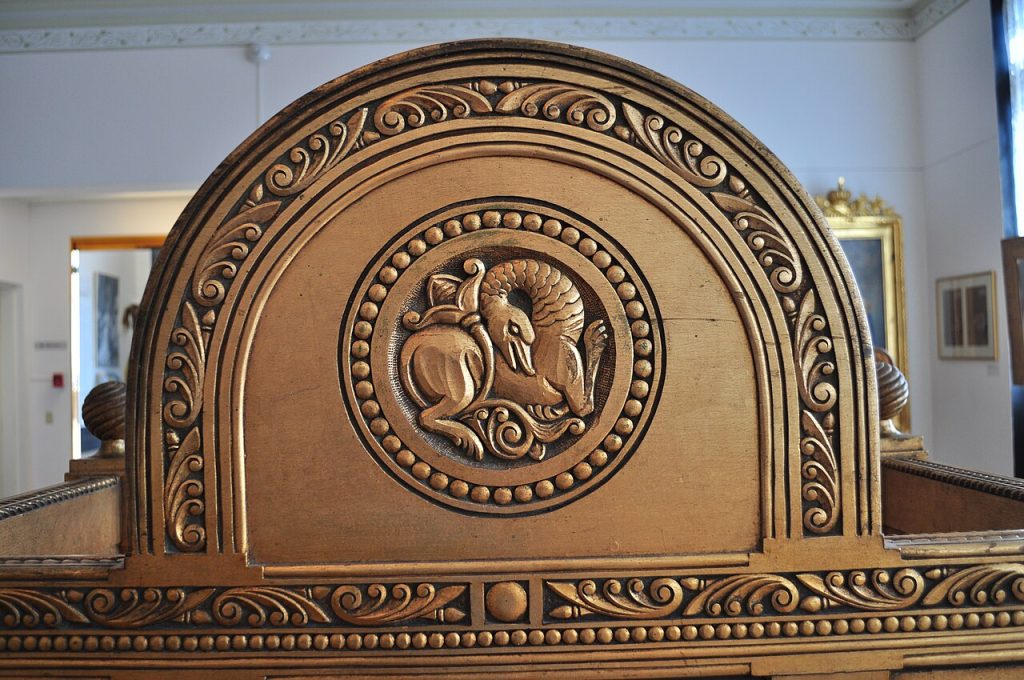
You cannot simply turn up. Visits are by advance booking with identity documents, because the complex is a working presidential residence, and tours run at fixed times with a guide.
Book several days ahead, bring your passport, and arrive early for the security check. The process is straightforward once you know it is required.
Walk around the Cotroceni district afterwards. It is one of the most pleasant neighbourhoods in Bucharest, full of interwar villas, and the botanical garden is a short walk away.
Watch the Palace on Film
Visiting Cotroceni Palace Today
Cotroceni stands in the western part of central Bucharest, a short walk from Eroilor metro station and close to the botanical garden and the medical university.
The museum admits visitors by prior booking only, with set tour times and identity checks at the gate; the presidential administration occupies the rest of the complex. Mondays are usually closed.
Allow two hours for the tour, book at least a few days ahead, and combine it with the botanical garden and the interwar streets nearby. Find it here: https://www.google.com/maps?q=44.4356,26.0631
Palaces Nearby
You May Like
Mogosoaia Palace and the Brancovan Style of Wallachia