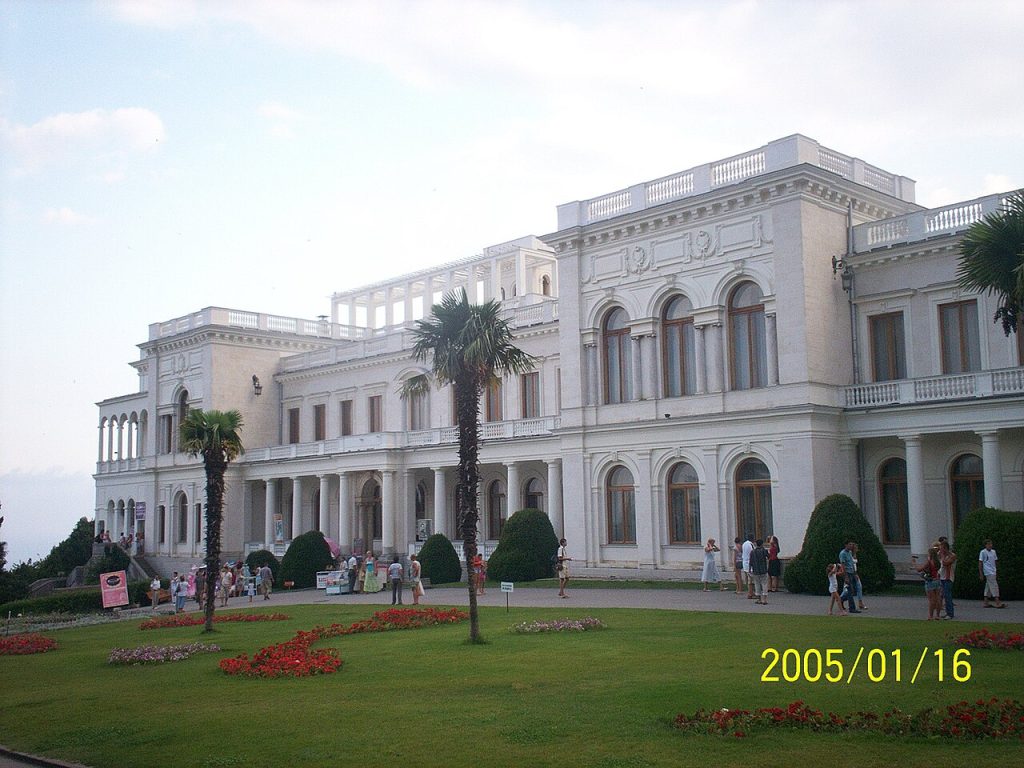
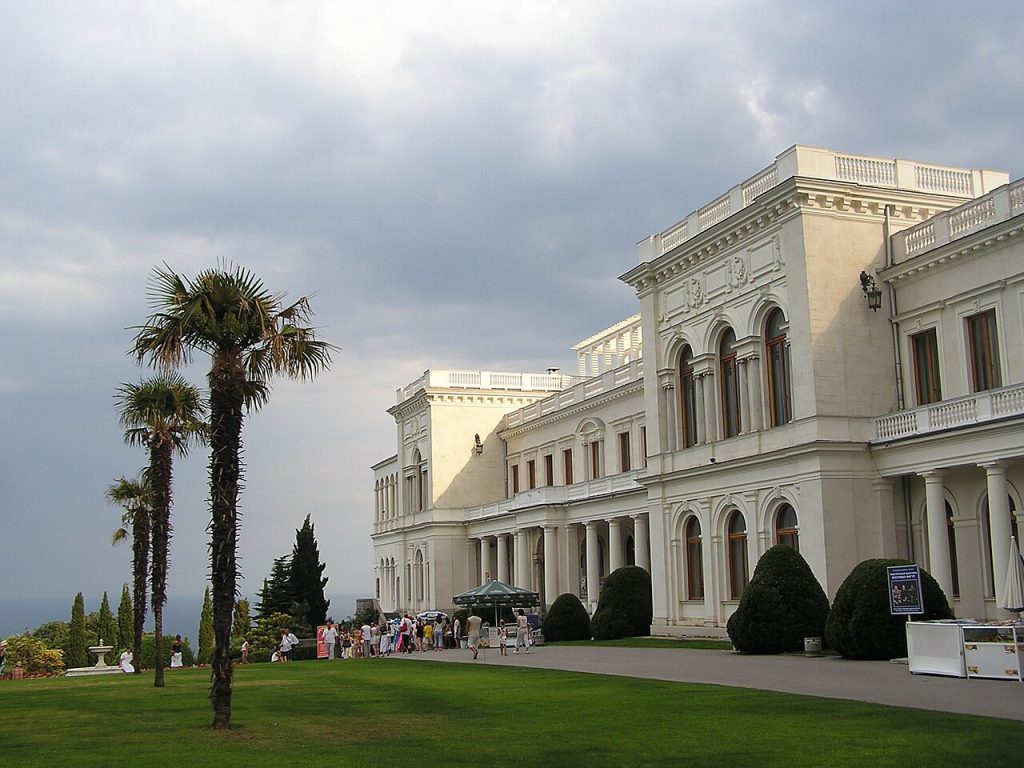
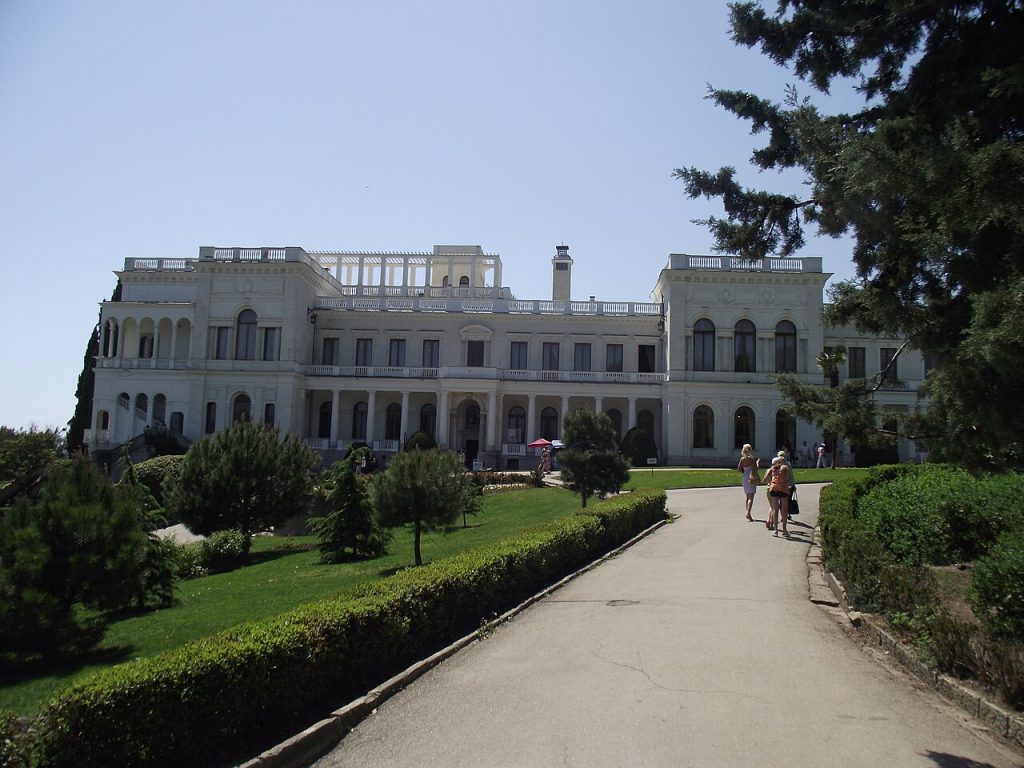
Now, stop on the terrace and look south, because the view is the reason this palace exists. Below you the ground falls away through cypress and cedar to the Black Sea, and the horizon is a straight blue line. Behind you a white limestone palace sits in the sun looking like something lifted out of Tuscany.
Two completely different histories meet on this terrace. One is the story of a family: the last Russian imperial family spent four summers here, and the photographs they took on these steps are among the most familiar images of the Romanovs.
The other is the story of a week in February 1945, when Stalin, Roosevelt and Churchill sat in a hall a few metres from here and settled the shape of post-war Europe. Very few buildings in this series carry two such heavy stories at once.
- Crimea and the Russian South
- From a Polish Count to the Imperial Family
- The Palace Where a Tsar Died
- Nikolai Krasnov and the White Palace
- Built in Seventeen Months
- Four Summers of the Last Romanovs
- The Photographs That Survived
- Revolution, Civil War and a Sanatorium
- February 1945
- The Room With the Round Table
- What Was Decided and What Was Not
- The Palace as Museum
- Visiting in Present Circumstances
Crimea and the Russian South
Crimea entered the Russian Empire in 1783, and within a generation the Russian aristocracy discovered that it had acquired a Mediterranean coast. The southern shore has a mild climate, mountains that block the northern wind, and vegetation that does not belong anywhere else in the empire.
What followed was a building boom. Palaces, villas and vineyards spread along the coast from Sevastopol to Alushta, and Yalta became the summer capital of Russian high society, a place of promenades, sanatoria, and the leisure Chekhov wrote about.
Livadia is the grandest expression of that movement, because it belonged to the family at the top of it.
From a Polish Count to the Imperial Family
The estate originally belonged to the Polish magnate Lev Potocki, who planted the park and built a house. In 1861 it was bought for the imperial family, and Alexander II gave it to his wife Maria Alexandrovna, who suffered from tuberculosis and needed a southern climate.
That medical reason recurs across this coast. Half the great estates of the southern shore were built because somebody in the family had weak lungs, and Yalta became a centre of treatment.
The original imperial house was a comfortable wooden building rather than a palace, and it served the family for half a century.
The Palace Where a Tsar Died
In October 1894 Alexander III died in the old Livadia house at the age of forty-nine, of kidney disease, far earlier than anyone expected. His son Nicholas, aged twenty-six and by his own account entirely unprepared, became tsar in this building.
A week later Nicholas married Alexandra of Hesse in St Petersburg, in mourning. The two events together set the tone for a reign that would end in revolution and murder twenty-four years later.
Stand in the courtyard and consider that the Russian twentieth century effectively began in a wooden house on this spot.
Nikolai Krasnov and the White Palace
By 1909 the old wooden house was decayed and damp, and Nicholas II commissioned a new palace from Nikolai Krasnov, the chief architect of Yalta, who had already built several of the great villas along this coast.
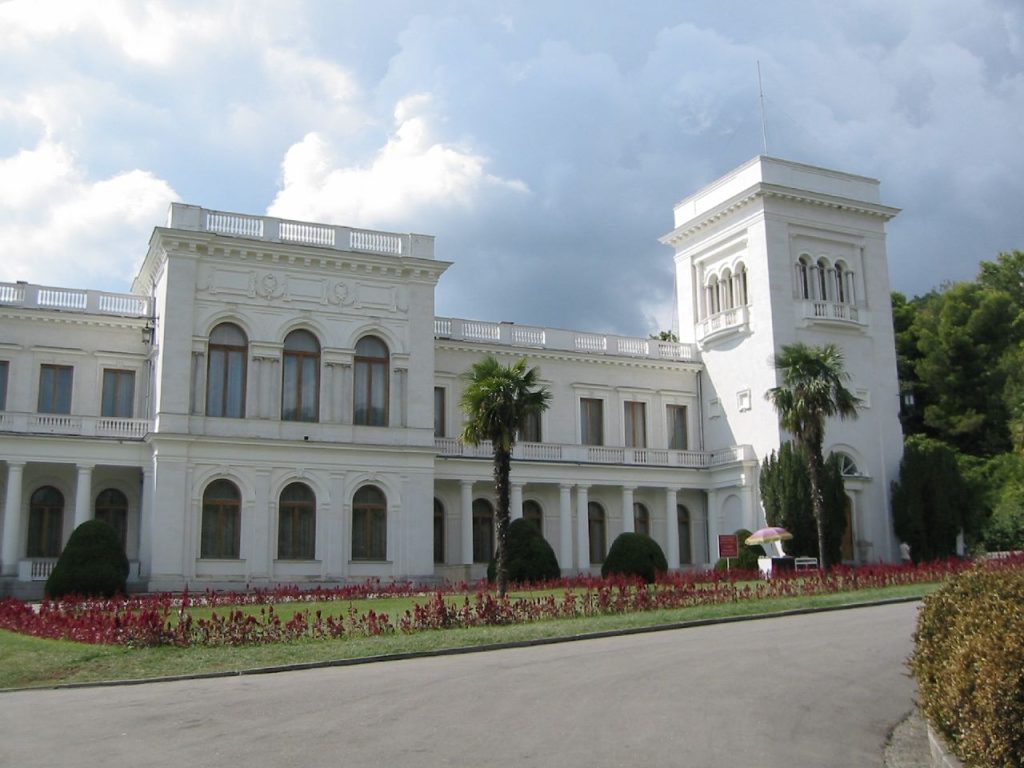
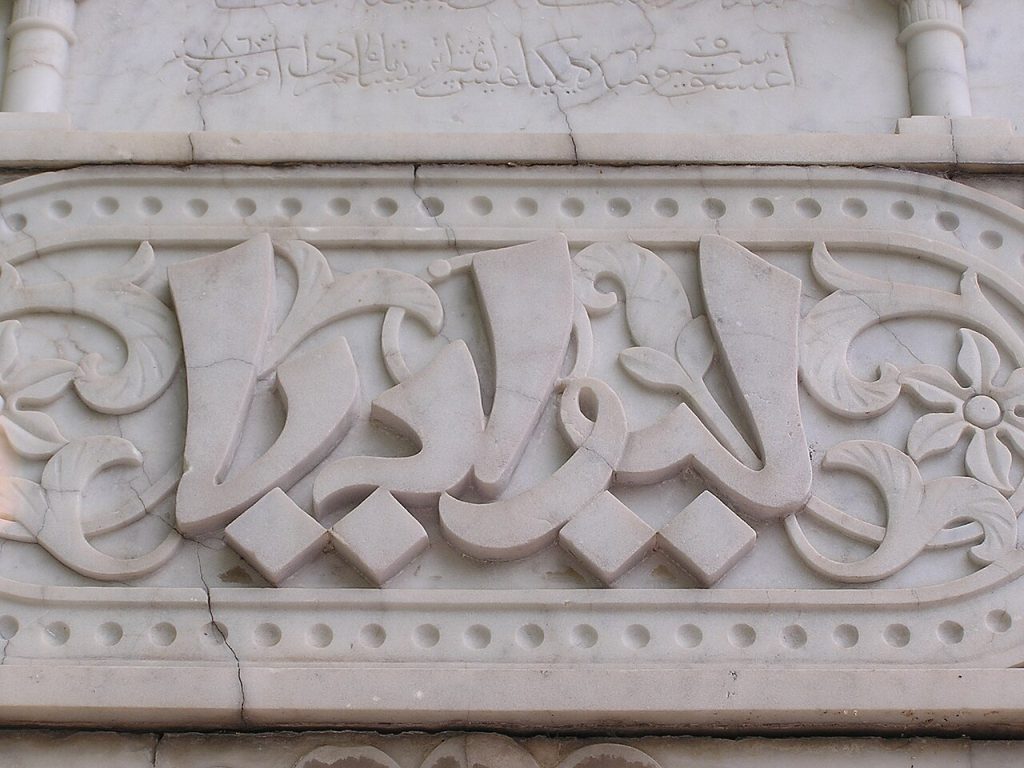
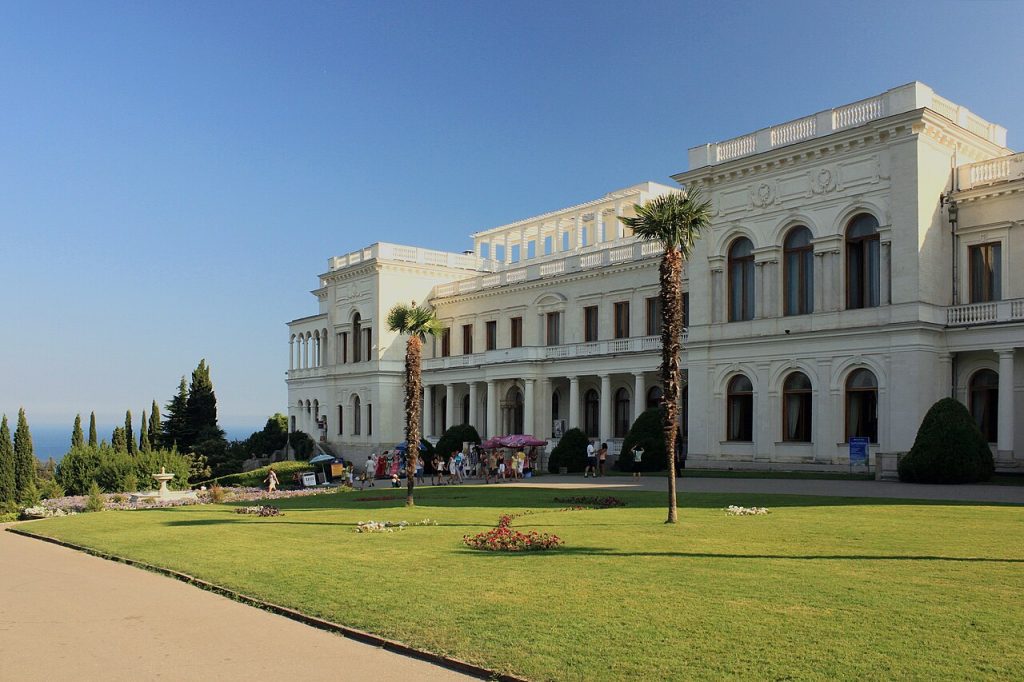
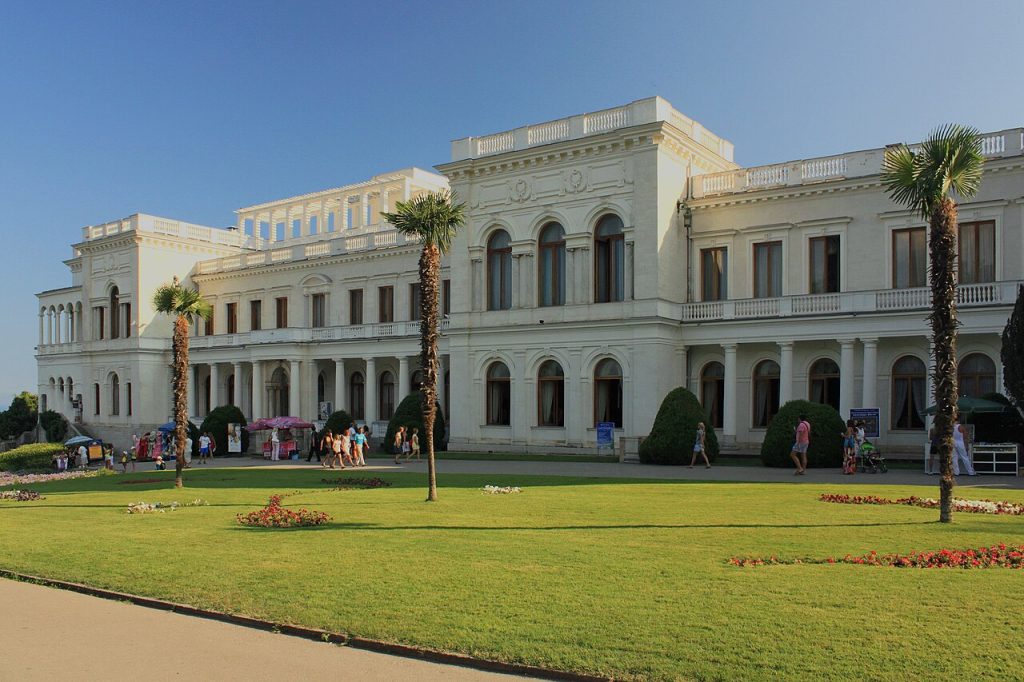
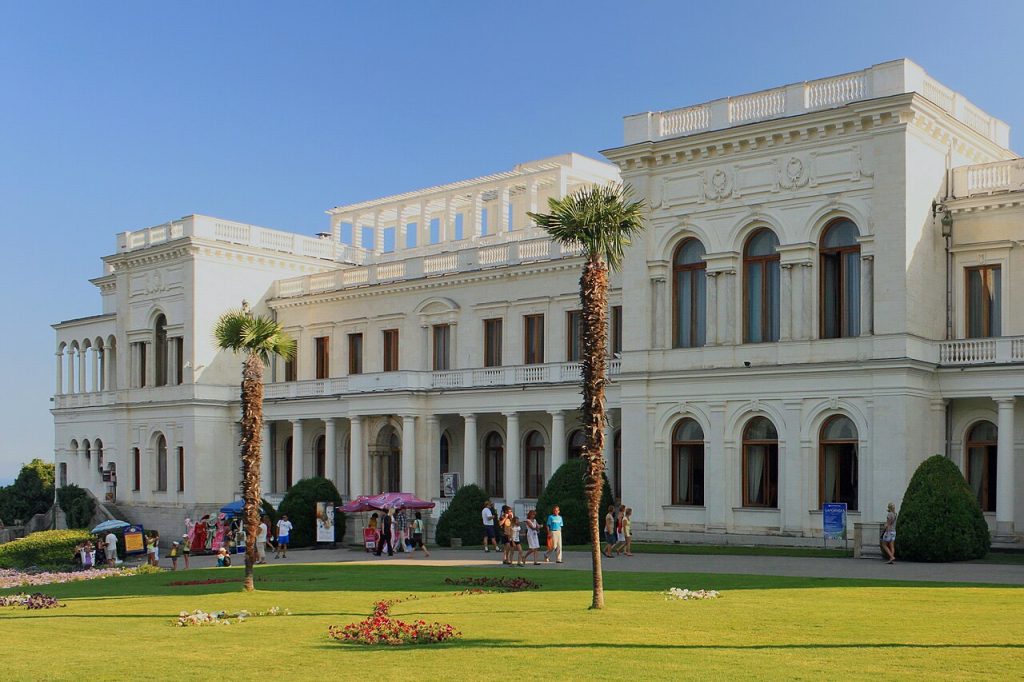
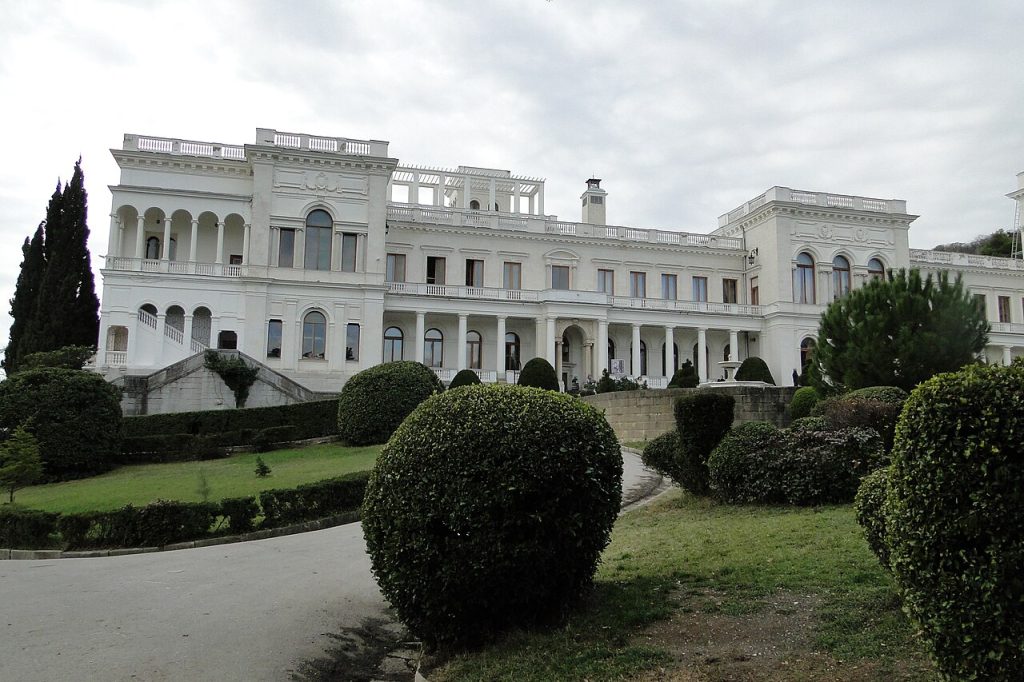
Krasnov designed an Italian Renaissance palace in white Inkerman limestone, with an arcaded courtyard, loggias, terraces and a tiled roof. It was a deliberate break from the heavy Russian imperial style of the north.
The choice makes sense in context. This was a holiday house in a Mediterranean climate, and the architecture was supposed to feel like escape rather than empire.
Built in Seventeen Months
Construction ran from April 1910 to September 1911, which for a palace of over a hundred rooms is extraordinarily fast. Krasnov used modern methods, reinforced concrete in places, central heating, electric lighting and modern plumbing.
The speed was a point of pride and a demonstration that Russian engineering could match anything in Europe. Photographs from the construction show a remarkably industrial-looking site.
The result is a building that feels light. White stone, open loggias, large windows, and gardens pressing in on every side.
Four Summers of the Last Romanovs
The family used the new palace in 1911, 1912, 1913 and 1914. Four summers, and then war came and they never returned.
Those summers were, by all accounts, the happiest period of their family life. The children swam, played tennis, walked in the hills and mixed with local society more freely than in St Petersburg. Alexei, the heir, whose haemophilia dominated the family’s private life, was well enough to enjoy himself here.
A famous local charity event, White Flower Day, saw the empress and her daughters selling flowers in the streets of Yalta for tuberculosis relief.
The Photographs That Survived
The Romanovs were enthusiastic amateur photographers, and the albums from these years survive in archives in Russia, the United States and elsewhere. They show a family on holiday: boats, dogs, picnics, tennis, the children growing.
These are the images that make the family’s end in 1918 so hard to process. There is no imperial distance in them at all, just a well-off family in white summer clothes.
The museum displays a selection. They are the emotional centre of any visit, more than the furniture or the architecture.
Revolution, Civil War and a Sanatorium
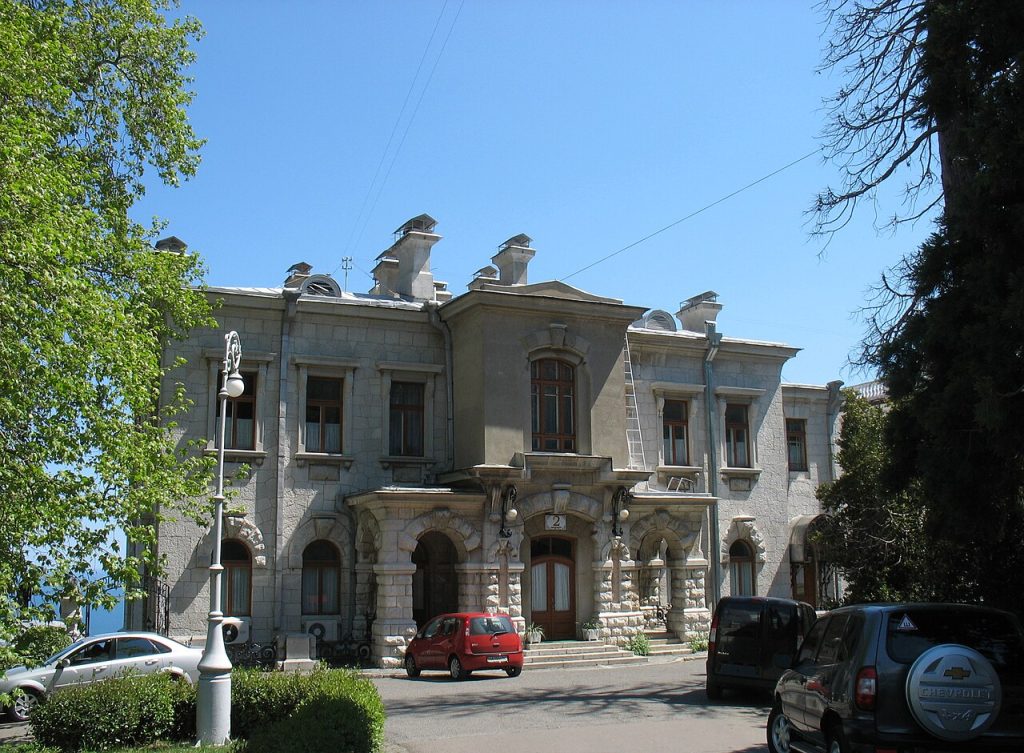
After 1917 the palace was nationalised. Crimea changed hands repeatedly during the civil war, and in 1925 the building opened as a sanatorium for peasants, one of the first such institutions in the Soviet Union.
That was a deliberate symbolic act: the tsar’s summer palace converted into a rest home for agricultural workers. Thousands passed through it in the following decades.
The conversion also saved the building from the destruction that consumed many aristocratic houses in the same years.
February 1945
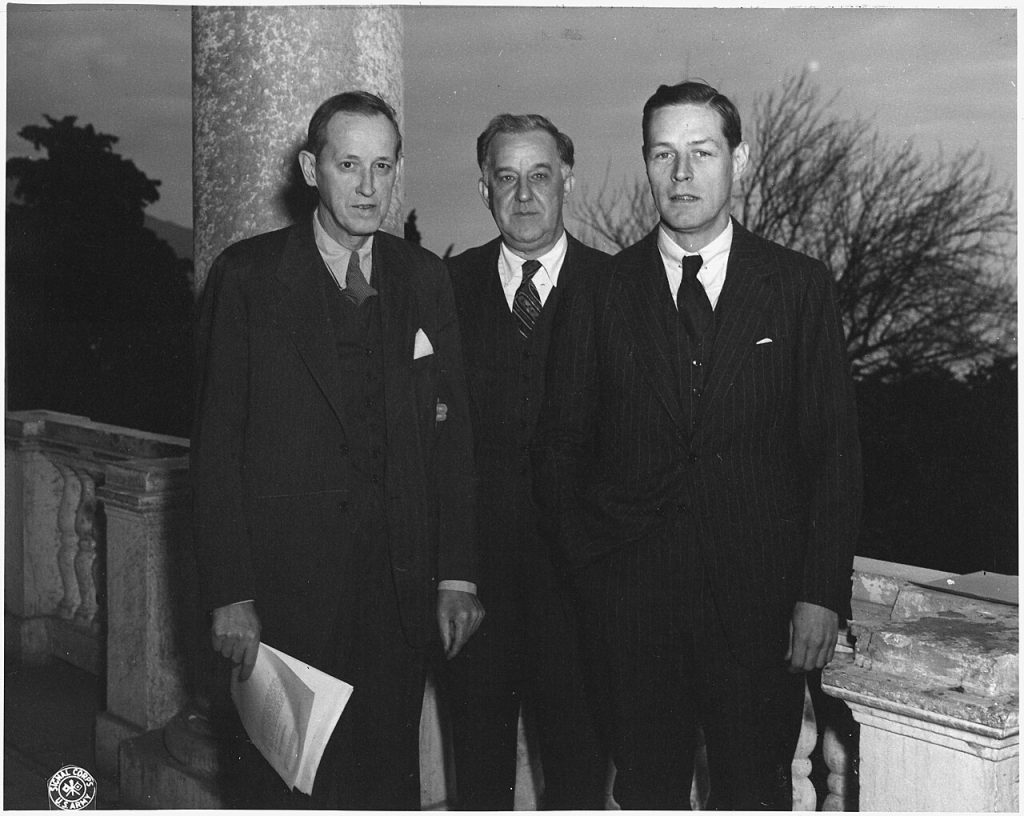
In February 1945 the Yalta Conference brought Stalin, Roosevelt and Churchill to Crimea for eight days. The German army was collapsing, Soviet troops were on the Oder, and the three powers had to agree what would follow.
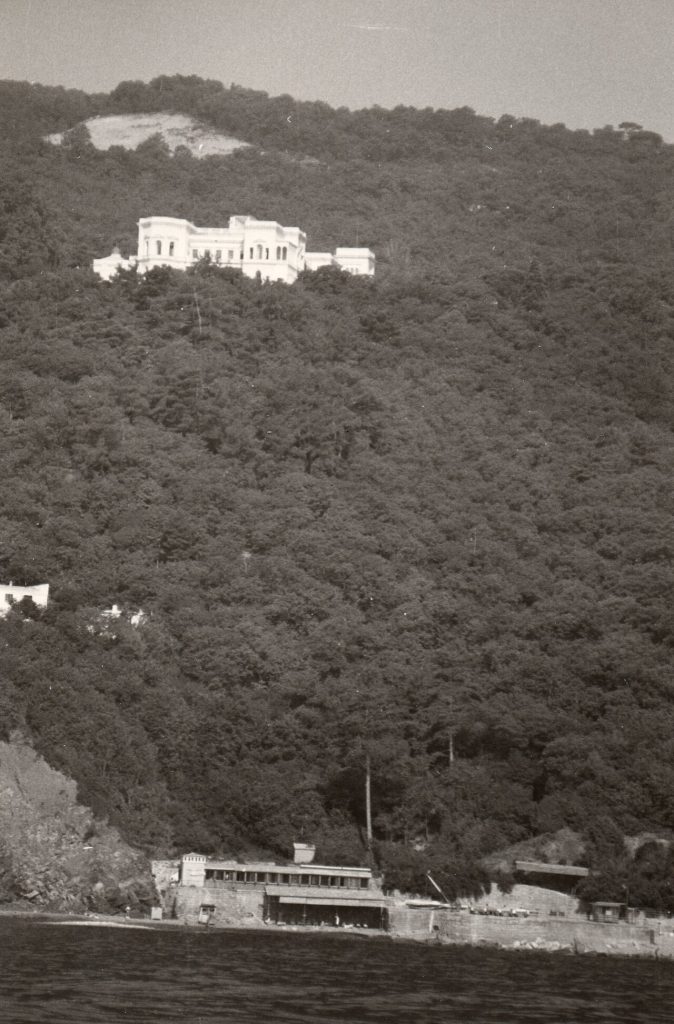
Livadia was chosen to house the American delegation and to hold the plenary sessions, because Roosevelt was seriously ill and could not travel between venues. He had less than ten weeks to live.
Crimea had been under German occupation until 1944 and was devastated. The palaces were hurriedly repaired and furnished with pieces brought from Moscow hotels for the occasion.
The Room With the Round Table
The plenary sessions took place in the white banqueting hall, around a round table, with the three delegations seated together. The room is preserved and the table is still there, and it is the single most visited object in the palace.
Photographs taken in the courtyard of the three leaders seated together are among the most reproduced images of the twentieth century. The chairs, the rugs and the setting are all recognisable on site.
Standing in the room is a strange experience. It is smaller than the photographs suggest, as rooms of historical importance usually are.
What Was Decided and What Was Not
Yalta agreed the occupation zones of Germany, the terms of Soviet entry into the war against Japan, the founding conference of the United Nations, and a declaration on liberated Europe promising free elections.
The declaration was not honoured in eastern Europe, and the conference has been argued about ever since: whether the western powers conceded too much, whether they had any leverage given where the Red Army already stood, and whether Roosevelt’s illness mattered.
What is not disputed is that the political map of Europe for the next forty-five years was substantially agreed in this building.
The Palace as Museum
Livadia opened as a museum in 1993 and presents both stories: the imperial family on the upper floor, the conference on the ground floor. The division is literal and the contrast is deliberate.
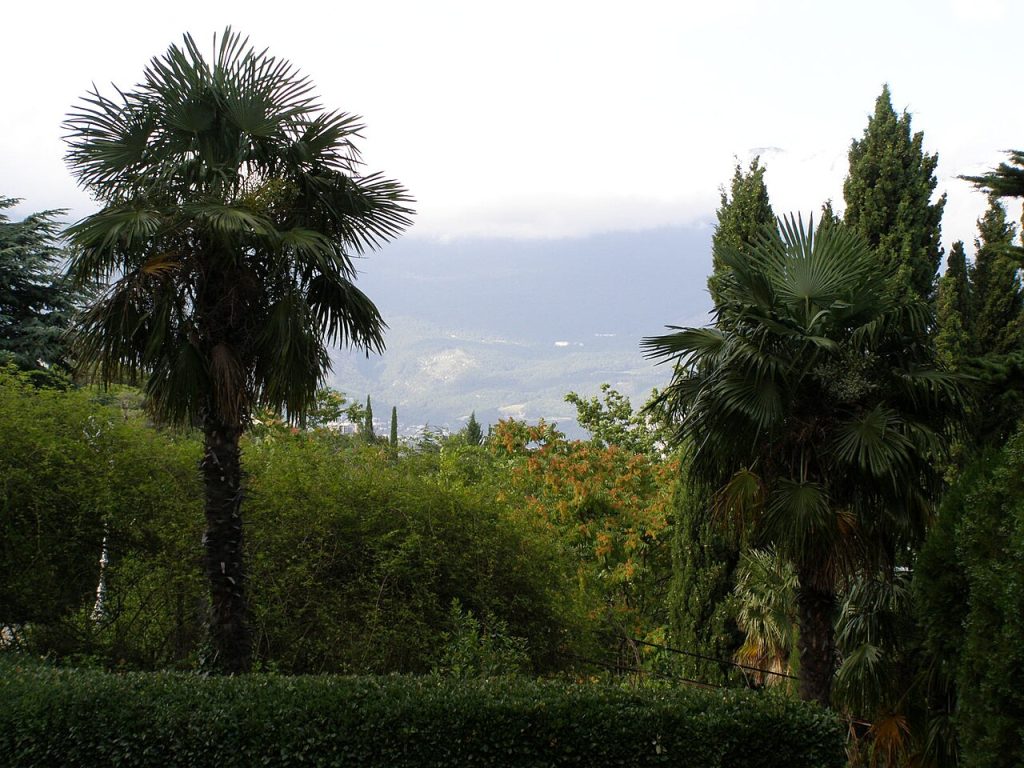
The park around it, planted from the 1830s onward, holds over a thousand species and is one of the finest gardens on the southern shore. The Tsar’s Path, a gentle walking route of about six kilometres, runs from here along the hillside to Gaspra.
The path was laid out for Nicholas II and is almost level the whole way. It remains one of the best walks in Crimea.
Visiting in Present Circumstances
Crimea has been under Russian control since 2014, a situation not recognised by Ukraine or by most of the international community, and the region has been affected by the war since 2022. Travel there carries legal and practical complications depending on your nationality.
Anyone considering a visit should check their own government’s advice carefully. This article describes the palace as a historical monument rather than recommending travel.
Whatever happens politically, the terrace will keep looking south over the same blue line, and this building will keep holding two of the heaviest stories of the twentieth century.
Watch the Palace on Film
Visiting Livadia Palace Today
Livadia stands about three kilometres southwest of central Yalta on the southern coast of Crimea, reachable by local bus or taxi from the city in fifteen minutes, with the Tsar’s Path leading further along the hillside.
The palace operates as a museum with ticketed entry and guided tours covering both the imperial apartments and the conference rooms. The park is open and free, and the walking paths around it are the best part of the site for many visitors.
Check travel advice for Crimea before planning anything, as access depends on the political and security situation. Find it here: https://www.google.com/maps?q=44.4678,34.1433
Palaces Nearby
You May Like
Mariinsky Palace and the Kyiv Hill of Ceremony