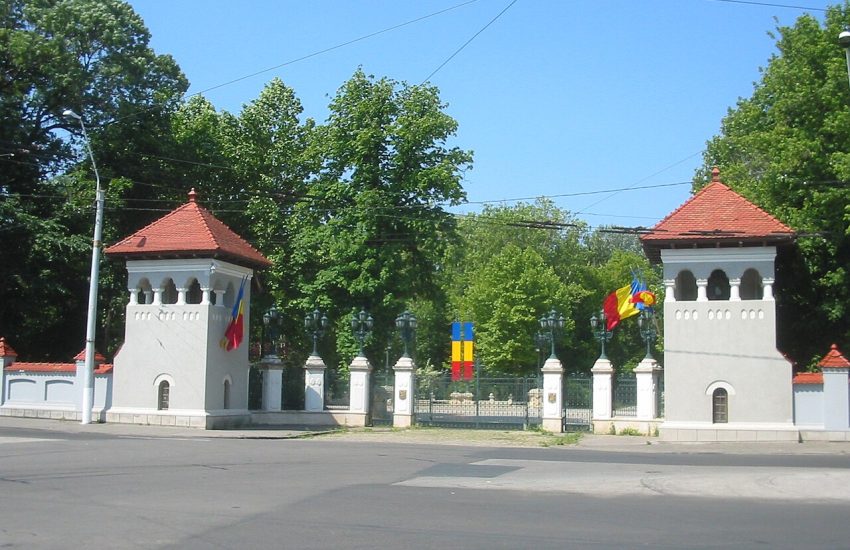
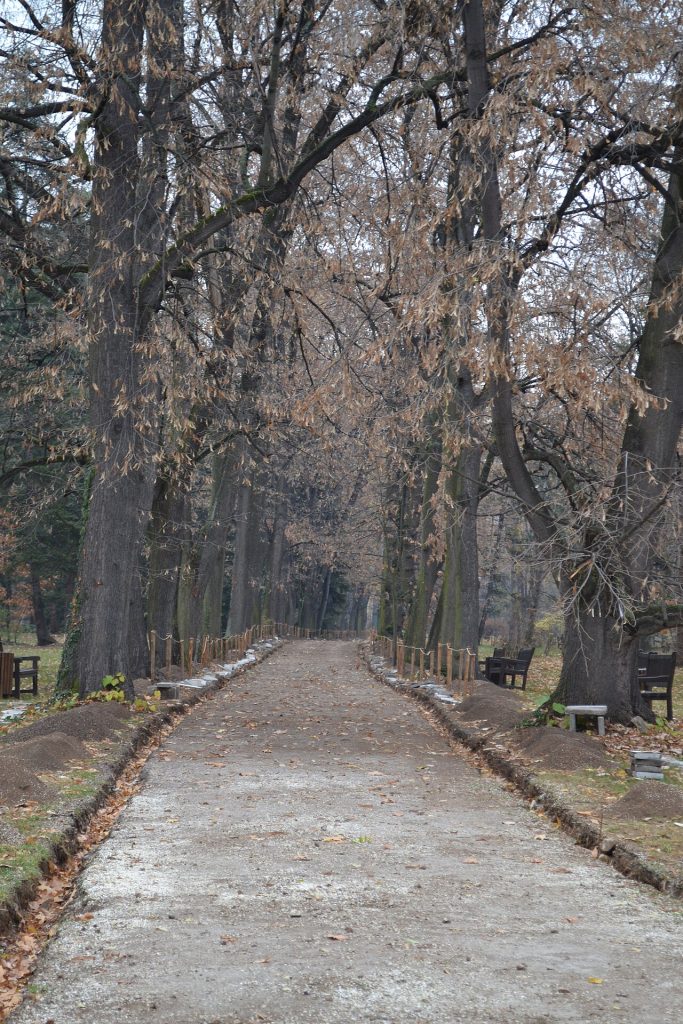
Now, stop under the plane trees on the main avenue and look at the labels. Many of the trees in this park carry species names from four continents, and most of them were planted by a king who was, by profession and by passion, a naturalist.
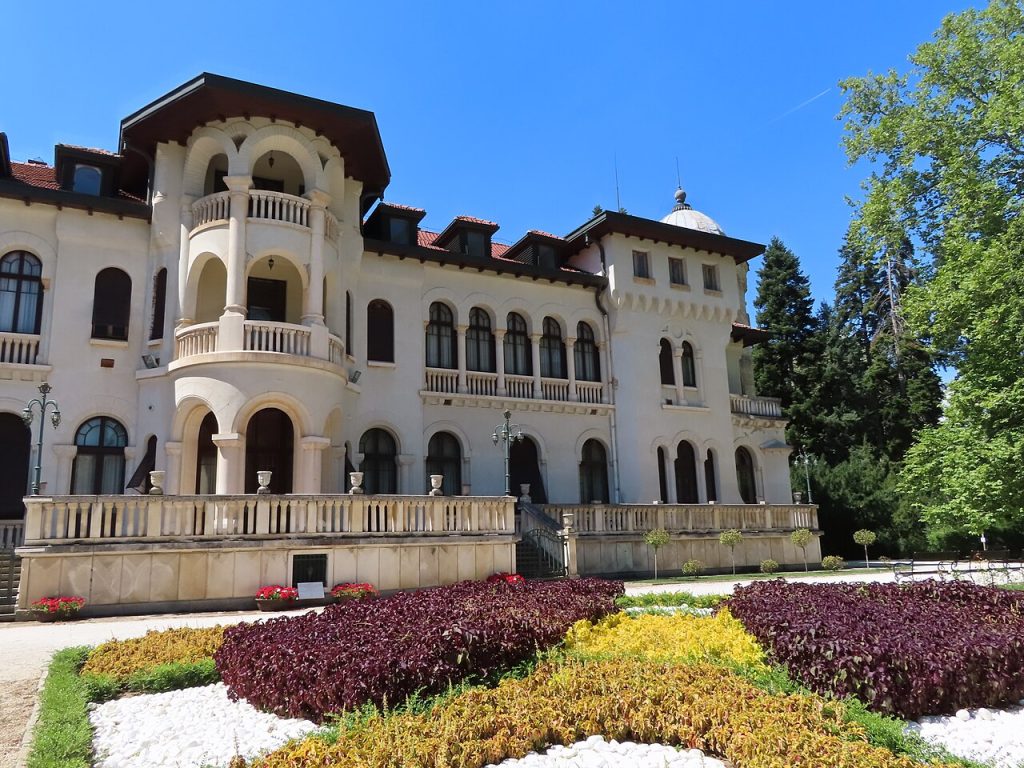
Vrana is not the grandest palace in this series. The building is a comfortable early twentieth-century residence rather than a baroque statement. The park around it is the masterpiece.
It is also the subject of one of the longest property disputes in modern European history, fought through Bulgarian courts between a returning king and the state that had expelled his family.
- Bulgaria and Its Imported Dynasty
- Ferdinand, the Botanist King
- Buying the Land at Vrana
- The Palace and Its Architects
- A Park of Imported Species
- Boris III and the War Years
- The Death of a King
- Exile and Republic
- A Government Residence
- The King Who Became Prime Minister
- The Long Restitution Case
- Opening the Gates
- Visiting Vrana
Bulgaria and Its Imported Dynasty
Bulgaria emerged from Ottoman rule after the war of 1877 to 1878, first as an autonomous principality and from 1908 as a kingdom. Like Greece, Romania and Belgium, it imported a European prince to rule it.
The first was Alexander of Battenberg; the second, from 1887, was Ferdinand of Saxe-Coburg and Gotha, a cousin of half the royal houses of Europe and an outsider in the country he was to rule.
The dynasty lasted until 1946, three generations, ending with a referendum held under Soviet occupation.
Ferdinand, the Botanist King
Ferdinand was a serious naturalist. He collected plants, corresponded with botanists, funded expeditions, and had species named after him. He was also an ornithologist and entomologist of genuine standing.
His politics were less admired. He took Bulgaria into the Balkan Wars and then into the First World War on the German side, lost both, and abdicated in 1918 in favour of his son.
What he left behind, apart from a national catastrophe, was one of the finest botanical collections in southeastern Europe.
Buying the Land at Vrana
From 1898 Ferdinand bought land at Vrana, southeast of Sofia, piece by piece from local owners, assembling an estate of several hundred hectares at the foot of the mountains.
The purchases were made in his personal capacity, which is the legal fact at the heart of the twentieth-century dispute over who owned the estate.
He began planting immediately, importing species from across Europe, Asia and the Americas and testing what would survive a Sofia winter.
The Palace and Its Architects
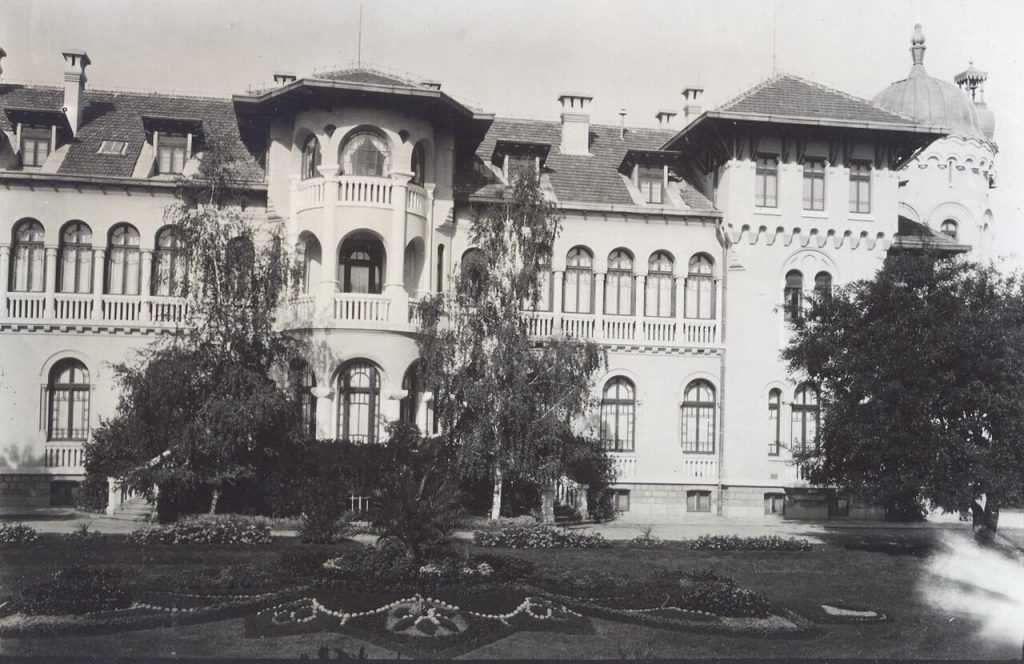
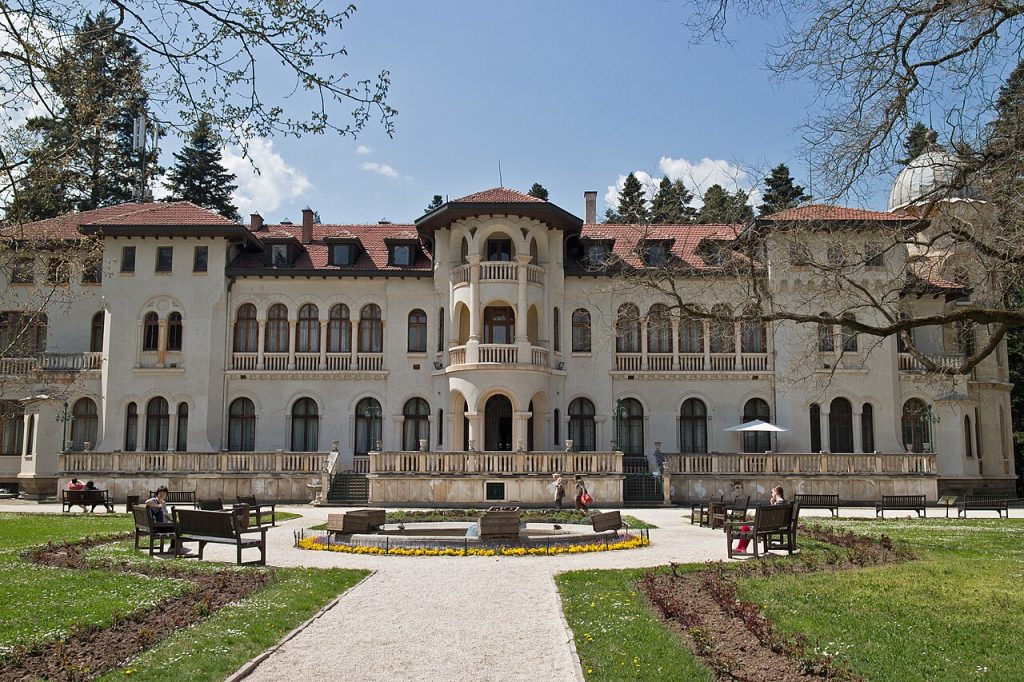
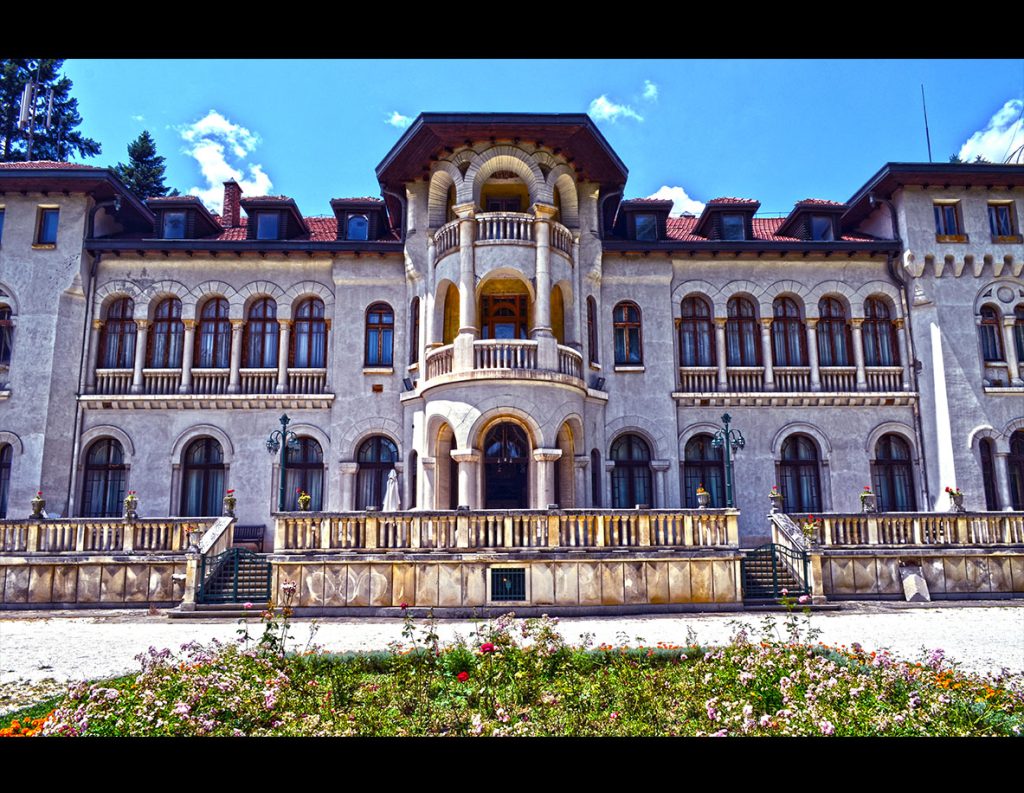
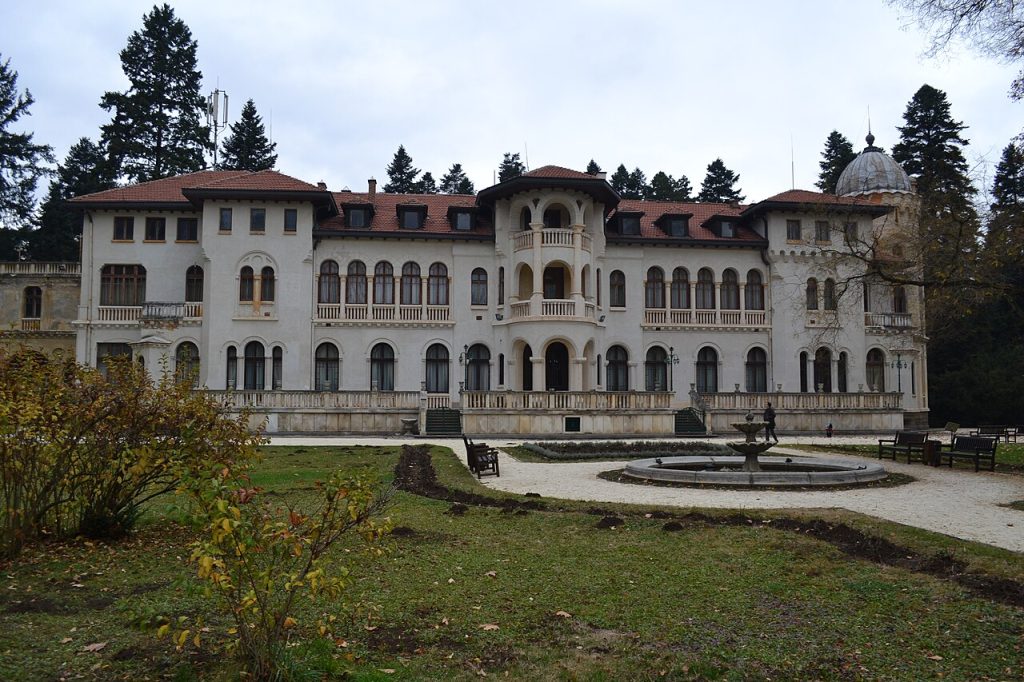
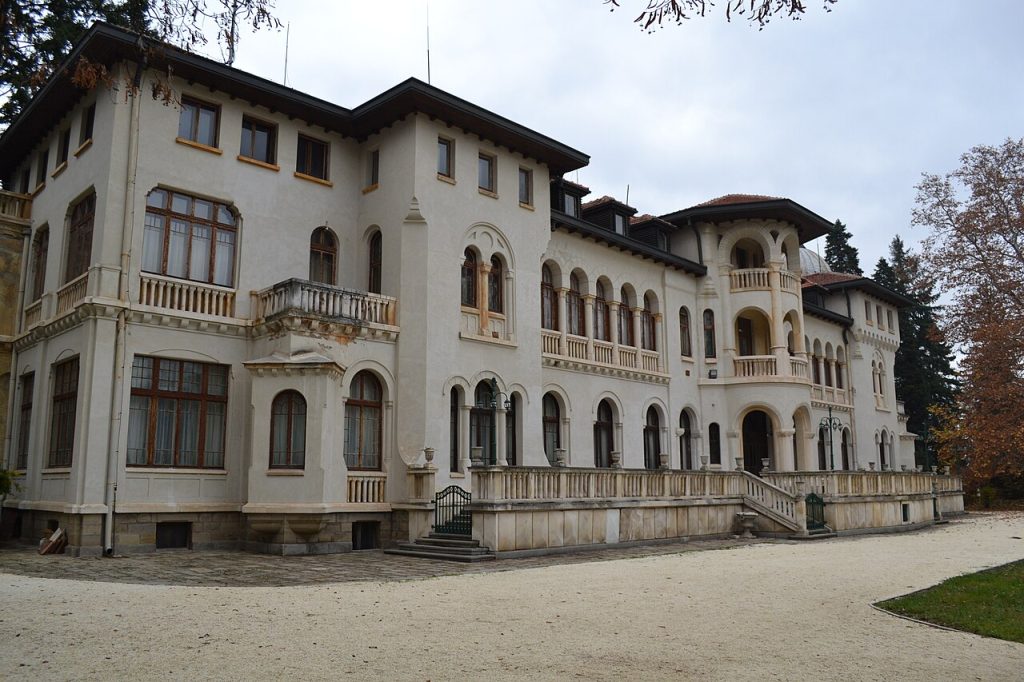
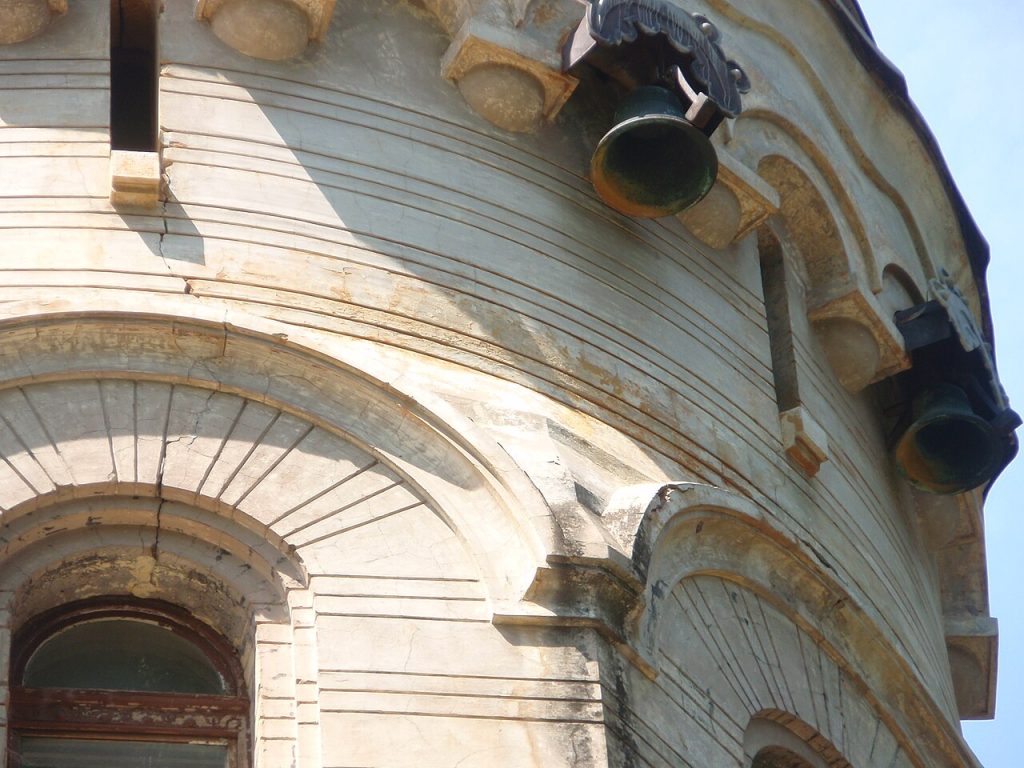
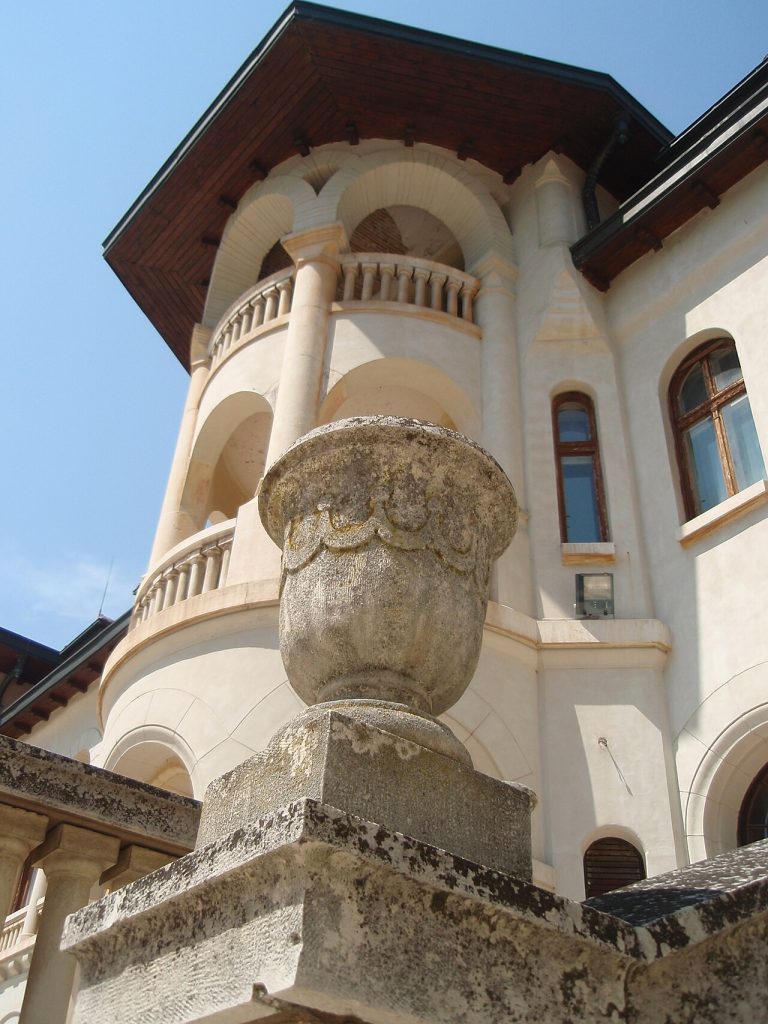
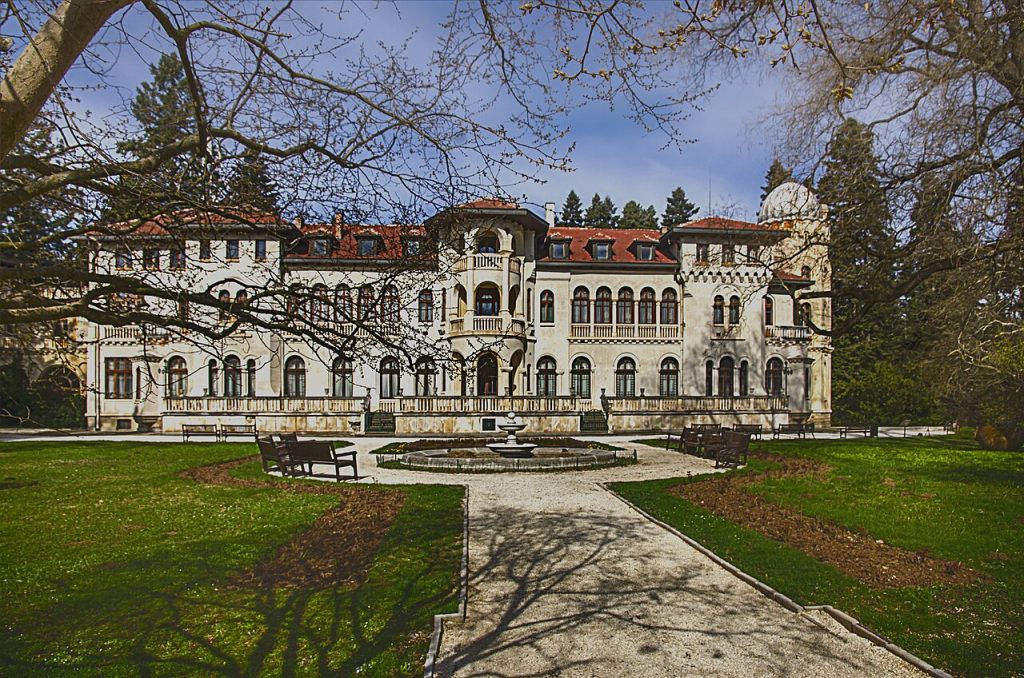
The main palace was built between 1904 and 1914, with later alterations, in an eclectic style mixing central European and local elements. Nikola Lazarov, one of Bulgaria’s leading architects, was involved along with foreign designers.
It is a comfortable residence rather than a ceremonial palace: reception rooms, family apartments, terraces facing the garden, and the practical infrastructure of a working estate.
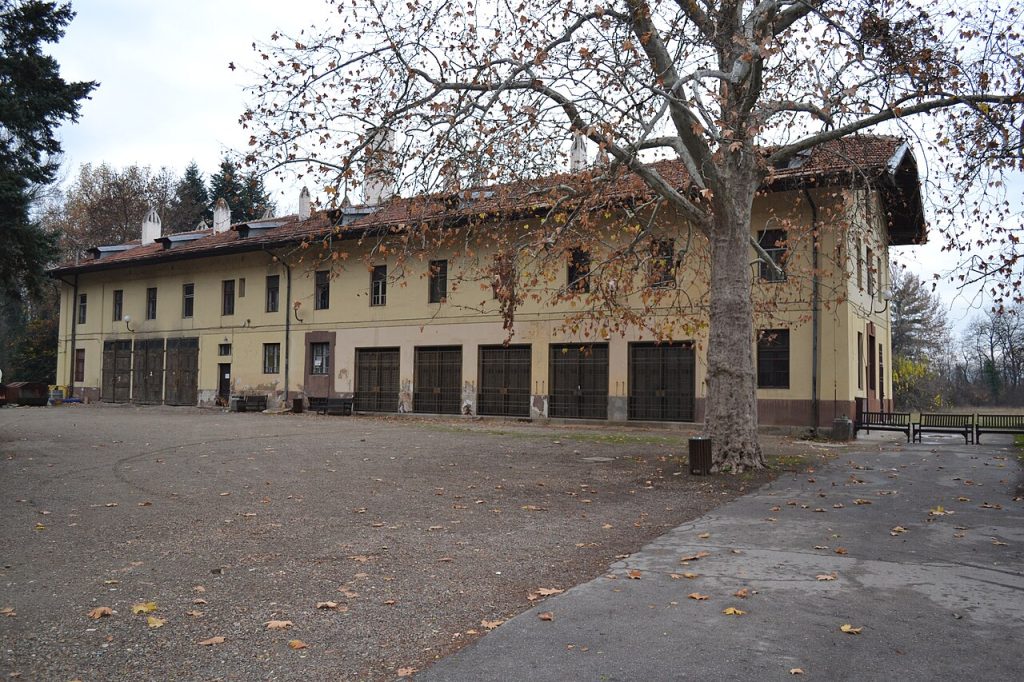
A second, smaller building, the old palace, stands nearby, and the complex includes stables, greenhouses and farm buildings.
A Park of Imported Species
The park is the real achievement. Hundreds of species of trees and shrubs, many of them unusual in Bulgaria, planted in a landscape design with avenues, groves, water and open meadow.
Ferdinand ran it as a botanical collection, keeping records, exchanging material with botanical gardens and experimenting with acclimatisation. Several trees here are the largest of their species in the country.
Later generations added to it, and the estate also included an experimental farm and a pheasantry.
Boris III and the War Years
Boris III became king in 1918 at the age of twenty-four, inheriting a defeated country. He ruled through a turbulent period of coups, assassinations and political violence, and from 1935 governed largely personally.
In the Second World War Bulgaria allied with Germany but did not send troops against the Soviet Union and, crucially, did not deport its Jewish citizens from the pre-war territory, despite German pressure. Roughly fifty thousand Bulgarian Jews survived.
That outcome involved parliamentary opposition, church intervention and public protest as well as the king; historians continue to debate the balance of credit. Jews from the newly occupied territories were deported and murdered.
The Death of a King
In August 1943 Boris returned from a meeting with Hitler and died shortly afterwards at the age of forty-nine. The cause has never been settled: heart failure, poisoning and other theories have all been argued.
He was buried at Rila Monastery; his body was later moved by the communist authorities and his remains have never been fully recovered, though his heart was found and reburied at Rila in 1993.
His son Simeon was six years old. A regency governed, and within three years the monarchy was gone.
Exile and Republic
In September 1946, with Soviet troops in the country, a referendum abolished the monarchy. The royal family left Bulgaria: first to Egypt, then to Spain, where Simeon grew up.
The vote was conducted under conditions that make its result questionable, and the regents were executed in 1945 in the purge that preceded it.
The family’s property, including Vrana, passed to the state.
A Government Residence
Under communism Vrana became a state residence, used for official guests and party functions. The park was maintained, more or less, and the botanical collection survived, which is the main reason it still exists.
Foreign delegations were received here, and the estate functioned as a controlled, closed enclave on the edge of a city that was expanding toward it.
For forty-five years ordinary Bulgarians could not enter.
The King Who Became Prime Minister
Simeon returned to Bulgaria in 1996 after fifty years in exile. In 2001 he founded a political movement, won the election, and served as prime minister of Bulgaria from 2001 to 2005 under his civil name, Simeon Sakskoburggotski.
He is the only European monarch to have returned and governed his country as an elected head of government, which makes his biography unique.
His term included the negotiations that led to Bulgaria joining NATO and preparing for European Union membership.
The Long Restitution Case
The ownership of Vrana has been litigated for decades. The family argued that Ferdinand bought the land privately and that the 1946 seizure was invalid; the state argued that the estate was public property.
Courts have ruled in different directions at different times, parliament has legislated, and the case has run through Bulgarian and European jurisdictions. Parts of the estate were returned to the family, and the ownership of the palaces has been repeatedly contested.
It is a live political issue in Bulgaria and opinions on it divide sharply along political lines.
Opening the Gates
Since 2012 a large part of the park has been open to the public at weekends, and Sofia residents have taken to it enthusiastically. For many it was the first chance to see a place that had been closed for seventy years.
Volunteers and botanists have worked on identifying and labelling the collection, and guided walks explain the plantings.
The palace interiors are generally not open, so the visit is a garden visit.
Visiting Vrana
Go on a weekend, check the current opening arrangements before travelling, and treat it as a botanical garden with a palace in the middle rather than the other way round.
Spring is best for blossom and fresh growth; October for colour on the imported species, several of which turn far more dramatically than native Bulgarian trees.
Sofia itself deserves time: the Alexander Nevsky cathedral, the Roman remains under the city centre, and Vitosha mountain rising directly behind the suburbs.
Watch the Palace on Film
Visiting Vrana Palace Today
Vrana lies about ten kilometres southeast of central Sofia on the road toward Plovdiv, reachable by city bus or a short taxi ride from the centre.
The park opens to visitors on set days, usually at weekends and in the warmer months, with free or low-cost entry; the palace buildings are generally closed and the arrangements can change with the ongoing legal situation.
Check current opening before travelling, allow two to three hours, and combine the trip with Boyana church or Vitosha mountain. Find it here: https://www.google.com/maps?q=42.6594,23.4250
Palaces Nearby
You May Like
Banffy Castle and the Versailles of Transylvania