In the old city of Sidon, among the vaulted souks and the ancient lanes of one of the oldest ports of the world, stands a jewel of Ottoman domestic architecture, the Debbane Palace, a grand merchant mansion of the eighteenth century. The palace, built around its courtyard, adorned with painted ceilings, carved stone, and a magnificent reception hall, is one of the finest surviving mansions of the old Levant, Debbane Palace the jewel of old Sidon, the merchant residence that carries the splendor of the Ottoman city.
The Debbane Palace is a masterpiece of the Ottoman-Levantine mansion. Built in 1721, the house combines the courtyard plan of the Arab tradition with the decorative splendor of the Ottoman age, its halls adorned with the painted and gilded wood, the carved stone, and the marble of the Levantine craft, the palace the showcase of the domestic architecture of Sidon, Debbane the jewel of the old city, the merchant mansion the treasure of the Ottoman Lebanon.
This article continues the Lebanese palace series, turning to the Debbane Palace in Sidon, the grand merchant mansion of the eighteenth century, the jewel of the old city, the masterpiece of the Ottoman-Levantine domestic architecture, Debbane the residence of the carved stone and the painted ceilings, the palace that carries the splendor of old Sidon, the treasure of the Ottoman Lebanon on the ancient coast.
- The Ancient City of Sidon
- The Old City and the Souks
- The Debbane Family
- The Building of the Palace
- The Courtyard and the Iwan
- The Grand Reception Hall
- The Painted Ceilings
- The Qa’a and the Fountain
- The Ottoman Mansion
- The Sea Castle Nearby
- The Khan el-Franj
- The Museum of Sidon’s History
- Debbane Palace Today
- Watch on Film
- Visiting Today
- Palaces Nearby
The Ancient City of Sidon
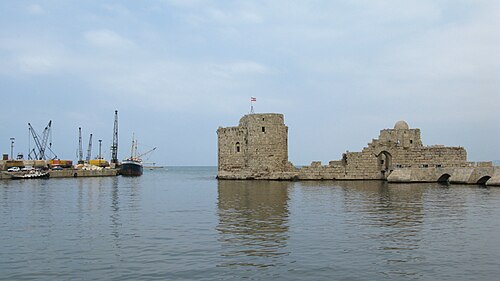
Sidon is one of the oldest cities of the world. The great Phoenician port, known in antiquity as Sidon and in Arabic as Saida, was one of the foremost cities of the Phoenicians, a center of trade, seafaring, and the famous purple dye, the city of a history reaching back thousands of years, Sidon the ancient port of the Lebanese coast, the city the setting of the Debbane Palace, the old metropolis of the Phoenician and the later ages.
Sidon was a great Phoenician city: the ancient Sidon one of the chief cities of the Phoenicians, a rival of Tyre, a center of the trade and the seafaring that spread the Phoenician civilization across the Mediterranean, the city famous for its purple dye and its craftsmen, Sidon the Phoenician metropolis, the ancient port the city of the deep history, the old city the setting of the later Debbane Palace.
The city passed through many ages: Sidon ruled in turn by the Phoenicians, the Persians, the Greeks, the Romans, the Byzantines, the Crusaders, the Mamluks, and the Ottomans, the city the witness of the whole span of the Levantine history, Sidon the ancient port of many ages, the city the record of the civilizations of the coast, the old metropolis the setting of the Ottoman splendor of the Debbane Palace.
The Old City and the Souks
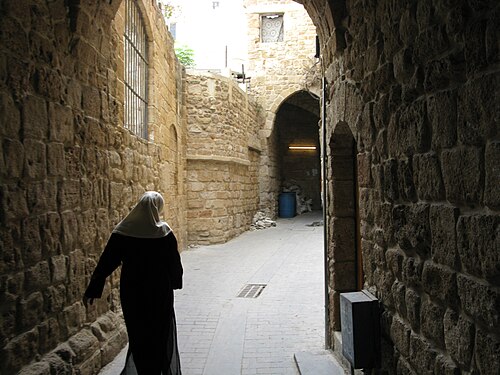
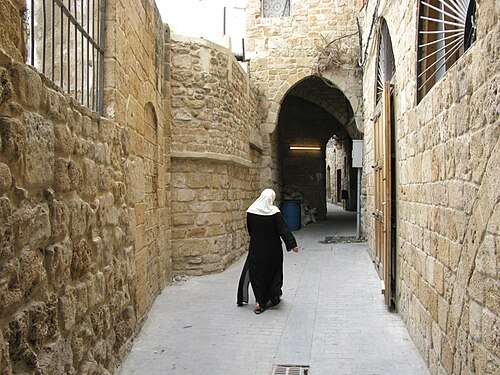
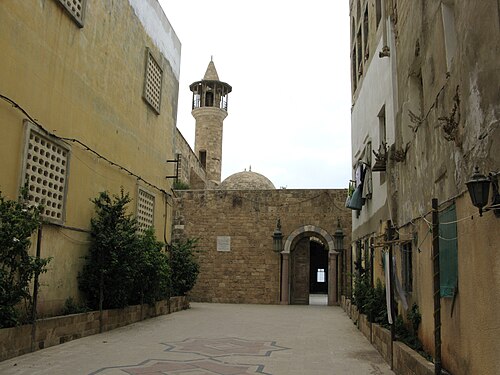
The Debbane Palace stands in the old city of Sidon. The historic heart of Sidon, a maze of vaulted souks, lanes, khans, and mosques, is one of the best-preserved old cities of the Lebanese coast, the old city the setting of the Debbane Palace, the labyrinth of the souks the frame of the mansion, the historic heart the world in which the merchant palace was built, the old city of Sidon the setting of the jewel of the Ottoman architecture.
The souks are a vaulted labyrinth: the old city of Sidon a maze of covered souks, the vaulted passages winding among the shops, the khans, and the houses, the souks the commercial heart of the old port, the vaulted lanes the frame of the Debbane Palace, the souks the labyrinth of the old city, the vaulted passages the setting of the merchant world of Sidon.
The old city preserves the Ottoman port: the historic heart of Sidon preserving the fabric of the Ottoman city, the souks, the khans, the mosques, and the mansions of the old port, the old city the record of the Ottoman Sidon, the historic center the setting of the Debbane Palace, the old city the preserved world of the merchant port, the labyrinth the frame of the jewel of the Ottoman Lebanon.
The Debbane Family
The palace takes its name from the Debbane family. The mansion, built in the eighteenth century, came into the possession of the Debbane family, a prominent Christian merchant family of Sidon, who made the palace their home, the Debbane the family of the mansion, the house the residence of the merchant family, the Debbane Palace the home of the prominent family of the old city of Sidon.
The Debbane were a merchant family: the Debbane family prominent in the commerce of Sidon, the trade that linked the Lebanese coast to the Mediterranean and Europe, the family the merchants of the old port, the Debbane the prosperous house whose wealth was founded on commerce, the family the owners of the great mansion, the Debbane the merchant family whose name the palace carries in the old city of Sidon.
The family’s name endures in the palace: the Debbane family giving their name to the mansion, the house remembered as the Debbane Palace even as it became a monument, the family the owners whose name endures, the Debbane the house of the merchant family, the palace the residence that carries the name of the family, the Debbane Palace the jewel that bears the name of the merchants of old Sidon.
The Building of the Palace
The palace was built in 1721. The Debbane Palace was built in the early eighteenth century, in 1721, in the splendid style of the Ottoman-Levantine mansion, the house raised around its courtyard with its halls, its reception rooms, and its painted ceilings, the palace a work of the eighteenth-century craft, the Debbane Palace the mansion of 1721, the residence the jewel of the Ottoman building in the old city of Sidon.
The house was built in the Levantine style: the Debbane Palace raised in the tradition of the great Levantine mansion, the courtyard plan, the iwan, the qa’a, and the decorated halls, the house the expression of the Ottoman-Levantine architecture, the palace the showcase of the eighteenth-century craft, the Debbane the mansion of the Levantine tradition, the residence the jewel of the domestic architecture of Sidon.
The palace blends the traditions of the Levant: the Debbane Palace combining the Arab courtyard house, the Ottoman decorative splendor, and the local craft of the Lebanese coast, the house a synthesis of the Levantine traditions, the palace the expression of the mixed culture of the old port, the Debbane the mansion of the blended styles, the residence the jewel that unites the traditions of the Ottoman Lebanon in Sidon.
The Courtyard and the Iwan
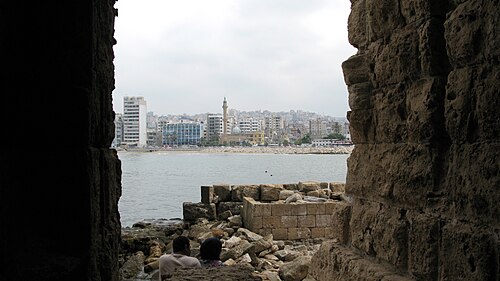
The palace is built around a courtyard. The Debbane Palace, like the great houses of the Levant, is arranged around a central courtyard, with an iwan, the vaulted hall open to the court, and the rooms and halls opening onto it, the courtyard the heart of the mansion, the iwan the ceremonial focus, the court the private world of the Debbane Palace, the heart of the merchant residence in old Sidon.
The courtyard is the heart of the house: the court of the Debbane Palace the center of the arrangement, the rooms and halls opening onto it, the courtyard the private and the organizing heart of the mansion, the court the focus of the residence, the courtyard the heart of the Debbane Palace, the central court the jewel of the Levantine house, the heart of the merchant mansion of Sidon.
The iwan opens the house to the court: the iwan of the Debbane Palace, the vaulted hall open on one side to the courtyard, the ceremonial and the living heart of the mansion, the iwan the summer hall facing the court, the vaulted room the focus of the house, the iwan the jewel of the Debbane Palace, the hall the splendid heart of the merchant residence in old Sidon.
The Grand Reception Hall
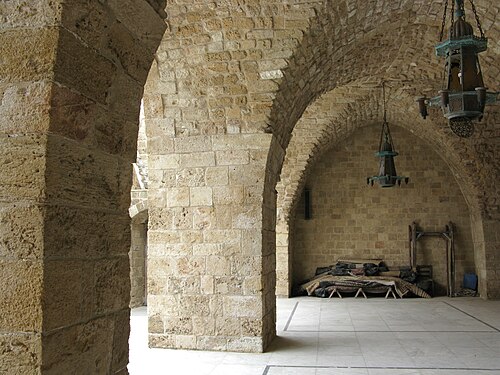
The Debbane Palace is famous for its grand reception hall. The great qa’a, the reception hall of the mansion, is a magnificent room with a high ceiling, a central fountain, raised seating platforms, and a profusion of carved stone and painted wood, the hall the ceremonial heart of the palace, the reception room the jewel of the Debbane, the grand hall the showcase of the splendor of the merchant mansion of old Sidon.
The hall is a masterpiece of the Levantine interior: the grand reception hall of the Debbane Palace, with its soaring ceiling, its decoration, and its fountain, one of the finest interiors of the Ottoman Levant, the hall a masterpiece of the domestic splendor, the reception room the jewel of the mansion, the grand hall the showcase of the craft, the room the glory of the Debbane Palace in old Sidon.
The hall was the stage of the family’s hospitality: the grand reception hall of the Debbane the setting where the merchant family received its guests, displayed its wealth, and conducted the social life of the house, the hall the stage of the hospitality, the reception room the setting of the ceremony, the grand hall the theater of the family’s splendor, the room the jewel of the social life of the Debbane Palace.
The Painted Ceilings
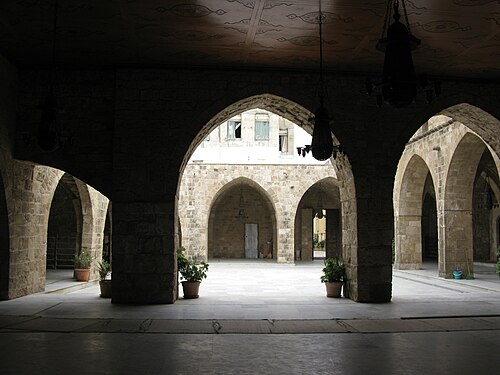
The Debbane Palace has magnificent painted ceilings. The halls of the mansion are crowned with the painted and gilded wooden ceilings of the Levantine tradition, decorated with floral and ornamental designs in color and gold, the painted wood the glory of the interiors, the ceilings a masterpiece of the Levantine decorative craft, the painted ceilings the jewel of the Debbane Palace, the woodwork the splendor of the merchant mansion of Sidon.
The ceilings are a jewel of the craft: the painted and gilded wooden ceilings of the Debbane among the finest examples of the Levantine domestic decoration, the ceilings decorated with the fine painting and the gilding, the painted wood the crown of the rooms, the ceilings a masterpiece of the craft, the painted ceilings the jewel of the mansion, the woodwork the glory of the Debbane Palace in old Sidon.
The ceilings belong to a famous tradition: the painted wooden ceilings of the Debbane part of the great tradition of the Levantine painted interior, the same tradition that produced the famous Aleppo rooms, the ceilings the Sidon expression of the craft, the painted wood the jewel of the tradition, the ceilings the splendid interiors of the Debbane, the woodwork the treasure of the Levantine decoration in the merchant mansion of Sidon.
The Qa’a and the Fountain
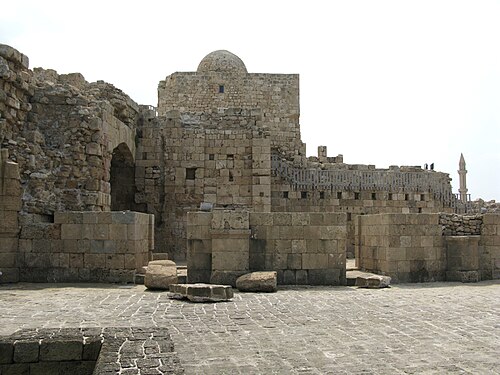
The palace centers on the qa’a with its fountain. The qa’a, the great hall of the Debbane Palace, has at its center a fountain, the water bringing coolness and music to the room, the fountain the heart of the hall, the qa’a the ceremonial room with its central basin, the fountain the delight of the hall, the qa’a and its fountain the jewel of the Debbane Palace in old Sidon.
The fountain cooled the hall: the fountain of the qa’a bringing the coolness and the sound of water to the grand hall of the Debbane, the basin the center of the room, the water the delight of the hall in the heat of the coast, the fountain the heart of the qa’a, the basin the coolness of the great hall, the fountain the Levantine art of water in the Debbane Palace of Sidon.
The qa’a was the finest room of the house: the qa’a of the Debbane Palace, with its fountain, its painted ceiling, and its raised platforms, the finest room of the mansion, the hall the ceremonial and the social heart, the qa’a the jewel of the house, the grand hall the showcase of the splendor, the qa’a the finest interior of the Debbane Palace in the old city of Sidon.
The Ottoman Mansion
The Debbane Palace is a model of the Ottoman mansion. The house, with its courtyard, its iwan, its qa’a, its painted ceilings, and its carved stone, is one of the finest and most complete examples of the Ottoman-Levantine mansion in Lebanon, the palace the model of the domestic architecture, the Debbane the showcase of the Ottoman house, the mansion the jewel of the domestic building of the old city of Sidon.
The house shows the life of the merchant elite: the Debbane Palace a window onto the life of the prosperous merchant families of the Ottoman Levant, the mansion the setting of the domestic and the social life of the elite, the house the record of the merchant world, the Debbane the showcase of the life of the prosperous families, the mansion the jewel that reveals the world of the merchants of old Sidon.
The mansion is a treasure of the heritage: the Debbane Palace recognized as one of the chief monuments of the domestic architecture of Lebanon, the house a treasure of the Ottoman heritage, the mansion the jewel of the old city, the Debbane the monument of the merchant architecture, the house the treasure of the Levantine building, the mansion the showcase of the Ottoman Lebanon in the old city of Sidon.
The Sea Castle Nearby
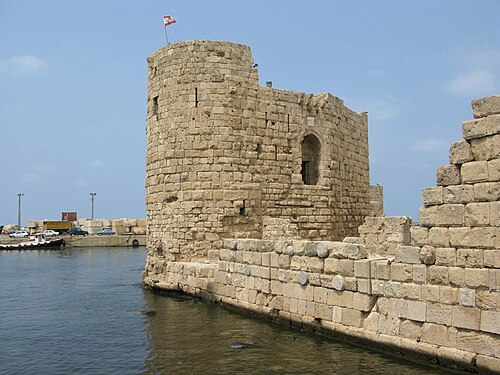
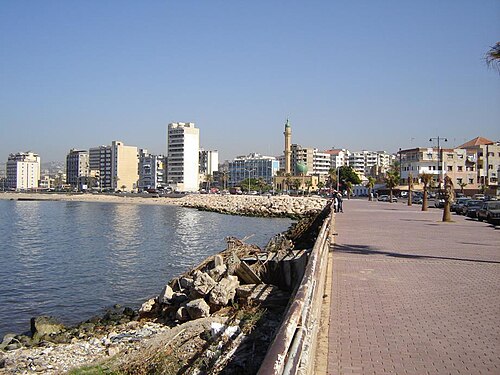
Near the palace stands the Sea Castle of Sidon. The famous Sea Castle, a fortress built by the Crusaders in the thirteenth century on a small island connected to the shore by a causeway, is one of the landmarks of Sidon, the castle guarding the old harbor, the Sea Castle the monument of the Crusader age near the Debbane Palace, the fortress the famous landmark of the old port, the castle the jewel of the shore of Sidon.
The castle was built by the Crusaders: the Sea Castle of Sidon raised by the Crusaders in the thirteenth century on the island in the harbor, the fortress the stronghold of the Frankish lords of the coast, the castle the monument of the Crusader presence, the Sea Castle the fortress of the age of the Crusades, the stronghold the landmark of the old port, the castle the jewel of the Crusader heritage near the Debbane Palace.
The castle guards the old harbor: the Sea Castle standing on its island, linked to the shore by a causeway, guarding the ancient harbor of Sidon, the fortress the sentinel of the port, the castle the landmark of the shore, the Sea Castle the guardian of the old harbor, the fortress the monument of the sea, the castle the famous jewel of the coast of Sidon near the Debbane Palace.
The Khan el-Franj
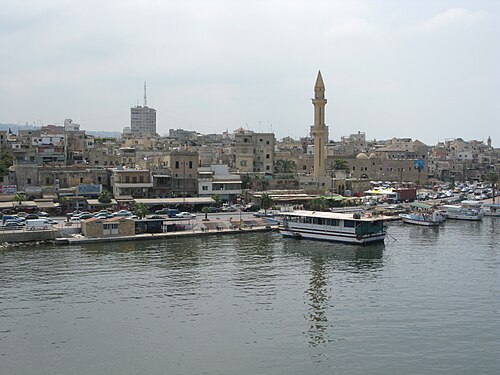
Near the palace stands the Khan el-Franj. The Khan el-Franj, the Caravanserai of the Foreigners, a great Ottoman khan built by Fakhr al-Din in the seventeenth century to house the French and European merchants, is one of the monuments of old Sidon, the khan the center of the European trade, the Khan el-Franj the caravanserai of the merchants near the Debbane Palace, the monument of the commerce of the old port.
The khan served the European merchants: the Khan el-Franj built to lodge the French and the European traders and their goods, the caravanserai the center of the foreign commerce of Sidon, the khan the hub of the European trade, the Khan el-Franj the lodging of the foreign merchants, the caravanserai the center of the commerce, the khan the monument of the trade that linked Sidon to Europe near the Debbane Palace.
The khan was built by Fakhr al-Din: the Khan el-Franj raised by the great emir Fakhr al-Din as part of his opening of Lebanon to the European trade, the khan the monument of the emir’s commercial vision, the caravanserai the expression of the connection with Europe, the Khan el-Franj the jewel of Fakhr al-Din’s building in Sidon, the khan the monument of the trade of the old port near the Debbane Palace.
The Museum of Sidon’s History
The Debbane Palace is a museum of Sidon’s history. The mansion, restored, has become a museum presenting the history of Sidon, the palace the setting for the story of the ancient city, the museum displaying the heritage of the old port in the splendid halls of the Ottoman mansion, the Debbane Palace the museum of the history of Sidon, the house the keeper of the memory of the city, the museum the jewel of the heritage.
The museum presents the city’s long history: the museum in the Debbane Palace telling the story of Sidon from the Phoenician age through the Ottoman, the exhibition the record of the city’s history, the museum the keeper of the memory of the ancient port, the Debbane the setting of the story of Sidon, the museum the jewel that presents the heritage, the house the keeper of the history of the old city.
The restoration saved the mansion: the Debbane Palace, restored and given new life as a museum, saved from decay and preserved as a treasure of the heritage, the restoration the recovery of the mansion, the museum the new life of the house, the Debbane the restored jewel of old Sidon, the mansion the preserved treasure, the museum the recovered splendor of the Ottoman house in the old city.
Debbane Palace Today
The Debbane Palace today stands as the jewel of Ottoman Sidon, the grand merchant mansion of 1721, the house of the courtyard, the iwan, the grand hall, and the painted ceilings, the museum of the history of the ancient city, Debbane the treasure of the old city, the mansion the showcase of the Ottoman-Levantine architecture, the palace the enduring jewel of old Sidon on the Lebanese coast.
The palace endures as a treasure of the heritage: the Debbane Palace, restored as a museum, standing as one of the finest surviving mansions of the Ottoman Levant, the house the jewel of old Sidon, the mansion the monument of the merchant architecture, Debbane the enduring treasure of the old city, the palace the showcase of the Levantine splendor, the mansion the jewel of the heritage of Sidon.
The Debbane Palace continues the Lebanese palace series, the grand merchant mansion of old Sidon, the jewel of the Ottoman-Levantine architecture, the house of the courtyard, the grand hall, and the painted ceilings, the museum of the history of the ancient city, Debbane the treasure of the old port, the palace the enduring jewel of the Ottoman Lebanon on the ancient coast of Sidon.
Watch the Debbane Palace on Film
Visiting the Debbane Palace Today
The Debbane Palace stands in the old city of Sidon, the port city of Saida on the coast of southern Lebanon, about forty kilometers south of Beirut, the mansion hidden among the vaulted souks of the historic center; the palace is visited for its courtyard, its iwan, its grand reception hall, and its painted ceilings, and it houses a museum of the history of Sidon, near the famous Sea Castle and the Khan el-Franj. Travel in Lebanon and access to the sites depend on the current conditions, which should be checked before any visit; the Debbane Palace and old Sidon are among the treasures of the Lebanese heritage. You can find the palace on the map here: Debbane Palace on Google Maps.


