In the Chouf mountains, across the valley from Beiteddine, lies the old town of Deir el-Qamar, for two centuries the capital of the emirate of Mount Lebanon and the seat of its greatest prince, Fakhr al-Din II. The town, a jewel of Lebanese architecture with its stone houses, its serail, its mosque, and the palace of Fakhreddine, preserves as almost no other the world of the old emirate, Deir el-Qamar the old capital of the mountain, the town of the great prince, the jewel of the Chouf and the history of Lebanon.
Deir el-Qamar is a living museum of the old Lebanon. The town, its historic center preserved, its buildings of the sixteenth to eighteenth centuries intact, is the finest surviving ensemble of the architecture of the emirate, the town the capital of the Maan and the early Shihab emirs, the seat of Fakhr al-Din, Deir el-Qamar the preserved old capital, the town the jewel of the Chouf, the living record of the golden age of Mount Lebanon.
This article continues the Lebanese palace series, turning to Deir el-Qamar and the palace of Fakhreddine, the old capital of the emirate of Mount Lebanon, the seat of the great prince Fakhr al-Din II, the preserved town of the stone houses and the serail, Deir el-Qamar the jewel of the Chouf, the capital of the golden age, the town that carries the memory of the greatest prince of Lebanon.

- The Old Capital of Lebanon
- Fakhr al-Din II
- The Prince of the Renaissance
- The Palace of Fakhreddine
- The Serail of Deir el-Qamar
- The Silk and the Trade
- The Architecture of the Town
- The Mosque of Fakhreddine
- The Khan and the Markets
- The Maan and the Shihab
- The Fall of Fakhreddine
- The Town as a Monument
- Deir el-Qamar Today
- Watch on Film
- Visiting Today
- Palaces Nearby
The Old Capital of Lebanon
Deir el-Qamar was the capital of Mount Lebanon. From the sixteenth to the eighteenth century, the town was the seat of the emirs of Mount Lebanon, the capital of the autonomous emirate within the Ottoman empire, the residence of the Maan and the early Shihab rulers, Deir el-Qamar the old capital of the mountain, the town the seat of the emirs, the capital the heart of the emirate before the move to Beiteddine, the old capital of the golden age of Lebanon.
The name means the Monastery of the Moon: Deir el-Qamar, the Monastery of the Moon, a name recalling an ancient monastery and perhaps a temple of a moon deity on the site, the town built where the sacred places had stood, Deir el-Qamar the town of the poetic name, the Monastery of the Moon the old capital of the mountain, the name the evocation of the deep past of the site in the Chouf.
The town was the heart of the emirate: Deir el-Qamar the center of the government, the trade, and the culture of Mount Lebanon, the capital where the emirs held their court and the business of the mountain was conducted, the town the heart of the emirate, Deir el-Qamar the seat of the rulers, the capital the center of the autonomous mountain, the old capital the heart of the golden age of Lebanon.
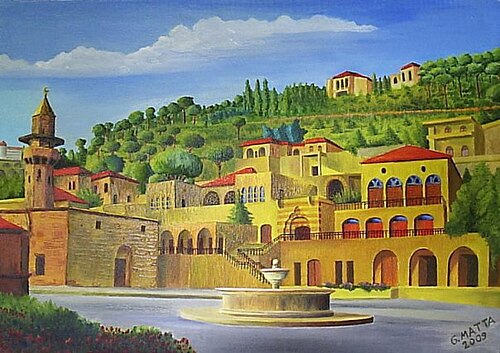
Fakhr al-Din II
Deir el-Qamar is the city of Fakhr al-Din II. The great Druze emir Fakhr al-Din II, who ruled Mount Lebanon in the late sixteenth and early seventeenth centuries, was the most famous of all the rulers of Lebanon, the prince who built a great autonomous state, extended his power across the Levant, and is remembered as a founder of modern Lebanon, Fakhr al-Din the prince of Deir el-Qamar, the emir whose capital the town was.
Fakhr al-Din built a great state: the emir extending his rule from Mount Lebanon across much of the coast and the interior of the Levant, building a powerful autonomous principality within the Ottoman empire, Fakhr al-Din the ruler of a great state, the prince whose power reached from Antioch to Palestine, the emir who made Mount Lebanon a force in the Levant, the great prince of Deir el-Qamar.
He is remembered as a founder of Lebanon: Fakhr al-Din honored in the national memory as a founder of the idea of Lebanon, the prince who united Druze and Christian, mountain and coast, in a single state, the emir the father of the Lebanese nation in the national tradition, Fakhr al-Din the great prince, the ruler remembered as the founder of Lebanon, the emir whose capital was Deir el-Qamar in the Chouf.

The Prince of the Renaissance
Fakhr al-Din brought the Renaissance to Lebanon. The emir, who spent years in exile in Tuscany at the court of the Medici, returned with Italian architects, engineers, and ideas, bringing the culture of the Renaissance to Mount Lebanon, Fakhr al-Din the prince of the European connection, the emir who opened Lebanon to the Italian influence, the ruler whose building and culture bore the stamp of the Renaissance in Deir el-Qamar.
His exile in Tuscany shaped him: Fakhr al-Din, driven from Lebanon by the Ottomans, spending years at the Medici court in Florence and Tuscany, the emir absorbing the culture, the technology, and the diplomacy of Renaissance Italy, the prince returning with Italian experts, Fakhr al-Din the ruler shaped by his European exile, the emir who brought the Tuscan influence to the Chouf and Deir el-Qamar.
He opened Lebanon to Europe: Fakhr al-Din building trade and diplomatic ties with Tuscany and the European powers, the emir opening Mount Lebanon to the commerce and the culture of Europe, the prince the pioneer of the Lebanese connection with the West, Fakhr al-Din the ruler who linked the mountain to Europe, the emir whose cosmopolitan vision shaped Deir el-Qamar and the emirate of Lebanon.
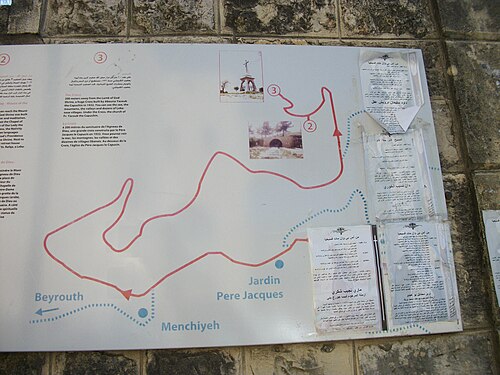
The Palace of Fakhreddine
The palace of Fakhreddine stands in Deir el-Qamar. The residence built by the emir Fakhr al-Din in Deir el-Qamar, the Palace of Fakhreddine, is one of the jewels of the town, a fine stone building of the early seventeenth century that was the seat of the great prince, the palace the residence of Fakhr al-Din, the building the jewel of the old capital, the Palace of Fakhreddine the seat of the greatest ruler of Lebanon.
The palace shows the prince’s taste: the Palace of Fakhreddine built in the fine stone architecture of the mountain, with touches of the Italian influence the emir had brought from Tuscany, the building the expression of the prince’s culture, the palace the showcase of the emir’s taste, the Palace of Fakhreddine the jewel of his building, the residence the seat of the great prince in Deir el-Qamar.
The palace was the heart of the capital: the Palace of Fakhreddine the residence from which the emir ruled his great state, the building the seat of the government of the emirate, the palace the heart of the old capital, the Palace of Fakhreddine the center of the power of the greatest prince of Lebanon, the residence the jewel of Deir el-Qamar, the seat of Fakhr al-Din in the Chouf.
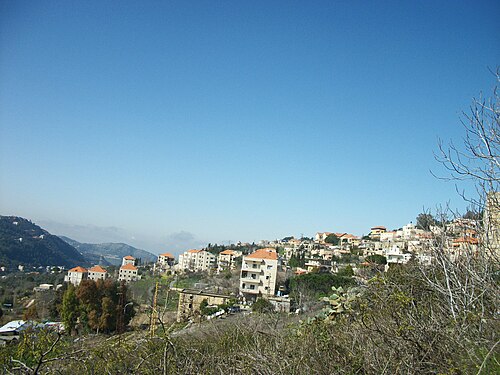
The Serail of Deir el-Qamar
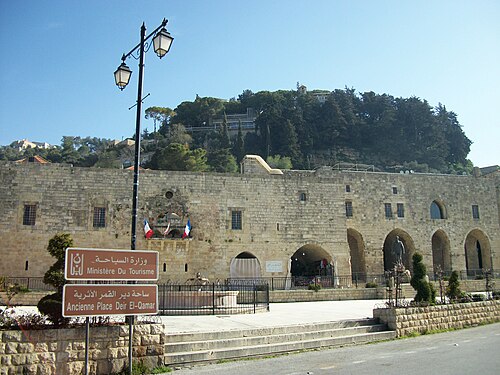
Deir el-Qamar holds the serail of the emirs. The town contains the serail, the government palace of the emirs, a fine stone building that served as the seat of the administration of the emirate, the serail the palace of government, the building the administrative heart of the old capital, the serail of Deir el-Qamar the seat of the rule of the mountain, the palace the jewel of the town’s public architecture.
The serail was the seat of government: the serail of Deir el-Qamar the building where the business of the emirate was conducted, the administration housed, and the court held, the palace the administrative center of the mountain, the serail the heart of the government, the building the seat of the rule, the serail the public palace of the emirs, the administrative jewel of the old capital of Lebanon.
The serail is a jewel of the town: the serail of Deir el-Qamar, a fine stone building of the emirate, one of the jewels of the historic town, the palace the showcase of the public architecture, the serail the monument of the government of the mountain, the building the jewel of Deir el-Qamar, the serail the splendid seat of the emirs in the old capital of the Chouf.
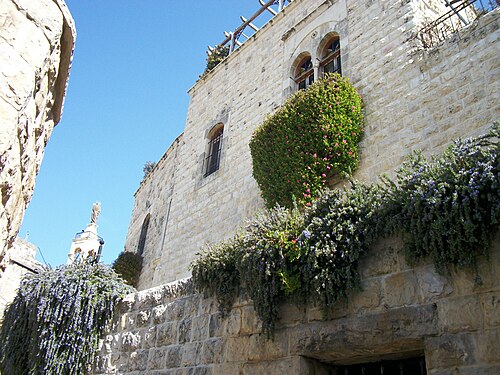
The Silk and the Trade
Deir el-Qamar grew rich on silk and trade. The prosperity of the town and the emirate was founded on the silk of Mount Lebanon, the mulberry orchards and the silkworms of the mountain producing the silk that was traded to Europe, the commerce bringing wealth to Deir el-Qamar, the silk the foundation of the prosperity, the trade the source of the wealth that built the town, the silk the economic heart of the old capital of Lebanon.
The silk trade linked Lebanon to Europe: the silk of the mountain exported through the Lebanese ports to Italy and France, the trade building the connection between Mount Lebanon and Europe, the silk the commodity that enriched the emirate, the commerce the link to the European markets, the silk trade the foundation of the prosperity of Deir el-Qamar, the commerce the wealth of the old capital of the Chouf.
The wealth built the town: the prosperity of the silk and the trade financing the fine houses, the serail, the mosque, and the palaces of Deir el-Qamar, the wealth the source of the town’s splendor, the commerce the foundation of the building, the silk the maker of the prosperity, the trade the wealth that raised the jewels of the old capital, the silk the economic root of the splendor of Deir el-Qamar.
The Architecture of the Town
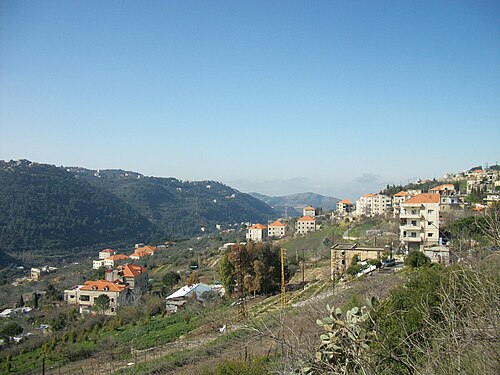
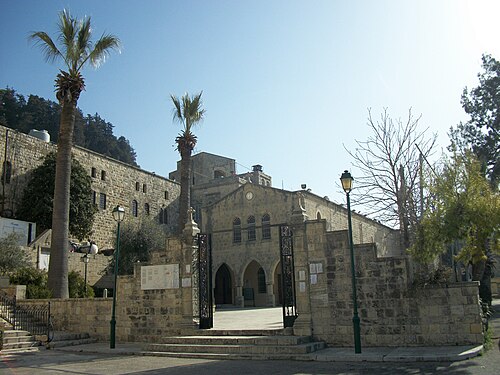
Deir el-Qamar is a jewel of Lebanese architecture. The town preserves a remarkable ensemble of the traditional Lebanese stone architecture, the houses, the palaces, the serail, the mosque, and the khan built of the fine honey-colored stone of the mountain, with their arched windows, their red-tiled roofs, and their courtyards, Deir el-Qamar the showcase of the Lebanese building, the town the jewel of the architecture of the Chouf.
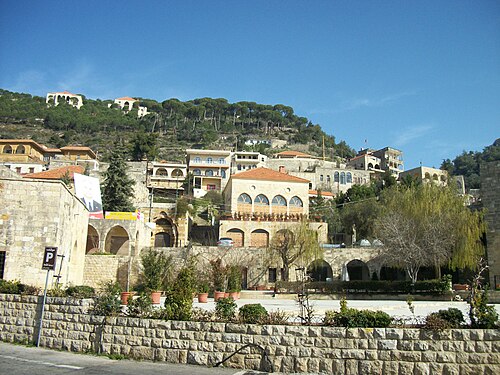
The stone houses are the glory of the town: the fine stone houses of Deir el-Qamar, with their triple-arched windows, their galleries, and their red roofs, the jewels of the traditional Lebanese architecture, the houses the showcase of the mountain building, the stone residences the glory of the town, the houses the architectural treasures of Deir el-Qamar, the buildings the jewels of the old capital of the Chouf.
The town is a preserved ensemble: Deir el-Qamar preserved as a historic town, its center protected, its buildings of the sixteenth to eighteenth centuries intact, the town the finest surviving ensemble of the architecture of the emirate, Deir el-Qamar the preserved jewel, the historic center the showcase of the old Lebanon, the town the living record of the architecture of the golden age of the mountain.
The Mosque of Fakhreddine
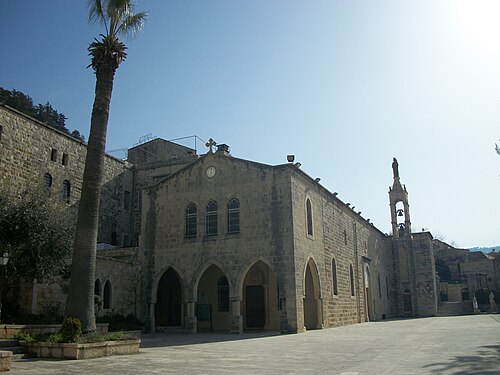
Deir el-Qamar holds the mosque of Fakhreddine. The town contains a fine mosque associated with the emir Fakhr al-Din, one of the oldest mosques of Mount Lebanon, with its minaret and its stone prayer hall, the mosque the place of worship of the old capital, the building the religious jewel of Deir el-Qamar, the mosque of Fakhreddine the sacred monument of the town of the great prince in the Chouf.
The mosque reflects the diversity of the mountain: the presence of the mosque in a town of mixed Druze, Christian, and Muslim population reflecting the diversity of Mount Lebanon under the emirs, the mosque the sign of the plural world of the emirate, the building the monument of the religious variety, the mosque of Fakhreddine the sacred jewel in the diverse old capital, the monument of the plural Lebanon of Fakhr al-Din.
The mosque is a monument of the emir’s age: the mosque of Fakhreddine a building of the age of the great prince, the monument of the religious architecture of the emirate, the mosque the jewel of the old capital, the building the sacred monument of the age of Fakhr al-Din, the mosque the religious treasure of Deir el-Qamar, the monument of the faith in the old capital of Mount Lebanon.
The Khan and the Markets
Deir el-Qamar has its khan and its markets. The town contains a fine khan, a caravanserai for the merchants and the goods of the trade, and the markets where the commerce of the mountain was conducted, the khan the commercial heart of the old capital, the markets the setting of the trade, the khan of Deir el-Qamar the monument of the commerce, the markets the economic jewels of the town of the emirs.
The khan served the silk trade: the khan of Deir el-Qamar the caravanserai where the merchants lodged and the silk and the goods were stored and traded, the building the hub of the commerce that enriched the town, the khan the commercial center of the old capital, the caravanserai the heart of the trade, the khan the monument of the silk commerce, the building the jewel of the economic life of Deir el-Qamar.
The markets were the heart of the town’s life: the markets and the squares of Deir el-Qamar the setting of the daily commerce and the social life of the old capital, the markets the heart of the town, the squares the gathering places, the markets the economic and the social center, the khan and the markets the commercial jewels of Deir el-Qamar, the heart of the life of the old capital of the Chouf.
The Maan and the Shihab
Deir el-Qamar was the seat of the Maan and the Shihab. The town was the capital first of the Maan dynasty, the family of Fakhr al-Din, and then of the Shihab emirs who succeeded them, the two great houses ruling Mount Lebanon from Deir el-Qamar, the town the seat of the dynasties, the capital the heart of the rule of the Maan and the Shihab, Deir el-Qamar the seat of the great families of the emirate of Lebanon.
The Maan ruled in the golden age: the Maan dynasty, the family of Fakhr al-Din, ruling Mount Lebanon from Deir el-Qamar in the sixteenth and seventeenth centuries, the Maan the builders of the great emirate, the family the rulers of the golden age, the Maan the dynasty of Fakhr al-Din, the house whose capital was Deir el-Qamar, the rulers of the height of the emirate of the mountain.
The Shihab succeeded them: the Shihab dynasty succeeding the Maan in the ruling of Mount Lebanon, the family continuing to rule from Deir el-Qamar before Emir Bashir II moved the capital to Beiteddine, the Shihab the heirs of the emirate, the house the rulers after the Maan, the Shihab the dynasty whose early capital was Deir el-Qamar, the rulers of the mountain before the move across the valley to Beiteddine.
The Fall of Fakhreddine
Fakhr al-Din fell to the Ottomans. The great prince, whose power and independence had grown too great for the Ottoman sultan to tolerate, was finally defeated, captured, and taken to Istanbul, where he was put to death in 1635, the fall of Fakhr al-Din the end of the greatest age of the emirate, the prince executed by the sultan, the great ruler of Deir el-Qamar brought down by the power of the Ottoman empire.
His power had grown too great: Fakhr al-Din, having built a state that reached across the Levant and dealt with the European powers as an equal, provoking the Ottoman sultan to move against him, the prince too independent to be tolerated, the emir the victim of his own greatness, Fakhr al-Din the ruler brought down by the empire, the great prince of Deir el-Qamar destroyed for his ambition and his independence.
His death ended an age: the execution of Fakhr al-Din in Istanbul in 1635 ending the greatest age of the emirate of Mount Lebanon, the fall of the prince the close of the golden age, the death the end of the era of the great Maan ruler, Fakhr al-Din the prince whose fall marked the turning of the history, the great ruler of Deir el-Qamar whose death closed the brightest age of Lebanon.
The Town as a Monument
Deir el-Qamar is preserved as a national monument. The historic town, its center protected and its buildings maintained, is a national monument of Lebanon, a living museum of the architecture and the history of the emirate, the town the preserved jewel of the Chouf, Deir el-Qamar the monument of the old capital, the historic center the showcase of the heritage, the town the national treasure of the history of Mount Lebanon.
The town is a destination of heritage: Deir el-Qamar, with its serail, its palace of Fakhreddine, its mosque, its khan, and its stone houses, a destination for those who seek the memory of the old Lebanon, the town the showcase of the emirate, the historic center the jewel of the heritage, Deir el-Qamar the monument of the golden age, the town the treasure of the history of the Chouf.
The town pairs with Beiteddine: Deir el-Qamar and Beiteddine, across the valley from one another, the two jewels of the Chouf, the old capital and the later palace, the two monuments the heart of the heritage of Mount Lebanon, Deir el-Qamar the old capital paired with the palace of Beiteddine, the two towns the jewels of the mountain, the pair the showcase of the history of the emirate of Lebanon.
Deir el-Qamar Today
Deir el-Qamar today stands as the preserved old capital of Mount Lebanon, the town of the great prince Fakhr al-Din II, the jewel of the Chouf with its serail, its palace of Fakhreddine, its mosque, its khan, and its stone houses, Deir el-Qamar the living record of the emirate, the town the national monument, the old capital the treasure that carries the memory of the greatest age of the history of Lebanon.
The town endures as a jewel of the heritage: Deir el-Qamar, its historic center preserved, standing as one of the finest surviving towns of the old Levant, the jewel of the Chouf, the monument of the emirate, Deir el-Qamar the enduring old capital, the town the treasure of the Lebanese heritage, the old capital the living memory of Fakhr al-Din and the golden age of the mountain.
Deir el-Qamar continues the Lebanese palace series, the old capital of Mount Lebanon, the seat of the great prince Fakhr al-Din II, the preserved town of the serail and the palace of Fakhreddine, the jewel of the Chouf, Deir el-Qamar the living record of the emirate, the town the national monument, the old capital the enduring treasure of the greatest age of the history of Lebanon in the mountains of the cedars.
Watch Deir el-Qamar on Film
Visiting Deir el-Qamar Today
Deir el-Qamar stands in the Chouf mountains of Lebanon, about forty kilometers southeast of Beirut and just across the valley from Beiteddine; the historic town is visited for its preserved center, the serail, the palace of Fakhreddine, the old mosque, the khan, and the fine stone houses of the emirate, a living museum of the old Lebanon. Travel in Lebanon and access to the sites depend on the current conditions, which should be checked before any visit; Deir el-Qamar is among the supreme treasures of the Lebanese heritage. You can find the town on the map here: Deir el-Qamar on Google Maps.


