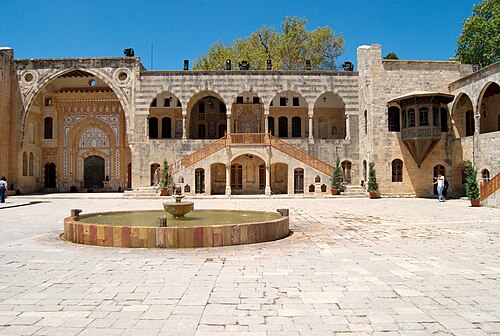
High in the Chouf mountains of Lebanon, overlooking a deep valley of terraced slopes, stands the most beautiful palace in the country, Beiteddine, the great residence built by the Emir Bashir Shihab II, the ruler who dominated Lebanon in the early nineteenth century. The palace, a masterpiece of the Lebanese and the wider Levantine architecture, with its courts, its halls, its hammam, and its mosaics, is the jewel of the mountain, Beiteddine the palace of the emir, the residence that crowns the Chouf and the history of modern Lebanon.
Beiteddine is the finest example of nineteenth-century Lebanese palace architecture. Built over some thirty years, the palace blends the traditions of the Arab, the Ottoman, the Italian, and the Levantine building into a harmonious whole, its courts rising in terraces up the mountainside, its halls adorned with carved stone, painted wood, and marble, Beiteddine the masterpiece of the emir’s builders, the palace the jewel of the Chouf, the residence the glory of the Lebanese architecture.
This article continues the palace series in Lebanon, turning to Beiteddine, the great mountain palace of the Emir Bashir Shihab II, the finest residence in the country, the jewel of the Chouf, the masterpiece of the Lebanese architecture, Beiteddine the palace of the emir who dominated Lebanon, the residence that crowns the mountain and the history of the land, the palace the glory of the Lebanese heritage.
- The Chouf Mountains
- Emir Bashir Shihab II
- The Building of Beiteddine
- The Outer Court
- The Inner Courts
- The Hammam
- The Reception Halls
- The Salamlik and the Harem
- The Mosaics
- The Gardens and the Fountains
- The Tomb of Sitt Shams
- From Palace to Museum
- Beiteddine Today
- Watch on Film
- Visiting Today
- Palaces Nearby
The Chouf Mountains
Beiteddine crowns the Chouf mountains. The Chouf, the great range of mountains south of Beirut, the heartland of the Druze and the Maronite communities of Mount Lebanon, is a land of deep valleys, terraced slopes, and ancient cedar forests, the Chouf the setting of the palace of Beiteddine, the mountains the homeland of the emirs, the range the heart of the old Mount Lebanon, the Chouf the mountain world that the palace of Beiteddine crowns.
The mountains were the heart of old Lebanon: the Chouf the center of the autonomous emirate of Mount Lebanon, the land ruled by the great families of the Maan and the Shihab, the mountains the homeland of the Druze lords and the Christian peasants, the Chouf the heart of the old order of Lebanon, the range the setting of the emirate, the mountains the world of the emirs whose palace was Beiteddine.
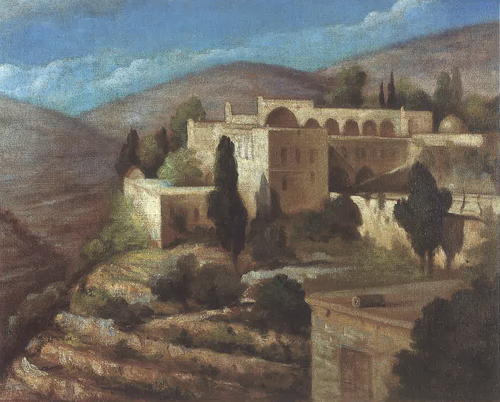
The setting is of great beauty: Beiteddine standing on a spur overlooking a deep valley, the terraced slopes, the orchards, and the mountains spread around it, the palace commanding a view of great beauty, the Chouf the magnificent setting of the residence, the mountains the frame of the palace, the valley the prospect of Beiteddine, the Chouf the beautiful mountain world that crowns the emir’s palace.
Emir Bashir Shihab II
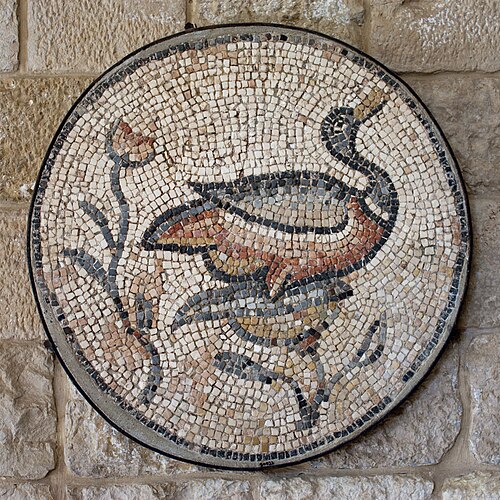
Beiteddine is the palace of Emir Bashir Shihab II. The emir, who ruled Mount Lebanon from 1788 to 1840, was the greatest and most powerful of the Shihab emirs, a ruler of ambition, cunning, and splendor, who dominated the mountain and played the great powers against one another, Bashir the emir of Beiteddine, the ruler whose palace crowns the Chouf, the lord who made Mount Lebanon a power in the age of the Ottoman decline.
Bashir was a ruler of ambition and cunning: the emir building his power through alliance, intrigue, and ruthless suppression of his rivals, Bashir the lord who dominated the great families of the mountain, the ruler who allied with the powerful governor of Acre and later with Muhammad Ali of Egypt, Bashir the emir of ambition, the ruler whose cunning made him the master of Mount Lebanon, the lord of Beiteddine.
His reign ended in exile: Emir Bashir, having backed the Egyptian occupation of Syria, fell with it when the European powers restored Ottoman control in 1840, the emir forced into exile, ending his days away from the mountain he had ruled, Bashir the emir whose long reign ended in exile, the ruler whose fall closed the age of the great Shihab emirate, the lord of Beiteddine exiled from his palace and his mountain.
The Building of Beiteddine
Beiteddine was built over thirty years. The emir Bashir began the palace around 1788 and built it over some three decades, gathering craftsmen from across the region, from Damascus and beyond, to raise and adorn the residence, the palace a work of a generation, Beiteddine the building of the emir’s long reign, the residence raised and decorated over thirty years, the palace the masterpiece of the craftsmen of the Levant in the service of the emir.
Craftsmen came from across the Levant: the emir gathering the finest stone-carvers, woodworkers, marble-cutters, and mosaicists from Damascus, from Lebanon, and from beyond to build and adorn Beiteddine, the craftsmen the makers of the palace’s splendor, the artisans the creators of the carved stone, the painted wood, and the marble, the builders of Beiteddine the masters of the Levantine craft in the service of Emir Bashir.
The name means the House of Faith: Beiteddine, the name of the palace and the town around it, meaning the House of Faith or the House of Religion, a name recalling an earlier religious hermitage on the site, the palace built where a place of faith had stood, Beiteddine the House of Faith, the residence whose name carries the memory of the sacred site, the palace of the emir raised on the mountain spur of the House of Faith in the Chouf.
The Outer Court
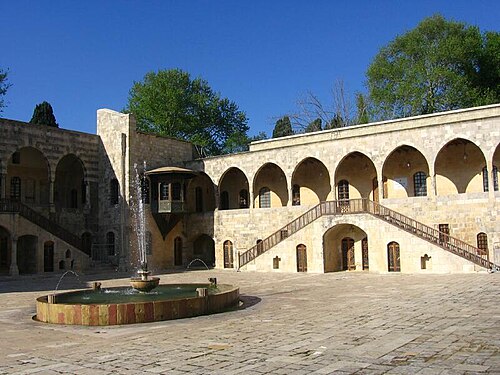
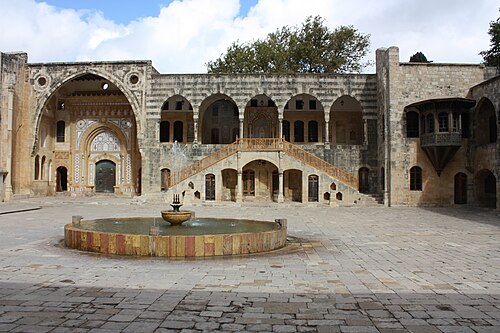
The palace is entered through a great outer court. Beiteddine opens with a vast outer courtyard, the Dar al-Baraniyyeh, a great open space where the emir’s retainers, guests, and petitioners gathered, the court framed by arcades and buildings, the outer court the grand entrance to the palace, the Dar al-Baraniyyeh the public face of Beiteddine, the great court the threshold between the mountain and the splendor of the emir’s residence.
The outer court was the public space of the palace: the Dar al-Baraniyyeh the setting where the emir’s people gathered, where the horsemen assembled and the business of the emirate was conducted, the court the public heart of Beiteddine, the great space the stage of the palace’s outer life, the outer court the setting of the gatherings, the Dar al-Baraniyyeh the public forecourt of the emir’s residence in the Chouf.
The court frames the view of the mountains: the outer court of Beiteddine open on one side to the valley and the mountains, the great space framing a magnificent prospect of the Chouf, the court the balcony of the palace over the mountain world, the Dar al-Baraniyyeh the forecourt with its view, the outer court the threshold that opens to the mountains, the great space the grand entrance that frames the beauty of the Chouf.
The Inner Courts
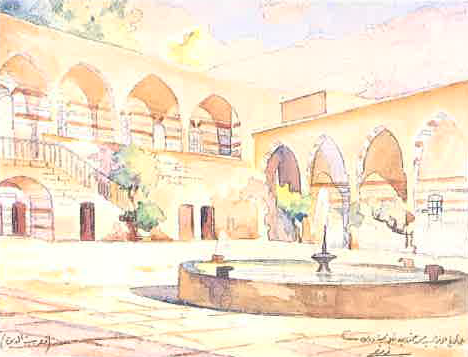
Beyond lie the inner courts. From the outer court, the palace rises through a sequence of inner courtyards, the Dar al-Wusta, the middle court, and the private courts of the emir, the inner courts the heart of the residence, the courtyards rising in terraces up the mountainside, the inner courts the private world of Beiteddine, the sequence of courts the ascent into the splendor of the emir’s palace in the Chouf.
The courts rise in terraces: the inner courts of Beiteddine arranged on rising levels up the slope, the sequence of courtyards ascending through the palace, the terraced courts the response to the mountain site, the inner courts the rising heart of the residence, the courtyards the terraced sequence of Beiteddine, the rising courts the architecture of the mountain palace in the Chouf.
The inner courts held the finest buildings: the inner courtyards of Beiteddine surrounded by the grandest halls, the reception rooms, the hammam, and the private apartments of the emir, the courts the setting of the palace’s splendor, the inner courtyards the frame of the finest buildings, the courts the heart of the emir’s residence, the inner courts the splendid core of Beiteddine in the Chouf mountains.
The Hammam
Beiteddine has a magnificent hammam. The palace contains a splendid bath complex, a hammam in the finest tradition of the Ottoman and the Levantine bath, with its chambers of cold, warm, and hot rooms, its domes pierced with star-shaped openings, its marble floors and basins, the hammam one of the jewels of Beiteddine, the bath the masterpiece of the Levantine craft, the hammam the splendid bath of the emir’s palace in the Chouf.
The domes are pierced with stars of light: the hammam of Beiteddine roofed with domes pierced by small star-shaped openings, the light falling in points through the steam, the bath a chamber of light and vapor, the hammam a jewel of the architecture of the bath, the domes the glory of the hammam, the pierced vaults the splendid roofing, the hammam the masterpiece of light and marble in the palace of Beiteddine.
The bath was a center of palace life: the hammam of Beiteddine a place of cleansing, relaxation, and sociability in the life of the emir’s household, the bath a center of the daily life of the palace, the hammam the social and the ceremonial bath, the complex the jewel of the palace’s amenities, the hammam the splendid heart of the daily life, the bath the masterpiece of the Levantine tradition in Beiteddine.
The Reception Halls
Beiteddine is famous for its reception halls. The palace contains magnificent reception rooms, the halls where the emir received his guests, adorned with carved and painted wood, inlaid marble, inscriptions, and rich decoration, the reception halls the showcase of the emir’s splendor, the rooms the jewels of Beiteddine, the halls the setting of the hospitality and the ceremony of the emir, the reception rooms the glory of the Lebanese palace architecture.
The halls are adorned with carved and painted wood: the reception rooms of Beiteddine crowned with the carved and painted wooden ceilings of the Levantine tradition, the walls inlaid with marble and inscribed with poetry, the halls a masterpiece of the decorative craft, the reception rooms the showcase of the woodwork and the marble, the halls the jewels of the palace decoration, the reception rooms the splendor of Beiteddine in the Chouf.
The halls were the stage of the emir’s hospitality: the reception rooms of Beiteddine the settings where the emir received his guests, his allies, and the envoys of the powers, the halls the stage of the hospitality and the diplomacy of Mount Lebanon, the rooms the setting of the emir’s ceremony, the reception halls the splendid theater of the emir’s majesty, the rooms the glory of the hospitality of Beiteddine.
The Salamlik and the Harem
The palace is divided into the salamlik and the harem. Beiteddine, like the great houses of the Ottoman world, is divided between the salamlik, the public and the men’s quarters, and the harem, the private family quarters, the two worlds the division of the palace, the salamlik the public face, the harem the private heart, the division the structure of the emir’s residence in the Chouf.
The salamlik was the public world: the salamlik of Beiteddine the quarter of the public life, the reception of guests, and the business of the emirate, the men’s and the public rooms the face the palace showed to the world, the salamlik the public heart of the residence, the quarter the setting of the emir’s public life, the salamlik the ceremonial world of Beiteddine.
The harem was the private world: the harem of Beiteddine the private family quarters, the domestic heart of the palace, the apartments of the emir’s family and household, the harem the intimate world of the residence, the private quarters the domestic heart, the harem the family world of the palace, the apartments the private jewel of Beiteddine in the Chouf mountains.
The Mosaics
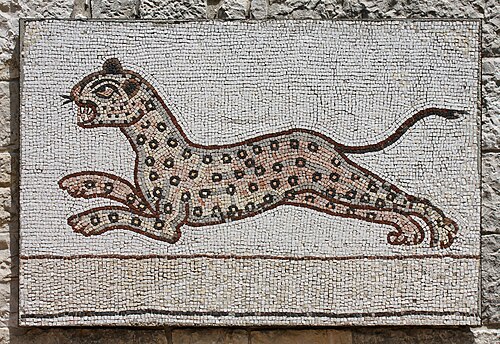
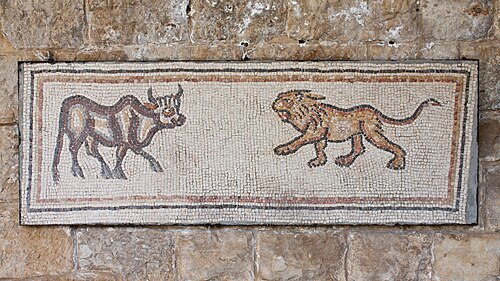
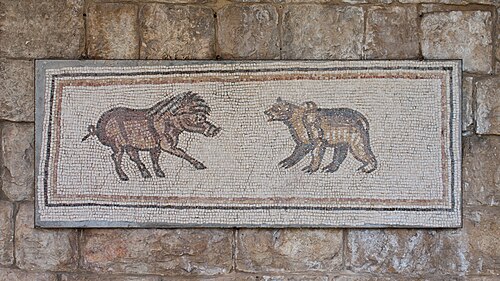
Beiteddine holds a great collection of Byzantine mosaics. In the lower courts and halls of the palace is displayed a magnificent collection of Byzantine mosaics, gathered from the ancient sites of the Lebanese coast, the floors of the early Christian churches and villas, the mosaics a treasure of the late antique art, the collection the jewel of Beiteddine, the mosaics the splendid display of the Byzantine heritage of Lebanon in the emir’s palace.
The mosaics come from the ancient coast: the collection gathered from the archaeological sites of the Lebanese shore, the floors of the Byzantine churches and houses of the fifth and sixth centuries, the mosaics depicting scenes, animals, and ornament, the collection a treasure of the late antique art, the mosaics the jewels of the ancient Lebanon, the display the heritage of the Byzantine coast in Beiteddine.
The mosaics adorn the palace courts: the Byzantine mosaics displayed in the vaulted spaces and the courts of the lower palace, the ancient floors given new life in the emir’s residence, the mosaics the adornment of Beiteddine, the collection the treasure that enriches the palace, the mosaics the jewels that join the ancient and the modern, the display the Byzantine splendor within the mountain palace of the emir.
The Gardens and the Fountains
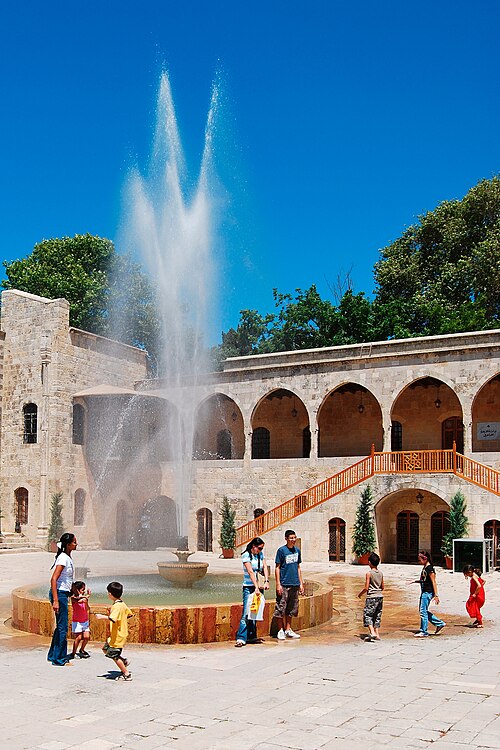
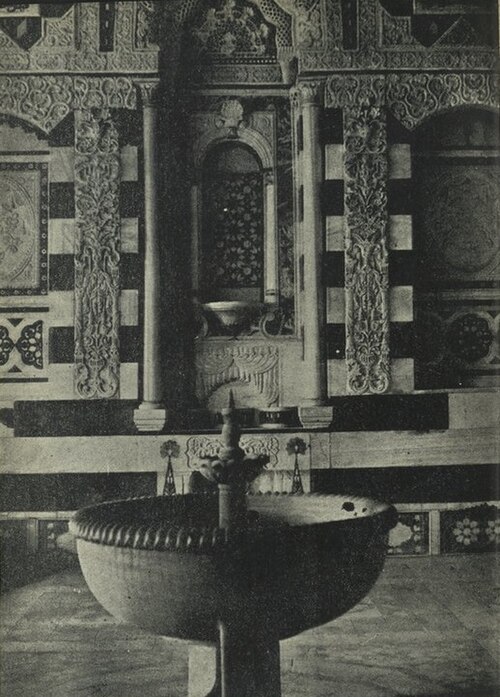
Beiteddine is adorned with gardens and fountains. The palace and its courts are graced with gardens, terraces, and the fountains that are the delight of the Levantine residence, the water channeled through the courts in basins and jets, the gardens the green adornment of the palace, the fountains the music and the coolness of Beiteddine, the gardens and the water the delight of the emir’s mountain residence in the Chouf.
The fountains cool the courts: the fountains and basins of Beiteddine bringing the sound and the coolness of water to the courts and halls, the jets playing in the marble basins, the water the delight of the palace in the mountain heat, the fountains the music of Beiteddine, the basins the coolness of the courts, the water the Levantine art of the fountain in the emir’s residence.
The gardens frame the mountain prospect: the gardens and terraces of Beiteddine opening to the view of the Chouf, the green of the palace set against the mountains, the gardens the frame of the prospect, the terraces the balconies over the valley, the gardens the green jewels of the residence, the terraces the setting that joins the palace to the beauty of the mountains, the gardens the delight of Beiteddine in the Chouf.
The Tomb of Sitt Shams
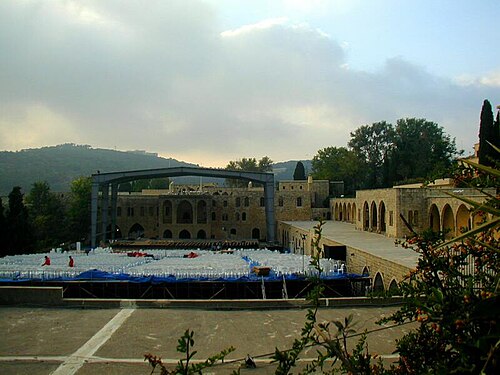
Beiteddine holds the tomb of Sitt Shams. In the palace is the tomb of Sitt Shams, the wife of Emir Bashir, set within the hammam court, the resting place of the emir’s consort within the walls of the palace, the tomb a touching feature of Beiteddine, the resting place of Sitt Shams the memorial within the residence, the tomb the jewel of memory in the emir’s palace in the Chouf.
The tomb lies within the palace she knew: the resting place of Sitt Shams set in the court of the hammam she had used in life, the tomb within the walls of the palace, the memorial of the emir’s wife in the heart of Beiteddine, the tomb the touching presence of memory, the resting place the jewel of the palace’s history, the tomb of Sitt Shams the memorial within the residence of the emir.
The tomb adds a human note to the palace: the resting place of Sitt Shams bringing a note of the personal and the human to the splendor of Beiteddine, the tomb the reminder of the family that lived in the palace, the memorial the human heart of the residence, the tomb the touching jewel of Beiteddine, the resting place the sign of the life and the loss within the mountain palace of Emir Bashir.
From Palace to Museum
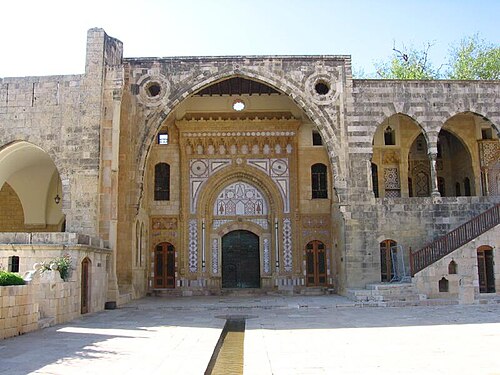
Beiteddine became a presidential palace and a museum. After the fall of Emir Bashir and the end of the emirate, the palace served various uses under the Ottomans and the French, and after the independence of Lebanon it became a summer residence of the president of the republic and a museum, Beiteddine the presidential palace of the mountains, the residence the national monument, the palace the museum of the heritage of Lebanon.
The palace became a national symbol: Beiteddine, restored and maintained as a presidential residence and a museum, a symbol of the heritage and the identity of Lebanon, the palace the national monument of the mountains, the residence the symbol of the Lebanese history, Beiteddine the jewel of the national heritage, the palace the pride of Lebanon, the residence the symbol of the country’s past and its identity.
The palace survived the civil war: Beiteddine, damaged and looted during the Lebanese civil war, restored afterward, the mosaics and the treasures recovered, the palace brought back to its splendor, Beiteddine the survivor of the war, the residence restored after the conflict, the palace the recovered jewel of Lebanon, the monument that endured the trials of the country and was restored as the pride of the mountains.
Beiteddine Today
Beiteddine today stands as the finest palace in Lebanon, the great mountain residence of Emir Bashir Shihab II, the masterpiece of the Lebanese architecture, the jewel of the Chouf, the palace of the courts, the hammam, the reception halls, the mosaics, and the gardens, Beiteddine the national monument and the museum, the residence the pride of Lebanon, the palace the crown of the mountain and the history of the land.
The palace endures as the pride of Lebanon: Beiteddine, restored after the war, standing as the finest palace and a national symbol of the country, the residence the jewel of the Chouf, the palace the monument of the emirate and the heritage, Beiteddine the pride of the mountains, the residence the enduring masterpiece of the Lebanese architecture, the palace the crown of the history of Lebanon in the Chouf.
Beiteddine continues the palace series in Lebanon, the finest residence in the country, the great mountain palace of Emir Bashir Shihab II, the masterpiece of the courts, the hammam, the halls, and the mosaics, the jewel of the Chouf, Beiteddine the national monument and the museum, the palace the pride of Lebanon, the residence the enduring crown of the mountain and the history of the land of the cedars.
Watch the Beiteddine Palace on Film
Visiting Beiteddine Today
Beiteddine stands in the town of the same name in the Chouf mountains of Lebanon, about forty-five kilometers southeast of Beirut, the palace commanding a spur above a deep valley; the residence is visited for its great courts, its magnificent hammam, its reception halls, its collection of Byzantine mosaics, and its gardens, and it serves as a museum and a summer presidential palace, with a noted arts festival held there in summer. Travel in Lebanon and access to the sites depend on the current conditions, which should be checked before any visit; Beiteddine is among the supreme treasures of the Lebanese heritage. You can find the palace on the map here: Beiteddine Palace on Google Maps.


