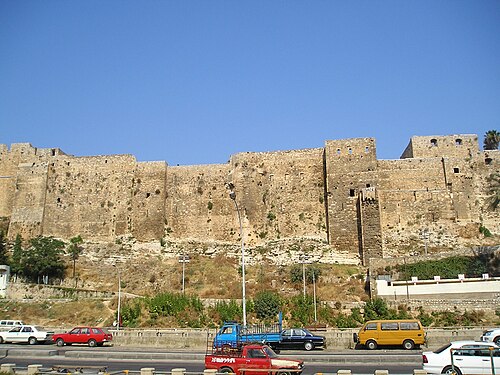
Above the old city of Tripoli in northern Lebanon, commanding the town and the river, rises the great Citadel of Tripoli, the Qalaat Raymond de Saint-Gilles, the mighty fortress whose origins reach back to the Crusades. The citadel, raised by the Crusader count who besieged the city, rebuilt by the Mamluks and the Ottomans, is one of the greatest fortresses of Lebanon, the Citadel of Tripoli the crown of the city, the stronghold that has guarded Tripoli for nine centuries from its hill above the old town.
The Citadel of Tripoli is a fortress of many ages. Begun by the Crusader Raymond de Saint-Gilles in the early twelfth century, rebuilt and extended by the Mamluks and the Ottomans, the citadel is a palimpsest of the military architecture of the Levant, its walls and towers the work of nine centuries, the citadel the crown of Tripoli, the fortress the stronghold of the ages, the Citadel of Saint-Gilles the great monument of the city of northern Lebanon.
This article concludes the Lebanese palace series, turning to the Citadel of Tripoli, the great fortress of Raymond de Saint-Gilles, the Crusader stronghold rebuilt by the Mamluks and the Ottomans, the mighty citadel that crowns the old city of Tripoli, the Citadel of Saint-Gilles the stronghold of the ages, the fortress that has guarded the city for nine centuries from its hill in northern Lebanon.
- The City of Tripoli
- The Crusader County
- Raymond de Saint-Gilles
- The Building of the Citadel
- The Siege of Tripoli
- The Mamluk Reconstruction
- The Ottoman Fortress
- The Walls and Towers
- The Gate and the Inscriptions
- The View over the City
- The Old City Below
- Restoration and Heritage
- The Citadel of Tripoli Today
- Watch on Film
- Visiting Today
- Palaces Nearby
The City of Tripoli
Tripoli is the great city of northern Lebanon. The ancient port, known in Arabic as Tarabulus, is the second city of Lebanon and the chief city of the north, a place of deep history, a center of the Phoenician, the Crusader, the Mamluk, and the Ottoman ages, the city famous for its old town, its markets, its mosques, and its citadel, Tripoli the great city of the north, the setting of the Citadel of Saint-Gilles.
The city has a deep history: Tripoli an ancient Phoenician foundation, a city of the Greeks, the Romans, and the Byzantines, a great center under the Crusaders, the Mamluks, and the Ottomans, the city the witness of the ages of the Levantine history, Tripoli the ancient port of the north, the city of the deep past, the metropolis the setting of the great citadel.
Tripoli is famed for its Mamluk heritage: the city containing one of the finest ensembles of Mamluk architecture in the world, its mosques, madrasas, khans, and hammams of the Mamluk age, Tripoli the treasure-house of the Mamluk building, the city the showcase of the medieval Islamic architecture, the old town the jewel of the heritage, Tripoli the city of the Mamluk splendor crowned by the Citadel of Saint-Gilles.
The Crusader County
Tripoli was the seat of a Crusader county. In the age of the Crusades, Tripoli became the capital of the County of Tripoli, one of the four Crusader states of the Levant, the county ruled by the Frankish counts for nearly two centuries, Tripoli the seat of the Crusader state, the city the capital of the county, the citadel the stronghold of the Frankish lords, the County of Tripoli the Crusader state crowned by the Citadel of Saint-Gilles.
The county was one of the Crusader states: the County of Tripoli one of the four states founded by the Crusaders in the Levant, alongside the kingdom of Jerusalem and the principalities of Antioch and Edessa, the county the Frankish state of the Lebanese coast, Tripoli the capital of the county, the city the seat of the Crusader power in the region, the County of Tripoli the state of the citadel.
The counts ruled from Tripoli: the Frankish counts of Tripoli ruling their state from the city and its citadel for nearly two centuries, the counts the lords of the Crusader Lebanon, the rulers of the county the masters of the coast, the counts the Frankish lords whose stronghold was the citadel, the County of Tripoli the state ruled from the great fortress of Saint-Gilles above the city.
Raymond de Saint-Gilles
The citadel bears the name of Raymond de Saint-Gilles. The great Crusader lord Raymond de Saint-Gilles, Count of Toulouse, one of the leaders of the First Crusade, began the siege of Tripoli and built the fortress on the hill above the city that bears his name to this day, Raymond the builder of the citadel, the count the founder of the stronghold, the Citadel of Saint-Gilles the fortress of the great Crusader lord.
Raymond was a leader of the First Crusade: Raymond de Saint-Gilles, Count of Toulouse, one of the foremost leaders of the First Crusade that took Jerusalem in 1099, the count a great lord of the Frankish host, Raymond the Crusader who turned to the conquest of Tripoli, the count the leader whose ambition was the Lebanese coast, Raymond the great lord who founded the citadel above Tripoli.
He built the fortress to besiege the city: Raymond de Saint-Gilles, unable to take Tripoli at once, building a great fortress on the hill above the city to press the siege, the stronghold the base of the blockade, the citadel the siege-castle of the count, Raymond the builder of the fortress that would become the citadel, the count whose siege-castle grew into the great Citadel of Saint-Gilles above Tripoli.
The Building of the Citadel
The citadel was begun in the early twelfth century. Raymond de Saint-Gilles began the fortress around 1103 as a base for the siege of Tripoli, the stronghold on the hill the castle from which the Crusaders pressed the blockade of the city, the citadel the siege-work of the count, the fortress the Crusader stronghold begun in the early twelfth century, the Citadel of Saint-Gilles the castle of the siege above Tripoli.
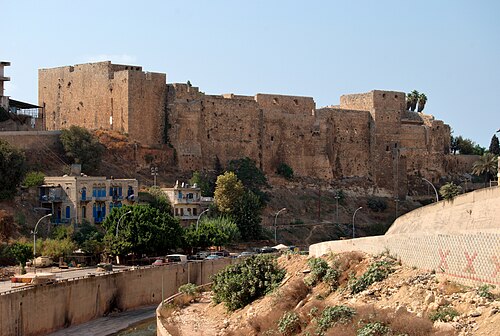
The fortress commanded the city and the river: the citadel built on the hill above Tripoli, commanding the city, the plain, and the river, the stronghold the dominant point over the town, the fortress the castle that controlled the approaches, the citadel the commanding work of the Crusaders, the Citadel of Saint-Gilles the stronghold that dominated Tripoli from its hill.
The citadel grew over the Crusader age: the fortress of Saint-Gilles extended and strengthened by the Crusader counts over the nearly two centuries of their rule, the citadel growing into a great stronghold, the fortress the work of the Frankish lords, the citadel the Crusader castle built up over the generations, the Citadel of Saint-Gilles the stronghold raised over the age of the County of Tripoli.
The Siege of Tripoli
The siege of Tripoli was long and hard. The Crusaders besieged Tripoli for years from the fortress on the hill, the city holding out under its defenders, the siege one of the long struggles of the Crusader age, the blockade pressed from the citadel of Saint-Gilles, the siege the struggle for the city, the long blockade the contest that the fortress above Tripoli made possible.
Raymond died before the city fell: the great count Raymond de Saint-Gilles dying in 1105, before the fall of Tripoli, the founder of the citadel not living to see the city taken, Raymond the count who died at the siege, the lord whose fortress outlived him, the builder of the citadel who passed before the conquest, Raymond the count whose stronghold above Tripoli bore his name after his death.
The city fell in 1109: Tripoli finally taken by the Crusaders in 1109, after a siege of some years, the city becoming the capital of the Crusader county, the fall the triumph of the Franks, the conquest the beginning of the Crusader age of Tripoli, the citadel the stronghold of the victors, the fall of Tripoli in 1109 the opening of the age of the County of Tripoli and the Citadel of Saint-Gilles.
The Mamluk Reconstruction
The Mamluks took Tripoli and rebuilt the citadel. In 1289 the Mamluk sultan Qalawun took Tripoli from the Crusaders, ending the county, and the Mamluks rebuilt the city and the citadel, the fortress reconstructed and strengthened by the new rulers, the citadel the stronghold of the Mamluks, the fortress rebuilt after the Crusader age, the Citadel of Saint-Gilles the work of the Mamluk sultans as well as the Crusaders.
The fall of 1289 ended the Crusader county: the taking of Tripoli by the Mamluk sultan Qalawun in 1289 ending the County of Tripoli and the Crusader age of the city, the conquest the triumph of the Mamluks, the fall the end of the Frankish rule, the citadel passing to the new masters, the fall of 1289 the close of the Crusader age and the beginning of the Mamluk Tripoli.
The Mamluks rebuilt the city below: the Mamluks, having taken Tripoli, rebuilding the city on a new site below the citadel, the old Crusader city abandoned, the new Mamluk Tripoli growing around the foot of the fortress, the Mamluk city the splendid new Tripoli of the mosques and the madrasas, the citadel the stronghold above the Mamluk city, the fortress the crown of the rebuilt Tripoli.
The Ottoman Fortress
The Ottomans held and rebuilt the citadel. After the Ottoman conquest of the Levant in 1516, the Citadel of Tripoli became an Ottoman stronghold, the fortress rebuilt and strengthened by the Ottoman governors, notably in the time of the governor Suleiman Pasha in the early nineteenth century, the citadel the Ottoman fortress, the stronghold maintained and rebuilt by the empire, the Citadel of Saint-Gilles the work of the Ottomans as well as the earlier ages.
The Ottomans strengthened the fortress: the Ottoman governors of Tripoli rebuilding and reinforcing the citadel, the fortress maintained as the stronghold of the imperial power, the citadel the Ottoman garrison, the stronghold the seat of the governor, the fortress the Ottoman citadel above Tripoli, the stronghold rebuilt by the governors of the empire over the Ottoman centuries.
The citadel is a palimpsest of the ages: the Citadel of Tripoli, with its Crusader foundations, its Mamluk reconstruction, and its Ottoman rebuilding, a palimpsest of the military architecture of the Levant, the fortress the record of the ages, the citadel the work of the Crusaders, the Mamluks, and the Ottomans, the Citadel of Saint-Gilles the stronghold that carries the layers of nine centuries of the history of Tripoli.
The Walls and Towers
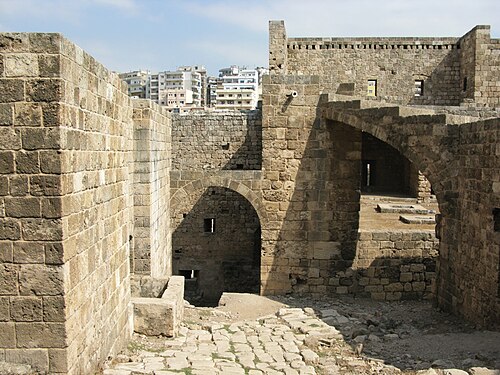
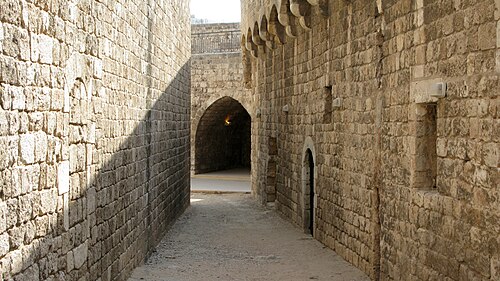
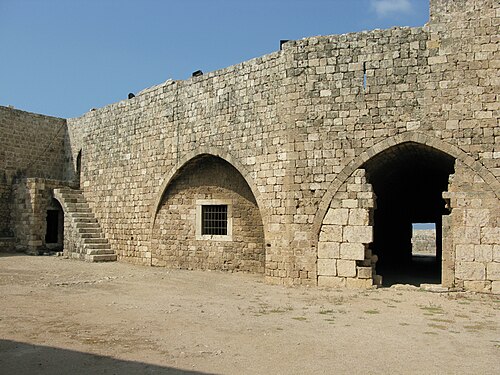
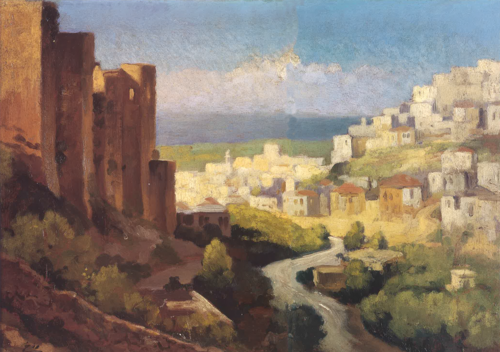
The citadel is defended by mighty walls and towers. The Citadel of Tripoli is a great fortress of walls, towers, and gates, the stronghold enclosing a vast space on the hill, the walls rising high above the city, the towers guarding the circuit, the citadel a mighty work of the military architecture, the walls and towers the strength of the fortress, the Citadel of Saint-Gilles the great stronghold above Tripoli.
The walls enclose a vast stronghold: the great walls of the Citadel of Tripoli enclosing a large area on the hill, the circuit of walls and towers the mighty defense, the stronghold a vast fortress, the walls the strength of the citadel, the enclosure the great work of the defense, the walls and towers the mighty circuit of the Citadel of Saint-Gilles above the city.
The towers guard the circuit: the towers of the Citadel of Tripoli studding the walls, the bastions guarding the circuit and the gate, the towers the strong points of the defense, the bastions the guardians of the fortress, the towers the military works of the citadel, the bastions the strength of the stronghold, the towers the mighty guardians of the Citadel of Saint-Gilles above Tripoli.
The Gate and the Inscriptions
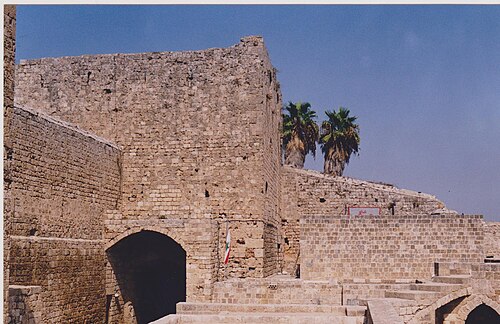
The citadel is entered through a great gate. The Citadel of Tripoli is entered through a monumental gateway, the entrance bearing inscriptions of the Mamluk and the Ottoman builders, the gate the formidable entrance to the fortress, the inscriptions the record of the rulers who rebuilt the citadel, the great gate the threshold of the stronghold, the inscriptions the history written on the Citadel of Saint-Gilles.
The inscriptions record the builders: the gateway of the Citadel of Tripoli carrying the inscriptions of the Mamluk sultans and the Ottoman governors who rebuilt the fortress, the inscriptions the record of the ages of building, the carved texts the history of the citadel, the inscriptions the signatures of the rulers, the carved record the testimony of the builders of the Citadel of Saint-Gilles.
The gate is a work of defense and display: the great gate of the Citadel of Tripoli both a strong point of the defense and a monument bearing the inscriptions and the arms of its builders, the gateway the formidable and the ceremonial entrance, the gate the threshold of the fortress, the great gate the defended and the inscribed entrance to the Citadel of Saint-Gilles above Tripoli.

The View over the City
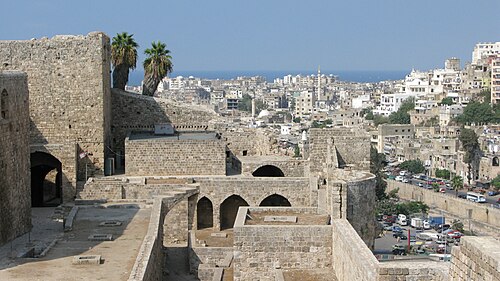
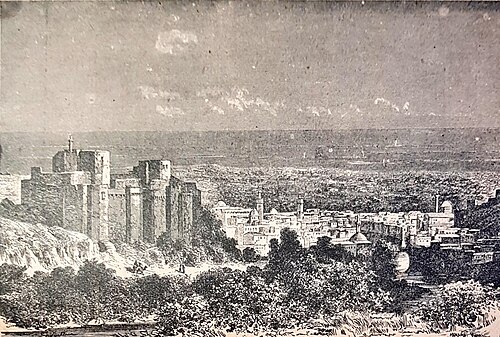
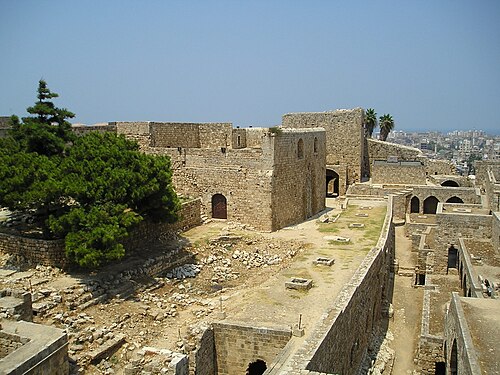
The citadel commands a great view over Tripoli. From the walls of the Citadel of Saint-Gilles, the prospect opens over the old city of Tripoli, the mosques, the madrasas, the khans, and the lanes of the Mamluk town spread below, the river and the plain beyond, the view the reward of the citadel, the prospect over the city the glory of the fortress, the view the crown of the Citadel of Tripoli above the old town.
The prospect takes in the Mamluk city: the view from the citadel commanding the old Mamluk city of Tripoli, the great monuments of the medieval town spread below the fortress, the prospect the panorama of the heritage, the view over the Mamluk city the reward of the climb, the prospect the glory of the citadel, the view the panorama of old Tripoli from the Citadel of Saint-Gilles.
The citadel dominates the city: the Citadel of Tripoli, on its hill, dominating the old city and commanding the prospect, the fortress the dominant monument over the town, the citadel the crown of the view, the stronghold the commanding presence above Tripoli, the citadel the dominant fortress over the old city, the Citadel of Saint-Gilles the crown of the panorama of Tripoli.
The Old City Below
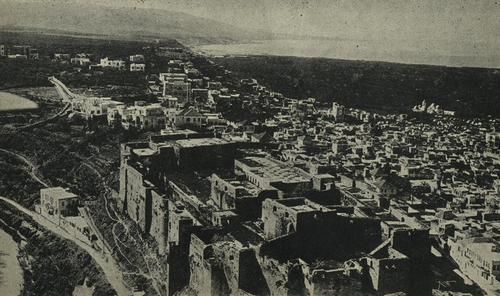
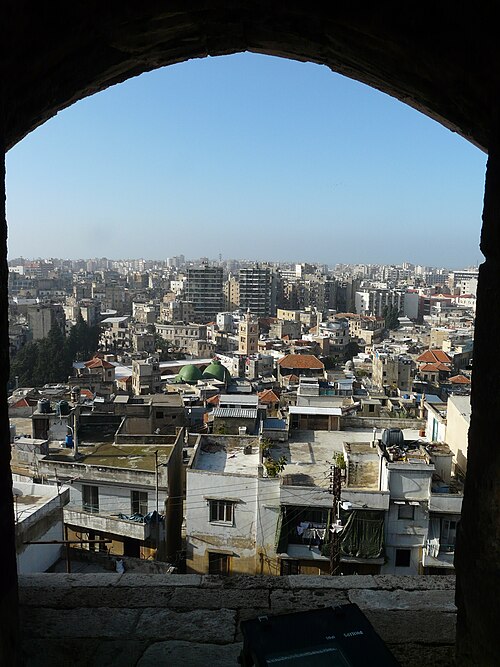
Below the citadel spreads the old Mamluk city. At the foot of the Citadel of Saint-Gilles lies the old city of Tripoli, one of the finest ensembles of Mamluk architecture in the world, the town of mosques, madrasas, khans, hammams, and souks of the medieval age, the old city the jewel below the citadel, the Mamluk town the treasure at the foot of the fortress, the old city the splendid heritage crowned by the Citadel of Tripoli.
The old city is a Mamluk treasure: the old town of Tripoli containing a remarkable wealth of Mamluk monuments, the Great Mosque, the madrasas, the khans, and the hammams of the medieval city, the old city the showcase of the Mamluk architecture, the town the treasure-house of the medieval Islamic building, the old city the jewel of the Mamluk heritage below the Citadel of Saint-Gilles.
The citadel and the city form one heritage: the Citadel of Tripoli and the old Mamluk city below forming a single great ensemble of the heritage, the fortress and the town the crown and the jewel of Tripoli, the citadel the stronghold above the splendid old city, the fortress and the medieval town the united treasure of the north, the Citadel of Saint-Gilles and the Mamluk city the heritage of Tripoli.
Restoration and Heritage
The citadel is a treasure of the Lebanese heritage. The Citadel of Tripoli, maintained and restored, is one of the chief monuments of Lebanon, a stronghold of nine centuries of history, the fortress the treasure of the north, the citadel the monument of the Crusader, the Mamluk, and the Ottoman ages, the Citadel of Saint-Gilles the jewel of the heritage, the stronghold the crown of the history of Tripoli.
The fortress is a monument of many ages: the Citadel of Tripoli preserved as a monument that carries the layers of the Crusader, the Mamluk, and the Ottoman history, the fortress the record of nine centuries, the citadel the palimpsest of the ages, the stronghold the monument of the Levantine history, the Citadel of Saint-Gilles the treasure that holds the memory of the ages of Tripoli.
The citadel crowns the heritage of the north: the Citadel of Tripoli, with the old Mamluk city below, the crown of the rich heritage of northern Lebanon, the fortress the monument that draws the visitor to the history of Tripoli, the citadel the jewel of the north, the stronghold the treasure of the heritage, the Citadel of Saint-Gilles the crown of the history and the heritage of the great city of the north.
The Citadel of Tripoli Today
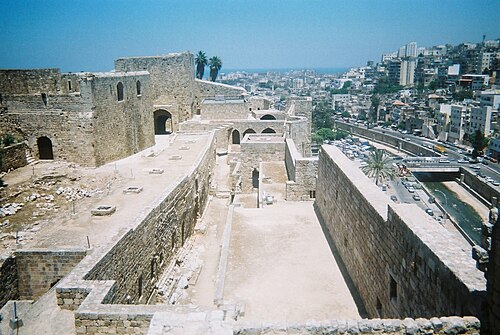
The Citadel of Tripoli today stands as the great fortress of the north, the Qalaat Raymond de Saint-Gilles, the stronghold of the Crusaders, the Mamluks, and the Ottomans, the mighty citadel of walls, towers, and gates crowning the old Mamluk city, the Citadel of Saint-Gilles the crown of Tripoli, the fortress of nine centuries, the enduring stronghold that has guarded the great city of northern Lebanon.
The fortress endures as the crown of Tripoli: the Citadel of Saint-Gilles, on its hill above the old city, the enduring crown of Tripoli, the fortress the monument of the ages, the citadel the stronghold of the history, the Citadel of Tripoli the symbol of the city, the fortress the enduring crown of the north, the stronghold the monument that has watched over Tripoli for nine centuries.
The Citadel of Tripoli concludes the Lebanese palace series, the great fortress of Raymond de Saint-Gilles, the Crusader stronghold rebuilt by the Mamluks and the Ottomans, the mighty citadel that crowns the old Mamluk city, the Citadel of Saint-Gilles the stronghold of the ages, the fortress of nine centuries, the enduring crown of Tripoli and the heritage of northern Lebanon on its hill above the great city.
Watch the Citadel of Tripoli on Film
Visiting the Citadel of Tripoli Today
The Citadel of Tripoli, the Qalaat Raymond de Saint-Gilles, stands on a hill above the old city of Tripoli, the chief city of northern Lebanon, about eighty kilometers north of Beirut; the fortress is visited for its mighty walls, towers, and gate, its inscriptions, and the great view over the old Mamluk city with its mosques, madrasas, and khans below. Travel in Lebanon and access to the sites depend on the current conditions, which should be checked before any visit; the Citadel of Tripoli and the old Mamluk city are among the supreme treasures of the Lebanese heritage. You can find the citadel on the map here: Citadel of Tripoli on Google Maps.


