On a commanding hilltop in the green highlands of northern Jordan, overlooking the Jordan Valley and the roads to the north, rises Ajloun Castle, the great Ayyubid fortress built in the age of Saladin to guard the land against the Crusaders. The castle, Qalaat ar-Rabad, with its mighty towers, its walls, and its halls, is one of the finest Islamic military monuments of Jordan, Ajloun the stronghold of the north, the fortress of the age of Saladin, the castle that guarded the highlands against the Crusader kingdoms.
Ajloun Castle is a monument of the Islamic struggle against the Crusaders. Built in 1184 to 1185 by a commander of Saladin, the fortress was raised to control the region, protect the routes, and counter the Crusader castles across the Jordan, the castle the Islamic answer to the Crusader strongholds, Ajloun the Ayyubid fortress of the north, the castle that defended the highlands of Jordan in the age of the great struggle for the Holy Land.
This article concludes the Jordanian palace series and the palace series as a whole, turning to Ajloun Castle, the great Ayyubid fortress of northern Jordan, the stronghold of the age of Saladin, the castle built to guard the land against the Crusaders, Ajloun the fortress of the north, Qalaat ar-Rabad the Islamic military monument that crowns the green highlands of Jordan.
- The Castle of the North
- Qalaat ar-Rabad
- Izz al-Din Usama
- Saladin and the Ayyubids
- The Fight Against the Crusaders
- The Hilltop Fortress
- The Towers and the Walls
- The Moat and the Gate
- The Vaulted Halls
- The Mamluk Rebuilding
- The View over the Jordan Valley
- Earthquakes and Restoration
- Ajloun Castle Today
- Watch on Film
- Visiting Today
- Palaces Nearby
The Castle of the North
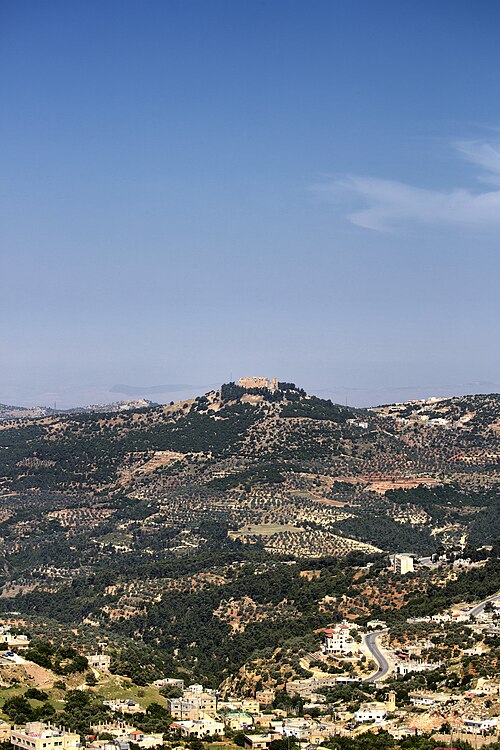
Ajloun is the great castle of northern Jordan. The fortress crowns a hilltop in the green highlands of Ajloun, the region of forests and hills in the north of Jordan, the castle the stronghold of the north, the fortress commanding the highlands and the routes, Ajloun the castle of the northern hills, the stronghold the guardian of the green highlands, the fortress the crown of the north of Jordan.
The region is a land of hills and forests: the highlands of Ajloun a land of green hills, oak forests, and fertile valleys, the region the garden of northern Jordan, the highlands the setting of the castle, the green hills the frame of the fortress, Ajloun the castle of the forested highlands, the stronghold the crown of the green north, the fortress the guardian of the fertile highlands of Jordan.
The castle commanded the north: Ajloun, on its hilltop, commanding the highlands, the Jordan Valley, and the routes to the north and the west, the castle the master of the region, the fortress the controlling stronghold, the castle the guardian of the north, Ajloun the stronghold that commanded the highlands and the valley, the fortress the crown of the north of Jordan.
Qalaat ar-Rabad
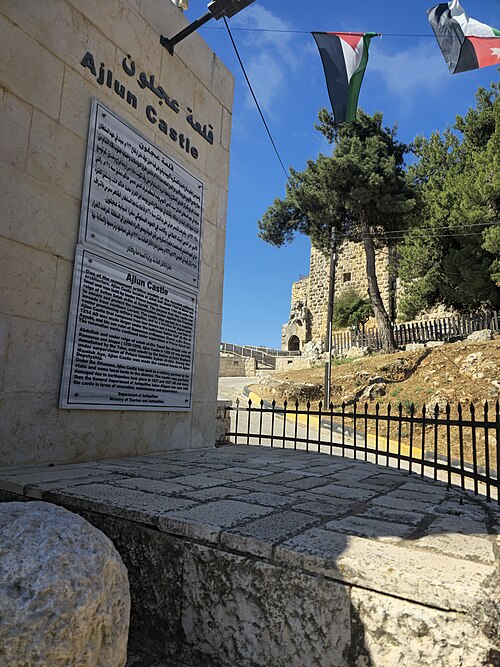
Ajloun Castle is known as Qalaat ar-Rabad. The fortress bears the Arabic name Qalaat ar-Rabad, the Castle of ar-Rabad, after the hill or the place on which it stands, the name the title of the stronghold, Qalaat ar-Rabad the Arabic name of Ajloun, the castle of the famous name, the fortress known by its Arabic title, Qalaat ar-Rabad the stronghold of the highlands of Jordan.
The castle takes its name from its hill: Qalaat ar-Rabad named for the hill of ar-Rabad on which the fortress stands, the name the title drawn from the place, the castle named for its commanding height, Qalaat ar-Rabad the fortress of the hill, the stronghold of the named height, the castle whose Arabic name recalls its hilltop site, Qalaat ar-Rabad the fortress of the highlands of Jordan.
The name is famous in Jordan: Qalaat ar-Rabad, the name of Ajloun Castle, famous in Jordan as one of the great fortresses of the land, the castle known by its Arabic title, the stronghold the famous Qalaat ar-Rabad, the fortress the celebrated castle of the north, Qalaat ar-Rabad the famous name of the stronghold, the fortress the jewel of the highlands of Jordan.
Izz al-Din Usama
Ajloun was built by Izz al-Din Usama. The castle was built in 1184 to 1185 by Izz al-Din Usama, a commander and a nephew of Saladin, who raised the fortress to control the region and counter the Crusaders, Usama the builder of Ajloun, the commander whose castle guarded the north, Izz al-Din Usama the founder of Qalaat ar-Rabad, the builder of the stronghold of the highlands of Jordan.
Usama was a commander of Saladin: Izz al-Din Usama a general and a kinsman of the great sultan Saladin, the commander entrusted with the defense of the region, Usama the builder of the castle in the service of the Ayyubid cause, the commander whose fortress guarded the land, Izz al-Din Usama the general of Saladin, the builder of Ajloun in the age of the great struggle for the Holy Land.
He built the castle to control the region: Izz al-Din Usama raising Ajloun to control the highlands, protect the routes, guard the iron mines of the region, and counter the Crusader castle of Belvoir across the Jordan, the commander the builder of the stronghold, Usama the founder of the fortress, the general whose castle secured the north, Izz al-Din Usama the builder of Ajloun in the highlands of Jordan.
Saladin and the Ayyubids
Ajloun is a fortress of the age of Saladin. The castle was built in the time of the great sultan Saladin, the ruler who united Egypt and Syria and recovered Jerusalem from the Crusaders, Ajloun one of the strongholds of the Ayyubid power raised in the struggle against the Crusader kingdoms, the castle the fortress of the age of Saladin, Ajloun the Ayyubid stronghold of the highlands of Jordan.
The Ayyubids fortified the land against the Crusaders: the dynasty of Saladin building and strengthening castles across Syria and Jordan to counter the Crusader strongholds, Ajloun one of the Ayyubid fortresses of this great effort, the castle the expression of the Ayyubid defense, the fortress the stronghold of the dynasty, Ajloun the Ayyubid castle of the struggle, the fortress of the age of Saladin in the highlands of Jordan.
The castle served the Ayyubid cause: Ajloun the stronghold that controlled the region, guarded the routes, and formed part of the network of the Ayyubid defense against the Crusaders, the castle the servant of the cause of Saladin, the fortress the Ayyubid stronghold of the north, Ajloun the castle of the great struggle, the fortress of the age of Saladin and the Ayyubids in the highlands of Jordan.
The Fight Against the Crusaders
Ajloun was built to counter the Crusaders. The castle was raised above all to counter the Crusader stronghold of Belvoir, which stood across the Jordan Valley, and to guard the region against the Frankish raids, the fortress the Islamic answer to the Crusader castle, Ajloun the stronghold of the defense, the castle that watched the Crusaders across the valley, the fortress of the struggle for the land of Jordan.
The castle watched the Crusader strongholds: Ajloun, on its hilltop, commanding a view across the Jordan Valley to the Crusader castles, the fortress the watchtower of the Islamic defense, the castle the sentinel against the Franks, the stronghold the guardian against the Crusader raids, Ajloun the castle that watched the enemy across the valley, the fortress of the struggle in the highlands of Jordan.
The castle guarded the routes and the mines: Ajloun protecting the routes between Syria and the south, guarding the iron mines of the region, and securing the communications of the Ayyubid realm, the fortress the guardian of the ways and the resources, the castle the protector of the routes, the stronghold the securer of the region, Ajloun the castle of the defense, the fortress of the Ayyubid north of Jordan.
The Hilltop Fortress
Ajloun is a mighty hilltop fortress. The castle crowns the summit of its hill, the fortress commanding the heights and the view in every direction, the stronghold built to dominate the region from its commanding position, the hilltop fortress the master of the highlands, Ajloun the castle of the summit, the stronghold that crowns the hill, the fortress the commanding presence over the north of Jordan.
The position gave the castle its strength: Ajloun, on its steep hilltop, defended by the natural slopes as well as its walls, the fortress the stronghold made strong by its height, the castle the master of the commanding position, the hilltop the natural defense of the fortress, Ajloun the castle of the strong position, the stronghold whose height was its strength in the highlands of Jordan.
The castle dominated the region: Ajloun, from its hilltop, dominating the highlands, the valleys, and the routes, the fortress the controlling presence over the north, the castle the master of the region, the stronghold the dominant monument of the highlands, Ajloun the castle that dominated the north, the fortress the commanding crown of the green highlands of Jordan.
The Towers and the Walls
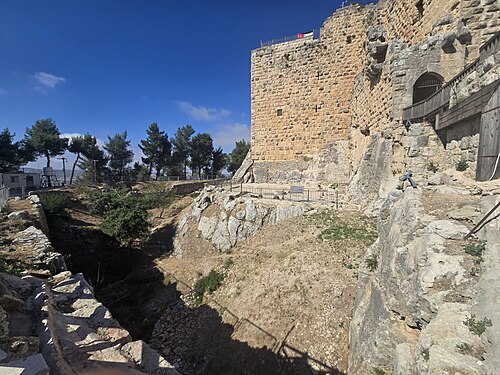
Ajloun is defended by mighty towers and walls. The castle is a strong fortress of towers, walls, and vaulted chambers, the great towers guarding the circuit, the walls rising from the hilltop, the fortress a formidable work of the Ayyubid military architecture, the towers and the walls the strength of Ajloun, the mighty defenses the mark of the castle, the fortress the stronghold of the highlands of Jordan.
The towers are mighty works: the great towers of Ajloun, massive structures of stone, guarding the corners and the walls of the fortress, the towers the strong points of the defense, the massive bastions the pride of the castle, the towers the military works of the Ayyubid builders, the great towers the strength of Ajloun, the mighty bastions the guardians of the fortress of the highlands of Jordan.
The walls enclose the stronghold: the walls of Ajloun enclosing the fortress on its hilltop, the circuit of walls and towers the mighty defense, the walls the strength of the castle, the enclosure the formidable boundary, the walls and towers the defense of the stronghold, Ajloun the castle of the mighty walls, the fortress whose walls and towers made it a formidable stronghold of the north of Jordan.
The Moat and the Gate
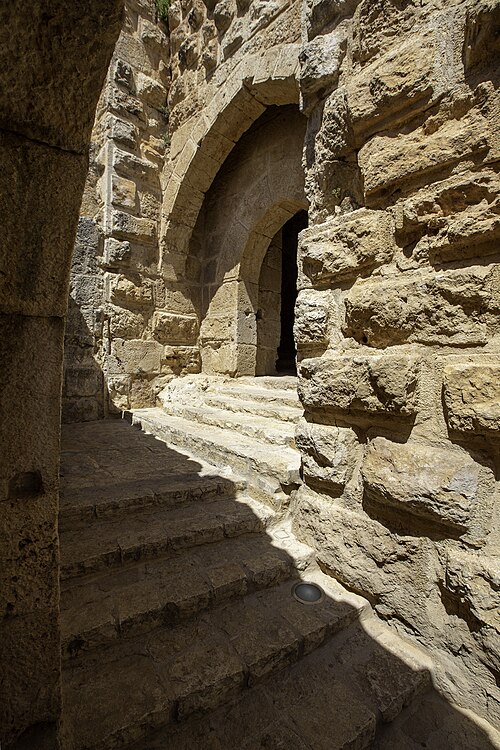
Ajloun is defended by a moat and a gate. The castle is surrounded by a rock-cut moat, crossed by a bridge to the great gate, the moat the outer defense of the fortress, the gate the guarded entrance, the moat and the gate the defenses of the approach, the rock-cut ditch the strength of Ajloun, the gateway the threshold of the castle, the moat the outer guard of the fortress of the highlands of Jordan.
The moat guarded the approach: the rock-cut moat around Ajloun the outer defense that guarded the approach to the walls, the ditch the barrier against the attacker, the moat the strength of the fortress, the rock-cut trench the outer guard, the moat the defense of the approach, the ditch the barrier of Ajloun, the moat the outer strength of the castle of the highlands of Jordan.
The gate was the guarded entrance: the great gate of Ajloun, reached across the bridge over the moat, the guarded entrance to the fortress, the gateway the threshold between the outside and the stronghold, the gate the formidable entrance, the great gate the threshold of Ajloun, the gateway the guarded way into the castle, the entrance the defended threshold of the fortress of the highlands of Jordan.
The Vaulted Halls
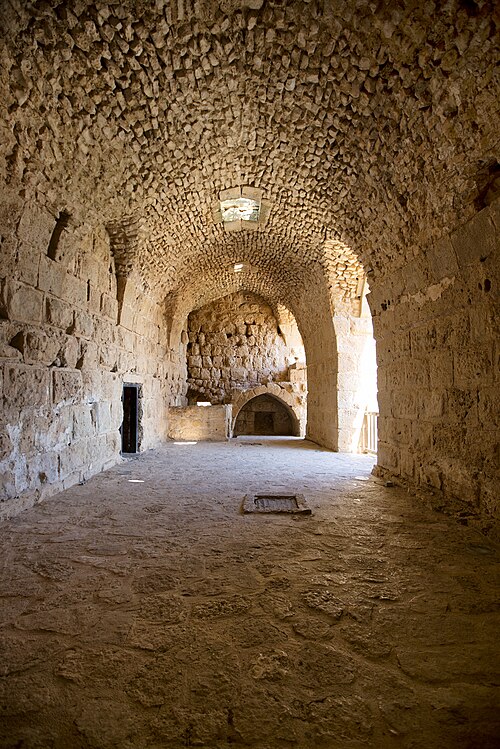
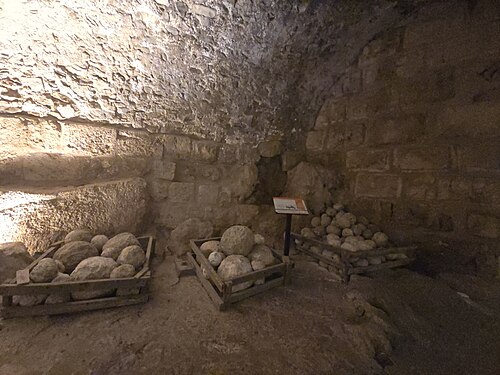
Ajloun is a fortress of vaulted halls. The castle contains a complex of vaulted chambers, halls, galleries, and stairs within its walls and towers, the vaulted spaces the interior world of the fortress, the halls the quarters of the garrison, the galleries the passages of the defense, the vaulted halls the structure of Ajloun, the chambers the heart of the castle, the vaulted interior the world of the fortress of the highlands of Jordan.
The halls housed the garrison: the vaulted chambers and halls of Ajloun the quarters, the stores, and the spaces of the garrison that held the fortress, the halls the living heart of the castle, the vaulted rooms the world of the soldiers, the chambers the quarters of the stronghold, the halls the heart of Ajloun, the vaulted interior the living space of the fortress of the highlands of Jordan.
The galleries served the defense: the vaulted galleries and passages of Ajloun the ways of movement and the firing positions of the defense, the galleries the military arteries of the fortress, the passages the ways within the walls, the vaulted galleries the defensive heart of the castle, the passages the arteries of Ajloun, the galleries the military interior of the fortress of the highlands of Jordan.
The Mamluk Rebuilding
Ajloun was extended by the Mamluks. After the Ayyubids, the Mamluk sultans who ruled Syria and Egypt extended and strengthened Ajloun, the fortress rebuilt and enlarged by the new rulers, the castle serving the Mamluk power as a stronghold and a station on the routes, the Mamluk work adding to the fortress, Ajloun the castle of the Ayyubids and the Mamluks, the stronghold rebuilt by the sultans in the highlands of Jordan.
The Mamluks used the castle as a station: Ajloun serving the Mamluk sultans as a stronghold and a station on the postal and the communication routes of their empire, the castle the link in the Mamluk system, the fortress the station of the sultans, the stronghold the node of the routes, Ajloun the Mamluk fortress of the north, the castle that served the communications of the Mamluk empire in the highlands of Jordan.
The castle is a work of two dynasties: Ajloun, with its Ayyubid foundation and its Mamluk extensions, a fortress of two great dynasties, the castle the record of the Ayyubid and the Mamluk building, the fortress the work of the successive rulers, the stronghold the monument of two ages, Ajloun the castle of the Ayyubids and the Mamluks, the fortress that carries the work of two dynasties in the highlands of Jordan.
The View over the Jordan Valley
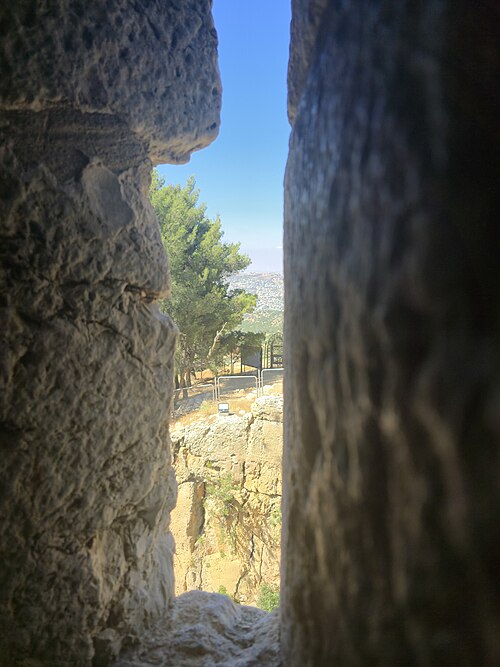
Ajloun commands a great view over the Jordan Valley. From the towers of the castle, the prospect opens over the highlands, the Jordan Valley, and far to the west, the view reaching on a clear day to the hills beyond the river, the prospect the reward of the fortress, the view over the valley the glory of Ajloun, the panorama the crown of the castle on its hilltop in the highlands of Jordan.
The view reaches far to the west: the prospect from Ajloun commanding the Jordan Valley and the lands beyond, the view reaching toward the hills of the far side on a clear day, the panorama the strategic and the beautiful reward of the fortress, the view the glory of the castle, the prospect the crown of Ajloun, the panorama over the valley the jewel of the fortress of the highlands of Jordan.
The view was the castle’s strategic strength: the commanding prospect from Ajloun the source of its strategic value, the fortress able to watch the valley, the routes, and the enemy across the Jordan, the view the military strength of the castle, the prospect the watch of the stronghold, the panorama the strategic eye of Ajloun, the view the strength and the glory of the fortress of the highlands of Jordan.
Earthquakes and Restoration
Ajloun has suffered earthquakes and been restored. The castle, in a region of earthquakes, has been damaged by the great tremors of the centuries and repaired and restored in turn, the fortress the survivor of the earthquakes, the castle rebuilt after the damage, the stronghold restored as a monument of the heritage, Ajloun the castle of the trials and the restorations, the fortress preserved as a treasure of the history of Jordan.
The earthquakes damaged the fortress: the great earthquakes of the region, including the tremors of the medieval and the later ages, damaging the towers and the walls of Ajloun, the castle the victim of the earthquakes, the fortress harmed by the tremors, the stronghold damaged and repaired through the centuries, Ajloun the castle that survived the earthquakes, the fortress of the trials of the highlands of Jordan.
The castle is now a restored monument: Ajloun, repaired and restored, preserved as one of the chief monuments of Jordan, the fortress the treasure of the heritage, the castle the restored stronghold, the fortress the monument of the Ayyubid and the Mamluk ages, Ajloun the restored castle of the north, the fortress preserved as a jewel of the history and the heritage of the highlands of Jordan.
Ajloun Castle Today
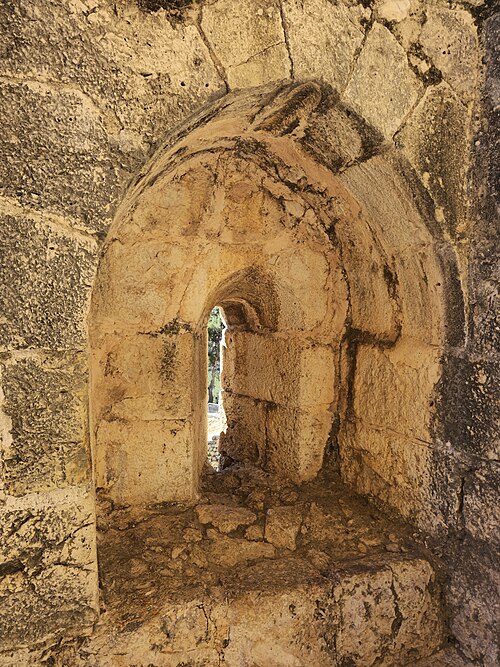
Ajloun Castle today stands as the great Ayyubid fortress of northern Jordan, the stronghold of the age of Saladin, the castle built to guard the land against the Crusaders, Qalaat ar-Rabad the fortress of the mighty towers, the moat, and the vaulted halls, the castle commanding the view over the Jordan Valley, Ajloun the jewel of the Islamic military architecture of Jordan, the enduring crown of the green highlands of the north.
The fortress endures as the crown of the north: Ajloun, restored on its hilltop, standing as one of the finest Islamic castles of Jordan, the fortress the stronghold of the age of Saladin, the castle the monument of the struggle against the Crusaders, Ajloun the enduring crown of the highlands, the fortress the jewel of the north, the stronghold that has guarded the green highlands of Jordan for over eight centuries.
Ajloun Castle concludes the Jordanian palace series and the palace series as a whole, the great Ayyubid fortress of the north, the stronghold of the age of Saladin, the castle of the mighty towers and the moat built to guard the land against the Crusaders, Qalaat ar-Rabad the jewel of the Islamic military architecture, Ajloun the enduring crown of the green highlands of Jordan, the fortress that completes the great journey of the palaces across the lands.
Watch Ajloun Castle on Film
Visiting Ajloun Castle Today
Ajloun Castle, Qalaat ar-Rabad, stands on a hilltop above the town of Ajloun in the green highlands of northern Jordan, about seventy kilometers northwest of Amman; the fortress is visited for its mighty towers, its moat and gate, its vaulted halls and galleries, and the great view over the Jordan Valley, one of the finest Islamic castles of the land. Travel in Jordan is generally accessible, and Ajloun is a popular site in the green and forested north; current conditions should still be checked before any visit. You can find the castle on the map here: Ajloun Castle on Google Maps.


