In the eastern desert of Jordan, far from the towns on the steppe once roamed by the Umayyad caliphs, stands one of the most remarkable monuments of early Islamic art, Qusayr Amra, a small desert bath house and pleasure palace of the eighth century whose walls are covered with the most famous frescoes of the Umayyad age. The little palace, modest in size but extraordinary in its paintings, is a window onto the art and the life of the first Islamic dynasty, Qusayr Amra the jewel of the desert, the frescoed palace of the Umayyads.
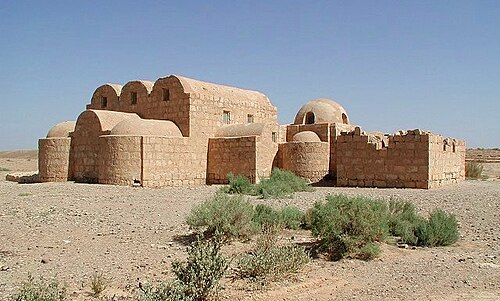
Qusayr Amra is one of the Umayyad desert castles of Jordan. The caliphs and princes of the Umayyad dynasty, who ruled from Damascus in the seventh and eighth centuries, built a series of palaces, baths, and estates in the deserts of Jordan and Syria, Qusayr Amra among the most famous of them, the little bath house with its unique frescoes the jewel of the desert castles, the palace the window onto the Umayyad world, Qusayr Amra the treasure of the Jordanian desert.
This article opens the Jordanian palace series, the final country of the series, turning to Qusayr Amra, the frescoed desert bath house of the Umayyad caliphs, the jewel of the desert castles of Jordan, the little palace whose walls carry the most famous paintings of the early Islamic art, Qusayr Amra the window onto the Umayyad world, the treasure of the eastern desert of Jordan.
- The Umayyad Desert Castles
- The Building of Qusayr Amra
- Walid and the Umayyad Princes
- The Bath House Plan
- The Audience Hall
- The Famous Frescoes
- The Six Kings
- The Bathing Scenes
- The Dome of the Heavens
- The Hunting and the Life
- A Window on Umayyad Art
- A World Heritage Site
- Qusayr Amra Today
- Watch on Film
- Visiting Today
- Palaces Nearby
The Umayyad Desert Castles
Jordan is the land of the Umayyad desert castles. The eastern desert and the steppe of Jordan hold a remarkable group of palaces, baths, forts, and estates built by the Umayyad caliphs and princes, the desert castles including Qusayr Amra, Qasr Kharana, Qasr al-Mushatta, Qasr al-Azraq, and others, the castles the jewels of the Umayyad building in Jordan, the desert palaces the treasures of the early Islamic architecture of the land.
The castles served many purposes: the Umayyad desert residences centers of retreat, hunting, agriculture, and the control of the routes, the castles the places where the caliphs enjoyed the desert life and managed their estates, the desert palaces the retreats and the hunting lodges of the rulers, the castles the expression of the Umayyad presence in the steppe, the desert residences the jewels of the Umayyad life in Jordan.
The castles are a treasure of early Islamic art: the Umayyad desert palaces of Jordan, with their architecture, their frescoes, their mosaics, and their carving, among the supreme monuments of the early Islamic civilization, the castles the showcase of the Umayyad art, the desert palaces the jewels of the early Islam, the castles the treasures that reveal the world of the first dynasty, the desert residences the glory of the Umayyad Jordan.
The Building of Qusayr Amra
Qusayr Amra was built in the early eighth century. The little desert palace was built around 723 to 743, in the age of the later Umayyad caliphs, as a bath house and pleasure retreat on the estate of a prince, the palace a work of the early eighth century, Qusayr Amra the bath house of the Umayyad desert, the little palace the retreat built in the golden age of the dynasty on the steppe of Jordan.
The palace was a bath and pleasure retreat: Qusayr Amra built as a hammam, a bath house, with an attached audience hall, the little palace a place of bathing, leisure, and pleasure for the prince and his companions, the building the retreat of the Umayyad elite, Qusayr Amra the pleasure house of the desert, the little palace the setting of the leisure and the enjoyment of the Umayyad prince.
The palace stood on a desert estate: Qusayr Amra part of a larger estate with its well and its lands, the little palace the pleasure house of the estate, the bath the amenity of the desert domain, the building the jewel of the prince’s estate, Qusayr Amra the retreat of the Umayyad domain, the little palace the pleasure house of the desert estate in the steppe of eastern Jordan.
Walid and the Umayyad Princes
Qusayr Amra is linked with the Umayyad prince Walid. The palace is often associated with the prince and later caliph al-Walid II, a figure famous for his love of pleasure, poetry, and the arts, the prince whose taste the frescoes of Qusayr Amra may reflect, Walid the Umayyad prince linked with the palace, the ruler whose love of the good life the little pleasure house of the desert may express.
Walid was a prince of pleasure and poetry: al-Walid II famous in the chronicles for his love of wine, music, poetry, and the pleasures of life, the prince a figure of the refined and the dissolute Umayyad court, Walid the ruler of the famous appetites, the prince whose world of pleasure the frescoes of Qusayr Amra seem to depict, Walid the Umayyad prince of the good life in the desert.
The palace reflects the Umayyad elite’s world: Qusayr Amra, whether built by Walid or another prince, a window onto the world of the Umayyad elite, their pleasures, their hunting, their bathing, and their art, the palace the expression of the courtly life, Qusayr Amra the record of the Umayyad pleasure, the little palace the window onto the world of the princes of the desert of Jordan.
The Bath House Plan
Qusayr Amra is built as a bath house. The little palace follows the plan of the Roman and the early Islamic bath, with its audience hall and its sequence of bathing rooms, the cold room, the warm room, and the hot room, the building the hammam of the desert, Qusayr Amra the bath house of the Umayyad prince, the little palace the expression of the bathing tradition inherited from the Roman world.
The bath follows the Roman tradition: Qusayr Amra, with its apodyterium, tepidarium, and caldarium, following the plan of the Roman bath that the Umayyads inherited, the little palace the heir of the classical bathing tradition, the hammam the continuation of the Roman bath in the Islamic desert, Qusayr Amra the bridge between the Roman and the Islamic bath, the little palace the bath house of the Umayyad desert.
The audience hall precedes the bath: Qusayr Amra combining a large audience or reception hall with the smaller bathing rooms, the hall the place of the prince’s leisure and reception, the bath the place of the cleansing and the pleasure, the building the union of the hall and the hammam, Qusayr Amra the pleasure house of the hall and the bath, the little palace the setting of the Umayyad leisure in the desert.
The Audience Hall
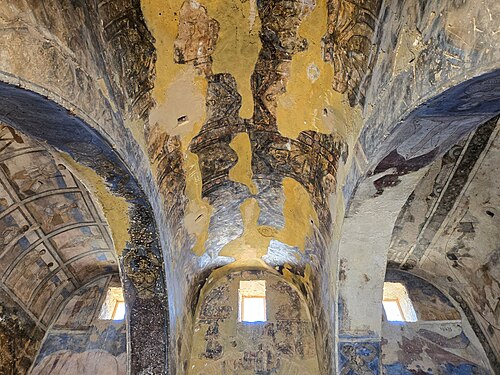
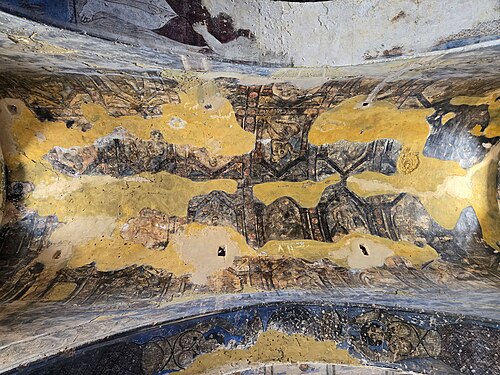
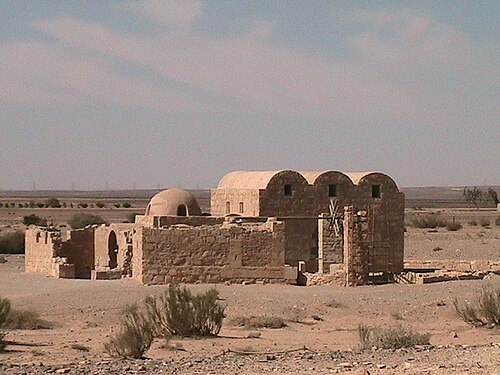
The audience hall is the heart of Qusayr Amra. The large hall of the little palace, roofed with three barrel vaults, was the place of the prince’s reception and leisure, the hall the ceremonial and the social heart of Qusayr Amra, the room whose walls and vaults carry the famous frescoes, the audience hall the jewel of the palace, the great room the setting of the Umayyad pleasure and the showcase of the paintings.
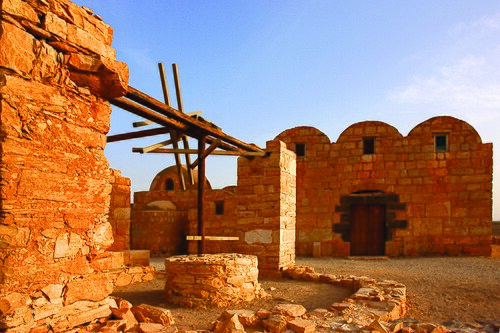
The hall is roofed with barrel vaults: the audience hall of Qusayr Amra covered by three parallel barrel vaults of stone, the roofing a fine work of the early Islamic building, the vaults the shelter of the frescoes, the hall the vaulted heart of the palace, the barrel vaults the roof of the audience room, the hall the vaulted setting of the Umayyad paintings in the desert of Jordan.
The hall was the setting of the prince’s court: the audience hall of Qusayr Amra the place where the prince received his companions, enjoyed his leisure, and displayed his taste, the hall the stage of the courtly life, the room the setting of the pleasure, the audience hall the social heart of the little palace, the great room the setting of the Umayyad world depicted on its own walls at Qusayr Amra.
The Famous Frescoes
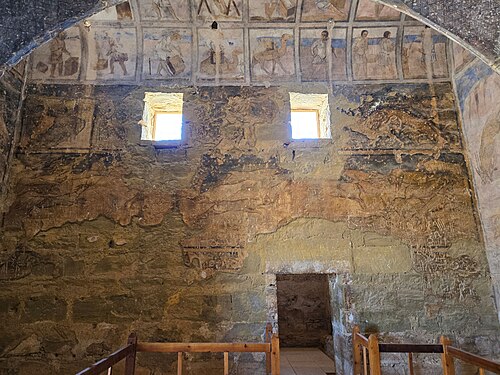
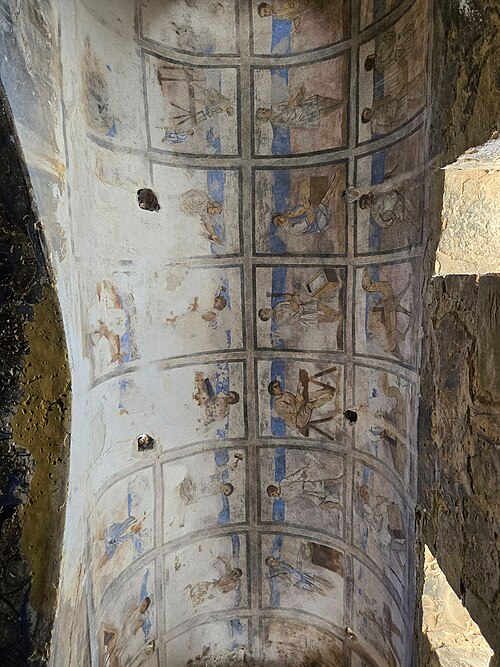
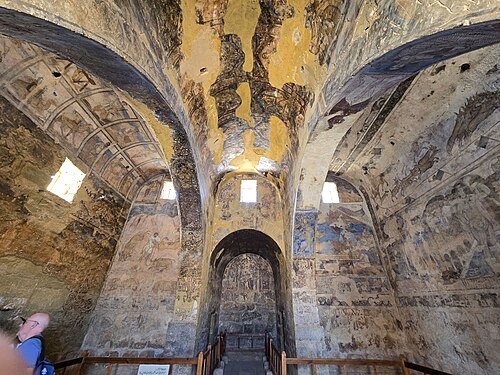
Qusayr Amra is famous above all for its frescoes. The walls and vaults of the little palace are covered with wall paintings, the most extensive and famous cycle of early Islamic figural painting to survive, the frescoes depicting kings, hunters, bathers, craftsmen, animals, and the heavens, the paintings a treasure of the Umayyad art, the frescoes the glory of Qusayr Amra, the wall paintings the window onto the early Islamic world.
The frescoes are unique in their survival: the wall paintings of Qusayr Amra, covering almost every surface of the hall and the bath, the richest surviving cycle of the Umayyad figural art, the frescoes a rare and precious survival, the paintings the treasure of the early Islam, the frescoes the unique record of the Umayyad painting, the wall paintings the glory of the little desert palace of Jordan.
The frescoes depict a whole world: the paintings of Qusayr Amra depicting the full range of the Umayyad life and imagination, the kings, the hunt, the bath, the crafts, the music, the dancers, and the cosmos, the frescoes a panorama of the early Islamic world, the paintings the window onto the Umayyad imagination, the frescoes the treasure that reveals the life and the art of the first dynasty at Qusayr Amra.
The Six Kings
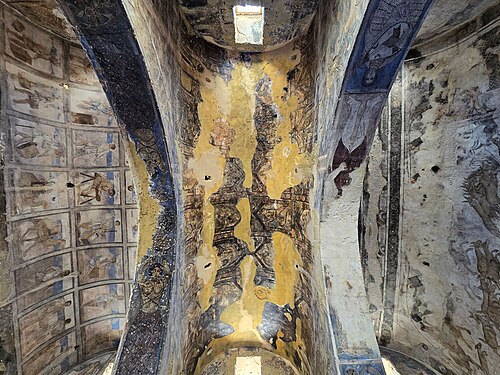
Qusayr Amra holds the famous fresco of the Six Kings. One of the most celebrated paintings of the little palace is the fresco of the Six Kings, depicting six rulers of the world rendering homage, among them figures identified as the Byzantine emperor, the Persian shah, the Visigothic king of Spain, and the Negus of Abyssinia, the Six Kings the famous image of Qusayr Amra, the fresco the symbol of the Umayyad claim to world power.
The kings represent the powers of the world: the Six Kings of the fresco the rulers of the great powers, depicted as paying homage to the Umayyad caliph, the painting the expression of the caliph’s claim to stand among and above the kings of the earth, the Six Kings the image of the Umayyad majesty, the fresco the symbol of the dynasty’s place among the powers of the world at Qusayr Amra.
The fresco is a unique historical document: the Six Kings of Qusayr Amra a rare image of the rulers of the early eighth-century world, the painting a document of the Umayyad view of the powers, the fresco the record of the dynasty’s political imagination, the Six Kings the unique window onto the Umayyad vision of the world, the painting the famous jewel of the frescoes of the little palace of Jordan.
The Bathing Scenes
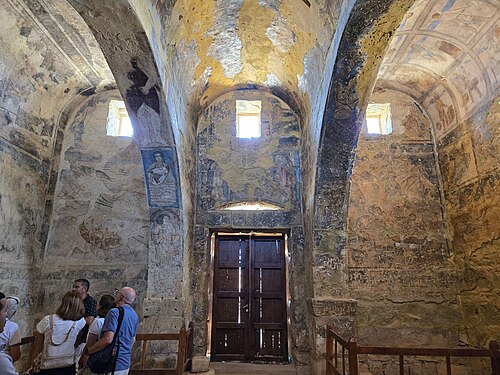
The frescoes depict the pleasures of the bath. The walls of Qusayr Amra are painted with scenes of bathing, of dancers, musicians, and the pleasures of the body, the frescoes depicting the life of the bath and the leisure of the prince, the bathing scenes the record of the Umayyad pleasure, the paintings the window onto the courtly life, the frescoes the depiction of the world of the bath at Qusayr Amra.
The scenes depict a world of pleasure: the frescoes of Qusayr Amra showing the dancers, the musicians, the bathers, and the pleasures of the Umayyad elite, the paintings a frank depiction of the courtly leisure, the scenes the record of the world of pleasure, the frescoes the window onto the life of the prince, the bathing scenes the treasure of the Umayyad depiction of leisure in the desert palace.
The frescoes include rare female figures: the paintings of Qusayr Amra including figures of women, dancers, and bathers, a rare survival of the figural depiction of the human form in the early Islamic art, the frescoes the record of the Umayyad art before the later restraint, the figures the window onto the early Islamic imagination, the frescoes the rare and precious depiction of the human world at Qusayr Amra.
The Dome of the Heavens
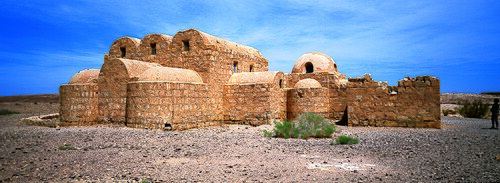
The bath is crowned by a painted dome of the heavens. The dome of the hot room of Qusayr Amra is painted with a map of the night sky, the constellations and the zodiac depicted on the curved surface, one of the earliest known representations of the heavens on a dome, the painted dome a treasure of the early Islamic science and art, the dome of the heavens the jewel of Qusayr Amra, the cosmic painting the glory of the little palace.
The dome maps the night sky: the painted dome of Qusayr Amra depicting the constellations of the northern sky, the zodiac, and the figures of the heavens, the dome a representation of the cosmos, the painting a document of the early Islamic astronomy, the dome of the heavens the record of the Umayyad knowledge of the stars, the cosmic dome the jewel of the little palace of the desert.
The dome is a rare early star map: the painted sky of Qusayr Amra one of the earliest surviving representations of the celestial sphere, the dome a treasure of the history of astronomy, the painting the record of the ancient and the Islamic knowledge of the heavens, the dome of the heavens the unique jewel of Qusayr Amra, the cosmic painting the glory of the Umayyad science and art in the desert of Jordan.
The Hunting and the Life
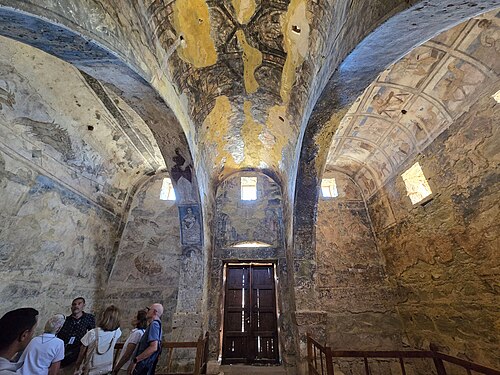
The frescoes depict the hunt and the labors of life. The walls of Qusayr Amra are painted with scenes of the hunt, of the onager and the game of the desert driven into nets, and with scenes of the craftsmen and the labors of building, the frescoes depicting the whole range of the life of the age, the hunting scenes the record of the desert sport, the paintings the window onto the work and the pleasure of the Umayyad world.
The hunt was the pleasure of the prince: the frescoes of Qusayr Amra depicting the hunt of the wild asses and the game of the steppe, the sport the pastime of the Umayyad elite, the hunting scenes the record of the desert sport, the paintings the depiction of the chase, the frescoes the window onto the hunt that was the pleasure of the prince at Qusayr Amra in the desert of Jordan.
The frescoes show the labors of building: the paintings of Qusayr Amra including scenes of the craftsmen at work, the masons, the carpenters, and the laborers who built the palaces, the frescoes a rare depiction of the work of the age, the scenes the record of the labors, the paintings the window onto the building of the Umayyad world, the frescoes the unique depiction of the craftsmen at Qusayr Amra.
A Window on Umayyad Art
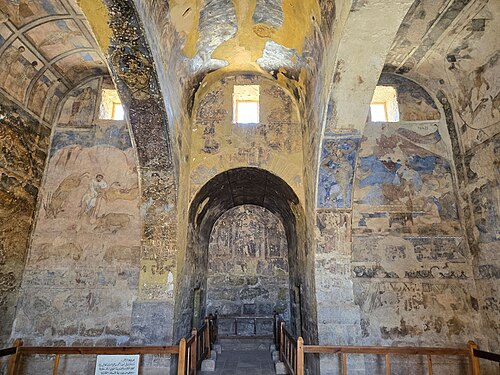
Qusayr Amra is a window on Umayyad art. The frescoes of the little palace, in their richness and their range, are the most important surviving monument of Umayyad painting, a unique window onto the art, the imagination, and the life of the first Islamic dynasty, the palace the treasure of the early Islamic figural art, Qusayr Amra the window onto the Umayyad imagination, the frescoes the record of the art of the first dynasty.
The frescoes reveal the roots of Islamic art: the paintings of Qusayr Amra drawing on the Roman, the Byzantine, the Persian, and the local traditions, the frescoes the record of the synthesis that shaped the early Islamic art, the paintings the window onto the roots of the Islamic imagination, the frescoes the document of the meeting of the traditions, the paintings the treasure that reveals the sources of the early Islamic art at Qusayr Amra.
The palace shows the early Islamic world before the restraint: Qusayr Amra, with its frank depiction of the human figure, the dancers, and the bathers, a record of the early Islamic art before the later development of the restraint on figural images, the frescoes the window onto the early imagination, the paintings the treasure of the early Islamic figural art, Qusayr Amra the unique record of the Umayyad world of images.
A World Heritage Site
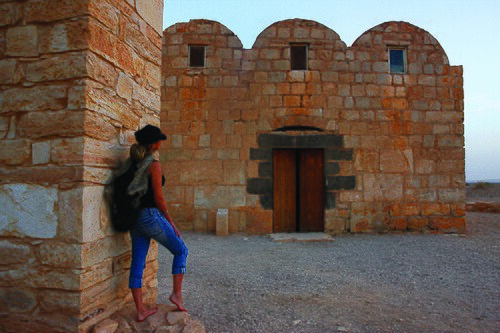
Qusayr Amra is a World Heritage Site. The little desert palace, with its unique frescoes, was inscribed on the UNESCO World Heritage List in 1985, recognized as a monument of outstanding universal value, the palace the treasure of the early Islamic art, Qusayr Amra the World Heritage jewel of Jordan, the frescoed palace the monument honored by the world, the little bath house the treasure of the Umayyad heritage.
The inscription recognized the frescoes: the UNESCO listing of Qusayr Amra honoring the unique cycle of Umayyad frescoes, the most important surviving monument of early Islamic painting, the palace the treasure of the figural art, Qusayr Amra the World Heritage monument, the frescoes the jewels recognized by the world, the little palace the honored treasure of the early Islamic heritage of Jordan.
The status crowns the palace’s fame: the World Heritage inscription making Qusayr Amra known to the world as the jewel of the Umayyad frescoes, the little palace the celebrated monument of the early Islamic art, Qusayr Amra the World Heritage treasure of Jordan, the frescoed bath house the jewel of the heritage, the palace the honored monument of the Umayyad art in the desert of Jordan.
Qusayr Amra Today
Qusayr Amra today stands as the jewel of the Umayyad desert castles of Jordan, the little frescoed bath house of the eighth century, the palace of the Six Kings, the bathing scenes, and the painted dome of the heavens, the window onto the art and the life of the first Islamic dynasty, Qusayr Amra the World Heritage treasure, the frescoed palace the jewel of the early Islamic art, the little bath house the treasure of the Umayyad Jordan.
The palace endures as the treasure of Umayyad painting: Qusayr Amra, its frescoes preserved and restored, standing as the most important surviving monument of early Islamic painting, the little palace the jewel of the desert, the frescoed bath house the window onto the Umayyad world, Qusayr Amra the enduring treasure of the early Islamic art, the little palace the glory of the Umayyad heritage of the desert of Jordan.
Qusayr Amra opens the Jordanian palace series, the frescoed desert bath house of the Umayyad caliphs, the jewel of the desert castles, the little palace of the Six Kings and the painted heavens, the window onto the art and the life of the first Islamic dynasty, Qusayr Amra the World Heritage treasure of Jordan, the frescoed palace the enduring jewel of the early Islamic art in the eastern desert of the kingdom.
Watch Qusayr Amra on Film
Visiting Qusayr Amra Today
Qusayr Amra stands in the eastern desert of Jordan, about eighty-five kilometers east of Amman, along the desert highway toward Azraq, the little bath house set in the open steppe; the palace is visited above all for its extraordinary frescoes, the Six Kings, the bathing and hunting scenes, and the painted dome of the heavens, and it is one of the UNESCO World Heritage desert castles of Jordan. Travel in Jordan is generally accessible, but current conditions should be checked before any visit; Qusayr Amra is among the supreme treasures of the early Islamic heritage. You can find the palace on the map here: Qusayr Amra on Google Maps.


