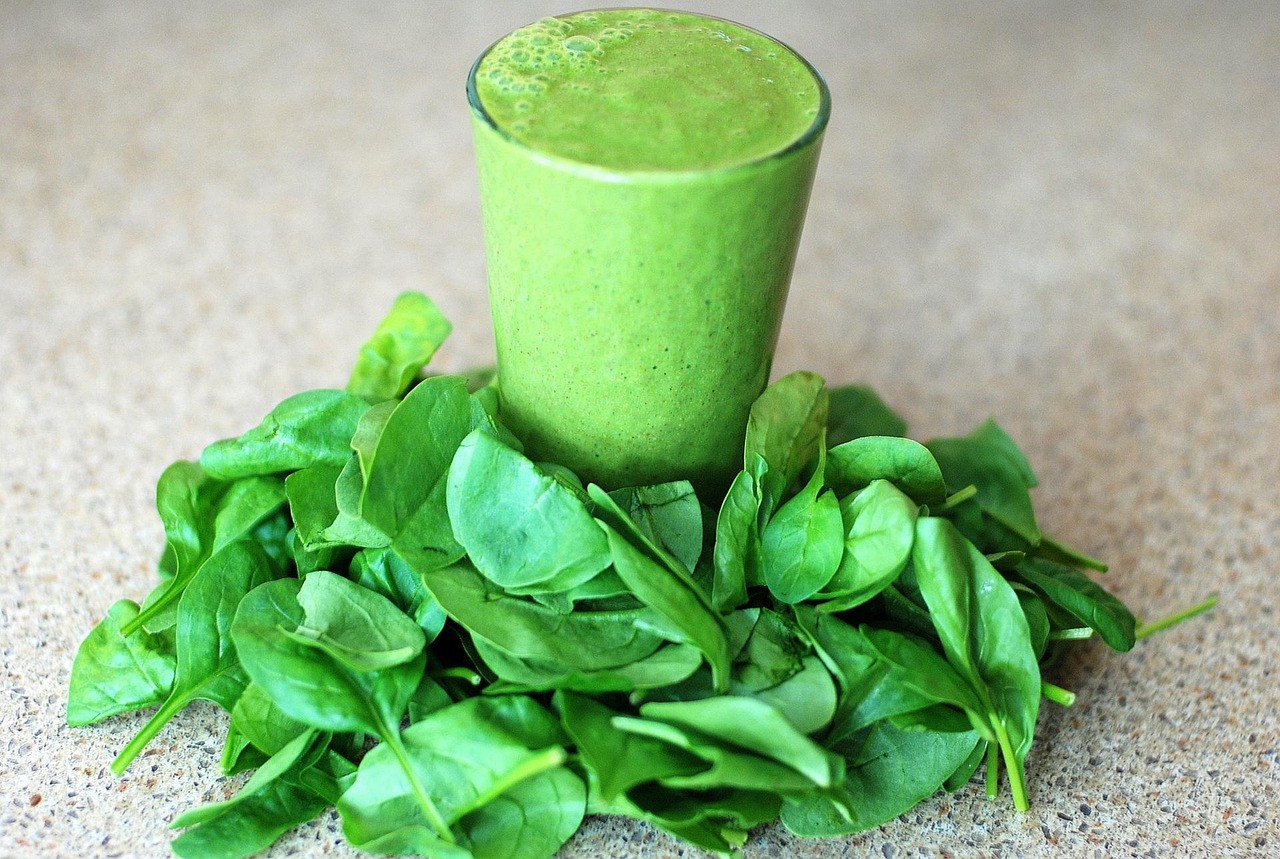
Although it is one of the eight B vitamins, folate — vitamin B9 — deserves a closer look of its own, because few vitamins matter more at the very start of life. Its name comes from the Latin word for “leaf” (the same root as “foliage”), a clue that green leafy vegetables are among its richest sources. You will also hear the term folic acid, which is the synthetic form used in supplements and fortified foods.
What Folate Does
Folate is essential for building and maintaining new cells, which makes it especially important whenever the body is growing rapidly. Its main roles include:
- Making DNA: folate is needed to build and repair the DNA inside every new cell.
- Cell division and growth: it is vital wherever new cells are forming quickly — in a growing baby, in the blood, and in healing tissue.
- Healthy red blood cells: working alongside B12, folate helps form normal red blood cells, and a shortage causes a similar type of anemia.
- Heart health: with B6 and B12, it helps keep homocysteine levels in a healthy range.
Folate and Early Life
The most important thing to know about folate is its role in pregnancy. In the first weeks after conception — often before a woman even knows she is pregnant — folate is essential for the proper formation of the baby’s brain and spine. Getting enough sharply reduces the risk of serious birth defects of the spine and brain. This is why health authorities around the world recommend that women who may become pregnant get plenty of folate, and why many countries add folic acid to flour and grain products. It is one of the clearest public-health success stories in all of nutrition.
Where to Find Folate
Folate is found in a range of plant and animal foods, with the best sources including:
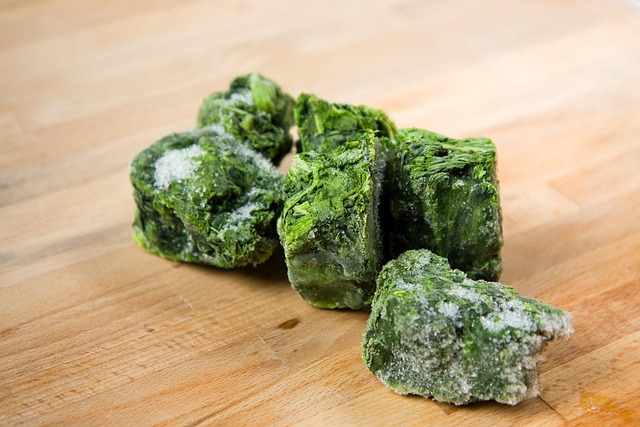
- Dark leafy greens such as spinach, kale, and romaine lettuce.
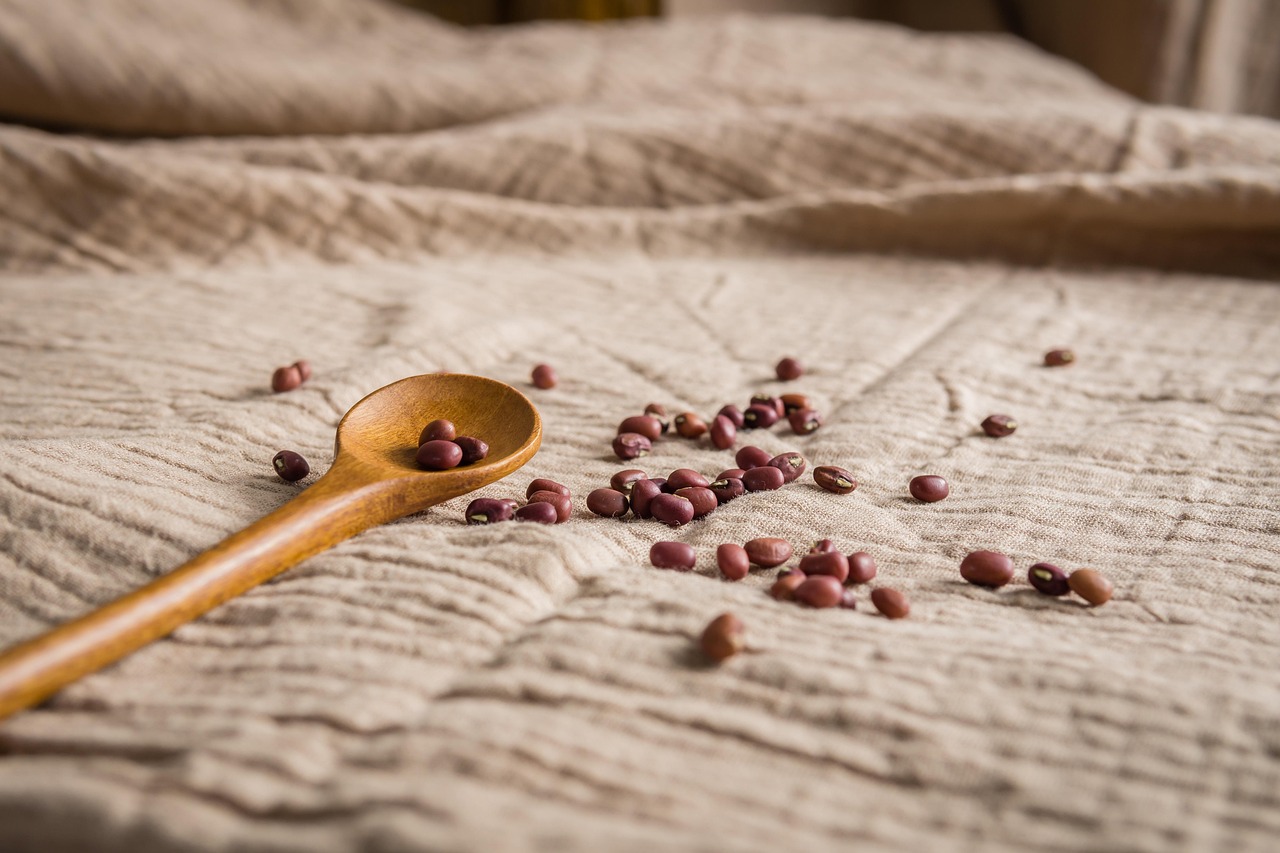
- Legumes — lentils, chickpeas, and beans — which are among the very richest sources.
- Asparagus, broccoli, and Brussels sprouts.
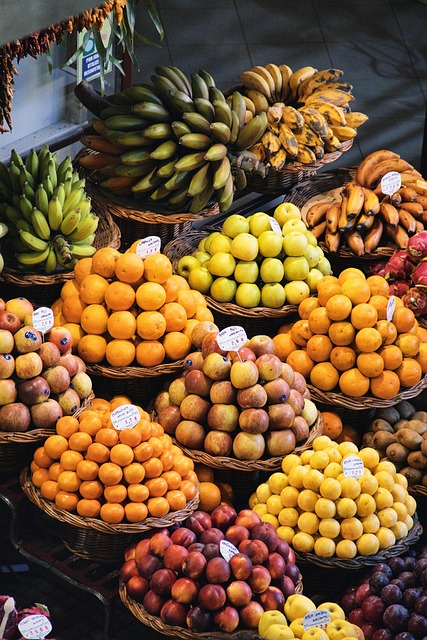
- Citrus fruits and avocado.
- Fortified breads, cereals, and pasta, which have folic acid added.
Folate is water-soluble and quite fragile — it is easily destroyed by prolonged cooking and lost into cooking water. Eating plenty of raw or lightly cooked vegetables, and not overcooking your greens, helps preserve it. This makes folate a perfect example of an upcoming topic in this series: how cooking and storage affect the vitamins in our food.
Next, we finish our close look at the B group with biotin (B7), the vitamin famous for skin, hair, and nails.
This article is intended as general nutritional information and is not a substitute for personalized advice from a doctor or registered dietitian, especially during pregnancy.