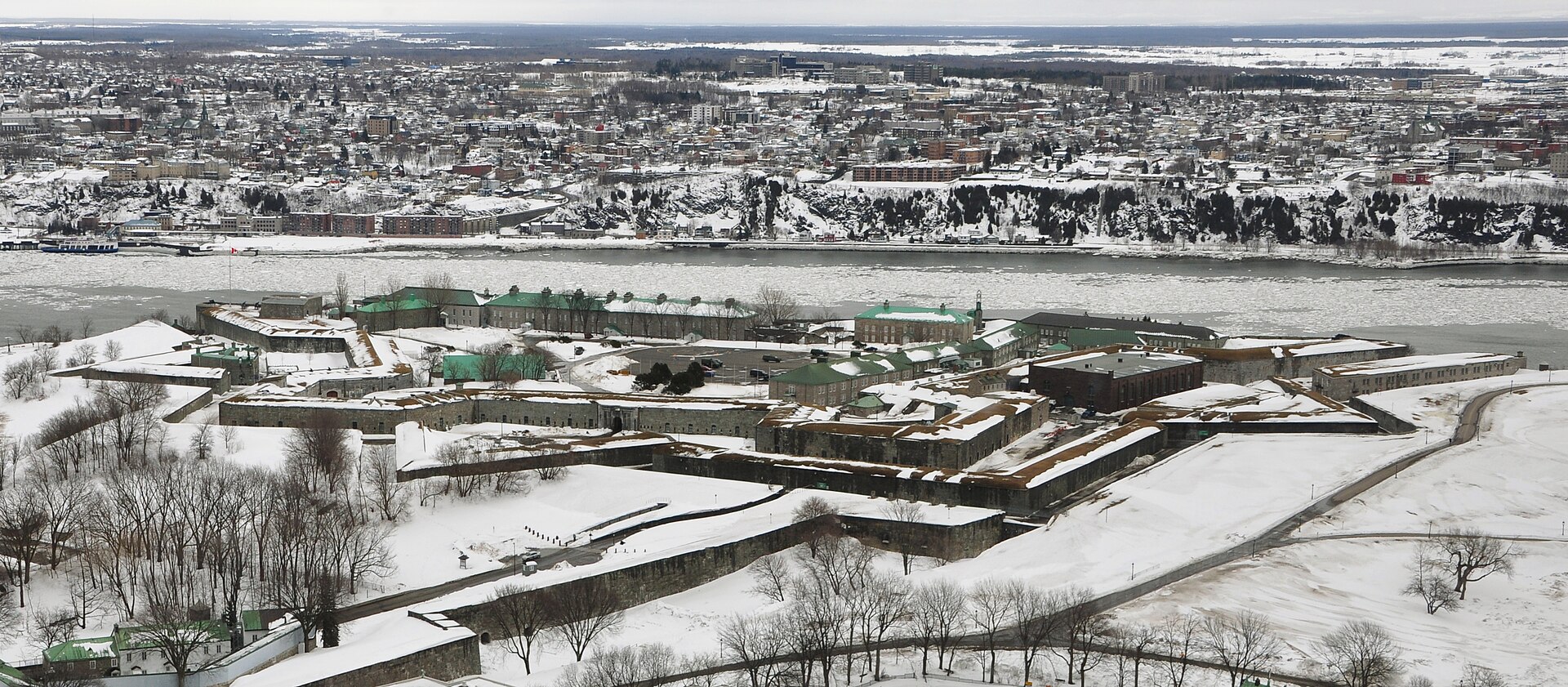
High on the cliffs of Cap Diamant, looking down over the mighty St. Lawrence River and the rooftops of one of the oldest cities in North America, stands the great star-shaped fortress known as the Citadelle of Quebec. With its grey stone bastions, its cannon still pointing out over the water, and the soldiers who guard it to this day, it is a living link to the age when the fate of a continent was decided on these heights.
Quebec City is a place unlike any other in North America. It is the only city north of Mexico that still preserves its full circuit of fortified walls, a walled town straight out of old Europe transplanted to the shores of the St. Lawrence. The Citadelle is the crowning strongpoint of these defences, a fortress that has guarded the gateway to a continent through French rule, British conquest, and the birth of modern Canada.
In this guide you will explore the whole story of Quebec’s fortifications and the great Citadelle at their heart: the strategic importance of the site, the French origins of the defences, the dramatic British conquest, the building of the star fort against the threat of American invasion, its role today as a working military base and a royal residence, and its place as part of a treasured World Heritage city. It is one of the most atmospheric fortresses anywhere in the Americas.
A word before you begin: Quebec is a place where several histories overlap in a single, unforgettable townscape. Here a French colonial capital became a British fortress-city and then the cradle of a bilingual nation, and the Citadelle sits at the meeting point of all these stories. Keeping that layered history in mind will deepen your appreciation of a fortress that is at once French and British, historic and living, military and royal.
In This Article
- The Gibraltar of North America
- The French Foundations
- The Battle That Changed a Continent
- A City of Two Founding Peoples
- The American Threat
- Building the Star Fort
- The Last Walled City
- A Living Fortress
- A Home for the Crown
- The Fortress in the World Wars
- Exploring the Citadelle
- A World Heritage City
- Visiting the Citadelle of Quebec
The Gibraltar of North America
To understand the Citadelle, you must first understand the extraordinary strategic value of Quebec. The city sits on a high promontory, Cap Diamant, at a point where the wide St. Lawrence River narrows dramatically. The very name Quebec is said to come from an Indigenous word meaning where the river narrows, and this narrowing made the site the natural chokepoint controlling access to the heart of the continent.

Whoever held Quebec controlled the St. Lawrence, and the St. Lawrence was the great highway into the interior of North America, the route to the Great Lakes and the vast lands beyond. For a power seeking to command the continent, this one commanding height was of incalculable value, which is why Quebec was fortified so heavily and fought over so fiercely across the centuries.
So important and so strong was the position that Quebec came to be called the Gibraltar of North America, a comparison to the great rock fortress guarding the entrance to the Mediterranean. Perched on its cliffs above the river, dominating the narrows, the fortress-city was seen as the key to the whole continent, and its defences were built to match that towering strategic importance.
The comparison to Gibraltar was more than mere flattery, for like that famous rock, Quebec combined a superb natural defensive position with a commanding hold over a vital waterway. Ships passing up the St. Lawrence toward the interior had no choice but to pass beneath the guns on the heights, and this gave the holder of Quebec a stranglehold on the whole river system and the trade and armies that moved along it.
The narrowing of the river at Quebec was not merely a geographical curiosity but the single fact that made the city so important, for it created a point where a relatively small force with cannon could dominate a waterway that armies and fleets had no other way to pass. Control of this one chokepoint translated directly into control of the entire interior, which is why it was worth so much effort to hold.
The French Foundations
The story of Quebec’s fortifications begins with the French, who founded the city in the early seventeenth century as the capital of their North American empire, New France. Recognising the vulnerability of their remote colonial capital, the French built defensive works over the following decades, gradually fortifying the city against attack by rivals and enemies.

The French raised walls and defensive lines to protect the town, and they understood the value of the high ground of Cap Diamant, where they established early fortifications. These French works formed the foundation on which the later, grander fortress would be built, and the basic strategy of defending the heights above the narrows was established during the French regime.
For a century and a half, Quebec was the beating heart of New France, a French city on the St. Lawrence and the centre of a vast fur-trading empire reaching deep into the continent. Its fortifications guarded this precious possession, and the French presence gave the city the distinctive language, culture, and character that it retains to this day, making Quebec unlike anywhere else in North America.
The founding of Quebec by Samuel de Champlain marked the true beginning of permanent French settlement in Canada, and the city grew as the capital and nerve centre of a sprawling North American empire. From this base the French pushed their influence far into the continent, and the fortifications that protected the capital were, in a sense, guarding the whole French dream of empire in the New World.
Life in the French colonial capital was shaped by the harsh northern climate, the fur trade that was its economic lifeblood, and the constant awareness of rival powers, both European and Indigenous, in the surrounding lands. The fortifications were a response to this precarious existence, an attempt to secure a foothold of European civilisation on the edge of a vast and contested continent.
The Battle That Changed a Continent
The most famous and fateful moment in Quebec’s history came in 1759, during the great war between Britain and France for control of North America. A British army under General James Wolfe besieged the French city, and in a daring move, the British scaled the cliffs by night to reach the plateau above, drawing up their forces on the fields known as the Plains of Abraham, just outside the city.
The battle that followed on the Plains of Abraham was short but decisive, and it changed the course of history. The British defeated the French army defending the city, though both commanding generals, Wolfe and his French counterpart Montcalm, were mortally wounded in the fighting. With the French army beaten, Quebec fell to the British, a turning point in the struggle for the continent.
The consequences were immense. The fall of Quebec led directly to the British conquest of all of New France, ending French rule in Canada and reshaping the map and destiny of North America. The Plains of Abraham, right beside the site of the future Citadelle, thus witnessed one of the most consequential battles ever fought on the continent, a moment that still echoes in the history and identity of Canada.
The battle is remembered on both sides with a mixture of pride and sorrow, and the deaths of both Wolfe and Montcalm lent it an almost tragic grandeur that has echoed through history and legend ever since. Today the Plains of Abraham are a peaceful park beside the Citadelle, but they remain hallowed ground, forever associated with the day the future of a continent was decided.
The strategic brilliance and sheer audacity of Wolfe’s night ascent of the cliffs has been studied and admired ever since, for it turned a seemingly impregnable position to the attackers’ advantage. That the fate of a continent could hinge on a single bold gamble in the darkness lends the story of the Plains of Abraham an enduring dramatic power that draws visitors to the site to this day.
A City of Two Founding Peoples
Quebec is unique in North America for the way it embodies the meeting of two great European cultures, French and British, layered one upon the other. Founded and shaped by the French, then conquered and ruled by the British, the city carries the marks of both, and nowhere is this dual heritage more visible than in its fortifications, where French foundations underlie British walls.
This layered history gives Quebec its distinctive character. It remains a proudly French-speaking city, the heart of French culture in North America, yet its great fortress was completed by the British and long served the British crown. The Citadelle, home today to a celebrated French-speaking regiment of the Canadian army, perfectly symbolises this blending of the two founding traditions of the nation.
To visit Quebec and its Citadelle, then, is to encounter the very roots of Canada, a country born from the encounter and eventual partnership of its French and British heritages. The fortress stands as a monument to that complex history, a place where the story of a nation with two founding peoples is written in stone on the heights above the great river.
The preservation of the French language and culture in Quebec, through more than two centuries of British and Canadian rule, is one of the most remarkable stories of cultural survival in the Americas. The Citadelle, with its French-speaking garrison serving under the Canadian flag, stands as a living emblem of how the two traditions have been woven together into the fabric of modern Canada.
For the traveller, this dual heritage is part of what makes Quebec so enchanting, a corner of French-speaking Europe set down on the North American continent, wrapped in walls and crowned by a fortress. Nowhere else on the continent offers quite this combination, and the Citadelle stands at its heart as the ultimate symbol of the layered history that gives the city its unique and irresistible character.
The American Threat
After the British conquest, Quebec faced a new danger from a new direction: the rebellious American colonies to the south. During the American Revolution, American forces actually invaded Canada and attacked Quebec, and although the assault failed, it demonstrated that the city could be threatened from the continent as well as from across the sea.
The threat did not end with American independence. In the early nineteenth century, tensions between Britain and the young United States flared into open war, and again Canada was a battleground. The experience of these conflicts convinced the British that Quebec, the key to their remaining North American possessions, needed far stronger permanent defences against the possibility of another American attack.
It was this concern, above all, that led to the building of the great Citadelle in the form we see today. The fortress was designed not against the French, who were long gone as a threat, nor primarily against seaborne enemies, but against the danger of invasion from the neighbouring United States. The star fort on Cap Diamant was Britain’s answer to the anxieties of a new and uncertain age.
The American invasion during the Revolution reached the very walls of Quebec, where a winter assault was thrown back with heavy losses to the attackers, a dramatic episode that underscored the city’s continuing military importance. The memory of that attack, and of the later war, weighed heavily on British planners and directly shaped their decision to give Quebec a modern permanent fortress.
The long peace that eventually settled between Canada and the United States meant that the Citadelle never had to fire its guns in anger against the invasion it was built to repel. Yet its very existence, standing ready on the heights, played its part in that peace, a visible reminder of British and Canadian resolve to defend the country, and a monument to an age of anxiety that thankfully passed without the feared attack.
Building the Star Fort
The great Citadelle was constructed by the British over several decades in the first half of the nineteenth century, a massive undertaking that incorporated and expanded upon the earlier French works on the site. The project was directed by a British military engineer, and it produced one of the finest examples of the star fort in North America.
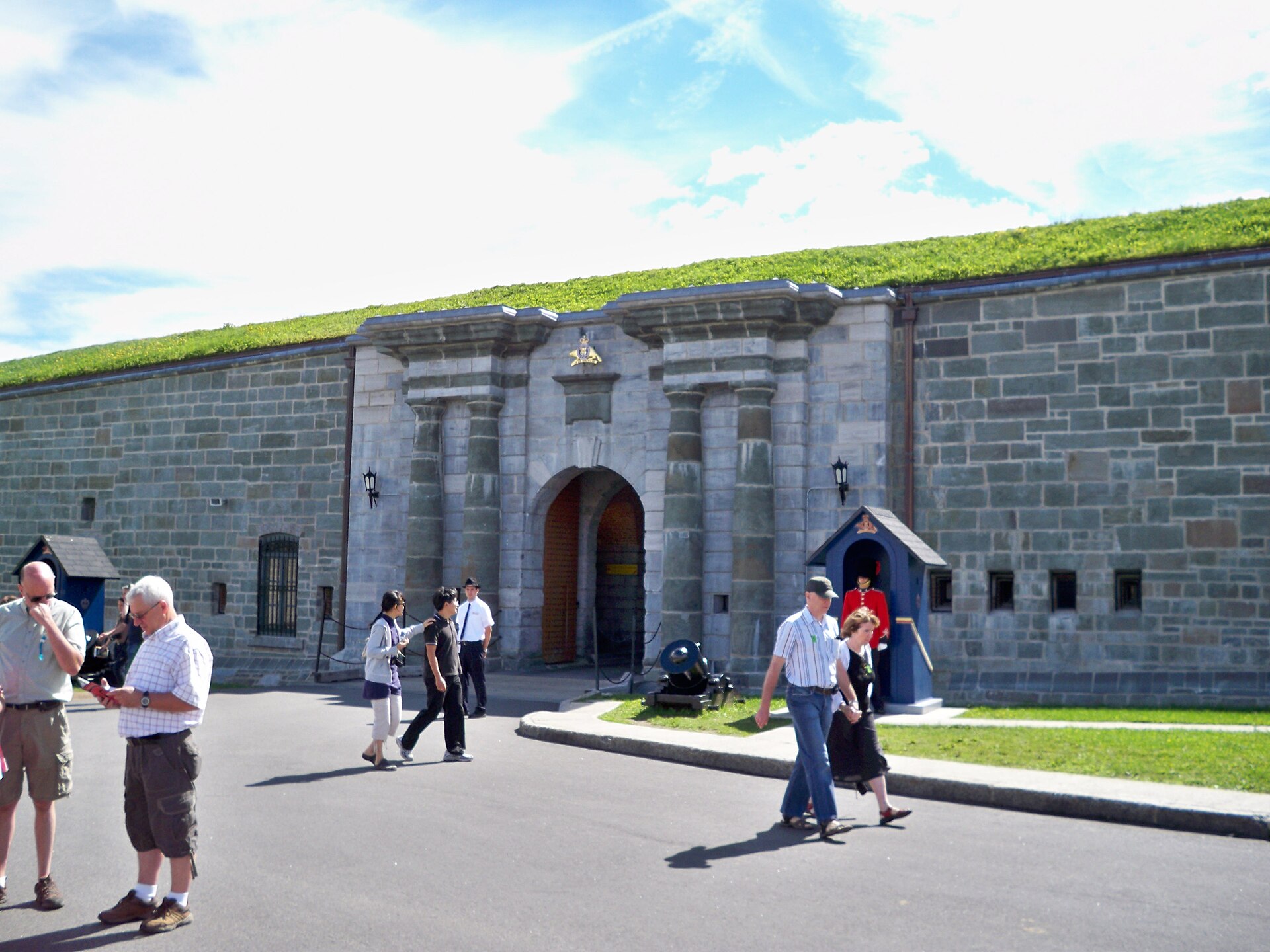
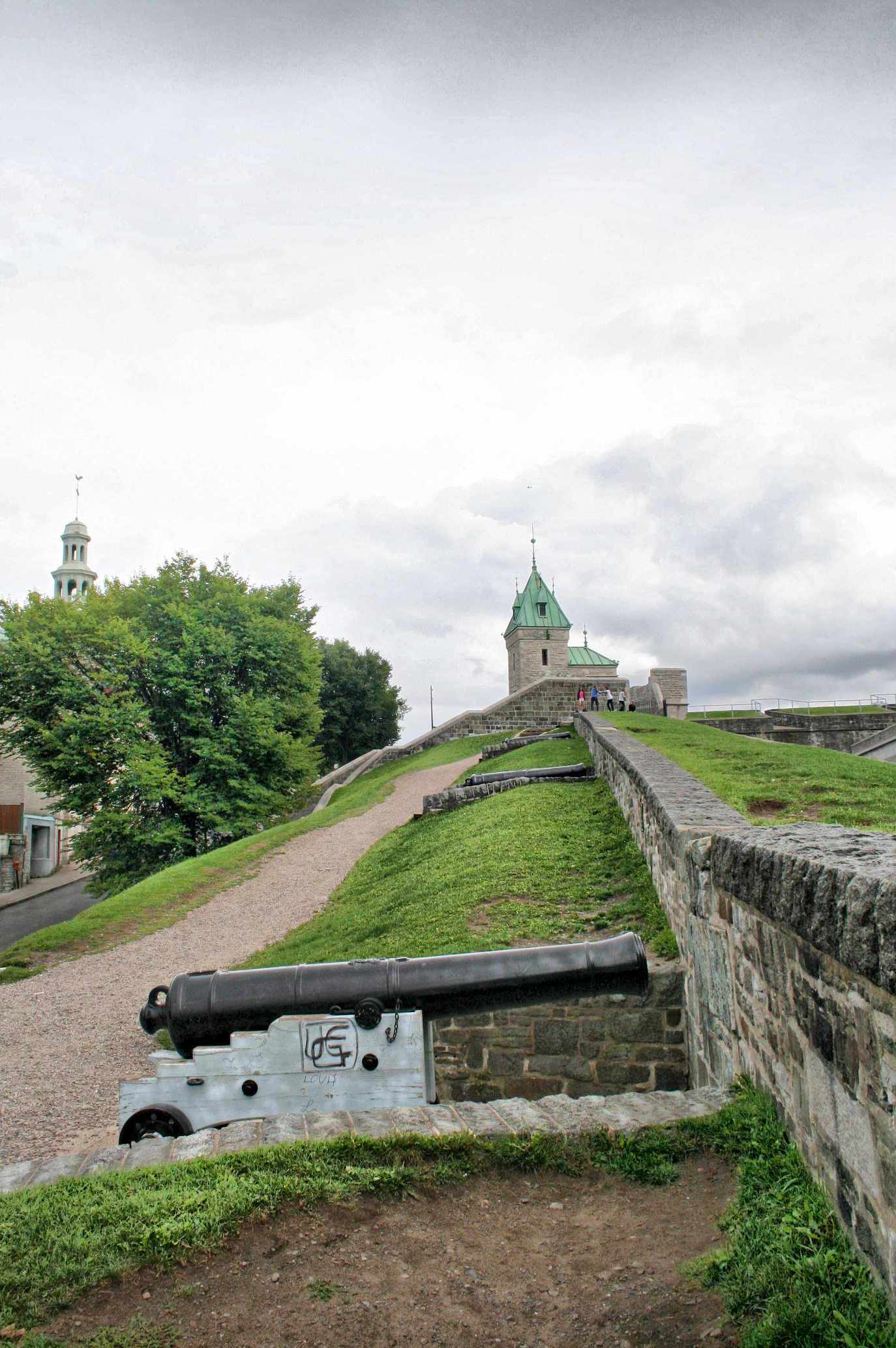
The fortress was built in the classic star shape, with projecting bastions and connecting curtain walls, the design perfected in Europe for the age of gunpowder artillery. Constructed of locally quarried stone and containing many buildings within its walls, it was a complete, self-contained stronghold, designed to serve as a refuge and rallying point for the garrison in the event of an attack on the city.
Positioned atop the highest point of Cap Diamant, adjoining the Plains of Abraham, the Citadelle commanded both the river and the land approaches. Its construction, costing a great sum, gave Quebec a modern fortress worthy of its reputation as the Gibraltar of North America, and it represented the culmination of two centuries of effort to defend this vital site against every possible enemy.
The great expense of the Citadelle reflected both the difficulty of the work and the value the British placed on holding Quebec. Building a modern star fort atop a cliff, incorporating older works and quarrying vast quantities of stone, was a major undertaking for the era, and the finished fortress stood as a statement of Britain’s determination to keep its grip on the key to the continent.
The incorporation of earlier French fortifications into the British star fort gives the Citadelle a layered quality that rewards close attention, for in its stones one can trace the successive efforts of two empires to hold the same vital ground. The fortress is thus not the work of a single moment but the accumulated product of generations of military engineering on the heights of Cap Diamant.
The Last Walled City
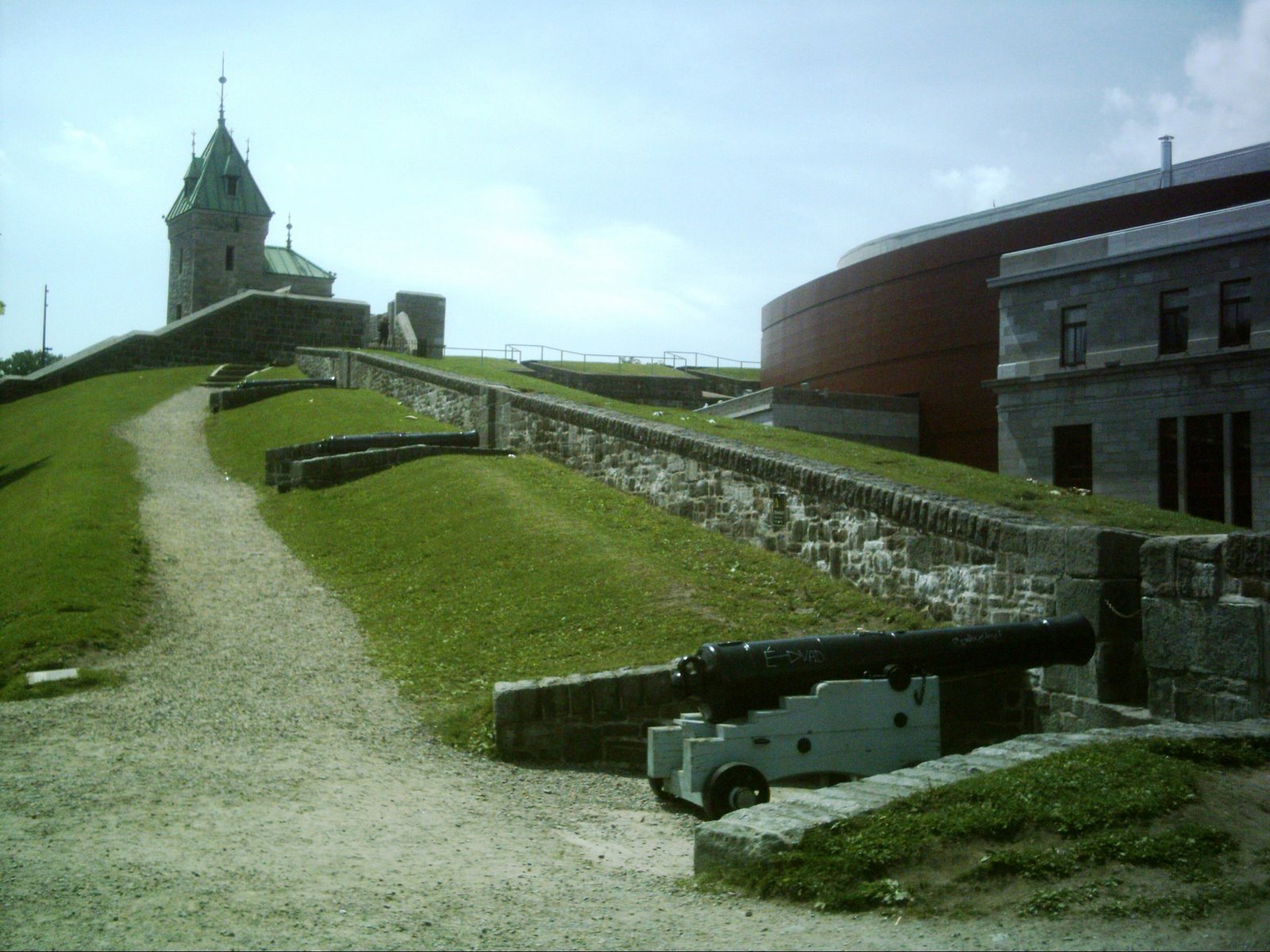
The Citadelle does not stand alone but forms the strongpoint of a much larger system: the fortifications that still ring the old upper town of Quebec. These walls, with their gates and bastions, encircle the historic heart of the city, and they give Quebec a distinction shared by no other city in North America north of Mexico, for it is the only one to retain its complete circuit of fortified walls.
Walking the ramparts of Quebec today is like stepping into old Europe. The stone walls, the massive gates through which traffic still passes, and the cannon looking out over the river create an atmosphere found nowhere else on the continent, a genuine walled town preserved into the modern age. The Citadelle anchors this whole system at its highest and strongest point.
This survival is remarkable, for most cities that were once walled long ago demolished their fortifications to allow for growth. That Quebec kept its walls is a happy accident of history and a deliberate act of preservation, and it is a large part of what makes the city so unique and so beloved. The fortifications, crowned by the Citadelle, are the physical embodiment of Quebec’s long and dramatic history.
The gates of Quebec, through which roads still pass today, are among the most evocative features of the walled city, framing the entrance to the old town much as they did for travellers centuries ago. To drive or walk through one of these ancient portals is to cross a threshold in time, entering a preserved world of narrow streets and stone buildings unlike anywhere else on the continent.
The contrast between the walled upper town, perched on the heights, and the lower town along the river below is one of the distinctive features of Quebec’s layout, a division rooted in the topography of the site. The Citadelle crowns the upper town at its highest and most defensible point, completing a defensive scheme that used the natural landscape brilliantly to protect the city.
A Living Fortress
One of the most remarkable things about the Citadelle is that it is not a museum piece but a living, working military installation, one of the oldest continuously garrisoned fortresses of its kind. Soldiers have manned it without interruption for a very long time, and it remains an active base of the Canadian army to this day, a rare example of a historic fortress still fulfilling its original purpose.
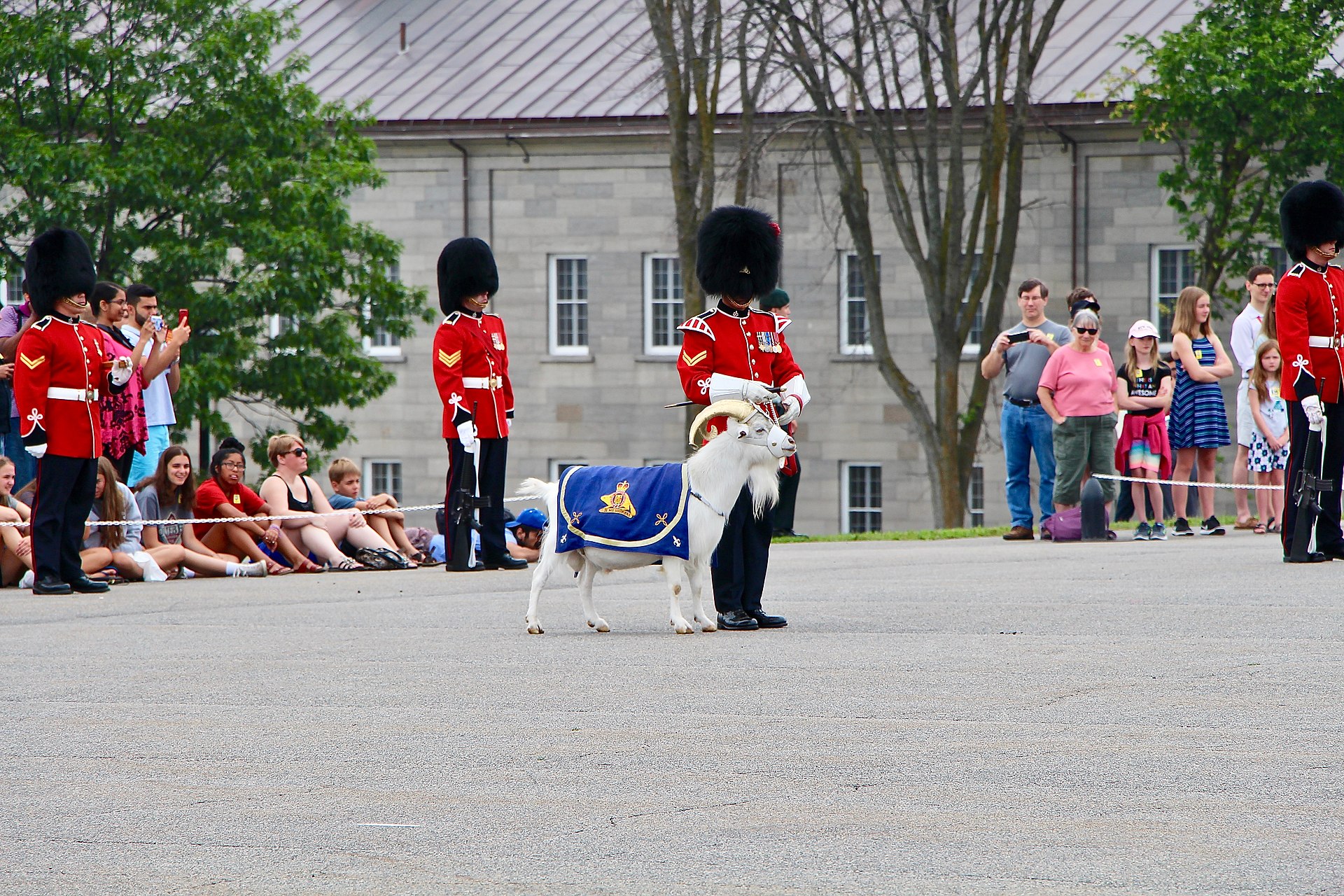
Since the early twentieth century, the Citadelle has been the home of one of Canada’s most famous military units, the Royal 22e Régiment, the French-speaking regiment affectionately known as the Van Doos, from the French for twenty-two. The presence of this proud regiment gives the fortress a living military spirit and connects it directly to the service and sacrifice of generations of Canadian soldiers.
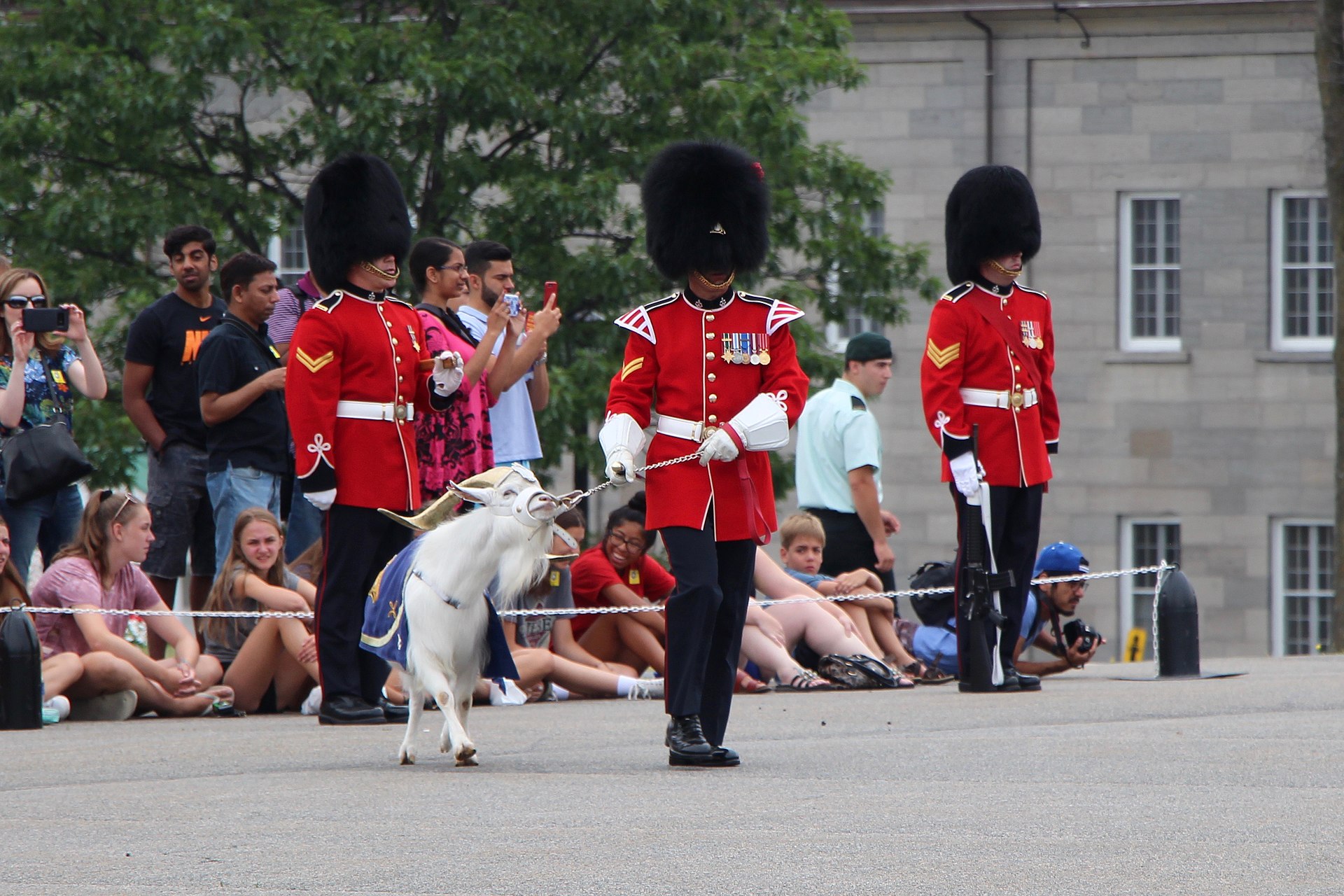
Visitors to the Citadelle can witness this living tradition firsthand, most famously in the ceremonial changing of the guard, performed in the summer with all the colour and precision of a great military ritual. The sight of soldiers in their scarlet uniforms parading within the ancient walls is a powerful reminder that this is not a dead relic but a fortress that lives and breathes to this day.
The continuous garrisoning of the Citadelle over so long a period is itself a rare distinction, for few fortresses of its age have remained in active military use into the modern era. This unbroken tradition of service gives the fortress a living authenticity that no restored museum can match, and it connects the visitor directly to the long line of soldiers who have manned these walls.
The changing of the guard ceremony, complete with a regimental mascot in the form of a goat, has become one of the most popular attractions of the Citadelle, drawing crowds who come to witness the pageantry of a living military tradition. It is a joyful and colourful spectacle, and a vivid reminder that this ancient fortress remains very much alive in the service of the nation today.
The fact that a fortress designed in the age of muzzle-loading cannon should still serve as a functioning army base is a rare and wonderful continuity, linking the soldiers of today directly to those who first manned these walls. In an age when so much of the past has been swept away, the living Citadelle offers a precious thread of unbroken tradition reaching back across the centuries.
A Home for the Crown
Beyond its military role, the Citadelle holds another distinguished function: it serves as an official residence. Within its walls is one of the official homes of Canada’s head of state and the representative of the crown, making the fortress not only a military base but also a place of state ceremony and hospitality at the highest level.
This royal and vice-regal connection adds a further layer of dignity to the fortress. When the sovereign or their representative is in Quebec, the Citadelle can serve as their residence, and it has hosted many distinguished guests and important events over the years. The combination of active military base and official residence within a historic fortress is a rare and special one.
This dual role reflects the deep place that the Citadelle holds in the life of the nation. It is at once a working fortress, a home of the crown, a national historic site, and a symbol of Canada itself, embodying the country’s history, its military traditions, and its constitutional heritage all within a single magnificent structure on the heights above the St. Lawrence.
The presence of a vice-regal residence within the Citadelle underlines the fortress’s symbolic role at the heart of the nation’s constitutional life. Here the ceremonial and the military meet, and the fortress serves not only to defend but to represent the continuity and dignity of the Canadian state, adding yet another dimension to its already rich array of functions.
The dual identity of the Citadelle, as both a working army base and a residence of the crown, is a distinctively Canadian arrangement that reflects the country’s history and constitutional traditions. Few fortresses anywhere combine such varied roles so gracefully, and this blend of the military and the ceremonial is part of what makes the Citadelle of Quebec so special a place.
The Fortress in the World Wars
The Citadelle’s strategic position kept it relevant well into the modern era, long after the kind of warfare it was designed for had passed into history. During the great conflicts of the twentieth century, the fortress and the city continued to play a role in the defence and administration of Canada, and Quebec remained an important centre.
Most famously, during the Second World War, the Citadelle was the setting for high-level meetings between Allied leaders, who gathered in Quebec to plan the strategy of the war. These wartime conferences, held in the historic city with the fortress as a backdrop, brought Quebec briefly to the centre of world affairs and added a notable chapter to the long history of the Citadelle.
That a fortress built in the age of muskets and cannon should have played host to the planning of a modern global war is a striking testament to the enduring significance of Quebec and its great stronghold. Across every era, from the wars of empire to the world wars of the twentieth century, the Citadelle has remained a place of consequence in the affairs of the continent and the world.
The wartime conferences held at Quebec, bringing together the leaders of the Allied powers, placed the historic city at the crossroads of twentieth-century history. That such momentous decisions should have been taken in the shadow of a nineteenth-century fortress speaks to the enduring symbolic and strategic weight of Quebec, a place that has repeatedly found itself at the centre of great events.
The choice of Quebec as the setting for these high-level wartime meetings was itself a recognition of the city’s symbolic importance and its secure, dignified surroundings. Amid the ancient walls and the historic fortress, the leaders who gathered there could feel the weight of history around them as they shaped decisions that would help determine the outcome of a global conflict.
Exploring the Citadelle
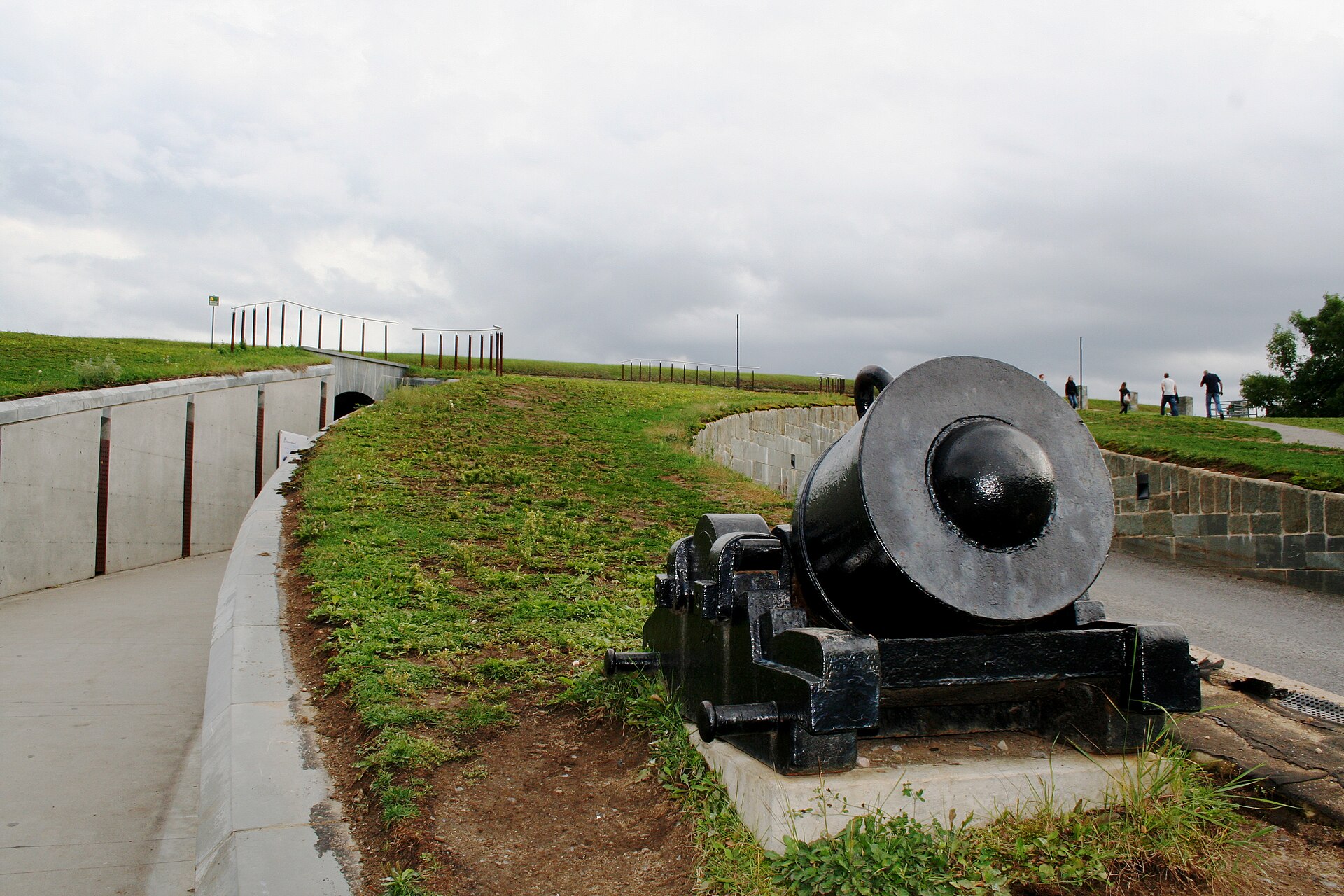
Walking through the Citadelle today, you can read its military purpose in every feature. The star-shaped design with its projecting bastions allowed defenders to cover every wall and approach with overlapping fire, while the thick stone walls and the commanding position atop the cliff made the fortress a formidable obstacle to any attacker. It is a textbook example of the fortification of its age.

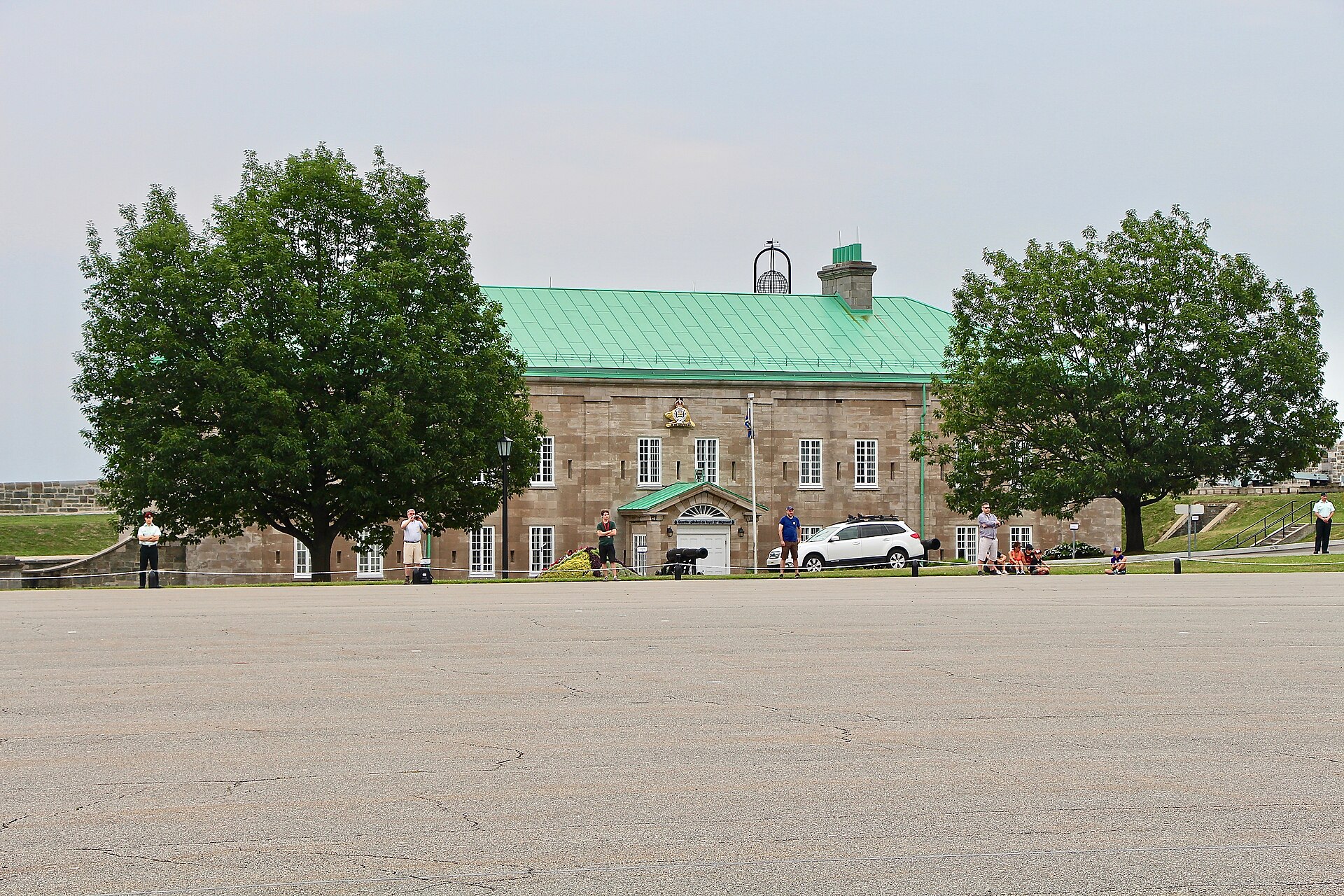
Within the walls stand many buildings, constructed of grey cut stone, that served the needs of the garrison, from barracks and stores to a chapel and a powder magazine. The fortress was designed to function as a self-contained community, able to shelter and supply its defenders through a long siege, and today these buildings house a museum, the regiment, and the official residence.
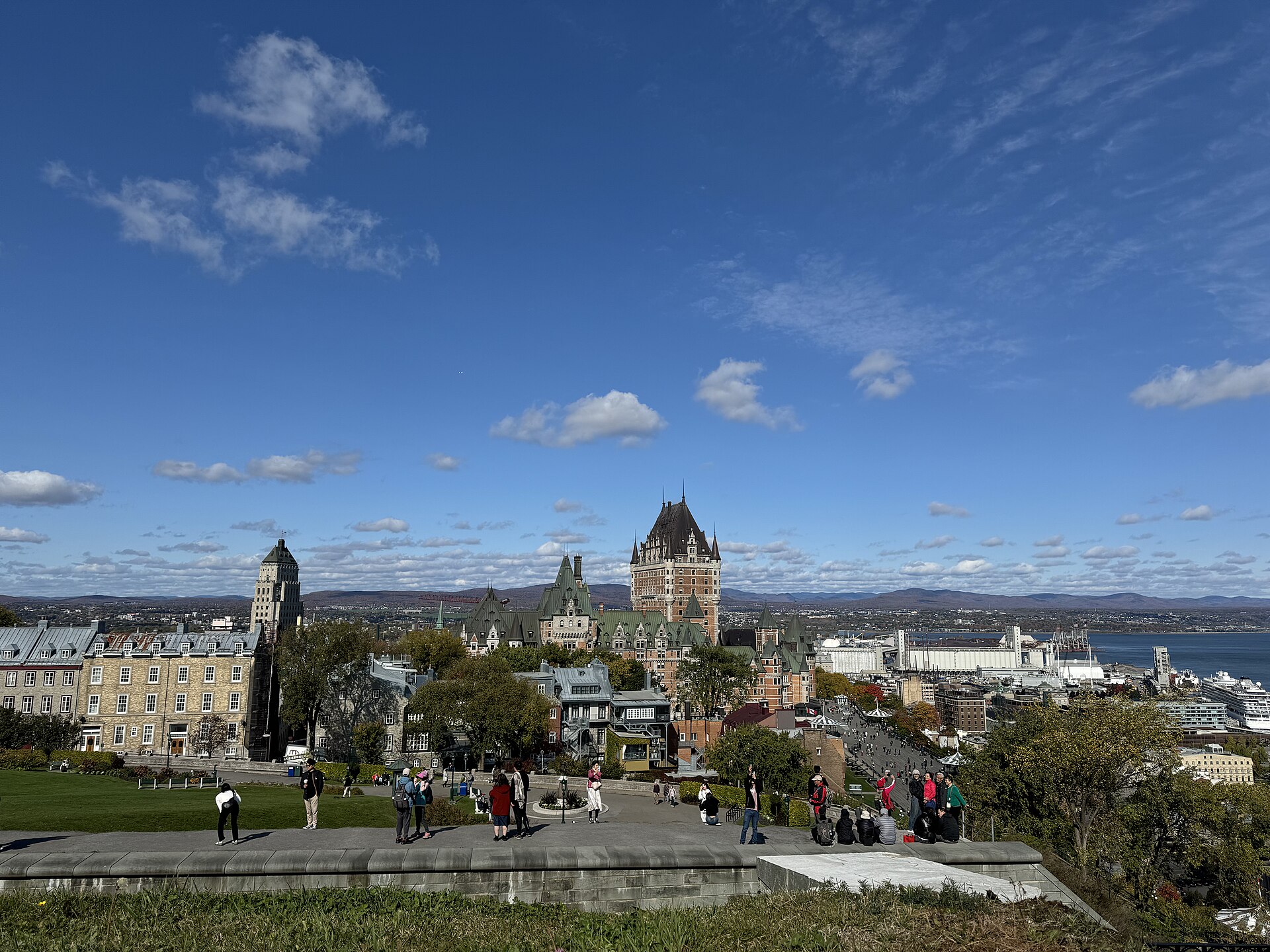
From the ramparts of the Citadelle, the views are simply magnificent, taking in the St. Lawrence River far below, the rooftops of old Quebec, and the surrounding countryside. Standing here, you understand at once why this site was so prized, for the whole strategic landscape lies spread out beneath you, commanded by the fortress on the heights just as its builders intended.
The museum housed within the fortress tells the story of the regiment that calls it home and of the many chapters of the Citadelle’s history, helping visitors to connect the stones and bastions with the human dramas that unfolded here. Guided tours bring these stories to life, revealing the layers of French and British and Canadian history embedded in every part of the fortress.
The self-contained nature of the fortress, with everything its garrison needed enclosed within the walls, reflects the military thinking of an age when a fortress had to be able to hold out alone through a long siege. Exploring these buildings and spaces, the visitor gains a vivid sense of what it meant to live and serve within such a stronghold, cut off from the world beyond the walls.
A World Heritage City
The outstanding value of Quebec’s historic heart, with its fortifications and the Citadelle, has been recognised at the highest level. In the mid-1980s the historic district of Old Quebec was inscribed on the UNESCO World Heritage List, honouring it as an exceptional example of a fortified colonial city and the only one of its kind to survive with its walls intact in North America north of Mexico.
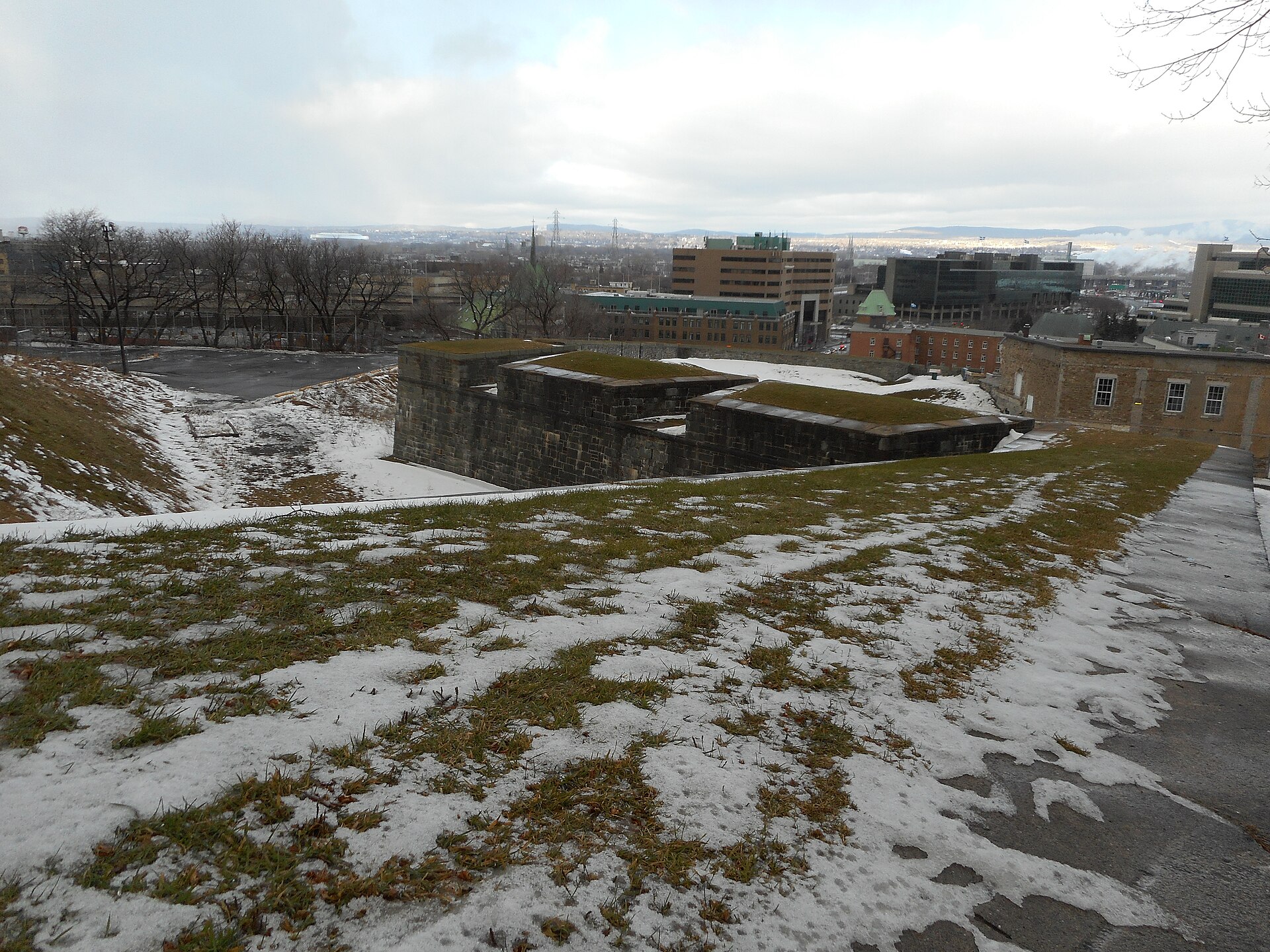
The listing recognised the whole ensemble of the old town, its walls, its gates, its Citadelle, and its historic buildings, as a treasure of world importance. Quebec was celebrated as a remarkable illustration of the great period of European colonisation of the Americas and as a uniquely well-preserved example of a fortified town, a living survivor of an age that has largely vanished.
For Canada and for Quebec, the World Heritage status affirms the global significance of this beloved city and its fortress. The Citadelle, as the crowning strongpoint of the whole system, is central to that recognition, and its preservation as both a living fortress and a historic monument helps ensure that this extraordinary place will endure for future generations to experience and admire.
The recognition of Old Quebec as a World Heritage site has helped ensure the careful preservation of its walls, gates, and the Citadelle, safeguarding this unique survival for the future. The interest of visitors from around the world, drawn by the city’s European atmosphere and dramatic history, supports the ongoing work of maintaining one of the most remarkable historic cities in the Americas.
Old Quebec’s World Heritage listing places it among a select group of historic urban ensembles recognised for their exceptional value to all humanity, and it is a source of great pride for the city and the nation. The Citadelle, as the crowning element of this heritage, embodies the qualities that earned the recognition, uniting military, historical, and architectural significance in a single magnificent site.
Visiting the Citadelle of Quebec
The Citadelle stands at the highest point of Old Quebec, easily reached from the historic heart of the city and offering one of the great experiences of a visit to this remarkable place. Because it remains an active military base, access is typically by guided tour, which adds to the sense of stepping into a working fortress with a living history rather than a mere ruin.

On a visit you can explore the fortress, learn its history at the regimental museum, walk the ramparts for their spectacular views, and, in the summer season, witness the colourful ceremonial changing of the guard. Each of these brings a different facet of the Citadelle to life, from its military engineering to its living traditions to its commanding vantage over the river and the city.
View 46.8075, -71.2072 on Google Maps
Combine your visit to the Citadelle with a walk along the fortified walls of the old town and a stroll through the charming streets within, to experience the full magic of North America’s only walled city. Come prepared for the weather, which can be cold in the long Quebec winter, and give yourself time to absorb the layers of history. The Citadelle offers an unforgettable encounter with the fortress that guarded the gateway to a continent.
Many visitors find that the most memorable moment comes on the ramparts, gazing out over the great sweep of the St. Lawrence with the old city at their feet, feeling the full drama of the site that so many armies fought to control. In that view, the whole history of Quebec, from Champlain to Wolfe to the soldiers who guard the fortress today, seems to come together in a single unforgettable panorama.
Timing a visit to catch the changing of the guard, offered in the warmer months, adds greatly to the experience, and it is worth checking the schedule in advance. Whatever the season, the combination of history, living tradition, and spectacular scenery makes a visit to the Citadelle one of the essential experiences of Quebec, and indeed of the whole of Canada.
Castles Nearby
You May Like
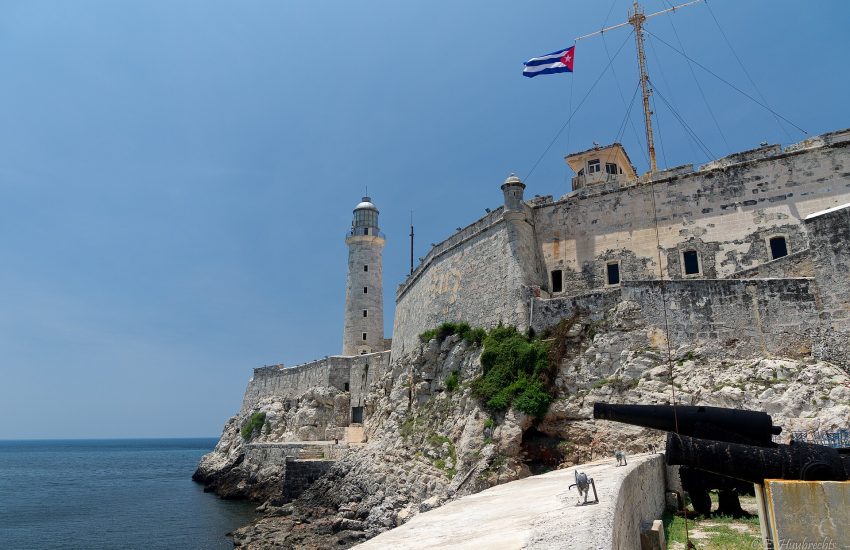
Castillo del Morro: The Fortress That Guarded the Treasure Port of Havana