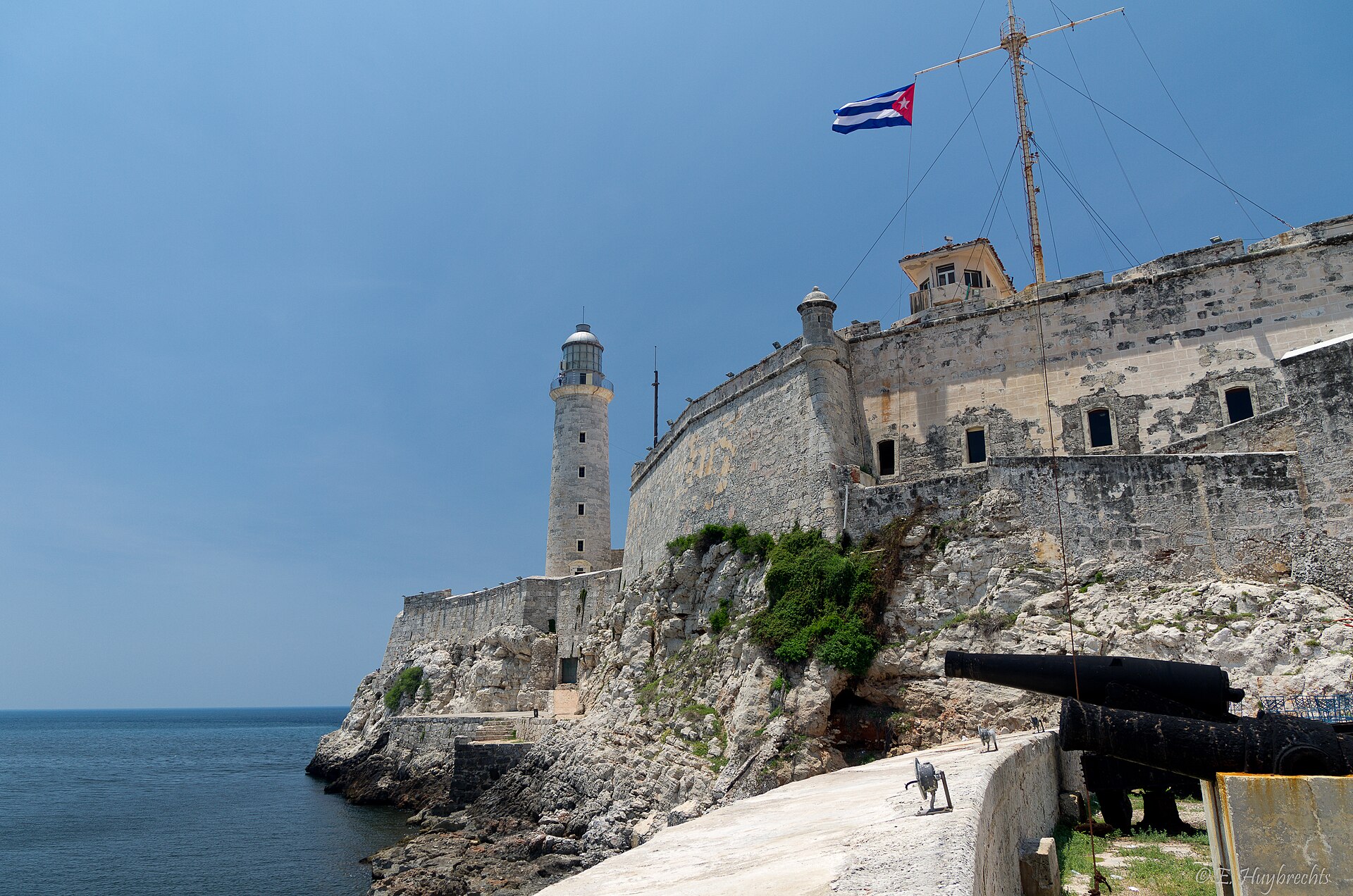
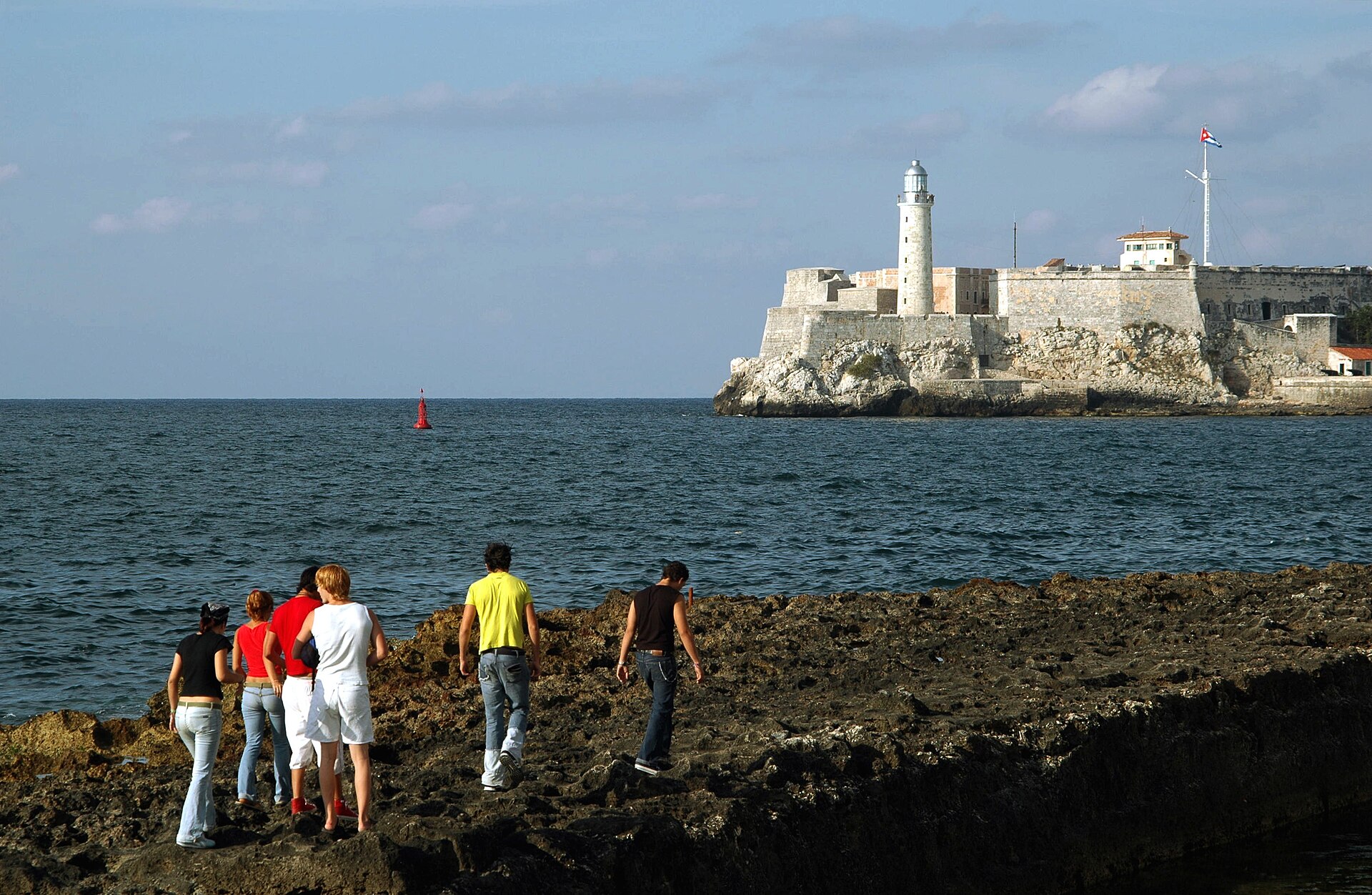
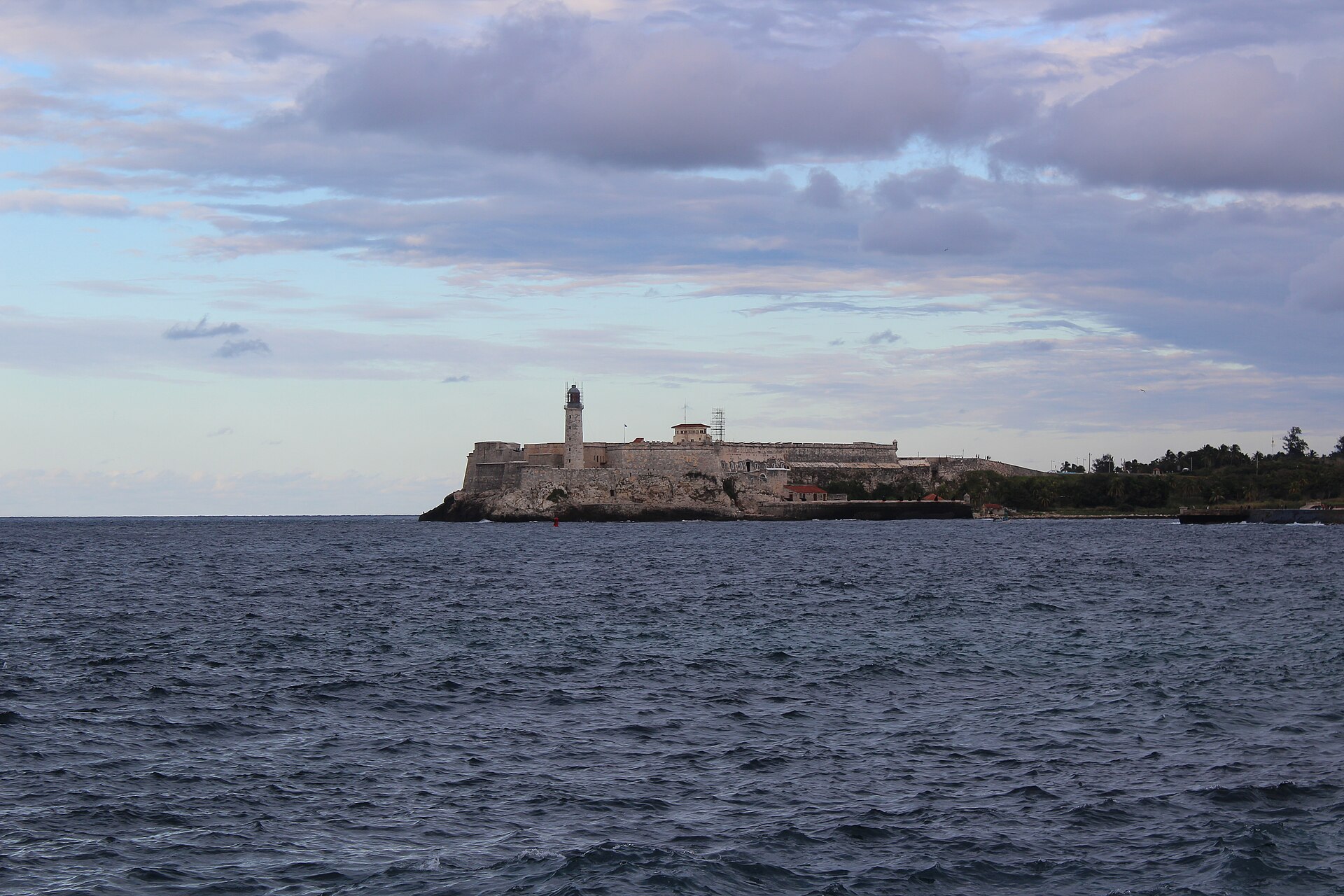
Guarding the narrow entrance to one of the finest harbours in the Americas, on a rocky headland facing the old city of Havana, stands the Castillo de los Tres Reyes del Morro. To almost everyone it is simply El Morro, the great fortress whose lighthouse and battlements have watched over the mouth of Havana Bay for more than four centuries. It is one of the most recognisable landmarks in all of Cuba and a symbol of the island itself.
Havana was the beating heart of Spain’s Caribbean empire, the port where the treasure fleets gathered before the long voyage home to Spain, laden with the silver and gold of the New World. Such fabulous wealth made the city a magnet for pirates and enemy fleets, and so the Spanish built El Morro to seal the harbour mouth and keep the treasure safe. For generations it did exactly that, standing guard over the riches of an empire.
In this guide you will explore the whole story of this magnificent fortress: why Havana mattered so much, how El Morro was built to lock the harbour, the great chain that once stretched across the water, the epic British siege that finally breached its walls, the famous lighthouse that crowns it, and its life today as part of a beloved World Heritage city. It is a place where the drama of the Spanish Main comes vividly to life.
A word before you begin: El Morro is best understood not in isolation but as one player in a great drama that unfolded across the whole Caribbean. It is a sibling to the fortresses of San Juan, Cartagena, and St. Augustine, all built by the same empire to solve the same problem, the protection of an ocean of wealth from a world of enemies. Keeping that wider stage in mind will help you appreciate the full significance of this guardian of Havana.
In This Article
- Havana, Key to the New World
- Locking the Mouth of the Bay
- Building El Morro
- The Great Chain Across the Water
- The Lighthouse of El Morro
- A Century of Defiance
- The British Siege of 1762
- The Hero of El Morro
- The Return to Spain and a New Fortress
- Prison, Lighthouse, and Landmark
- The Nightly Cannon
- Part of a World Heritage City
- Visiting El Morro
Havana, Key to the New World
To understand El Morro, you must first understand the extraordinary importance of Havana. The city possessed one of the great natural harbours of the Americas, a large, sheltered bay reached through a narrow channel, and this made it the ideal gathering point for Spain’s treasure fleets. Here, ships from across the Spanish empire assembled before setting out together across the Atlantic under escort.
This role made Havana one of the most strategically vital cities in the entire Spanish world. Through its harbour passed an immense share of the wealth of the Americas, the silver of Mexico and Peru and the goods of a global empire, all funnelled through this single Caribbean port on their way to Spain. Havana was, in a real sense, the hinge on which the whole Spanish transatlantic system turned.
Such concentrated wealth was an irresistible temptation to Spain’s enemies. Pirates, privateers, and hostile fleets all coveted Havana, and the city had suffered devastating raids before the great fortifications were built. Protecting this indispensable harbour became a paramount concern for the Spanish crown, and El Morro was the towering answer to that need, built to make the port impregnable.
The system of the flota, the great convoy of ships that carried American wealth back to Spain, depended absolutely on secure harbours where the fleet could assemble in safety. Havana was the greatest of these gathering points, and its loss would have crippled the whole apparatus of Spanish transatlantic commerce. This is the essential context for the enormous effort poured into El Morro and the other defences of the bay.
Havana’s importance was such that it came to be called the key to the New World, an epithet that appears in the city’s very coat of arms. That single phrase captures why the Spanish were prepared to spend so lavishly on its defence, for whoever held Havana held the gateway to the wealth of the Americas, and El Morro was the great lock that secured that gateway against all comers.
Locking the Mouth of the Bay
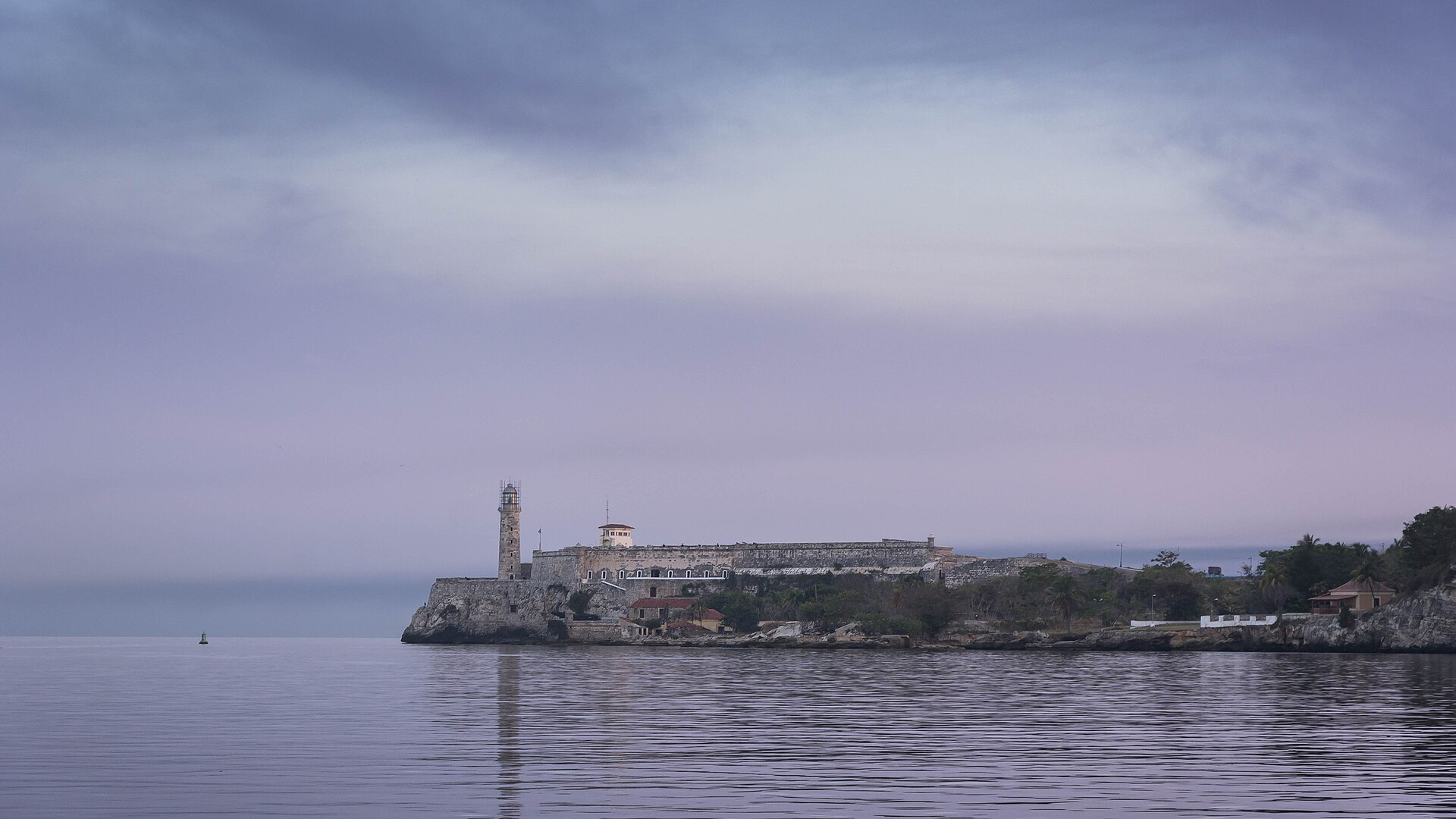
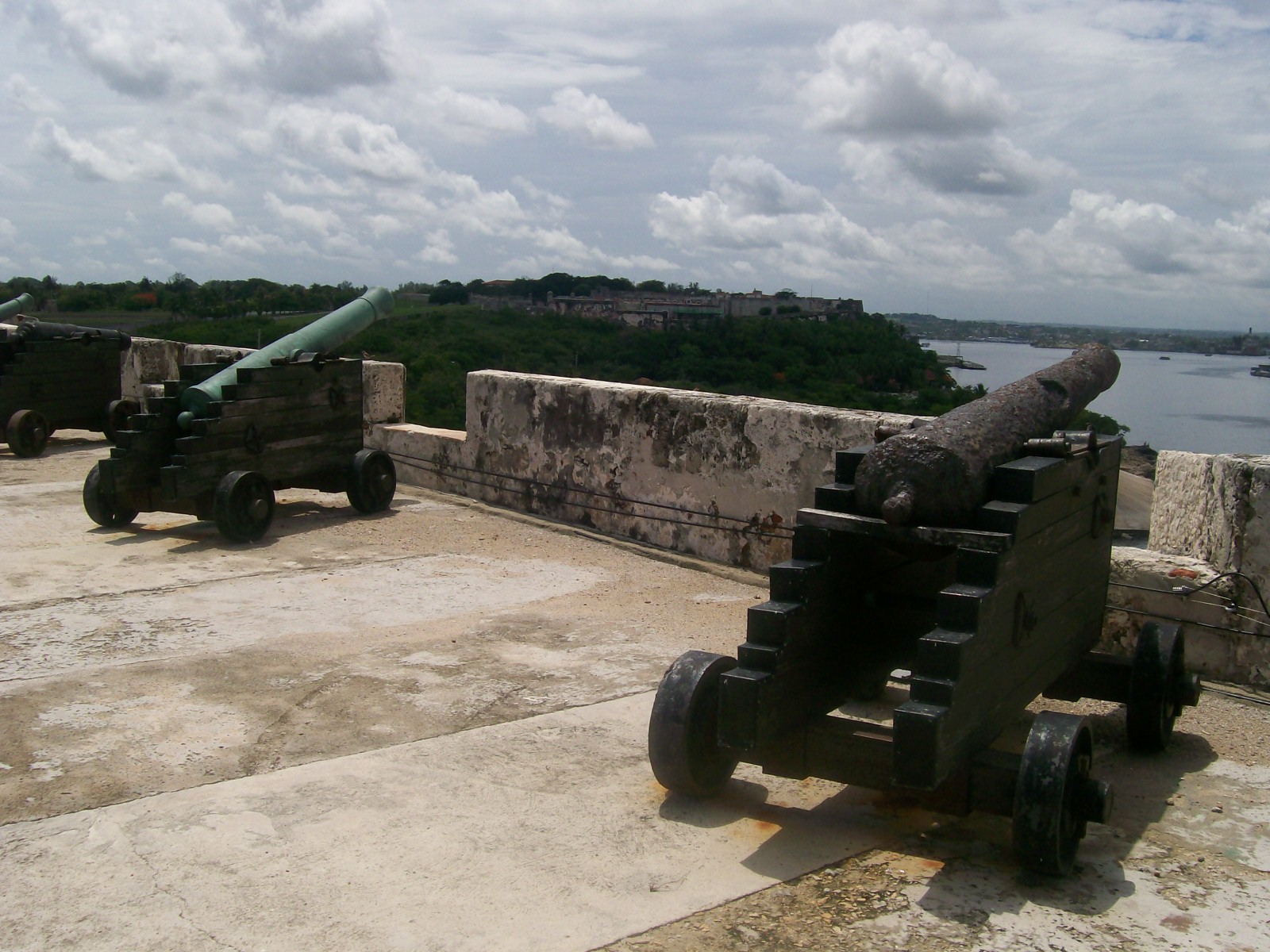
The genius of El Morro lies in its position. It was built on a rocky promontory on one side of the narrow channel that leads into Havana Bay, directly opposite the old city. From this commanding spot, the fortress guns could sweep the entire entrance to the harbour, making it deadly for any hostile ship to try to force its way in against their fire.
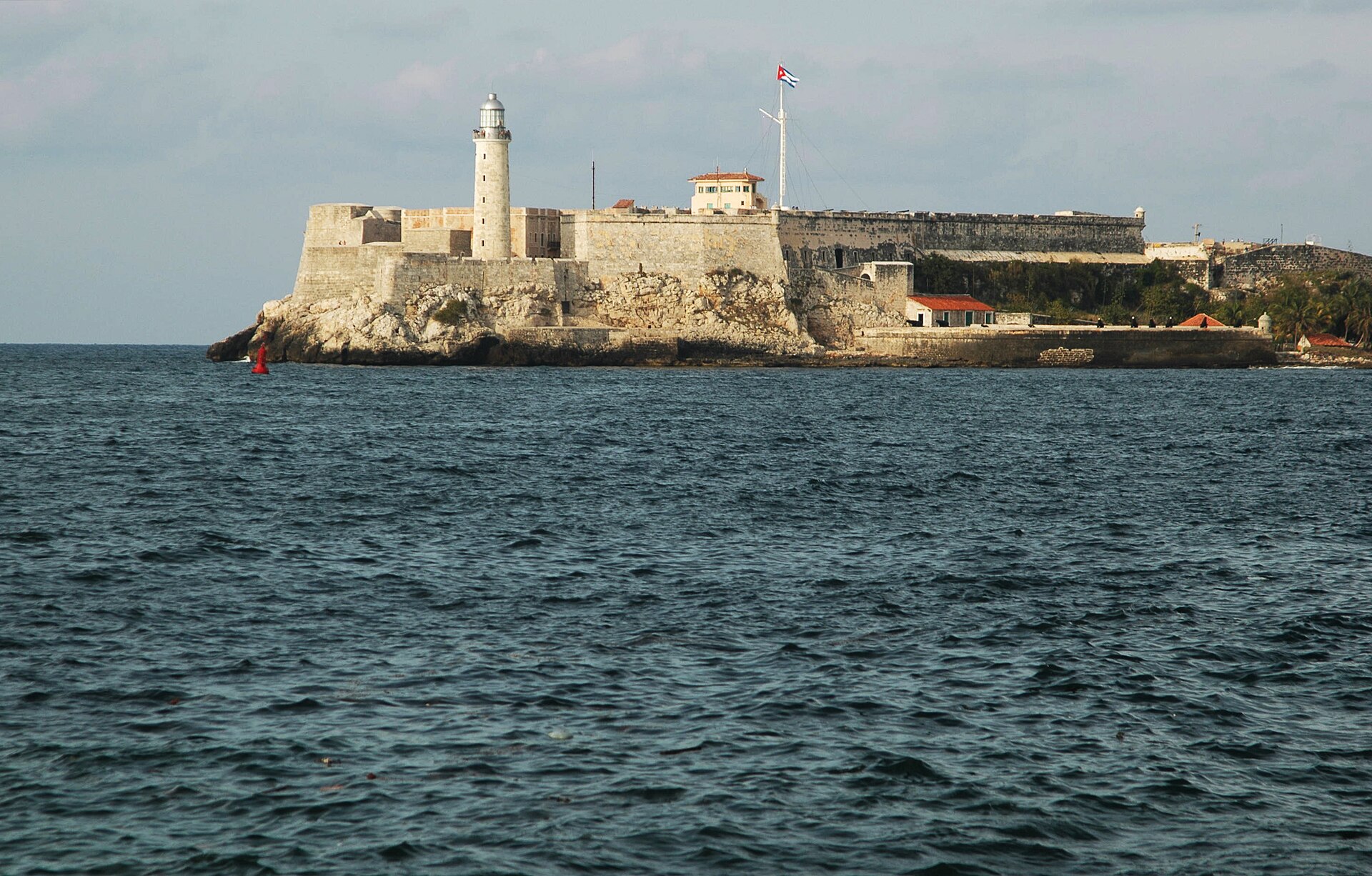
The narrowness of the channel was the key to the whole scheme. Because ships had to pass through a tight passage to enter the bay, a fortress commanding that passage effectively held the door to the harbour. An enemy fleet could not simply sail in; it had to run the gauntlet of El Morro’s cannon, a prospect fearsome enough to deter most attackers before they even tried.
El Morro did not work alone but formed part of a defensive system guarding the channel, paired with another fort on the opposite shore. Between them, these strongholds could catch any intruder in a crossfire, and the arrangement turned the entrance to Havana Bay into one of the most strongly defended harbour mouths anywhere in the Americas, a true lock upon the door of the treasure port.
Standing on the fortress today and looking down at the narrow channel, you can grasp the logic of the defences in a single glance. Ships passing in and out must funnel through the tight entrance, directly beneath the guns, and it is obvious that no vessel could hope to force the passage against a determined defence. The geography itself was the fortress’s greatest ally, and the engineers exploited it to the full.
The partnership between El Morro and the fort across the channel, the Castillo de la Punta, is a model of how paired fortifications could dominate a strait. Neither alone would have been as effective, but together, their overlapping fields of fire closed the entrance completely, and the addition of the chain made the harbour mouth a barrier that only a very determined and well-prepared enemy could ever hope to force.
Building El Morro
Construction of El Morro began at the end of the sixteenth century, in response to the raids and threats that had shown Havana’s vulnerability. The work was directed by the Italian military engineer Battista Antonelli, a member of a famous family of fortification experts who designed defences across the Spanish empire, and it took decades to complete the great stronghold.
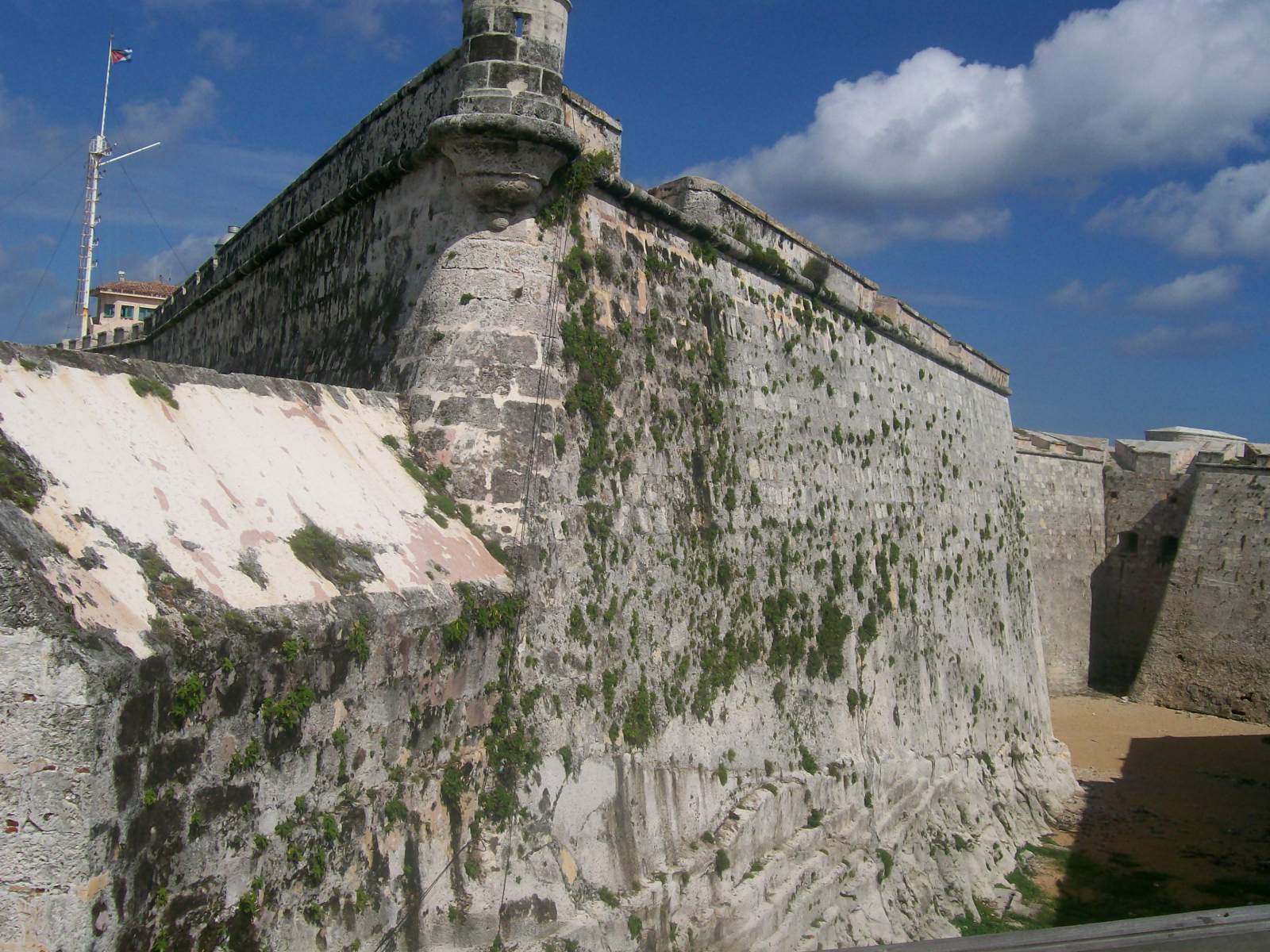
Antonelli’s design made brilliant use of the rocky headland, shaping the fortress to command the channel and to present a formidable face to any attacker. The result was a powerful work of the bastioned style then standard in Europe, adapted to its dramatic coastal site, with thick walls, angled batteries, and a commanding position high above the water.
The fortress was named for the three kings, the Three Wise Men or Magi of the Christian tradition, giving it the full title of Castillo de los Tres Reyes del Morro. As with the other great Spanish fortresses of the Caribbean, the religious name reflected the deeply Catholic character of the empire that built it, for whom the defence of their possessions was bound up with the defence of the faith.
The Antonelli family were among the most important military engineers of the Spanish empire, and their work shaped the defences of Havana, Cartagena, San Juan, and other key ports across the Caribbean. To encounter their handiwork at El Morro is to see the product of a coordinated, empire-wide effort to fortify the vital nodes of Spanish America against the many enemies who coveted its wealth.
The decades-long construction of El Morro tested the resources of the colony and relied on the labour of many hands, including enslaved and coerced workers, whose toil raised the great walls. As with the other grand fortresses of the Spanish Caribbean, the magnificence that so impresses visitors today rests on a foundation of hard and often forced human labour that ought not to be forgotten.
The Great Chain Across the Water
One of the most remarkable features of Havana’s defences was a great chain, or boom, that could be stretched across the narrow channel between El Morro and the fort on the opposite shore. At night or in times of danger, this massive barrier was raised to physically block the harbour entrance, preventing any ship from passing in or out without permission.
The chain added another layer to the already formidable defences of the bay. An enemy vessel that somehow braved the crossfire of the two forts would still find its way barred by this heavy boom, halting it in the very jaws of the harbour where the guns could destroy it at leisure. It was a simple but ingenious device, turning the channel into a sealable gateway.
This combination of forts and chain made Havana Bay extraordinarily secure. To enter the harbour without permission, an attacker would have to overcome the guns of two fortresses and break through a physical barrier, all while under fire. Few enemies were willing or able to attempt such a feat, and the system helped keep the treasure fleets safe within the bay for generations.
Devices like the harbour chain had a long history in the defence of ports and were used in various forms around the world, but at Havana the combination of chain and crossfiring forts was especially effective. It gave the defenders confidence that, whatever the strength of an approaching enemy, the harbour and the priceless fleets within it could be sealed off and protected at a moment’s notice.
The raising of the chain each night was part of a whole daily routine of securing the city, a rhythm of opening and closing that governed the life of the port. This ritual of sealing the harbour after dark bound the fortress intimately into the everyday existence of Havana, and its echo survives today in the nightly cannon ceremony that still marks the passing of the day.
The Lighthouse of El Morro
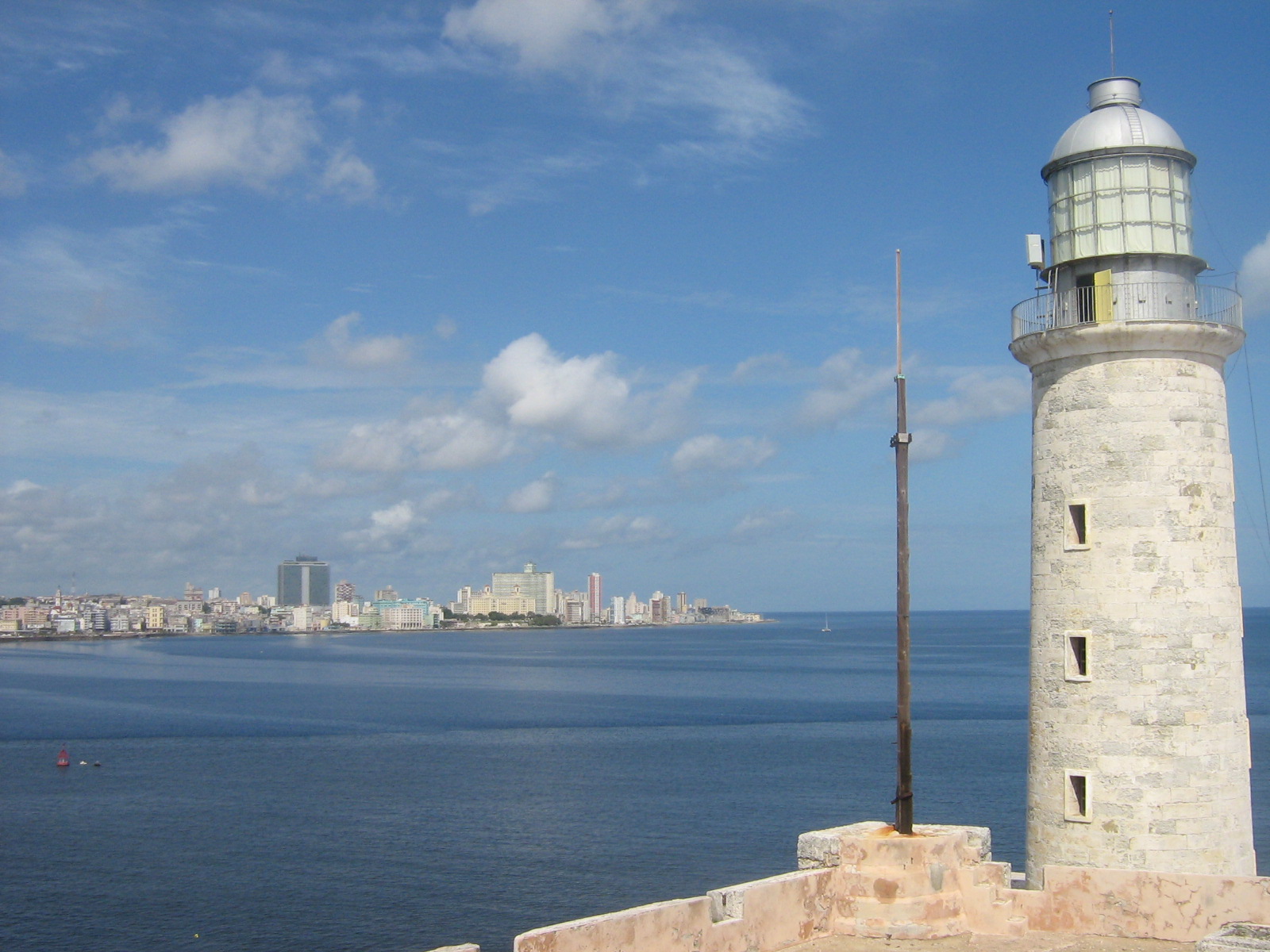
Crowning the fortress today is its famous lighthouse, the Faro del Morro, a landmark that has become inseparable from the image of El Morro and of Havana itself. Added in the nineteenth century, the lighthouse rises above the old battlements, its light guiding ships safely into the harbour that the fortress once guarded against them.
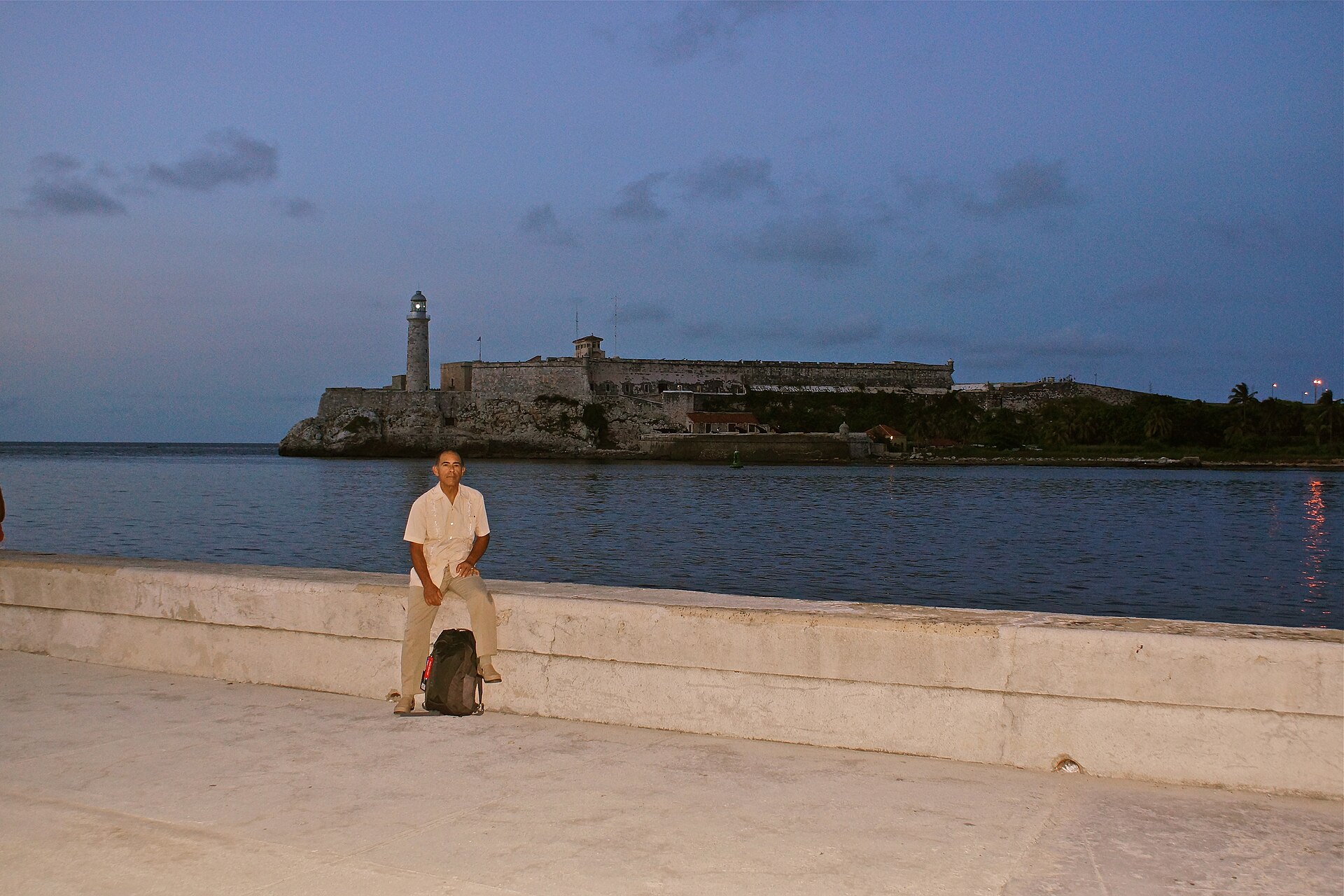
The lighthouse gives El Morro its distinctive silhouette, the tall tower rising above the ancient walls in a striking combination of the military and the maritime. For sailors approaching Havana, the light has long been a welcome sight, marking the entrance to the great bay and the safety of the port beyond, and it remains an active aid to navigation.
There is a pleasing symmetry in the way the fortress now serves to guide ships in rather than to keep them out. The same commanding position that made El Morro so effective as a guardian against enemies makes it an ideal site for a lighthouse, and the Faro del Morro has become one of the most beloved symbols of Havana, its beam sweeping the night above the historic harbour.
The lighthouse has become such a potent symbol that its image appears on countless representations of Havana, from photographs to paintings to official emblems. It captures in a single striking form the meeting of the fortress’s martial past and its enduring role at the gateway of the harbour, and it stands as one of the most photographed and beloved landmarks in the entire Caribbean.
A Century of Defiance
For a long time after its construction, El Morro fulfilled its purpose superbly, deterring or defeating the enemies who eyed Havana’s riches. Protected by its guns, its chain, and its commanding position, the harbour and the treasure fleets that sheltered within it remained secure, and the fortress stood as a proud symbol of Spanish power in the Caribbean.
The very strength of the defences meant that many potential attackers never even made the attempt, deterred by the fearsome reputation of Havana’s fortifications. In an age when a single successful raid could yield a fortune, the fact that Havana was left largely unmolested for so long speaks to how effectively El Morro and its companion forts did their job of protecting the port.
This long period of security allowed Havana to flourish as one of the great cities of the Spanish Americas, its prosperity resting in part on the safety that El Morro provided. The fortress was not just a military structure but a guarantee of the city’s whole way of life, the shield behind which Havana grew rich and important as the linchpin of the Spanish Caribbean.
The deterrent effect of strong fortifications is easy to overlook precisely because it works by preventing attacks that never happen. El Morro’s greatest successes may well have been the assaults that were never launched, the raids abandoned before they began because the risk was simply too great. In that silent, invisible way, the fortress protected Havana’s wealth year after year.
The reputation of Havana as an exceptionally well-defended port spread across the seafaring world, and it became a place that prudent enemies preferred to avoid. This reputation was itself a form of defence, worth as much as any battery of guns, and it was built on the visible strength of El Morro and its companions, standing guard so obviously and so formidably at the mouth of the bay.
For the sailors and merchants whose livelihoods depended on the safe passage of the fleets, the sight of El Morro standing guard at the harbour mouth must have been deeply reassuring, a visible guarantee that the wealth in their holds and the lives aboard their ships would be protected. In this sense the fortress was woven into the confidence and prosperity of the whole seafaring community of Havana.
The British Siege of 1762
El Morro’s greatest trial came in 1762, during a wider war between Britain and Spain, when a powerful British expedition descended on Havana determined to seize the great Spanish port. The British landed a large army and laid siege to El Morro, recognising that the key to taking the city was to capture the fortress that guarded its harbour.
The siege was long and bitter, stretching over months through the brutal heat of a Cuban summer. The Spanish defenders, led by the courageous commander Luis Vicente de Velasco, resisted with great determination, and the fortress’s strong walls made the British task extremely difficult. Disease ravaged the attacking army, as it so often did in Caribbean campaigns.
In the end, the British broke through by patient siege work, mining beneath the walls to breach the defences, and in the final assault the heroic Velasco was mortally wounded, dying of his injuries. With El Morro taken, Havana itself soon fell, and the British occupied the city, a stunning blow to Spanish pride and a dramatic demonstration that even the mightiest fortress could eventually be overcome.
The British capture of Havana sent shockwaves across the Spanish empire and Europe, for it demonstrated that even the most vaunted fortress could fall to a determined and well-organised siege. The loss was a profound humiliation for Spain and a triumph for Britain, though the brutal toll that disease took on the victorious army was a grim reminder of the true cost of Caribbean campaigning.
The key to the British success was their seizure of the high ground of La Cabaña ridge behind the fortress, from which their artillery could pound El Morro from a direction its designers had not fully anticipated. It was a classic lesson in the vulnerability of even the strongest fortress to an enemy who could command the ground above it, and the Spanish would take that lesson bitterly to heart.
The occupation that followed, though it lasted less than a year, had lasting effects on Havana, opening the city briefly to freer trade and leaving a mark on its commerce and society. When Spanish rule returned, both the memory of the humiliation and the lessons of the siege drove the transformation of Havana into the most heavily fortified city in the Spanish Americas, a direct legacy of those dramatic months in 1762.
The Hero of El Morro
The defence of El Morro in 1762 gave Spain one of its most admired heroes in the figure of Luis Vicente de Velasco, the fortress’s commander. Throughout the long siege he led the defence with exceptional courage and skill, holding the fortress against overwhelming odds and inspiring his men to resist even as the situation grew ever more desperate.
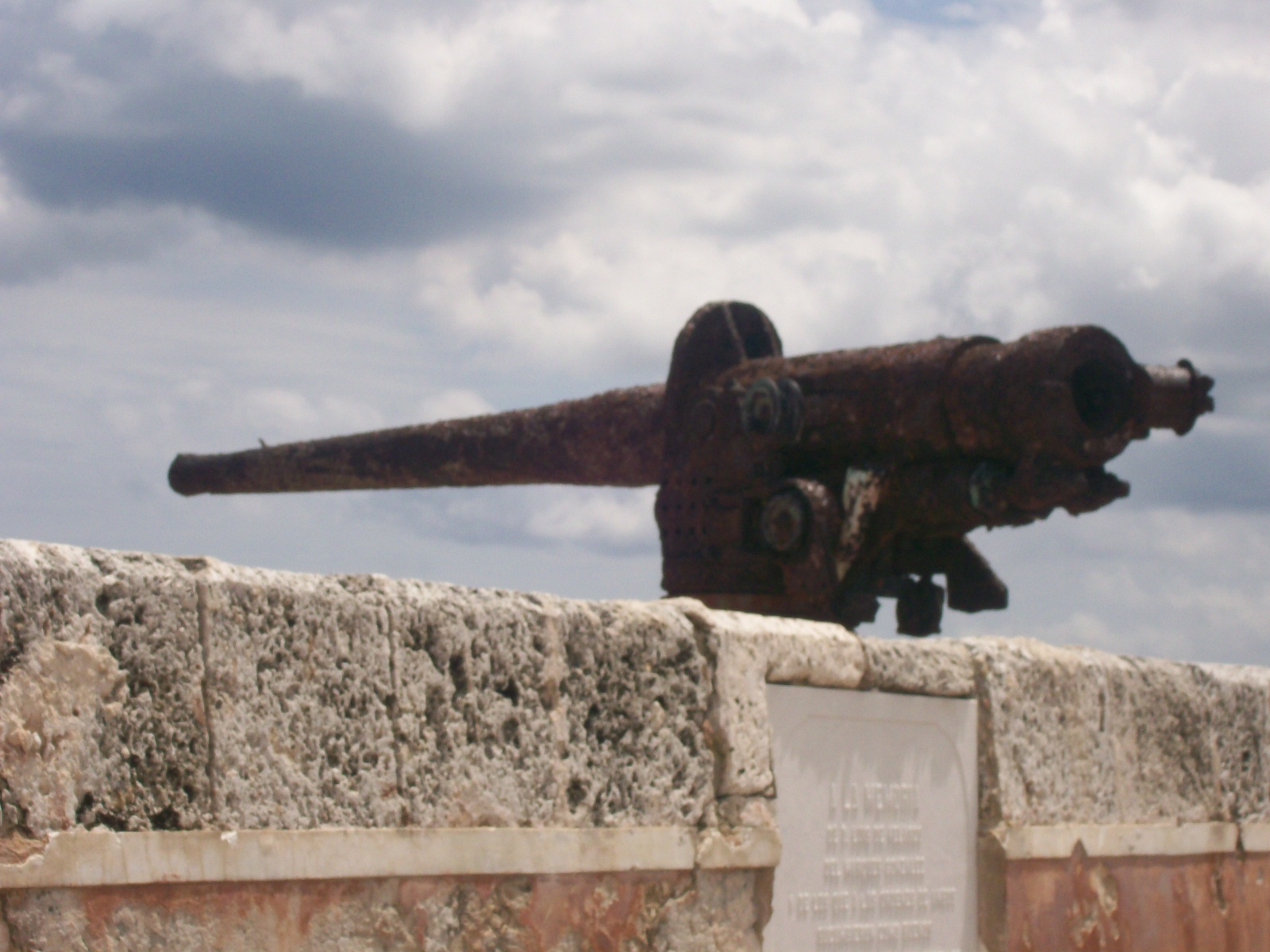
When the final British assault came and Velasco was struck down, mortally wounded in the defence of his post, he passed into legend. So respected was his bravery that even his British enemies honoured him, and his memory was cherished in Spain, where his gallant stand became a celebrated example of duty and heroism in the face of certain defeat.
Velasco’s sacrifice is remembered to this day, and his name is honoured in Cuba and Spain alike. His story adds a deeply human dimension to the great grey walls of El Morro, reminding us that behind the military drama of the siege lay individual acts of courage and loss. He remains inseparable from the fortress he died defending, its most celebrated hero.
The chivalry shown to Velasco’s memory by his enemies reflects an age in which courage was admired even in an opponent, and his defence became a byword for heroic devotion to duty. Monuments and honours have kept his name alive, and to learn his story before visiting El Morro adds a powerful emotional resonance to the experience of walking the walls he gave his life to defend.
The reverence in which Velasco is held has ensured that his story is passed down through generations, and streets, ships, and monuments have borne his name. In honouring him, Cubans and Spaniards alike honour the ideal of steadfast courage that he embodied, and his memory transforms El Morro from a mere fortification into a shrine to human valour and sacrifice in the face of overwhelming odds.
The Return to Spain and a New Fortress
The British occupation of Havana did not last long. Under the peace treaty that ended the war, Havana was returned to Spain in exchange for other territories, and Spanish rule was restored to the great port and its fortress. But the shock of having lost the supposedly impregnable stronghold left a deep and lasting impression on the Spanish crown.
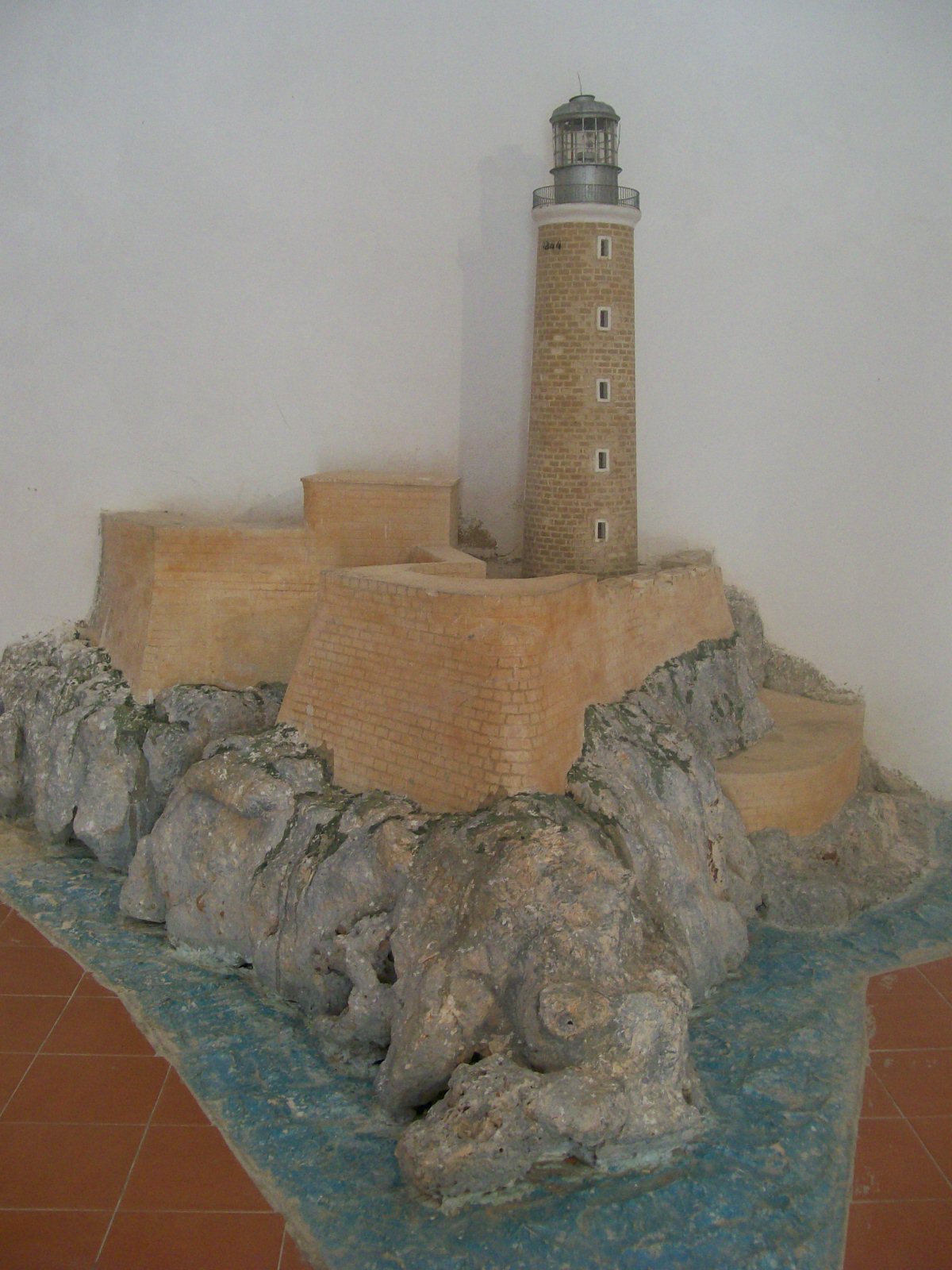
Determined that Havana should never fall again, the Spanish embarked on an enormous program of new fortification. They built a vast new fortress, La Cabaña, on the ridge behind El Morro, from which the British had directed their winning siege. This immense stronghold was designed to close the weakness the British had exploited and to make Havana truly impregnable.
Together, El Morro and the great new fortress of La Cabaña formed one of the most powerful defensive complexes in the Americas. The lesson of 1762 had been learned at great cost, and the Spanish response ensured that Havana’s defences entered a new era of strength. Never again would an enemy repeat the British feat of storming the guardian of the harbour.
The building of La Cabaña was one of the most expensive fortification projects the Spanish ever undertook, so costly that, according to a famous anecdote, the king of Spain reportedly asked for a spyglass to look for so expensive a structure, expecting it to be visible from across the ocean. The scale of the effort measured the depth of the shock that the loss of Havana had caused.
The exchange that returned Havana to Spain, reportedly trading the great Cuban port for Florida, reflected just how valuable Havana was considered to be. Spain was willing to give up substantial territory to recover its indispensable Caribbean harbour, a measure of the port’s centrality to the whole Spanish imperial system and of the importance attached to the fortress that guarded it.
Prison, Lighthouse, and Landmark
As the centuries passed and the age of the treasure fleets gave way to new eras, El Morro found new roles. Its commanding position and strong walls made it useful long after its original purpose had faded, and at various times the fortress served practical functions, including as a home for a school connected with the lighthouse and, in later periods, as a prison.
The use of the fortress as a prison, particularly in the turbulent political history of modern Cuba, added a darker chapter to its long story. The same thick walls that had sheltered defenders now confined prisoners, and this grim function is part of the fortress’s full and complicated history, a reminder that such places often outlive their original purposes in troubling ways.
Through all these changes, El Morro remained a fixed and beloved landmark of Havana, its silhouette an unchanging feature of the city’s famous skyline. Whatever use it was put to, it never lost its symbolic power as the guardian of the bay, and it endured as one of the most recognisable and cherished monuments of the Cuban capital across all the upheavals of the centuries.
The transformation of the fortress across the centuries, from treasure-port guardian to lighthouse station to prison to cherished monument, mirrors the turbulent history of Cuba itself. Few buildings have witnessed so many chapters of a nation’s story, and El Morro’s ability to endure and adapt through them all is a large part of what makes it so compelling a symbol of Havana and the island.
In the modern era El Morro and the neighbouring fortress complex have become major cultural sites, hosting museums, exhibitions, and events that draw visitors from around the world. The transformation of these old military structures into places of culture and memory reflects a broader pattern by which the fortresses of the colonial age have found new life as guardians of history rather than of harbours.
The Nightly Cannon
One of the most beloved traditions associated with Havana’s fortifications is the nightly firing of a cannon, a ceremony that draws visitors and locals alike. Each evening a cannon is fired in a ritual that dates back to the colonial era, when the sound once signalled the closing of the city gates and the raising of the great chain across the harbour.
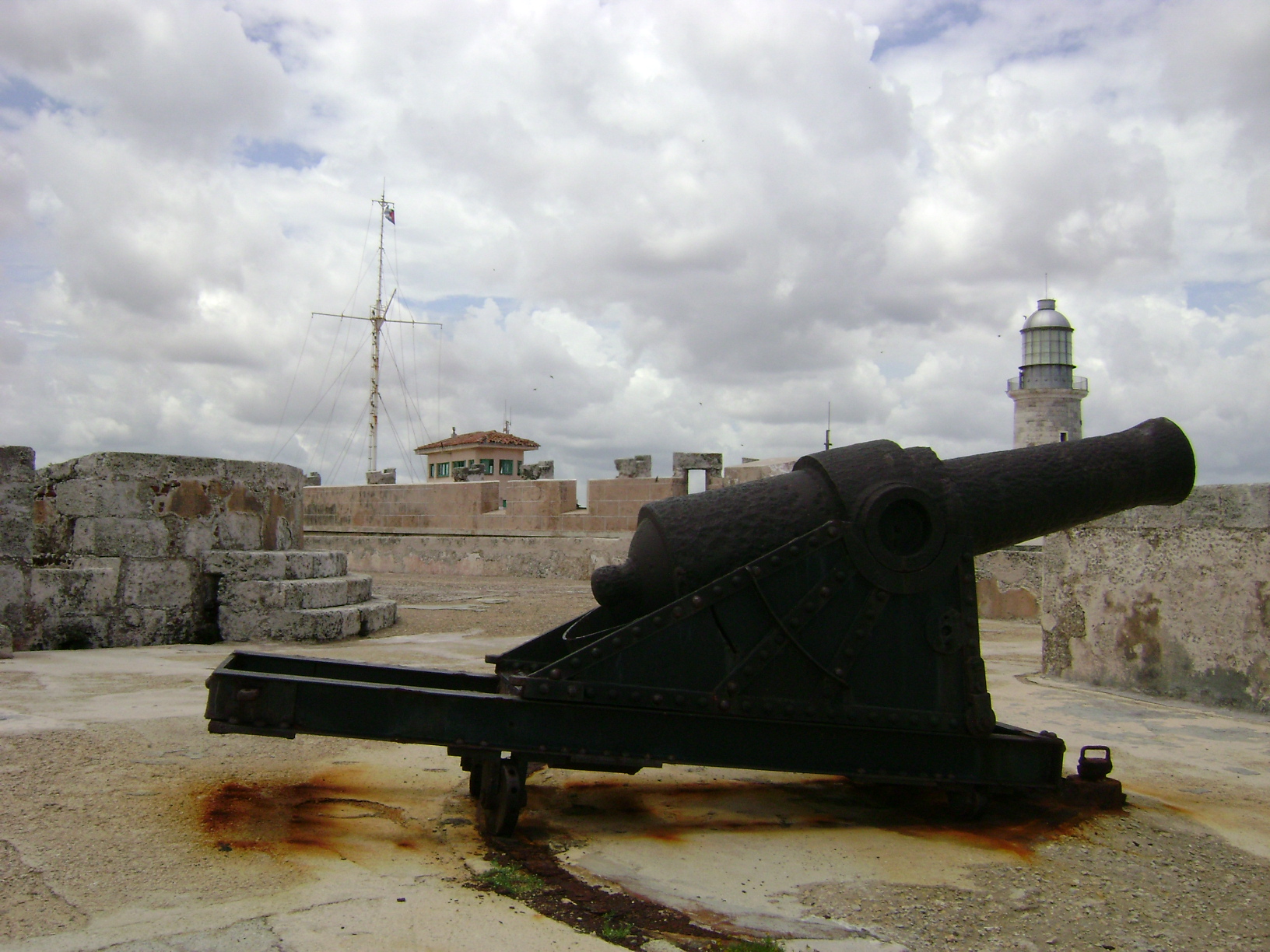
This ceremony, often performed by soldiers in period costume, is a living link to the history of the fortifications, re-enacting a moment from the daily rhythm of the old walled and defended city. The boom of the cannon echoing out over the bay at night is a stirring experience, connecting the modern spectator directly to the routines of the colonial past.
For visitors, attending this ceremony is one of the highlights of experiencing Havana’s forts. It brings the history vividly to life and offers a memorable evening spectacle against the backdrop of the floodlit fortifications and the lights of the city across the water. The nightly cannon is a wonderful example of how a living tradition can keep the past present in the life of a city.
The continuity of the nightly cannon ceremony across the centuries is remarkable, a thread of tradition running unbroken from the colonial era to the present day. It offers visitors not just a spectacle but a genuine connection to the daily life of the old fortified city, a moment when the modern crowd and the ghosts of the past seem to share in the same ancient ritual of the closing of the harbour.
Arriving early to secure a good vantage point for the ceremony, and lingering afterward to enjoy the floodlit fortifications and the views across to the city, makes for a perfect Havana evening. The combination of history, spectacle, and setting is hard to match, and the nightly cannon has rightly become one of the most cherished traditions and popular attractions of the Cuban capital.
Part of a World Heritage City
The outstanding importance of El Morro has been recognised internationally as part of the historic ensemble of Havana. In the early 1980s Old Havana and its system of fortifications were inscribed on the UNESCO World Heritage List, honouring the city as a remarkable example of Spanish colonial architecture and urbanism and recognising the historical importance of its role in the European settlement of the New World.
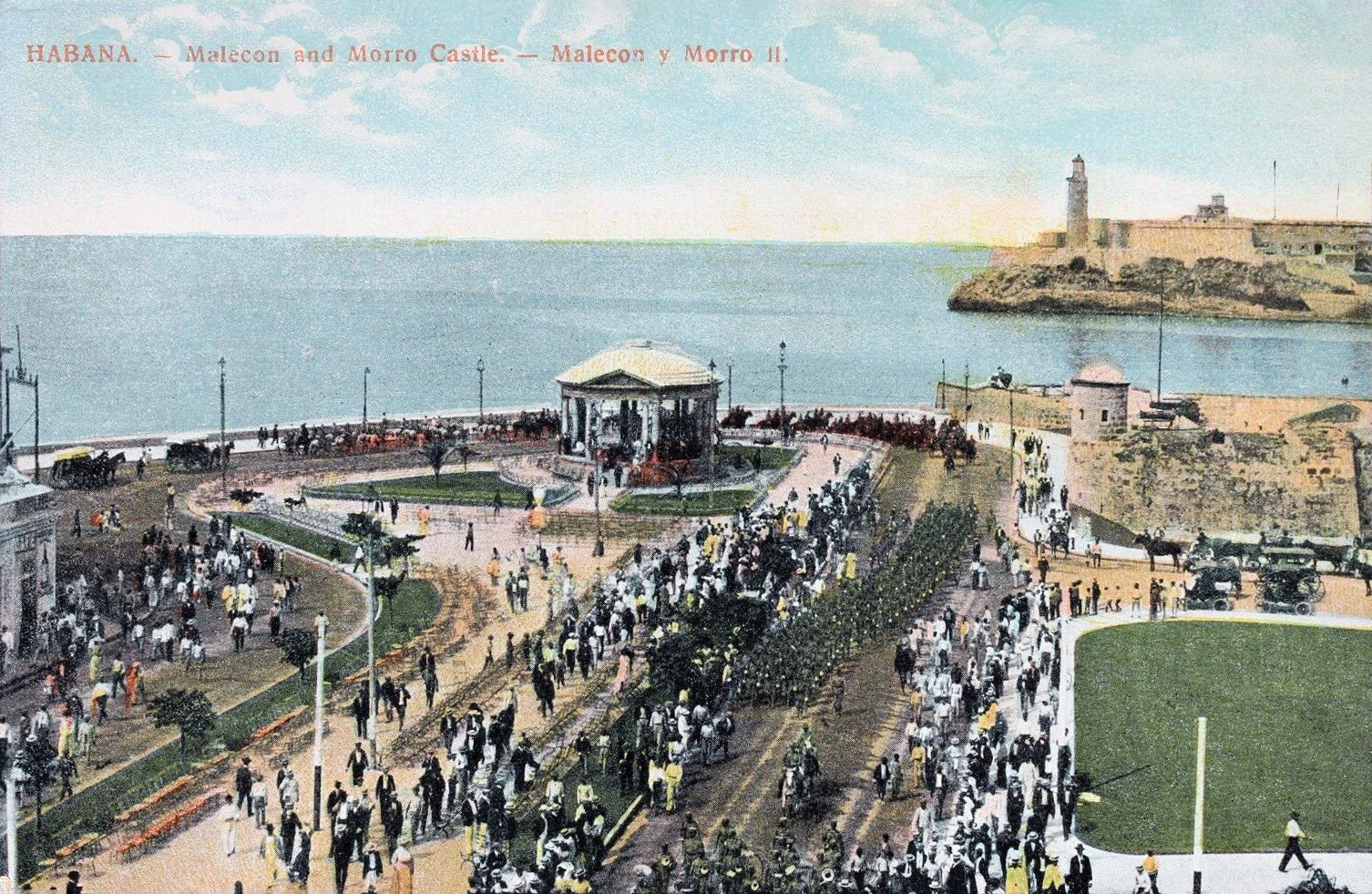
The listing embraces El Morro as one element in a whole magnificent defensive and urban ensemble, alongside the great fortress of La Cabaña, the fort on the opposite shore, the city walls, and the historic heart of Old Havana. Together these represent an exceptional record of how the Spanish fortified and organised one of the most important cities of their American empire.
For Cuba, the World Heritage status affirms the global significance of Havana’s heritage and the central place of El Morro within it. The fortress is not only a national symbol but a monument acknowledged as belonging to the shared history of humanity, and its recognition helps ensure that this guardian of the harbour will be preserved and celebrated for generations to come.
The recognition of Havana’s fortifications as part of a World Heritage site also underlines the responsibility to preserve them against the wear of time and the challenges facing the historic city. Conservation of these great structures is an ongoing effort, and the interest of visitors from around the world helps to sustain the work of keeping El Morro and its companions standing for the future.
Old Havana’s designation as a World Heritage site has helped drive efforts to restore and revitalise the historic city and its fortifications, and El Morro stands as one of the crown jewels of that heritage. Its enduring presence at the harbour mouth continues to define the character of the city, a link to the deep past that remains vividly alive in the Havana of today.
Visiting El Morro
El Morro stands across the harbour from Old Havana, reached through a tunnel under the bay or by boat, and a visit is one of the essential experiences of the Cuban capital. As you approach the fortress on its rocky promontory, with the lighthouse rising above the ancient walls and the sea stretching away beyond, you feel the drama and history of the place at once.
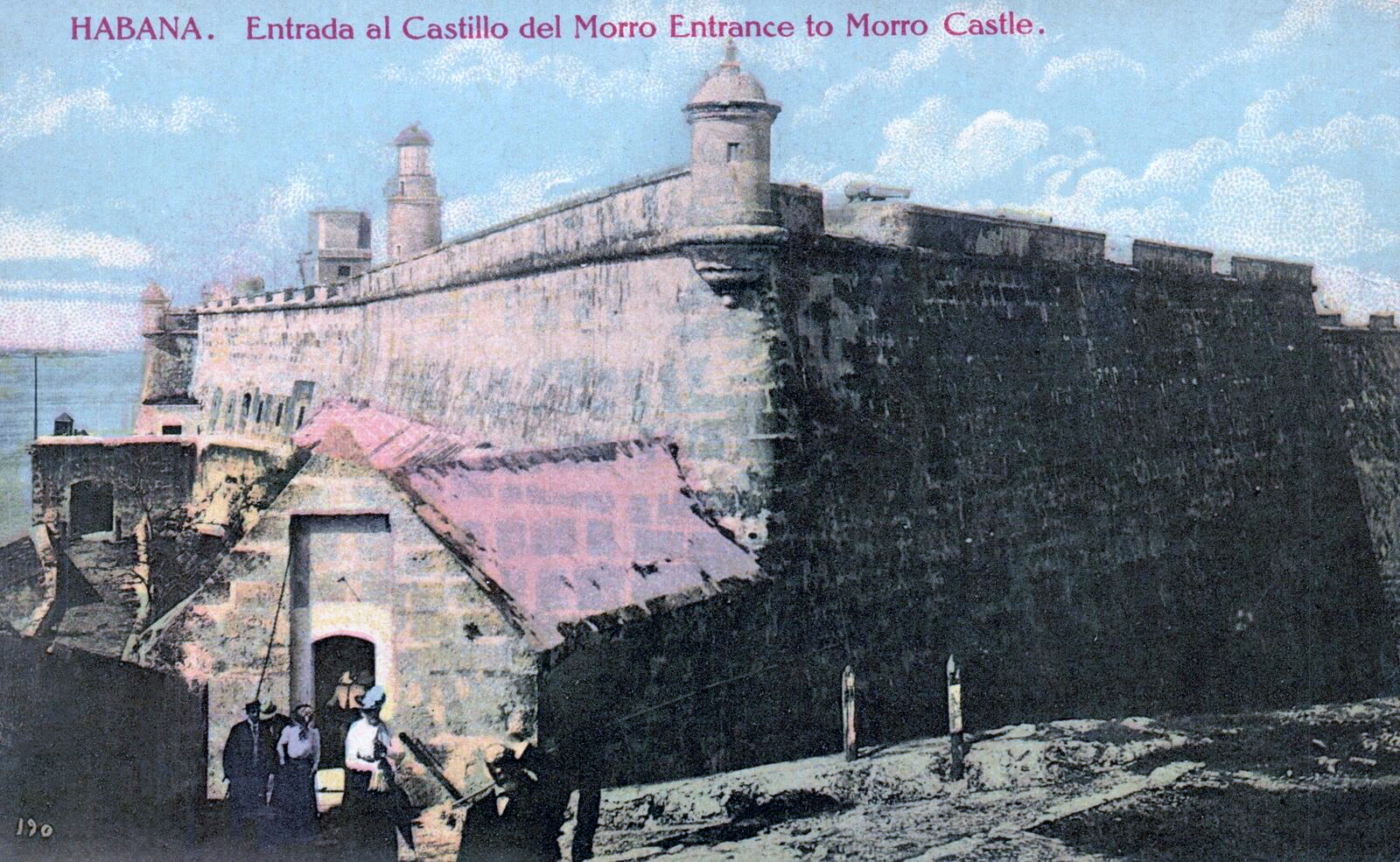
Inside, take time to explore the batteries, walk the ramparts, and climb toward the lighthouse for spectacular views across the water to the city and along the coast. The fortress rewards unhurried exploration, and from its walls you gain a vivid sense of how it commanded the harbour entrance and why it was so vital to the defence of Havana across the centuries.
View 23.1508, -82.3567 on Google Maps
Consider pairing your visit with the neighbouring fortress of La Cabaña, especially in the evening for the famous cannon ceremony, to experience the full sweep of Havana’s fortifications. Come ready for sun and sea air, and give yourself time to absorb the views and the history. El Morro offers an unforgettable encounter with the age of the Spanish Main and an unbeatable vantage point over one of the world’s most storied harbours.
Many visitors find that the most magical time to see El Morro is at dusk, when the setting sun gilds the old stone and the lighthouse begins its nightly vigil over the darkening bay. In that golden light, with the lights of Havana beginning to twinkle across the water, the fortress reveals its full romantic beauty, and it is easy to understand why it holds such a cherished place in the heart of the city.
Do take the time to look back across the water at Old Havana from the fortress walls, for the view of the historic city from El Morro is one of the finest in Cuba. From this vantage point you see the port as its defenders saw it, the city they were sworn to protect spread out across the bay, and the whole purpose of the great fortress falls into place before your eyes.
Castles Nearby
You May Like
Kingston on Norfolk Island: The Beautiful Fortress of a Feared Penal Colony


2 thoughts on “Castillo del Morro: The Fortress That Guarded the Treasure Port of Havana”