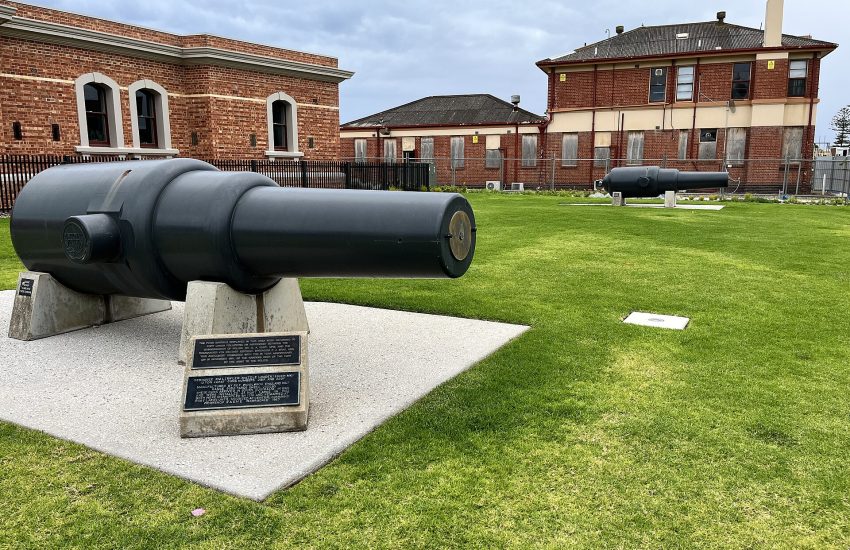
Far out in the South Pacific, midway between Australia, New Zealand, and New Caledonia, a small green island rises from the sea. On its southern shore, where gentle bays meet rolling pasture, stands one of the most beautiful and most haunting historic places in the whole region. This is Kingston, on Norfolk Island, a settlement of elegant Georgian buildings and grim prison ruins that together tell one of the darkest and most compelling stories in the history of the Pacific.
Kingston is not a castle in the medieval sense, but it is a fortified colonial settlement, guarded by a fort on the hill above and built to hold some of the most closely confined prisoners in the British Empire. Above the graceful houses and the crashing surf sit the remains of Fort George on Flagstaff Hill, and below them lie the walls of a penal establishment that earned a reputation as one of the most feared places of punishment ever created.
The settlement carries layer upon layer of history, from the Polynesians who reached this remote island long before any European, through two separate periods of convict imprisonment, to the arrival of a community descended from the mutineers of a famous ship. Few places anywhere hold so much history in so small and lovely a compass, and fewer still combine such beauty with such a weight of human suffering.
In the pages ahead you will explore this extraordinary place, from the fort that guarded it and the penal settlements it housed, through the grand buildings and grim ruins that survive, to its recognition as a site of world heritage and its life today. Kingston on Norfolk Island is a fitting final stop on a journey through the fortresses of the world, a place where the story of empire, punishment, and endurance is written into a landscape of rare beauty.
In This Article
- A Settlement by the Sea
- The First to Find the Island
- The First Convict Settlement
- A Place of Extreme Punishment
- The Fort on Flagstaff Hill
- The Soldiers Who Held the Settlement
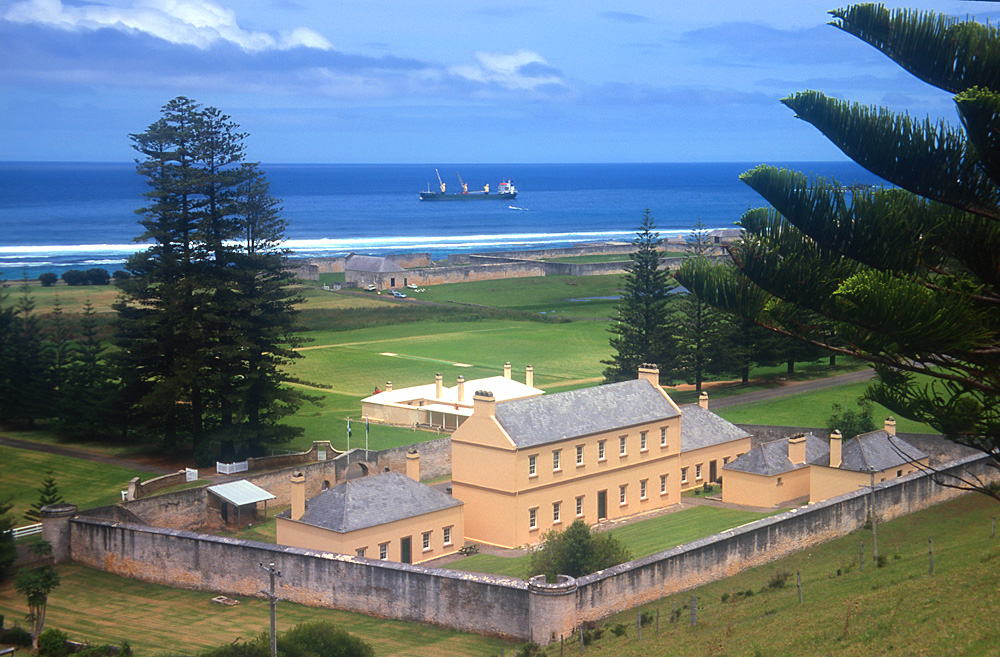
- The Elegant Houses of Quality Row
- The Ruins of the Prison
- Built by Convict Hands
- A Landscape Shaped for Confinement
- The Arrival of the Pitcairn Islanders
- A Site of World Heritage
- Walking Through Kingston Today
A Settlement by the Sea
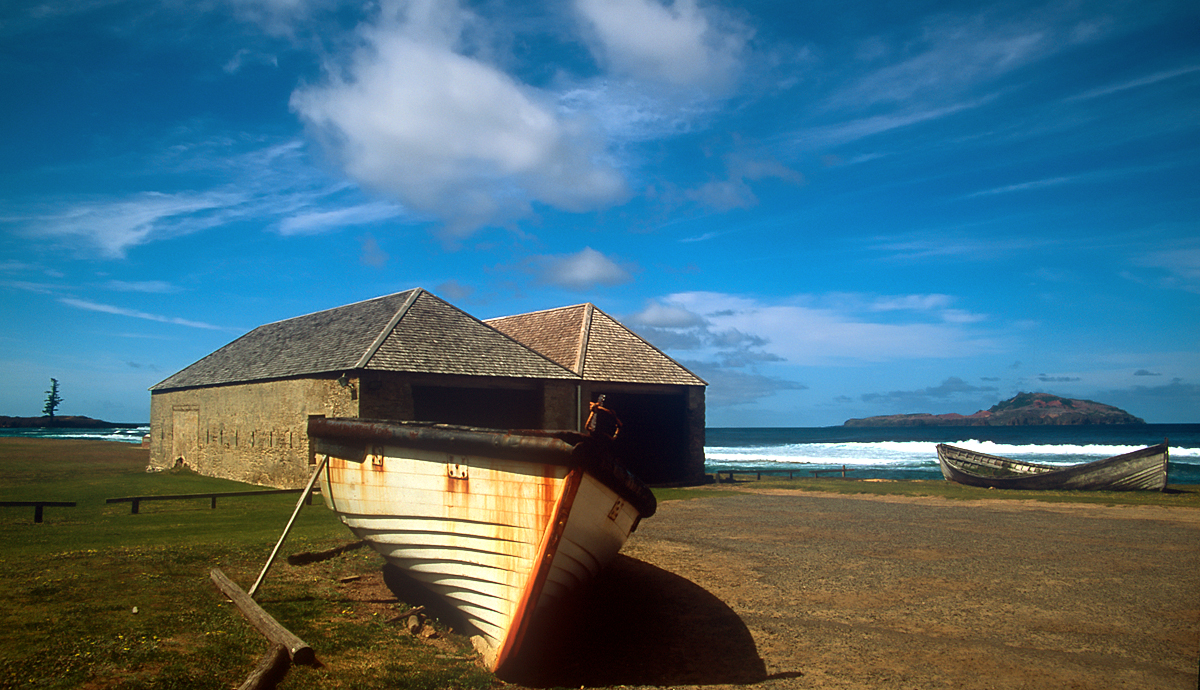
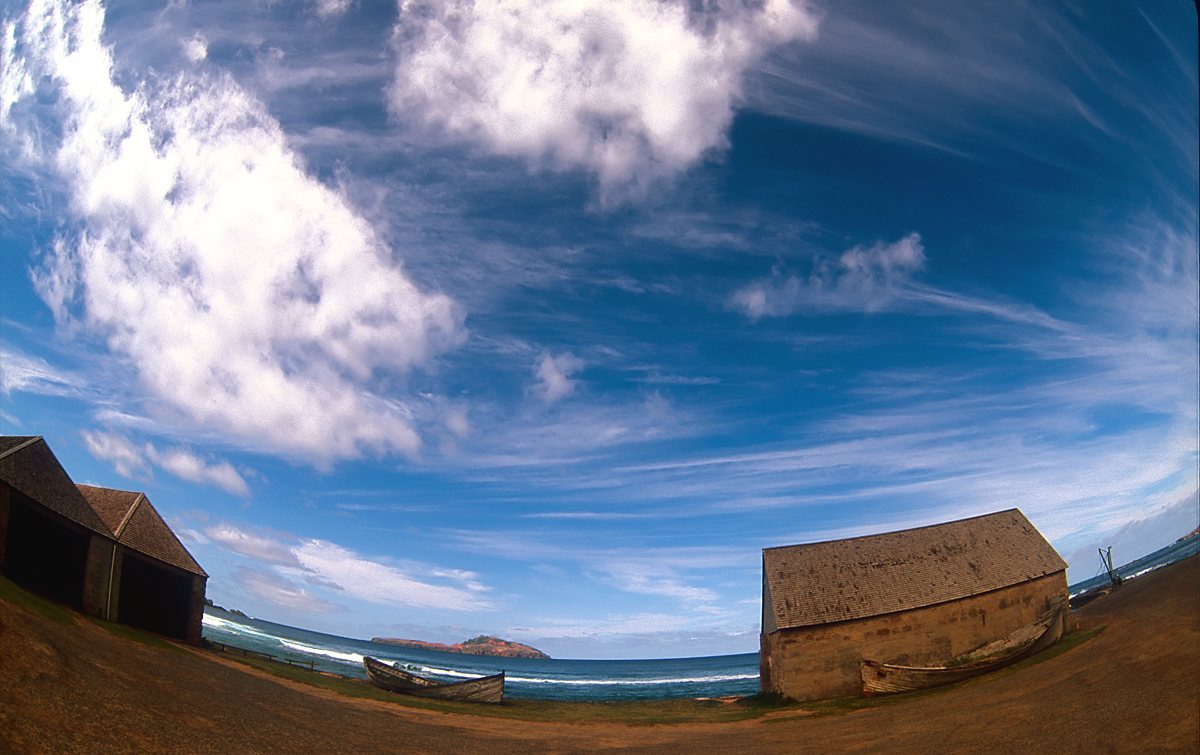
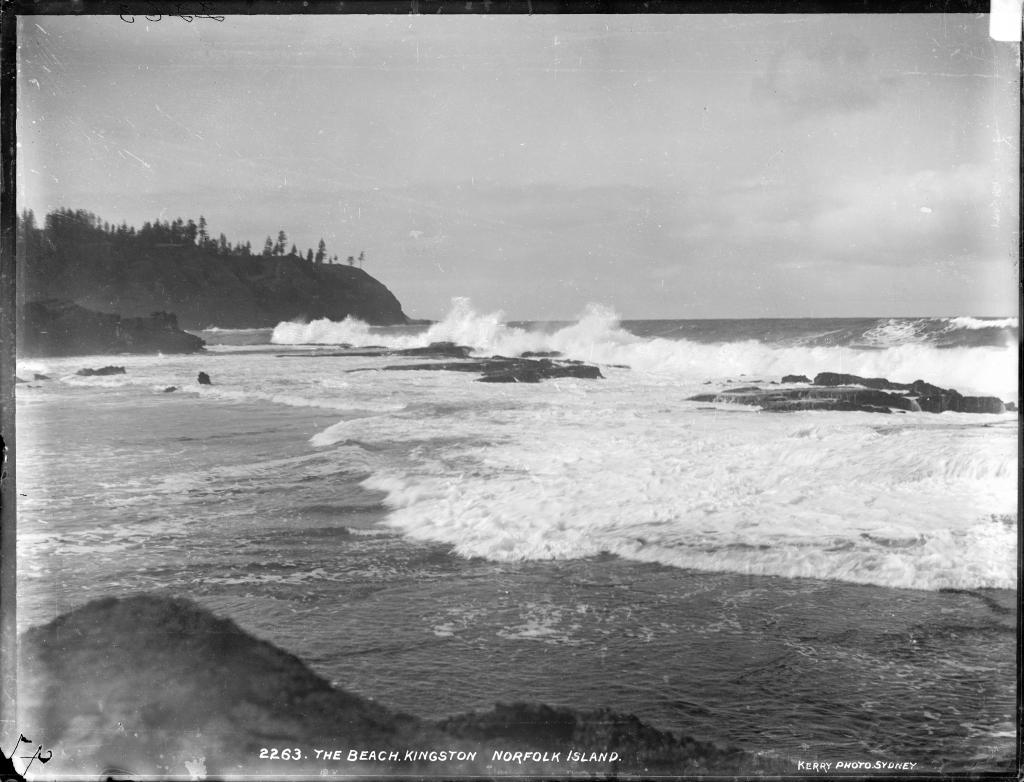
Kingston lies on the southern coast of Norfolk Island, on a low, fertile shore where two bays open to the sea and green hills rise gently behind. It is a place of real beauty, with the surf breaking over an offshore reef, the tall Norfolk pines standing against the sky, and the elegant stone buildings of the old settlement spread across the coastal flat. The setting could hardly be more idyllic, which makes the darkness of its history all the more striking.
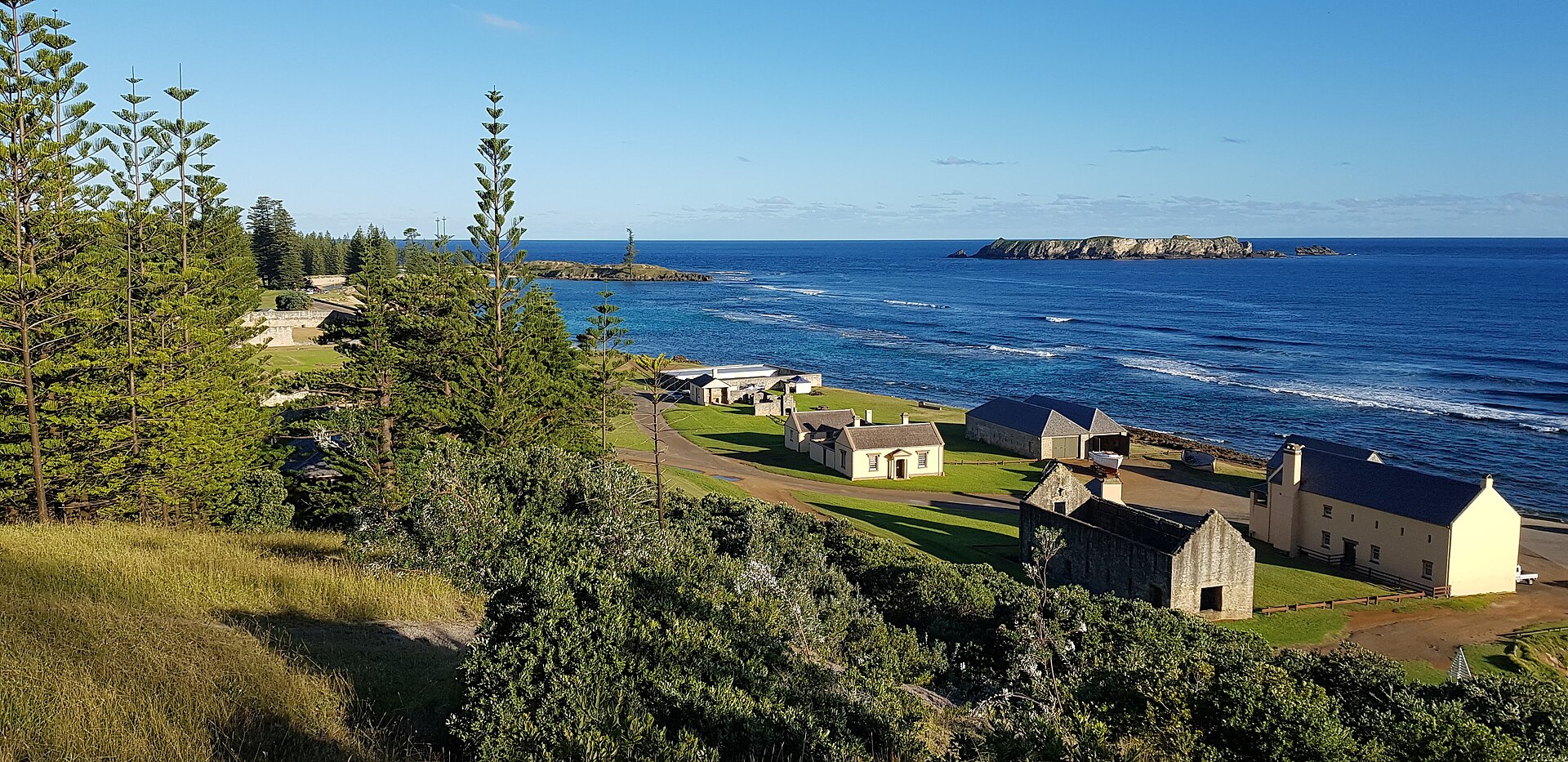
The island itself is small and remote, a speck of land in the vast Pacific, hundreds of miles from anywhere. This very isolation is central to its story, for it was the island’s distance and inaccessibility that made it so useful as a place of imprisonment, a natural prison from which escape was all but impossible. The beauty of the setting and the harshness of its use are bound together in the island’s past.
Kingston grew up on this shore because it offered the best landing place and the most workable ground on an island otherwise ringed by cliffs. Here the settlement’s buildings were raised, its fields cultivated, and its prisoners confined, all on the narrow coastal flat between the hills and the sea. The geography shaped the settlement as surely as it shaped the island’s fate as a place of punishment.
To arrive at Kingston today is to be struck first by the loveliness of the place, the bays, the pines, the dignified old buildings, and only then to absorb the weight of what happened here. That tension, between the beauty of the setting and the suffering it witnessed, is the essence of Kingston, and it gives the place an atmosphere unlike almost anywhere else.
It is worth dwelling on this contrast, because it is central to how Kingston affects those who visit. A place of such natural loveliness, chosen deliberately as a site of severe punishment, forces a kind of double vision, an awareness that the same shore could be at once a paradise to the eye and a prison to those confined upon it. That doubleness runs through the whole of Kingston’s history and gives it much of its haunting power.
The First to Find the Island
Though Norfolk Island was uninhabited when Europeans arrived, it had not always been empty. Long before, Polynesian voyagers had reached this remote island, part of the extraordinary seafaring expansion that carried people across the vast distances of the Pacific to settle even its most isolated specks of land. They left traces of their presence, evidence that human beings had found and used the island centuries before the first European ships appeared.
This Polynesian chapter is a reminder of the remarkable achievements of Pacific navigation, which reached islands scattered across an ocean covering a third of the globe. That voyagers found their way to a tiny, remote island like Norfolk speaks to the skill and daring of the peoples who explored and settled the Pacific, long before Europeans ventured into these waters.
For reasons not fully understood, this early Polynesian presence did not endure, and the island was empty of people when it was charted by European explorers in the later eighteenth century. But the traces they left form the first layer in the island’s long human history, a reminder that its story did not begin with the arrival of the British.
Acknowledging this deep history matters to any full account of Kingston and Norfolk Island. The settlement that Europeans built, and the fort that guarded it, rose on an island that had already known human footsteps centuries earlier, and the Polynesian chapter forms the foundation of the layered history that makes the place so remarkable.
The gap between the Polynesian presence and the European arrival also lends the island a certain mystery, a sense of a place used and then left before being found again. Whatever the reasons for the earlier departure, the island’s deep past sets the stage for everything that followed, a reminder that the human story of Norfolk did not begin with convicts and soldiers but reaches back into the great age of Pacific voyaging.
The First Convict Settlement
The European history of Kingston began almost at the very start of British settlement in this part of the world. When the first fleet of convicts and settlers arrived to establish a colony in Australia, a party was sent onward to Norfolk Island as well, drawn by the island’s tall pines and flax, which were hoped to supply timber and cloth for the young colony. Thus Kingston became one of the earliest European settlements in the Pacific.
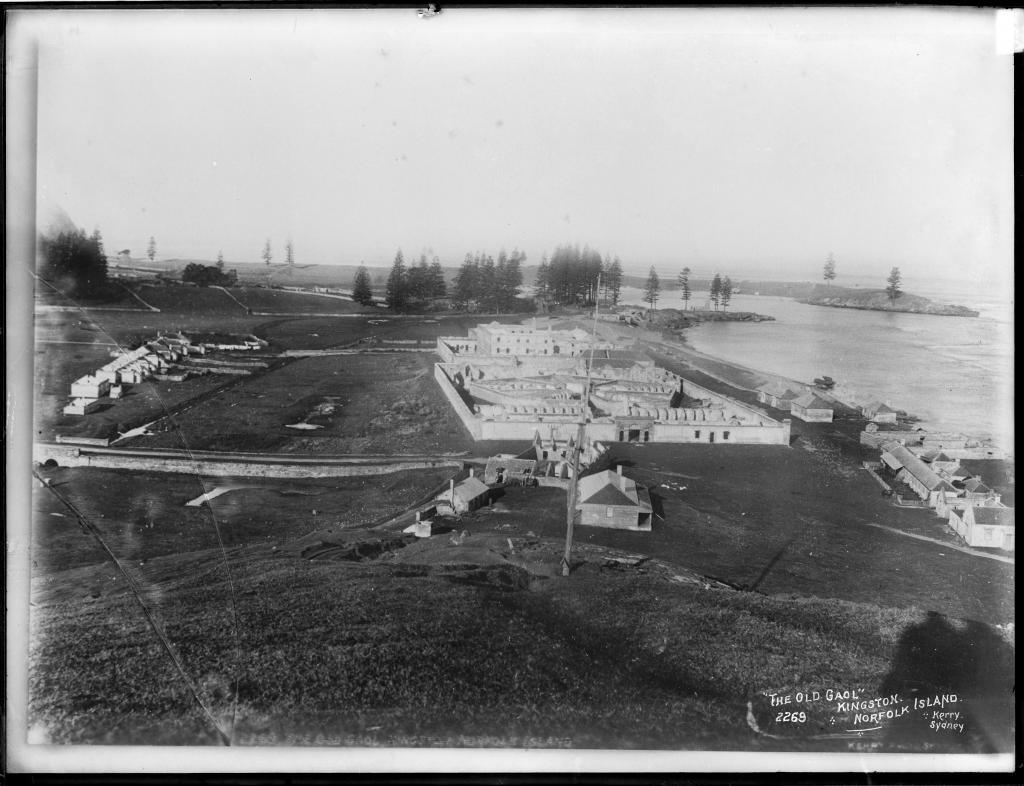
This first settlement was not solely a place of punishment but a genuine colony, with convicts, soldiers, and free settlers working the land and building the beginnings of a community. For a time the island was cultivated and developed, its fields worked and its little town established on the shore at Kingston. The hopes for the island’s pines and flax, however, were largely disappointed.
In time the difficulties of maintaining so remote a settlement, and the failure of its intended industries, led the authorities to abandon the island. The first settlement was wound down and its people removed, and for a period the island was left empty once more, its buildings decaying and its fields returning to wilderness. The first European chapter of Kingston had come to a close.
Yet this early settlement established Kingston as the centre of European activity on the island, the place where people landed, lived, and built. When the island was later reoccupied, it was here at Kingston that the new settlement would rise, on the same shore that the first colonists had chosen. The pattern of the island’s history was already being set in these earliest years.
The failure of the island’s first industries and the difficulty of its supply also foreshadowed a theme that would recur throughout its history, the challenge of sustaining any settlement on so isolated a speck of land. Distance was both the island’s curse and, later, its cruel usefulness, and the hardships of the first settlement were an early lesson in the realities of life so far from anywhere.
A Place of Extreme Punishment
It is the second period of settlement that gave Kingston its dark and enduring reputation. Some years after the first settlement was abandoned, the island was reoccupied, this time expressly as a place of secondary punishment, a prison for convicts who had committed further offences after their transportation. Norfolk Island was chosen precisely because of its remoteness, to be a place of the harshest discipline.
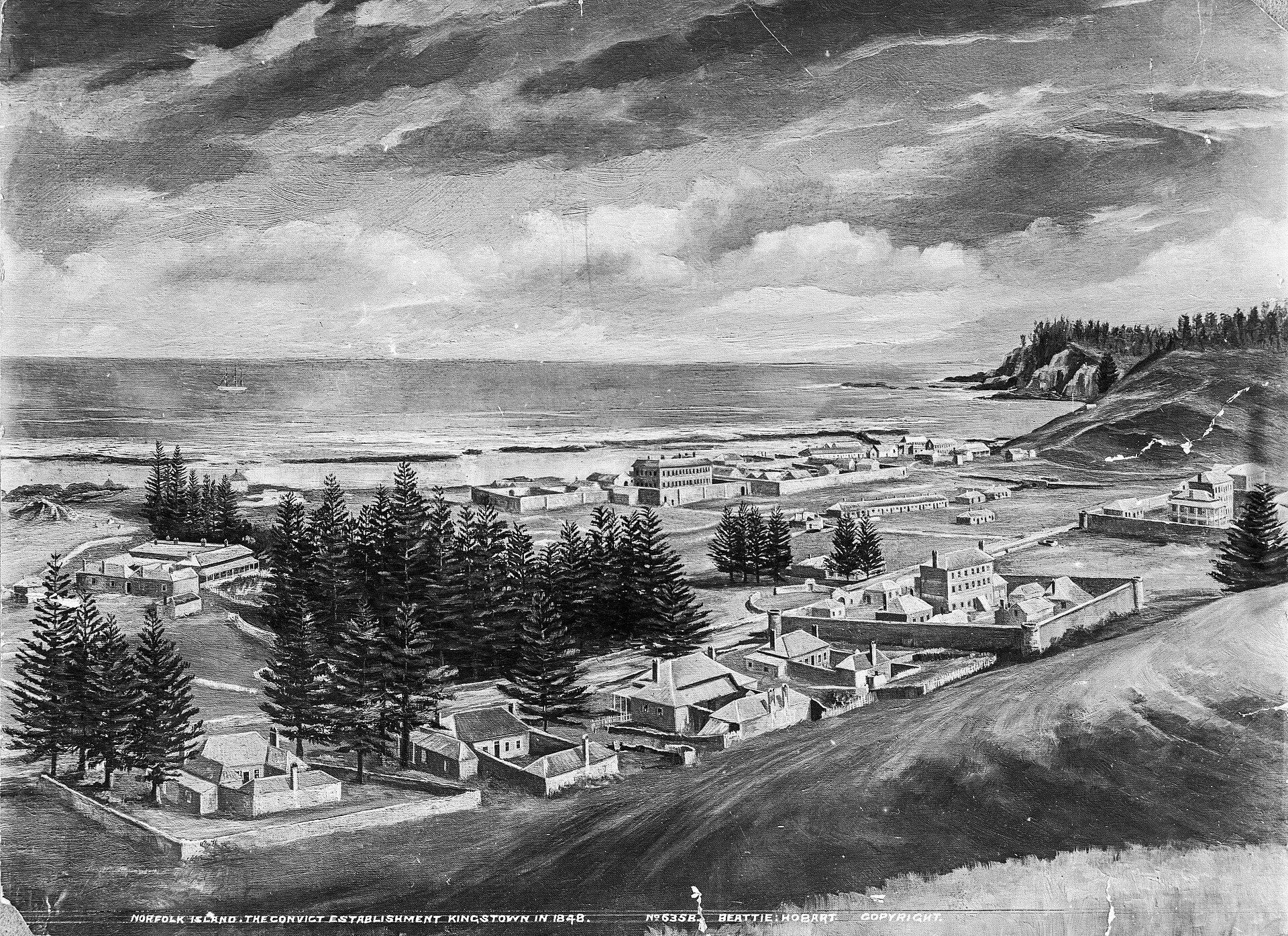
The regime established here became notorious for its severity. This was a settlement designed to punish and to deter, and the treatment of the convicts held here was among the most brutal in the whole system of transportation. The island’s very name became a byword for suffering, a place spoken of with dread by convicts throughout the Australian colonies, a destination feared above almost any other.
Life for the prisoners confined at Kingston in this period was one of hard labour, strict discipline, and often cruel punishment. The settlement was run on principles of unrelenting harshness, and the stories that came out of it, of the treatment endured by the convicts, contributed to a growing unease about the whole system of secondary punishment and its extremes.
This second settlement is the heart of Kingston’s grim fame, the reason the place is remembered as one of the most feared penal stations ever created. The elegant buildings and the beautiful setting stand in stark and disturbing contrast to the suffering that took place here, and it is this contrast that gives Kingston its unforgettable and sobering power.
The severity of the regime was, in a sense, the whole point of the place. Norfolk Island in this period was intended as the ultimate destination for the incorrigible, a threat held over the heads of convicts throughout the system, and its reputation was cultivated as a deterrent. That reputation was earned through real and terrible suffering, and it left a lasting mark on the memory of transportation.
The Fort on Flagstaff Hill
Above the settlement, on the height known as Flagstaff Hill, stood the fort that guarded Kingston. This fortification commanded the settlement and its approaches, giving the authorities a strong point from which to watch over the prisoners below and to defend the island against any threat from the sea. The fort was the military heart of the settlement, the guarantor of order and control.
From its commanding position, the fort overlooked the whole settlement, the bays, and the approaches to the island, an ideal vantage point for keeping watch. In a penal settlement where the prevention of escape and the maintenance of control were paramount, such a fortified height was of real importance, a place from which the soldiers could survey and dominate the ground below.
The fort also served the more conventional purpose of coastal defence, guarding the island against the possibility of attack or of an enemy attempting to free the prisoners. Though remote, the island was not beyond the reach of the wider conflicts and rivalries of the age, and a fortification commanding the landing place was a sensible precaution as well as a tool of internal control.
Today the remains of the fort on Flagstaff Hill offer one of the finest views over Kingston and its bays, a vantage point from which the whole layout of the settlement can be appreciated. Standing where the guns once looked down on the prisoners, you gain a powerful sense of how thoroughly the settlement was watched and controlled, the fort a silent reminder of the discipline that ruled this place.
The very existence of a fort above a prison settlement tells you much about how the place was run. This was a community organised around control and the prevention of escape, and the fort on the height was the ultimate expression of that principle, a watching presence that dominated the settlement and reminded everyone below of the power that held them there.
For the historian, the fort also marks the point where this settlement connects to the wider theme of these articles, the long human effort to command a place through fortification. Whether raised against a foreign fleet or against the prisoners within, forts express the same impulse to dominate ground, and at Kingston that impulse turned inward, the fortress guarding not against an outside enemy so much as against those confined below.
The Soldiers Who Held the Settlement
A penal settlement of this kind required a substantial military presence to maintain control, and Kingston was home to a garrison of soldiers whose barracks and quarters formed an important part of the settlement. These troops were the instrument of order, guarding the convicts, enforcing discipline, and standing ready to suppress any disturbance among the closely confined prisoners.
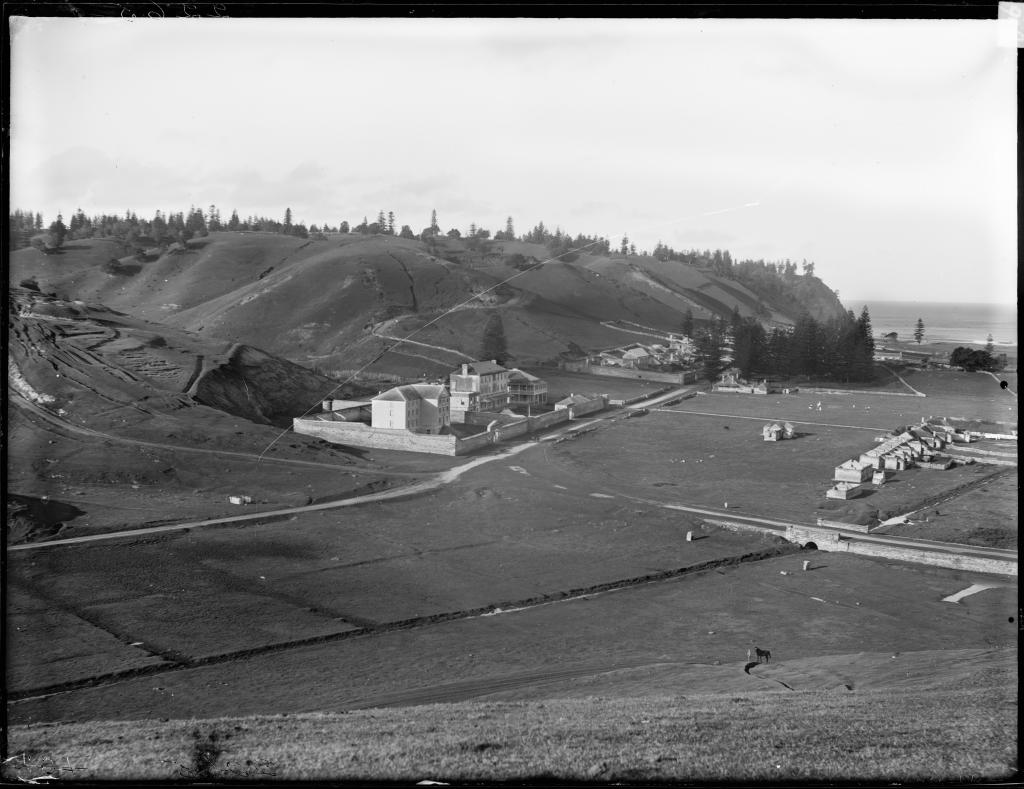
The military buildings of Kingston were substantial and well built, reflecting the seriousness with which the control of the settlement was regarded. The soldiers who lived and served here occupied a position quite different from that of the convicts, and the layout of the settlement, with its separate quarters for the military, the officers, and the prisoners, expressed the rigid hierarchy that governed every aspect of life.
Garrison duty on so remote an island, amid the harshness of a punishment station, must have been a demanding and often grim posting. The soldiers were far from home, charged with maintaining order in a place of suffering, their lives bound up with the running of one of the most feared institutions in the empire. Their presence was essential to the whole enterprise of the settlement.
The survival of the military buildings at Kingston helps visitors today to understand the settlement as a whole, not just as a prison but as a fortified establishment with its garrison, its hierarchy, and its machinery of control. The barracks and quarters stand alongside the prison ruins and the fort as parts of a single system, designed to hold and to dominate.
The relationship between the garrison and the convicts defined the daily life of the settlement, a constant tension between control and confinement that shaped everything that happened here. The soldiers were the visible face of the authority that ruled the island, and the buildings from which they operated were as essential to the working of the penal station as the cells that held the prisoners.
The Elegant Houses of Quality Row
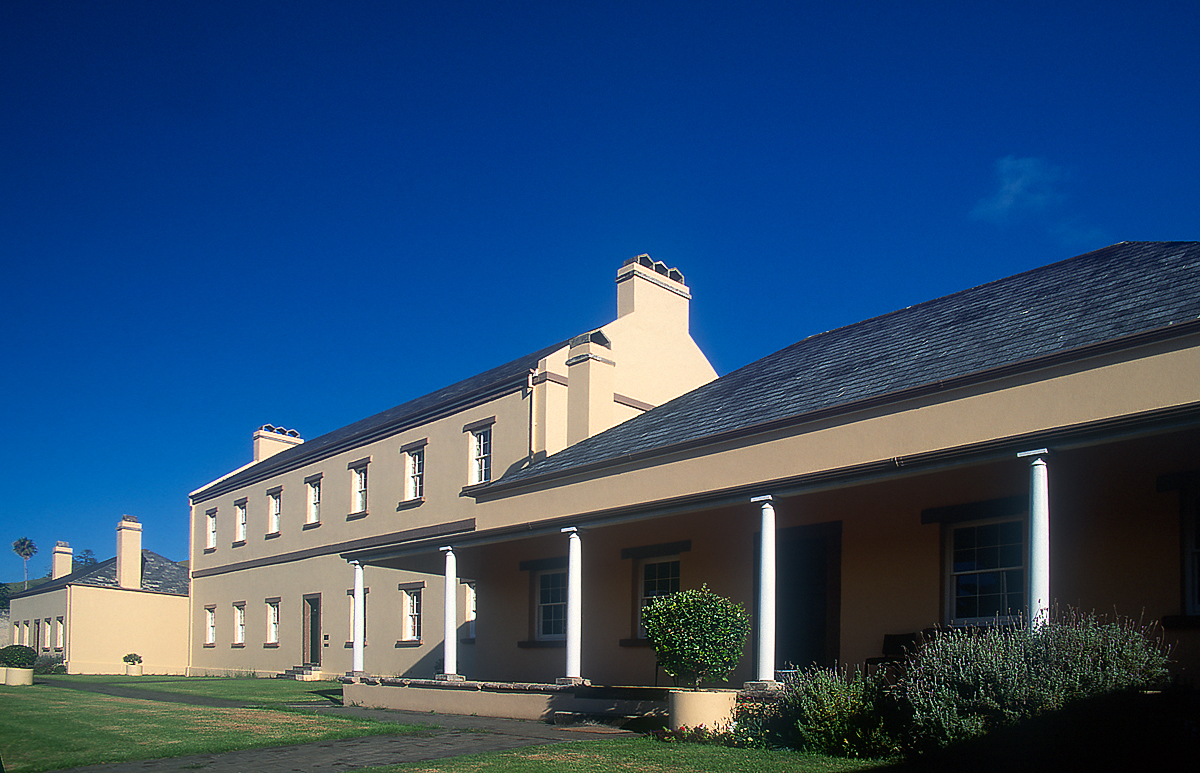
Among the most striking features of Kingston is a row of graceful Georgian houses, built to accommodate the officers and officials who ran the settlement. Known for its quality and elegance, this row of dignified stone residences presents a face of refinement and order quite at odds with the brutality of the prison it served, a startling juxtaposition that captures the contradictions of the place.
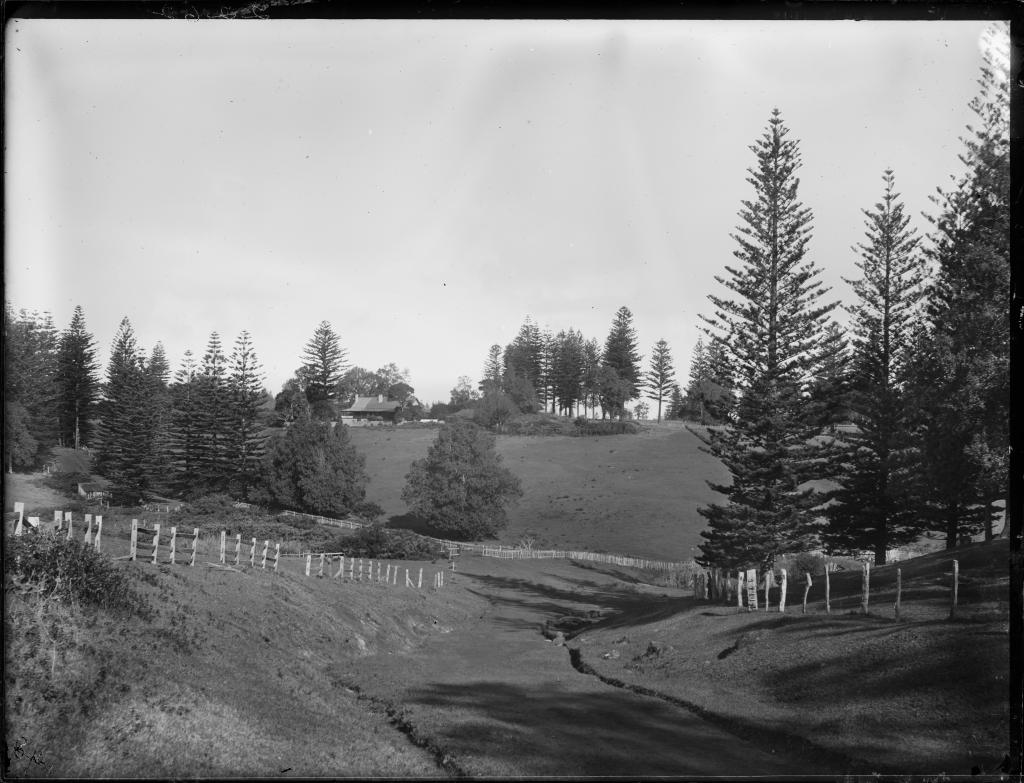
These houses were the homes of the settlement’s elite, the military officers and civil officials whose comfortable lives contrasted sharply with the misery of the convicts they governed. Well built and handsomely proportioned, they reflect the Georgian architectural taste of their age and the status of those who lived in them, a genteel world existing side by side with one of unrelenting harshness.
The contrast embodied in these buildings is one of the most thought-provoking aspects of Kingston. Here, within sight of the prison and its suffering, the officers of the settlement lived in elegance and order, their fine houses a symbol of the power and privilege that ran the whole grim establishment. The beauty of the architecture cannot be separated from the cruelty of the system it served.
Today these houses are among the best-preserved and most admired buildings at Kingston, a remarkable survival of colonial Georgian architecture in a remote Pacific setting. They lend the settlement much of its beauty and dignity, even as their history reminds visitors of the harsh realities that lay behind the elegant facades, a lesson in the complexities of the colonial past.
Walking along this row today, it is easy to forget for a moment the grim purpose of the settlement, so pleasant and dignified are the houses and their setting. That, perhaps, is exactly the point worth holding onto, for the elegance was real and so was the cruelty, and the two coexisted here as they so often did in the colonial world, the comfort of the few resting on the suffering of the many.
The Ruins of the Prison
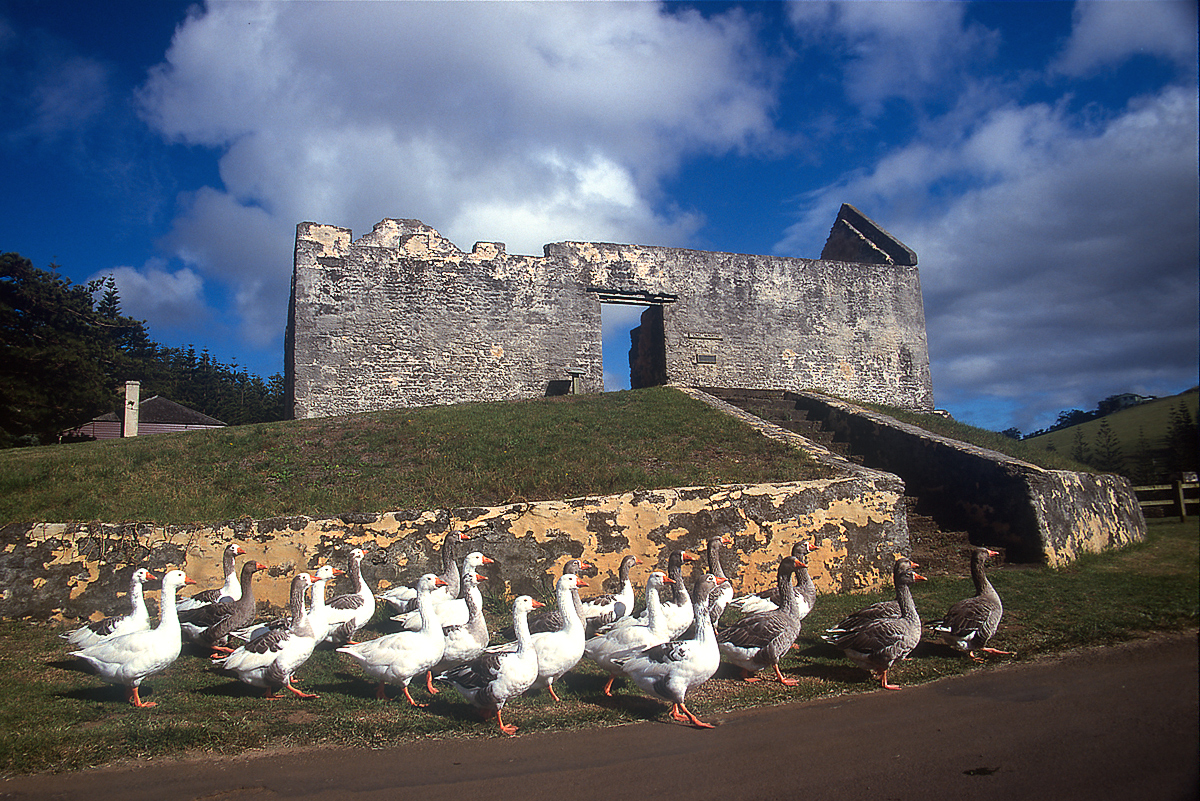
At the heart of Kingston stand the ruins of the prison itself, the walls and cells where the convicts were confined. These remains are the most sobering part of the settlement, the physical trace of the punishment for which the island became so infamous, and to walk among them is to come as close as one can to the grim reality of what happened here.
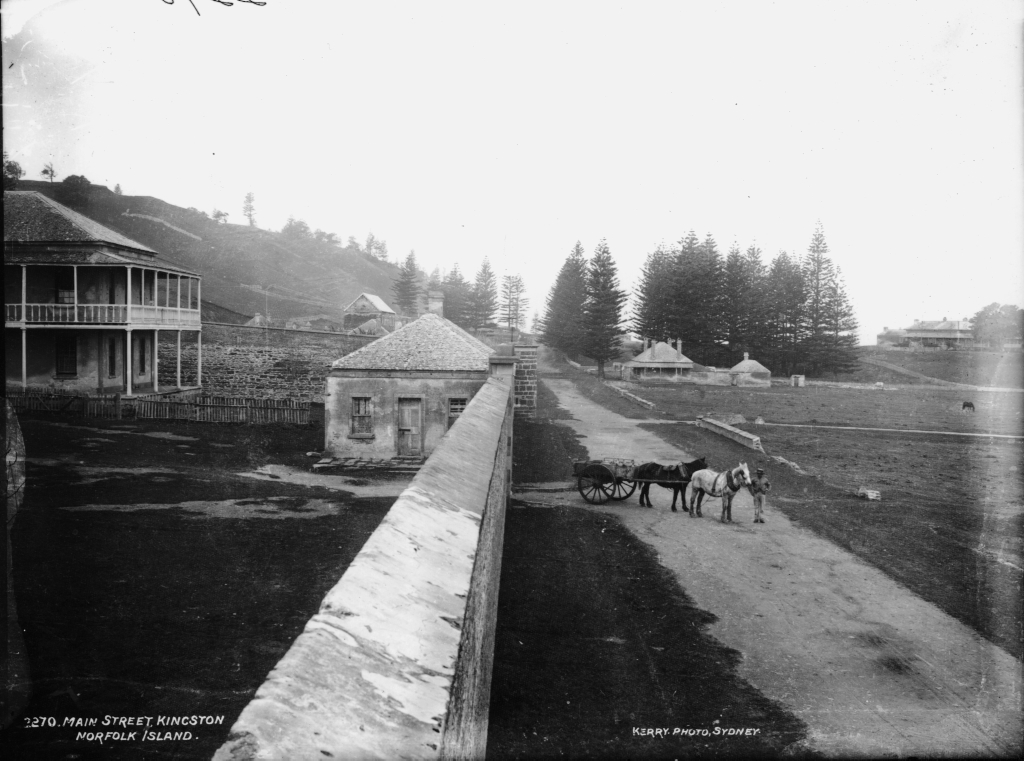
The prison was designed for the strict confinement and control of its inmates, and even in ruin its walls convey the harshness of the regime. The cells, the enclosures, and the surviving structures speak of a place built to break and to punish, and the atmosphere among the ruins is heavy with the memory of the suffering they witnessed.
Ruins have a particular power to move us, and those at Kingston are especially affecting because of the weight of history they carry. The roofless walls and empty cells, open now to the sky and the sea air, stand as a memorial to the many who endured imprisonment here, a tangible link to lives marked by hardship and despair.
These ruins are central to the meaning of Kingston, the dark heart around which the rest of the settlement is arranged. However beautiful the setting and however elegant the officers’ houses, it is the prison ruins that tell the essential truth of the place, and that ensure Kingston is remembered not merely as a lovely spot but as a site of profound human significance.
Standing among these ruins, many visitors find themselves moved to a quiet reflection on the human cost of the system that built them. The stones do not preach, but their silence carries its own weight, and the knowledge of what happened within these walls lends the ruins a solemnity that stays with those who walk among them long after they have left the island.
Built by Convict Hands
The buildings, walls, and works of Kingston were, in large part, the creation of convict labour, raised by the very prisoners the settlement was built to confine. From the pier where boats landed to the mills, stores, and houses of the settlement, the physical fabric of Kingston was shaped by the forced work of the convicts, a fact that gives every stone a double meaning.
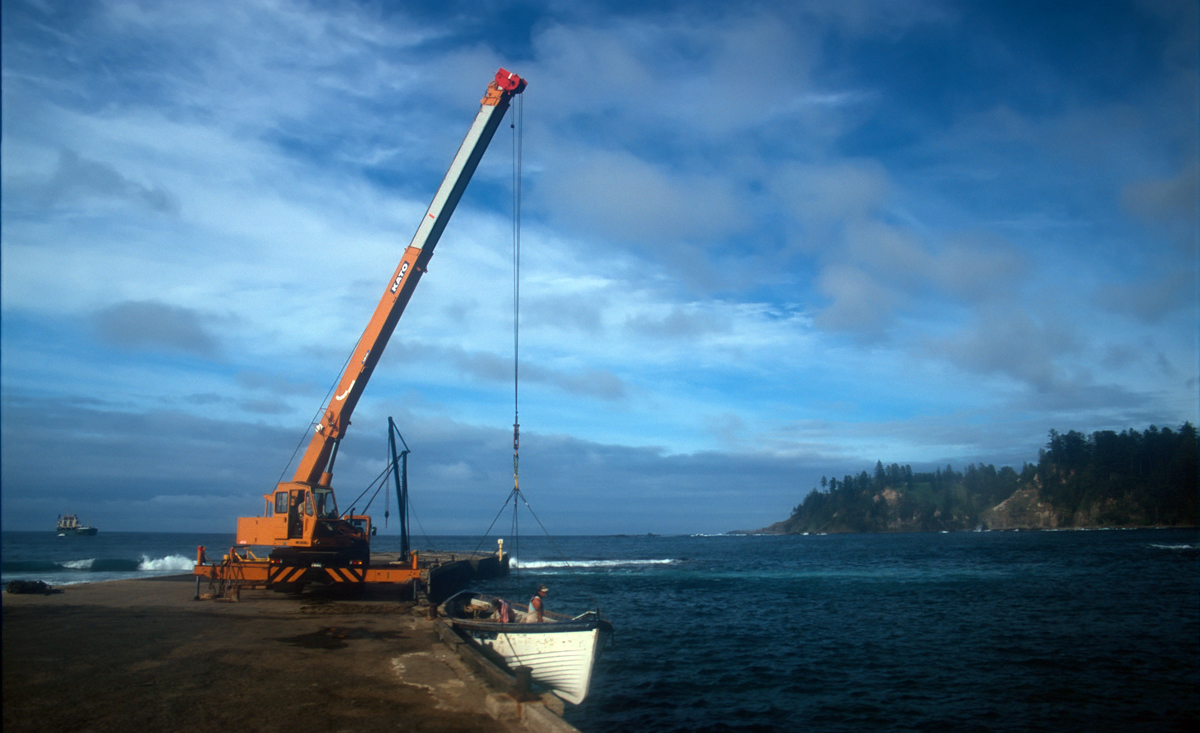
This labour was itself part of the punishment, hard and often gruelling work imposed as a matter of discipline. The convicts quarried stone, constructed buildings, worked the land, and laboured at the tasks the settlement required, their toil producing the very structures that we admire today. The elegance of Kingston was built on the backs of those it imprisoned.
The works they created were often substantial and skilfully made, evidence of the real craft and effort that went into the settlement despite the brutal conditions of its creation. That such fine buildings and solid works could be raised by convict labour speaks both to the skills of the prisoners and to the harshness of the regime that drove them.
To appreciate Kingston fully is to remember that its beauty was wrought by forced hands, that the graceful settlement we see was built through the suffering of those confined here. This knowledge deepens the significance of every structure, and it is part of what makes a visit to Kingston such a powerful and reflective experience.
There is a hard irony in the fact that the very beauty we admire at Kingston today was produced by coercion and suffering. The skill evident in the stonework and the dignity of the buildings were extracted from men under punishment, and to hold both truths at once, the beauty and the cruelty, is part of what it means to engage honestly with the history of this remarkable place.
A Landscape Shaped for Confinement
Beyond the prison and the barracks, Kingston is filled with the works of the convict era, the pier, the mills, the stores, the bridges, and the walls that together made the settlement function. This whole landscape was engineered to serve the needs of a penal station, to land supplies, to grind grain, to store goods, and to move people and materials under the watchful eye of the authorities.
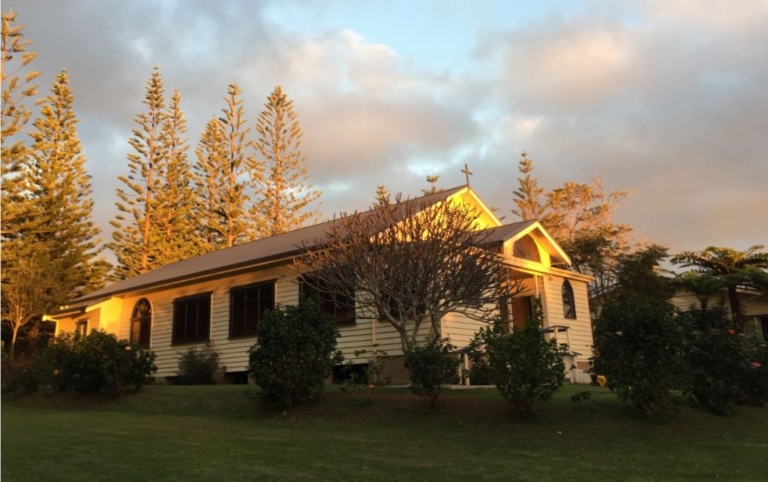
The pier where boats came ashore was a vital link to the outside world, the point through which everything and everyone entered and left the island. Nearby stood the mills and stores that kept the settlement supplied, worked by convict labour and central to the daily functioning of the community. These practical structures are as much a part of Kingston’s story as its more famous buildings.
Some of these convict-built works have gathered their own dark legends over the years, tales of cruelty and death attached to particular structures that speak to the grim reputation of the settlement. Whether wholly true or embellished by time, such stories reflect the atmosphere of a place where suffering was commonplace and where the memory of hard usage clings to the very stones.
Taken together, these works turn Kingston into a complete and legible landscape of the convict era, where every structure served a purpose in the running of the settlement. To walk among them is to read the workings of a penal station in the fabric of the land itself, a rare and vivid survival of the machinery by which such places were made to function.
The engineering skill embodied in some of these works is genuinely impressive, a reminder that among the convicts were craftsmen and labourers of real ability whose talents were harnessed to the settlement’s needs. The solidity of what they built has allowed so much of Kingston to survive, so that the landscape they shaped under duress endures as one of the most complete convict-era settlements anywhere.
The Arrival of the Pitcairn Islanders
After the penal settlement was finally closed, Kingston and Norfolk Island entered an entirely new chapter with the arrival of a remarkable community. The descendants of the mutineers of a famous ship, who had been living on the tiny and overcrowded Pitcairn Island, were resettled on Norfolk Island, given a fresh start on a larger and more fertile land far from where their ancestors had hidden.
These new settlers brought with them their own distinctive culture and history, a unique blend of British and Polynesian heritage born of the mutineers and their Tahitian companions. Their arrival transformed the island from a place of imprisonment into a home for a free and close-knit community, and their descendants remain central to the identity of Norfolk Island to this day.
The coming of the Pitcairn Islanders gave the old penal settlement a new and hopeful purpose, as families made their homes among the buildings that had once served the prison. The transition from a place of punishment to a place of settlement and community marked a profound change in the island’s fortunes, and a new layer in the deep history of Kingston.
This chapter is a vital part of the island’s story, and it explains much of the character of Norfolk Island today, with its distinctive community and heritage. The descendants of the Pitcairn settlers carry forward a unique culture, and their history is woven into the fabric of Kingston alongside the older stories of convicts and soldiers, adding yet another rich layer to the place.
The story of how this community came to be, descended from a mutiny that has fascinated the world for generations, adds a note of romance to Kingston’s otherwise sombre history. That such a singular people should have made their home among the ruins of a penal station is one more of the improbable turns that make the island’s history so endlessly compelling.
A Site of World Heritage
The outstanding significance of Kingston has been recognised at the highest international level, for it is inscribed on the World Heritage List as part of a group of Australian convict sites of exceptional importance. This recognition places Kingston among the most significant heritage places in the world, valued for what it reveals about the history of convict transportation and colonial punishment.
Kingston earned this recognition as one of a select group of sites that together tell the story of the vast system by which convicts were transported and punished across the British Empire. As one of the most remote and most feared of these places, Kingston occupies a special position in that story, a monument to the harshest extremes of the transportation system.
World heritage status brings both prestige and responsibility, marking Kingston as a place of value to all humanity and committing those who care for it to its protection and preservation. The recognition affirms that the settlement’s significance extends far beyond Norfolk Island, that its story belongs to the wider history of the world.
This standing helps ensure that Kingston will be preserved and its history shared, so that future generations can learn from what happened here. The settlement stands as a powerful witness to a difficult past, and its recognition as a site of world heritage secures its place as a monument to be studied, remembered, and honoured.
Being counted among these sites also places Kingston in dialogue with the other great convict places of Australia, part of a shared story told across many locations. Each site illuminates a different facet of the system, and Kingston’s particular contribution is its remoteness and severity, its role as the feared extreme to which the whole apparatus of transportation could reach.
Walking Through Kingston Today
To visit Kingston today is to walk through one of the most atmospheric historic places in the Pacific, a settlement where beauty and history are inseparably entwined. The elegant buildings, the prison ruins, the fort on the hill, and the lovely bays together form a landscape of extraordinary richness, rewarding both the casual visitor and the dedicated student of history.
Exploring the settlement, you can wander among the Georgian houses, stand within the walls of the prison ruins, and climb to the site of the fort for its commanding view over the whole scene. Each part of Kingston tells its own story, and together they build a picture of the settlement’s layered past, from its convict horrors to its later life as a home for a free community.
View the exact location on Google Maps
Many who come find that Kingston stays with them, its images returning long after the visit, the pines and the ruins and the surf mingling in the memory. It is not a place that can be experienced quickly or forgotten easily, and the reflective mood it induces is part of what makes it so rewarding, a site that engages the heart as much as the eye.
The setting itself is a large part of the experience, with the surf breaking on the reef, the pines standing tall, and the green hills rising behind. This beauty gives Kingston a poignancy that a grimmer setting could not, for the loveliness of the place makes the darkness of its history all the more affecting, and lends a visit a reflective and moving quality.
Standing at Kingston, with the fort above and the ruins below and the Pacific stretching away to the horizon, you reach a fitting final destination on a journey through the fortresses of the world. Here, on a remote and beautiful island, the story of empire, punishment, and endurance is written into stone and landscape, a place that holds the whole weight of its history and shares it with all who come to walk its ground.
Castles Nearby
If Kingston has drawn you into the fortified colonial history of the Pacific, two more of the region’s strongholds are worth exploring:
You May Like
Fort Taiaroa: The Vanishing Gun That Still Guards Otago Harbour