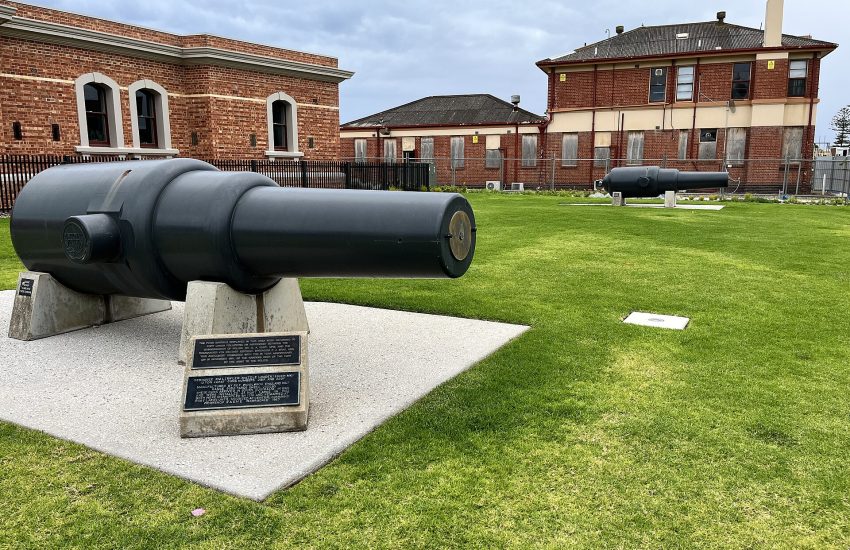
At the very tip of the Otago Peninsula, where the land narrows to a windswept headland above the entrance to Otago Harbour, sits one of the most remarkable survivals in the history of coastal defence. Taiaroa Head is famous today as the home of a great colony of royal albatross, but beneath the wheeling birds and the lighthouse lies Fort Taiaroa, and within it a weapon found nowhere else on earth in working order: a genuine Armstrong disappearing gun, still sitting in its original pit as it has for well over a century.
Fort Taiaroa is the guardian of Dunedin, built to defend the narrow entrance to the harbour that gives the city its access to the sea. Like so many fortifications of its age, it was raised in answer to the fear of a Russian attack that never came, and like so many it never fired a shot in anger. But unlike almost all of them, it retains its extraordinary centrepiece, a hidden gun that rises to fire and sinks away to reload, preserved as a unique window into Victorian military ingenuity.
What makes Taiaroa Head so special is the layering of its stories. This is a place of deep Māori significance, once the site of a pā, and a place of natural wonder, home to seabirds found in few other accessible spots in the world. Onto this remarkable headland was grafted a coastal fortress, and the result is a site where military history, Indigenous heritage, and rare wildlife all share the same dramatic promontory above the sea.
In the pages ahead you will explore this extraordinary place, from the harbour it was built to guard and the Russian scare that raised it, through the workings of its famous disappearing gun and its wider system of batteries, to its coexistence with the albatross and its life today as a cherished heritage site. Fort Taiaroa is a fortress like no other, and its headland holds more wonders than almost any other you could visit.
In This Article
- The Headland at the Harbour Mouth
- A Place of Deep Māori History
- The Fear of the Russian Fleet
- Carving a Fort Into the Headland
- The Gun That Vanishes
- How the Disappearing Gun Worked
- The Light on the Head
- A System of Guns and Batteries
- Called Back to Service
- The Fortress and the Albatross
- Exploring the Underground Fort
- A Site of International Significance
- Journey to the Tip of the Peninsula
The Headland at the Harbour Mouth
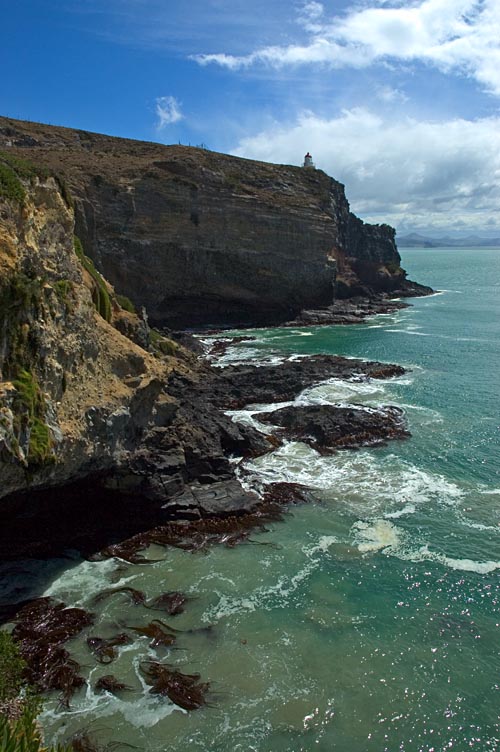
Taiaroa Head rises at the northern tip of the Otago Peninsula, a bold promontory standing guard over the narrow entrance to Otago Harbour. Beyond the head lies the open sea; within it lies the long, sheltered harbour that leads up to Dunedin, and the narrow channel between them is the only way in or out. Whoever controlled this headland controlled access to the harbour and the city it served.
This commanding geography is the whole reason the fort exists. A hostile vessel wishing to threaten Dunedin would have to pass close beneath the head, through the confined waters of the entrance, exactly where guns on the promontory could bring their fire to bear. The head was, in effect, a natural gatehouse, and it needed only to be armed to become a formidable barrier.
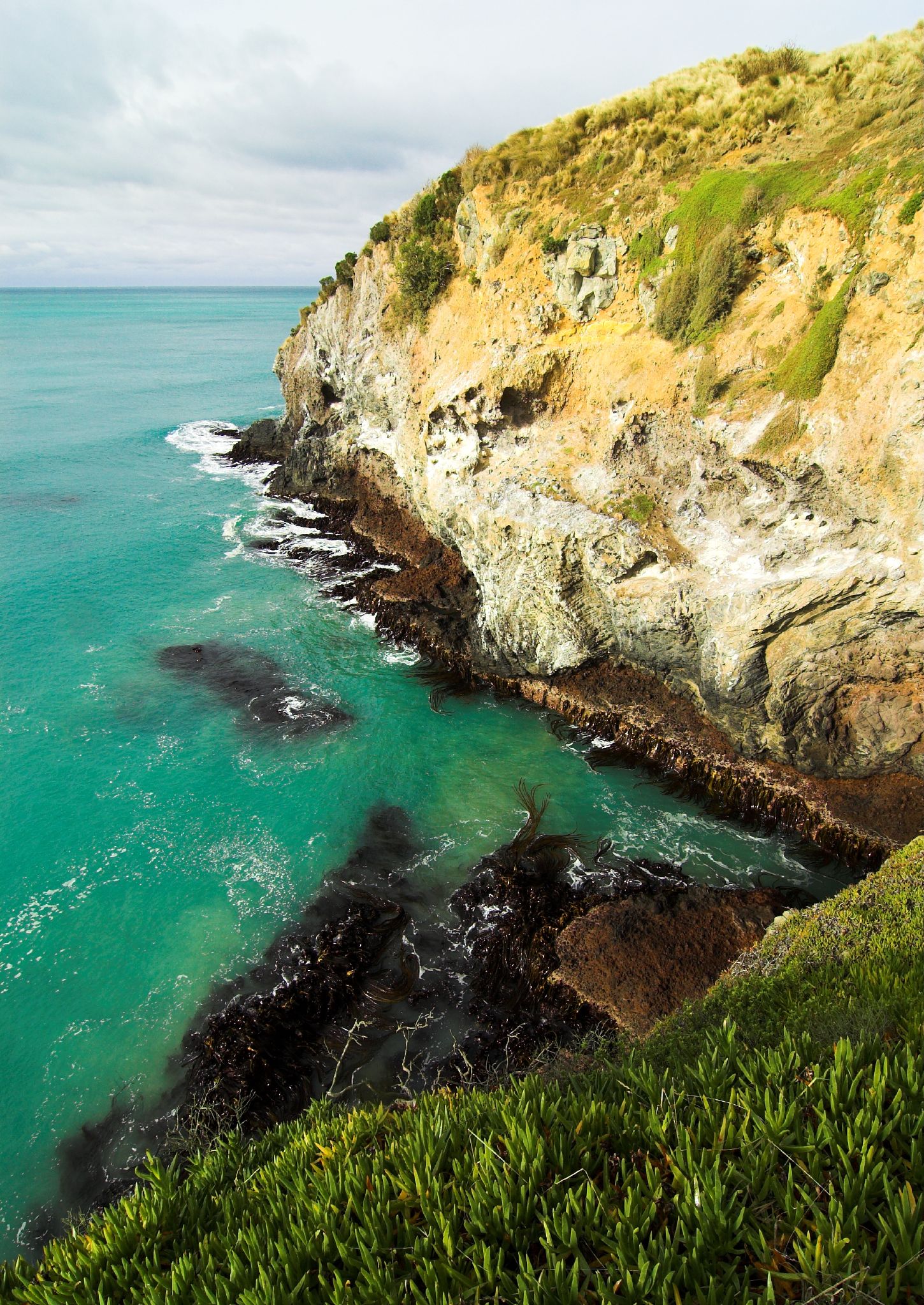
The headland is also a place of wild natural drama, its cliffs falling to the sea and the wind sweeping across it almost constantly. This exposed and rugged character, which makes it such a striking place to visit, also made it a superb defensive position, high above the water with clear views of the approaches and little cover for any attacker.
For all these reasons, Taiaroa Head was the obvious place to guard the entrance to Otago Harbour, and it was here that the colony chose to build its fort. The same qualities that make the head so memorable today, its height, its command of the channel, and its exposure to the elements, are precisely those that made it so valuable to the defenders of Dunedin.
It is worth pausing to picture the scene an enemy captain would have faced. To reach Dunedin, a warship had to commit itself to the narrow entrance, slowing and confining itself in exactly the waters most thoroughly covered by the guns above. There was no room to manoeuvre freely and no way to avoid the headland, which is precisely what made the position so strong and the fort upon it so effective a deterrent.
A Place of Deep Māori History
Long before any fort was built here, Taiaroa Head was a place of importance to Māori, who knew the headland as Pukekura. This was the site of a pā, a fortified settlement occupying the same commanding ground that would later attract the colonial military, and the head holds a deep significance in the history of the local people that far predates the arrival of Europeans.
The choice of this headland as a pā site reflects the same logic that would later make it a colonial fortress. Its height, its command of the harbour entrance, and its defensibility made it a natural stronghold, valued by Māori for generations as a place of security and significance on this stretch of coast. The military value of the head was recognised long before the first cannon was mounted upon it.
This deep history means that Taiaroa Head is not simply a colonial military site but a place layered with much older meaning. The headland carries the memory of the Māori who lived and built here, and any full understanding of the place must acknowledge that the fort was raised on ground already rich with human history and significance.
Recognising this earlier heritage is an important part of appreciating Taiaroa Head today. The albatross and the disappearing gun draw most visitors, but beneath them lies the story of Pukekura, a reminder that this dramatic headland has been valued and used by people for far longer than the century and a half of its life as a coastal fort.
The layering of a colonial fort onto an ancient pā site is a pattern seen at other headlands too, for the qualities that made a place defensible were recognised across cultures and centuries. At Taiaroa Head this continuity is especially striking, the same commanding ground serving as a stronghold for Māori and later for the colonial military, a testament to the enduring strategic logic of the promontory.
The Fear of the Russian Fleet
Fort Taiaroa was born of the anxiety that swept the Australasian colonies in the later nineteenth century, the fear that Imperial Russia might send warships to attack the ports of the British colonies. As tensions between Britain and Russia rose and fell, each crisis stirred fresh dread in distant places like Dunedin, which imagined a Russian cruiser appearing off the coast to bombard the town or hold it to ransom.
New Zealand, like the Australian colonies, felt keenly its distance from the protection of the mother country and its vulnerability to attack from the sea. Dunedin, made prosperous by the Otago gold rush, was a wealthy prize, and the thought of a hostile warship entering the harbour was alarming enough to prompt serious measures for the defence of its entrance.
The response was to fortify Taiaroa Head, turning the natural stronghold at the harbour mouth into an armed fortress capable of driving off any raider. The fort was a direct answer to the Russian scare, part of a wider effort to defend the colony’s ports against a threat that felt real and pressing even if it never actually materialised.
It is one of the recurring ironies of colonial coastal defence that so much effort went into guarding against an enemy who never came. No Russian warship ever appeared off Taiaroa Head, and the fort’s guns were never fired at an attacker. Yet the fear that built the fort was genuine, and Fort Taiaroa stands as a monument to the anxieties of a colony determined to defend itself.
These fears were part of a much wider pattern across the British colonies of the southern hemisphere, all of which fretted over their exposure to naval attack and all of which turned to coastal fortification for reassurance. Dunedin’s response at Taiaroa Head was its contribution to this broad defensive effort, a local answer to an anxiety that was felt from one end of the colonial world to the other.
Carving a Fort Into the Headland
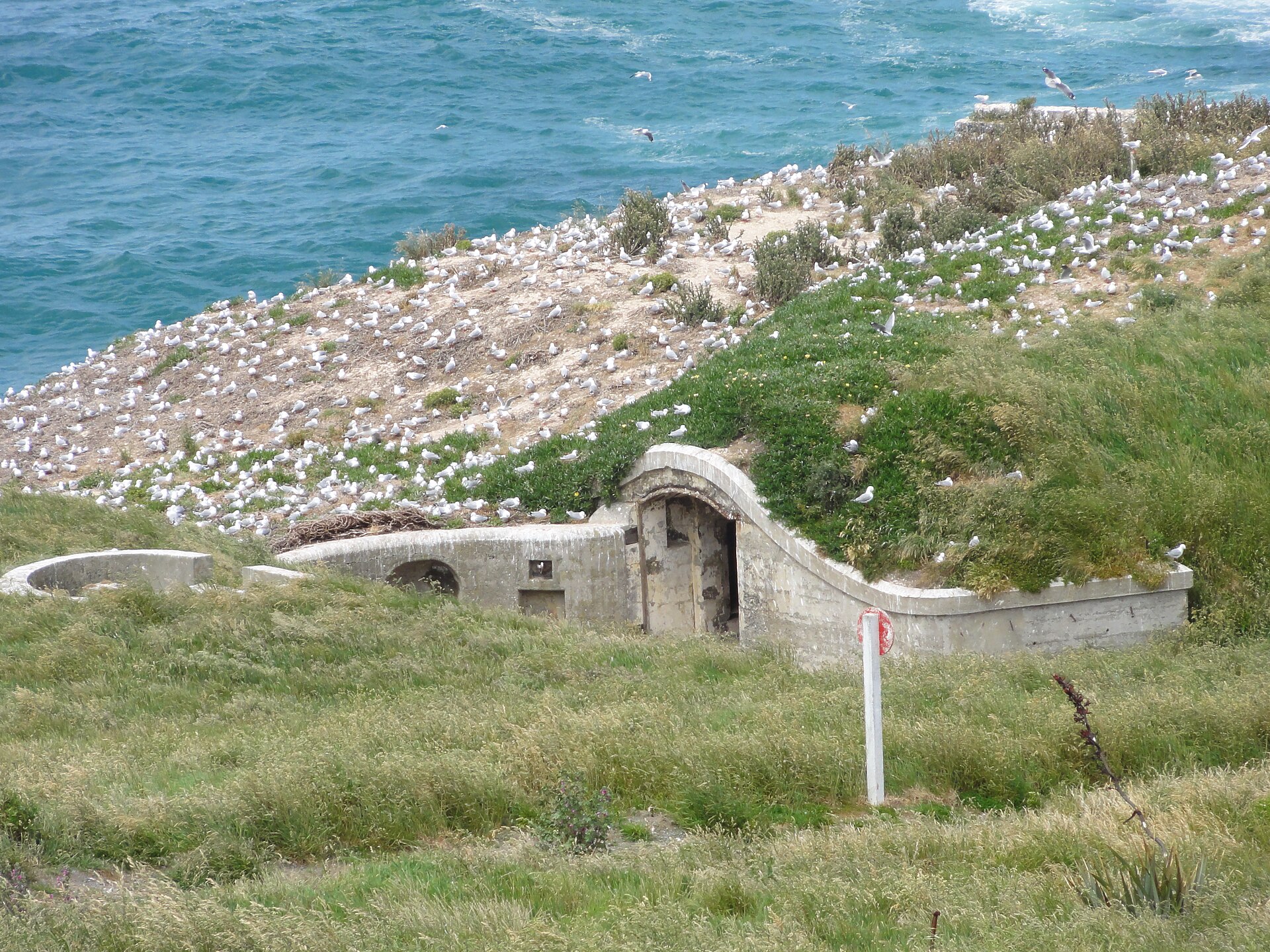
Turning the natural stronghold of Taiaroa Head into a working fortress took considerable effort, cutting emplacements, magazines, and passages into the rock and earth of the promontory. The builders had to contend with the exposed and difficult site, shaping the headland to accommodate the guns and the works that would serve them while making the most of its natural command of the harbour entrance.
The construction reflected the modern principles of coastal defence, favouring works that sat low and hard to hit, their strength concealed and their guns protected. Rather than raising tall walls that would present a target to an enemy, the engineers sank the fort into the head, using the earth and rock to shield the guns and their crews from any answering fire.
The centrepiece of the work was the pit and mounting for the disappearing gun, engineered to accommodate the ingenious mechanism that would let the weapon rise and fall. Around it were built the magazines, galleries, and observation posts needed to serve the gun and to watch the approaches, all cut into the fabric of the headland to form a compact and defensible whole.
When the work was complete, Taiaroa Head had been transformed from a natural strongpoint into a genuine fortress, its guns commanding the entrance to Otago Harbour and its works sunk securely into the promontory. The effort that went into carving the fort from the head is part of what makes its survival so remarkable, and what allows visitors today to experience a coastal fortress preserved in its dramatic setting.
The exposed and often harsh conditions of the headland added to the challenge of construction, as the builders worked in a place swept by wind and weather above the sea. That the fort was completed and equipped in such a setting speaks to the determination behind the project, and the durability of the works they created is shown by how much of the fort survives to be explored today.
The Gun That Vanishes
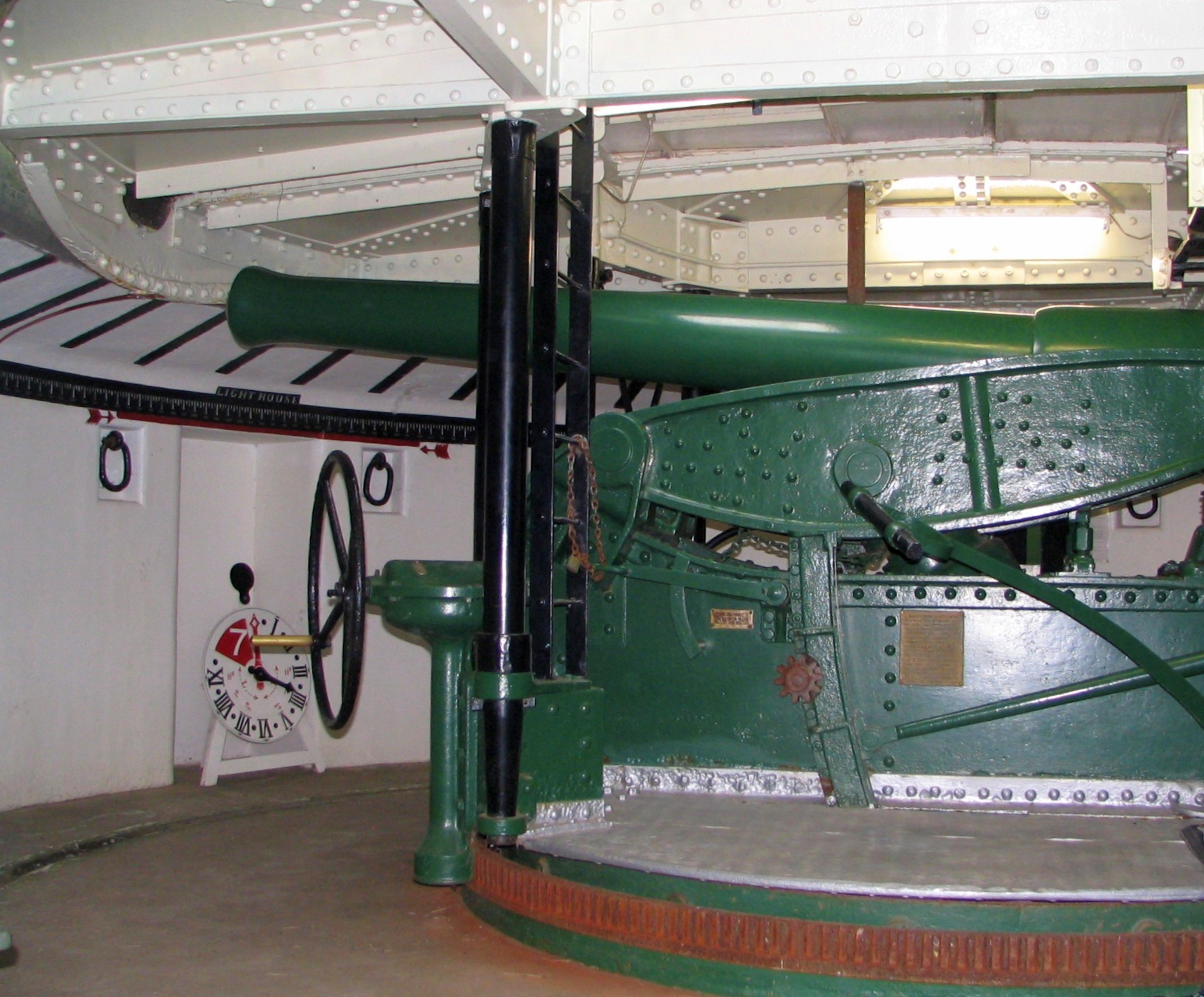
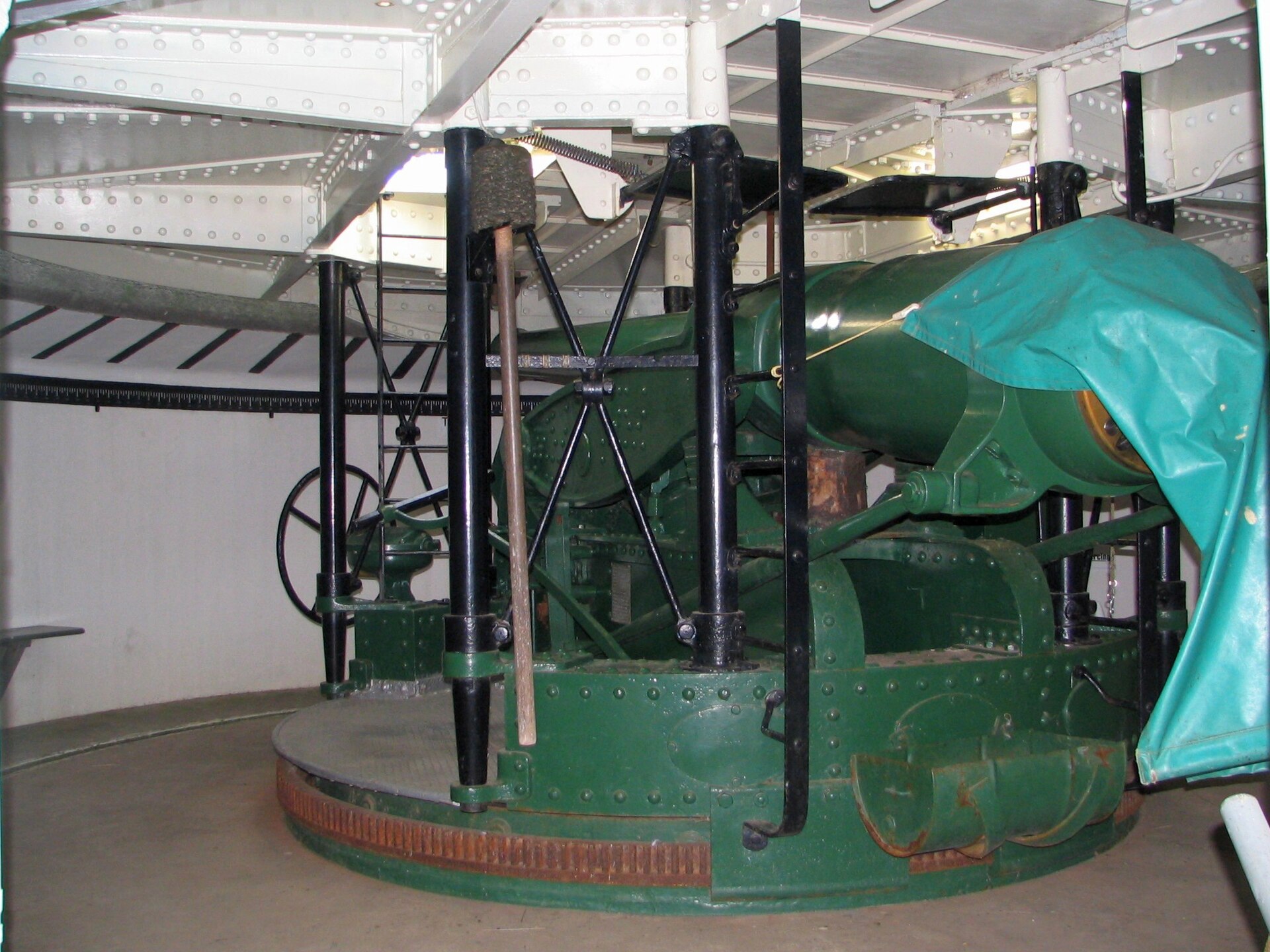
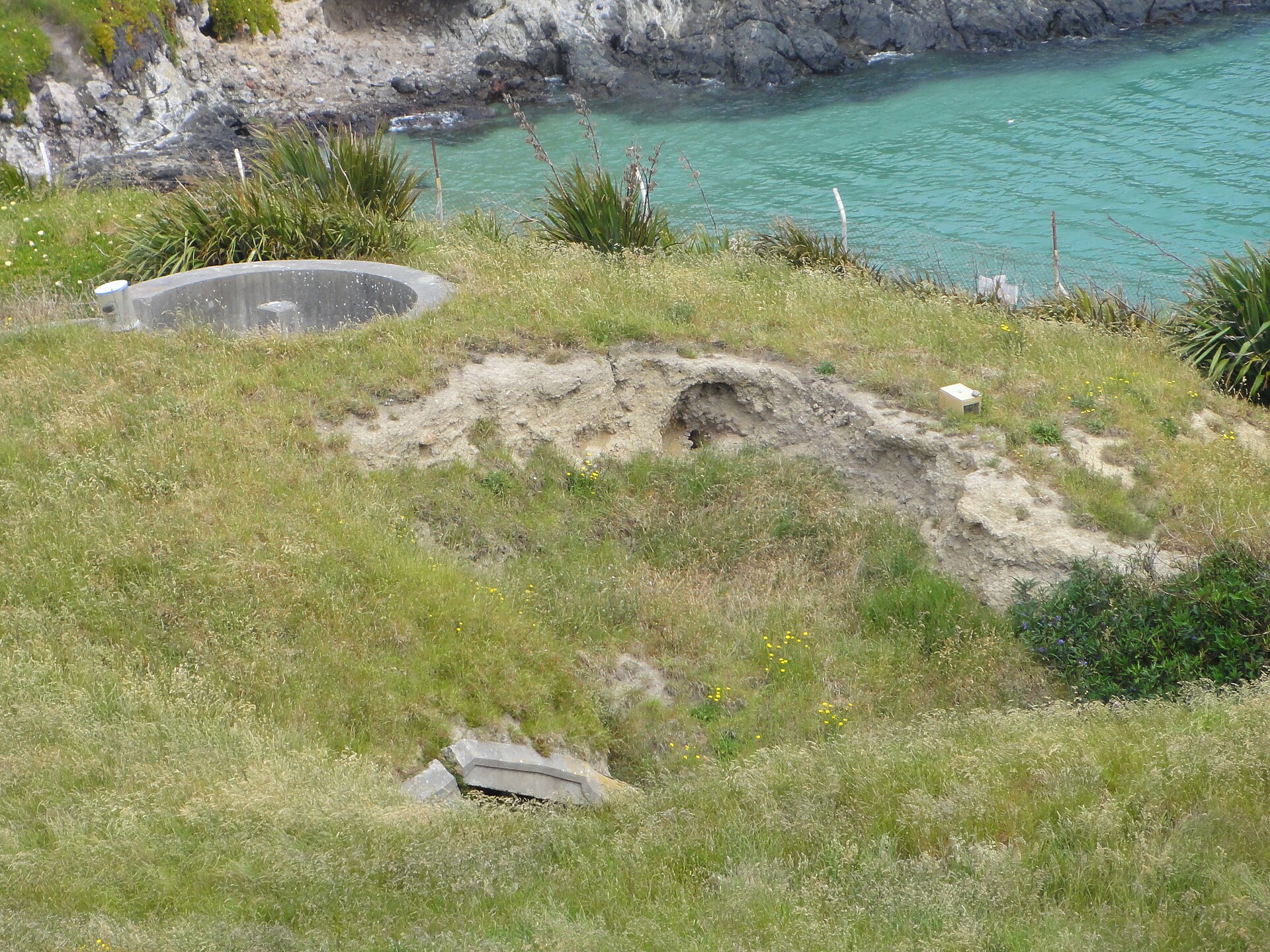
At the heart of Fort Taiaroa is its extraordinary treasure, an Armstrong disappearing gun installed in the 1880s and preserved to this day in its original position. This is no ordinary weapon, for it is mounted on an ingenious carriage that allows the gun to rise above its protective pit to fire and then sink back down out of sight to be reloaded, hidden from any enemy’s view.
This particular gun holds a claim to genuine uniqueness, being regarded as the only fully restored example of its kind still sitting in its original gun pit anywhere in the world. Where such weapons elsewhere have been scrapped, removed, or left to decay, this one survives in working trim in the very place it was installed, a survival so rare as to make the fort internationally significant.
The disappearing gun represented the cutting edge of coastal defence technology in its day, a brilliant solution to the problem of how to fire on an enemy while keeping the gun and its crew protected. For most of the loading cycle the weapon lay hidden below the parapet, invisible and safe, rising only for the brief moment of firing before dropping away again to be reloaded in safety.
To stand before this gun today is to encounter a genuine marvel of Victorian engineering, preserved as almost nowhere else. It is the reason so many people make the journey to the tip of the Otago Peninsula, drawn by the chance to see a weapon that embodies both the ingenuity and the anxiety of the age of coastal defence, sitting exactly where it was placed well over a century ago.
The rarity of the gun can hardly be overstated. Weapons of this ingenious type were once installed at coastal forts in various parts of the world, but almost all were later removed for scrap or left to ruin as coastal artillery fell out of use. That a single example should survive, restored and in its original emplacement, makes Fort Taiaroa a place of pilgrimage for anyone interested in the history of these remarkable weapons.
Because it is kept in working order, the gun can still be demonstrated, its great mechanism moving as it did when the fort was a serious defensive installation. This is something quite different from viewing a static exhibit behind a rope, for it allows visitors to grasp the reality of the weapon as a living machine, and it is a large part of why the fort makes such a powerful impression on those who make the journey to see it.
How the Disappearing Gun Worked
The genius of the disappearing gun lay in its mounting, a clever mechanism that used the force of the gun’s own firing to lower it back into its protected pit. When the gun fired, the recoil drove the barrel down and back, dropping the weapon below the parapet where its crew could reload it in safety, screened from the enemy’s fire.
Once reloaded, the gun could be raised again, rising above the parapet for the brief moment needed to aim and fire before once more disappearing from view. This cycle of rising, firing, and sinking gave the weapon its name and its great advantage, for it exposed the gun and its crew to enemy fire only for the fleeting instant of the shot itself.
This was a brilliant answer to a central problem of coastal defence. A conventional gun mounted in the open had to remain exposed while it was loaded and aimed, presenting a target to the enemy throughout, but the disappearing gun showed itself only when it fired, making it extraordinarily difficult for a warship’s gunners to strike. It combined the ability to hit hard with an unusual degree of protection.
For the crew who worked such a gun, the mechanism demanded skill and coordination, timing the raising and lowering of the weapon with the rhythm of loading and firing. To see the gun demonstrated today, rising and sinking in its pit, is to appreciate the cleverness of a design that solved so elegantly the eternal tension between firepower and protection at the heart of coastal defence.
There is a real elegance to the whole conception, which turned the destructive force of the gun’s recoil into the very means of protecting it. Nothing was wasted; the same energy that might have threatened the mounting was harnessed to draw the gun down to safety, a piece of mechanical ingenuity that delighted the engineers of its day and still impresses those who see it demonstrated now.
The Light on the Head
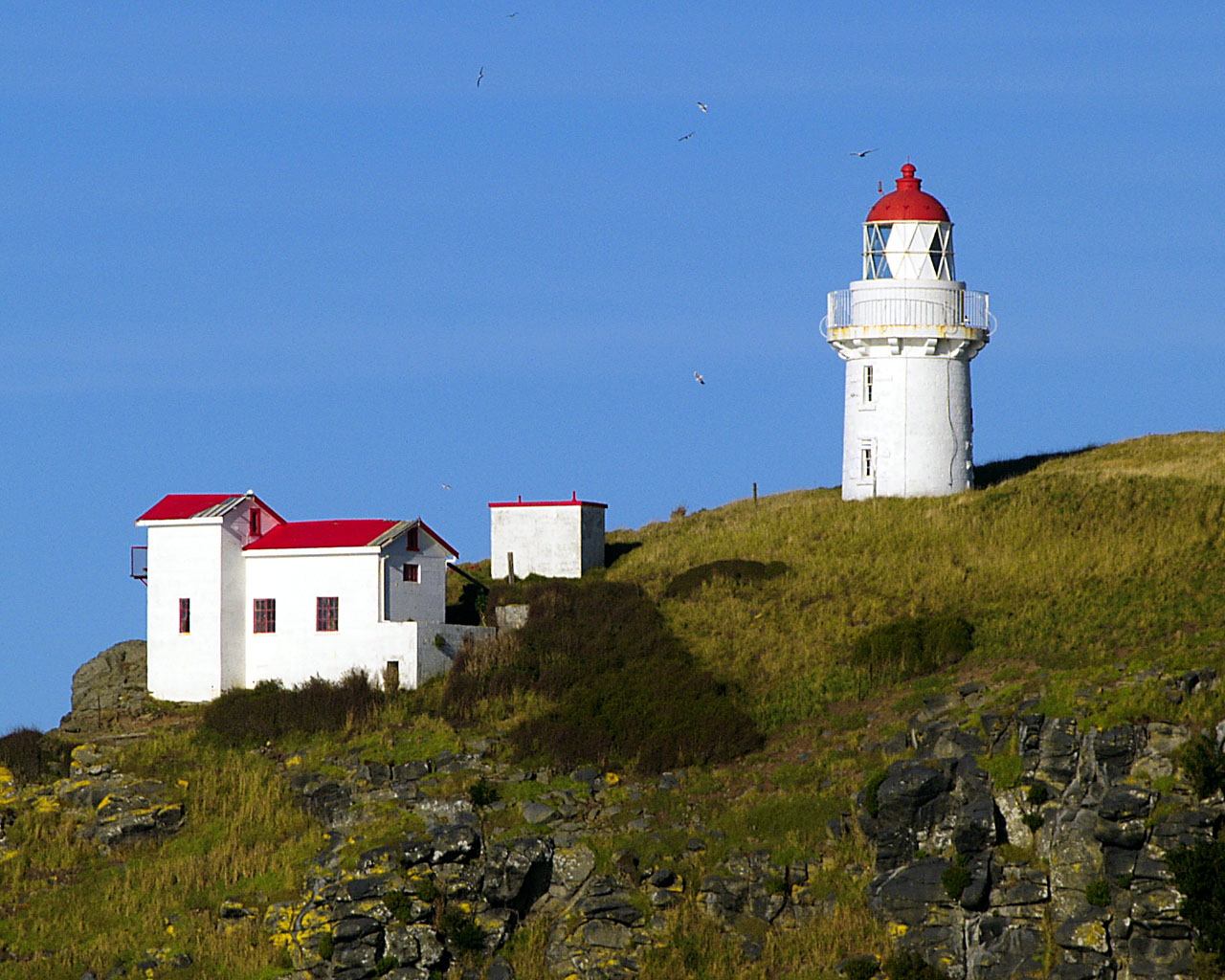
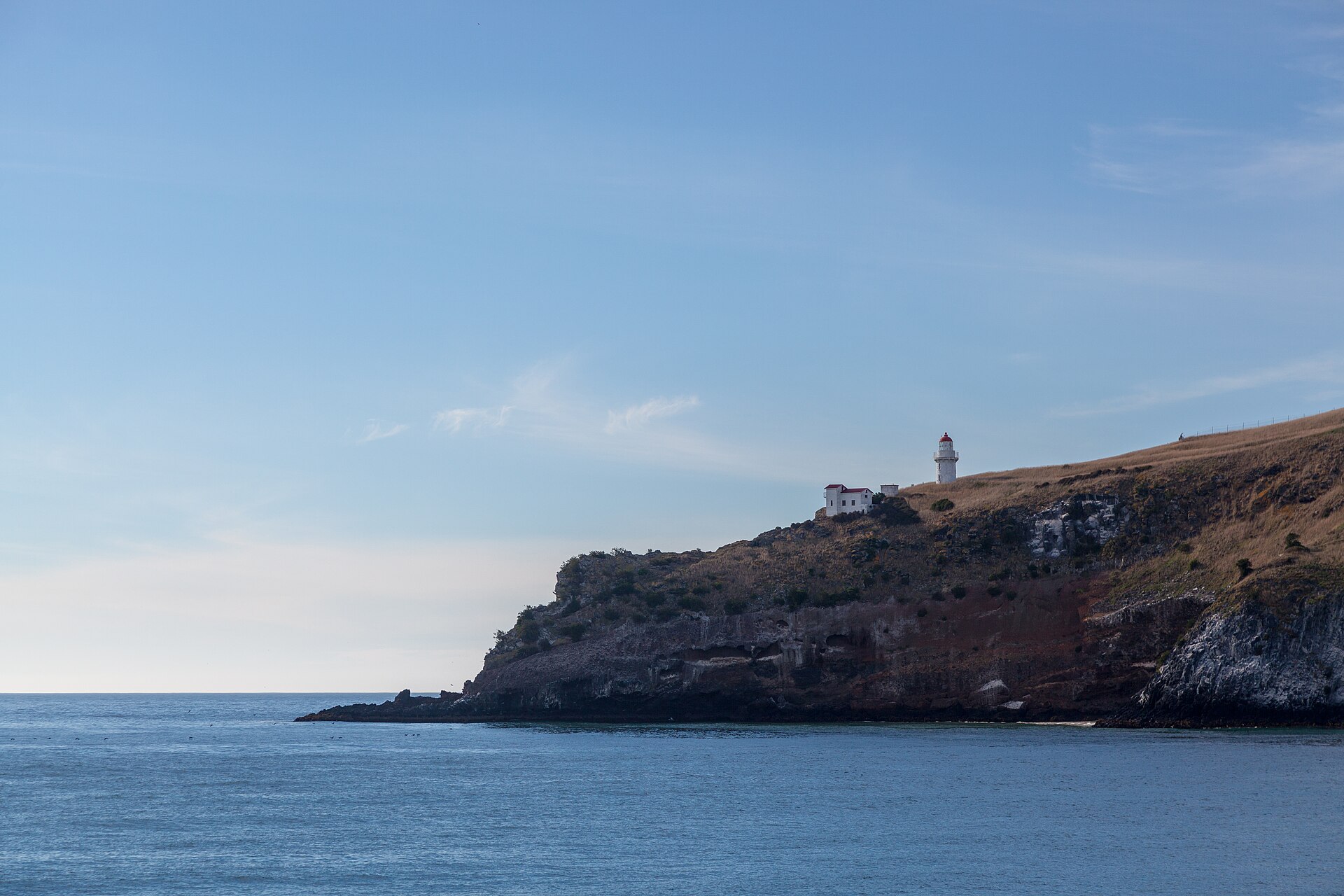
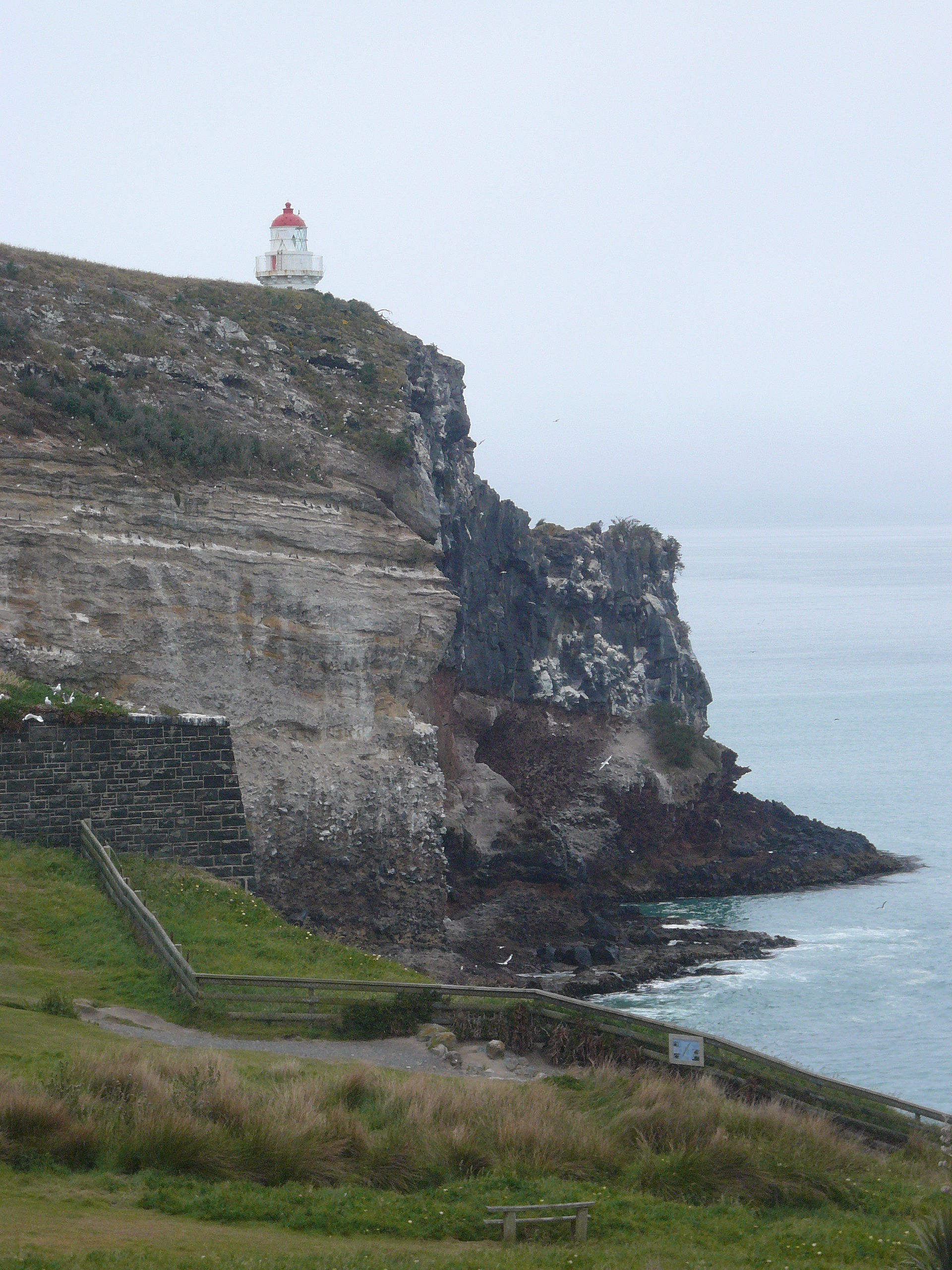
Taiaroa Head is crowned not only by its fort but by a lighthouse, for the same headland that guarded the harbour entrance also had to guide ships safely through it. The light stands as a reminder that this stretch of coast was a place of peaceful seafaring as well as of defence, a gateway to be navigated as much as a passage to be protected.
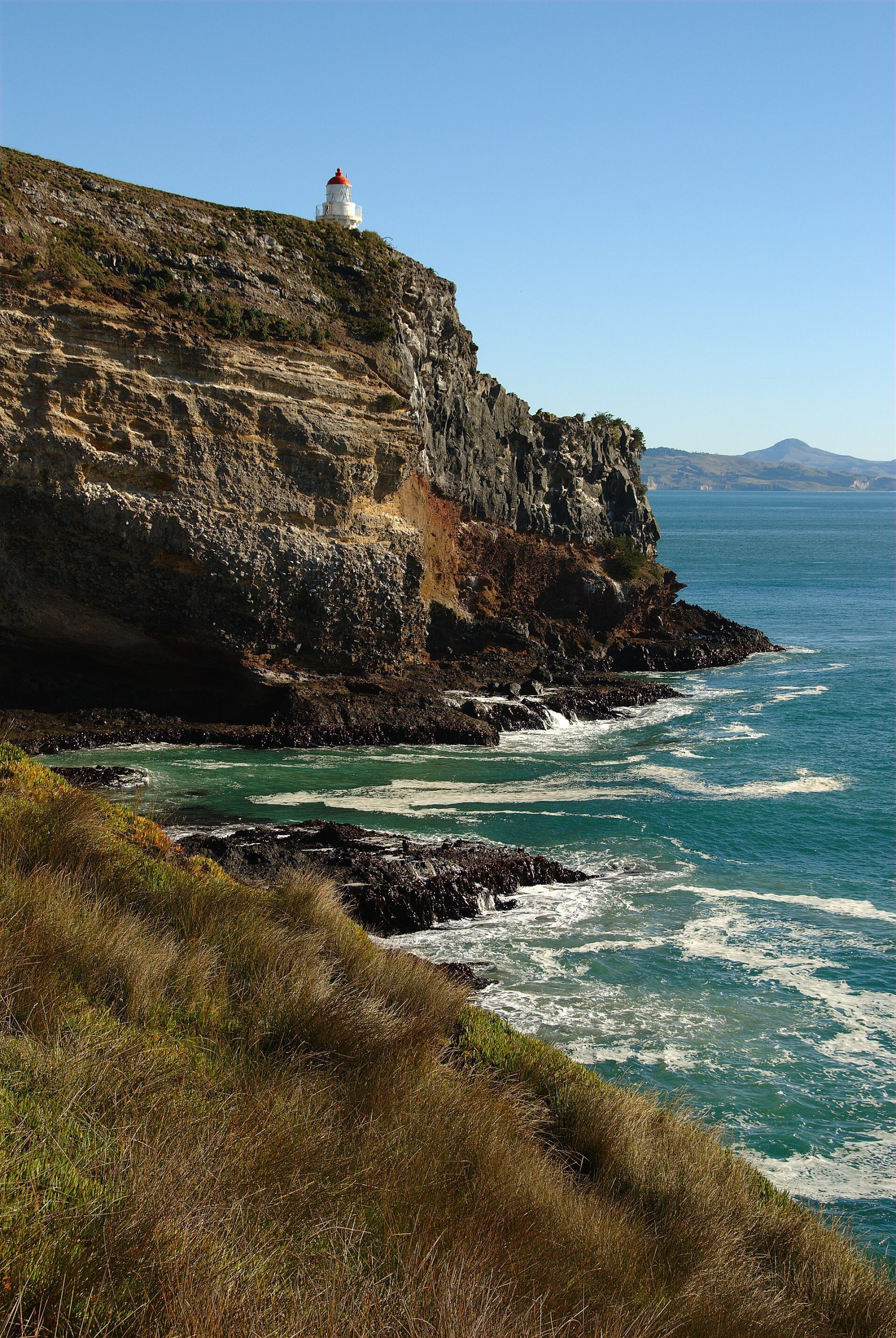
The dangerous waters at the entrance to Otago Harbour made a light essential, warning vessels of the headland and helping them find the safe channel into the sheltered waters beyond. The lighthouse and the fort thus served complementary purposes, one guiding friendly ships through the entrance while the other stood ready to destroy hostile ones.
The presence of the lighthouse adds to the striking character of the headland, its tower rising above the cliffs alongside the fortifications and the seabird colony. Together these elements make Taiaroa Head a place of unusual richness, where the works of the lighthouse keeper, the gunner, and the naturalist all share the same dramatic promontory above the sea.
For the ships that came and went through the harbour entrance, the light on the head was a reassuring presence, a mark of safety at a dangerous passage. It remains a working part of the headland’s identity, a companion to the fort and the albatross, and one more layer in the remarkable accumulation of purposes that this single headland has served.
This dual role, guiding and guarding, was common at the entrances to important harbours, where the same headland that offered the best defensive position also marked the danger that ships had to navigate. At Taiaroa Head the arrangement is preserved intact, the light and the fort standing together as they have for well over a century above the entrance to the harbour.
A System of Guns and Batteries
Though the disappearing gun is its most famous feature, Fort Taiaroa was part of a wider system of batteries and guns established to defend the entrance to Otago Harbour. Over the years several gun positions were built around the headland and nearby, mounting a variety of weapons intended to cover the approaches and the channel from more than one angle.
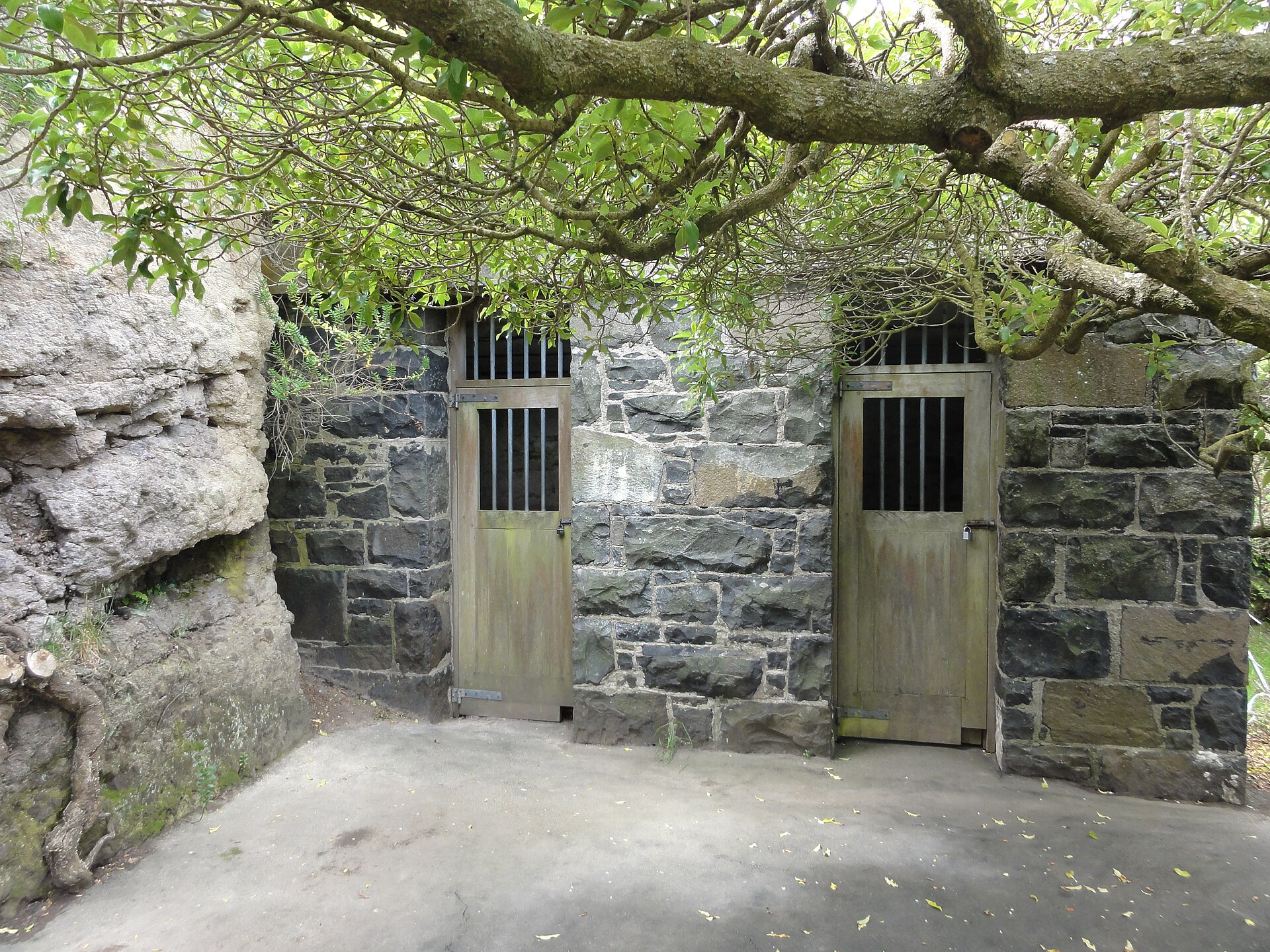
This layered arrangement reflected sound defensive thinking, for a single gun could be outflanked or overwhelmed, but a system of batteries could cover the entrance more thoroughly and support one another. The guns ranged from heavy pieces meant to strike at larger warships to lighter, quick-firing weapons designed to deal with faster and closer threats such as torpedo boats.
The various batteries were positioned to make the most of the headland’s command of the harbour mouth, some closer to the entrance, others placed to cover different stretches of water. Together they turned Taiaroa Head into a genuine fortress, its defences distributed across the promontory to present an attacker with a formidable and overlapping array of guns.
Understanding the fort as a system rather than a single gun gives a fuller picture of how seriously the defence of Dunedin was taken. The disappearing gun may be the star that draws visitors today, but it was one part of a considered scheme of coastal defence, designed to make the entrance to Otago Harbour a dangerous place for any enemy to attempt.
The evolution of these batteries over time also reflected the changing technology of coastal defence, as older guns gave way to newer types and positions were upgraded to meet fresh threats. The headland was not fortified once and left unchanged but continually adapted, its defences kept as current as resources allowed across the decades of its active life.
Called Back to Service
Like many colonial forts, Fort Taiaroa did not simply fade into obsolescence but was called back into service when the world went to war in the twentieth century. Its guns, including the famous disappearing gun, saw renewed use during the great conflicts, and the headland once more took up its role as guardian of the harbour entrance in times of real danger.
During these wars the fear that had built the fort took on new and sharper forms, as global conflict brought genuine threats closer to New Zealand’s shores. The defence of ports like Otago Harbour took on fresh urgency, and the old fortifications on Taiaroa Head, however dated, could still play a part in watching and guarding the vital entrance.
In time the fort’s armament was supplemented with more modern weapons to meet the threats of the day, reflecting the changing nature of warfare even as the old disappearing gun remained in place. The headland thus served across several eras, its defences adapted and renewed as the decades passed and the character of the danger evolved.
This long record of service, stretching from the colonial Russian scare through the world wars, gives Fort Taiaroa a continuity that few coastal forts can match. That its famous gun survived all these years of use and change to be preserved in its original pit is remarkable, a testament to both the durability of the weapon and the care of those who later recognised its unique value.
For the men who served at the fort in these later years, the headland must have been a demanding posting, exposed to the elements and far from the main theatres of war, yet important to the security of the harbour they guarded. Their vigilance, like that of the colonial gunners before them, was part of the long watch that Taiaroa Head kept over the entrance to Otago Harbour.
The Fortress and the Albatross
One of the most extraordinary things about Taiaroa Head is that its fortifications share the promontory with a thriving colony of royal albatross, among the few places in the world where these magnificent seabirds can be seen breeding on an accessible mainland headland. The sight of these great birds wheeling above the old fort is one of the most memorable in all of New Zealand.
The coexistence of the fort and the albatross gives the headland a character quite unlike any purely military site. Visitors come as much for the birds as for the gun, and the two draw together into a single remarkable experience, the works of war and the wonders of nature sharing the same windswept ground above the sea.
The albatross colony is carefully protected, and access to the headland is managed to safeguard the birds even as visitors come to see them and to explore the fort. This careful stewardship allows the natural and the historical to be enjoyed together, a rare balance that makes Taiaroa Head a destination like few others in the world.
There is something poignant in the pairing of the great peaceful birds with the machinery of war beneath them. The fort was built out of fear and designed to destroy, while the albatross soar free above it, and the two together lend the headland a depth and resonance that neither could possess alone. It is this combination that makes Taiaroa Head so unforgettable.
This union of the natural and the historical has made Taiaroa Head one of the most visited and celebrated spots on the Otago coast. Where else can one watch some of the largest seabirds in the world glide overhead and, moments later, descend into a Victorian gun emplacement to view a weapon found nowhere else on earth? The headland offers a richness of experience that is genuinely rare.
Exploring the Underground Fort
Beneath the surface of Taiaroa Head lies the working heart of the fort, a system of tunnels and chambers that served the guns and sheltered their crews. Exploring these underground passages is a highlight of a visit, offering a chance to descend into the hidden interior of a coastal fortress and see how it functioned below the level of the guns.
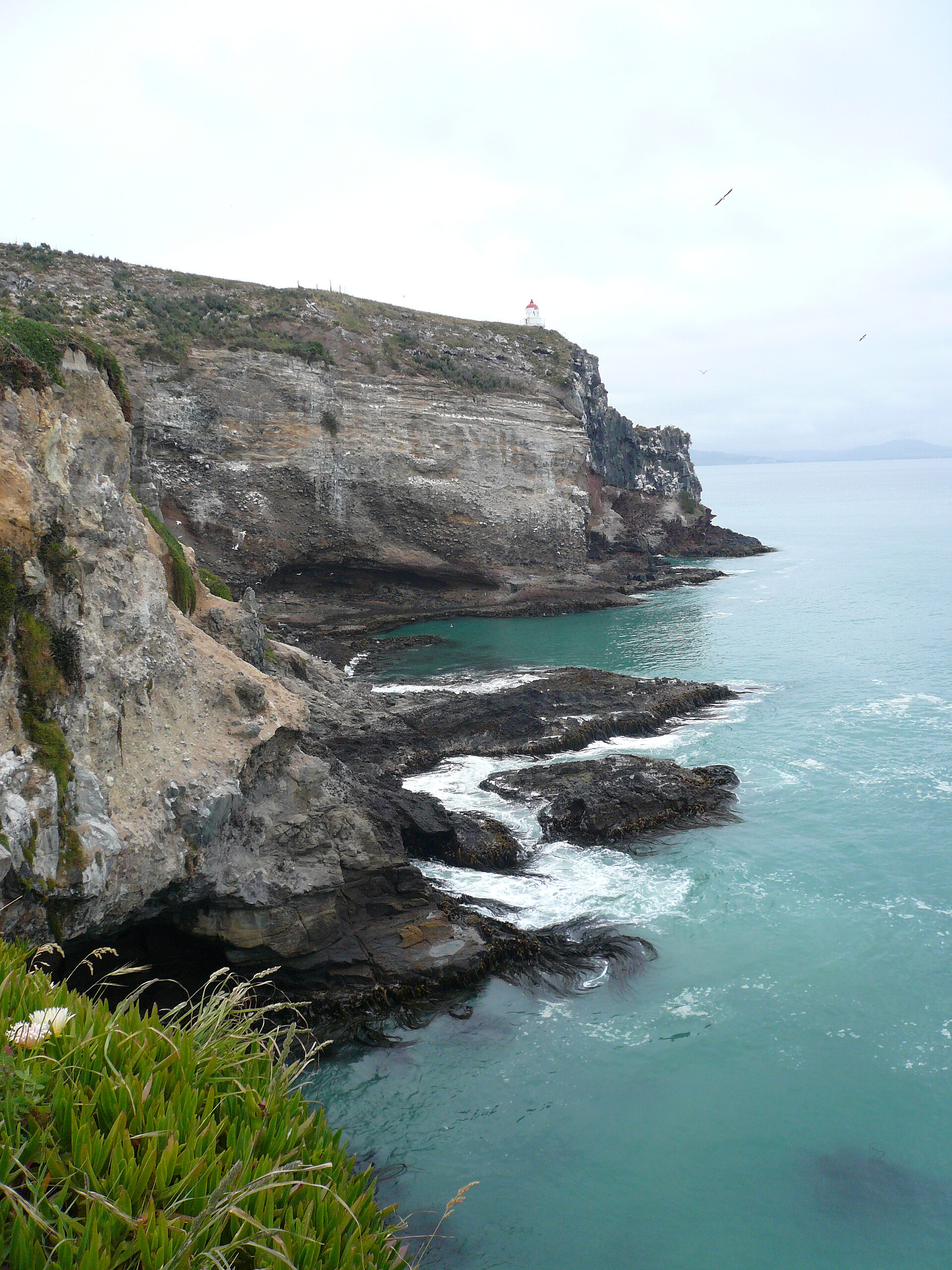
These passages connected the various parts of the fort, allowing ammunition and men to move under cover between the magazines and the guns. As in coastal forts elsewhere, the underground works were essential to the fort’s operation, keeping the explosives safe and the crews protected, and their survival adds greatly to the interest of the site.
Walking through the tunnels today, you gain a vivid sense of the reality of life and work in the fort, the close stone passages and chambers speaking of the effort and organisation that lay behind the guns above. It is one thing to admire the disappearing gun in its pit and quite another to explore the hidden system that supported it.
The chance to combine the sight of the famous gun with a journey into the tunnels beneath makes a visit to Fort Taiaroa especially rewarding. Few places let you experience both the dramatic surface weapon and the concealed workings below, and together they give a full and memorable picture of how this remarkable fortress was meant to function.
The cool, enclosed atmosphere of the tunnels contrasts sharply with the windswept openness of the headland above, and moving between the two gives visitors a fuller sense of the fort as a living place. Below ground the practical business of coastal defence becomes tangible, the passages and chambers speaking of the daily work that kept the great gun above ready for action.
A Site of International Significance
Fort Taiaroa is recognised as a place of genuine significance, valued both for its unique disappearing gun and for its wider importance as a coastal fortification. The survival of the gun in its original pit, in working order, gives the fort a claim to international importance, a distinction that sets it apart from the many coastal forts that have lost their armament.
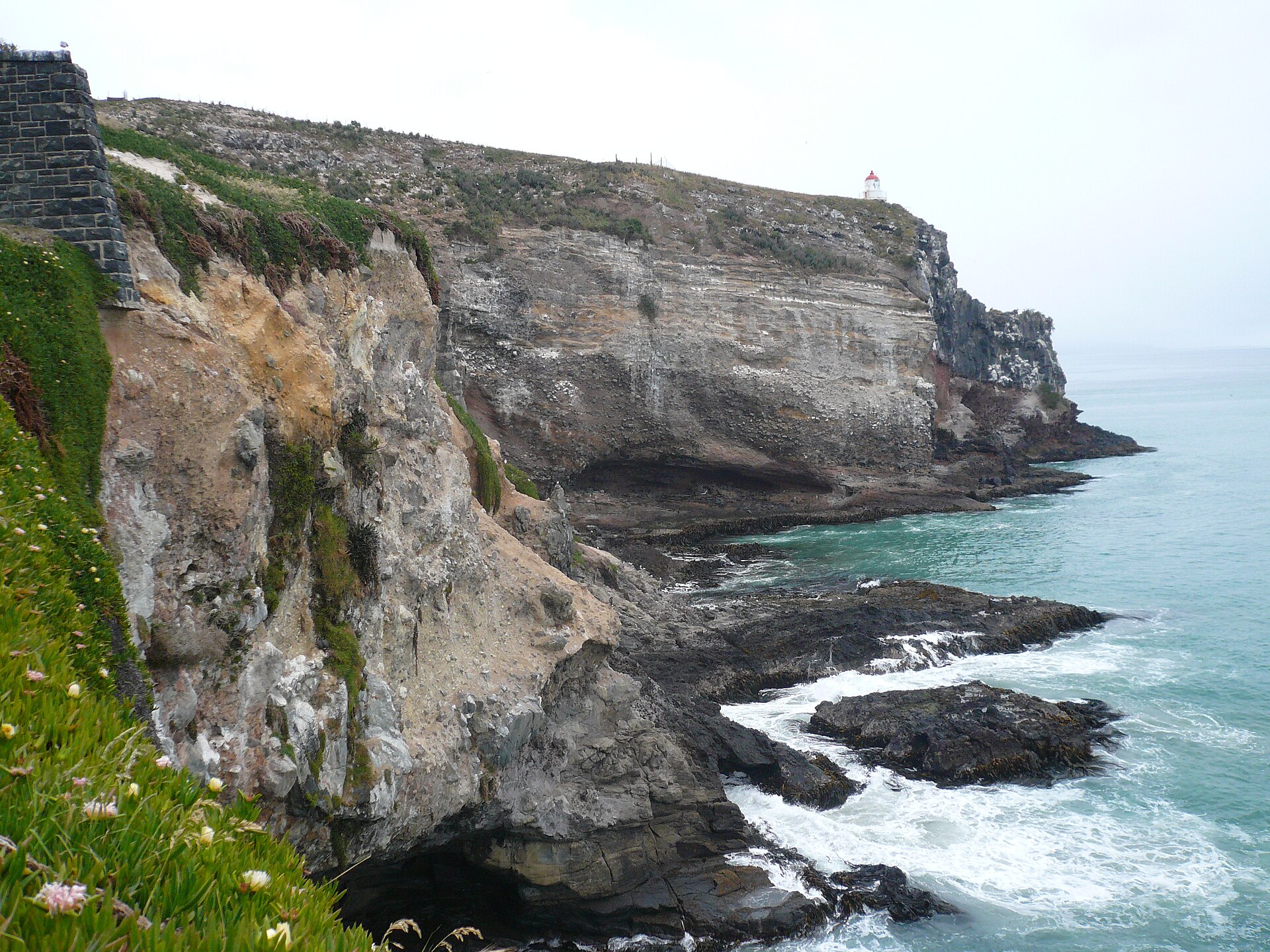
This significance rests on several foundations. There is the rarity of the gun itself, the completeness of the fort’s preservation, its long record of service across several eras, and its place within the deep history of the headland as both a Māori pā site and a natural wonder. Together these give Taiaroa Head a richness that few heritage sites can match.
Preserving such a place is a considerable responsibility, requiring the care of the fort’s structures, the maintenance of the remarkable gun, and the protection of the natural environment and the albatross that share the headland. That all of this is managed together, allowing visitors to experience the whole extraordinary site, is a real achievement.
The recognition of Taiaroa Head’s importance helps ensure that its many stories will be preserved and shared. Whether one comes for the gun, the birds, the history, or the drama of the headland itself, the site offers something genuinely rare, and its protection secures for future generations a place where so many strands of history and nature come together above the sea.
For visitors, this recognition translates into an assurance that what they are seeing is genuinely special, cared for and presented with the seriousness its importance deserves. The sense that Taiaroa Head is a place of real significance, and not merely a local curiosity, adds to the impact of a visit and underlines why the journey to the tip of the peninsula is so richly rewarded.
Journey to the Tip of the Peninsula
A visit to Fort Taiaroa is a journey to one of the most remarkable headlands in New Zealand, out along the Otago Peninsula to the very tip where the land meets the sea above the harbour entrance. The drive itself is a pleasure, winding along the peninsula with views across the water, building anticipation as you approach the dramatic promontory at its end.
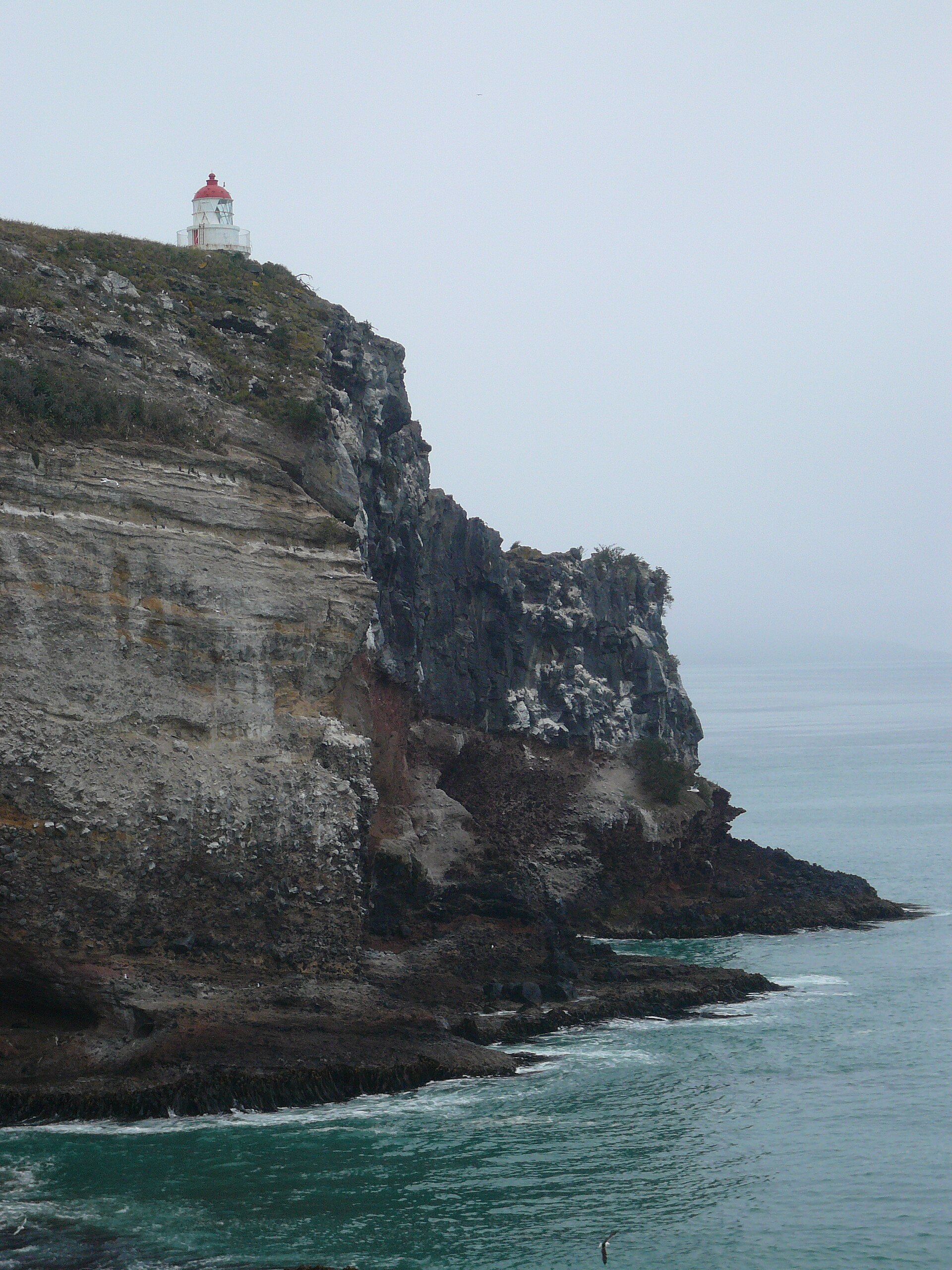
At the head, guided tours take visitors to see the famous disappearing gun and to explore the fort and its tunnels, bringing to life the history of this unique fortification. To see the gun in its original pit, and to descend into the passages beneath, is to encounter coastal defence in a way that few other sites allow, made all the more special by the rarity of what survives here.
View the exact location on Google Maps
It is wise to allow a good part of a day for the visit, both to do justice to the fort and the birds and to enjoy the journey out along the peninsula. The combination of guided tours, the underground fort, the albatross viewing, and the sheer scenic drama of the headland makes for a full and satisfying experience, one of the highlights of any trip to this part of New Zealand.
The albatross colony adds another dimension entirely, and many visitors come to see both the birds and the fort, combining the wonders of nature with the fascination of history in a single visit. The chance to watch great seabirds soar above a Victorian fortress, on a headland once home to a Māori pā, is an experience of extraordinary richness.
Standing at Taiaroa Head, with the wind off the sea and the albatross overhead, you are visiting a place where history and nature intertwine as almost nowhere else. Fort Taiaroa, with its unique disappearing gun preserved in its original pit, is a treasure of coastal defence, and the headland that holds it is one of the great destinations of the New Zealand coast, well worth the journey to its windswept tip.
Castles Nearby
If Fort Taiaroa has drawn you into the coastal defences and fortresses of New Zealand, two more of the country’s strongholds are worth exploring:
You May Like
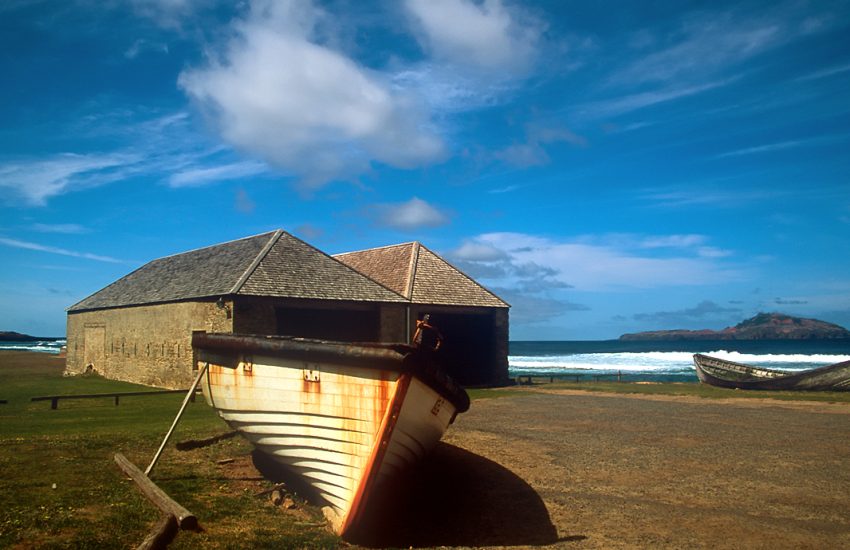
Kingston on Norfolk Island: The Beautiful Fortress of a Feared Penal Colony