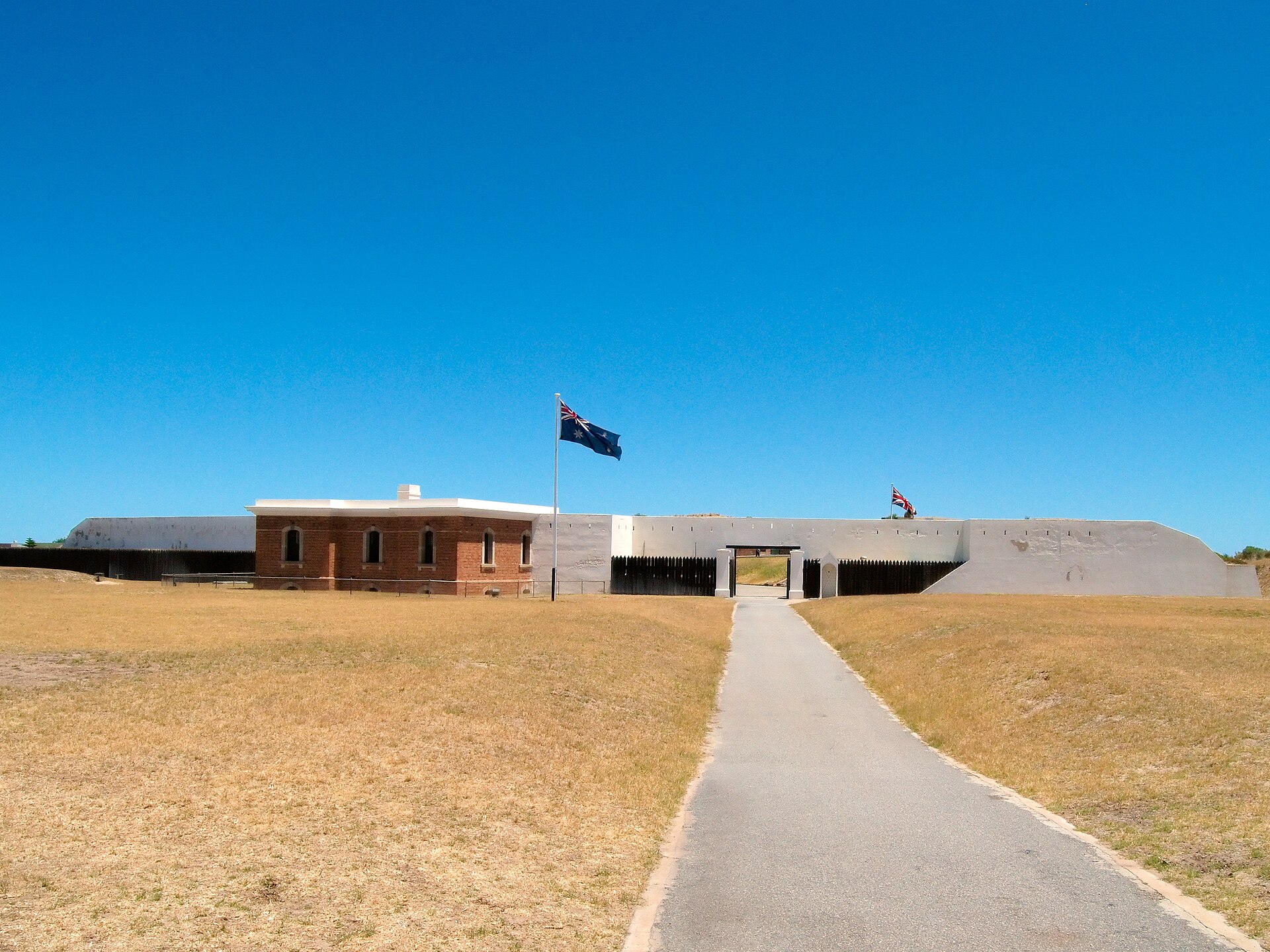
On the sandhills of the Lefevre Peninsula, where the seaside suburb of Semaphore looks out across the Gulf St Vincent toward the open sea, stands the most complete colonial fortress in Australia. Fort Glanville, half-moon in shape and armed still with the very guns that were mounted in it well over a century ago, is a rare survivor from the age when the young colonies of Australia feared attack from the sea and built forts to keep the enemy at bay.
What makes Fort Glanville so extraordinary is how little it has lost. Where most colonial forts were stripped of their guns, altered beyond recognition, or demolished entirely, this one endures with its original armament intact, its earthworks restored, and its rooms furnished as they might have been when soldiers first manned the ramparts. It is, in a very real sense, a fortress preserved in time, the closest thing to a working colonial battery that you can visit today.
The fort was South Australia’s first, built in response to the same anxious fear of Russian warships that fortified coastlines across the Australian colonies in the later nineteenth century. Though it never fired a shot in anger, it stood ready for decades as the guardian of Port Adelaide, home to the colony’s first permanent soldiers and a symbol of a community determined to defend itself against a threat from over the horizon.
In the pages ahead you will explore this remarkable fortress, from the Russian scare that raised it and the great Armstrong guns that armed it, through its brief moment of importance and its long decline, to the dedicated restoration that has made it a living museum where the guns still roar. Fort Glanville is a window into colonial defence like no other, and it rewards anyone who takes the time to walk its ramparts.
In This Article
- The Fear That Came From the North
- South Australia’s First Fortress
- The Fort by the Seaside
- The Experts Who Planned the Defence
- The Shape of the Fortress
- The Great Armstrong Guns
- The First Permanent Soldiers
- A Fortress That Never Fired in Anger
- Overtaken by a Newer Fort
- A Century of Other Purposes
- Bringing the Fort Back
- Where the Guns Still Roar
- Visiting the Best-Preserved Fort in the Land
The Fear That Came From the North
Fort Glanville, like so many Australian coastal forts, owed its existence to a fear that never quite materialised. Through the middle decades of the nineteenth century, tensions between the British Empire and Imperial Russia sent waves of anxiety through the far-flung colonies, and South Australians came to worry that a Russian warship might one day appear off their coast to threaten the shipping and wealth of Port Adelaide.

This dread was not baseless. Russia maintained a naval presence in the Pacific, and to a colony perched on the edge of a vast ocean, thousands of miles from the protection of the mother country, the thought of a hostile cruiser arriving unannounced was genuinely alarming. An undefended port was an invitation to bombardment or ransom, and Port Adelaide, the commercial gateway to the colony, was exactly the kind of prize an enemy might target.
For years the colony debated what to do, wavering over the expense and effort of building proper defences. But the persistent anxiety about attack from the sea eventually overcame the hesitation, and the decision was taken to fortify the approaches to Port Adelaide. Fort Glanville was the first and most important product of that decision, a direct answer to the long-nagging fear of the raider from the north.
It is worth remembering how real this fear felt at the time, however distant the threat proved to be. No Russian warship ever appeared off Semaphore, and the fort never fired a shot at an enemy, but the anxiety that built it was widely shared and deeply felt. Fort Glanville stands as a solid monument to the worries of a young colony learning to provide for its own defence.
The pattern was repeated across the Australian colonies, each of which fretted over its own vulnerability and built forts to guard its ports. South Australia’s response at Semaphore was part of this wider wave of colonial defensive construction, driven less by any specific declaration of war than by a generalised and enduring unease about what might one day come over the horizon from the sea.
South Australia’s First Fortress
Fort Glanville holds the distinction of being the first fort built in South Australia, the colony’s pioneering venture into coastal defence. Before it, the colony had relied on little more than hope and distance for its protection, and the construction of a proper fortress marked a significant step in its development, a coming of age in matters of defence.
The fort was built to guard both the entrance to Port Adelaide and the anchorage at Semaphore, where ships lay offshore to load and unload their cargoes. Its position on the Lefevre Peninsula gave it command of these vital waters, allowing its guns to threaten any hostile vessel that might approach the colony’s most important port. The site was chosen with care to make the most of this strategic value.
As the colony’s first fort, Glanville also became the cradle of its military establishment, the place where South Australia first organised the permanent defence of its coast. Everything that followed in the colony’s coastal defence, including the later forts that would eventually eclipse Glanville, grew from this first venture on the sandhills of Semaphore.
This pioneering status gives the fort a special place in the history of South Australia. It was not merely a gun battery but a milestone, the moment when the colony committed itself seriously to its own defence and built the first of the fortifications that would guard its coast. In its earthworks lies the beginning of a whole chapter of colonial military history.
Being first also meant that the fort became a proving ground, the place where the colony worked out how to build, arm, and man a modern coastal battery. Lessons learned at Glanville informed the defences that came after it, so that even as later forts surpassed it, they built upon the foundation of experience that this pioneering fortress had laid down on the sandhills of the peninsula.
The Fort by the Seaside
Fort Glanville sits in a setting that has changed greatly since its guns first watched the sea. Semaphore, the suburb that grew up around it on the Lefevre Peninsula, was in colonial times an important place where ships anchored offshore and passengers and cargo came ashore, and the fort was built precisely to guard this busy maritime approach to Adelaide.
Over the years Semaphore evolved from a working anchorage into a much-loved seaside suburb, a place of beaches and holiday pleasures rather than commercial shipping. The fort, once the stern guardian of a vital port, found itself increasingly surrounded by the gentler world of the seaside, its martial purpose fading as the character of the area softened into leisure and recreation.
Today a charming little tourist railway connects the area around the fort to the Semaphore jetty, carrying visitors along the foreshore in a nod to the district’s long connection with travel and transport. This delightful attraction adds to the appeal of a visit, tying the historic fort into the wider pleasures of a day by the sea on this stretch of the South Australian coast.
This seaside setting gives Fort Glanville a particular charm, a fortress of great guns and anxious history set amid the relaxed world of a beach suburb. The contrast between the fort’s warlike origins and its gentle surroundings is part of what makes a visit so pleasant, allowing you to combine a serious encounter with colonial history and an easy afternoon by the sea.
The transformation of the district around the fort also mirrors a wider story about how such places find new life. As the working port moved on and the anchorage lost its importance, the area reinvented itself, and the old fort, once a purely military installation, became a heritage attraction at the heart of a community that now values it as a link to its past rather than as a guardian against attack.
The Experts Who Planned the Defence
The design of Fort Glanville reflected the advice of the leading military engineers of the British Empire, experts sent out to assess the defences of the Australian colonies. Their recommendations shaped coastal fortifications across the continent, and their thinking about how a colony should guard its ports is written into the very form of the fort at Semaphore.
These were men steeped in the modern science of coastal defence, who understood that a fort should be low and hard to hit rather than tall and imposing. They favoured earthworks that could absorb the shock of enemy fire and guns sited to command the approaches, and their report to the colony recommended a system of batteries to protect Port Adelaide, of which Glanville was to be the centrepiece.
Their expertise gave the fort a sound and thoughtful design, adapted to the specific needs of defending the anchorage and the port. Rather than a grand stronghold meant to withstand a siege, Glanville was conceived as a defensible battery, a work whose guns would deal with enemy ships while land forces protected it from any attempt at assault from the shore.
The involvement of such distinguished engineers lent the project real authority, and the fort that emerged was a competent and professional piece of military architecture. In following their recommendations, the colony ensured that its first fortress was built according to the best defensive thinking of the age, a serious answer to a serious fear.
It is telling that the same handful of expert engineers advised on defences from one end of the continent to the other, giving the colonial forts of this era a family resemblance. The thinking that shaped Fort Glanville was the same that shaped fortifications guarding other colonial ports, a shared body of professional knowledge applied to the particular circumstances of each vulnerable harbour.
The Shape of the Fortress
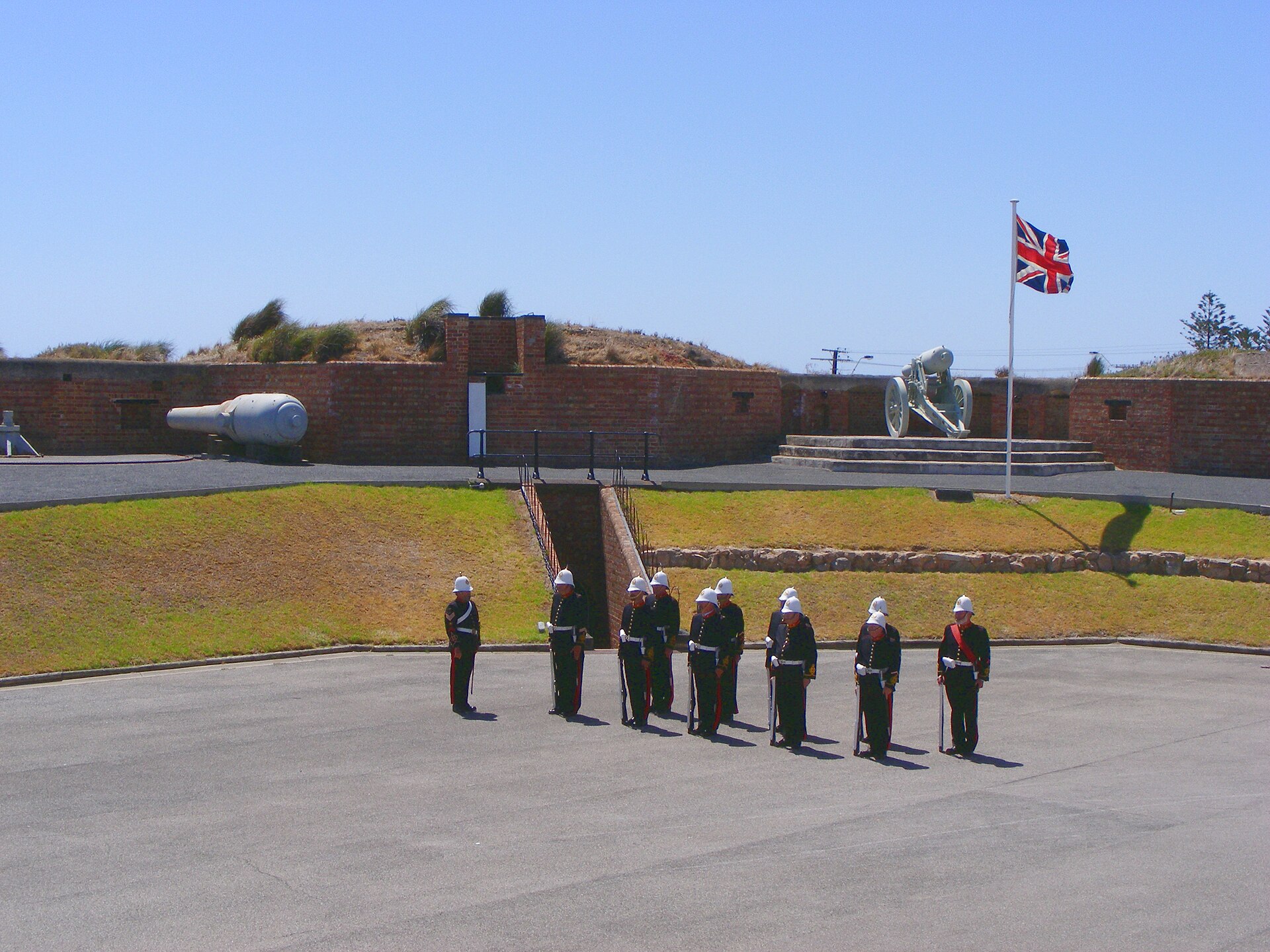
Fort Glanville was built in the shape of a lunette, a half-moon or crescent form that gave it a distinctive and elegant profile. This shape was not chosen for beauty but for function, arranging the fort’s guns and defences to command the sea approaches while presenting a compact and defensible face to any attacker. The crescent of the fort points outward toward the water it was built to guard.
The fort was protected by a thick rampart of earth, a massive bank designed to absorb the impact of enemy shells and shield the guns and their crews behind it. This earthwork was the heart of the fort’s defence, embodying the modern principle that a fortress should soak up gunfire rather than simply block it, and it was reinforced to give it the strength to withstand bombardment.
Around and within the fort ran the various works needed to make it a functioning stronghold, including a ditch to hinder any assault by land and a glacis, a gently sloping embankment designed to blend the fort into the landscape and offer little for an enemy to aim at. These features reflected careful thought about defence from every direction, not just from the sea.
Inside the crescent lay the platform on which the guns were mounted, the raised terreplein from which the great weapons could sweep the approaches. The whole design worked as an integrated system, the shape of the lunette, the mass of the rampart, and the arrangement of the guns all directed toward the single purpose of defending the port against attack from the sea.
The care taken to blend the fort into its surroundings reflected a sophisticated understanding of concealment. A low, grass-covered work offered an enemy gunner little to range upon, and the glacis and earthworks were shaped so that the fort would not stand out starkly against the landscape. This was fortification as much about hiding as about strength, a hallmark of the coastal defence thinking of the age.
The Great Armstrong Guns
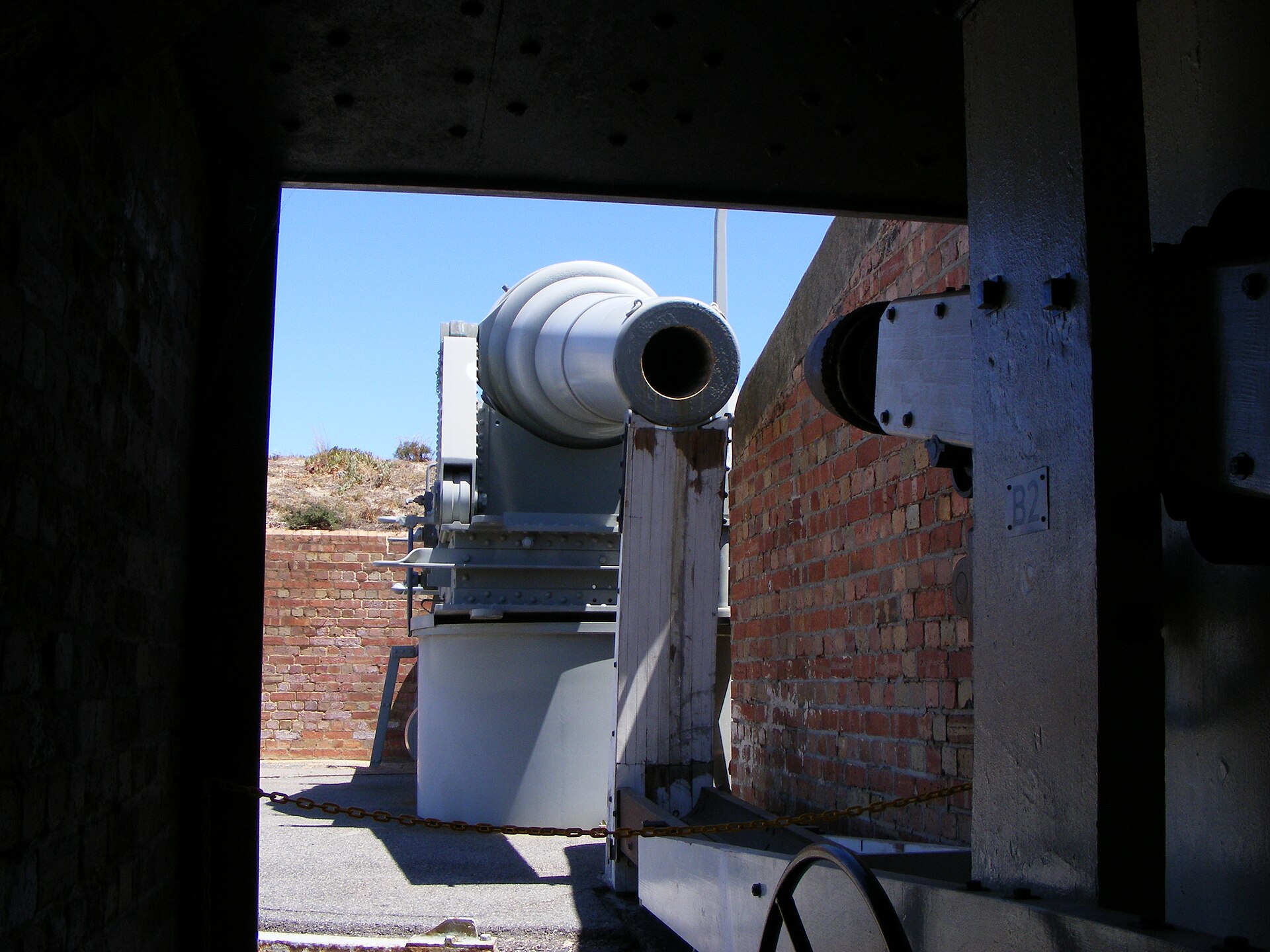
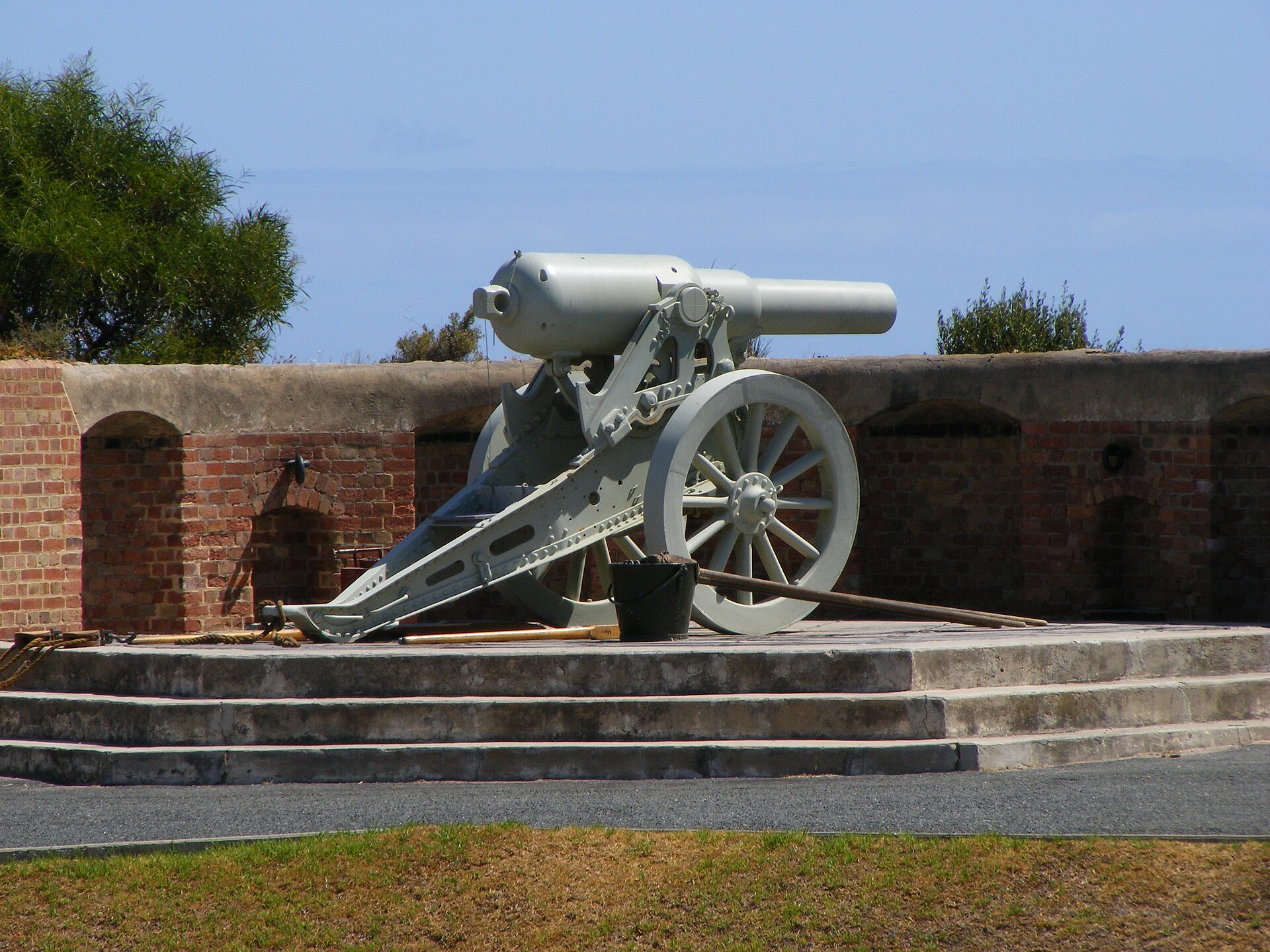
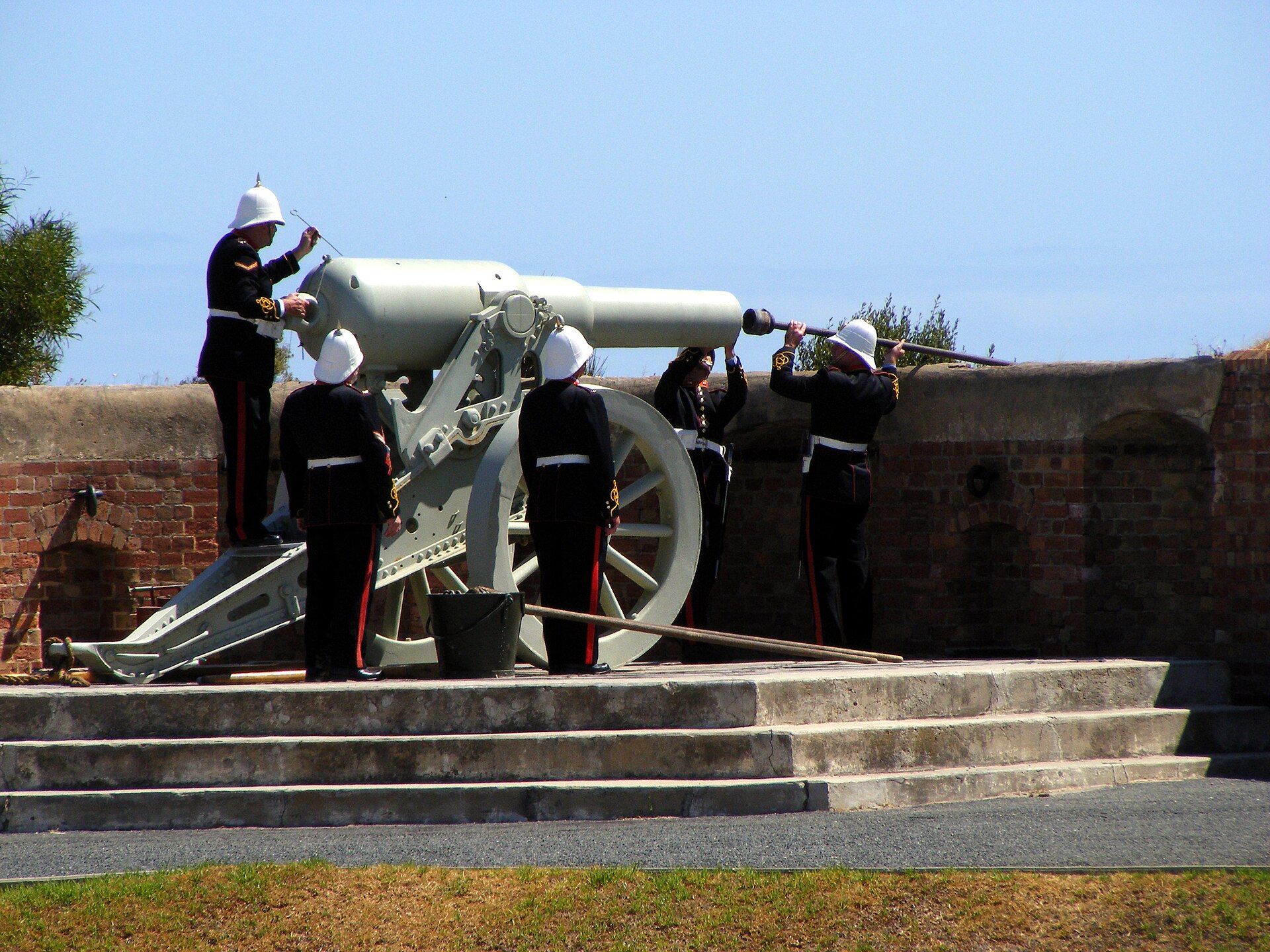
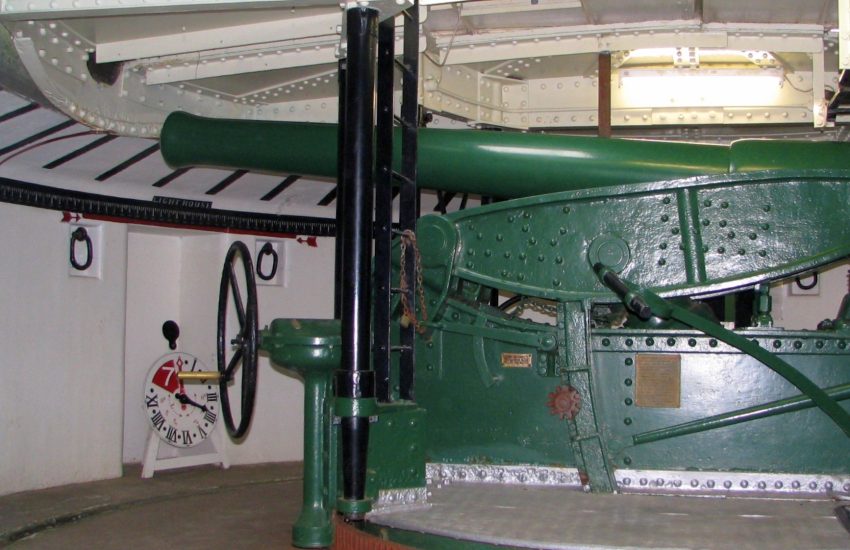
The purpose of all this fortification was to carry guns, and Fort Glanville was armed with some truly formidable weapons. Its main armament consisted of a pair of great ten-inch rifled muzzle-loading guns, massive pieces made by the renowned Armstrong company, capable of hurling heavy shells across thousands of yards of water and of punching through the iron armour of a warship.
These were serious weapons by any standard, weighing many tons each and firing projectiles of enormous weight. To load and serve such a gun required a large crew working in careful coordination, and even then the process was slow, with a considerable interval between each shot. The sheer power of these guns made the fort a genuine threat to any vessel that might dare approach the port.
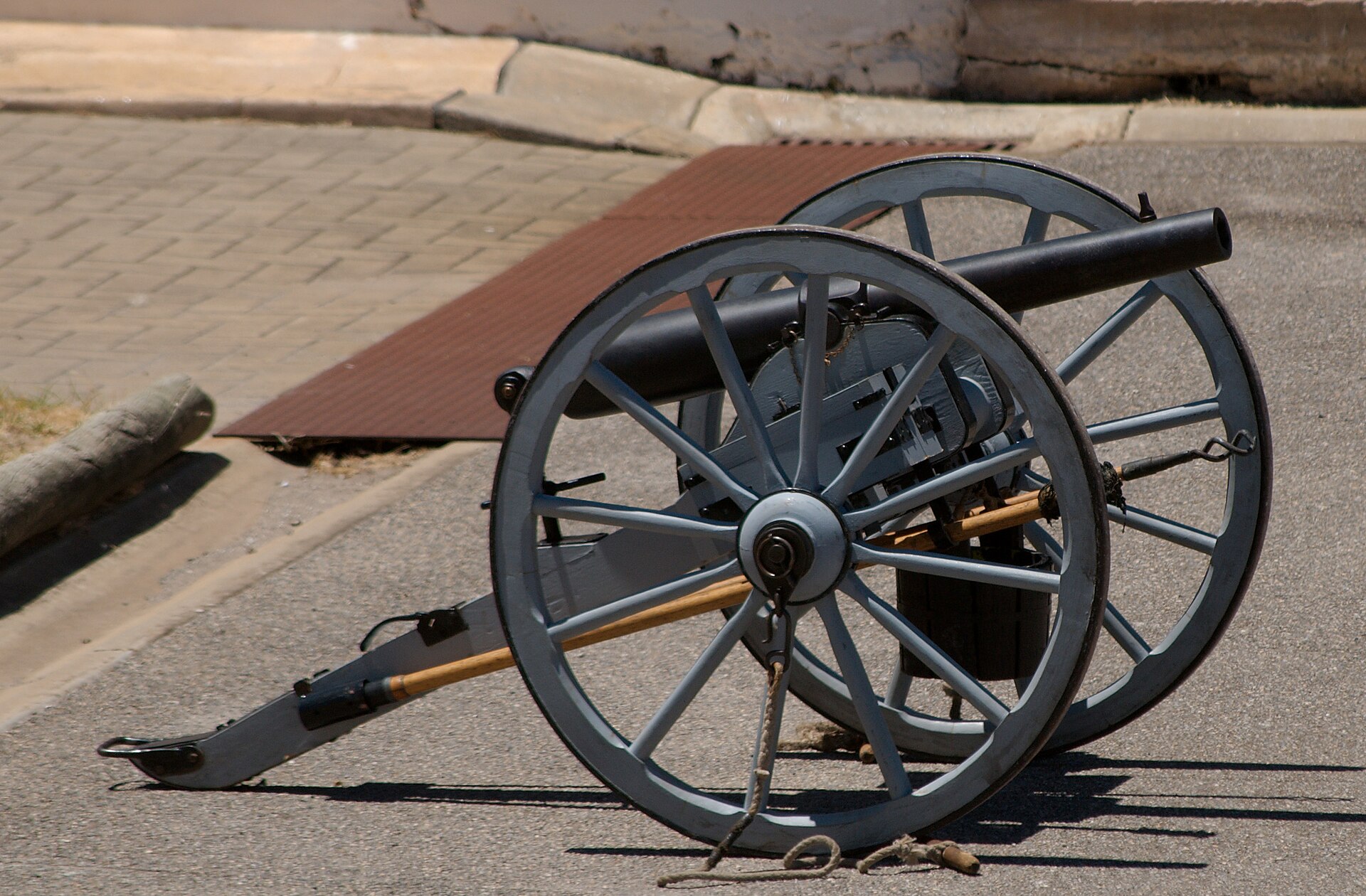
Alongside the great ten-inch guns, the fort mounted a pair of smaller sixty-four-pounder guns to provide additional defence, weapons that could deal with closer or faster threats. Remarkably, these particular guns are thought to be among the very last of their kind surviving anywhere in the world, a detail that adds to the extraordinary rarity of the fort’s original armament.
The guns were mounted behind the protecting rampart, arranged to command the sea approaches to the port. Though a mechanical loading system had been intended to help protect the crews, it proved troublesome, and the guns were loaded by hand for most of their working life. For all their power, these weapons would never be fired at an enemy, but they stood ready for decades as the fort’s reason for being.
The survival of these original guns is what gives Fort Glanville so much of its extraordinary value. At most surviving colonial forts the guns were long ago removed for scrap or display elsewhere, leaving empty emplacements, but here the great weapons remain where they were mounted, allowing visitors to see a colonial battery not as a hollow shell but as the armed fortress it was meant to be.
The First Permanent Soldiers
Fort Glanville was not just a set of guns but a home for soldiers, and its garrison holds an important place in the military history of South Australia. In its early days the fort was manned by volunteer artillery, part-time soldiers who came out at weekends to drill and to practise with the great guns, keeping the fort ready against the day an enemy might appear.
In time the colony established its first permanent military force, and Fort Glanville became its headquarters, the home of South Australia’s first full-time professional soldiers. This was a significant development, marking the transition from a defence resting on volunteers to one with a core of permanent, trained artillerymen at its heart, and it centred that new establishment on the fort at Semaphore.
The permanent force grew over the years, and the fort became a genuine military community, with barracks, a parade ground, and all the routines of garrison life. The soldiers drilled with the guns, maintained the fort, and stood ready to defend the port, living the disciplined life of a colonial artillery unit on the sandhills above the sea.
This role as the cradle of South Australia’s permanent army gives the fort a human dimension beyond its guns and earthworks. Generations of soldiers began their service here, and notable figures in the colony’s military history passed through its gates. The fort was a place where real people lived and worked, and the story of its garrison is as much a part of its significance as the great Armstrong guns.
Life for these first permanent soldiers combined the discipline of professional soldiering with the particular demands of coastal artillery, a technical branch that required real skill. The men had to master the complex business of serving the great guns, and their training and routines set the pattern for the professional military tradition that would grow in South Australia in the years to come.
A Fortress That Never Fired in Anger
For all its formidable guns and its decades of readiness, Fort Glanville never once fired a shot at an enemy. The Russian warships that its builders feared never came, and no hostile vessel ever tested the fort’s defences. Its guns spoke only in practice and ceremony, never in the deadly earnest for which they had been cast.
This might seem to make the fort a failure, but that would be to misunderstand its purpose. A coastal fort of this kind existed above all as a deterrent, a way of making an enemy think twice before attacking. That no enemy ever came may be counted, in a sense, as the fort doing its job, presenting a strong enough face that an attack was never attempted, if indeed one was ever seriously contemplated.
The record of the fort’s guns tells the story of a peaceful career. Over the years the great weapons fired only a limited number of practice rounds, their crews drilling against a day that never arrived. The fort stood its long watch faithfully, ready but unneeded, a guardian whose greatest service was simply to be there, guns loaded and crews trained, through the anxious decades.
There is something poignant about a fortress built for a war it never fought, its guns silent but for practice, its soldiers drilling for an enemy who never appeared. Yet this very quietness is part of what preserved the fort so well, for guns never fired in anger and works never battered by bombardment survived to become the remarkable time capsule that visitors can explore today.
In this the fort was far from alone, for the great majority of Australia’s colonial coastal forts never fired at an enemy either. They belonged to an age of anxious preparation against threats that, for the most part, never materialised, and their true measure lies not in battles fought but in the readiness they maintained and the reassurance they gave to the communities they were built to protect.
Overtaken by a Newer Fort
Fort Glanville’s period of importance proved surprisingly brief. Within not many years of its completion, the strategic ground shifted, and a newer fort built to the north, equipped with more modern guns that outranged Glanville’s armament, came to overshadow it. The colony’s defensive emphasis moved away from Semaphore, and the pioneering fort found its role diminished.
Changes to the port itself hastened this decline. As the river was deepened to allow large ships to berth directly at the wharves rather than anchoring offshore at Semaphore, the strategic reason for defending the anchorage faded. The very purpose that had justified building the fort was slipping away, undermined by the progress of the port it had been built to protect.
As its importance waned, the fort gradually passed out of front-line service, its guns falling silent and its garrison reduced. What had been the centrepiece of the colony’s defences became a secondary work, then a caretaker’s charge, its great moment of relevance already behind it. The march of military technology and the development of the port had together made the pioneering fort obsolete.
This early decline, though it may seem a sad fate for so fine a fortress, ultimately contributed to the fort’s remarkable survival. Because it fell out of use relatively early, before its structures could be worn out by long hard service or extensively modernised, much of the original fort was preserved, waiting to be rediscovered and restored by later generations who would recognise its rare value.
The story of Glanville being overtaken so quickly is a reminder of how fast military technology moved in this era. Guns that were formidable when installed could be outclassed within a decade, and forts built at great expense could find themselves obsolete almost before their earthworks had settled. The relentless advance of ordnance made coastal defence a costly race that was never truly won.
A Century of Other Purposes
Once its days as a working fortress were over, Fort Glanville passed through a long and varied succession of other uses, as redundant military sites so often do. Over the decades of the twentieth century the fort served purposes its builders could never have imagined, from the storage of ammunition to the housing of people, its old earthworks and buildings pressed into whatever service the times required.

During the world wars the fort found military uses once more, though not as a fighting fortress, serving instead for storage and other supporting roles. Between the wars and after, it saw an extraordinary range of occupants and functions, at various times a place of detention, a residence, a campsite, and eventually part of a caravan and camping ground for holidaymakers by the sea.
These varied uses were not always kind to the fort, and some of its features were altered or damaged over the years as the site was adapted to new purposes. The pressures of these different occupations left their marks, and by the time the fort’s historical value came to be properly recognised, it had been considerably knocked about by a century of miscellaneous service.
Yet through all these transformations the essential fort survived, its guns still present, its earthworks still traceable, its core structures still standing. That so much came through this long period of other uses is remarkable, and it set the stage for the restoration that would eventually reclaim the fort from its years as a campsite and return it to something like its original condition.
The sheer variety of these later uses tells its own story about how completely the fort had passed out of military relevance. A fortress that had been the proud centrepiece of a colony’s defence became, within a few decades, just another piece of surplus government land to be turned to whatever purpose seemed convenient, its guns and ramparts an incongruous backdrop to campers and other occupants.
Bringing the Fort Back
The rescue of Fort Glanville from decline and neglect is one of the great heritage success stories of Australian coastal defence. From the 1970s onward, a determined effort was made to recognise the fort’s significance and to restore it, reversing the damage of its years of miscellaneous use and returning the fortress to a condition close to its original state.
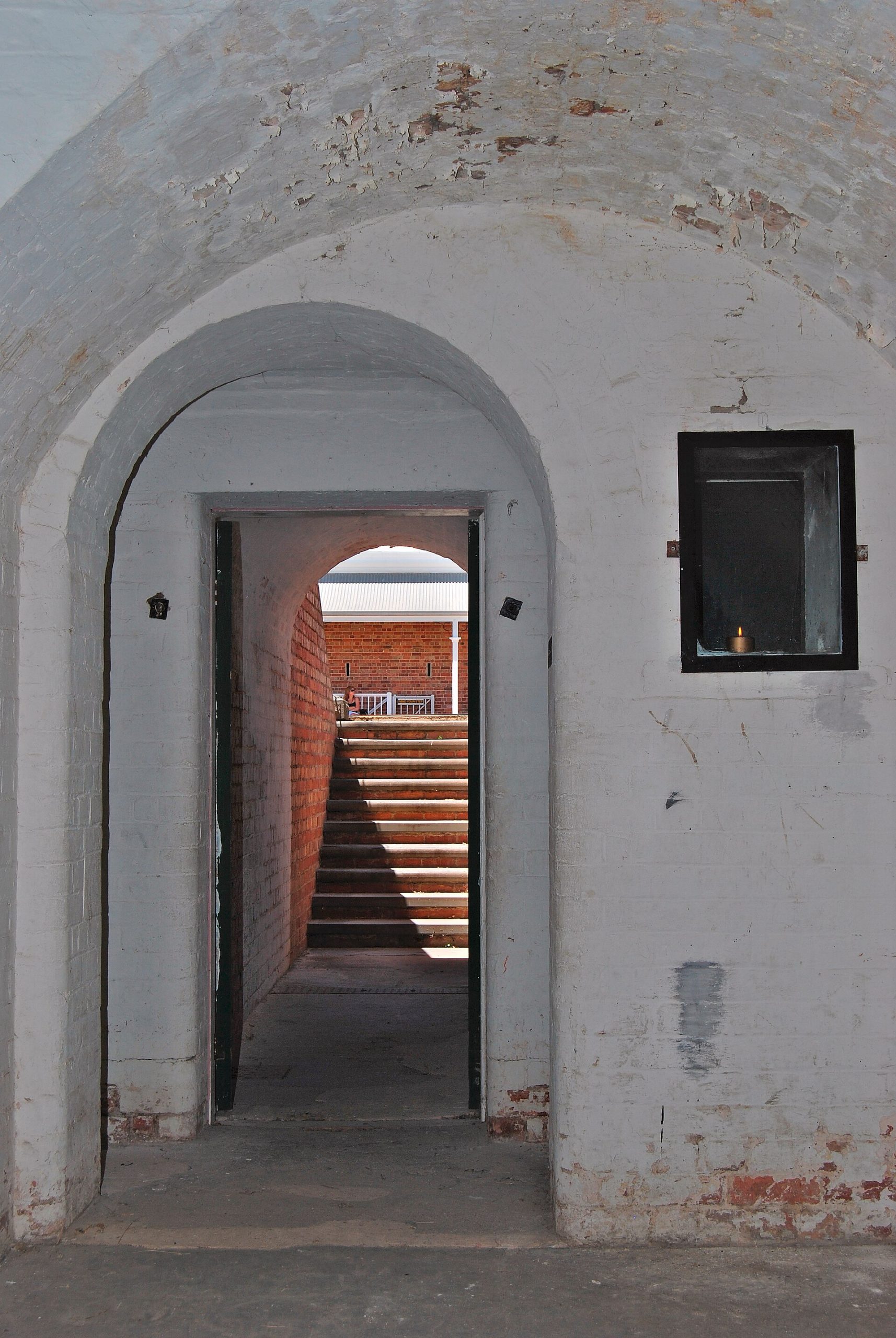
The restoration was painstaking work, involving the reconstruction of the stockade, the return of guns that had been removed to other locations, the fabrication of new fittings to replace those that had rotted away, and the careful restoration of the fort’s earthworks and grounds. Piece by piece, the fort was brought back, its scattered elements reassembled and its damaged features repaired.
This effort was recognised at the highest levels, and the restored fort became a source of real pride, a rare example of a colonial fortress preserved close to its original form. The work transformed a knocked-about relic into a coherent and authentic historic site, one that could tell the story of colonial defence through the real fabric of a genuine fort rather than through reconstruction alone.
The result of all this labour is a fort that stands today as the most complete of its kind in the country, and one of very few anywhere in the world to survive in such original condition. The restoration did not merely save the fort from decay; it recovered a national treasure, a fortress that offers a window into colonial military life of unmatched completeness and authenticity.
The recognition of the fort’s importance also placed it among the officially protected heritage of the state and the nation, ensuring that its future would be secured. What had once been surplus land turned to casual uses was now valued as a treasure, and the legal protections that came with that recognition guaranteed that the restored fort would be cared for and preserved for generations to come.
Where the Guns Still Roar
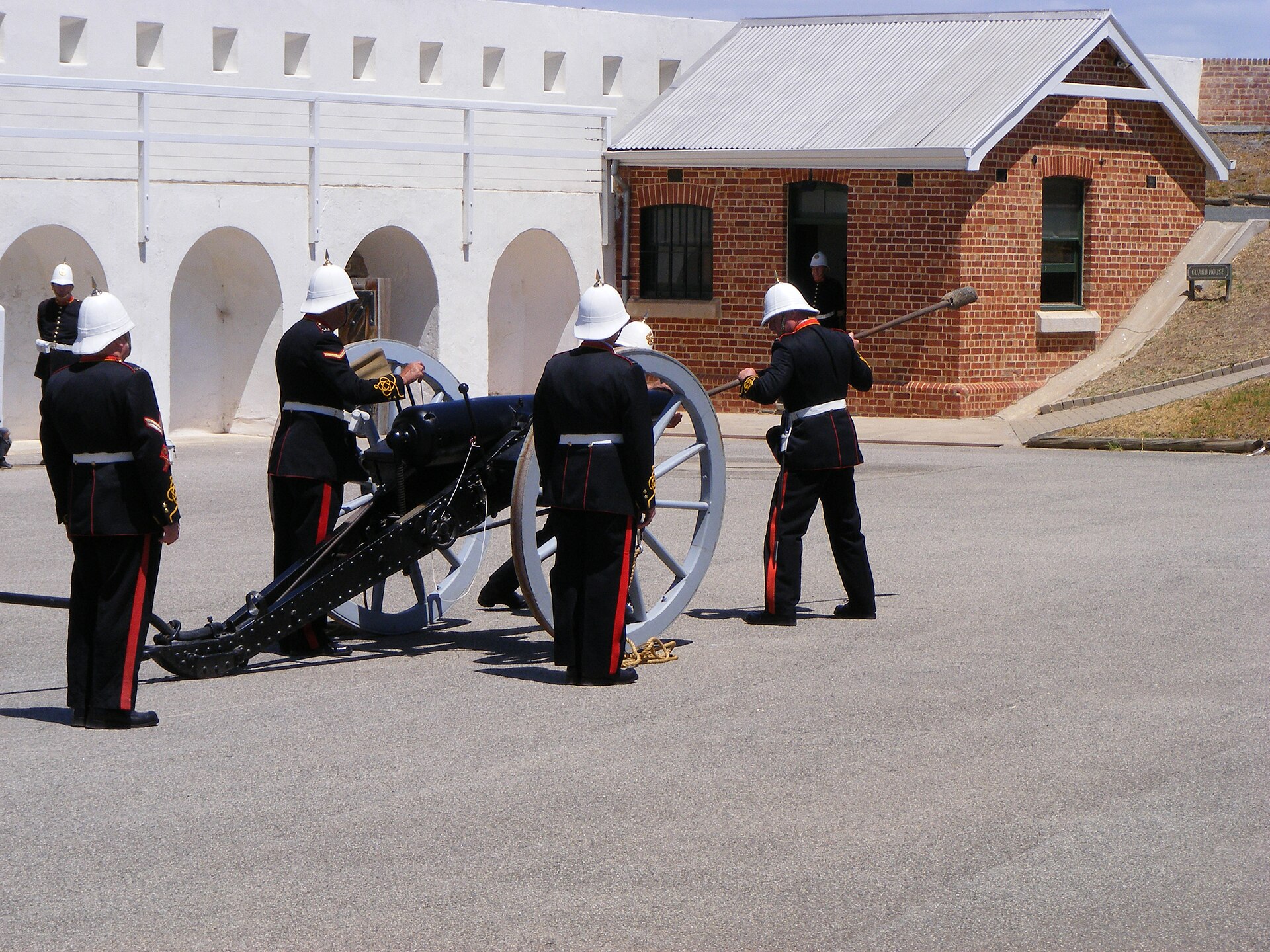
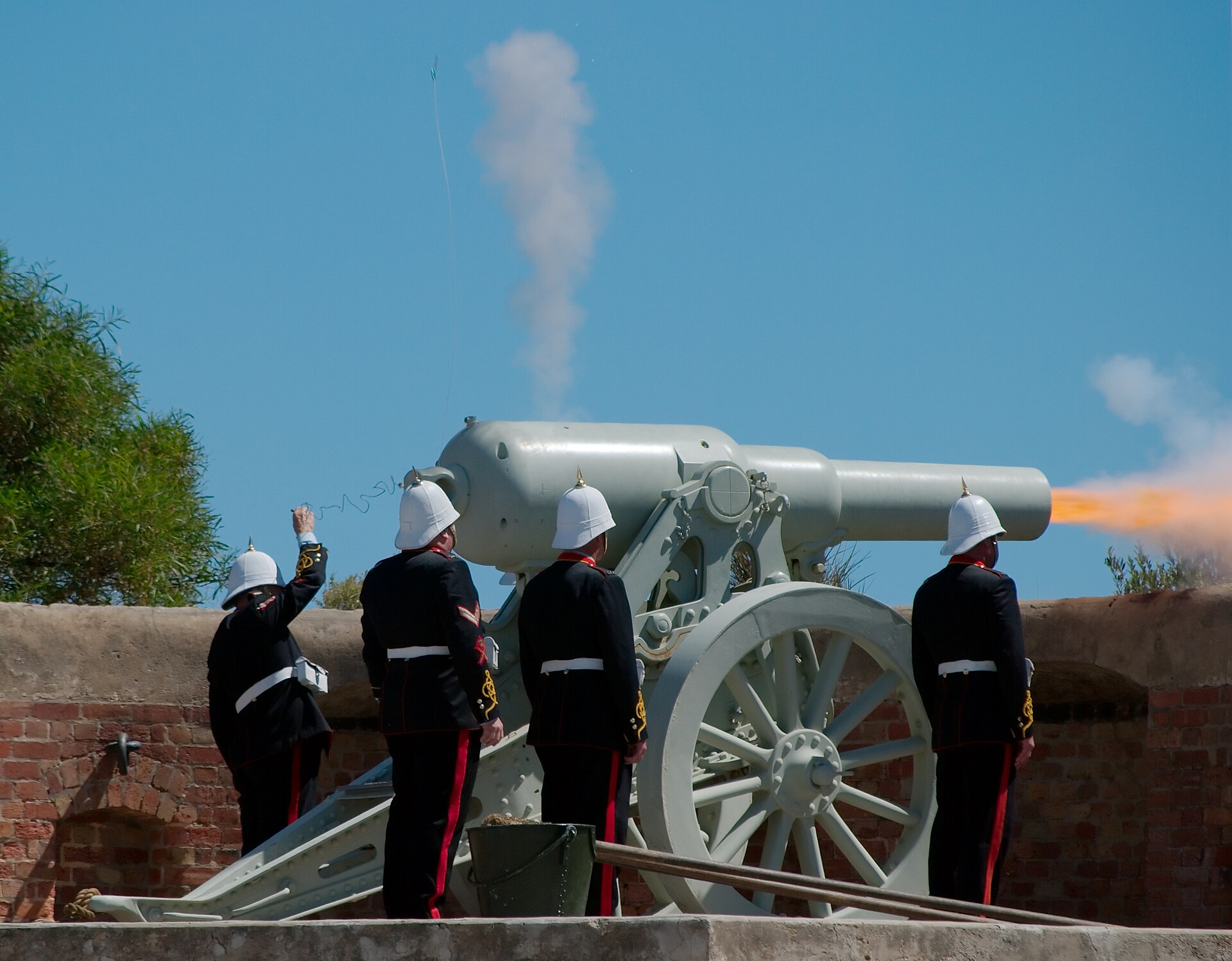
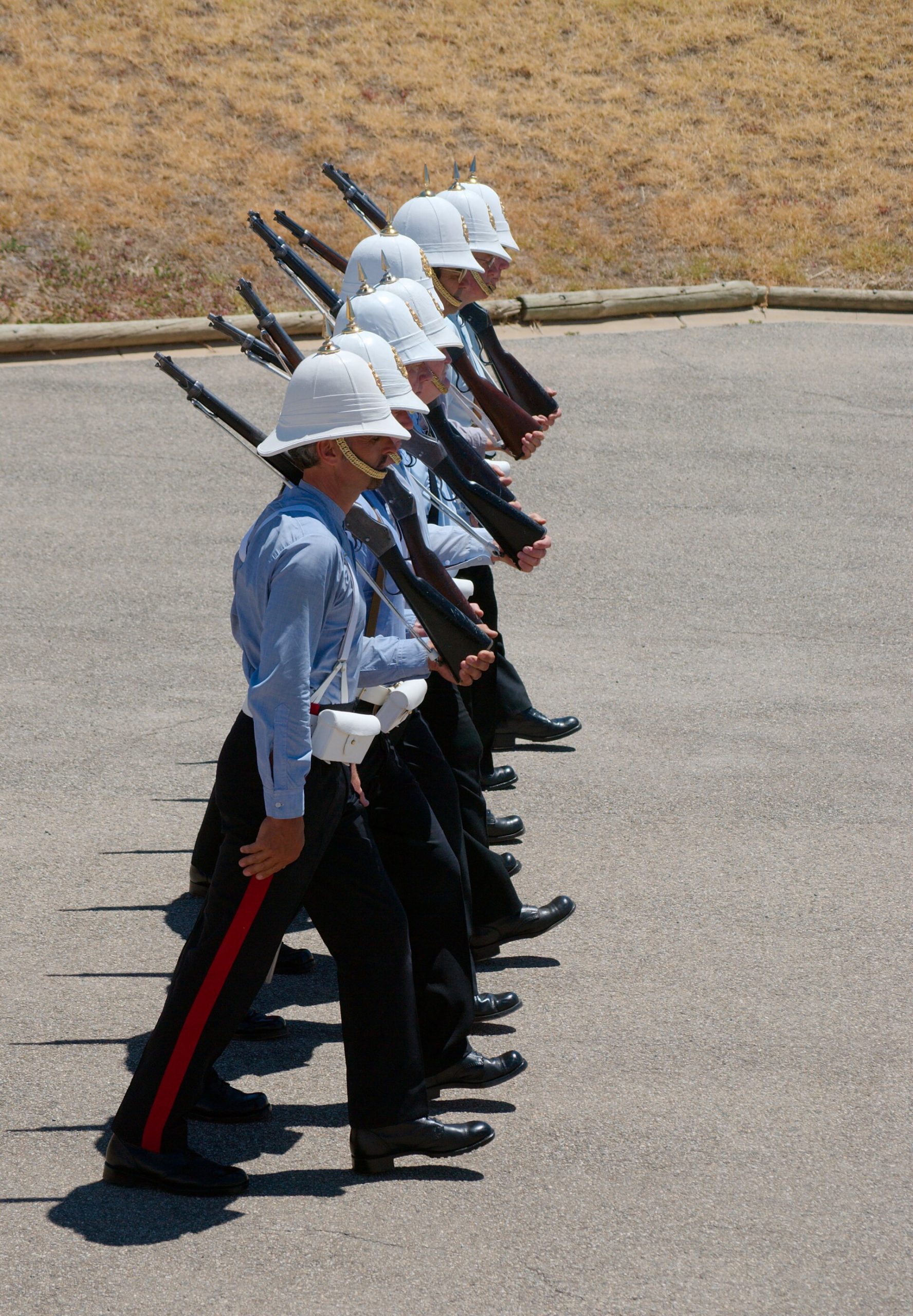
What truly sets Fort Glanville apart is that it is not a silent museum but a living one, where the great guns still fire and the routines of the old garrison are brought vividly back to life. A dedicated historical association operates the fort, and its volunteers stage regular displays in which period weapons are fired and the drills of the colonial artillery are performed for the public.

To witness one of these displays is to experience the fort as it was meant to be, filled with the smoke and thunder of its guns and the disciplined movement of soldiers at their work. The firing of the historic weapons, on the very spot where they were meant to defend the port, collapses the distance between the visitor and the fort’s past in a way that no static display could ever achieve.
The fort holds the remarkable distinction of being the only Australian colonial fort to retain all of its original armament and to run a regular living history program. This combination of authentic guns and active demonstration makes it genuinely unique, a place where the reality of colonial coastal defence can be seen, heard, and almost felt rather than merely imagined.
The volunteers who make this possible are the heart of the fort’s present life, giving their time to research, maintain, and demonstrate its history with evident passion. Their work ensures that Fort Glanville remains not just a preserved structure but a place where the past is actively kept alive, its guns roaring once more across the sandhills of Semaphore for new generations to marvel at.
For families and school groups in particular, these demonstrations turn a visit into an unforgettable encounter with the past. To feel the concussion of a firing gun and watch uniformed figures move through their drills is to grasp the reality of colonial defence in a direct, visceral way, and it leaves an impression that stays with visitors long after they have left the ramparts.
Visiting the Best-Preserved Fort in the Land
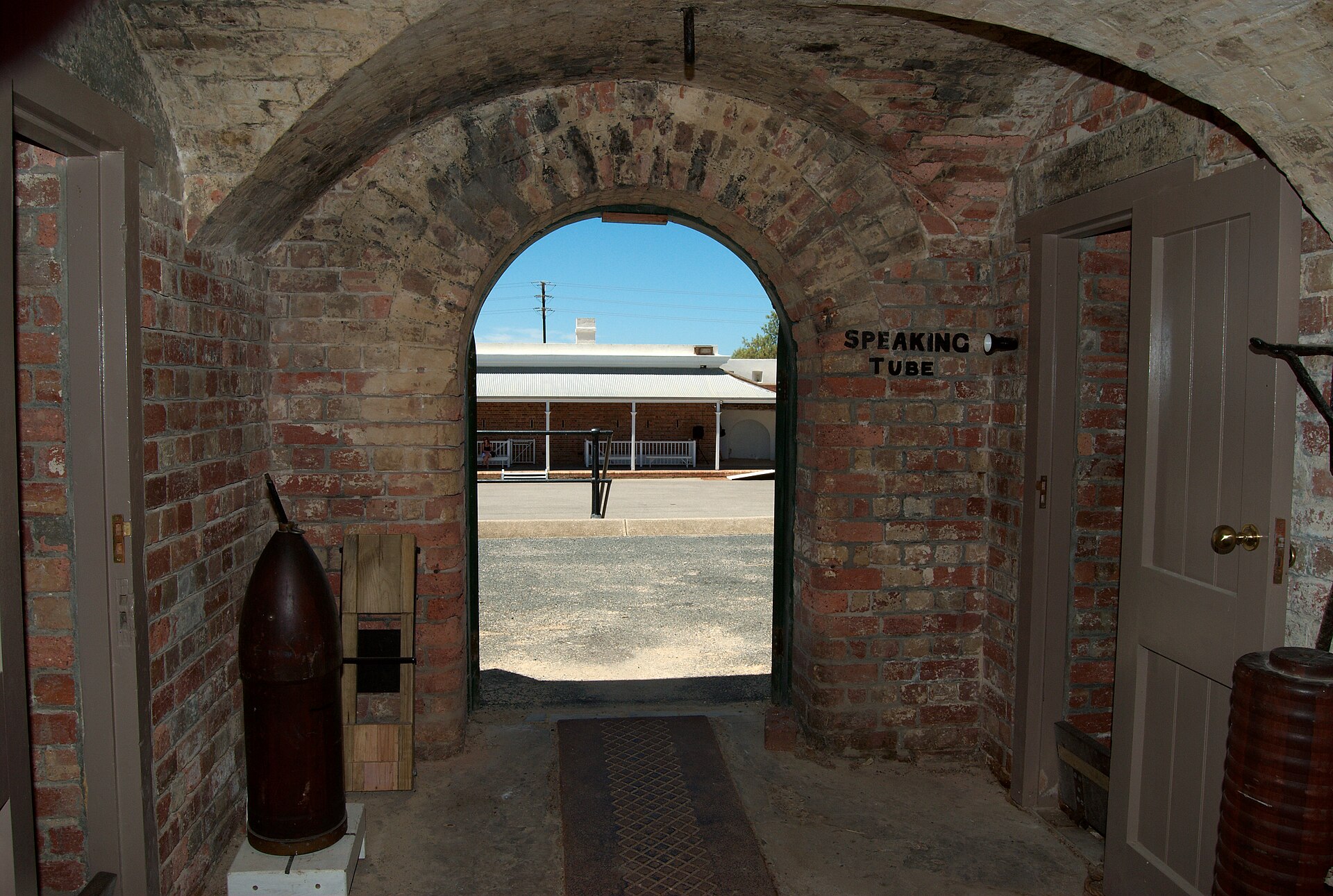
A visit to Fort Glanville is a rare chance to experience a colonial fortress in something very close to its original state. The fort is open to the public, and exploring it lets you walk the ramparts, see the great guns in their emplacements, and venture into the magazine, the barracks, and the other structures that made up this complete military establishment. Few places offer so full a picture of colonial defence.
The completeness of the fort is what makes the experience so special. This is not a fragment or a ruin but a fortress preserved close to whole, from the crescent of its earthworks to the very guns that were mounted in it well over a century ago. Walking through it, you can genuinely understand how such a place worked, from the loading of the great guns to the daily life of the garrison.
View the exact location on Google Maps
It is worth allowing plenty of time to take everything in, for the fort holds more than a quick walk can absorb. From the great guns on their platform to the underground magazine, the barracks, and the flanking galleries, each part of the fort has its own story, and the more closely you look, the more the ingenuity and seriousness of its design reveal themselves.
If you can time your visit to coincide with one of the fort’s living history days, the experience is richer still, with the guns firing and the volunteers bringing the colonial garrison back to life before your eyes. Even on a quiet day, though, the fort rewards exploration, its earthworks and buildings full of the history of South Australia’s first venture into coastal defence.
Standing on the ramparts of Fort Glanville, with the sea stretching out beyond the sandhills, you are visiting the most complete colonial fort in Australia, a fortress that guarded the gateway to a young colony and survives, against all odds, with its guns intact and its story lovingly preserved. It is a place where the anxious history of colonial defence comes to life, and one of the finest fortress experiences the country has to offer.
Castles Nearby
If Fort Glanville has deepened your interest in Australia’s colonial coastal defences, two more forts make excellent next visits:
You May Like
Kingston on Norfolk Island: The Beautiful Fortress of a Feared Penal Colony


One thought on “Fort Glanville: Australia’s Most Complete Colonial Fortress”