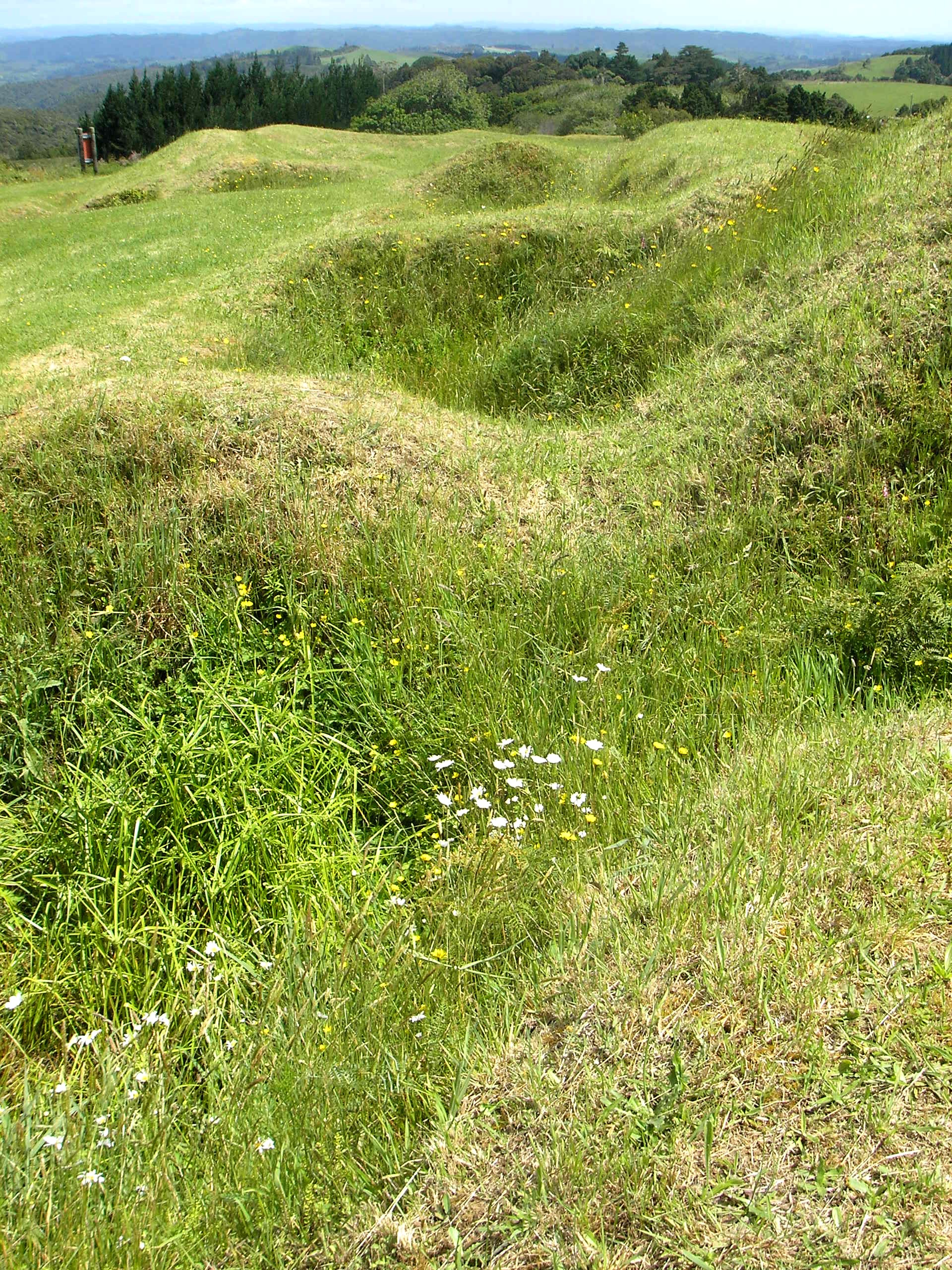
Deep in the green hills of Northland, a short drive from the Bay of Islands, lies a grassy hilltop crossed by low ridges and hollows that most passersby would never guess were once the strongest fortress ever built in New Zealand. This is Ruapekapeka, the Bat’s Nest, a Māori pā whose ingenious design withstood the concentrated fire of British heavy guns and, in doing so, wrote a remarkable chapter in the history of military engineering.
When you think of a castle or a fort, you probably picture tall stone walls and battlements. Ruapekapeka was nothing like that, and that was precisely its genius. Built low into the earth, protected by trenches, bunkers, and cleverly layered palisades, it was designed not to look imposing but to survive bombardment, absorbing the shock of cannon fire that would have shattered a conventional stone wall. In its unassuming earthworks lies one of the most sophisticated fortifications of its age.
Ruapekapeka was the final great stronghold of the Northern War, the conflict that erupted in the mid-1840s as some Māori leaders challenged the growing power of the British Crown in New Zealand. Here the warrior and engineer Te Ruki Kawiti, together with Hōne Heke, drew the might of the British army into a costly siege, and here Māori military innovation reached a peak that would influence the conduct of war far beyond these shores.
In the pages ahead you will walk this quiet hilltop and uncover the story it holds, from the flagstaff dispute that sparked the war, through the astonishing engineering of the pā and the great British bombardment, to the strange and disputed end of the battle and the peace that followed. This is the story of the Bat’s Nest, a fortress of earth that defied an empire.
In This Article
- The Fortress Called the Bat’s Nest
- The War Over a Flagstaff
- Kawiti, the Warrior Engineer
- A New Kind of Fortress for a New Kind of War
- The Bloody Lesson of Ohaeawai
- The Underground Shelters
- Walls That Swallowed Bullets
- Trenches and the Art of Fighting From Cover
- The Great Bombardment
- The Strange End of the Battle
- The Peace That Followed
- Why the Fortress Was Left to the Grass
- Walking the Bat’s Nest Today
The Fortress Called the Bat’s Nest
To understand Ruapekapeka, you first have to set aside the image of a European castle and think instead of the Māori pā, a fortified settlement or stronghold that was a central feature of life and warfare in New Zealand for centuries. Pā were built on hills, headlands, and other defensible ground, protected by earthworks and wooden palisades, and they represented a long and sophisticated tradition of fortification quite distinct from anything in Europe.
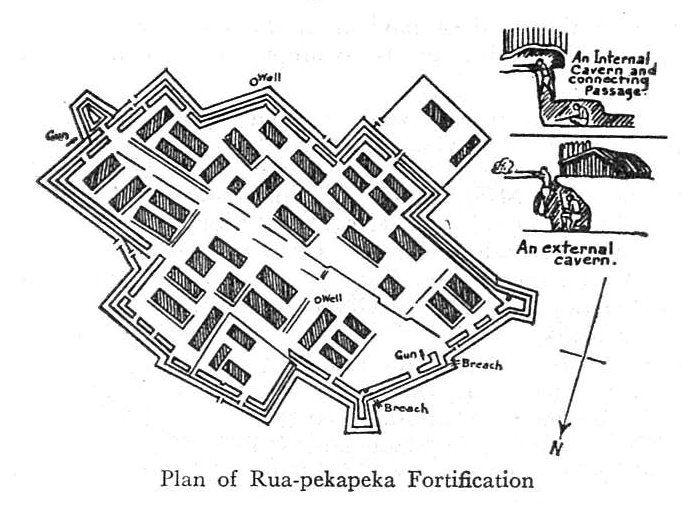
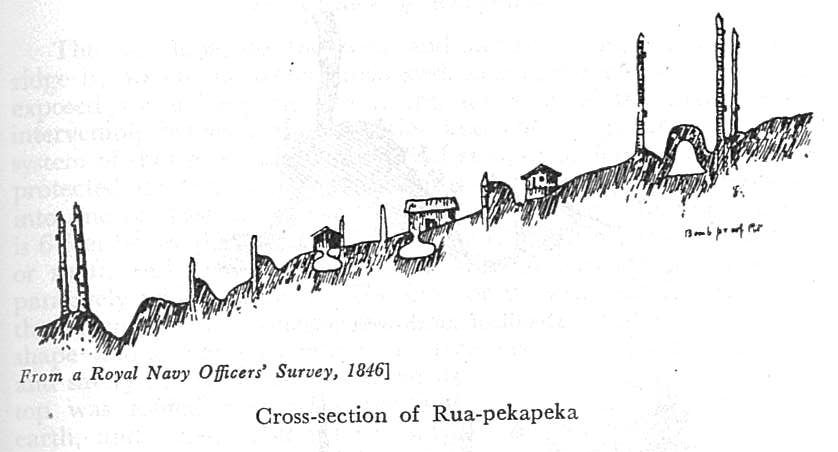
Ruapekapeka took its evocative name, the Bat’s Nest, from its most remarkable feature, the network of dugouts and underground shelters that honeycombed the site. Like a colony of bats sheltering in a cave, the defenders could disappear beneath the surface into bomb-proof chambers, safe from the fire that rained down upon the pā. The name captured perfectly the hidden, burrowing character of the fortress.
This was a stronghold built for a new kind of war, one in which the enemy possessed heavy artillery capable of smashing traditional defences. The old style of pā, however formidable against other Māori, would not survive a sustained bombardment by cannon, and Ruapekapeka was designed from the ground up to meet this unprecedented threat. It was fortification reinvented for the age of the gun.
What resulted was something genuinely new, a fortress that drew on the deep traditions of the pā but adapted them with brilliant ingenuity to withstand European firepower. Contemporary observers, including the British soldiers who fought against it, recognised that they were looking at something extraordinary, a model of engineering that turned a grassy hilltop into a nearly impregnable strongpoint.
The building of a pā was a communal undertaking that drew on generations of accumulated knowledge, from the reading of the land to the working of timber and earth. A great pā like Ruapekapeka represented an enormous investment of labour and skill, and its construction was itself an assertion of strength and determination, a statement that those who built it were prepared to defend their ground against whatever might come.
The War Over a Flagstaff
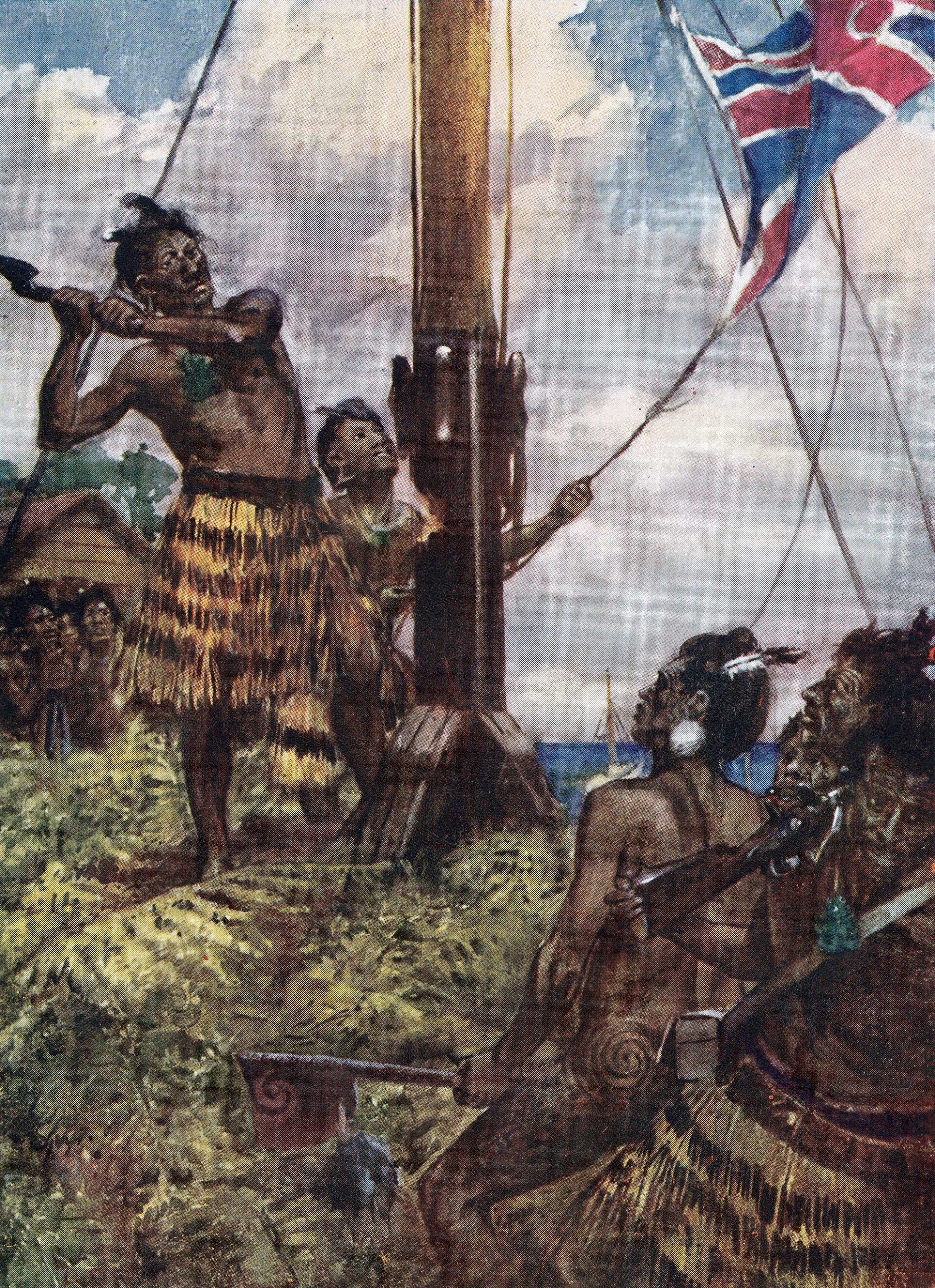
The conflict that led to Ruapekapeka began, famously, with a flagstaff. In the settlement of Kororāreka in the Bay of Islands, a flagpole flying the British flag came to symbolise the growing authority of the Crown over Māori land and life, and for the chief Hōne Heke it became an intolerable emblem of encroaching power. He cut it down, and when it was re-erected, he cut it down again.
This act of defiance, repeated in the face of British attempts to reassert their authority, escalated into open war. The felling of the flagstaff was more than a symbolic gesture; it was a direct challenge to the terms on which the British presence in New Zealand rested, and it drew a military response that turned Northland into the theatre of a serious colonial conflict in the mid-1840s.
The war that followed was a complex affair, and it did not divide neatly into Māori against British. Māori leaders held differing views about the wisdom of resisting the Crown, and some allied themselves with the British, so that the conflict pitted Māori against Māori as well as against colonial and imperial forces. It was a war fought within a rapidly changing world, with New Zealand society itself in flux.
Ruapekapeka was to be the culminating battle of this Northern War, the great set-piece confrontation toward which the conflict built. Here the leaders who had defied the Crown would make their stand behind the most advanced fortifications they could devise, and here the British would bring the full weight of their military power to bear in an effort to crush the resistance once and for all.
It is worth appreciating just how charged that flagstaff had become as a symbol. To the British it represented lawful authority and the sovereignty they believed the Crown had gained; to Heke and those who thought like him it represented the erosion of Māori independence and the broken promises they associated with the new order. In cutting it down, Heke was making an argument about power and its limits that words alone could not convey.
Kawiti, the Warrior Engineer
The genius behind Ruapekapeka was Te Ruki Kawiti, a senior Ngāpuhi chief and a warrior of great experience and cunning. Alongside Hōne Heke, Kawiti led the resistance, but it was his particular gift for the engineering of war that gave the Bat’s Nest its extraordinary strength. He understood, perhaps better than anyone, how to build a fortress that could survive the new weapons the British possessed.
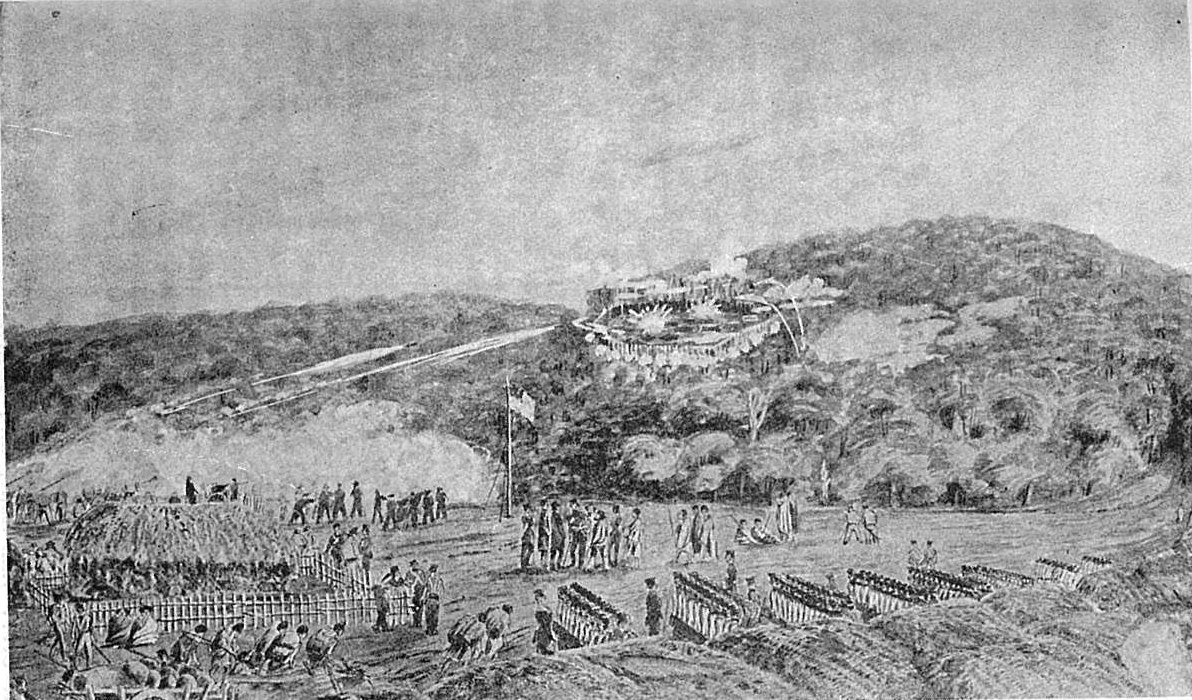
Kawiti had already demonstrated his tactical brilliance earlier in the war, and at Ruapekapeka he brought that experience to its fullest expression. He chose the site, directed its fortification, and designed a stronghold that reflected a deep understanding of both traditional pā construction and the demands of resisting artillery. The pā was, in a real sense, the masterwork of a lifetime of warfare.
What makes Kawiti’s achievement so striking is that he was adapting to a technology that was still relatively new to Māori warfare. In the space of a few years, Māori leaders had absorbed the lessons of fighting against and with firearms and cannon, and Kawiti translated those lessons into physical form, building defences specifically calculated to blunt the power of European guns. It was rapid and brilliant military innovation.
To walk Ruapekapeka today is to walk through the mind of this remarkable strategist, whose earthworks and trenches were laid out with careful thought about how the enemy would attack and how his people could survive. The pā stands as a monument to Kawiti’s ingenuity, a testament to a leader who met the might of an empire not with despair but with a fortress of astonishing sophistication.
Kawiti was not a young hothead but a seasoned leader whose authority rested on long experience, and his decision to build and hold Ruapekapeka was a considered act of strategy. He seems to have understood that the pā could serve as a place to draw the British into a battle on ground of his own choosing, where their advantages in numbers and artillery would be offset by the ingenuity of his defences.
His partnership with Hōne Heke also mattered greatly, combining Heke’s bold defiance with Kawiti’s deep tactical wisdom. Together the two leaders presented the British with a formidable challenge, and their cooperation at Ruapekapeka brought together the different strengths that had driven the resistance throughout the Northern War into a single, formidable stand.
A New Kind of Fortress for a New Kind of War
Ruapekapeka is often described as the finest example of the gunfighter pā, a new style of fortification that Māori developed specifically to fight against firearms and artillery. This represented a genuine revolution in the design of the pā, a rethinking of centuries-old traditions to meet a threat that earlier generations had never faced. The Bat’s Nest was the most advanced expression of this new thinking.
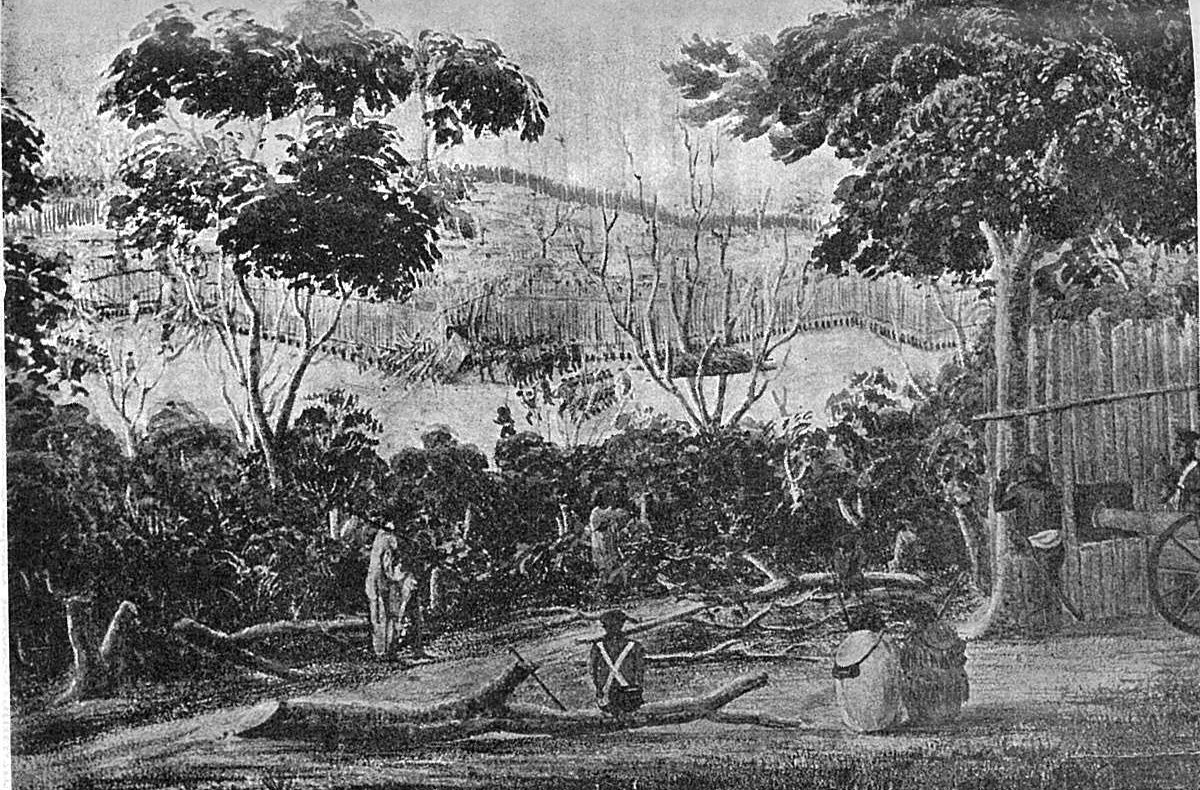
The core idea was to build defences that could absorb and survive gunfire rather than simply presenting a barrier. Where a tall stone wall would shatter under cannon fire, sending deadly splinters flying, the low earthworks and trenches of a gunfighter pā would soak up the impact, and the defenders could shelter below ground until the bombardment ceased. It was a philosophy of survival through concealment and resilience rather than sheer height and mass.
This approach turned the conventional logic of fortification on its head. Instead of the imposing walls that dominated European castle-building, the gunfighter pā was deliberately low, hard to hit, and honeycombed with protective spaces. It looked far less impressive than a stone fortress, yet it was in many ways far better suited to the realities of nineteenth-century firepower, a fact the British would learn at great cost.
The significance of this innovation reached far beyond New Zealand. In developing the gunfighter pā, Māori engineers anticipated principles of trench warfare and defensive earthworks that would come to dominate warfare around the world, and military thinkers would later look back on these fortifications with real respect. Ruapekapeka was not a primitive stockade but a sophisticated solution to the central military problem of its age.
Perhaps the most remarkable aspect of this innovation is how quickly it developed. Within a very short span of time, Māori engineers moved from traditional pā designed for warfare between iwi to fortifications purpose-built to resist European armies with cannon and muskets. That leap of adaptation, achieved under the pressure of war, testifies to a formidable capacity for military innovation.
The Bloody Lesson of Ohaeawai
Ruapekapeka did not emerge from nowhere. It was the culmination of hard lessons learned earlier in the Northern War, above all at the battle of Ōhaeawai, where a Māori pā had already given the British a brutal demonstration of what these new fortifications could do. That earlier engagement cast a long shadow over the campaign that followed.
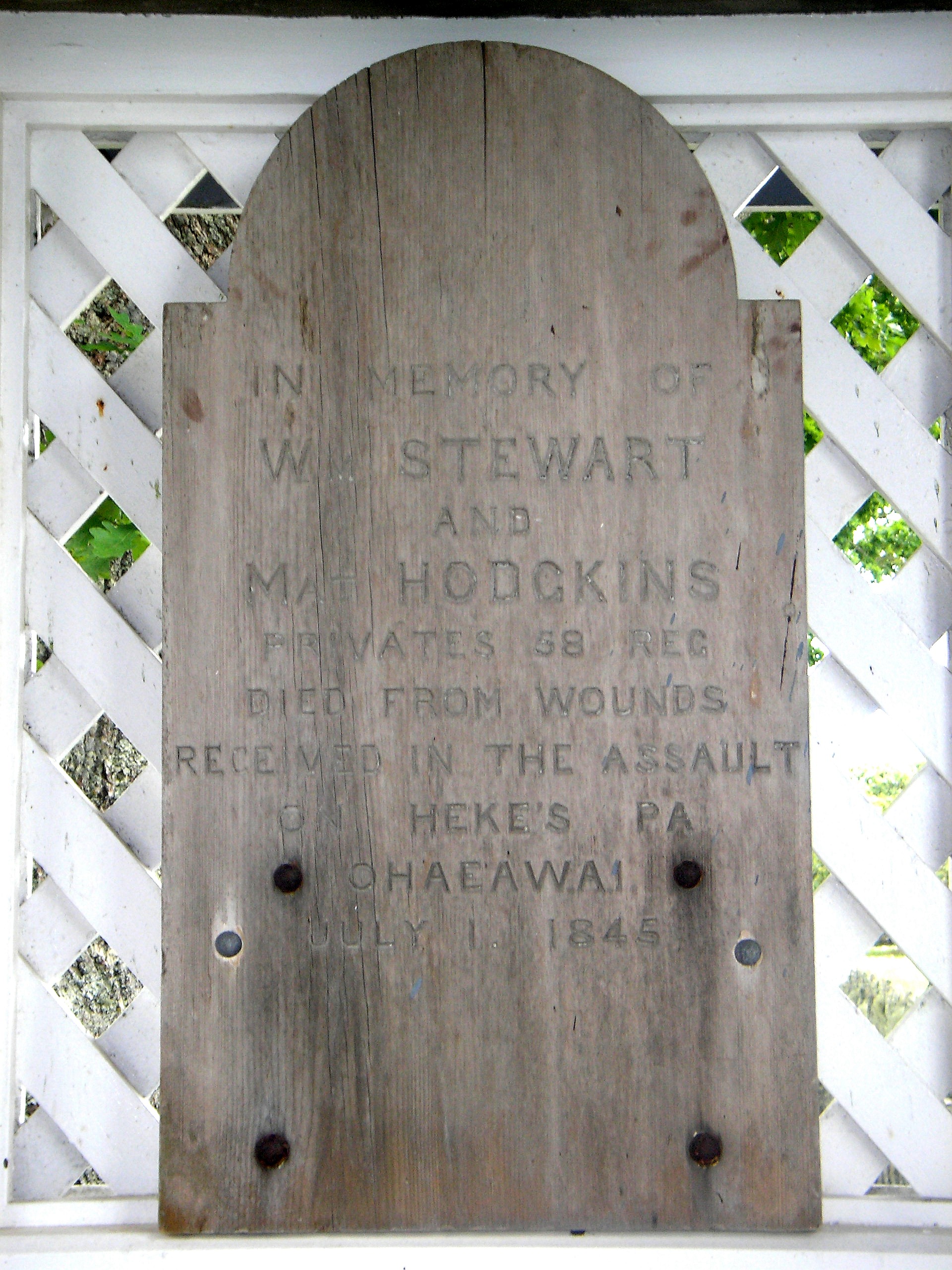
At Ōhaeawai, British forces had attempted a direct assault on a well-built pā and suffered heavy losses, thrown back with grievous casualties by defenders fighting from behind flax-covered palisades and cover. It was a shocking and costly reverse, and it taught the British in the most painful way possible that storming such a fortress was a desperately dangerous undertaking.
The lesson of Ōhaeawai shaped the approach to Ruapekapeka. Wary of another bloody repulse, the British relied more heavily on artillery and siege methods, hoping to batter the new pā into submission rather than risk a frontal assault against its defences. The memory of the earlier disaster hung over their whole conduct of the later siege.
In this way Ruapekapeka represented the maturing of a deadly contest between Māori fortification and British firepower. Each engagement taught both sides new lessons, and at the Bat’s Nest the art of the gunfighter pā reached its highest development, building on the grim experience of earlier battles like Ōhaeawai to create the most formidable stronghold of the entire war.
These earlier battles are part of why Ruapekapeka should be understood not in isolation but as the high point of a whole evolving contest. Each engagement in the Northern War advanced the deadly dialogue between Māori fortification and British firepower, and the Bat’s Nest represented the most refined answer Māori engineers had yet devised to the problem of the enemy’s guns.
The Underground Shelters
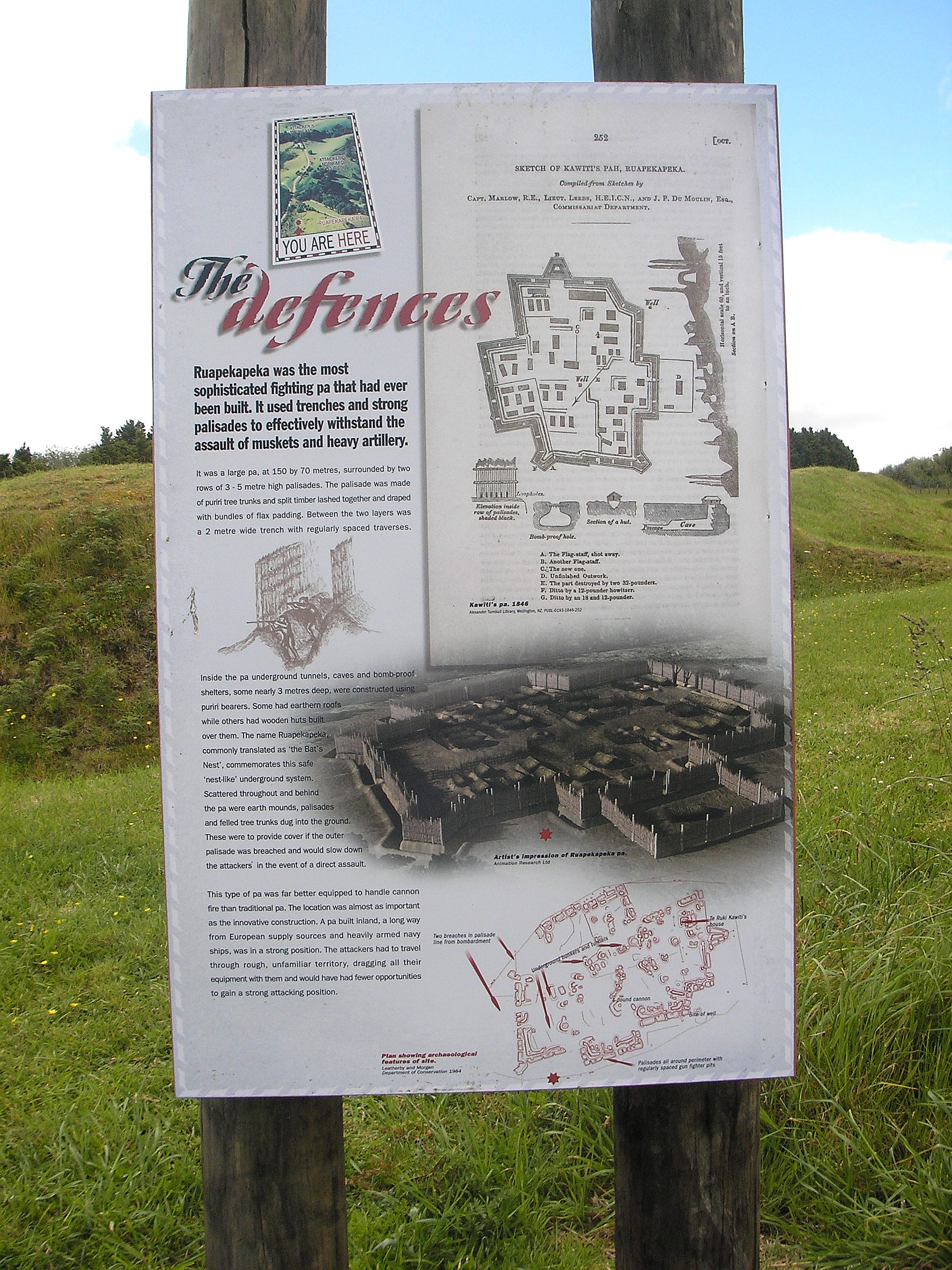
The feature that gave Ruapekapeka its name and much of its strength lay beneath the surface, in the network of dugouts and bomb-proof shelters that protected the defenders during bombardment. These underground chambers, reached through narrow entrances, allowed warriors to shelter safely below ground while British shells burst overhead, emerging to man the defences once the fire slackened.
Each of these shelters could hold a number of people, and together they formed a system that made the pā extraordinarily resilient to bombardment. The British could pour fire onto the surface of the fortress, tearing up the earthworks and shattering palisades, yet the defenders would survive, tucked safely into their burrows until the moment came to fight. It was this that so frustrated the attackers and prolonged the siege.
The concept was as brilliant as it was simple. Artillery is most deadly against troops caught in the open or behind walls that shatter under impact, but against men sheltering deep in the earth it loses much of its power. By taking his people underground, Kawiti neutralised the single greatest advantage the British possessed, their heavy guns, and forced them into a far more difficult and costly kind of fight.
These shelters anticipated, in a striking way, the dugouts and bunkers that would characterise warfare in later generations. The idea of surviving a bombardment by going deep into the earth would become central to military practice around the world, and here at Ruapekapeka, decades earlier, Māori engineers had grasped and applied the principle with remarkable success.
For the warriors who sheltered in them during the bombardment, these chambers must have been places of both safety and grim endurance, cramped and dark while the earth shook with the impact of shells above. To wait out such a cannonade underground, then climb back up to manage the defences, demanded courage and discipline of a high order, qualities the defenders of Ruapekapeka showed in full measure.
Walls That Swallowed Bullets
Above ground, Ruapekapeka was protected by palisades, but these were no ordinary wooden walls. Built in multiple rows and constructed from heavy timber, they were designed to slow and stop an attacker, but their most ingenious feature was the covering of flax that clothed the outer palisade, a detail that turned them into something remarkably effective against musket fire.
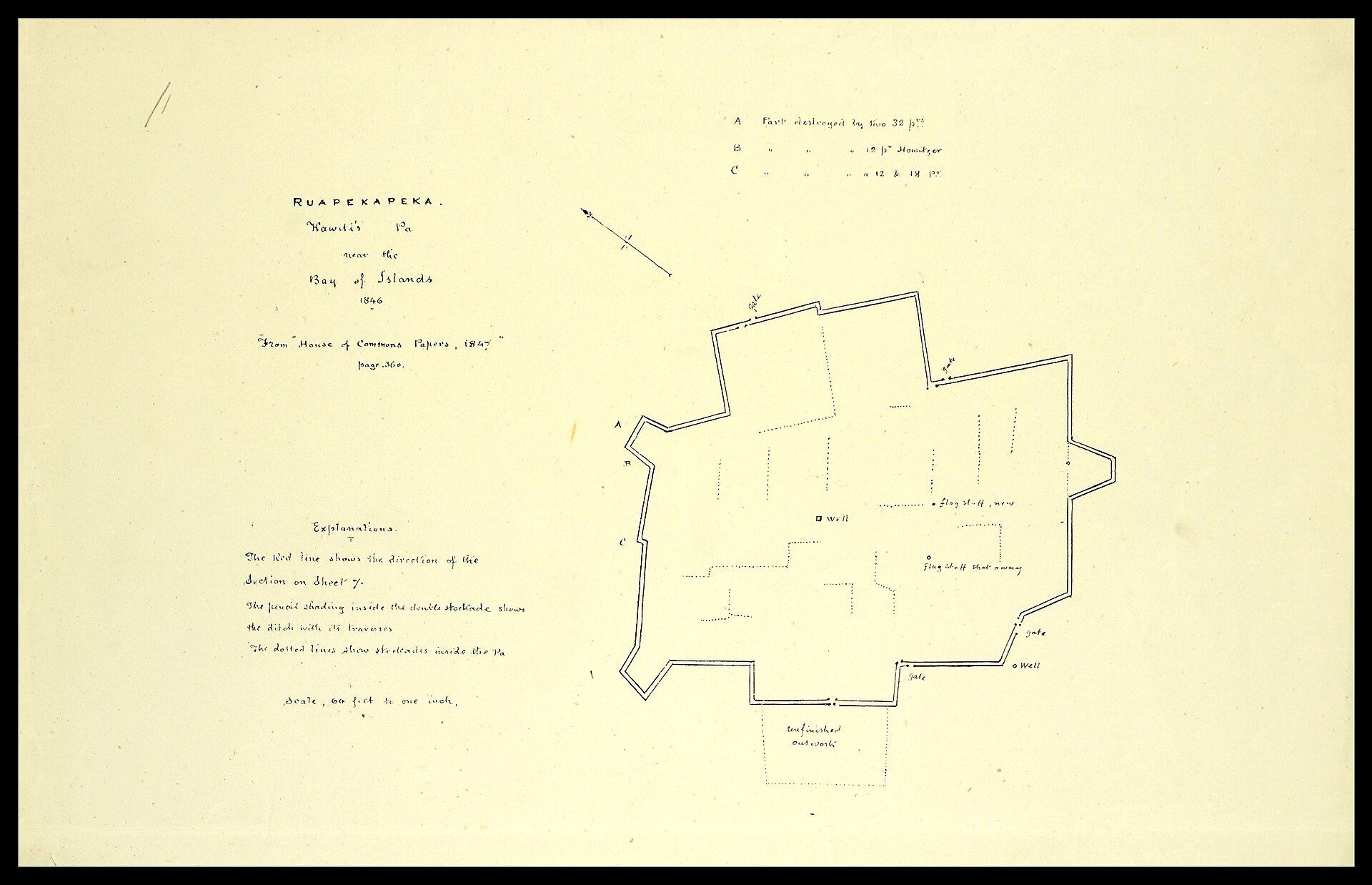
The dense, fibrous leaves of New Zealand flax, hung over the palisade, had the effect of absorbing and dissipating the force of musket balls, so that shots which would have splintered bare timber were instead swallowed by the flexible covering. In effect, the defenders had created a kind of bulletproof screen from a native plant, a brilliant improvisation that used the materials at hand to counter the enemy’s firepower.
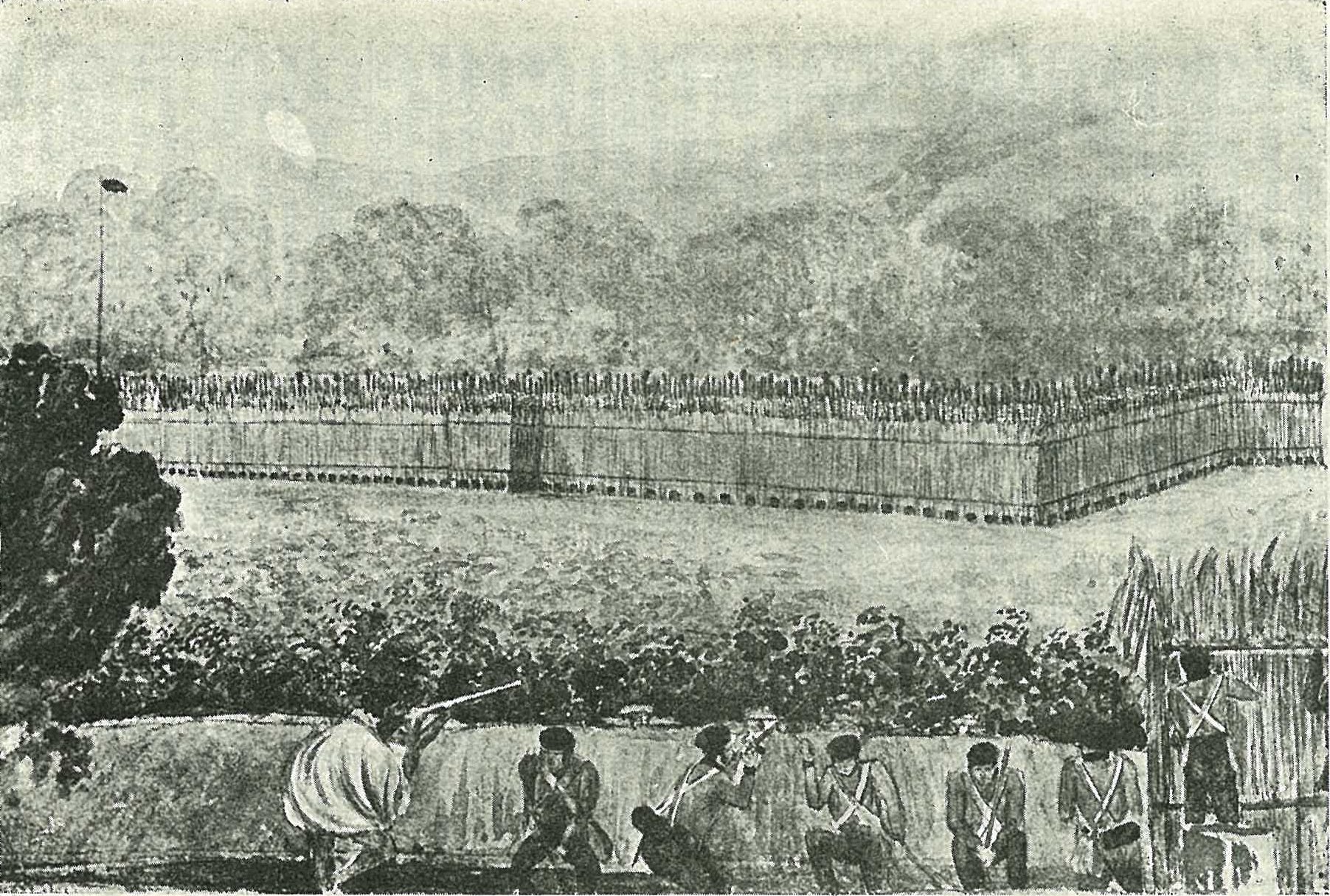
The palisades were also arranged in depth, with multiple rows on the more vulnerable sides, so that an attacker who breached one line would find himself facing another. This layering, combined with the trenches behind, meant that storming the pā would be a slow and bloody business, with defenders able to fire from cover at every stage of an assault.
The combination of heavy timber, flax covering, and multiple rows made the palisades of Ruapekapeka a formidable obstacle, far tougher than their appearance suggested. Together with the trenches and underground shelters, they formed a defensive system of great sophistication, each element working with the others to blunt the power of the British attack and protect the warriors within.
This use of a common native plant to defeat modern weaponry is one of the most memorable details of the whole story. It shows a keen, practical intelligence at work, observing that the tough fibres of flax could soften the blow of a musket ball and turning that observation into a defensive advantage. Ingenuity of this kind, drawing on intimate knowledge of the local environment, ran through every aspect of the pā’s design.
Trenches and the Art of Fighting From Cover
Running through and around the pā was a system of trenches that allowed the defenders to fight from cover and move about the fortress in relative safety. These trenches, connected by passages, let warriors advance to firing positions, deliver their shots, and then withdraw to reload out of the enemy’s line of fire, a method that maximised their effectiveness while minimising their exposure.
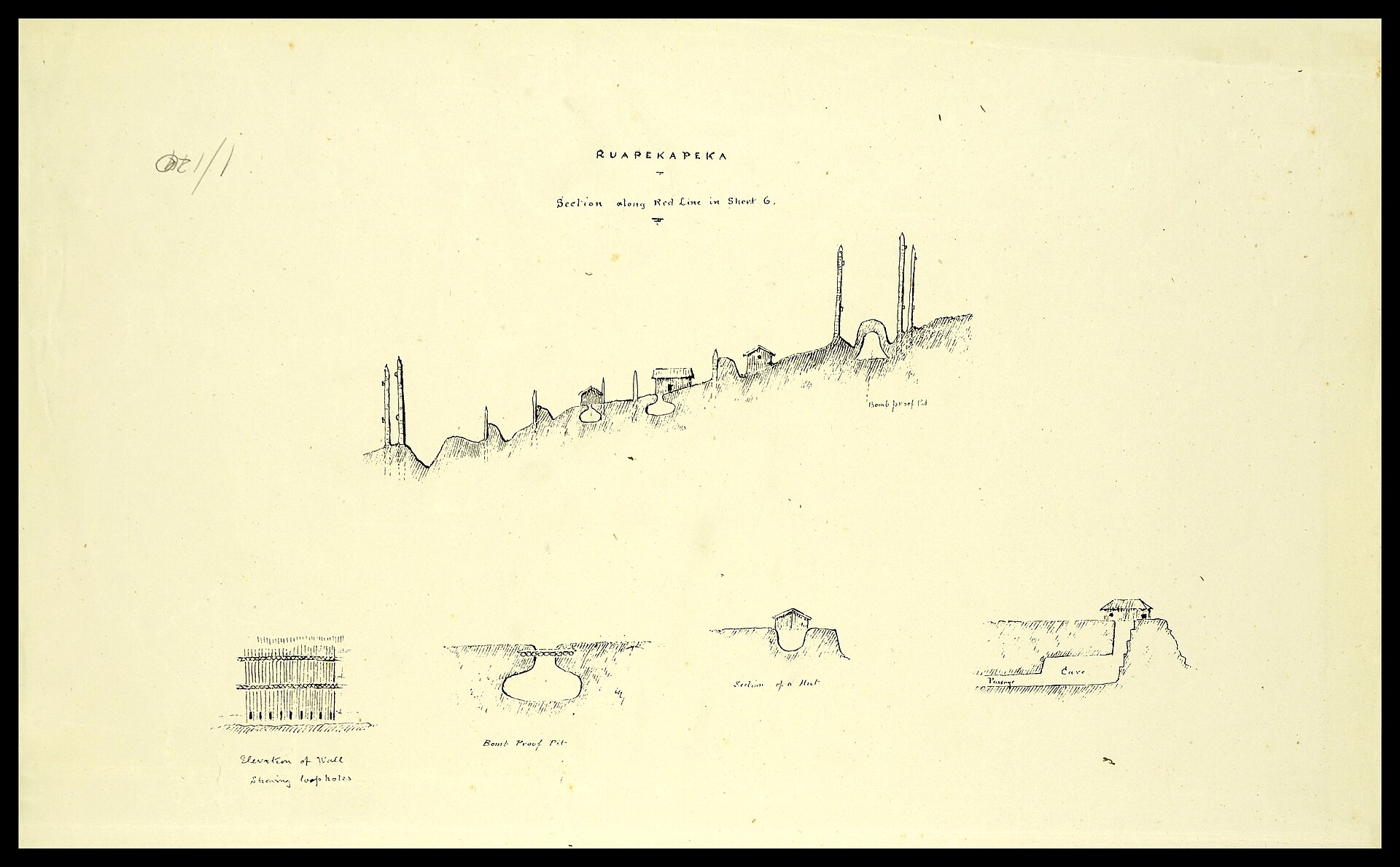
This was a crucial innovation, for it meant that the defenders were rarely exposed to the full weight of British fire. Rather than standing atop a wall to shoot, as defenders of a conventional fort might, the warriors of Ruapekapeka could fight from below, popping up to fire and then dropping back into the protection of the trenches. It made them elusive and difficult targets.
The trench system also gave the pā a flexibility that a static wall could never provide. Defenders could shift quickly from one part of the fortress to another through the connecting passages, concentrating their strength wherever the attack pressed hardest. This mobility within the defences was a significant advantage, allowing a relatively small garrison to make the most of its numbers.
In these trenches, once again, Ruapekapeka anticipated the warfare of the future. The techniques of fighting from trenches, of advancing and retiring under cover, of moving through connecting passages, would become central to the great conflicts of later generations. What the world would learn at terrible cost in later wars, Kawiti’s warriors were already practising on this Northland hilltop.
The sophistication of this system was not lost on the British soldiers who encountered it. Officers who examined the pā spoke with real admiration of its engineering, recognising in its trenches and works a level of skill that matched or exceeded what they might have expected from a European army. Such praise from one’s adversaries is perhaps the truest measure of how advanced these fortifications were.
The Great Bombardment
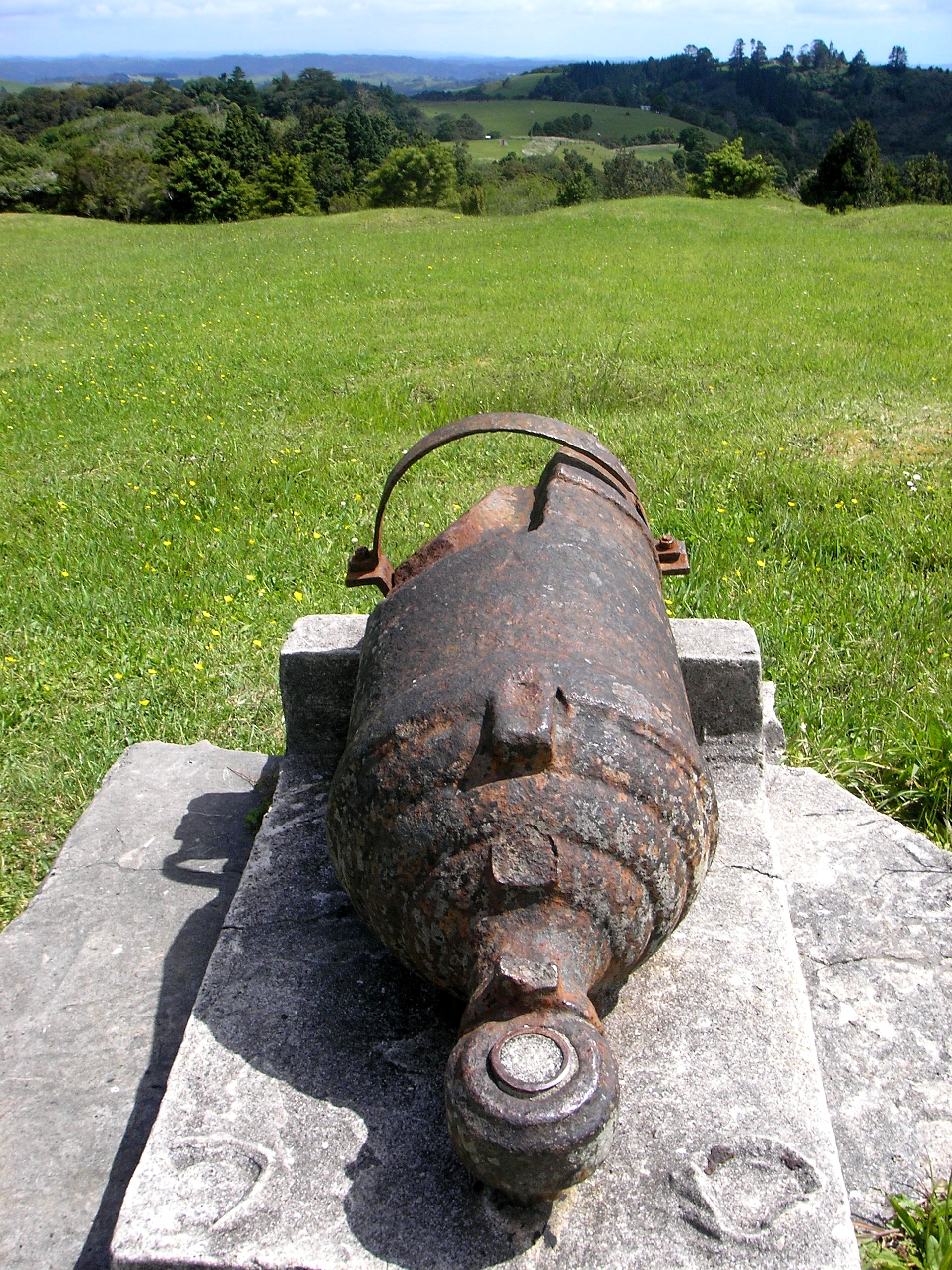
To reduce this formidable fortress, the British assembled a powerful force and a formidable train of artillery, dragging heavy guns through difficult country to bring them to bear on the pā. The array of ordnance was impressive, including large naval guns, howitzers, mortars, and rockets, a concentration of firepower meant to batter the Bat’s Nest into submission.
The bombardment that followed was intense, as the British guns hurled shot and shell at the earthworks and palisades of the pā day after day. The noise and fury of such a cannonade were tremendous, and against a conventional fortress the effect would have been devastating, smashing walls and driving the defenders from their positions in short order.
Yet Ruapekapeka endured. The clever design of the pā, with its low earthworks, its flax-covered palisades, and above all its underground shelters, allowed the defenders to survive the pounding that would have destroyed a lesser fortress. The British found themselves expending enormous quantities of ammunition against an enemy who simply went to ground and waited out the storm of fire.
This resilience turned the siege into a prolonged and frustrating affair for the attackers. The British had expected their guns to make short work of the pā, but instead they faced a fortress that absorbed everything they could throw at it, forcing them to bring their batteries ever closer and to contemplate the costly prospect of a direct assault. The Bat’s Nest was proving its worth.
Hauling the heavy guns to the pā had itself been a considerable feat, dragging tons of metal through rough and roadless country to bring them within range. The effort the British were willing to expend speaks to how seriously they took the task of reducing Ruapekapeka, and how determined they were to bring the resistance of the Northern War to a decisive end.
The Strange End of the Battle
The end of the battle for Ruapekapeka, when it came, was as unusual as the fortress itself, and it remains a subject of discussion to this day. On a Sunday in the middle of January, British forces discovered that much of the pā appeared to be empty, its defenders having largely withdrawn from the main works, and they moved to occupy the seemingly abandoned fortress.
What followed was a sharp and confused fight, as Māori warriors still in the vicinity contested the British occupation of the pā, engaging in a gunfight around and behind the works before ultimately withdrawing. The circumstances of this final action, and the question of why the pā was found so lightly held, have been debated by historians ever since, with various explanations offered for the defenders’ movements.
Whatever the precise sequence of events, the result was that the British gained possession of the pā, and the great siege of Ruapekapeka came to an end. In one sense this was a British success, the capture of the enemy’s principal stronghold, but it was a costly and hard-won prize, and the manner of the victory did little to diminish the reputation of the fortress or its defenders.
The casualties of the battle reflected how seriously it had been contested, with losses on both sides. For all the weight of artillery the British had brought to bear, taking the pā had proven a difficult and bloody undertaking, and the defenders had inflicted real punishment on the attackers. Ruapekapeka had more than justified the ingenuity that went into building it.
It is important, too, to resist the temptation to read the fall of the pā as a simple defeat. The defenders had achieved much of what they set out to do, imposing heavy costs on the British and preserving their fighting strength, and the withdrawal from the works may well have been a deliberate choice rather than a rout. The ambiguity of the ending is part of what makes Ruapekapeka such a fascinating episode.
The Peace That Followed
Remarkably, the fall of Ruapekapeka did not lead to the harsh reckoning that might have been expected. In the aftermath of the battle, through the mediation of Māori leaders who had allied with the British, a peace was arranged that brought the Northern War to a close on terms far more generous than the defeated might have feared.
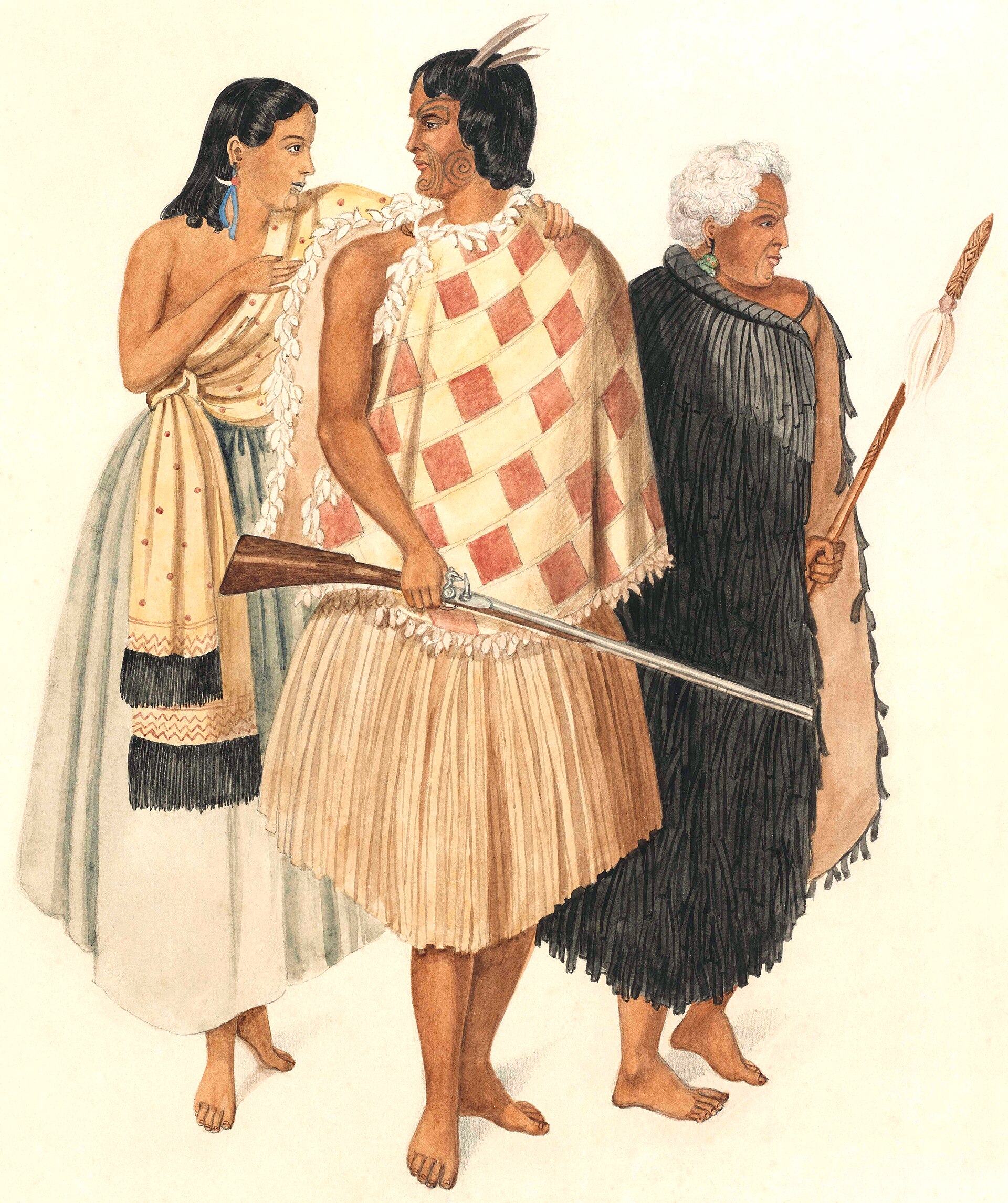
The leaders who had resisted the Crown, including Kawiti and Hōne Heke, were pardoned, and crucially, no Māori land was confiscated as a punishment for the war. This was a strikingly lenient outcome, and it reflected both the strength that Māori had shown in the conflict and the delicate realities of the colonial situation, in which the British could not afford to alienate their Māori allies or provoke wider resistance.
This peace without confiscation stands in notable contrast to some later conflicts in New Zealand, where defeat brought the loss of vast tracts of Māori land. The outcome of the Northern War suggested that the resistance at places like Ruapekapeka had earned a measure of respect and restraint, and that the sheer difficulty of subduing such fortresses had given Māori leaders real bargaining power.
In this sense, the story of Ruapekapeka is not simply one of a battle lost but of a resistance that achieved something important. The formidable defence mounted at the Bat’s Nest, and the cost it imposed on the British, helped shape a peace that preserved Māori land and dignity, a legacy that lends the site a significance reaching well beyond the events of the siege itself.
The relatively generous peace also owed much to the complex web of relationships among Māori leaders and between Māori and the Crown. The war had been fought within a society still negotiating the terms of its new relationship with the British, and the settlement reflected that delicacy, an outcome shaped as much by diplomacy and mutual respect as by the fortunes of the battlefield.
Why the Fortress Was Left to the Grass
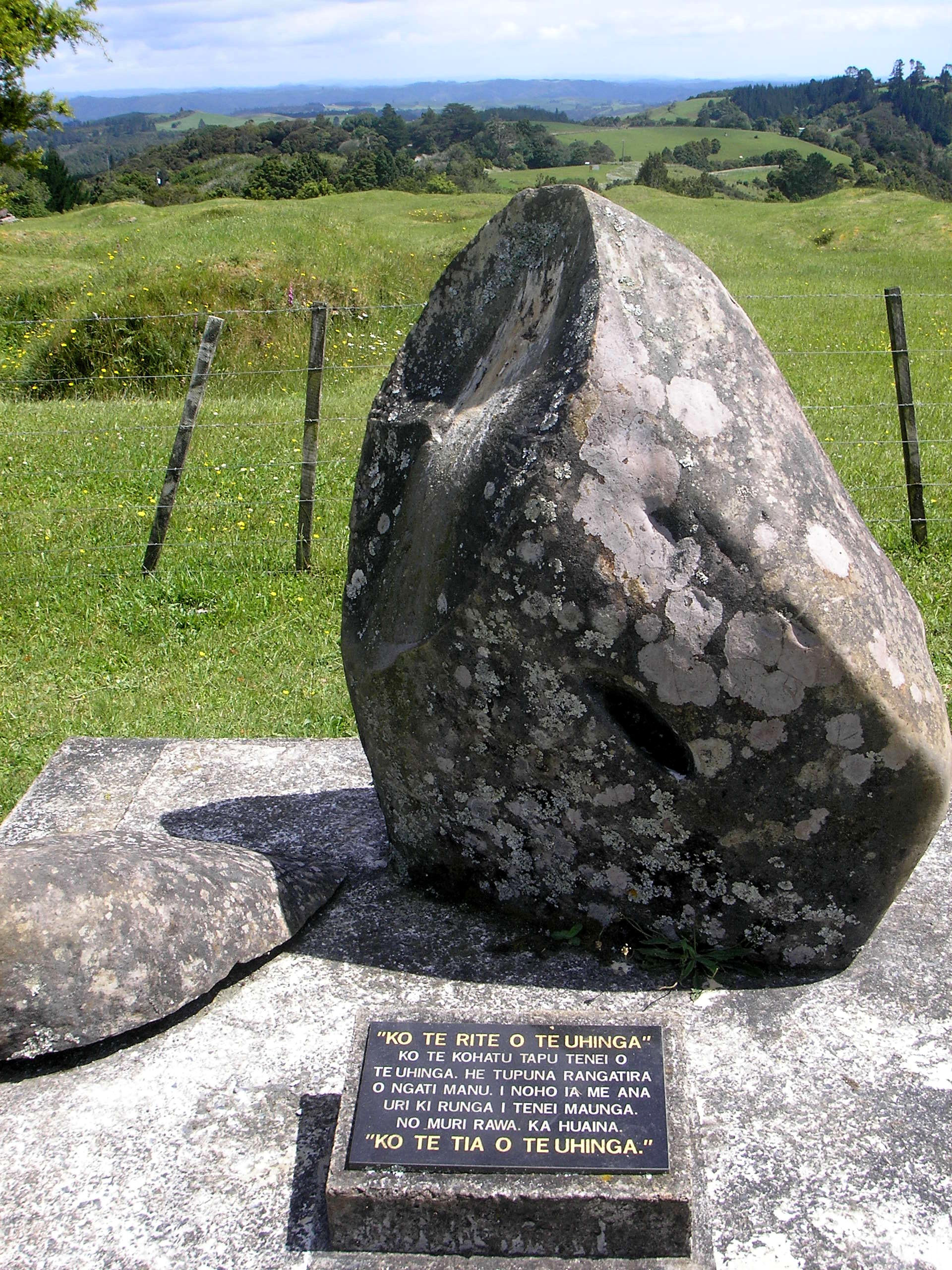
After the battle, Ruapekapeka was not reoccupied or rebuilt but left to the grass and the wind, and the reason for this reflects a deep principle of Māori custom. A place where blood had been spilled in battle became tapu, sacred and set apart, and it was not considered fitting to continue living on ground that had been so marked by death and conflict.
And so the defenders departed, moving away to other places rather than returning to the fortress they had so brilliantly defended. The pā that had cost so much effort to build and had withstood the might of British artillery was abandoned, its purpose fulfilled, its ground now belonging to memory and to the tapu that attached to it.
This custom gives the site a particular character today, for it was never overbuilt or absorbed into later settlement but left largely as it was after the battle. The earthworks that survive are those of the pā itself, preserved by the very practice that led to its abandonment, so that the hilltop remains a direct link to the events of the Northern War.
Understanding this tapu is essential to understanding what Ruapekapeka means. It is not merely an archaeological site or a military monument but a place of deep cultural and spiritual significance, sacred ground where a pivotal moment in the history of Māori and the Crown unfolded. Those who visit are asked to treat it with the respect that its history and its tapu demand.
For the descendants of those who fought here, the site remains a place of profound meaning, connected to ancestors and to a defining moment in their history. This living connection is part of what visitors are asked to honour, recognising that Ruapekapeka is not a dead monument but a place that continues to hold deep significance for the people whose forebears built and defended it.
Walking the Bat’s Nest Today
Today Ruapekapeka is preserved as a historic reserve, cared for so that visitors can walk the ground where this extraordinary fortress once stood and defied an empire. The site is open to those who wish to experience it, and interpretive information helps visitors understand what they are seeing in the low ridges and hollows that cross the grassy hilltop.
At first glance the earthworks may seem modest, but as you learn to read them, the sophistication of the pā begins to reveal itself. The lines of the trenches, the platforms and hollows where the defences stood, and the shape of the ground all speak of the careful engineering that made this the strongest pā in the country, and a little imagination brings the fortress vividly back to life.
View the exact location on Google Maps
The peaceful setting of the reserve today stands in poignant contrast to the violence it once witnessed. Birdsong and the rustle of grass have replaced the thunder of cannon, and the hilltop that was once the most fought-over ground in the country now offers a place of stillness and reflection, all the more moving for the history that lies just beneath its quiet surface.
Visiting Ruapekapeka is also an opportunity to reflect on a story that is central to the history of New Zealand, the meeting of Māori and the Crown, the resistance mounted by leaders like Kawiti and Heke, and the remarkable military genius embodied in these earthworks. It is a place that rewards quiet contemplation as much as historical curiosity.
Above all, the site asks to be approached with respect, as sacred ground where people fought and died and where a significant chapter of the nation’s story was written. Standing on this peaceful hilltop, with the Northland hills rolling away around you, you are visiting one of the most important and ingenious fortifications ever built in New Zealand, a fortress of earth and flax that met the might of an empire and helped shape the peace that followed.
Castles Nearby
If Ruapekapeka has drawn you into the fortress traditions of the Pacific, two more strongholds of the region are worth exploring:
You May Like
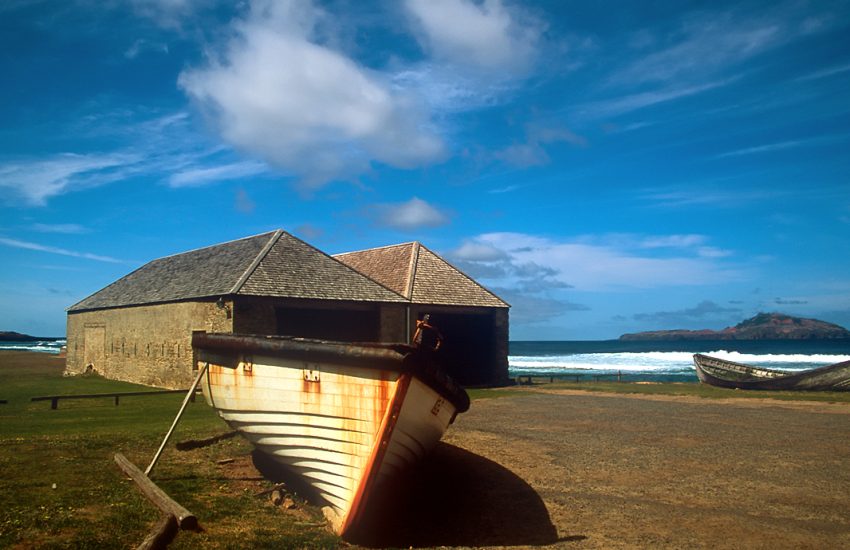
Kingston on Norfolk Island: The Beautiful Fortress of a Feared Penal Colony