On the edge of a coral reef off a tropical island in the western Pacific, half-drowned by the rising sea and shrouded in dense jungle, stands one of the most mysterious and astonishing ancient sites in the world. This is Nan Madol, a vast city of stone built not on land but in the water, a sprawling complex of artificial islands and canals raised from colossal blocks of dark basalt by a vanished dynasty. It is often called the Venice of the Pacific.
Nan Madol is a place that defies easy explanation. Built by the Saudeleur dynasty that once ruled the island of Pohnpei, it was a ceremonial and political capital of extraordinary scale, its walls towering above the water, its stones so massive that people still wonder how they were moved and raised. Abandoned centuries ago and now slowly succumbing to the encroaching sea and forest, it remains one of the great enigmas of the ancient world.
In this guide you will explore the whole remarkable story of Nan Madol: the island world of Pohnpei that gave it birth, the mighty Saudeleur dynasty that built it, the astonishing engineering of its basalt walls and artificial islands, its role as a royal and religious centre, the legends of its construction and its fall, and its life today as a haunting World Heritage ruin. It is a lost city like no other, built upon the sea at the far edge of the world.
A word before you begin: Nan Madol is not a castle in the European sense, but a ceremonial and political stronghold of the ancient Pacific, a water-city of stone that served as the fortified seat of a dynasty. Its drama lies in its scale, its mystery, and its haunting decay rather than in sieges and battles. Keeping that in mind will open your eyes to one of the most extraordinary and least known monuments on earth.
In This Article
- The Island World of Pohnpei
- The Saudeleur Dynasty
- The Venice of the Pacific
- The Colossal Basalt Walls
- The Mystery of the Engineering
- Nandauwas, the Royal Mortuary
- A City of Ritual and Power
- Legends of the Building
- The Fall of the Saudeleur
- A City Reclaimed by Nature
- A World Heritage Site in Danger
- Why Nan Madol Matters
- Visiting Nan Madol
The Island World of Pohnpei
To understand Nan Madol, you must first picture the island world in which it was built. Pohnpei is a lush, mountainous tropical island in the western Pacific Ocean, part of the scattered islands of Micronesia, a region of countless islands spread across a vast expanse of sea. It is a place of dense rainforest, high rainfall, and rich natural abundance, home to a people with a deep and ancient culture.

The peoples of the Pacific islands were among the greatest seafarers in human history, voyaging across enormous distances of open ocean to settle the far-flung islands of the region long before Europeans ventured into these waters. On Pohnpei, they developed a complex society, and it was here, in a lagoon on the island’s shore, that they created one of the most remarkable monuments of the entire Pacific world.
The setting of Nan Madol, on the reef flat and shallow waters at the edge of the island, was central to its character, for this was a city built on and around the water. The abundance of the island and the sea sustained the society that raised it, and the story of Nan Madol is inseparable from the story of Pohnpei, the green and rainy island at the heart of the western Pacific that gave it life.
The achievement of settling the remote islands of the Pacific, navigating vast tracts of open ocean in canoes guided by the stars, the swells, and the flight of birds, ranks among the great feats of human exploration. The society that built Nan Madol was the heir to this extraordinary seafaring tradition, and the confidence and capability that let a people cross oceans also let them raise a city upon the sea.
Pohnpei’s exceptionally high rainfall and fertile volcanic soils made it one of the more abundant islands of Micronesia, capable of supporting a substantial population. This natural richness provided the surplus of food and labour that a monumental undertaking like Nan Madol required, for only a society freed from a constant struggle for mere survival could devote such vast resources to building a ceremonial city upon the sea.
The Saudeleur Dynasty
Nan Madol was the creation of the Saudeleur dynasty, the line of rulers who unified the island of Pohnpei under a single centralised authority and reigned over it for centuries. The Saudeleur were the first to bring the whole island under one rule, and Nan Madol served as their capital, the seat of their power and the centre of their religious and political life.
Under the Saudeleur, the society of Pohnpei was organised into a centralised and hierarchical state, with the rulers exercising authority over the island’s population from their base at Nan Madol. The great city was the physical embodiment of their power, a monumental capital that proclaimed the might of the dynasty and provided the setting for the ceremonies and administration of their rule.
The Saudeleur held sway over Pohnpei for a long period, and during their reign they oversaw the construction of the vast complex of Nan Madol, adding to and elaborating it over generations. The dynasty’s power was eventually broken, and the city was abandoned, but the extraordinary monument they left behind endures as the greatest testament to their rule and to the sophisticated society they created.
The rise of a centralised dynasty on Pohnpei represented a significant political development, for the unification of the island under a single ruling line required the concentration of power and the organisation of society on a considerable scale. Nan Madol was both the instrument and the symbol of this centralisation, the monumental capital from which the Saudeleur projected their authority over the whole island.
The memory of the Saudeleur, preserved in the traditions of Pohnpei, portrays a dynasty that grew increasingly demanding and oppressive over the generations, a portrayal that helps to explain the eventual revolt against them. Whether or not this reflects historical reality, it forms part of the rich body of tradition through which the people of the island remember the builders of their greatest monument.
The Venice of the Pacific
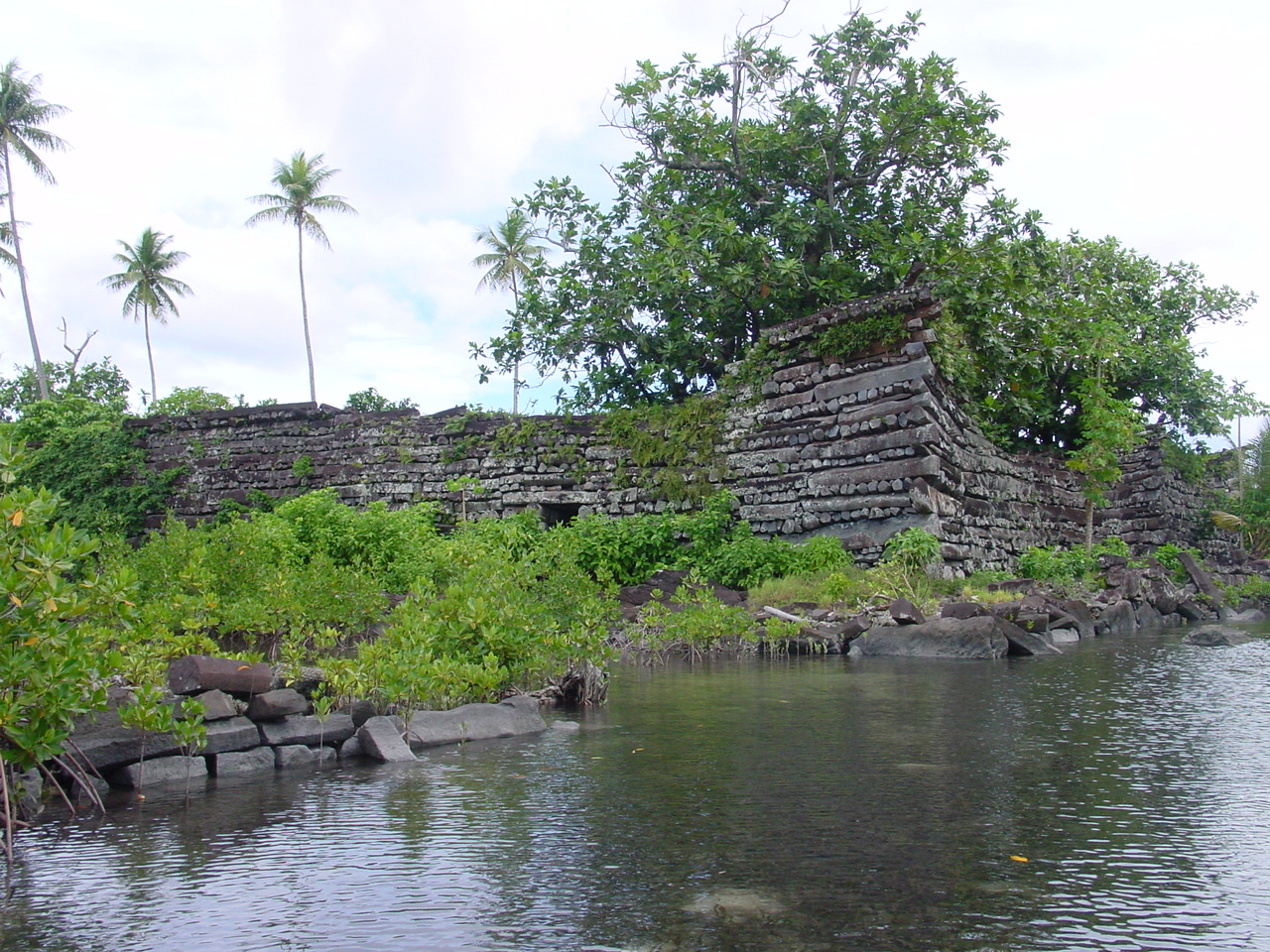
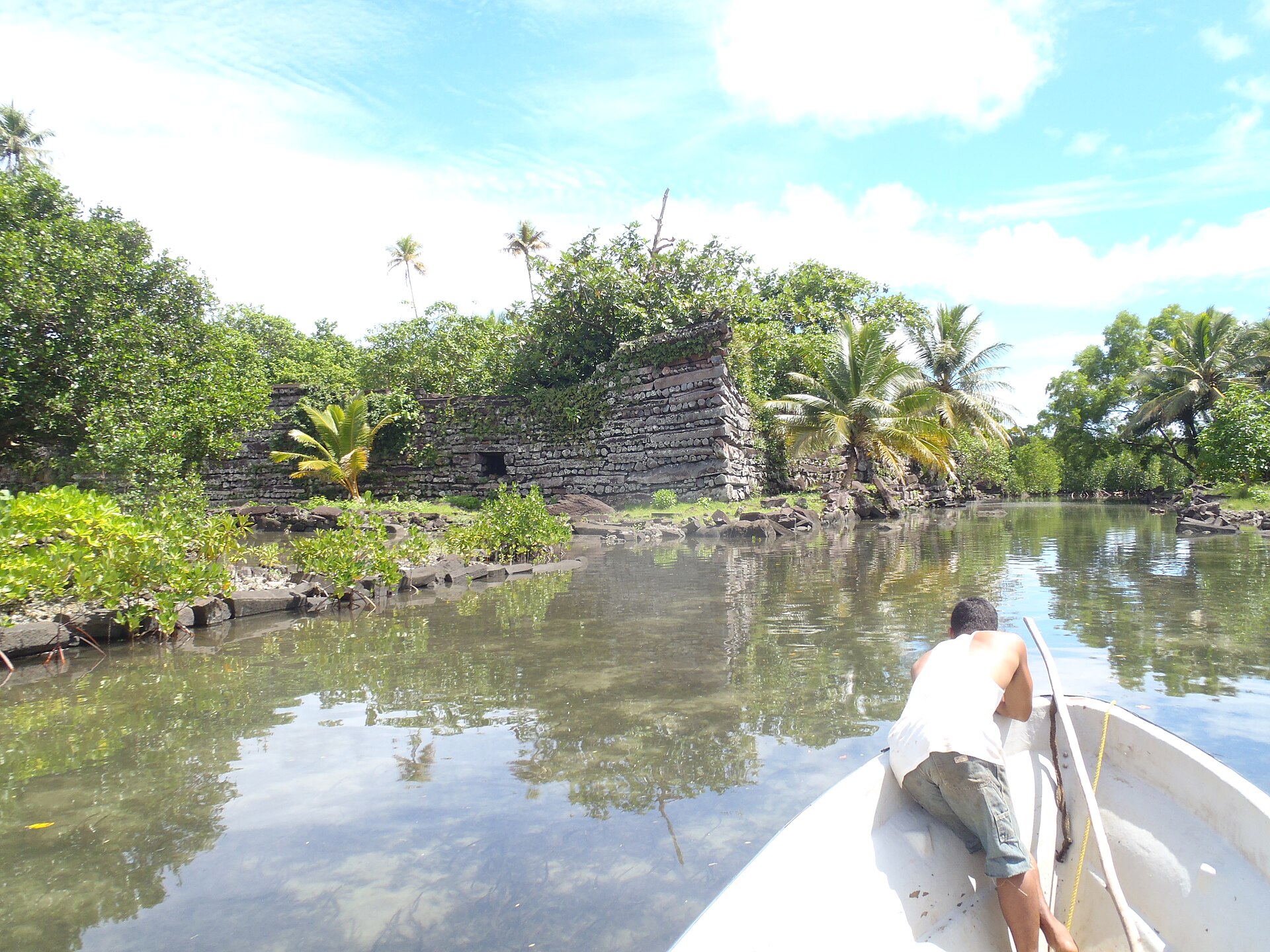
The most striking thing about Nan Madol is that it was built not on dry land but upon the water, a city of artificial islands rising from the shallow lagoon at the island’s edge. The complex consists of a great number of these constructed islets, some ninety or more, built up from the reef and linked by a network of canals, so that the whole city was threaded with waterways.
It is this remarkable arrangement that has earned Nan Madol its famous nickname, the Venice of the Pacific, for like the great Italian city it is a place of islands and canals, where movement was by water between the many small artificial islands. The comparison captures something of the wonder of the place, a city that seems to float upon the sea, quite unlike anything else in the ancient world.
The artificial islands of Nan Madol served various purposes, some residential, some ceremonial, some associated with particular functions of the dynasty’s rule and religion. Together they formed a sprawling water-city of great complexity, and to move through it, gliding by canoe along the canals between the towering stone walls, must have been an extraordinary experience, as it remains for visitors who explore the ruins today.
The building of a city upon the water, rather than on the readily available dry land of the island, was a deliberate and meaningful choice, though its exact motivations are debated. Whether for reasons of defence, of ritual, of separation of the elite from the common people, or of symbolic significance, the decision to raise Nan Madol in the lagoon gave it its unique and unforgettable character.
The network of canals that threaded the city was not merely picturesque but functional, serving as the highways along which the inhabitants and their goods moved between the islands. In a city built upon the water, the canoe was the essential means of transport, and the whole life of Nan Madol was shaped by this intimate relationship with the water that surrounded and defined it.
The comparison with Venice, while evocative, should not obscure the utterly distinct character and origins of Nan Madol, which arose from an entirely different cultural world with its own traditions and purposes. It is best appreciated not as a Pacific imitation of anything but as a unique creation in its own right, a monument that has no true parallel anywhere else on earth.
The Colossal Basalt Walls
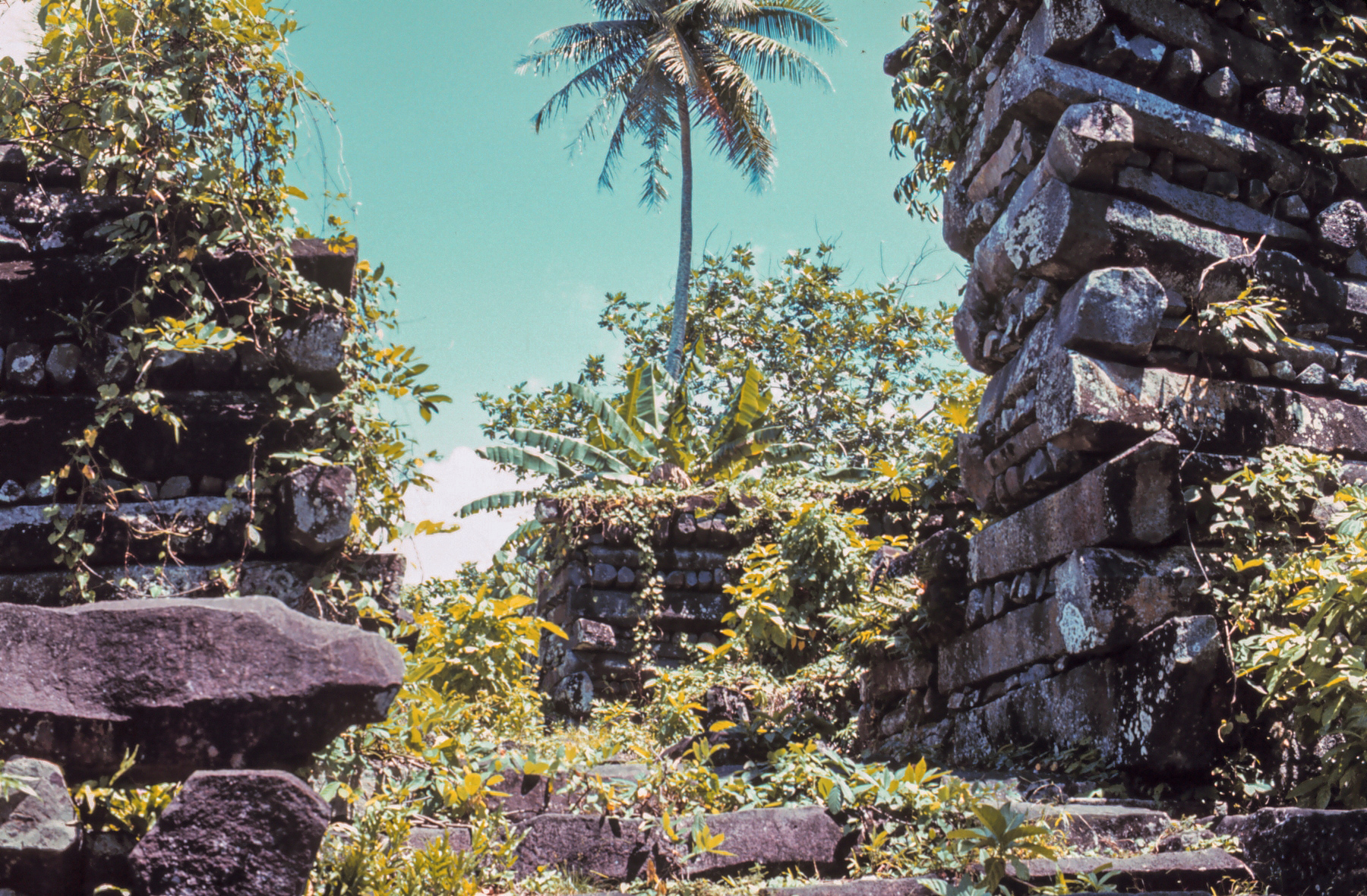
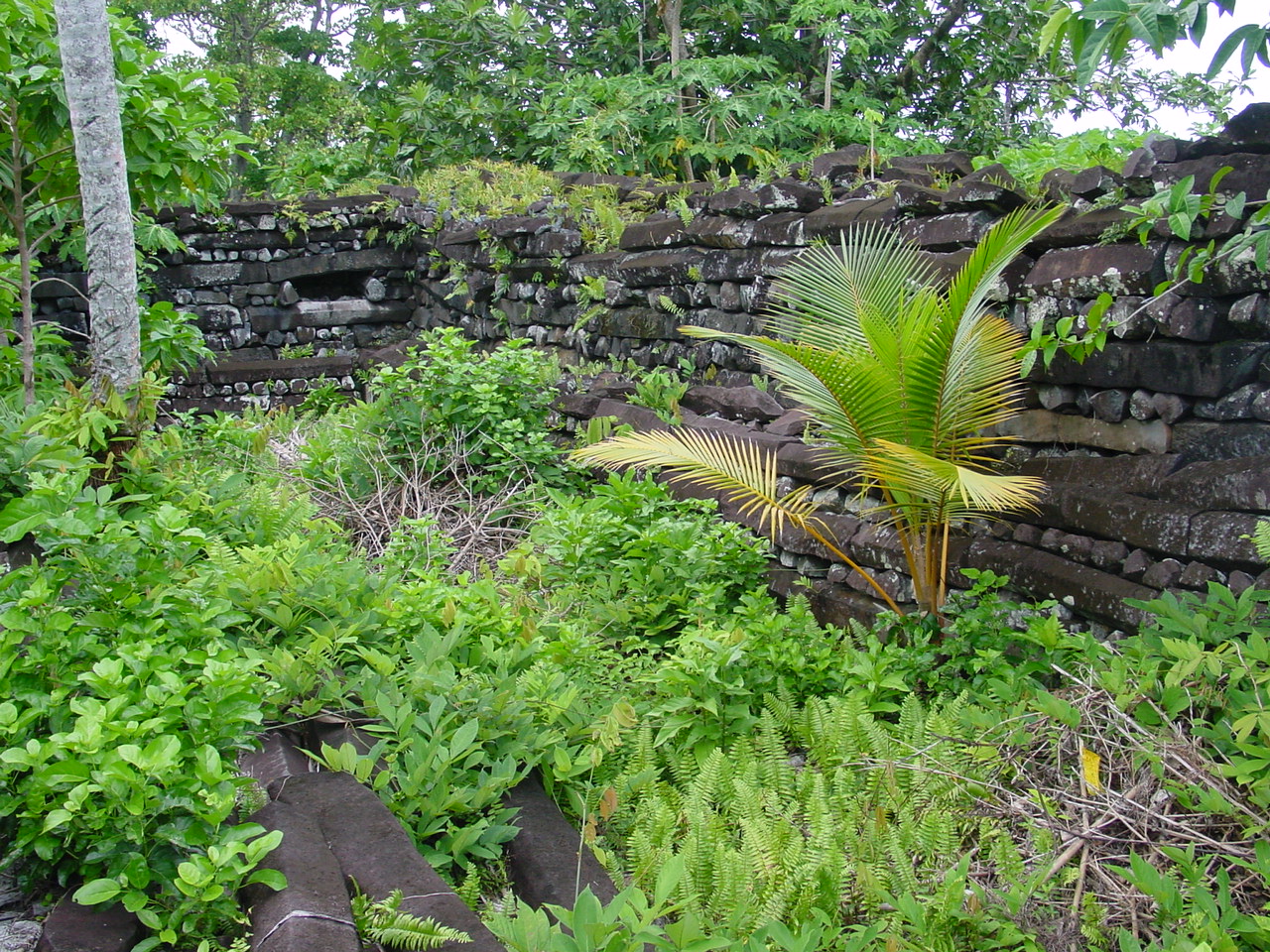
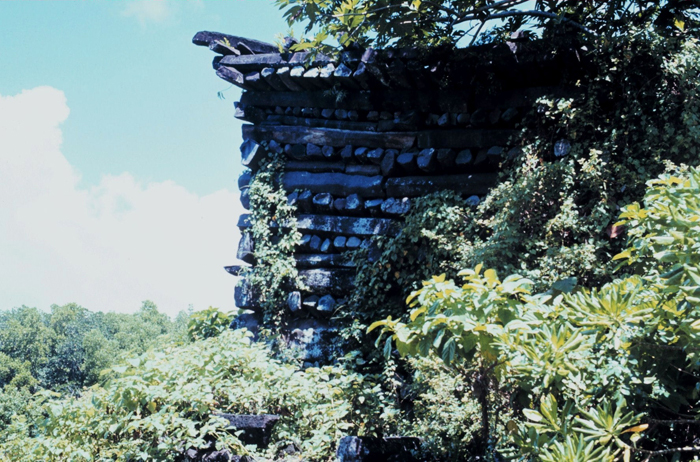
The material from which Nan Madol was built is as remarkable as its watery setting. The city was constructed from enormous columns and blocks of basalt, a dark volcanic stone that occurs naturally in long, many-sided crystalline columns. These great stone logs were stacked, log-cabin style, one upon another, to build up the walls and platforms of the artificial islands.

The scale of the construction is staggering. Some of the basalt columns are of tremendous size and weight, and they were assembled into massive walls, the greatest of which tower many metres high. The sheer quantity of stone used in the city is immense, and the effort required to quarry, transport, and stack so many enormous columns represents an astonishing feat of engineering by a society without metal tools or modern machinery.
How the builders of Nan Madol moved and raised these colossal stones remains a subject of wonder and debate, for the basalt came from sources some distance away and had to be transported to the site, most likely by raft over the water, and then lifted into place. The mystery of how so massive a construction was achieved with the technology of the time is one of the enduring fascinations of this extraordinary ancient city.
The natural basalt columns used at Nan Madol form through the slow cooling of lava, which fractures into long prisms of remarkable regularity, and the builders exploited this natural form ingeniously, using the ready-made stone logs to construct their walls. This clever use of a natural material, combined with the massive scale of the construction, is one of the most distinctive features of the site.
The dark colour and massive form of the basalt give Nan Madol a sombre, brooding grandeur quite different from the pale stone of many other ancient monuments. This distinctive material, combined with the encroaching green of the jungle and the shifting reflections of the water, creates a visual character that is unique among the world’s great ruins, at once beautiful and faintly forbidding.
The Mystery of the Engineering
The engineering of Nan Madol continues to puzzle and amaze all who study it, for the challenges its builders overcame were formidable. The basalt columns had to be obtained from their natural sources, which lay some distance from the site, then transported across water to the lagoon, and finally lifted and stacked to build up the walls and platforms, all without metal tools, draft animals, or the wheel.

The most widely accepted explanations suggest that the great stones were floated to the site on rafts and manoeuvred into position using ramps, levers, and the coordinated effort of many people, techniques that, while simple in principle, required enormous organisation and labour to execute on such a scale. The sheer quantity of stone moved represents one of the great construction efforts of the pre-modern Pacific.
Whatever the precise methods, the achievement testifies to a society capable of mobilising and directing large numbers of people over long periods toward a monumental goal, an organisational feat as impressive as the physical construction itself. The mystery of exactly how it was done only adds to the fascination of Nan Madol, ensuring that its silent walls continue to provoke wonder and inquiry to this day.
Comparisons are often drawn between the engineering challenges of Nan Madol and those of other great megalithic sites around the world, for the fundamental problem, moving and raising enormous stones with limited technology, was the same. That the builders of a Pacific island society solved this problem on such a scale is a powerful corrective to any assumption that monumental engineering was the preserve of the great civilisations of the Old World.
Estimates of the total weight of stone incorporated into Nan Madol run to many thousands of tonnes, a staggering quantity that had to be quarried, moved, and placed by human effort alone. When one considers that this was accomplished on a remote island by a society without any of the mechanical aids that we take for granted, the achievement stands comparison with the great building feats of the ancient world.
Nandauwas, the Royal Mortuary
Among the many islets of Nan Madol, one stands out above all others for its scale and importance: Nandauwas, the great royal mortuary complex. This was the most sacred and imposing part of the city, the burial place associated with the rulers of the dynasty, and it is dominated by the tallest and most massive of all the city’s walls, a truly awe-inspiring construction.

The walls of Nandauwas rise to a great height, built up from countless basalt columns stacked one upon another, enclosing a sacred space at the heart of the complex. This was the spiritual centre of Nan Madol, a place of the highest religious significance, associated with the rulers and their ancestors, and its monumental scale reflects the central importance of these functions to the society that built it.
To stand before the great walls of Nandauwas today, towering above and draped in tropical vegetation, is to feel the full power and mystery of Nan Madol. This was the sacred heart of the city, where the earthly and the divine authority of the dynasty came together, and its massive stones, silent and overgrown, remain among the most impressive and evocative sights in the entire ancient Pacific.
The association of the greatest walls of the city with the mortuary functions of the dynasty reflects the central importance of ancestors and the sacred dead in the religious world of Pohnpei. In raising their most massive constructions for these purposes, the builders of Nan Madol expressed the profound significance they attached to the connection between the rulers, their forebears, and the divine.
The towering walls of Nandauwas represent the pinnacle of the builders’ achievement, the point at which the scale and ambition of the whole enterprise reached its greatest height. That the most massive construction was reserved for the sacred, mortuary heart of the city speaks eloquently of the values of the society that raised it, for which the honouring of the rulers and their ancestors was the supreme concern.
A City of Ritual and Power
Nan Madol was far more than a collection of impressive walls; it was a living centre of ritual, religion, and political power, the beating heart of the Saudeleur state. Its many islands served the ceremonial and administrative needs of the dynasty, providing spaces for religious observances, for the residence of the rulers and priests, and for the functions of governing the island.
Religion permeated the life of the city, for the rulers of Pohnpei claimed a sacred authority, and Nan Madol was designed to express and reinforce this. The complex was a stage for the great ceremonies of the dynasty, occasions that bound together the religious and political dimensions of Saudeleur rule and that would have filled the water-city with solemn ritual and display.
The concentration of so many functions, religious, political, and residential, in the great water-city made Nan Madol the undisputed centre of Pohnpei during the age of the Saudeleur. It was here that the power of the dynasty was made visible and manifest, in the towering walls, the sacred spaces, and the elaborate ceremonies, all set amid the canals and artificial islands of one of the most extraordinary capitals ever built.
The role of Nan Madol as a stage for the rituals that legitimised and sustained the power of the dynasty illustrates the close intertwining of religion and politics in the society of Pohnpei. The great ceremonies held among its islands and walls were not mere spectacle but essential acts that bound the community together and affirmed the sacred authority of its rulers.
The separation of the ceremonial and elite quarter of Nan Madol from the ordinary settlements of the island may have served to enhance the mystique and authority of the ruling class, setting them apart in their island city of stone. This physical expression of social and religious hierarchy is one of the ways in which the very form of the city reinforced the power structure of Saudeleur Pohnpei.
Legends of the Building
Given the astonishing scale of Nan Madol and the mystery of its construction, it is no surprise that the site is surrounded by legend. The traditional stories of Pohnpei tell of the founding of the city and offer their own explanations for how the colossal stones were raised, often invoking the aid of magic or supernatural power to account for a feat that seems to defy ordinary means.
According to tradition, the city was founded by twin sorcerers who came from afar and who used their magical powers to move and raise the great basalt stones, causing them to fly through the air into place. Such legends reflect the sense of wonder that the city inspired in the people of Pohnpei themselves, for whom its construction seemed to require powers beyond the human.
These stories are a precious part of the heritage of Nan Madol, preserving the memory and the meaning of the city in the oral traditions of the island. Whether one seeks a practical explanation for the construction or delights in the tales of sorcery, the legends add a rich layer of cultural depth to the site, connecting the silent stone ruins to the living traditions of the people of Pohnpei.
The oral traditions of Pohnpei, passed down through generations, are a vital source for understanding Nan Madol, preserving memories and meanings that the silent stones alone cannot convey. These living traditions connect the modern people of the island to the ancient city, and they remind us that Nan Madol is not merely an archaeological site but a place of deep and continuing cultural significance.
The Fall of the Saudeleur
The long rule of the Saudeleur dynasty over Pohnpei eventually came to an end, and with it the great age of Nan Madol. According to tradition, the increasingly oppressive rule of the later Saudeleur provoked resistance, and the dynasty was overthrown by a hero-figure named Isokelekel, who came from outside and led a successful revolt against the rulers of the water-city.

The fall of the Saudeleur marked a turning point in the history of Pohnpei, ushering in a new political order and bringing to an end the centralised rule that Nan Madol had embodied. The victorious Isokelekel is said to have taken up residence in the city for a time, but the old order it represented was gone, and the great capital would not retain its former importance.
In the generations that followed, Nan Madol was gradually abandoned, its islands emptied and its great walls left to the jungle and the sea. The reasons for the abandonment are debated, but the passing of the dynasty that had built and sustained the city surely lay at the heart of it, and the extraordinary water-city slipped from being the living centre of an island state into a silent and mysterious ruin.
The story of Isokelekel and the overthrow of the Saudeleur, preserved in the traditions of Pohnpei, is a classic tale of the fall of an oppressive dynasty, and it marks the transition to a new political order on the island. Whatever the precise historical reality behind the legend, it captures the momentous change that brought the great age of Nan Madol to an end.
A City Reclaimed by Nature
After its abandonment, Nan Madol was left to the powerful forces of the tropical environment, which have been slowly reclaiming the city ever since. The dense rainforest of Pohnpei has crept over the artificial islands, wrapping the great basalt walls in roots and foliage, while the encroaching sea washes ever more insistently against the ancient stones.

This gradual reclamation by nature has given the ruins their haunting, lost-city atmosphere, the massive walls emerging from the jungle and the water in a scene of romantic desolation. Mangroves have taken root among the islands, the canals have silted and shifted, and the whole complex has taken on the character of a place half-returned to the wild, its human origins softened by centuries of growth and decay.
Yet this same process poses a serious threat to the survival of Nan Madol, for the vegetation and the rising sea are steadily damaging the fragile ancient structures. The very forces that give the ruins their evocative beauty are also working to destroy them, and the preservation of the city against the relentless pressure of the tropical environment is one of the great challenges facing those who care for this irreplaceable site.
The slow abandonment of the city, rather than any sudden catastrophe, seems to have been the pattern, as the functions and the population that had sustained it gradually ebbed away. Left without the constant maintenance that such a site in such an environment requires, Nan Madol began its long surrender to the jungle and the sea, a process that continues to this day.
There is a particular poignancy in the way the sea, which the builders of Nan Madol had mastered so boldly by raising their city upon it, now threatens to reclaim their work as the waters rise. The monument that was a triumph over the water is slowly being undone by it, a reminder of the impermanence of even the most ambitious human achievements in the face of the patient power of nature.
A World Heritage Site in Danger
The outstanding importance of Nan Madol has been recognised at the highest international level, and the site was inscribed on the UNESCO World Heritage List, honouring it as a unique testimony to the culture and engineering of the ancient Pacific and as one of the most remarkable ceremonial complexes ever built. The listing affirmed its exceptional value to the whole of humanity.

At the same time, however, the site was placed on the list of World Heritage in danger, reflecting the serious threats it faces from the encroaching sea, the overgrowth of vegetation, and the difficulty of preserving so fragile and remote a monument. This dual status recognises both the immense significance of Nan Madol and the urgent need for action to secure its survival.
The World Heritage recognition has brought welcome attention to Nan Madol and to the challenges of its preservation, and it underlines the importance of the site not only to the people of Pohnpei and Micronesia but to the wider world. As a monument of unique character and great mystery, its protection matters far beyond its remote Pacific setting, and its future depends on continued care and support.
The challenge of preserving Nan Madol is compounded by its remoteness and by the limited resources available in a small island nation, making international attention and support all the more important. The World Heritage listing, for all the sobering danger status that accompanies it, offers hope that the world will help to safeguard this unique monument for the future.
The dual designation of Nan Madol as both a World Heritage Site and one in danger encapsulates the situation of many precious cultural treasures in the modern world, caught between the recognition of their value and the difficulty of ensuring their survival. The hope is that the attention brought by this status will translate into the practical support needed to preserve the great water-city for the generations to come.
Why Nan Madol Matters
Nan Madol holds a special place among the ancient wonders of the world, both for its intrinsic marvels and for what it reveals about the achievements of the peoples of the Pacific. As one of the largest and most impressive ancient sites in the entire Pacific region, it is powerful evidence of the sophistication and ambition of the island societies that Europeans long underestimated.

The city also stands as a testament to the remarkable engineering achievement of a society that raised colossal stone structures upon the water, without metal tools or the wheel, in one of the most extraordinary feats of construction in the ancient world. The mystery of how this was accomplished only deepens the wonder, and it places Nan Madol among the great enigmas of human ingenuity.
And beyond its scale and mystery, Nan Madol matters as the monument of a vanished dynasty and a living link to the culture and traditions of the people of Pohnpei. It reminds us of the extraordinary diversity of human civilisation and of the great achievements of the peoples of the Pacific, and it stands as one of the most haunting and unforgettable ancient sites anywhere on earth.
The recognition of Nan Madol’s importance is part of a wider growing appreciation of the achievements of the peoples of the Pacific, whose sophisticated societies and remarkable feats were long overlooked or underestimated. As perhaps the greatest monument of the ancient Pacific, Nan Madol stands as a proud symbol of this heritage and of the ingenuity of the island peoples who created it.
For the peoples of Micronesia and the wider Pacific, Nan Madol is a source of profound pride, a monumental affirmation of the greatness of their ancestors’ achievements. In an age when the histories of such peoples are at last being given their due, the great water-city stands as one of the most spectacular pieces of evidence for the sophistication and grandeur of the pre-European Pacific world.
Visiting Nan Madol
Nan Madol lies off the shore of the island of Pohnpei, in the Federated States of Micronesia, a remote destination in the western Pacific that requires real effort to reach, and this remoteness is part of what has preserved the site’s mysterious and undiscovered atmosphere. For the traveller who makes the journey, it offers an encounter with one of the world’s great and little-known ancient wonders.
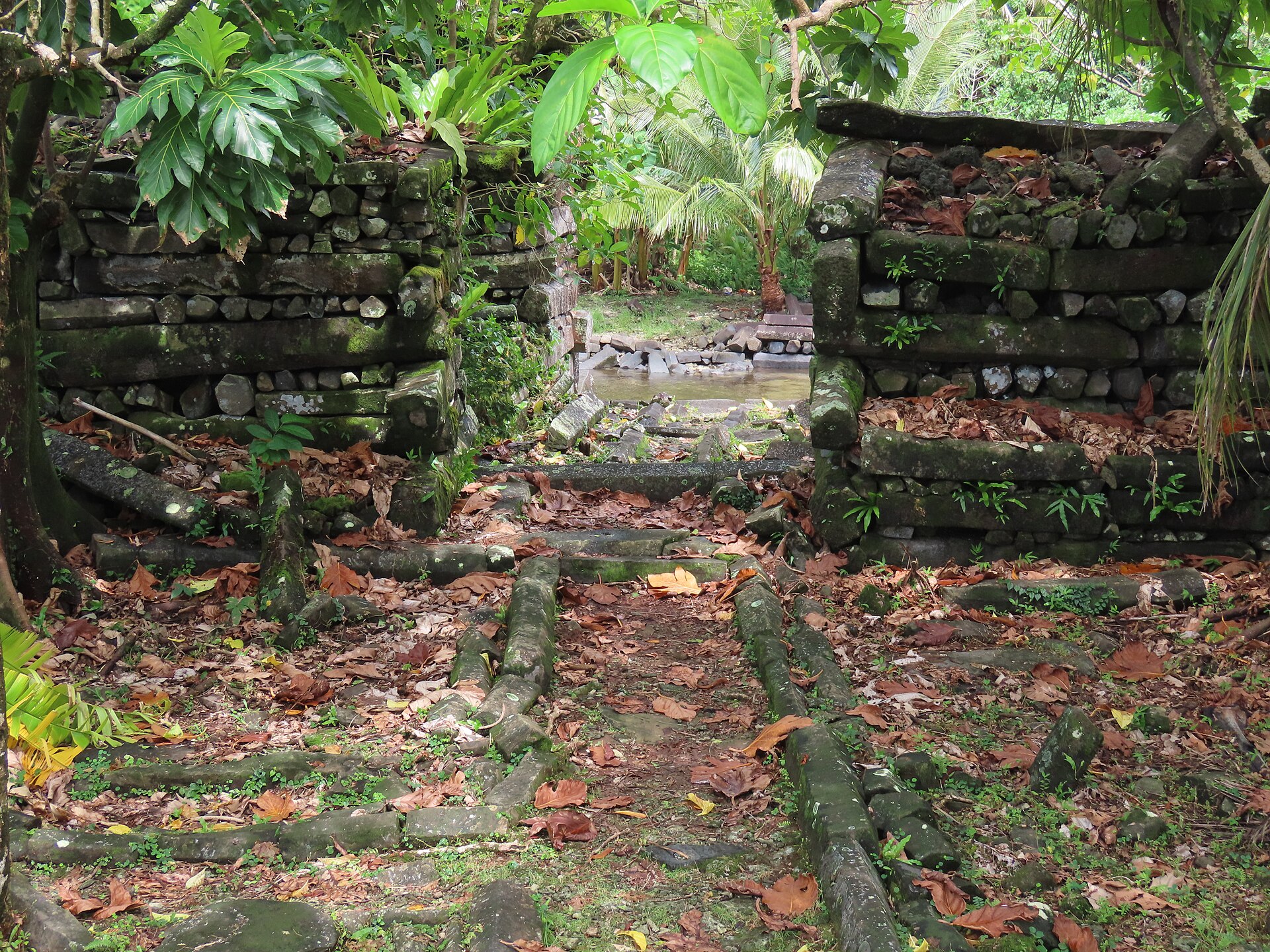
Reaching the ruins themselves typically involves a journey by boat and on foot, approaching the great walls across the water and through the encroaching jungle, an adventure that adds to the sense of discovery. Exploring the artificial islands and canals, standing before the towering walls of Nandauwas, and absorbing the haunting atmosphere of the lost water-city is an experience unlike any other.
View 6.8419, 158.3323 on Google Maps
Come prepared for the tropical climate, and be respectful of the site, which holds deep cultural and spiritual significance for the people of Pohnpei; arranging access appropriately and with local guidance is important. Nan Madol is not an easy place to reach, but for those drawn to the great mysteries of the ancient world, it offers a truly unforgettable encounter with one of the most extraordinary monuments ever built by human hands.
The remoteness that makes Nan Madol difficult to reach has also helped to preserve its atmosphere of mystery and discovery, for it remains far off the well-trodden tourist trails of the world. For the intrepid traveller, this means the reward of encountering one of the great ancient sites in relative solitude, a privilege that adds immeasurably to the profound and haunting experience of visiting the lost water-city.
A visit to Nan Madol is as much a pilgrimage as a sightseeing trip, an encounter with a place of deep mystery and spiritual weight that rewards a thoughtful and respectful approach. To stand among the silent, overgrown walls, with the water lapping at the ancient stones and the jungle pressing in, is to feel the presence of a vanished world and the enduring power of one of humanity’s most extraordinary creations.
Castles Nearby
You May Like
Fort Taiaroa: The Vanishing Gun That Still Guards Otago Harbour