Follow the Brisbane River down toward the sea, past the wharves and the industry of the port, and you arrive at a strange and unexpected survivor. Tucked among the tanks and pipes of an oil refinery, hidden behind grassy embankments and ringed by a water-filled moat, lies Fort Lytton, one of the best-preserved and least-known coastal fortresses in Australia. For more than a century it has guarded the river mouth, and for much of that time it did its work almost invisibly, sunk into the landscape by design.
Fort Lytton is a fort that hides. Unlike the tall castles of the imagination, it was built low and green, its walls buried behind earthworks so that an approaching enemy would see almost nothing to aim at. That deliberate concealment, so effective against the guns of a warship, also helped the fort slip out of public memory in the twentieth century, screened from view by the refinery that grew up around it. Many Brisbane residents have driven past without ever knowing it was there.
Yet this quiet fortress has a remarkably full history. It guarded the approach to a growing colonial capital, laid a controlled minefield across the river, trained thousands of soldiers who would fight in wars across the world, and played a serious part in the defence of Brisbane during the Second World War, when the city became a major base in the Pacific conflict. Few forts of its size have seen so much.
In the pages ahead you will cross the moat into this concealed stronghold and follow its long career, from the Russian scare that built it, through its ingenious guns and its river minefield, to its wartime service and its unlikely survival inside an oil refinery. It is a fort that rewards the curious, and one of the finest windows into colonial coastal defence anywhere in the country.

In This Article
- Guarding the Mouth of the River
- The Fear That Built the Fort
- A Fortress Designed to Disappear
- The Guns Behind the Grass
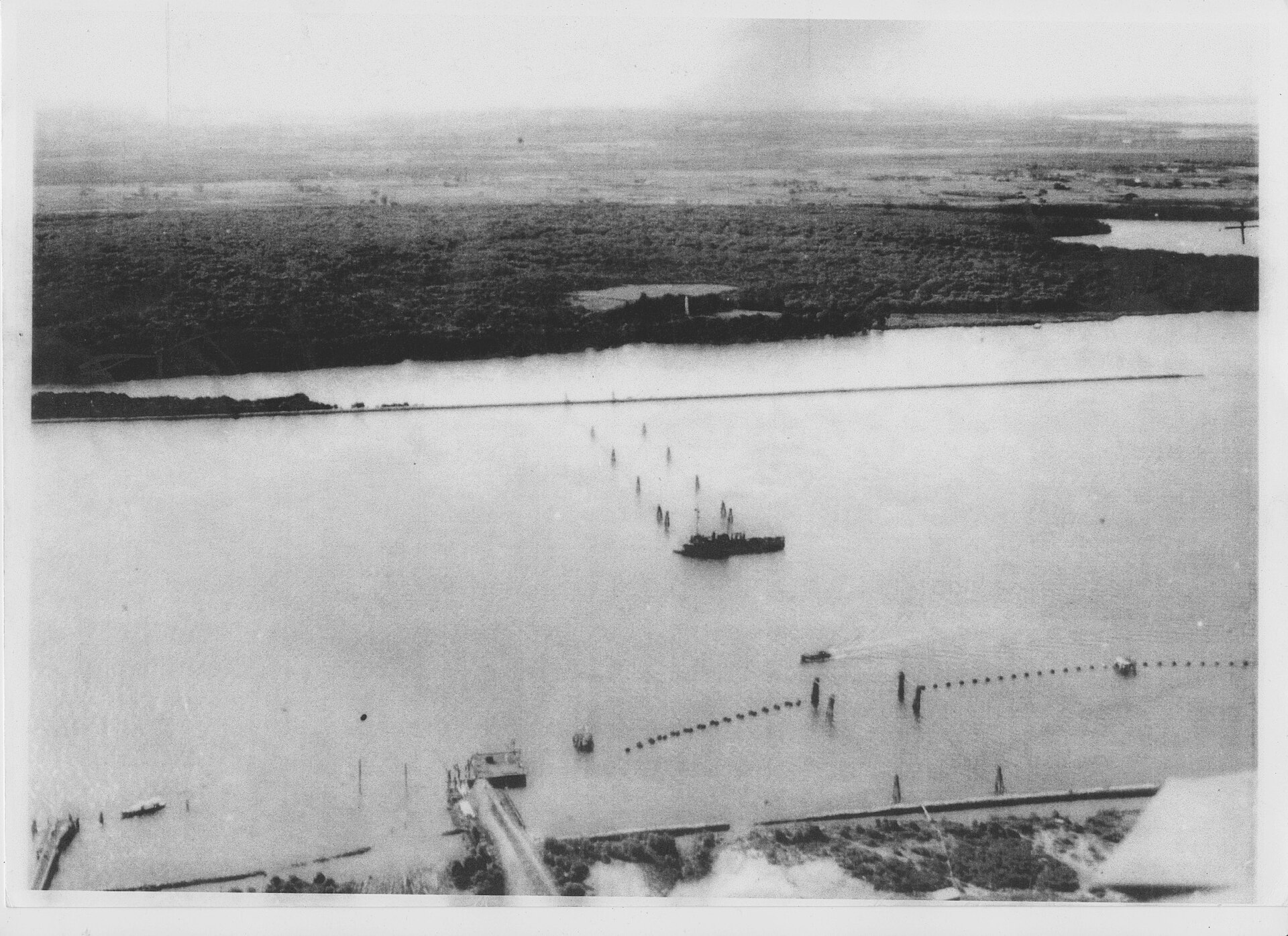
- The Minefield Across the River
- Where a Colony Trained Its Soldiers
- The Fort in the First World War
- Brisbane’s Guardian in a Wider War
- Still Watching Through the Cold War
- The Fort That Vanished Behind a Refinery
- Rescued and Reopened
- Keeping History Alive
- Crossing the Moat Today
Guarding the Mouth of the River
Brisbane grew up along a winding river, and that river was both its lifeline and its weakness. Everything of value came and went by water, up the channel from the bay to the wharves of the town, which meant that whoever controlled the mouth of the Brisbane River controlled the fate of the colonial capital. An enemy warship that could force its way up the river would find the city laid open before it.

This simple fact made the river mouth the obvious place to build a defence. A fort positioned here could command the channel that any hostile vessel would have to use, turning the approach to Brisbane into a gauntlet that no sensible captain would want to run. The whole logic of Fort Lytton flows from the geography of a city that could only be reached, and only be threatened, by way of its river.
The site chosen sat at a low, flat point near where the river meets the sea, ground that offered clear fields of fire across the water while providing little natural cover for the fort itself. What the position lacked in natural height it made up for in command of the channel, allowing the guns to sweep the very stretch of water an enemy would have to cross to reach the town.
The fort was designed above all to deny the river to an enemy, to stand as a barrier at the gate and make the passage upstream too dangerous to attempt. That mission shaped everything about it, from the placement of its guns to the minefield it would later lay across the channel, all directed at the single purpose of keeping hostile ships out of the Brisbane River.
The land around the river mouth also carried a far older significance, for the Aboriginal people of the region had known and used this coast for thousands of years before any fort was conceived. The riverbank that the military valued for its command of the channel had long been part of a lived and understood country, and any honest account of the site acknowledges that deep prior history beneath the colonial fortifications.
The Fear That Built the Fort
Fort Lytton was born of the same anxiety that fortified coastlines across the Australian colonies in the later nineteenth century, a nervous dread that some foreign power might send warships to threaten undefended and prosperous ports. Talk of possible attack by Russia or France filled the colonial imagination, and the young colony of Queensland, proud of its growing capital, did not wish to be caught defenceless.
The withdrawal of British garrison troops from the Australian colonies sharpened these fears, leaving the colonies to arrange their own defence for the first time. If the mother country’s soldiers would no longer stand guard, then the colonies would have to build forts and raise their own forces, and coastal defence became a pressing matter for governments that suddenly felt exposed.
Against this background, the decision was taken to fortify the mouth of the Brisbane River, and parliamentary approval opened the way for construction. The fort was a direct answer to the question of how a river-bound capital could be protected from a raid by sea, a piece of practical defence built to calm a very real, if never realised, fear.
It is worth remembering how genuine that fear felt at the time, however distant the threat proved to be. No enemy warship ever appeared off the Brisbane River to test the fort’s guns, but the anxiety that raised those guns was widely shared and deeply felt, and Fort Lytton stands as a solid monument to the worries of a colony learning to defend itself.
These anxieties were not unique to Queensland but part of a broader wave of nervousness that swept the Australian colonies in the same years. Coastal defence became a subject of serious public debate, and the money and effort poured into forts like Lytton reflected a genuine belief that the colonies had to be ready to defend themselves against a sudden appearance of hostile warships. The fort is a physical trace of that anxious, self-reliant moment.
A Fortress Designed to Disappear
The fort was designed by a leading military engineer of the age, a Royal Engineer whose expertise in coastal defence shaped fortifications across the colonies. His approach reflected the most modern thinking of the day, which held that a fort should not stand tall and proud like a medieval castle but should sink into the ground, presenting as little of itself as possible to an enemy’s guns.
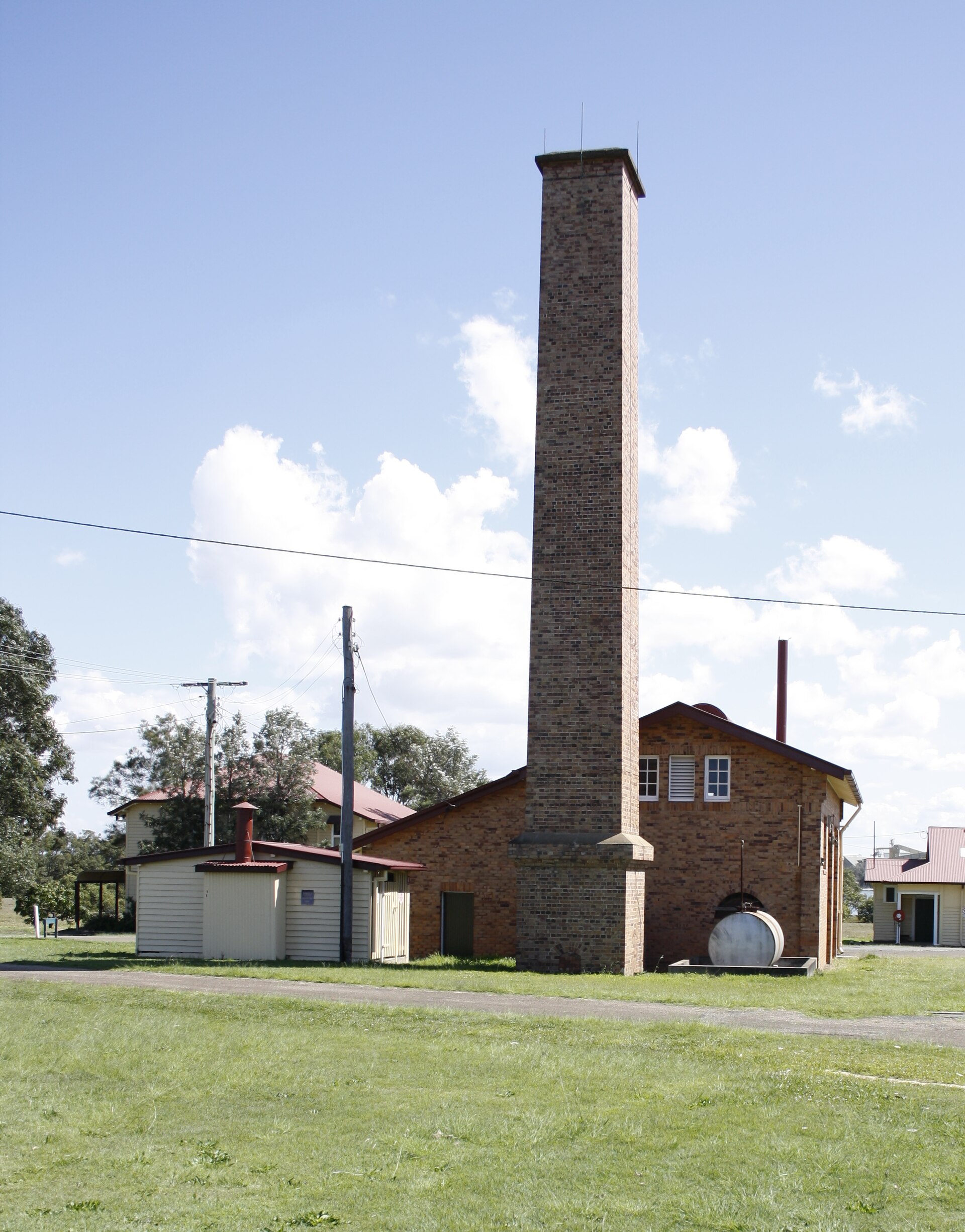
The result at Lytton was a pentagonal fortress concealed behind grassy embankments and surrounded by a water-filled moat, a design that hid the fort’s strength behind an innocent-looking bank of earth and grass. To an approaching warship there would be little to see and less to hit, while behind the embankments the guns and their crews waited in relative safety.
This philosophy of concealment was the height of coastal engineering, trading the visible drama of high walls for the practical virtue of near invisibility. The earth that covered the fort would absorb the shock of enemy shells, and the low profile gave a hostile gunner almost nothing to range upon, turning the whole structure into a hidden trap rather than an obvious target.
The pentagonal shape and the encircling moat gave the fort a compact, self-contained strength, its five sides arranged to cover the approaches while the water barrier guarded against any assault by land. It is a beautifully logical piece of design, and its survival makes Fort Lytton one of the finest surviving examples of this concealed style of nineteenth-century fortification anywhere in Australia.
Standing at the fort today, it is striking how well the concealment still works. From a little distance the whole structure reads as nothing more than a low green rise in the landscape, its true nature invisible until you are almost upon it. That the design remains so effective more than a century later is a tribute to the skill of the engineers who understood that, against modern guns, the best defence was often simply not to be seen.
The Guns Behind the Grass
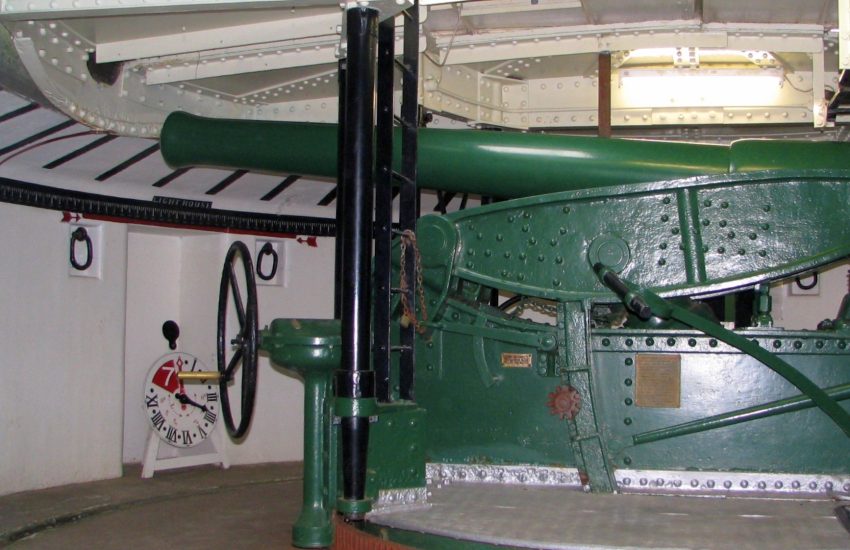
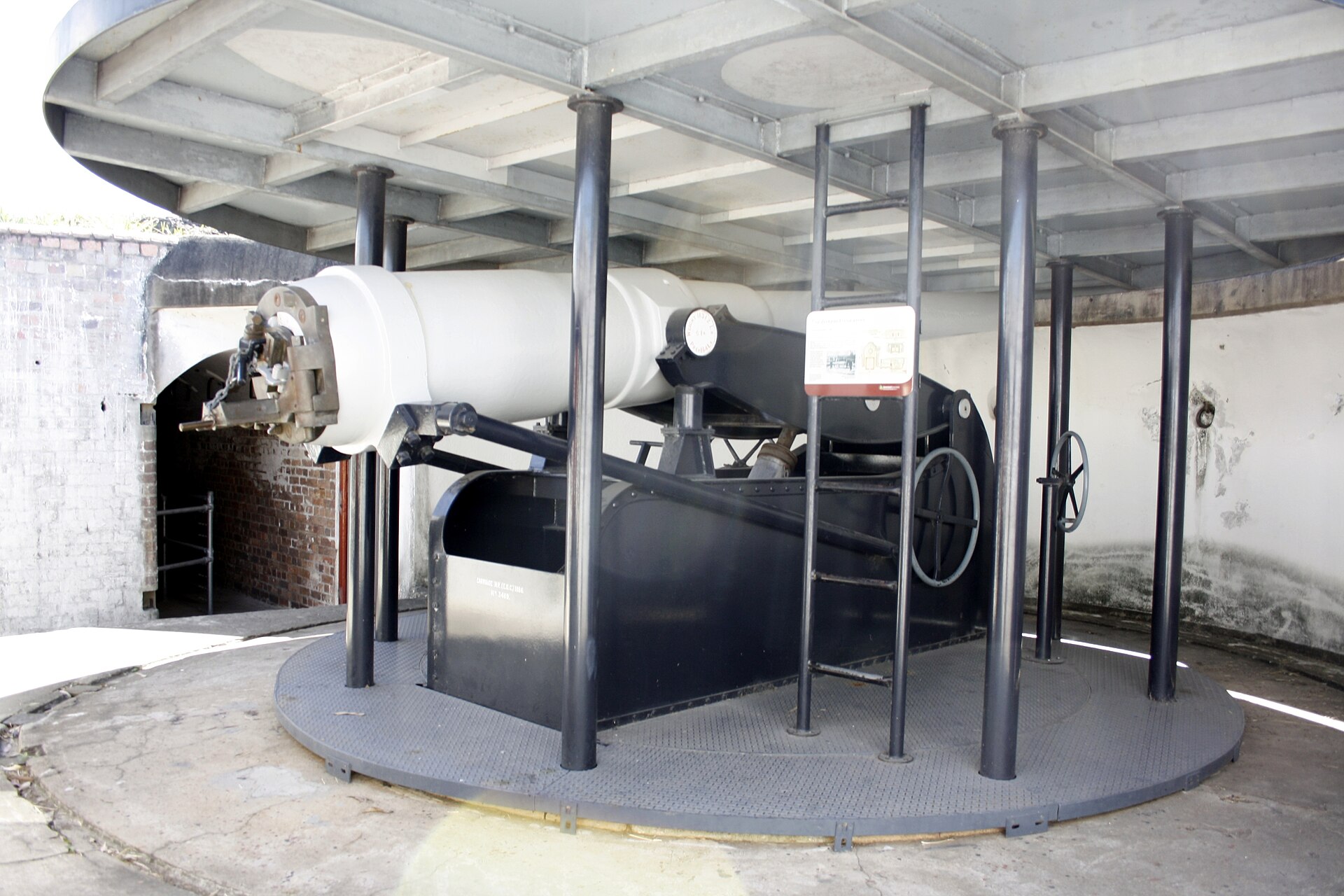
Hidden behind its grassy banks, Fort Lytton carried guns capable of striking any vessel that dared approach the river mouth. The earliest armament consisted of heavy muzzle-loading guns, ponderous but powerful weapons that could throw destructive shells across the channel at an enemy ship. Even in their day these guns represented a serious deterrent to any raider contemplating a run up the river.

As gunnery advanced, the fort received more sophisticated weapons, including breech-loading guns mounted so that they could rise to fire and then sink back down behind the protecting earthworks to reload out of an enemy’s sight. These disappearing guns were the clever heart of the fort’s later firepower, letting a crew work its weapon while remaining shielded for most of the firing cycle.
Lighter, quick-firing guns were added to deal with faster and closer threats, giving the fort a layered defence that could respond to different kinds of danger. This mix of heavy hitting power and rapid response reflected careful thought about the various ways an enemy might try to force the river, and about how best to meet each of them.
The guns were arranged to make the most of the fort’s command of the channel, sited so that their fire would fall exactly where an approaching vessel would be most exposed. Combined with the concealment of the earthworks, this arrangement turned the modest-looking fort into a genuinely dangerous obstacle, a hidden battery ready to punish any ship that tried to slip past into the heart of Brisbane.
Working these guns demanded skill and discipline from the crews who served them, especially the ingenious disappearing weapons with their complex mounts. A gun team had to load, lay, and fire with precision against a moving target, then let the recoil carry the barrel back down out of sight before repeating the whole cycle. The regular drills that prepared them for this were a central part of life at the fort in its active years.
The Minefield Across the River
One of Fort Lytton’s most remarkable features was not a gun at all but a minefield, a barrier of explosive charges laid across the mouth of the river to bar the way to enemy vessels. This was coastal defence of an ingenious and modern kind, using controlled underwater mines to turn the whole channel into a deadly trap that could be triggered from the shore.
The mines were connected by cables to the fort, where operators could watch the channel and detonate the charges beneath a hostile ship at exactly the right moment. Specialised vessels were used to lay and tend these mines, and the whole system represented a sophisticated marriage of engineering and firepower, extending the fort’s reach out into the water itself.
A minefield of this kind added a whole new dimension to the defence of the river. Even if an enemy warship survived the fort’s guns, it would still have to pass through waters that might erupt beneath it at any moment, a prospect grim enough to give any attacker pause. The channel became not just a shooting gallery but a field sown with hidden death.
The minefield operated for a number of years before it was eventually closed, its final mine detonated in a moment that marked the end of this particular chapter of the fort’s defences. But while it lasted, the combination of hidden guns and a controlled minefield made the mouth of the Brisbane River one of the most seriously defended stretches of water in the colony.
The men who operated this system needed real technical skill, for laying and maintaining a controlled minefield was a demanding and dangerous business. The work brought together seamanship, engineering, and electrical knowledge in a way that was quite advanced for its time, and it gave the fort a technological sophistication that belied its quiet appearance on the riverbank.
The eventual closure of the minefield reflected the changing nature of coastal defence, as new technologies and new threats made the old system of controlled mines increasingly outdated. But for the years it was in place, it represented one of the more advanced defensive measures in the colony, a sign that even a modest fort on a quiet river was keeping pace with the cutting edge of military engineering.
Where a Colony Trained Its Soldiers
For much of its life, Fort Lytton was less a fortress on guard against an enemy than a school for soldiers. For decades it served as the main training base for Queensland’s part-time forces, the place where citizen soldiers came to learn the arts of war. Its most famous tradition was the great Easter encampment, when large numbers of reservists gathered at the fort for concentrated training.

These encampments drew thousands of men, filling the ground around the fort with tents and the bustle of military instruction. For many young Queenslanders, a stint at Fort Lytton was their introduction to soldiering, and the skills they learned here would later be carried onto battlefields far from the quiet mouth of the Brisbane River.
The training role gave the fort an enduring importance quite apart from its guns. Over the years, thousands of men who trained at Lytton went on to serve in conflicts around the world, from colonial wars to the great global struggles of the twentieth century. The fort was, in a real sense, a nursery of soldiers, shaping the citizen armies that Australia would come to rely on.
This function also wove the fort deeply into the life of the colony and later the state. Generation after generation of reservists passed through its gates, and the annual encampments became a fixture of Queensland’s military calendar. Long after its guns had ceased to matter as a front-line defence, Fort Lytton remained a vital place for preparing the soldiers of the future.
The great encampments also became social occasions of a sort, gathering men from across the colony and later the state in a shared undertaking that built bonds as well as skills. For the surrounding district, the annual arrival of thousands of reservists was a notable event, and the fort’s role as a training ground made it a familiar and important part of Queensland’s military and civic life for many years.
The Fort in the First World War
When the First World War came, Fort Lytton found itself with a role to play, though not the dramatic one its builders might have imagined. The fort continued to serve as a training establishment, preparing men for the great conflict overseas, and its guns stood ready to enforce the wartime rules that governed the movement of shipping in and out of the river.
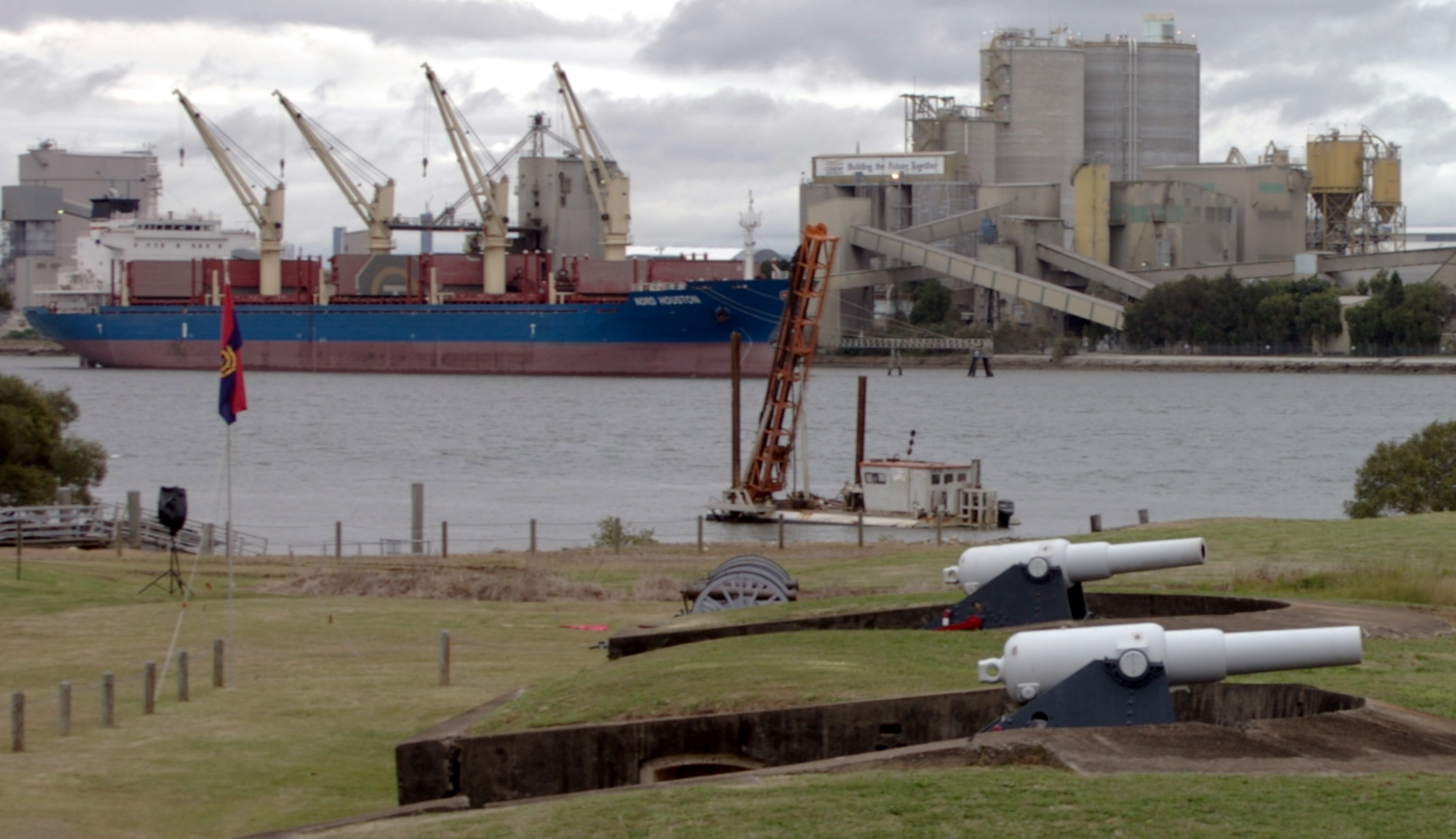
On occasion the fort’s artillery was used in earnest, firing warning shots at vessels that failed to observe the proper wartime procedures as they approached the river. These were not battles but acts of control, reminders that the mouth of the Brisbane River was a guarded gateway where ships were expected to identify themselves and follow the rules or face the consequences.
The war gave the fort’s training function a new urgency, as men prepared at Lytton before being sent to the fighting fronts. The quiet encampments took on a sharper purpose when the skills being taught might soon be tested in the trenches and battlefields of a global war, and the fort played its part in readying Queensland’s contribution to the conflict.
After the war, the fort even served a humanitarian purpose, providing a place where returning soldiers could be held in quarantine, guarding against the diseases that travelled with the great movements of men at the end of the conflict. It was one more role for a versatile site that had already been fortress, minefield station, and training ground across its busy life.
The warning shots fired during these years, though far from the great battles of the war, were among the few occasions on which the fort’s guns spoke in earnest. They enforced the discipline of a port at war, reminding every captain that the mouth of the Brisbane River was watched and guarded, and that the rules of wartime navigation were not to be taken lightly.
Brisbane’s Guardian in a Wider War
The Second World War brought Fort Lytton its most serious test, as the conflict in the Pacific turned Brisbane into a city of real strategic importance. The old fort became part of a much larger and more elaborate system of coastal defence, its role now that of an inner strong point guarding the river within a network of outer forts built to meet the new threat.
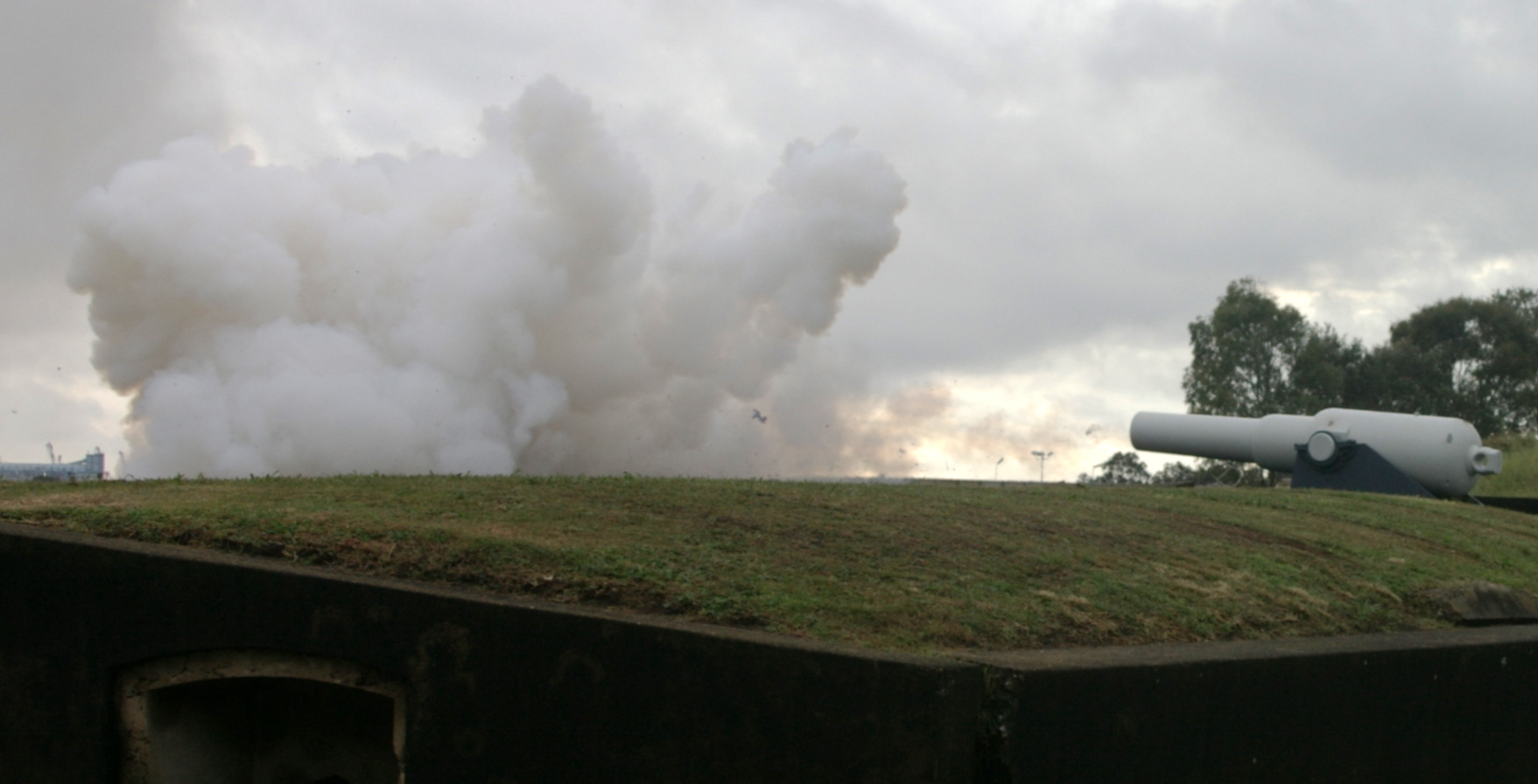
As the inner inspection station on the river, the fort helped control the movement of shipping through a formidable array of barriers. Anchored vessels, movable steel boom nets, searchlights, and electronic detection systems combined to monitor and, if necessary, block the channel, with the fort’s guns standing ready to enforce these defences against any intruder.
Brisbane itself became a major base in the Pacific war, a hub of naval activity where submarines and other vessels were serviced and repaired in large numbers. The defence of such an important port was a serious business, and Fort Lytton, for all its colonial age, found itself once more at the heart of the city’s protection, its long experience of guarding the river suddenly relevant again.
The fort bristled with new capabilities during these years, from signal and radar installations to anti-aircraft guns, as the nature of the threat expanded to include attack from the air as well as the sea. The quiet training base of the interwar years had become, for a time, a genuinely busy and important military site, playing its part in the defence of a city that mattered greatly to the Allied war effort.
The transformation of the quiet old fort into a busy wartime station reflected how seriously the threat was taken in those years. With the fighting drawing ever closer to Australian shores, no part of the defensive network could be neglected, and Fort Lytton’s long familiarity with guarding the river made it a natural anchor for the elaborate systems that now protected the approaches to a city grown suddenly vital to the war.
Still Watching Through the Cold War
The fort’s military usefulness did not end with the close of the Second World War. Into the following decades, as the world settled into the tense standoff of the Cold War, Fort Lytton retained a role in communications and observation, its signal station helping to link Australia with its forces engaged in conflicts overseas. The old fortress kept working long after its guns had become relics.
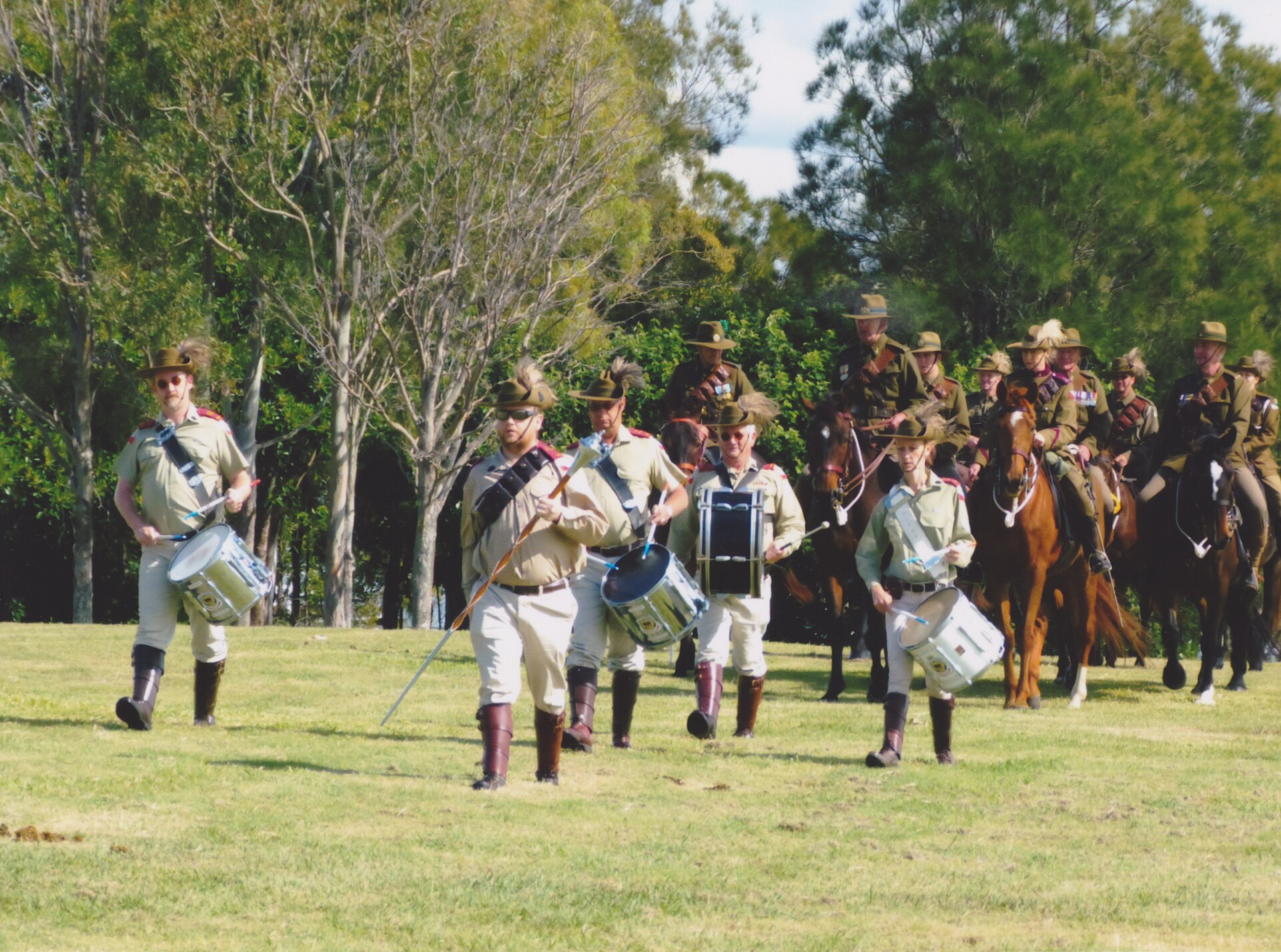
During the Korean War, the fort’s signal station provided an important channel of communication supporting Australian forces deployed to that distant conflict. It was a quiet, unglamorous kind of service, far removed from the drama of firing on an enemy ship, but it kept the site in active use and extended its long record of contribution to the nation’s defence into a new age.
This later chapter shows how adaptable the fort proved across its long life. A place built in the age of muzzle-loading guns and sailing warships found ways to remain useful into the era of radio, radar, and global conflict, its role shifting with the times even as its old earthworks stayed exactly where they had always been. Few forts have served so continuously across so many eras.
Only after decades of such service did the fort’s active military life finally draw to a close. By the time it fell silent for good, Fort Lytton had been a working part of the nation’s defence, in one form or another, for the better part of a century, an extraordinary span that stretched from the colonial fear of raiders to the anxieties of the Cold War world.
That such an old fort could remain relevant into the age of jet aircraft and nuclear weapons says something about the enduring value of a well-placed strong point on a strategic river. The technologies changed beyond recognition, but the basic fact of the river as a gateway to Brisbane did not, and the fort that guarded it went on finding uses long after its original purpose had faded into history.
The Fort That Vanished Behind a Refinery
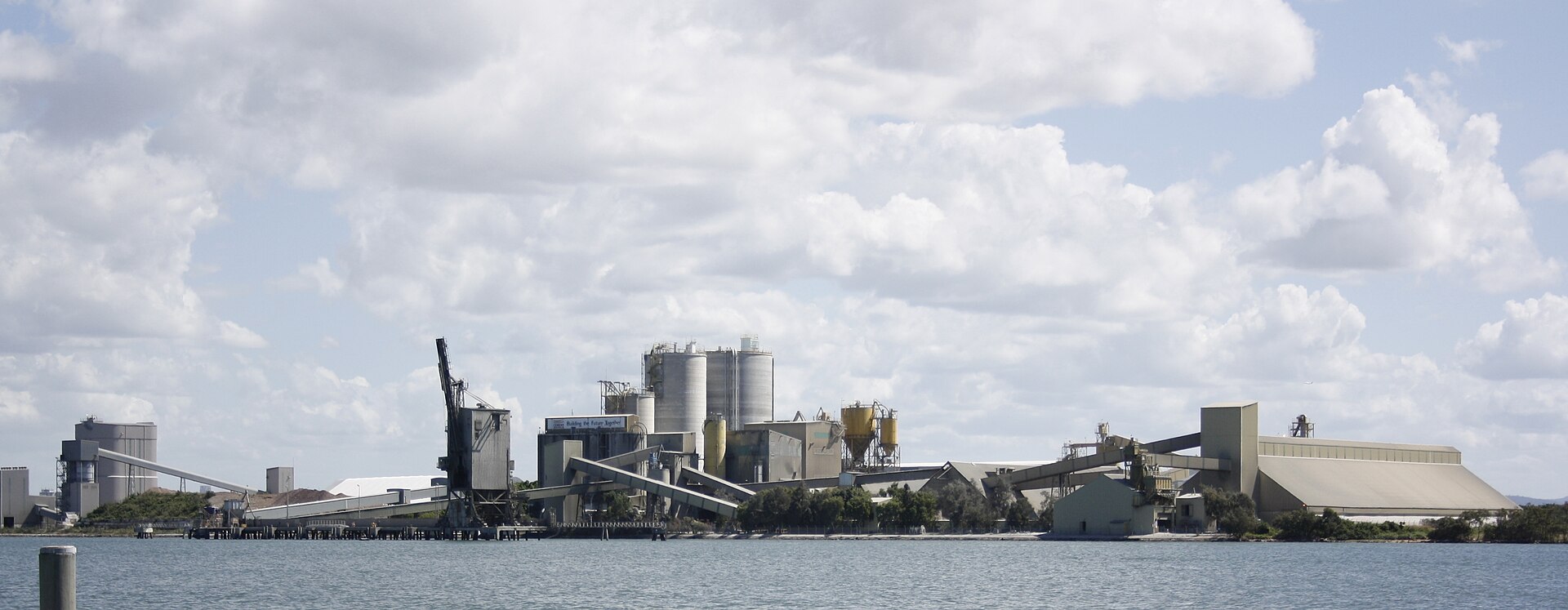
After the wars, the story of Fort Lytton took an unusual turn that would both threaten and, in a strange way, preserve it. The site passed to an oil company, which built a large refinery on the surrounding land, and the old fort found itself swallowed up within an industrial complex of tanks, pipes, and processing plants. To the outside world, it effectively disappeared.
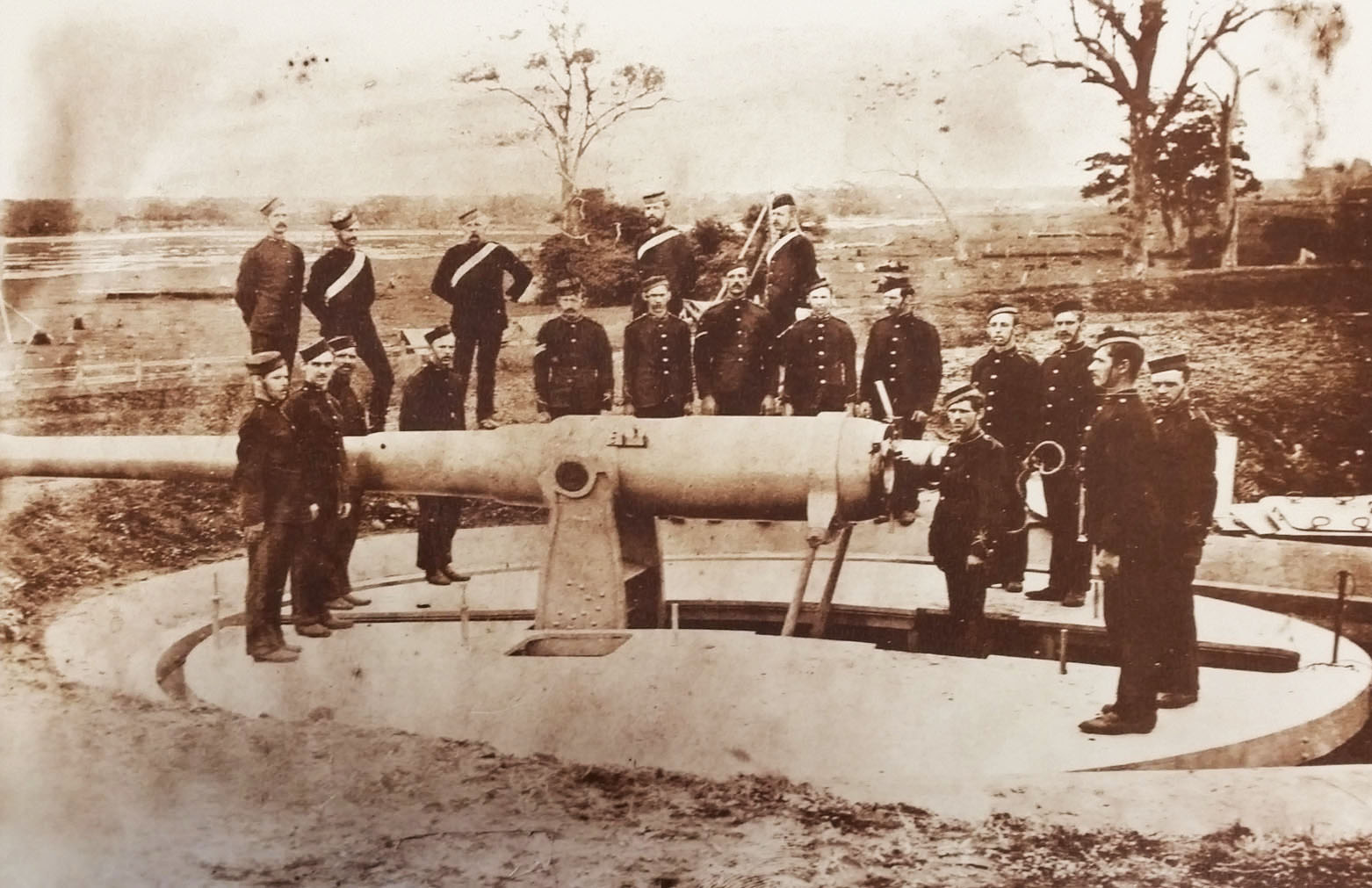
This might easily have been the end of the fort, but the industrial screen that hid it also, in its way, protected it. Sealed off behind the fences of the refinery, the fort was shielded from the pressures of development and casual destruction that have claimed so many old fortifications elsewhere. It survived, quietly and almost forgotten, within the working landscape of the oil industry.
For years the fort remained hidden from public view, its grassy embankments and moat concealed among the industrial structures that had grown up around them. Few Brisbane residents knew that a complete colonial fortress lay tucked away behind the refinery, a secret survivor from the age of coastal defence sitting incongruously amid the machinery of the modern port.
It is a curious irony that concealment, the very principle on which the fort was designed, ended up defining its later history in an entirely unexpected way. Built to hide from an enemy’s guns, the fort spent much of the twentieth century hidden instead behind an oil refinery, and that accidental invisibility helped ensure its remarkable state of preservation.
There is a strange poetry in the image of a colonial fort surrounded by the tanks and towers of a modern oil refinery, two utterly different eras of engineering sharing the same patch of riverbank. The industrial landscape that grew up around the fort belonged to a world its builders could scarcely have imagined, yet the old earthworks endured in its midst, a quiet survivor from another age.
Rescued and Reopened
Eventually the hidden fort was given back to the public. The oil company transferred the site to the Queensland government, and the fort and its surroundings were protected as a national park, opening a new chapter in which the old fortress could finally be appreciated for the treasure it was. After decades behind the refinery fences, Fort Lytton emerged into the light.

The creation of the national park recognised the fort’s rare significance as one of the most complete surviving examples of its kind. Where so many coastal forts have been demolished, altered, or lost, Lytton had come through the century remarkably intact, its earthworks, moat, guns, and structures preserved by the very isolation that had hidden it from view.
Opening the fort to visitors transformed it from a forgotten industrial secret into a place people could explore and understand. The park allowed the public to cross the moat, walk the concealed ramparts, and see the guns and defences that had guarded the river, bringing a long-hidden piece of history back into the life of the city it had once protected.
Preserving such a site is an ongoing task, but the reward is a genuinely rare survival, a coastal fort of the colonial age presented almost whole. Fort Lytton National Park stands as a testament to the value of protecting these places, and to the strange good fortune that saw this particular fort survive its long concealment behind the refinery to be enjoyed by later generations.
The journey from active fortress to hidden relic to protected park mirrors the fate of coastal defence itself, which passed from urgent necessity to obsolescence to heritage over the course of a century. In preserving Fort Lytton, the state kept a tangible record of that whole arc, allowing visitors to trace the rise and fall of a way of defending the coast that once seemed indispensable.
Keeping History Alive
Much of what makes a visit to Fort Lytton special is the work of the volunteers who bring its history to life. A dedicated historical association looks after the fort and shares its story with the public, offering guided tours that turn the silent earthworks and guns into a living account of colonial defence. Their knowledge and enthusiasm are central to the experience.
These volunteers do more than simply explain the fort; they recreate its living past. Through re-enactments and demonstrations, complete with period uniforms and the firing of guns, they let visitors glimpse something of what the fort was like when it was a working military site, filling the concealed ramparts once more with the sights and sounds of soldiering.
This kind of living history has a power that static displays cannot match. To see a gun fired, to watch figures in period dress go through the drills of a vanished army, is to feel the fort’s past in a direct and vivid way, and it is one of the reasons that Fort Lytton leaves such a strong impression on those who take the time to visit it.
The commitment of these volunteers ensures that the fort remains not just a preserved structure but a place where history is actively told and celebrated. Their care keeps the story of Fort Lytton alive for new generations, honouring the thousands who trained and served here and making sure that this hidden fortress is remembered and understood.
It is worth appreciating, too, how much of this preservation depends on the unpaid dedication of ordinary enthusiasts. Without the volunteers who give their time to research, maintain, and present the fort, much of its story would remain locked in the silent stones. Their labour of love is what turns a preserved structure into a place that genuinely speaks to those who visit it.
Crossing the Moat Today
Visiting Fort Lytton is a quietly rewarding experience, all the more so because so few people expect to find such a place tucked away near the industrial port. The fort is open to the public on selected days, and a guided tour is the ideal way to explore it, letting the volunteers reveal the layers of history hidden behind the grassy banks and the moat.

The approach across the water into the pentagonal fort sets the scene, carrying you into a concealed world that opens up only once you are inside. From the ramparts you can see how cleverly the fort was hidden, its guns and defences invisible from the water yet perfectly placed to command the channel, and you begin to appreciate the ingenuity of its design.
Inside, the guns, the emplacements, and the structures of the fort tell the story of colonial coastal defence with unusual completeness. This is not a fragment or a ruin but a fort preserved close to whole, and exploring it gives a real sense of how such a place actually worked, from the heavy guns to the systems that laid the minefield across the river.
View the exact location on Google Maps
Take a moment, too, to reflect on the fort’s strange journey, from feared bastion against Russian raiders to hidden survivor behind an oil refinery to cherished national park. Standing within the concealed walls of Fort Lytton, with the river close by and the history all around you, you are visiting one of the best-kept secrets of Australia’s coastal defence, a fortress that hid so well it very nearly vanished, and is all the more precious for having survived.
Castles Nearby
If Fort Lytton has drawn you into Australia’s hidden coastal defences, two more fortresses of the east coast are worth exploring:
You May Like
Kingston on Norfolk Island: The Beautiful Fortress of a Feared Penal Colony